

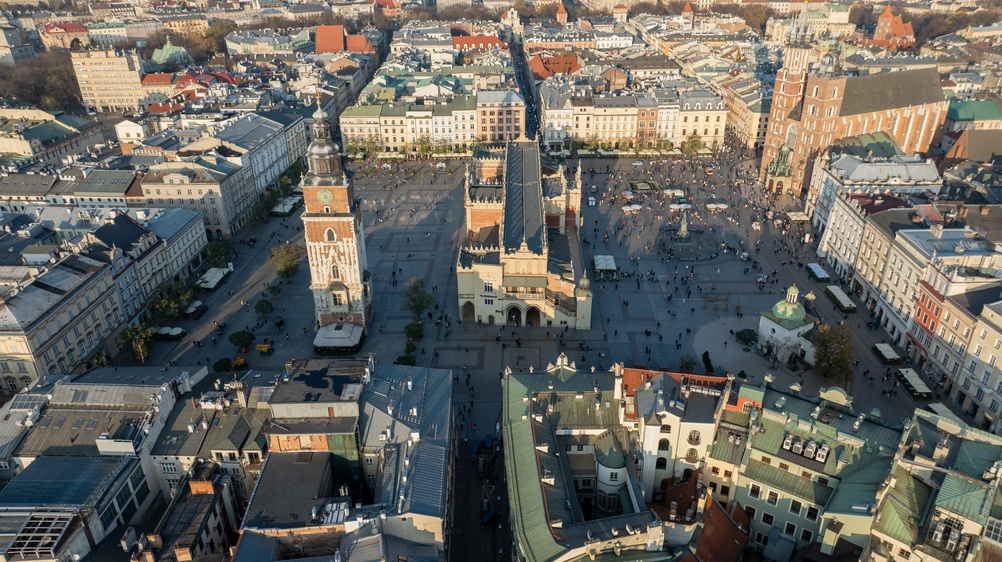
Krakow was Poland’s capital for several hundred years, and it came through the Second World War without the destruction that hit Warsaw. That’s why the medieval city, the royal castle and the Jewish quarter still stand as they were built, and the whole historic centre has been on UNESCO’s World Heritage List since 1978. It’s also one of the cheapest city break destinations in Europe.
Here are my picks for the 18 best things to see and do in Krakow, with prices, opening hours and tips on what to book before you go. Prices are in zloty, and at the time of writing, 1 zloty is worth about €0.23. Many of the city’s museums have a fixed free day each week, and several of the big sights now only sell personal tickets for set time slots, so read the sections before you plan your days.
Contents
1. Rynek Główny and Sukiennice
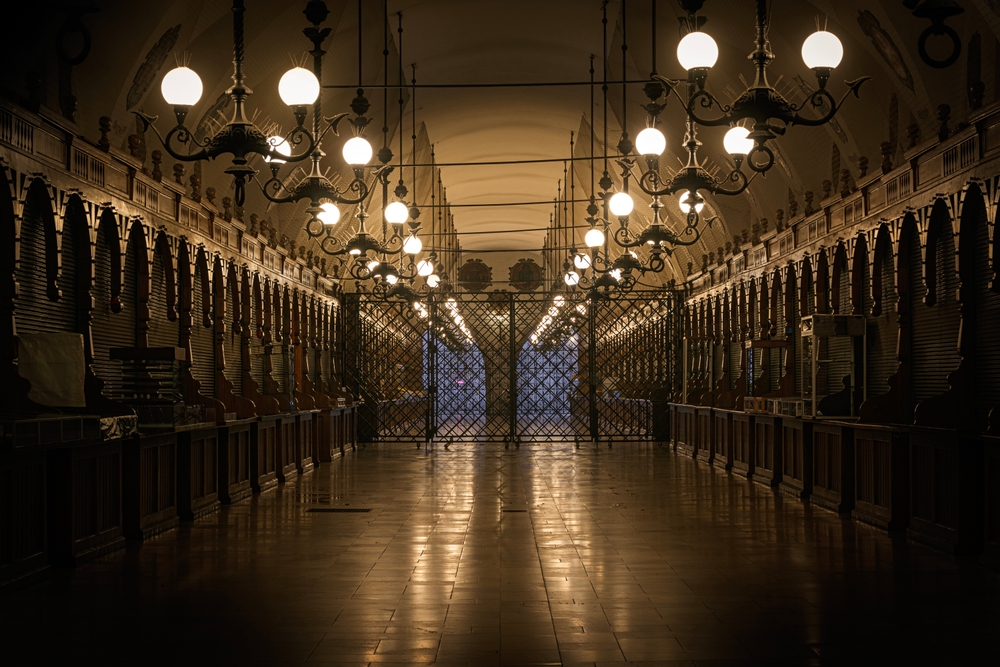
Rynek Główny was laid out in 1257, when Krakow received its town charter, and each side of the square is just over 200 metres long. It was the largest square in medieval Europe and is still one of the largest. Here you’ll find St Mary’s Basilica, the Town Hall Tower and the small St Adalbert’s Church, which is older than the square itself, and every walk around the city starts and ends here.
In the middle of the square stands the Cloth Hall, Sukiennice, with market stalls on the ground floor. On the first floor, the National Museum has a gallery of 19th-century Polish art. It costs 35 zloty (around €8), is open Tuesday to Sunday from 10am to 6pm and is free on Tuesdays. The Town Hall Tower next door costs 22 zloty (around €5) and is free on Mondays. The stairs up are narrow and steep.
The square looks its best early in the morning, before the groups arrive, and again in the evening, when the façades are lit up. From late November to early January, it hosts a Christmas market. If you’d like the stories behind it all, a guided walking tour is a cheap way to get your bearings on your first day.
Book a guided walking tour of Krakow’s Old Town.
2. Rynek Underground
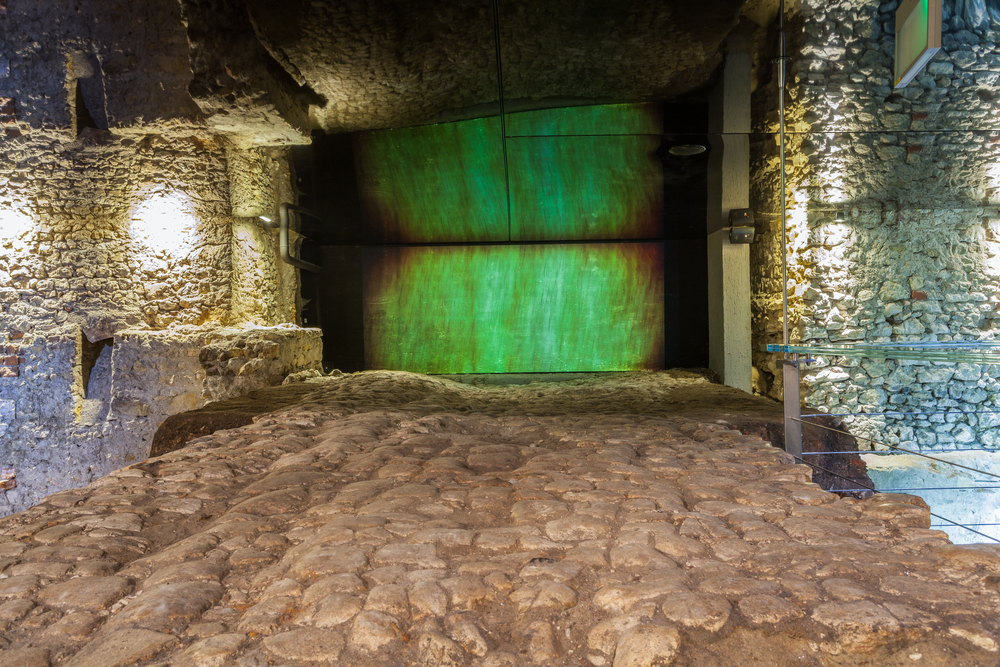
Beneath the square lies one of Krakow’s most modern museums. Rynek Underground is an archaeological excavation of almost 4,000 square metres, which opened in 2010 a few metres below the cobblestones. You walk on glass walkways above the medieval roads and the cellars of the old market stalls and see workshops, coins, dice and arrowheads from the time when the Tatars attacked the city.
The exhibition is full of screens, holograms and films, and there are play areas and a mechanical theatre for children, so it’s a good museum for families. There’s a lift down. The ticket office is on the opposite side of Sukiennice from the entrance.
A ticket costs 45 zloty (around €10). The museum is open every day until 7pm or 8pm, except on Tuesdays, when it closes at 3pm, and it’s closed on the second Monday of the month. Tuesday is the free day, but free tickets can’t be booked and are only handed out in limited numbers on the day. Last entry is 75 minutes before closing. The museum also closes on some public holidays, so check the opening hours before you go.
Book a guided tour of Rynek Underground.
3. St Mary’s Basilica
St Mary’s Basilica, with its two towers of different heights, is Krakow’s landmark. Every hour, a trumpet call, the hejnał, is played over the city from the taller tower, which is 82 metres high. The melody breaks off abruptly in the middle of a note, and according to legend, it’s in memory of a watchman who was hit by a Tatar arrow while he was sounding the alarm. You can hear it for free from the square below on the hour, every hour.
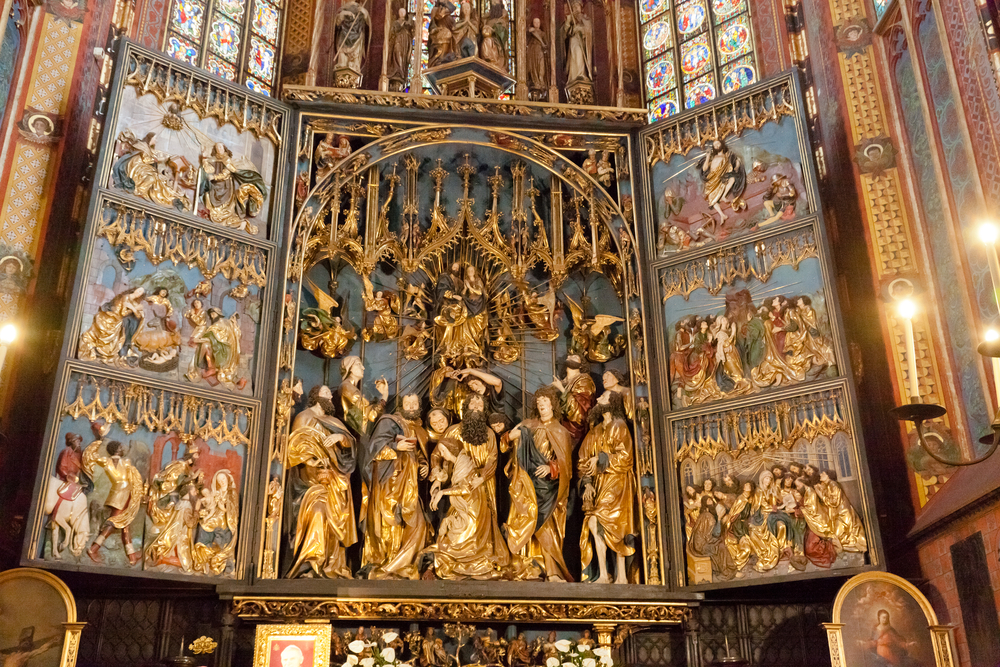
Inside the church is the altarpiece that the woodcarver Veit Stoss made between 1477 and 1489. It’s opened Monday to Saturday at 11.50am and on Sundays at 2.10pm, so arrive a little before. Tourists use the side entrance on the south side, and the 20 zloty (around €4.50) ticket is sold at the visitor centre at Plac Mariacki 7 opposite the entrance. You can visit the church Monday to Saturday from 11.30am to 6pm and on Sundays from 2pm.
You can also climb the trumpeter’s tower for 20 zloty (around €4.50). Tickets are only sold on the day and in limited numbers, there’s no access on Mondays, and the tower is closed from November to April.
4. Wawel Castle
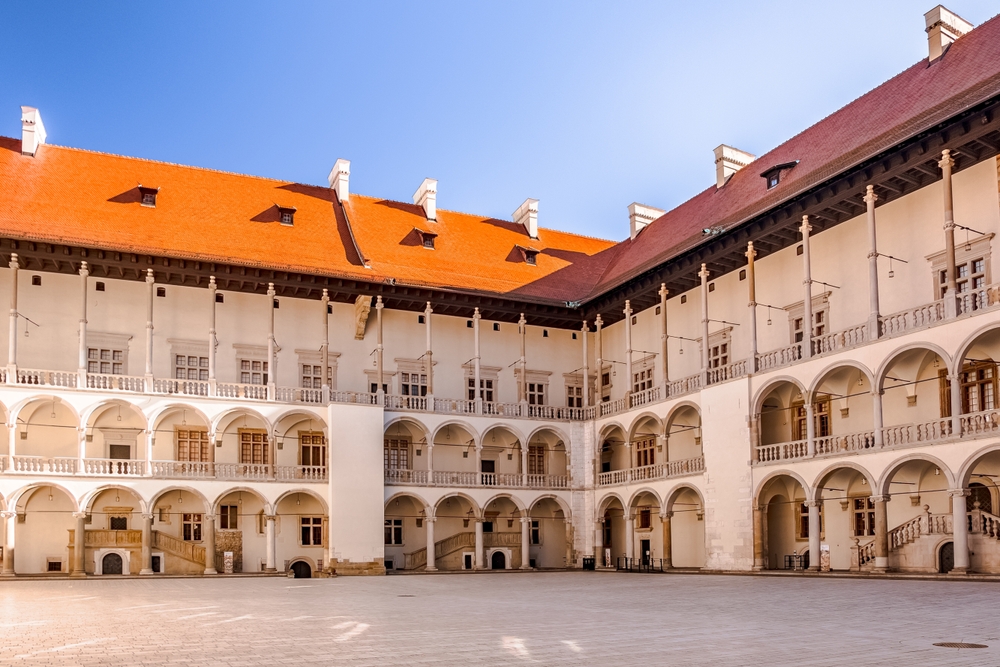
On the rock above the River Wisła stands Wawel, where the Polish kings lived and were crowned. You can walk up the hill and into the large arcaded courtyard for free, but each exhibition has its own ticket for a set time, and numbers are limited. So you’ll have to choose.
The main route through the castle’s first and second floors with an audio guide costs 95 zloty (around €22). If you only want to see the royal chambers on the second floor, it costs 57 zloty (around €13), and the Crown Treasury, with the coronation sword Szczerbiec, and the Armoury cost 47 zloty (around €11) each. Two or three exhibitions are enough for one visit. Children love the Dragon’s Den beneath the castle, where you walk 135 steps down a spiral staircase and come out by the dragon statue down by the river. It costs 15 zloty (around €3.50) and is only open in the summer season.
The exhibitions are open Tuesday to Sunday from 9am to 5pm. You can buy tickets on the castle’s website up to a month ahead, and if they’re sold out online, there may still be tickets at the ticket desks. Backpacks have to be left in the cloakroom. It’s a ten-minute walk from Rynek Główny.
Book a guided tour of Wawel Castle and the cathedral.
5. Wawel Cathedral
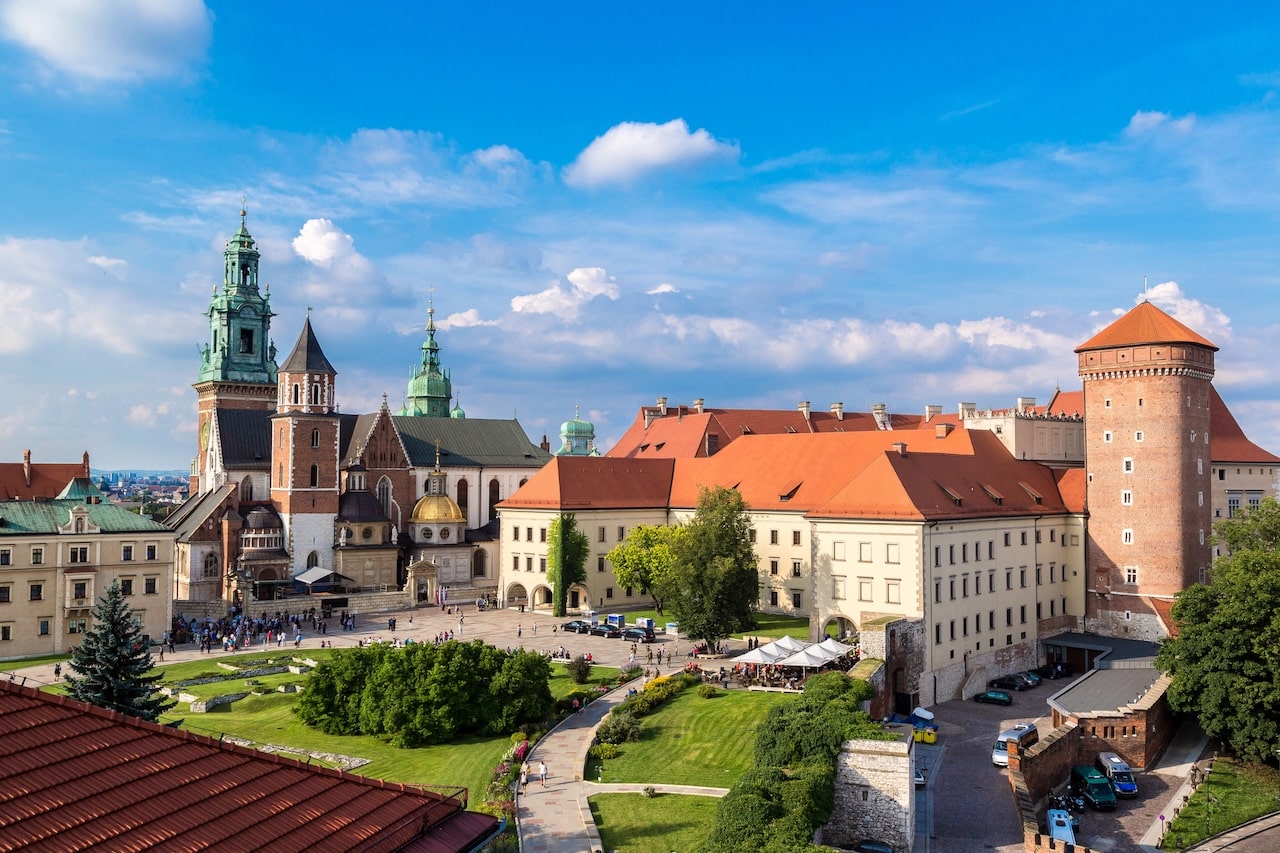
Next to the castle stands the Gothic cathedral where Poland’s kings were crowned and buried. It has its own ticket and its own ticket office, so a castle ticket isn’t valid here.
A ticket costs 26 zloty (around €6) and covers the cathedral itself, the bell tower with the great Sigismund Bell, the royal tombs in the crypt and the cathedral museum. Allow 40 minutes for the church and the bell tower, 10 minutes for the tombs and 20 minutes for the museum. The stairs up to the bell are narrow and wooden, but the view over the city from the top is worth the climb.
From April to October, it’s open Monday to Saturday from 9am to 5pm, and from November to March until 4pm. Ticket sales stop half an hour before closing. On Sundays, tourists can’t get in until 12.30pm, and the cathedral museum is closed, so you get less for your money that day.
6. Kazimierz
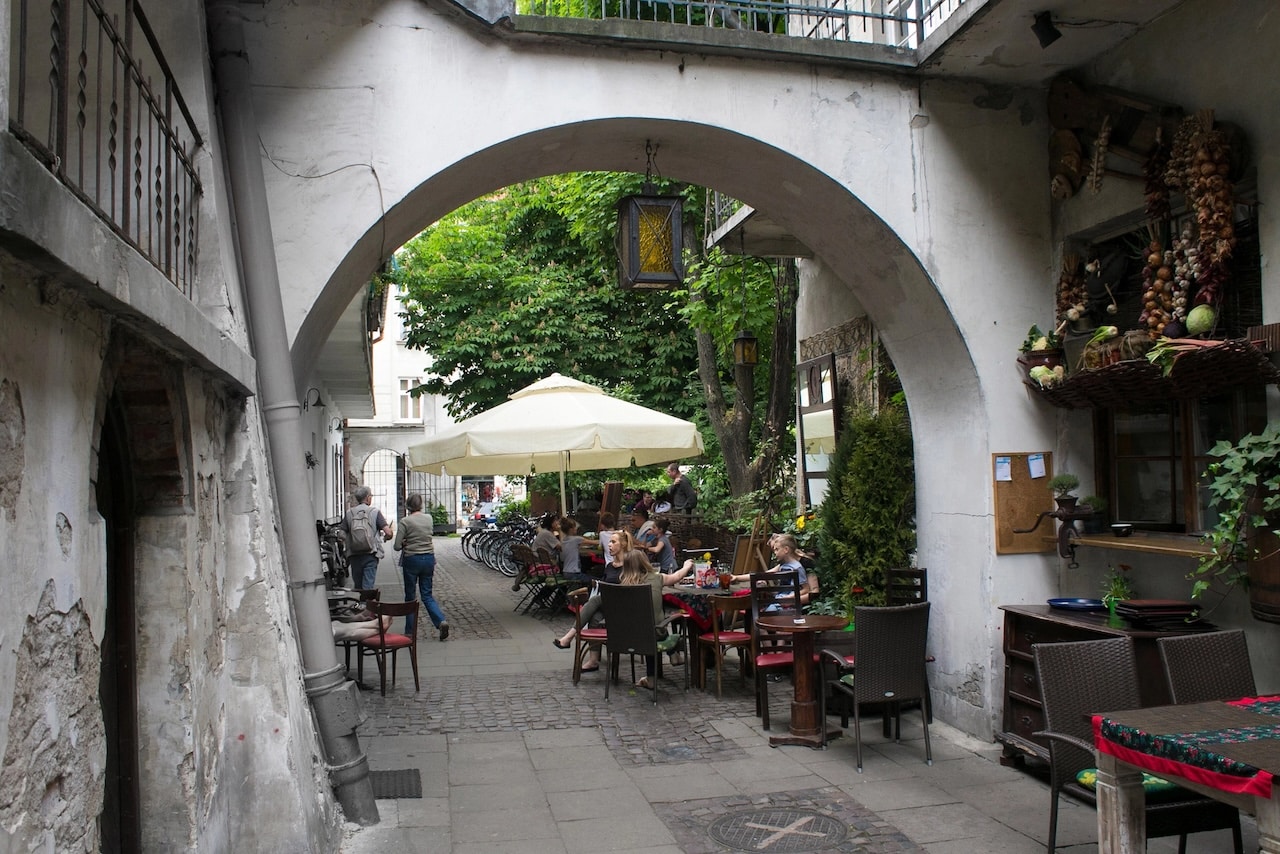
Kazimierz was founded as a separate town by King Casimir the Great in the 14th century, and from the end of the 15th century, Krakow’s Jewish town was here, centred on Szeroka Street. In the 1930s, one in four of Krakow’s residents was Jewish. Since 1989, the district has come back to life, and today it’s the best place in the city for a night out, with bars, cafés and a flea market on Plac Nowy.
On Szeroka stands the Old Synagogue, which is now a museum of the history and culture of Krakow’s Jews. It costs 22 zloty (around €5) and is free on Mondays, although it closes at 3pm that day. A few steps away is the Remuh Synagogue from the mid-16th century, which is still in use, and the old cemetery behind it, with a wall built from fragments of destroyed gravestones. The Tempel Synagogue on Miodowa has a colourful Moorish interior.
Remuh and Tempel cost 10 to 15 zloty (around €2.50 to €3.50) each and are closed on Saturdays and Jewish holidays. On Fridays, they close two hours earlier. Men can borrow a head covering at the entrance. The walk from Wawel to Kazimierz takes 10 to 15 minutes.
Book a guided tour of the Jewish Quarter and the former ghetto.
7. Oskar Schindler’s Enamel Factory
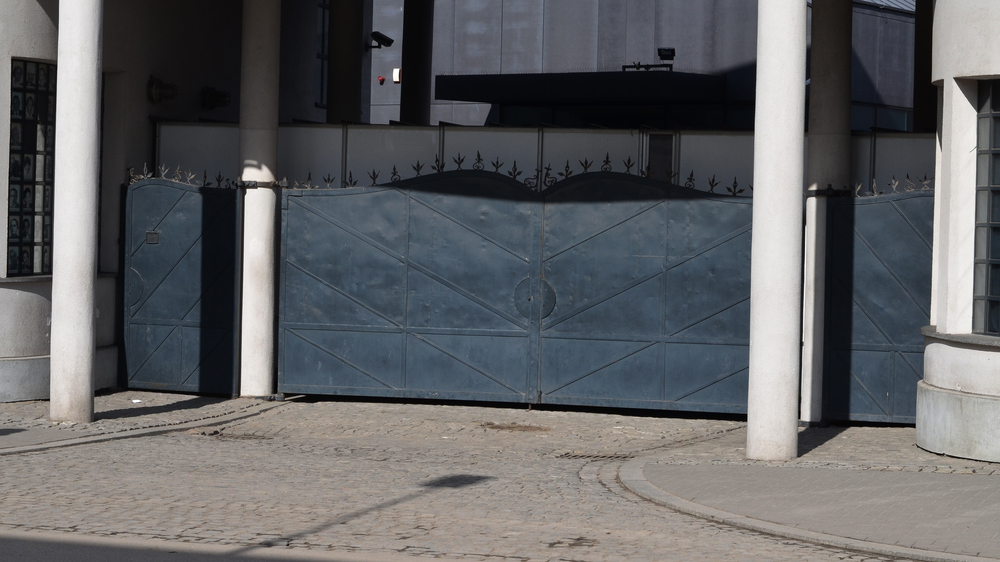
Many people think the museum is about Oskar Schindler, but it tells the whole story of Krakow under the German occupation from 1939 to 1945. In 45 rooms in the factory’s old administration building, you walk through recreated streets, a tram, a flat in the ghetto and the road to the Płaszów camp. Schindler’s own office has been preserved, and in the middle of it stands a monument made of thousands of enamel pots like the ones the factory produced.
A ticket costs 60 zloty (around €14). The museum is open Tuesday to Sunday from 9am to 8pm and on Mondays from 10am to 3pm, and it’s closed on the first Tuesday of the month. Last entry is an hour and a half before closing.
This is the ticket you should book first. Online tickets are personal and valid for a set time, and you’ll need to show ID at the entrance. Sales open 90 days ahead, and the ticket office only sells tickets for the same day. Monday is the free day, but free tickets can’t be booked and there aren’t many of them. Keep your ticket, because it also gets you into the Eagle Pharmacy in the former ghetto within seven days. Take the tram to Plac Bohaterów Getta or Zabłocie.
Book a small-group guided tour of Schindler’s Factory.
8. Podgórze and the Former Ghetto
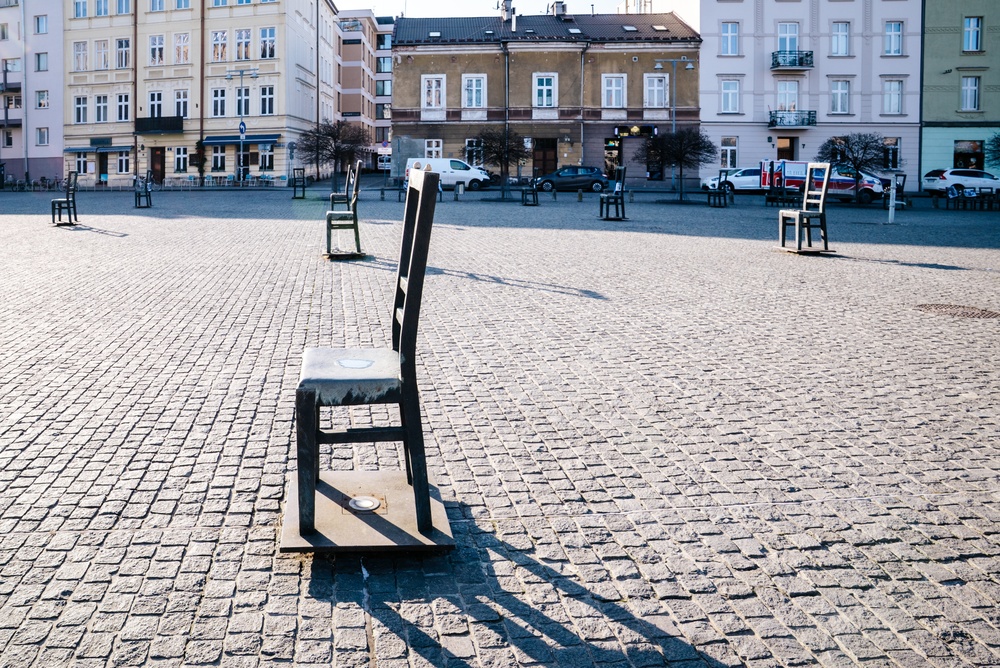
On the other side of the river lies Podgórze, where the Germans set up the Krakow ghetto in March 1941. More than 15,000 Jews were crammed into just under 20 hectares, and in March 1943, the ghetto was liquidated and its residents were sent to Płaszów, Bełżec and Auschwitz.
The ghetto’s central square is now called Plac Bohaterów Getta. This is where people were rounded up before the deportations, and since 2005, the square has been a memorial of empty metal chairs. On the square stands the Eagle Pharmacy, where the pharmacist Tadeusz Pankiewicz and his staff helped the ghetto’s residents with medicine, food and contact with the rest of the city. The pharmacy costs 22 zloty (around €5), is open Wednesday to Sunday from 9am to 5pm and is free on Wednesdays. In the district, you can also see remains of the ghetto wall, whose top is shaped like Jewish gravestones.
Carry on south and you’ll come to Krakus Mound, a 16-metre-high earth mound that, according to legend, is the grave of King Krak, with open views over the city. It’s free and always open. On the site of the former Płaszów camp, there’s a free outdoor exhibition while the new museum hasn’t opened yet. Podgórze is easy to combine with Schindler’s Factory, which is a few minutes’ walk from the square.
9. Planty, the Barbican and St Florian’s Gate
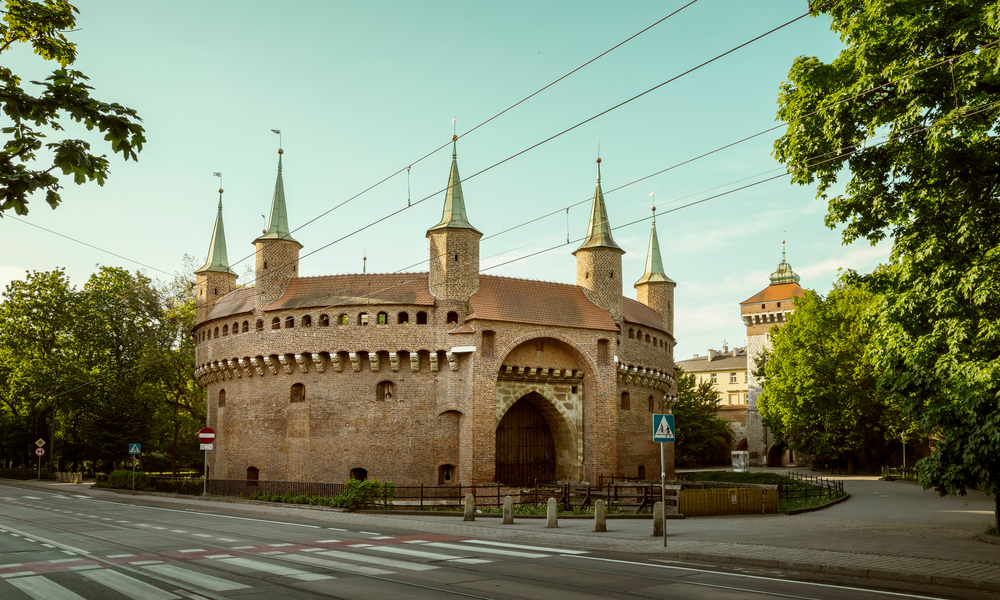
In the Middle Ages, Krakow’s city wall had 7 gates and 47 towers. It was pulled down in the early 19th century and replaced by the Planty park, which today runs as a four-kilometre green ring all the way around the Old Town. It’s the city’s best walk, and it’s free.
Only a stretch of the wall at the northern end was saved: St Florian’s Gate, three towers and the Barbican, a round fortification from the late 15th century. St Florian’s Gate is 34.5 metres high and was the start of the Royal Road, which the Polish kings followed through the city to Wawel. You can walk through the gate for free and down the pedestrian street Floriańska to Rynek Główny.
If you’d like to go up on the wall and into the Barbican, each costs 22 zloty (around €5). They’re open Tuesday to Sunday from April to the end of October and closed in winter. The museum’s own pages give different opening hours, so check them on the day.
10. Collegium Maius
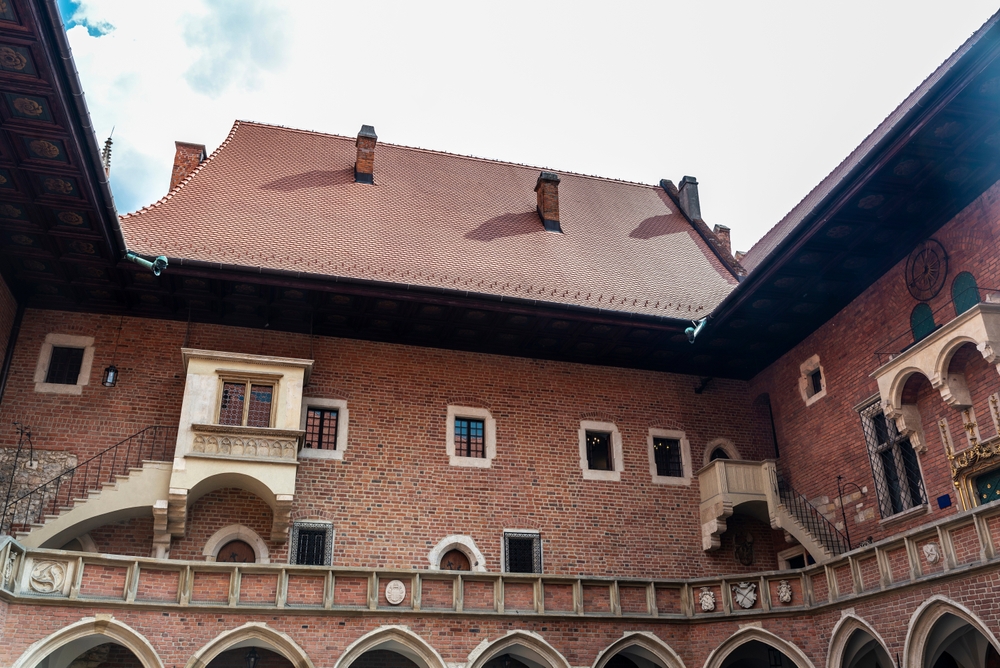
Collegium Maius is the oldest university building in Poland and belongs to the Jagiellonian University, where Nicolaus Copernicus studied from 1491 to 1495. The building is a couple of minutes’ walk from Rynek Główny, and the university still uses it for ceremonies.
You can walk into the Gothic arcaded courtyard for free. Every two hours from 9am to 5pm, the clock above the entrance to the library plays a tune while a row of wooden figures of kings, professors and a beadle parade round. It only takes a few minutes and is fun to watch, so come at 11am, 1pm or 3pm.
The museum shows the old library, the professors’ dining room, the university treasury and a collection of more than 2,000 scientific instruments, including an astrolabe from 1054. It’s also home to the film director Andrzej Wajda’s Oscar and the poet Wisława Szymborska’s Nobel medal. I haven’t been able to confirm the current prices and opening hours, so check them with the university before you go, and expect it to be closed on Sundays.
11. Czartoryski Museum
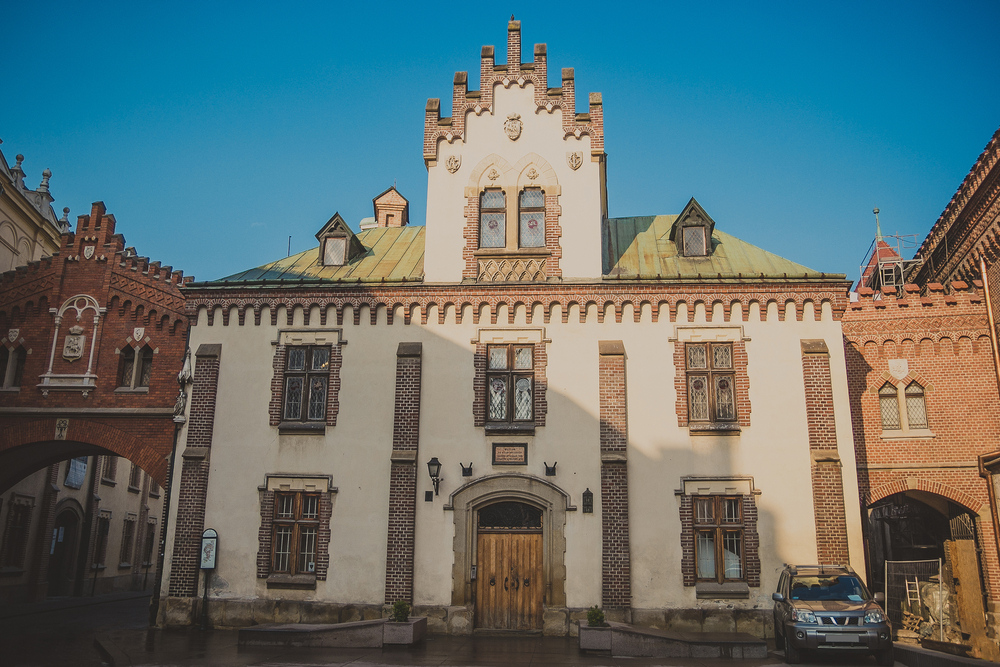
The Czartoryski Museum has Poland’s most valuable art collection, and it’s built around one painting: Leonardo da Vinci’s Lady with an Ermine. It’s one of only four portraits of women by his hand, and it hangs on the second floor of the palace alongside Rembrandt’s Landscape with the Good Samaritan.
The collection was founded by Princess Izabela Czartoryska around 1800 and came to Krakow in 1876. The Polish state bought it in 2016, and after a major renovation, the museum reopened in stages up to 2023. Some of the works disappeared during the Second World War and are still being searched for.
A ticket costs 65 zloty (around €15) and is valid for a specific day and time. The museum is open Tuesday to Sunday from 10am to 6pm, with last entry an hour before closing, and it’s closed on Mondays. Entry is free every Tuesday, but free tickets are limited and can only be collected at the ticket desk on the day, so arrive early. The museum is at Pijarska 15, right by St Florian’s Gate.
12. Wieliczka Salt Mine
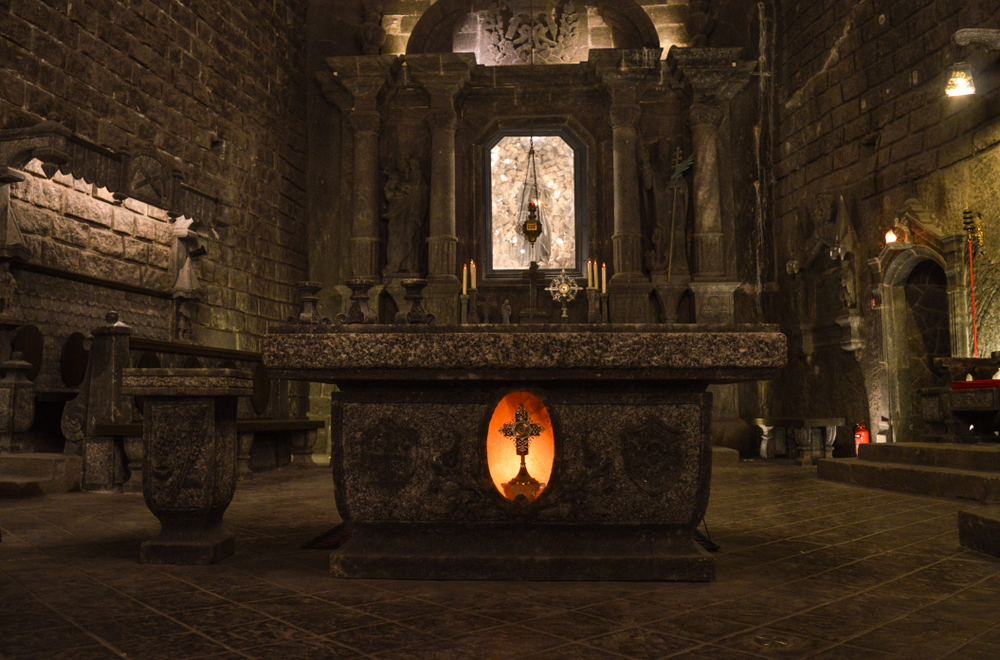
Ten kilometres southeast of the centre lies one of the oldest salt mines in the world, which was on UNESCO’s very first World Heritage List in 1978. The mine has nine levels and 245 kilometres of passages and reaches a depth of 327 metres. You’ll see about two per cent of it.
The tourist route is just over three kilometres long and goes down to a depth of 135 metres. You walk about 800 steps in total, 380 of them right at the start, and take a lift back up at the end. Along the way, you pass through chambers, chapels and underground lakes, and the highlight is St Kinga’s Chapel, which is carved out of salt from floor to ceiling. The tour is guided, takes two to three hours and ends in the mine’s underground museum. The temperature is 17 to 18 degrees all year round, so bring a jumper.
A ticket for an English-language tour costs about 143 to 159 zloty (around €33 to €36), depending on the season. Buy it in advance on the mine’s website, because the ticket desk only sells what’s left. You’re only allowed to bring a small bag. The train from Kraków Główny to Wieliczka Rynek-Kopalnia takes about 25 minutes, and bus 304 runs from the main station. If you’d rather not plan it yourself, there are tours with transport from Krakow.
Book a tour of Wieliczka Salt Mine with transport from Krakow.
13. Auschwitz-Birkenau
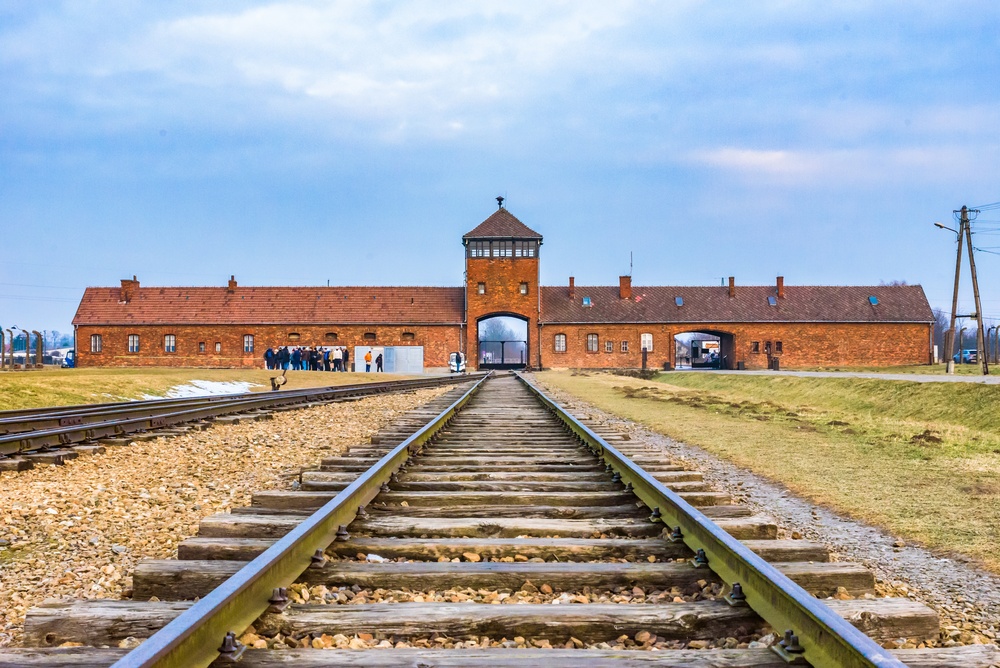
The former German concentration and extermination camp lies by the town of Oświęcim, an hour and a half’s drive from Krakow. It isn’t a sight in the usual sense, but for many people, the visit is the most important reason to travel to Krakow. The memorial doesn’t recommend visits with children under 14.
Entry is free, but everyone needs a personal entry pass, and it can only be booked on the memorial’s own booking site. No passes are handed out at the entrance, and you’ll need to show ID. For most of the day, you can only get in with a guide. The official guided tour in English lasts about three and a half hours, covers both Auschwitz I and Birkenau and costs 150 zloty (around €34). Without a guide, you can only get in late in the day, and the time changes with the season.
Book as early as possible, because the guided tours sell out. Arrive at least 30 minutes early and only bring a small bag of no more than 35 by 25 by 15 centimetres. The bus from the MDA bus station in Krakow goes right to the museum car park in about 1 hour and 25 minutes and costs 27 zloty (around €6) each way. A free shuttle bus runs between the two camps. If the official guided tours are sold out, or you’d like transport included, an organised tour from Krakow is the easiest option.
Book a guided tour of Auschwitz-Birkenau with pickup in Krakow.
14. Nowa Huta
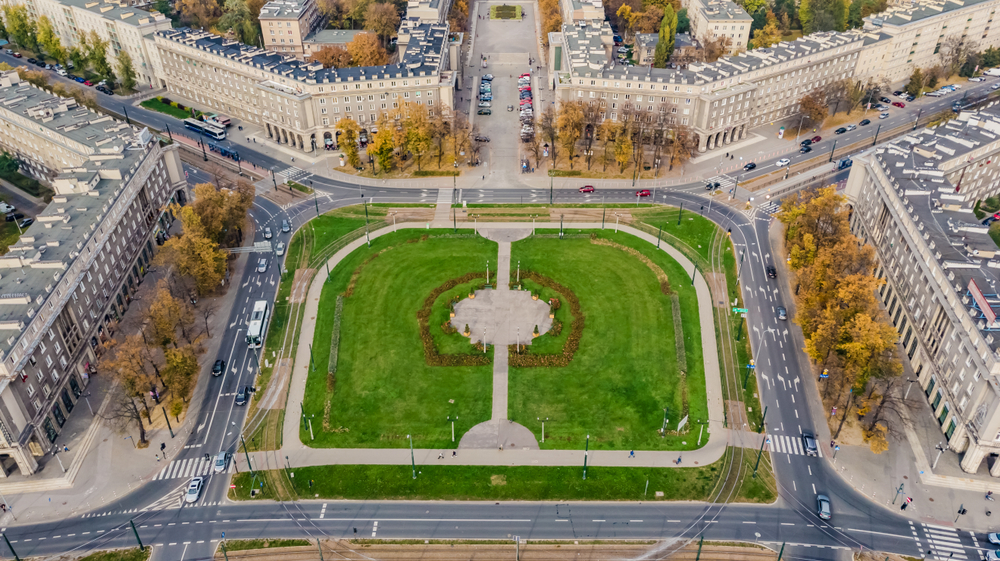
In 1949, the communist regime decided to build a huge steelworks and a brand new model town on the fields east of Krakow. Nowa Huta was meant to be the ideal workers’ town and Poland’s showcase to the world, and today the district is one of the best-preserved examples of socialist realism in Europe.
Start at Plac Centralny, which was built from 1952 to 1956. The square has five sides, and five wide avenues radiate out from it between monumental housing blocks with arcades. Walk up Aleja Róż, where a huge statue of Lenin stood until December 1989. Further out is the Arka Pana church, which played an important role for Solidarity and the protests against the regime in the 1980s.
More than 250 air-raid shelters were built beneath the housing estates in the 1950s, and two of them on Osiedle Szkolne are now exhibitions. The Nowa Huta Museum itself is temporarily closed for renovation. Trams run from the centre to Plac Centralny. If you’d like to go inside the steelworks’ administration buildings and down into their bunkers, you’ll need to join a guided tour.
Book a guided tour of the Nowa Huta steelworks and shelters.
15. Kościuszko Mound
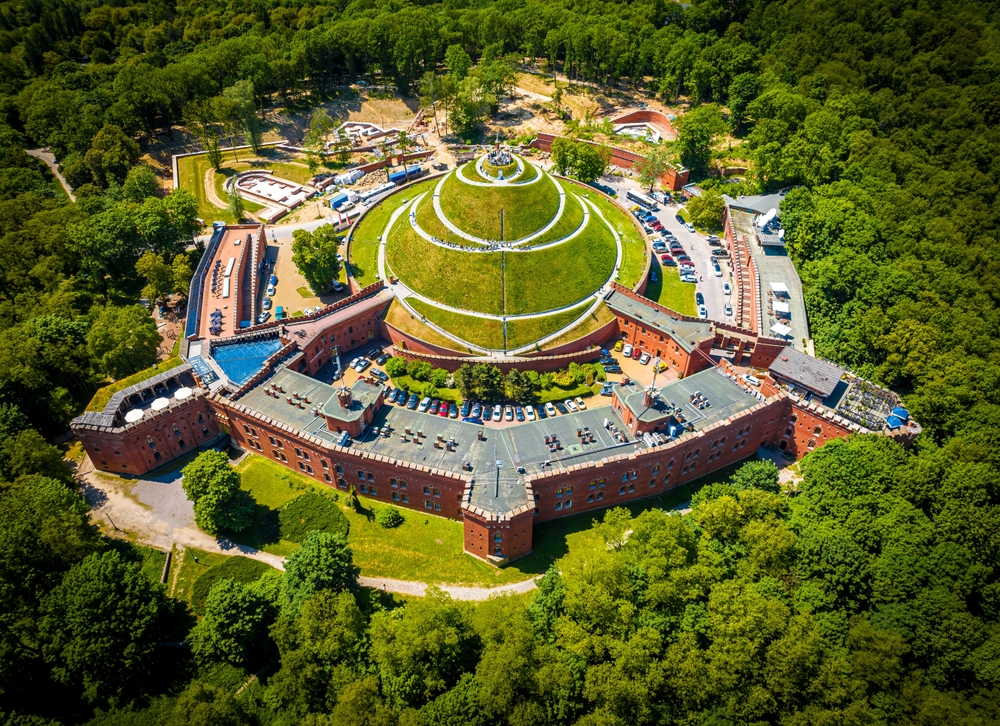
Krakow has several man-made mounds, and Kościuszko Mound, west of the centre, is the one with the best view. It was built in the 1820s in honour of the national hero Tadeusz Kościuszko. From the top, you can see Wawel, St Mary’s Basilica and Rynek Główny, and on a clear day, you can see all the way to the Tatra Mountains.
The path to the top has no steps, but it’s quite steep. A ticket costs 34 zloty (around €8) and also covers the exhibitions in the old fort at the foot of the mound, including a multimedia exhibition about Kościuszko and a trail for children. It’s open every day from 9am, and the closing time changes with the season. Entry is free on three days a year, including 15 October.
Take bus 100 from Salwator or bus 101 from Rondo Grunwaldzkie. If you’d rather have a free view, Krakus Mound in Podgórze is the best alternative. It’s lower, but it’s closer to the city and open around the clock.
16. Zakrzówek
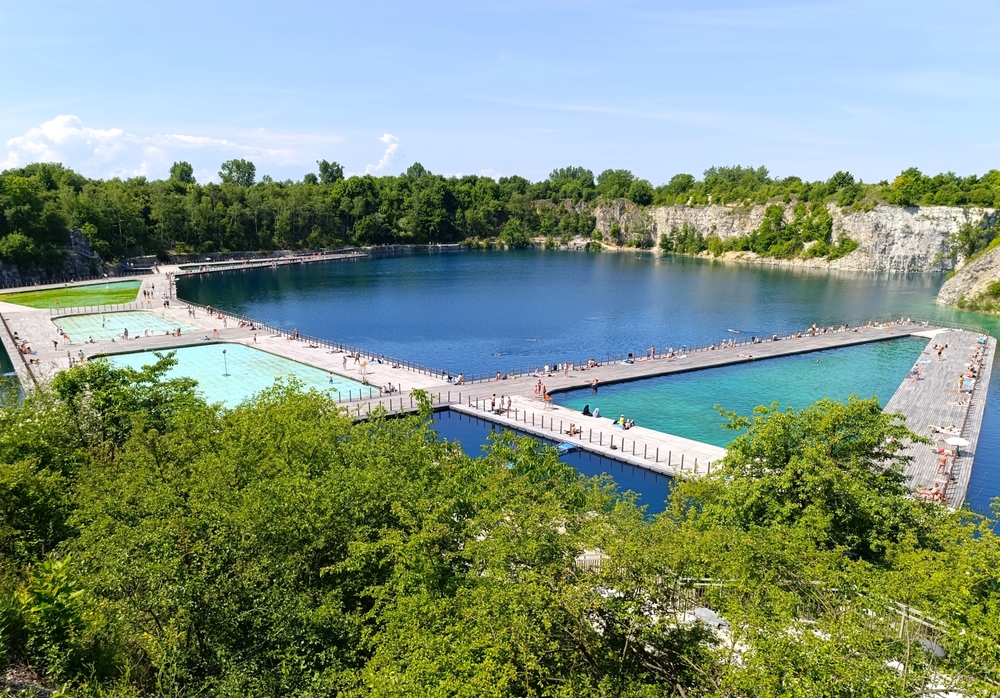
Zakrzówek is an old limestone quarry that was flooded in 1990, and the water has a turquoise colour that’s earned the place the nickname Poland’s little Croatia. In 2023, the city opened a park of more than 50 hectares around the lake, with five floating swimming pools connected by wooden walkways.
The pools range in depth from 40 centimetres to 3.5 metres, and swimming is free. The bathing season normally runs from June to September, with lifeguards every day. No more than 600 people are allowed on the walkways at a time, so there are queues on hot weekends, and you’ll need to arrive early. On Mondays, the pools don’t open until 2pm. Jumping in and swimming outside the pools aren’t allowed, because the lake is up to 30 metres deep.
Out of season, the park is still open, and the paths along the cliff edge have great views over the water, so it’s worth the trip all year round. Take the tram to the Kapelanka or Norymberska stop and walk the last stretch.
17. The Wisła Riverside and Tyniec Abbey
Wide promenades run along the River Wisła below Wawel, where Krakow’s residents walk, cycle and sit on the grass in summer. Follow the river from the castle towards Kazimierz and cross the Kładka Ojca Bernatka footbridge to Podgórze. It opened in 2010, and ten balancing acrobat sculptures hang above the bridge.
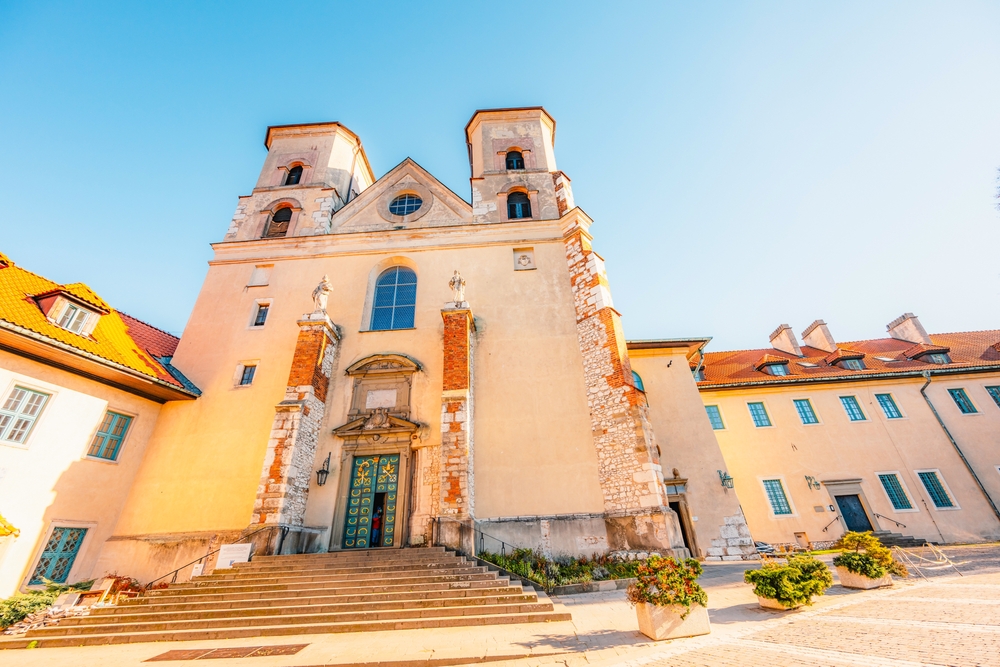
If you’d like to go further, the Benedictine abbey in Tyniec sits on a cliff above the river on the southwestern edge of the city. Monks settled here in the mid-11th century, and the abbey is considered the oldest one still standing in Poland. The museum in the old cellars costs 15 zloty (around €3.50) and displays Romanesque capitals and finds from the abbey’s earliest days.
The guided tour is better, because it takes you into the parts you can’t see on your own, including the cloister and the remains of the 11th-century church. It costs 30 zloty (around €7) in Polish and 50 zloty (around €11) in English, and English tours have to be arranged with the abbey in advance. Take a tram or bus to Rondo Grunwaldzkie and then bus 112. If you’d like to see the city from the water, sightseeing boats leave from the quay below Wawel.
Book a Wisła river cruise with an audio guide.
18. Day Trip to Zakopane
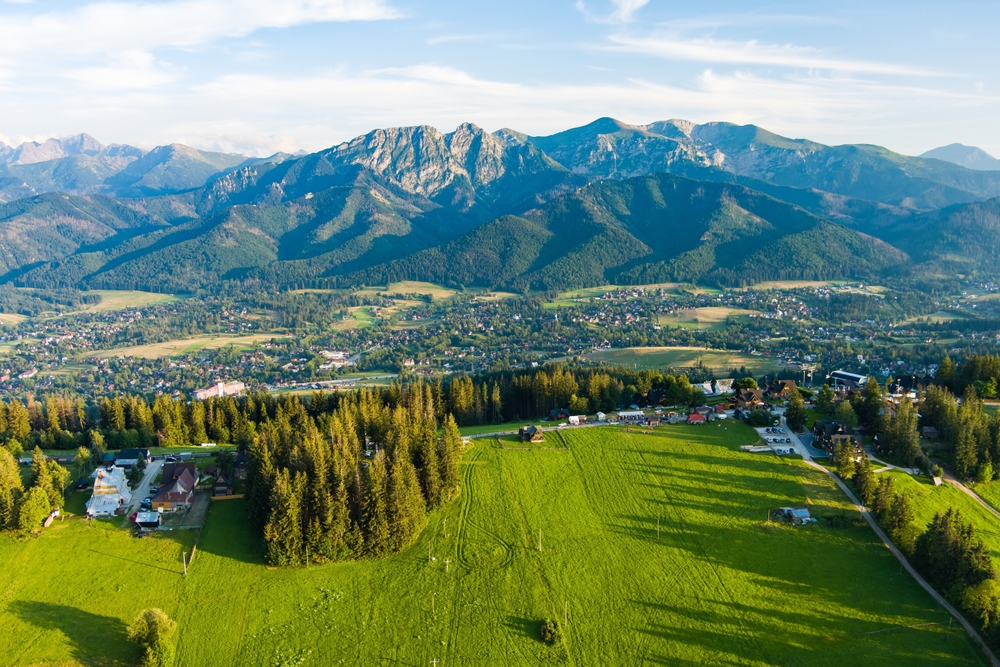
Zakopane is Poland’s winter sports town, and it lies at the foot of the Tatra Mountains on the border with Slovakia. Buses from Krakow run about 15 times a day from early morning, and the journey usually takes 2 hours and 15 minutes. The train is slower.
The town is known for its wooden houses in the local mountain style, the pedestrian street Krupówki and oscypek, the smoked sheep’s cheese that’s sold from stalls everywhere. The funicular up Gubałówka runs all year and takes you up to 1,122 metres in a few minutes, with views of the whole mountain range.
The town itself and Gubałówka make an easy day trip. The mountain lake Morskie Oko is the most famous excursion in the Tatras, but it means another bus ride and a long hike each way, so from Krakow it makes for a very long day. If you want to see the lake, you should stay overnight in Zakopane, and you can see hotels in Zakopane here. The most popular organised day trips from Krakow combine the town with the funicular and a visit to the hot springs nearby.
Book a day trip to Zakopane with the funicular and thermal baths.
Practical Travel Tips for Krakow
The Old Town, Wawel and Kazimierz are so close together that you can walk between them, and you’ll only need a tram or bus for Podgórze, Nowa Huta and the mounds. A 30-minute ticket costs 6 zloty (around €1.50), a 60-minute ticket 8 zloty (around €2) and a 24-hour pass 20 zloty (around €4.50). Remember to validate your ticket when you board. Wieliczka Salt Mine is outside the city zone and needs a ticket for more than one zone.
From the airport, trains run every half hour to the main station, Kraków Główny, in 17 to 18 minutes, and a ticket has so far cost about 20 zloty (around €4.50). Bus 300 also goes to the centre, and at night, line 902 runs. See the current connections on the airport’s website. I’ve covered all the options in my guide to getting from Krakow Airport to the city centre.
Plan your days around the free days, because you can save a lot of money. Monday is free at Schindler’s Factory, the Old Synagogue and the Town Hall Tower. Tuesday is free at Rynek Underground, the Czartoryski Museum and the gallery in Sukiennice, and Wednesday at the Eagle Pharmacy. Free tickets can usually only be collected at the ticket desk on the day, and they run out early. The National Museum’s branches are closed on Mondays. Because of the free days, the city’s tourist card only pays off if you want to see several paid museums a day, and neither Wawel nor the salt mine is included in the card.
Poland uses the zloty, and you can pay by card almost everywhere. Always choose to pay in zloty if the card terminal or cash machine asks, because otherwise you’ll get a poor exchange rate. Krakow doesn’t charge a tourist tax on overnight stays. Shops and petrol stations aren’t allowed to sell alcohol at night, and drinking in the street is forbidden. The local snack is the obwarzanek, a twisted bread ring that’s sold from blue carts on every street corner and has EU protected origin status.
Book a street food tour in Krakow.
If you’re not sure which area to choose, read my guide to where to stay in Krakow, or see all hotels in Krakow on Booking.com. If you’d like to see more of Poland, I’ve also written about where to stay in Gdansk.
Travel ressources & websites I use all the time 👇
• Booking.com has the best offers on hotels and unique places to stay
• GetYourGuide is the best place to book tours & activities with free cancellation
• Welcome Pickups is the best & safest place to pre-book airport transfers
Psst 👀 Have you subscribed to my Youtube channel and my Instagram where I provide more useful travel tips?