

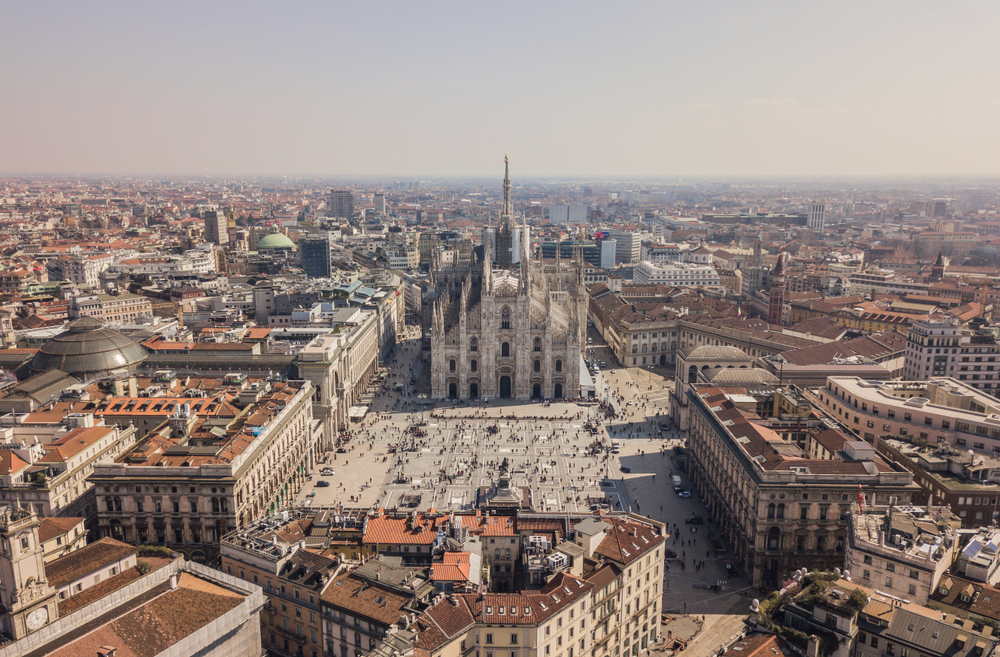
Milan is Italy’s fashion and financial capital, and the city moves at a faster pace than Rome or Florence. The main sights are close together, though: the cathedral, opera house, Leonardo da Vinci’s most famous painting and the castle housing Michelangelo’s final sculpture are all within walking distance or a few metro stops of one another. In the evening, the city heads to the canals of Navigli for an aperitivo.
Here are my picks for the 20 best things to see and do in Milan, with prices, opening hours and tips on what to book before you travel. Prices are listed in euros. Several museums have raised their prices in 2026, and tickets for The Last Supper need to be booked well ahead, so pay particular attention to those sections before making your reservations.
Contents
1. Duomo di Milano
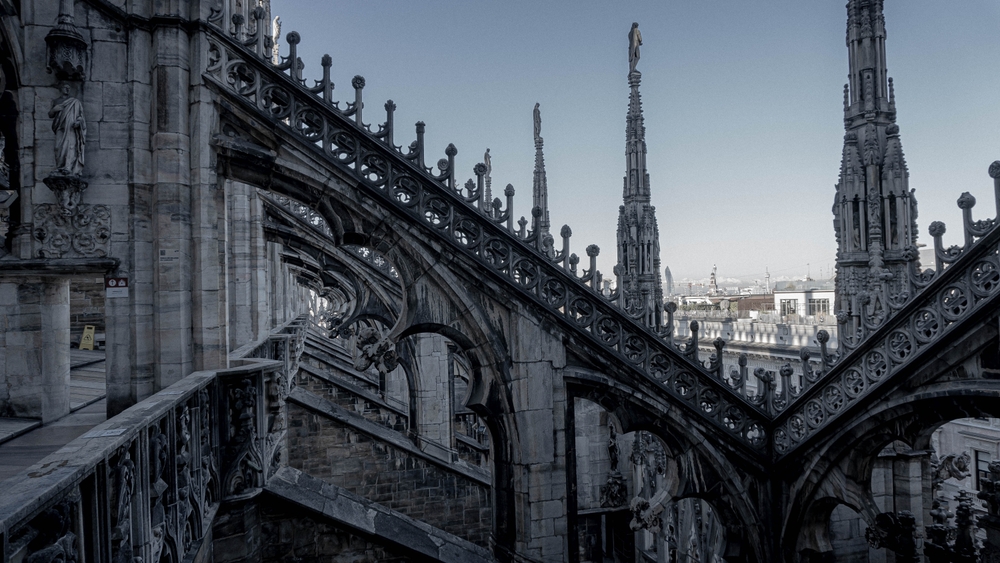
The cathedral is Milan’s landmark and the largest church in Italy, since St Peter’s Basilica is in Vatican City. Construction began in 1386 and was not completed until 1965. The façade is clad in marble from Candoglia, the roof has 135 spires, and the Madonnina statue stands at the top, 108.5 metres above the square.
Tourists have to pay to enter the cathedral. A ticket for the cathedral and museum costs €10, but the rooftop terraces are what most people come for. You can walk among the spires and statues while looking out over the city. A combined cathedral, museum and terraces ticket costs €22 if you climb the roughly 250 steps, or €26 if you take the lift. For the rooftop alone, prices have previously been €16 via the stairs or €18 by lift.
The cathedral and terraces open daily from 9am to 7pm, with last admission roughly an hour before closing. The museum closes on Wednesdays. Everyone goes through a security check, and suitcases are not allowed. Buy your ticket on the cathedral’s own website to avoid the queue at the ticket office. Metro lines M1 and M3 stop at Duomo.
Book a skip-the-line guided tour of the cathedral and rooftop terraces.
2. Galleria Vittorio Emanuele II
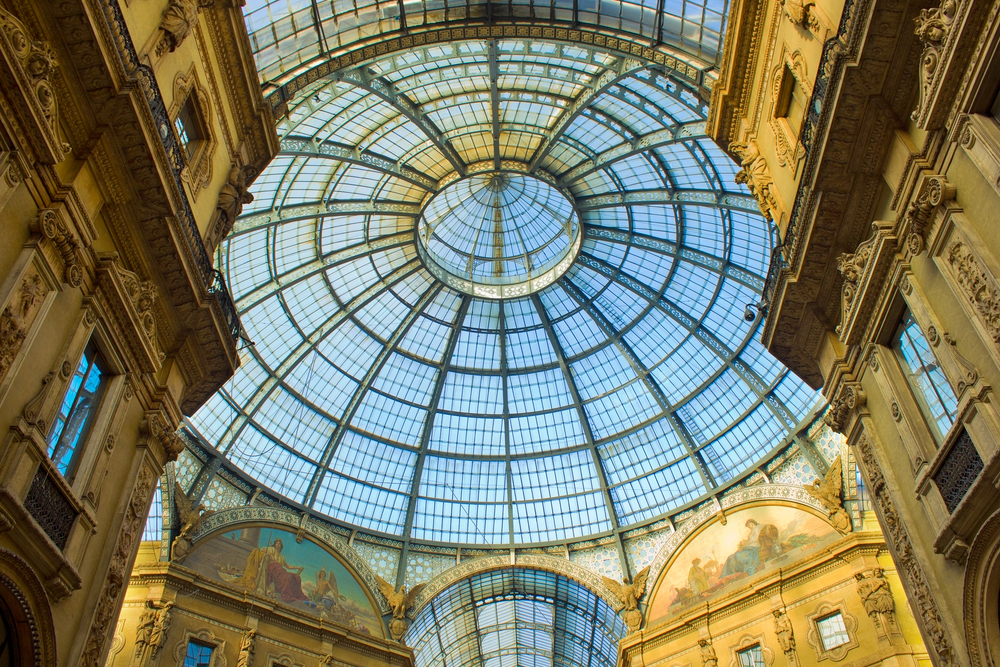
This covered arcade connects Piazza del Duomo with Piazza della Scala and is the city’s grandest shopping passage. It was designed by the architect Giuseppe Mengoni and built between 1865 and 1877. The arcade is 196 metres long, and its central glass dome rises to 47 metres. Walking through it is free.
Beneath the dome are four floor mosaics depicting the coats of arms of Turin, Florence, Rome and Milan. Tradition says that spinning three times on your heel over the Turin bull’s private parts brings good luck. The mosaic is so worn that it was repaired again in 2026. At the cathedral end of the arcade is Camparino, which has served aperitivo since 1915. Drinking your Campari standing at the counter is much cheaper than sitting down.
In February 2026, the rooftop walkway reopened as Highline Milano after several years of closure. The route runs around 40 metres above street level and ends at a terrace overlooking the cathedral. Tickets start at around €16.50, and the entrance is at the Piazza della Scala end of the arcade.
3. Teatro alla Scala
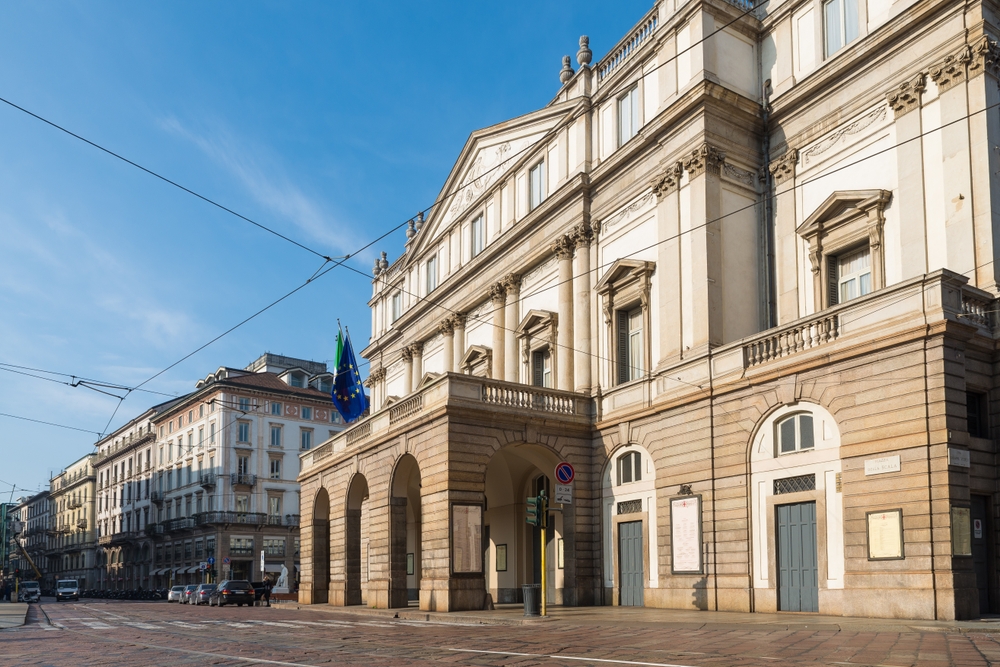
La Scala opened in 1778 and is one of the world’s most famous opera houses. The auditorium seats around 2,000 people, and each season opens on 7 December, the feast day of Milan’s patron saint, Sant’Ambrogio. The opening production in 2026 is Verdi’s Otello.
The easiest way to see inside is to visit the theatre museum. Tickets cost €12, and you can look into the auditorium from the third-floor boxes when no rehearsals or performances are taking place. The museum opens most days from 9.30am to 5.30pm, but closes on certain dates, including 7 December. Allow around 45 minutes for a visit. Check the museum’s website before buying to see when the auditorium is visible.
For a performance, buy your named ticket directly from the theatre. A limited number of gallery seats are also sold on the day, but the rules changed in 2026, so read the current conditions on the theatre’s website. Shorts and sleeveless T-shirts are not allowed in the auditorium. The closest metro station is Duomo on M1 and M3.
Buy tickets for the La Scala Theatre Museum here.
4. The Last Supper
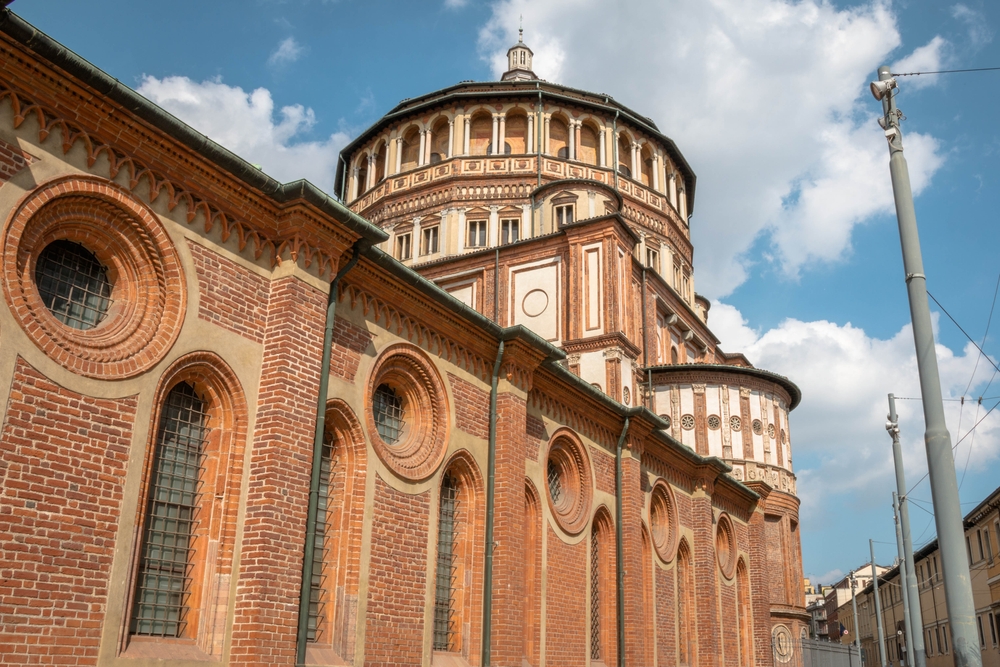
Leonardo da Vinci painted The Last Supper between roughly 1495 and 1498 on the refectory wall at the convent of Santa Maria delle Grazie. The painting is 4.6 metres high and 8.8 metres wide. Leonardo painted on a dry wall instead of using the fresco technique, so the colours soon began to flake. The most recent restoration lasted from 1978 to 1999. The church and painting have been UNESCO-listed since 1980.
To protect the painting, only 40 people are admitted at a time, and each group gets exactly 15 minutes. Tickets cost €15, visitors aged 18 to 25 pay €2, and under-18s enter free, but everyone needs a reservation. Opening hours are Tuesday to Sunday, 8.15am to 7pm; it is closed on Mondays.
Tickets are sold through the museum’s official website and released several months at a time. Tickets for September to December 2026 went on sale in June. If they are sold out, extra tickets for the following week are released every Wednesday at noon. Tickets are named, the name cannot be changed, and you must arrive 30 minutes before your time slot. Take M1 to Conciliazione or M1 or M2 to Cadorna.
If you cannot get a ticket, a guided tour through a reseller is the last option. These typically start at around €80, roughly five times the official ticket price.
Book a guided tour of The Last Supper with admission included.
5. Castello Sforzesco and Parco Sempione
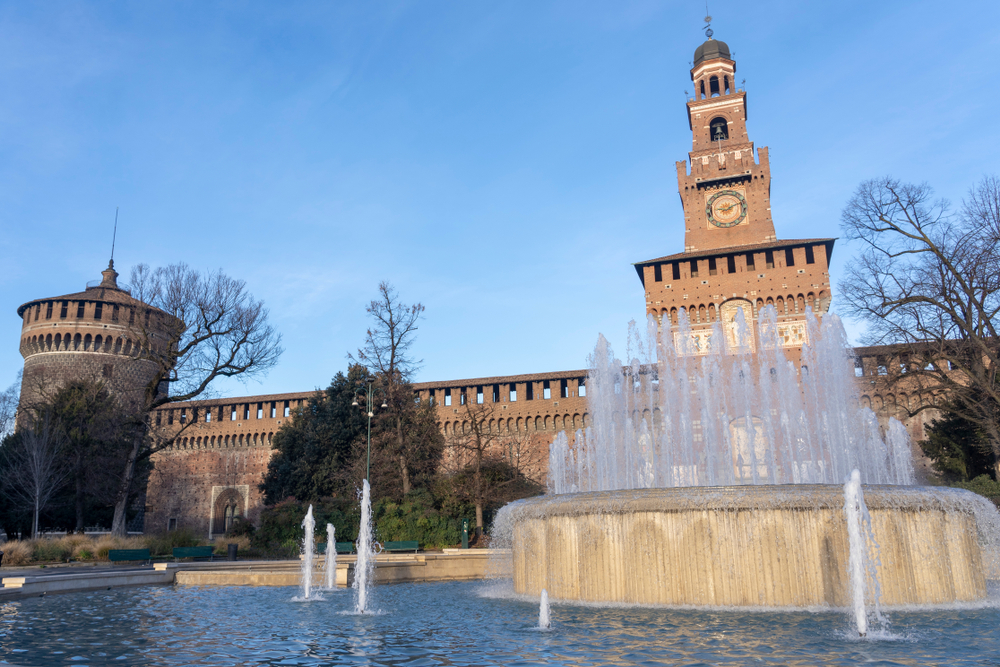
Duke Francesco Sforza began rebuilding the castle in 1450 on the remains of an earlier fortress. It became home to one of the Renaissance’s great courts, where Leonardo da Vinci also worked. The large courtyards are free to enter and open daily from 7am to 7.30pm.
You need a ticket for the castle museums. The price rose in May 2026 and is now €10 for all the museums together. They open Tuesday to Sunday from 10am to 5.30pm and close on Mondays. The highlight is Michelangelo’s Rondanini Pietà, which he worked on until just days before his death in 1564. The Sala delle Asse, with Leonardo’s ceiling painting, is closed for restoration. The museums are free on the first Sunday of each month, but you still need to collect a ticket from the ticket office.
Behind the castle is Parco Sempione, the city’s main park. At the opposite end stands the Arco della Pace triumphal arch, begun under Napoleon in 1807. In the park, you can take a lift up Torre Branca, a 108-metre steel tower designed by Gio Ponti. Tickets cost €9 and opening times change from month to month. Take M1 to Cairoli.
Book a guided tour of Castello Sforzesco including Michelangelo’s Pietà.
6. Pinacoteca di Brera
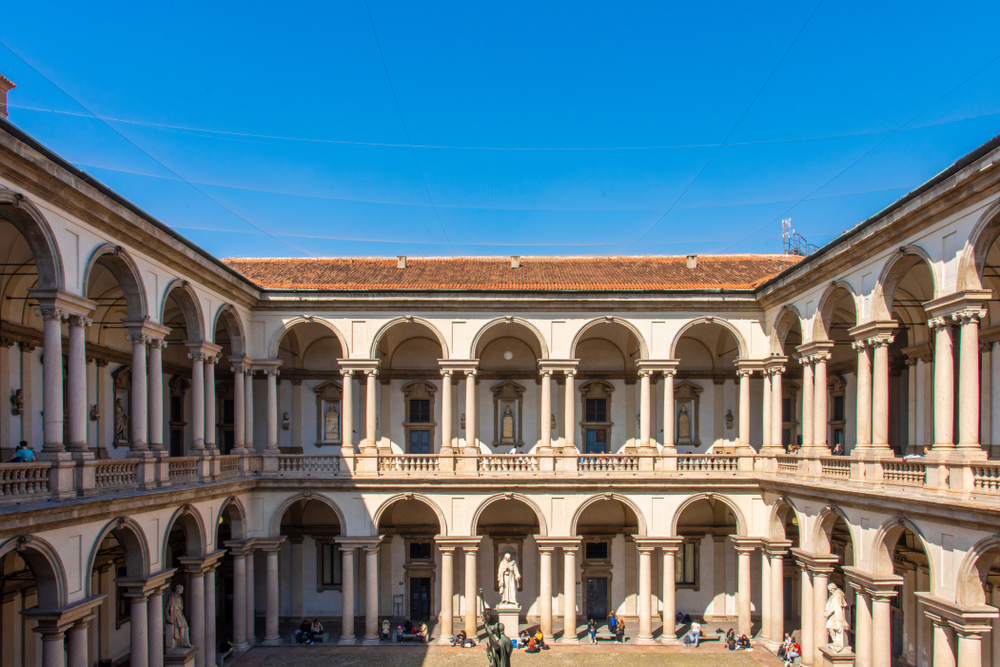
Brera is Milan’s leading art museum and opened in 1809. Its 38 rooms display around 500 works, mainly Italian paintings from the Middle Ages to the 19th century. Three you should not miss are Mantegna’s Lamentation of Christ, Raphael’s The Marriage of the Virgin and Francesco Hayez’s The Kiss. Caravaggio’s Supper at Emmaus is also here.
The ticket is now called Grande Brera and costs €20 according to the museum’s latest information. It covers both the gallery and Palazzo Citterio, a little further along the street. The latter opened in December 2024 with 20th-century art by artists including Picasso, Modigliani and Morandi. You do not have to visit both on the same day: admission to Palazzo Citterio remains valid for the following six days. EU citizens aged 18 to 25 pay €4, and under-18s enter free.
The museum opens Tuesday to Sunday from 8.30am to 7.15pm, with last admission at 6pm. You must book a date and time in advance. Arriving more than 15 minutes late means losing your slot. Behind the palace is the Orto Botanico di Brera botanical garden, which is free and opens Monday to Saturday. Take M2 to Lanza or M3 to Montenapoleone.
Buy tickets for the Pinacoteca di Brera here.
7. Navigli
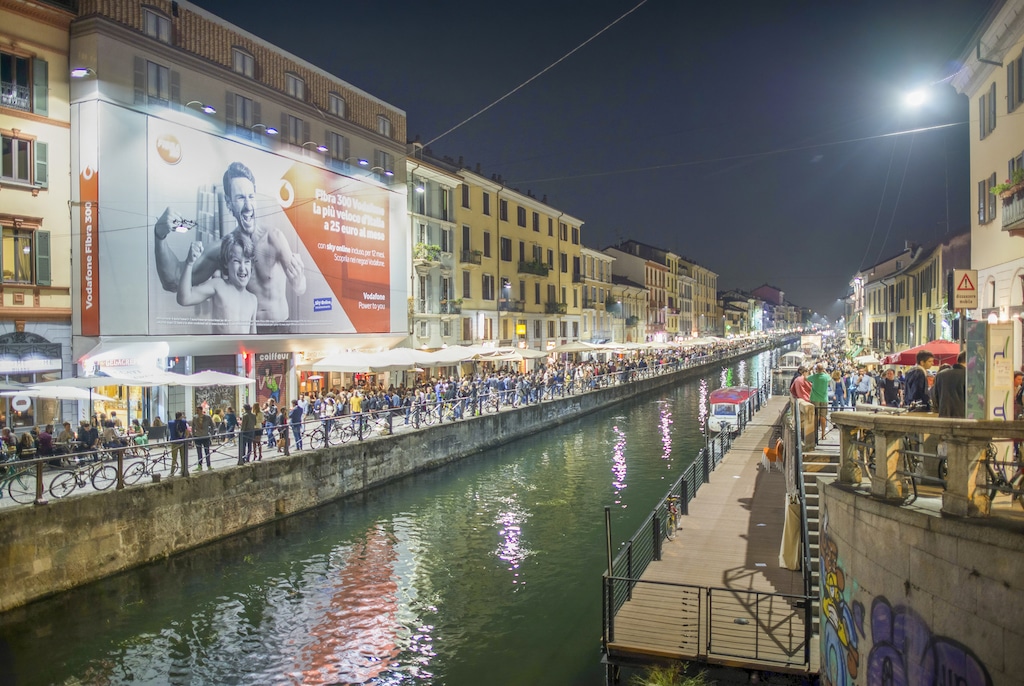
Milan was once a city of canals. Naviglio Grande was dug between 1177 and 1272 and is almost 50 kilometres long. The marble for the cathedral was brought into the city along it. Most of the canals in the centre were covered over around 1930, but Naviglio Grande and Naviglio Pavese survive and meet at the Darsena dock.
Today, the neighbourhood is the most popular place for an aperitivo: a pre-dinner drink served with a few snacks, usually between 6pm and 9pm. Expect to pay €12–15 for a cocktail. My advice is to avoid places advertising an unlimited buffet, as the food is rarely good. The Negroni Sbagliato, incidentally, was invented in Milan in 1972.
On the last Sunday of the month, a large antiques market runs along Naviglio Grande from morning until late afternoon. In December 2026, though, it takes place earlier, on 20 December. Sightseeing boats operate on the canals, but reviews are middling, and you can see the same things for free on foot. Take M2 to Porta Genova.
Book a Navigli food and drinks tour with a local guide.
8. Basilica di Sant’Ambrogio
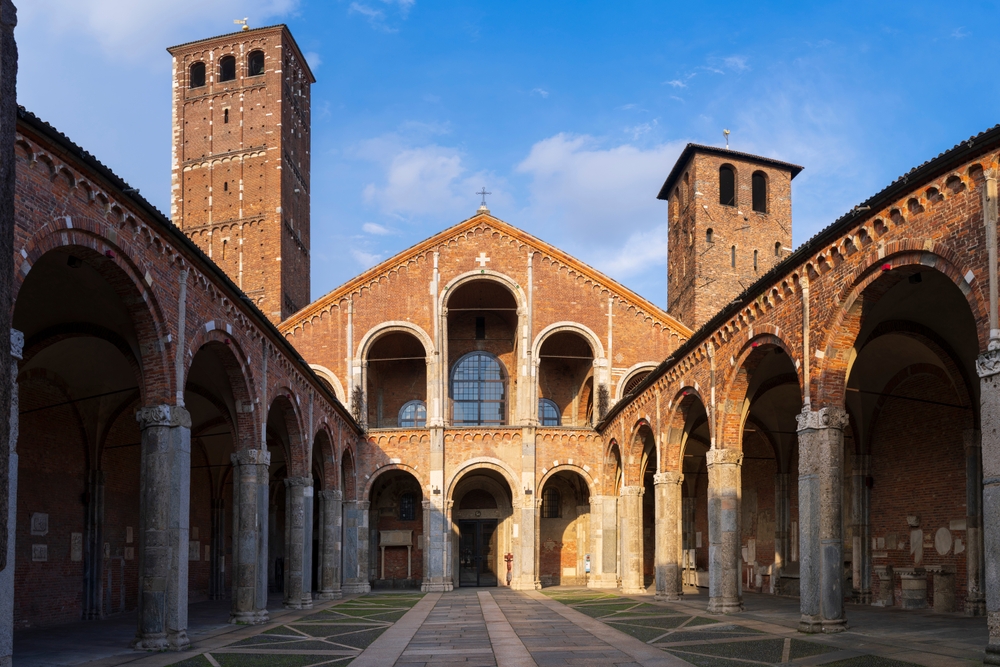
Sant’Ambrogio is one of Milan’s oldest churches. It was founded between 379 and 386 by Bishop Ambrose, the city’s patron saint, and took on its current Romanesque form in the 12th century. You enter through a large colonnaded courtyard. The two bell towers are different heights because they were built 300 years apart.
Inside is the golden altar, made by the goldsmith Volvinius around 835: a rare surviving example of Carolingian goldsmithing. In the crypt beneath it, Ambrose himself lies in a silver casket alongside the martyrs Gervasius and Protasius. Also visit the San Vittore in Ciel d’Oro chapel, with its fifth-century mosaics. Admission costs €1, and you need a one-euro coin.
Entry to the basilica is free, with no booking required. Tourist visiting hours are usually around 10am to noon and 2.30pm to 6pm. You cannot wander around during Mass, so aim for mid-morning or mid-afternoon. Sant’Ambrogio station on M2 and M4 is right next door.
9. Pinacoteca Ambrosiana
The Ambrosiana is one of Milan’s frequently overlooked museums, despite being just a few minutes’ walk from the cathedral. Cardinal Federico Borromeo founded it in 1618 when he donated his art collection to the neighbouring library. Its 24 rooms contain Leonardo da Vinci’s Portrait of a Musician, Caravaggio’s Basket of Fruit and Raphael’s cartoon for The School of Athens: the full-size preparatory drawing for his Vatican fresco.
The museum also owns the Codex Atlanticus, Leonardo’s extensive collection of drawings and notes, and displays a selection of the original sheets. Its curiosities include the gloves Napoleon wore at Waterloo and a lock of Lucrezia Borgia’s hair.
Admission costs €17, with a €1.50 surcharge for online purchases. Holders of a combined cathedral ticket get a discount. The museum opens from 10am to 6pm and closes on Wednesdays. Allow about an hour and a half. The nearest metro station is Duomo.
10. Quadrilatero della Moda
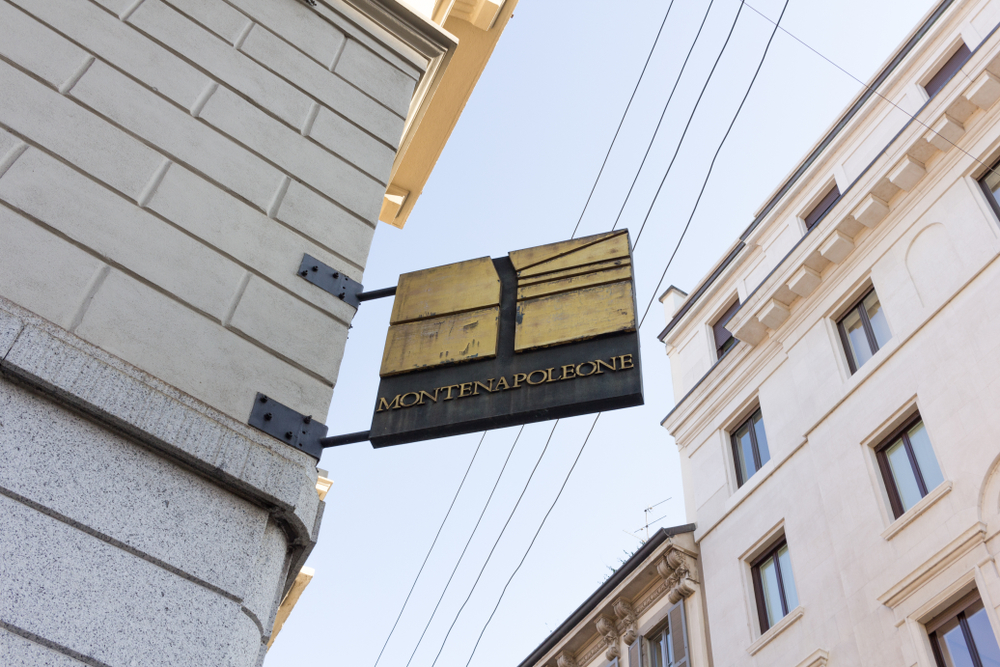
The fashion district is a rectangle of streets bounded by Via Monte Napoleone, Via Manzoni, Via della Spiga and Corso Venezia. Major Italian and international fashion houses stand side by side, and Via Monte Napoleone was named the world’s most expensive shopping street in 2024. Window-shopping is free, and the streets are pleasant to explore even if you have no intention of buying a handbag.
For something beyond shops, Museo Bagatti Valsecchi sits in the middle of the district at Via Gesù 5. This historic private home is filled with Renaissance furniture and art. Admission costs €14, and it opens Wednesday to Sunday from 10am to 6pm. Palazzo Morando, on Via Sant’Andrea, is a city museum with temporary fashion exhibitions. It has previously been free, but the city has announced a €5 admission fee.
You will find the usual high-street chains and the Rinascente department store on Corso Vittorio Emanuele II, which runs from the cathedral to San Babila. Take M3 to Montenapoleone or M1 or M4 to San Babila.
11. San Siro
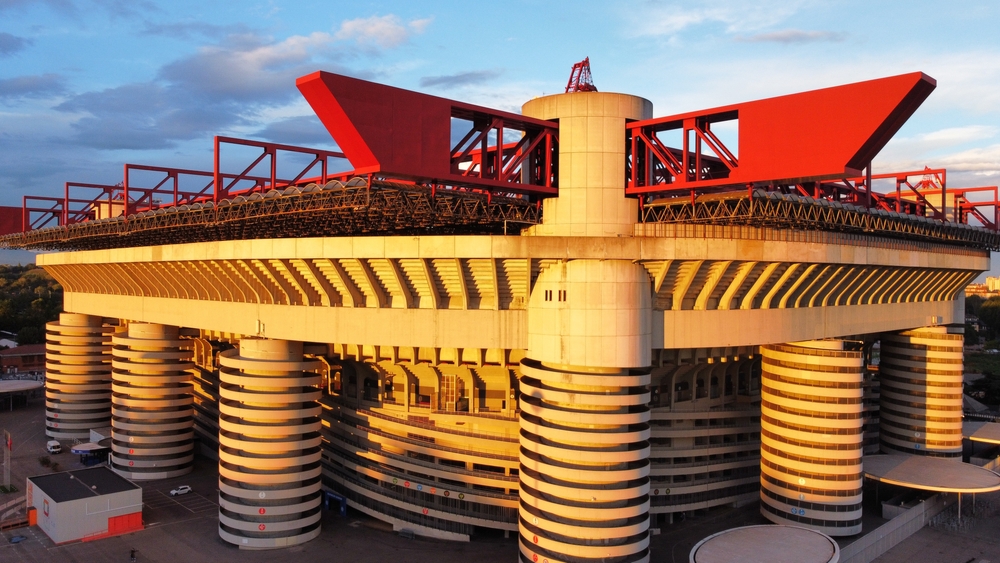
Stadio Giuseppe Meazza, universally known as San Siro, is home to both AC Milan and Inter. The stadium opened in September 1926 and celebrated its centenary in 2026, the same year it hosted the Winter Olympics opening ceremony.
The stadium tour takes you into both clubs’ dressing rooms, through the players’ tunnel and out to the touchline. Afterwards, you can visit the museum of shirts and trophies. Tickets cost around €30. It opens daily from 9.30am to 6pm in the warmer months, closing at 5pm from November to March. Both the route and opening hours can change on match days, so check the stadium calendar before setting off. Metro line M5 runs to San Siro Stadio.
Do not leave your visit too many years. The clubs bought the stadium in November 2025 and plan to build a new one with around 71,500 seats next door. Construction is expected to begin in the second half of 2027. Once the new stadium is ready around 2031, most of the old one will be demolished. Buy match tickets through the clubs’ official ticketing websites; tickets are generally issued in your name.
Book a guided tour of San Siro and its museum.
12. Cimitero Monumentale
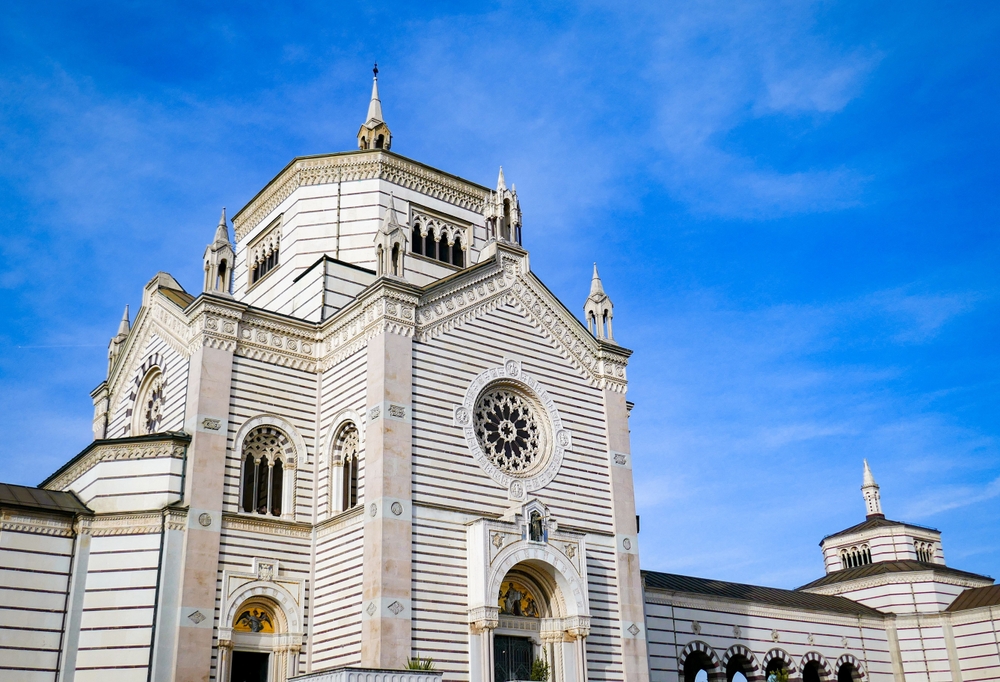
A cemetery might not sound like a tourist attraction, but Cimitero Monumentale is effectively an open-air sculpture museum. It opened in 1866 and covers 25 hectares. For a century and a half, Milan’s prominent families have commissioned tombs here from some of Italy’s finest sculptors and architects.
At the main entrance is the Famedio memorial hall, with the writer Alessandro Manzoni in pride of place. Look for the Campari family tomb, a bronze version of The Last Supper, and the monument to conductor Arturo Toscanini. Playwright Dario Fo and racing driver Alberto Ascari are also buried here.
Entry is free Tuesday to Sunday from 8am to 6pm, with last admission half an hour before closing. It is closed on Mondays. Remember that this is still a working cemetery. Metro line M5 stops directly outside at Monumentale.
13. Porta Nuova and Bosco Verticale
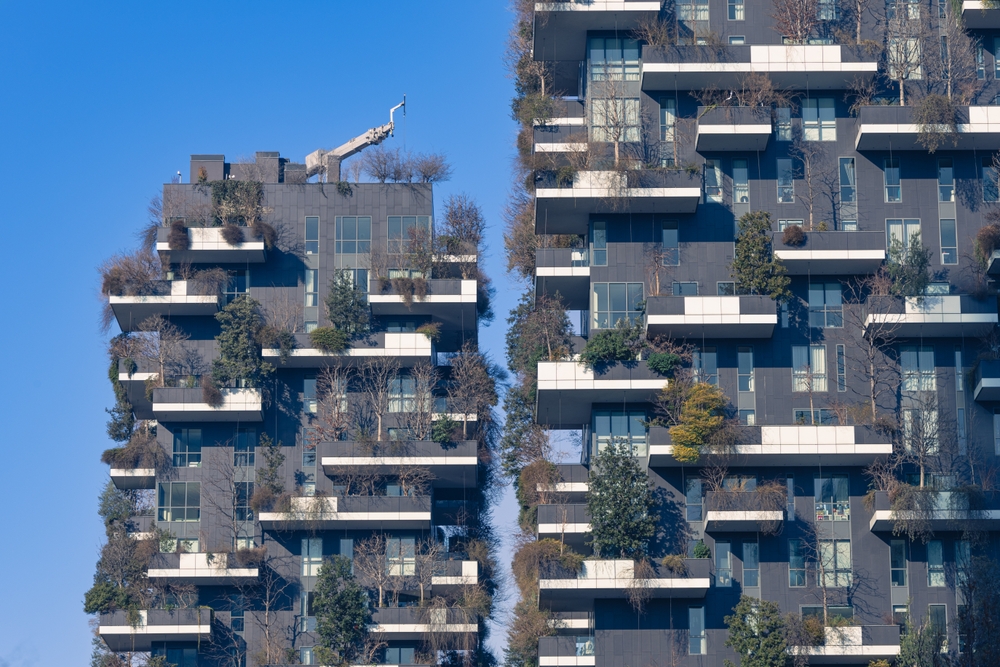
To see modern Milan, head to Porta Nuova near Garibaldi station. The neighbourhood centres on the circular Piazza Gae Aulenti, completed in 2012, with fountains and shops. Beside it stands the UniCredit Tower, which, including its spire, is Italy’s tallest building.
The most photographed sight is Bosco Verticale, the Vertical Forest. The two residential towers were completed in 2014 and designed by Stefano Boeri’s practice. They have 800 trees and thousands of shrubs and plants on their balconies. You cannot go inside because they contain private flats, but the best view is from BAM park just below. The park has no perimeter fence and is therefore open around the clock.
For more skyscrapers, CityLife lies further out on M5 at Tre Torri station. Its three towers were designed by Arata Isozaki, Zaha Hadid and Daniel Libeskind. Between them is a large shopping centre open every day. For Porta Nuova, take M2 or M5 to Garibaldi.
14. Leonardo da Vinci Museum
Museo Nazionale Scienza e Tecnologia Leonardo da Vinci is Italy’s largest science and technology museum and a good choice if you are travelling with children. It opened in 1953 in a former monastery. The Leonardo galleries display 170 historical models of his machines and inventions, alongside art and old books.
The rest of the museum is just as extensive: steam locomotives, ships, one of Luna Rossa’s racing yachts and a piece of moon rock. In the courtyard is the roughly 46-metre-long Enrico Toti submarine. A standard ticket lets you see it from outside; guided visits on board must be booked separately online.
Tickets cost around €13, or €8 for visitors aged 3 to 26. Opening hours are Tuesday to Friday, 9.30am to 5pm, and until 6.30pm at weekends. It closes on Mondays. Check the current prices on the museum’s website. Take M2 to Sant’Ambrogio.
Buy tickets for the Leonardo da Vinci Museum here.
15. San Maurizio al Monastero Maggiore
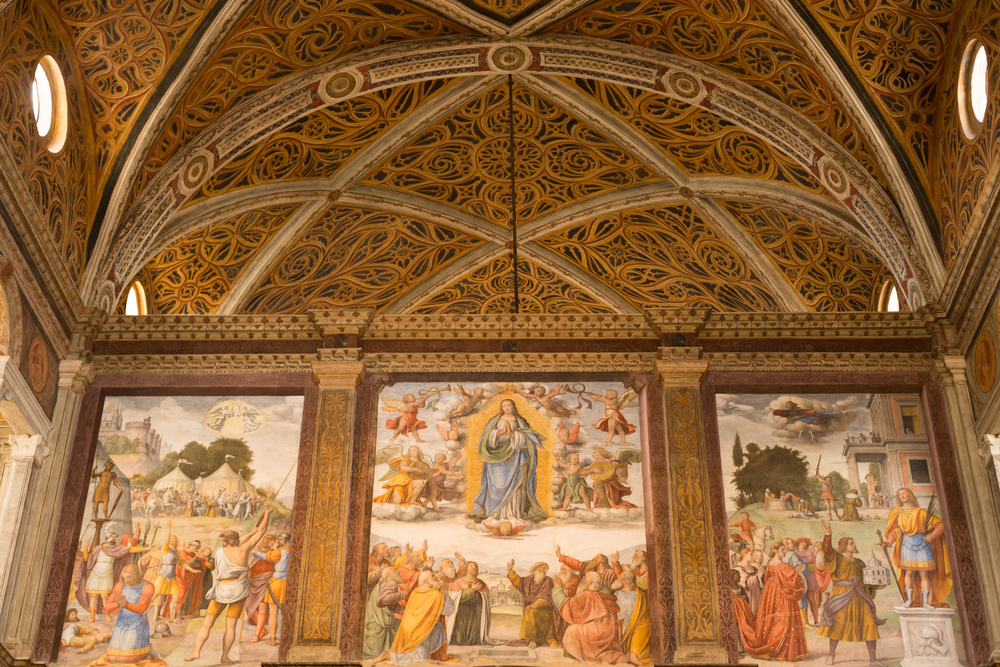
From the outside, this church on Corso Magenta looks unremarkable, but inside almost every surface is painted. The city’s tourist office calls it Milan’s Sistine Chapel. It was built between 1503 and 1518 for the city’s most important convent, and its best-known frescoes are by Bernardino Luini.
A tall dividing wall separates the interior into two sections. The congregation used the front part, while the nuns sat behind the wall and followed Mass through a grille. Go through the doorway in the wall: the nuns’ hall is the larger space and contains an organ dating from 1554.
Admission is free. It opens Tuesday to Sunday from 10am to 5.30pm, with last entry at 5pm, and closes on Mondays. The church lies between Castello Sforzesco and The Last Supper, making it an easy stop along the way. The neighbouring monastery building houses the city’s archaeological museum, which costs €5. Take M1 or M2 to Cadorna.
16. Fondazione Prada
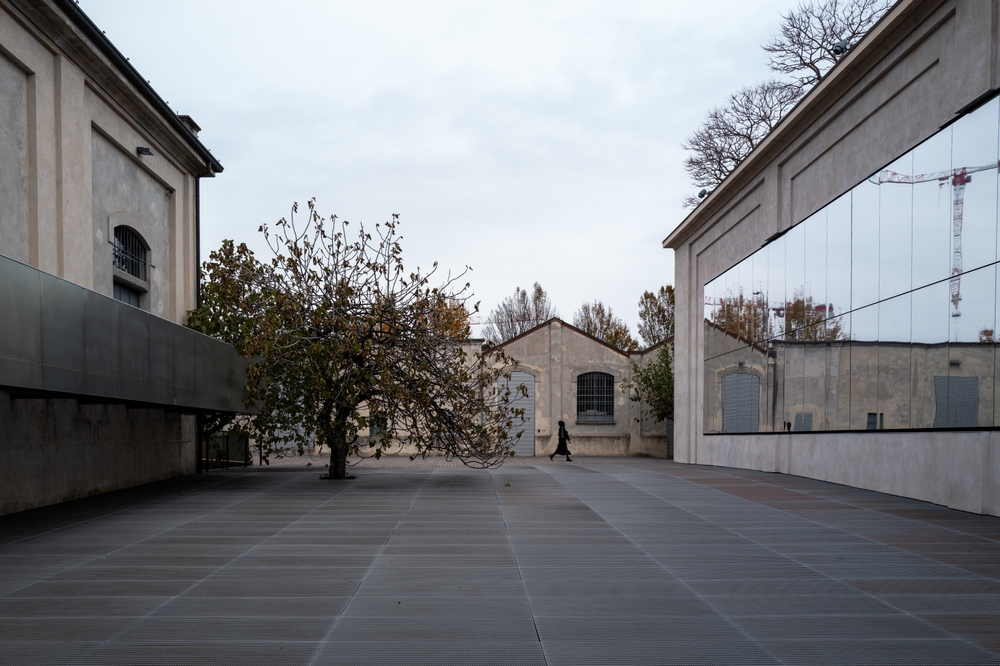
The Prada fashion house’s art foundation occupies a former industrial site south of the centre. Seven original buildings have been preserved alongside three new ones, including the 60-metre, nine-storey Torre. It hosts changing contemporary art exhibitions, so check the programme before you go.
Many visitors come as much for Bar Luce near the entrance. Film director Wes Anderson designed it in 2015 to resemble a 1950s Milanese café, complete with Formica tables and wood panelling.
Admission costs €15, with free entry for under-18s. Fondazione Prada opens from 10am to 7pm and closes on Tuesdays. Keep your ticket: it also grants entry to the foundation’s Osservatorio exhibition space in Galleria Vittorio Emanuele II within 30 days. Take M3 to Lodi T.I.B.B. If fashion interests you more than art, Armani/Silos displays four floors of Giorgio Armani’s clothing from 1980 onwards for €12. It closes on Mondays and Tuesdays.
17. Santa Maria presso San Satiro
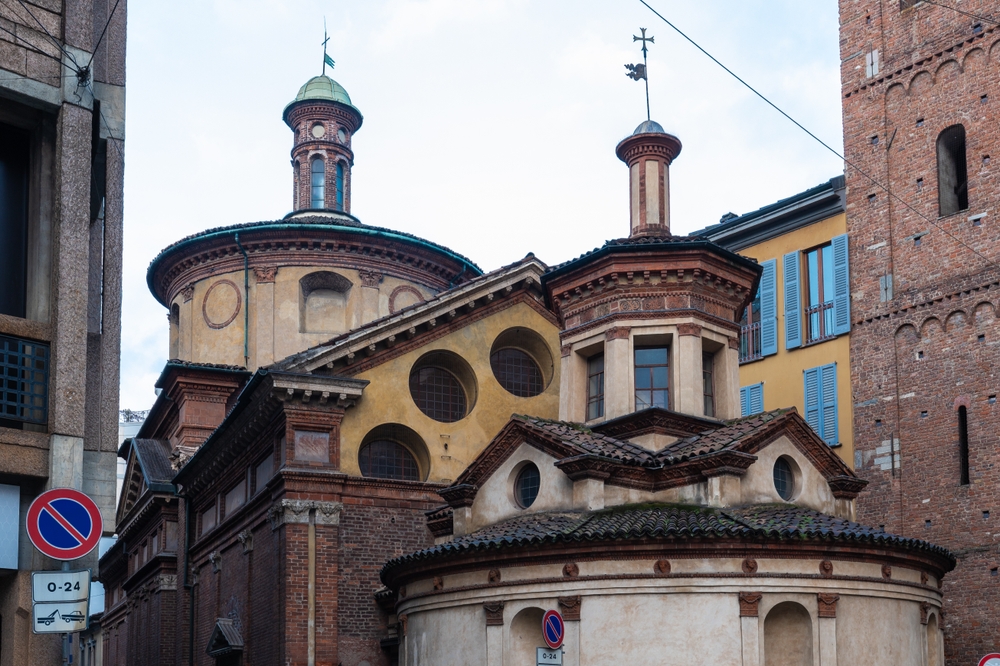
Two minutes’ walk from the cathedral, on the shopping street Via Torino, is a small church with one of the Renaissance’s finest optical illusions. When it was built between 1476 and 1482, there was no space for a choir behind the altar because a street ran immediately behind it. Architect Bramante solved the problem by painting and modelling one.
Stand in the doorway and look down the church, and the choir appears to extend several metres back. In reality, it is less than a metre deep. Walk up to the altar and step to one side to reveal the trick. Entry is free Monday to Saturday from 9.30am to 5.30pm, and on Sundays from 2pm. A visit takes around 15 minutes.
Continue south to the Colonne di San Lorenzo. These 16 Corinthian columns come from a second-century Roman building and are among the few visible remains of Roman Milan. Behind them is the Basilica di San Lorenzo Maggiore, whose Sant’Aquilino chapel contains fourth-century mosaics. The basilica closes in the middle of the day.
18. Villa Necchi Campiglio
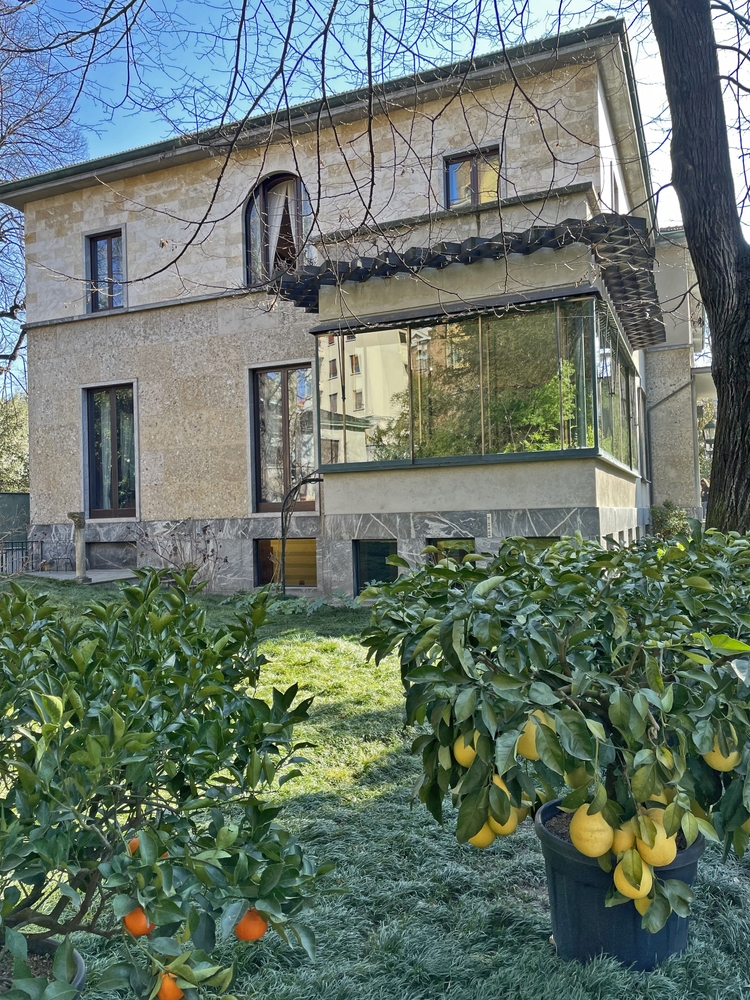
Villa Necchi Campiglio shows how Milan’s industrial families lived in the 1930s. Architect Piero Portaluppi designed the house, completed in 1935 on quiet Via Mozart in the city centre. It was well ahead of its time, with a private swimming pool in the garden, a lift and furniture designed specifically for its rooms.
The house still contains the family’s furniture and art and now belongs to the Italian heritage organisation FAI.
Admission to the villa and garden costs €15, while an hour-long guided tour costs €22. It opens Wednesday to Sunday from 10am to 6pm, with last admission at 5pm, and closes on Mondays and Tuesdays. There is no air conditioning, so visit in the morning during July or August. The café beside the villa also opens on days when the house is closed. Take M1 to Palestro, then walk five minutes.
19. Day trip to Lake Como
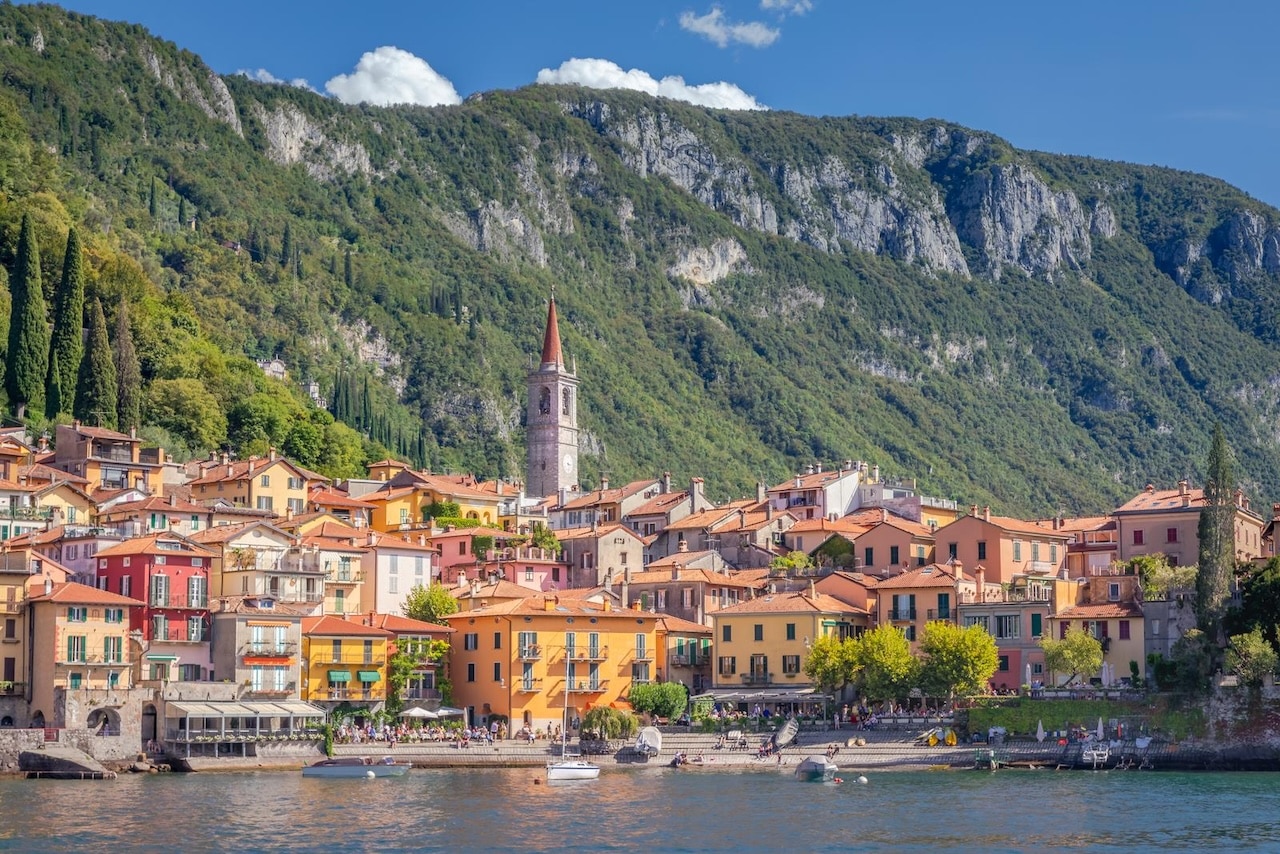
Lake Como is close enough for a day trip by train. You have two main options. The quickest is the town of Como, 40 minutes from Milano Centrale, with tickets costing €5.40 each way. Here you can walk along the lake and take the funicular up to Brunate for the views.
The prettiest option is Varenna, halfway up the lake. Direct trains leave Milano Centrale hourly, take just over an hour and cost around €7.70. Ferries connect Varenna with Bellagio and Menaggio, so you can visit two or three of the lake’s best-known towns in a day. The last direct train back leaves at 9.35pm.
Buy train tickets through the Trenord app or the station machines; fares increased on 1 September 2026. Ferries are operated by Navigazione Laghi, with timetables changing by season, so check them if you are travelling in winter. For a longer stay, read my guide to where to stay in Lake Como.
Book a day trip from Milan to Lake Como with a boat ride to Bellagio.
20. Day trip to Bergamo
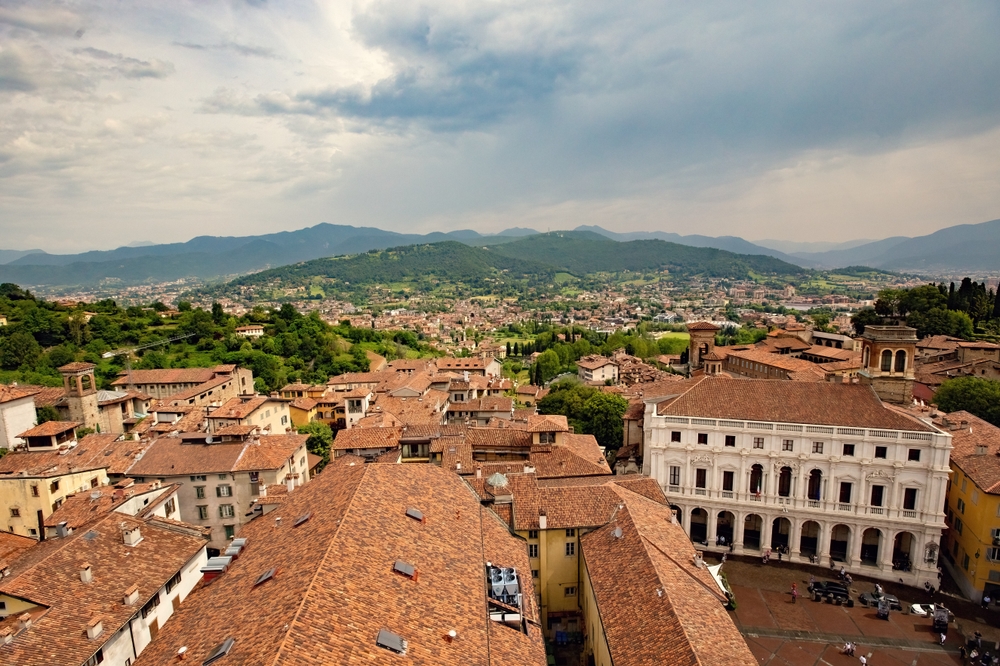
Bergamo is the easiest day trip from Milan. Trains from Milano Centrale take around 50 minutes, run roughly hourly and cost €6.30. The city has two halves: the modern Città Bassa on the plain and the medieval Città Alta on the hill.
From the station, take bus 1A to the funicular, which has operated since 1887 and climbs the final 85 vertical metres. It is part of the city bus network, so an ordinary €1.70 ticket covers both bus and funicular. Piazza Vecchia is the heart of the Città Alta, with the old town hall and the Campanone bell tower, which still rings 100 times every evening at 10pm. Just behind the square stands the Basilica di Santa Maria Maggiore.
The Venetian walls, built from 1561, encircle the upper town. More than six kilometres long, they became UNESCO-listed in 2017 and make a lovely walk overlooking the plain. Half a day is enough to explore the Città Alta. If you fly into Bergamo Airport, read my guide to getting from Bergamo Airport to Milan.
Practical travel tips for Milan
Milan has five metro lines which, together with the trams, cover everything in this guide. A single ticket costs €2.20 and is valid for 90 minutes, a 24-hour ticket costs €7.60, and a three-day ticket €15.50. The easiest option is to tap your bank card or phone at the barrier. Transport operator ATM automatically calculates the cheapest fare, and your daily spending never exceeds the price of a day ticket. Remember to tap the same card when leaving the metro. Children under 14 travel free.
From Malpensa, the Malpensa Express train reaches the centre for €15. I have written a full guide to getting from Malpensa Airport to the city centre. If you land at Linate, metro line M4 reaches San Babila in 12 minutes.
Plan your days around closing days. The Last Supper, Brera, the Castello Sforzesco museums, the Leonardo da Vinci Museum, San Maurizio and Cimitero Monumentale all close on Mondays. Fondazione Prada closes on Tuesdays and the Ambrosiana on Wednesdays. On the first Sunday of each month, admission is free to attractions including Brera, The Last Supper and the castle museums. The first two still require reservations, and tickets go quickly.
The official YesMilano City Pass starts at €39.90 for 24 hours or €60 for three days, including public transport, the cathedral and several museums. It can be worthwhile if you want to visit the cathedral rooftop and three or four included museums. For a weekend of the cathedral, The Last Supper and walks around the city, individual tickets work out cheaper. The Last Supper is not included in the pass.
Buy the official YesMilano City Pass here.
Hotel prices in Milan vary considerably. They rise sharply during fashion weeks, which in 2027 run from 15 to 19 January for menswear and from 23 February to 1 March for womenswear, and during the Salone del Mobile design fair from 13 to 18 April 2027. Avoid those weeks if you can. On top of room rates, there is a per-person, per-night tourist tax: in 2026 it is €7 at a three-star hotel, €10 at a four-star and €12 at a five-star. The rates for 2027 have not yet been announced.
For help choosing a neighbourhood, read my guide to where to stay in Milan, or browse all hotels in Milan on Booking.com.
Travel ressources & websites I use all the time 👇
• Booking.com has the best offers on hotels and unique places to stay
• GetYourGuide is the best place to book tours & activities with free cancellation
• Welcome Pickups is the best & safest place to pre-book airport transfers
Psst 👀 Have you subscribed to my Youtube channel and my Instagram where I provide more useful travel tips?