

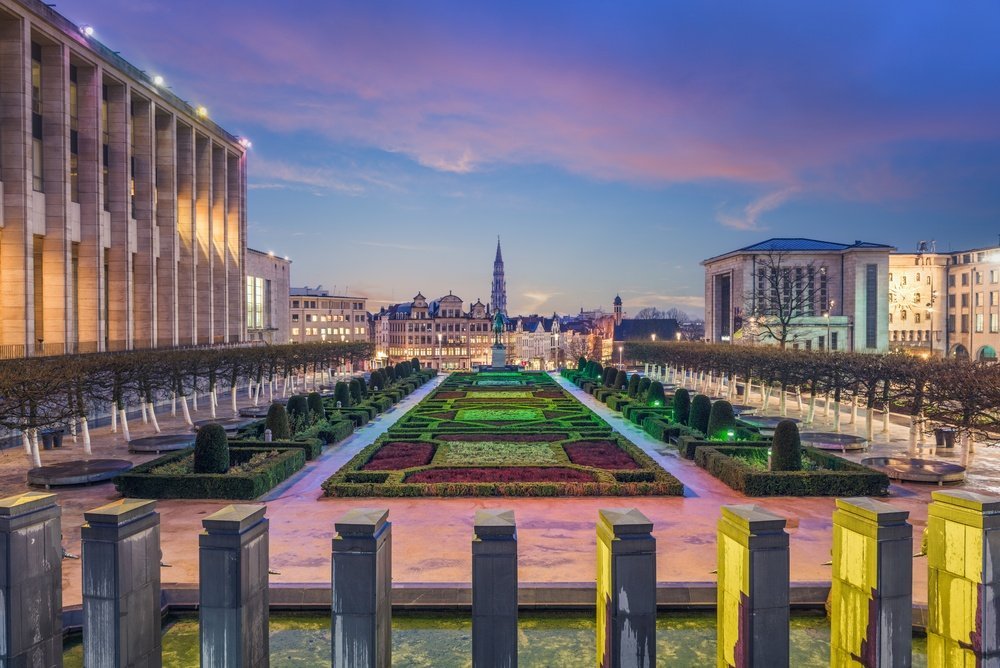
Brussels is the capital of both Belgium and the EU, and I think it has an unfair reputation as a city you just pass through on your way to Bruges or Amsterdam. Give it two or three days, and you’ll find one of Europe’s finest squares, the best chocolate shops in the world, beer brewed in a way you won’t find anywhere else, comic-strip characters on the walls and more art nouveau than any other city. There are plenty of things to do in Brussels. The city is bilingual, so every street and square has both a French and a Dutch name, and I use the French ones here, because those are the ones you’ll see most often on maps and signs in the centre.
Here are my picks for the 18 best things to see and do in Brussels, with prices, opening hours and tips on getting around. Prices are in euros. Most museums are closed on Mondays, and the big state museums are free on the first Wednesday of the month from 1pm, so it’s worth planning around that. The last two sections cover day trips by train to Bruges and Ghent, both less than an hour away.
Contents
1. Grand Place and the Town Hall
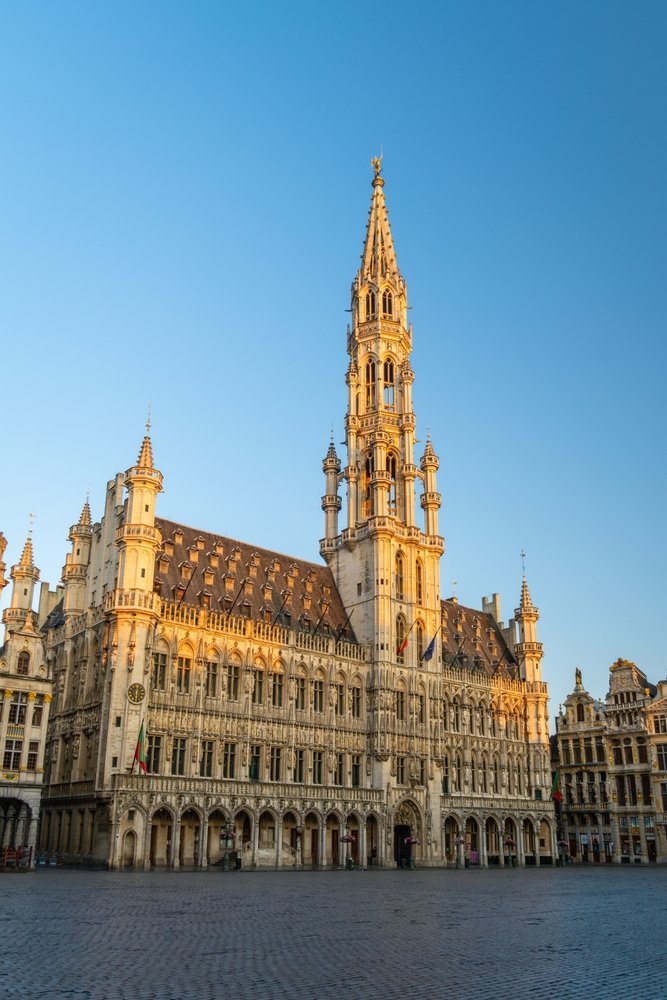
Grand Place, or Grote Markt, is the heart of the city, and it’s one of those squares in Europe where I stop and just stare every single time. The 15th-century Town Hall is built in Brabantine Gothic style with a 96-metre tower topped by St Michael, and opposite it stands the Maison du Roi, which today houses the Brussels City Museum. All the way round are the guildhalls with their gilded façades. They were built in Baroque style within just a few years, after Louis XIV’s troops bombarded the city in 1695 and destroyed the medieval centre in three days. The square was added to the UNESCO World Heritage List in 1998.
The square itself is free, but you can also go inside the Town Hall. A tour with a video guide costs 15 euros (around £13), and at weekends there are guided panoramic tours for 25 euros (around £20), which also take you up the tower. On Wednesdays it’s open from 11am to 5pm. Every other year in August the square is covered by a flower carpet of begonias, and in December the city’s Christmas tree stands here.
My tip is to come both early in the morning, before the groups arrive, and again after dark, when the façades are lit up. The cafés on the square are expensive, but a single beer is a fair price for sitting with that view. This is also where most people choose to stay, and the centre around Grand Place is the first area in my guide to where to stay in Brussels. You can also see hotels around Grand Place here.
Book a guided walking tour of Brussels starting at Grand Place here.
2. Manneken Pis and the comic-strip murals
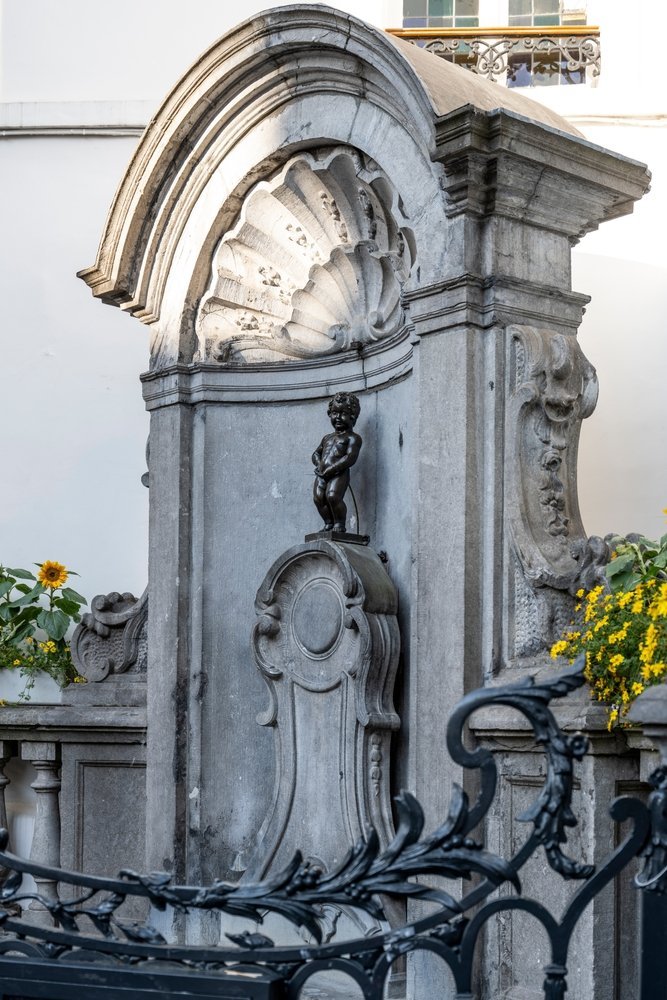
Five minutes’ walk from Grand Place, Brussels’ most famous resident stands on the corner of Rue de l’Étuve and Rue du Chêne. Manneken Pis is a bronze figure just 55.5 centimetres tall, so don’t expect too much. The original statue was made by Jérôme Duquesnoy in 1619, but the one you see is a copy, and the original is in the City Museum on Grand Place. The fun part is the wardrobe. The boy is dressed up several times a week, and he has over 1,000 costumes, which you can see in the small GardeRobe MannekenPis museum at Rue du Chêne 19, which has free entry on the first Sunday of the month.
On the way there you’ll pass one of the city’s most photographed murals, showing Tintin, Captain Haddock and Snowy climbing down a fire escape on Rue de l’Étuve. It’s part of the city’s Comic Book Route, which since the early 1990s has covered walls in the centre and Laeken with characters from Franco-Belgian comics. You’ll find a map of all the murals on the route’s own website, and it’s all free. Broussaille on Rue du Marché au Charbon was the first, and it’s only a couple of minutes from Manneken Pis.
My tip is to find his sister Jeanneke Pis in the little dead-end alley Impasse de la Fidélité off Rue des Bouchers, and the dog Zinneke Pis on the corner of Rue des Chartreux. Then you’ve got the whole family.
Book a historical walking tour with chocolate and waffle tastings here.
3. Galeries Royales Saint-Hubert
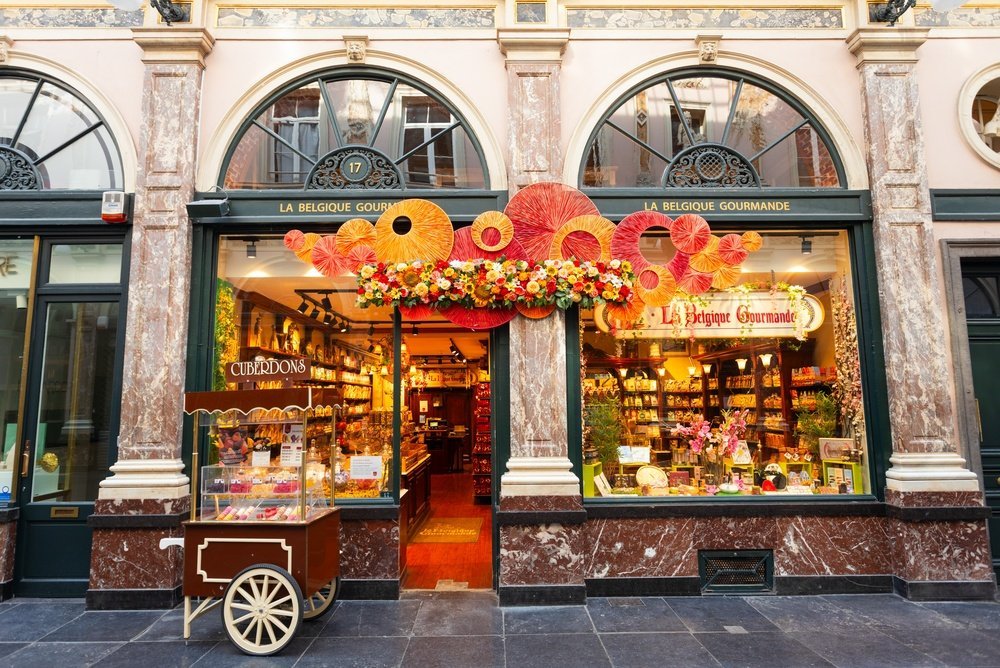
Two minutes from Grand Place is one of Europe’s oldest covered shopping arcades. The Galeries Royales Saint-Hubert were opened on 20 June 1847 in the presence of King Leopold I, and the young architect Jean-Pierre Cluysenaer designed a long passage with a glass roof and Italian Renaissance-style façades. The arcade is made up of three sections, the Galerie du Roi, the Galerie de la Reine and the small Galerie des Princes, and it served as a model for the later galleries in Milan and Berlin.
Today you’ll find chocolate houses such as Neuhaus, which opened here in 1857 and invented the praline in 1912, and Mary, which supplies the Belgian royal court. There’s also the Tropismes bookshop, a cinema, a theatre and the Mokafé café, where you can have a waffle under the glass roof. It costs nothing to walk through, and the arcade is open around the clock.
My tip is to come after dark, when the light from the shops fills the arcade. And a word of warning: Rue des Bouchers, which crosses the arcade, is full of restaurants calling out to you from the pavement. I’d eat elsewhere, because they’re tourist traps with high prices and mediocre food.
4. Cathedral of St Michael and St Gudula
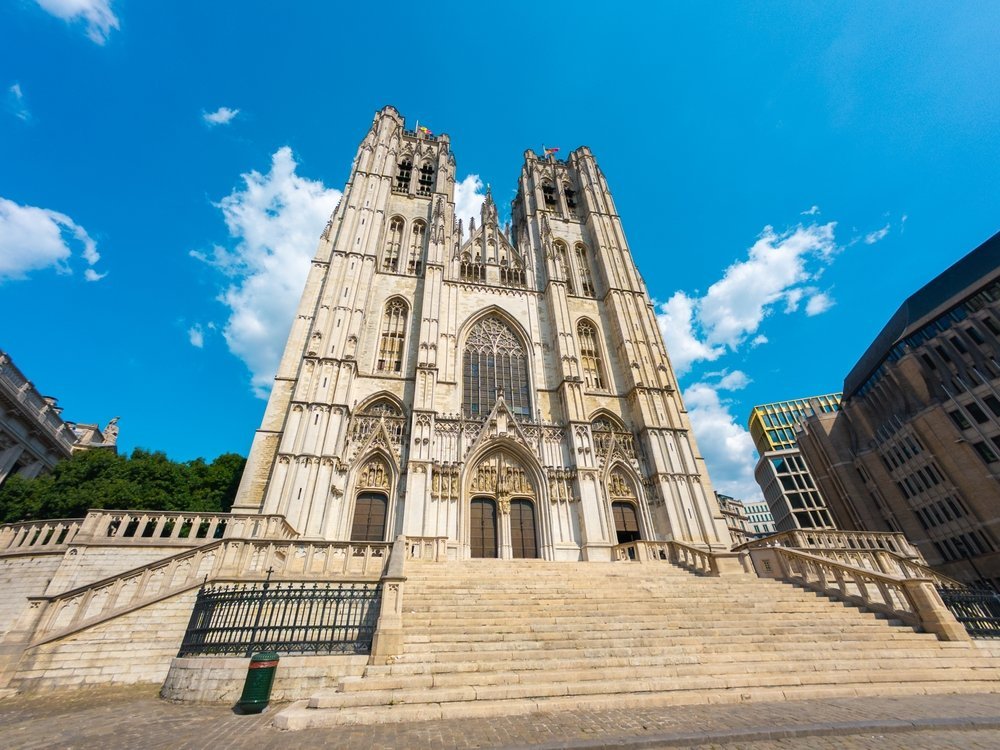
The city’s cathedral with its twin towers stands on a hill between Gare Centrale and the park, and it’s Belgium’s national church, where the royal family marry and are buried. Construction began in 1226 and wasn’t finished until around 1500, so you’re looking at several generations of Gothic. Inside, it’s especially the 16th-century stained glass and the lavish Baroque pulpit from 1699 that catch the eye.
Entry to the cathedral is free. It’s open on weekdays from 8am to 6pm, on Saturdays from 8am to 5pm and on Sundays from 1pm to 6pm, but not during services. If you want to see the treasury, it costs 3 euros (around £2.50), and the Romanesque remains of the first church beneath the floor cost 2 euros (around £1.70). Both are cash only. From March to October you can go up the towers on a guided tour, which takes around two and a half hours and costs 15 euros (around £13).
The cathedral is three minutes’ walk from Gare Centrale, so it fits in nicely on the way between Grand Place and Mont des Arts. My tip is to come in the morning, when the light falls through the large windows in the choir.
5. Mont des Arts and the Magritte Museum
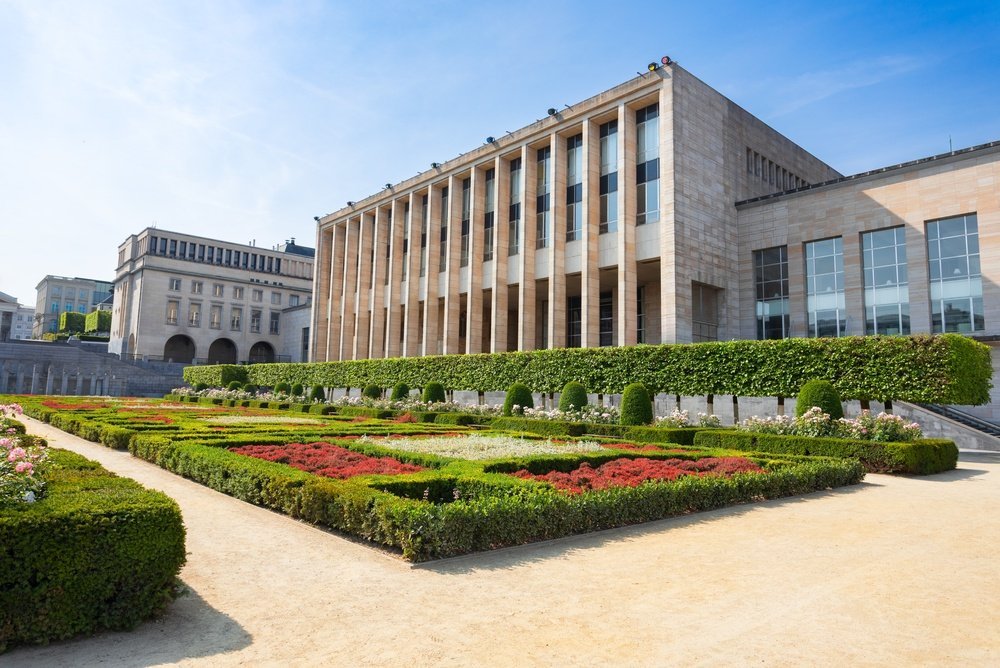
Mont des Arts is the terraced garden that links the lower town around Grand Place with the upper town around the Royal Palace. The garden was laid out for the 1958 World’s Fair, and from the top of the steps you get the city’s most photographed view, with the Town Hall tower in the middle. The KBR national library and the congress centre are also here, and it’s all free.
At the top of the hill by Place Royale you’ll find the Royal Museums of Fine Arts, with a collection of Old Masters such as Bruegel and Rubens, and in the building next door is the Magritte Museum, with more than 200 works by the Belgian surrealist René Magritte. One ticket gets you into both museums and costs around 16 euros (around £13), but on the first Wednesday of the month entry is free from 1pm. It’s open Tuesday to Friday from 10am to 5pm and at weekends from 11am to 6pm, and closed on Mondays.
My tip is to buy a timed ticket online and do Magritte first thing in the morning, when it’s least crowded. Afterwards you can cross Place Royale, with its equestrian statue of Godfrey of Bouillon, to the church of Saint-Jacques-sur-Coudenberg and on to the Royal Palace.
6. The Musical Instruments Museum (MIM)
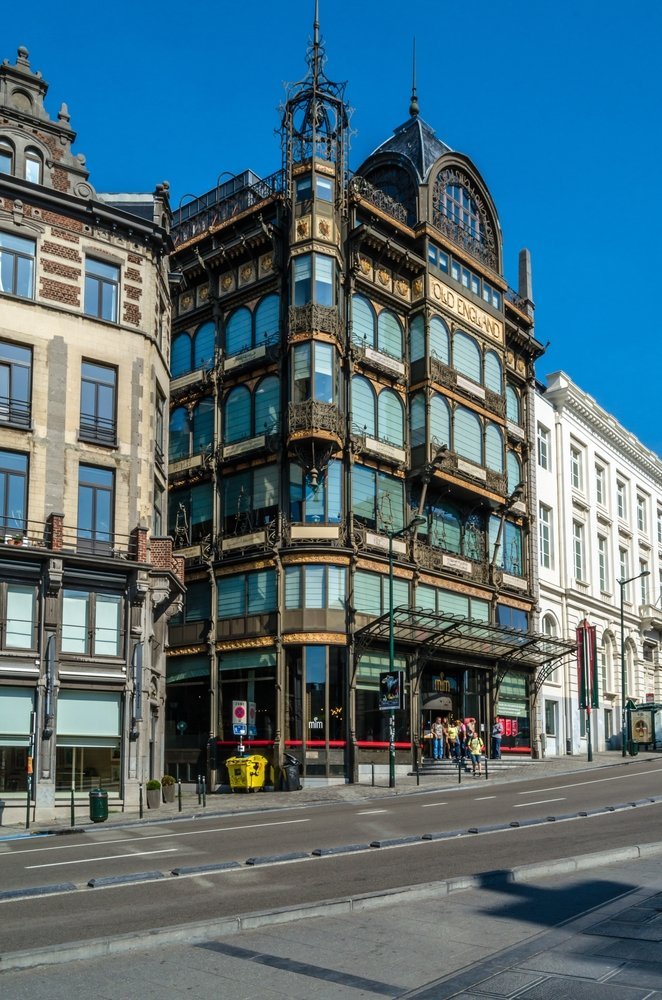
Right opposite the Magritte Museum stands one of the city’s most beautiful buildings, the old Old England department store from 1899, made of iron and glass. Today it houses the Musical Instruments Museum, MIM, with over 1,000 instruments from all over the world, and the clever thing is that you walk round with headphones that play music from the instrument you’re standing in front of. That makes it a museum both children and adults can happily spend a couple of hours in.
Admission costs 18 euros (around £15), and children and young people under 18 get in free. It’s open Tuesday to Friday from 9.30am to 5pm and at weekends from 10am to 5pm, closed on Mondays, and here too entry is free on the first Wednesday of the month from 1pm.
At the top of the building is the restaurant, with a terrace overlooking Mont des Arts and the whole lower town. It has been closed for renovation at times, so check the museum’s website before planning lunch there. The museum is five minutes’ walk from Gare Centrale.
Book your ticket to the Musical Instruments Museum (MIM) here.
7. Sablon and the chocolate shops
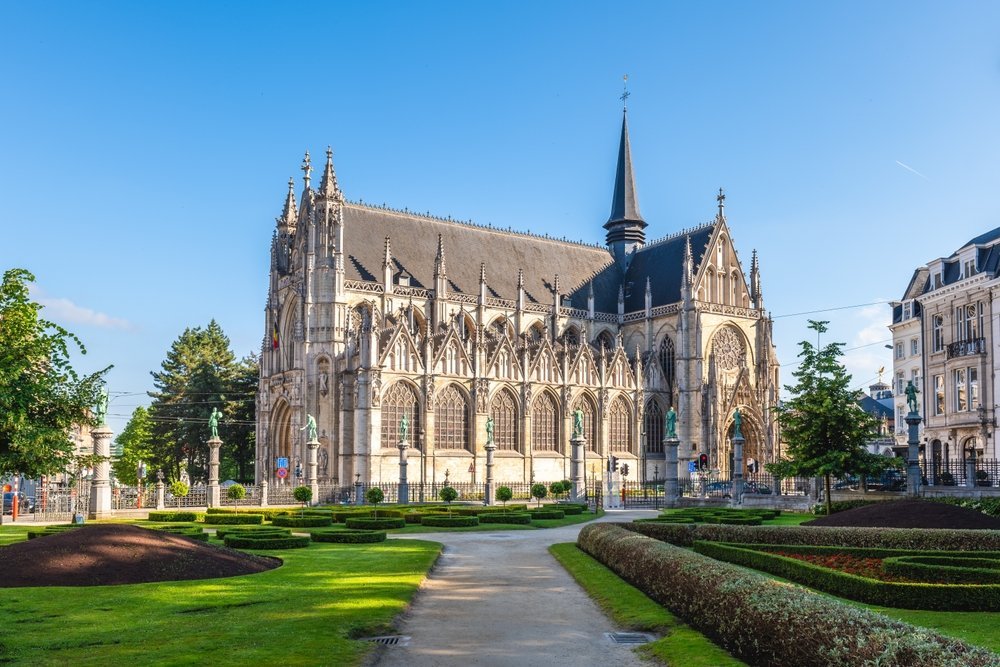
Place du Grand Sablon, or Grote Zavel, is the city’s most elegant square, and this is where you go chocolate hunting. Around the square, Pierre Marcolini, Wittamer, Neuhaus, Godiva and Patrick Roger are all within a few hundred metres, and most sell pralines individually, so you can taste your way through all of them. At the top of the square stands the Gothic church of Notre-Dame du Sablon from the 15th century, which is free to visit and at its best in the afternoon, when the sun hits the tall windows.
At weekends the square fills with an antiques market selling furniture, silverware and old books. It’s open on Saturdays from 9am to 5pm and on Sundays from 9am to 3pm. Across the street is the small Petit Sablon park, with 48 bronze statues of the city’s old guilds on its railings and a monument to the Counts of Egmont and Hornes in the middle.
My tip is to have coffee and cake at Wittamer’s café, which has been here since 1910, and buy a single praline at Marcolini so you can taste the difference between the big names. Sablon is a quiet and slightly more expensive place to stay, within walking distance of everything in the centre, and you can see hotels around Sablon here.
Book a workshop where you make your own Belgian pralines here.
8. Marolles, the flea market and the Poelaert lift
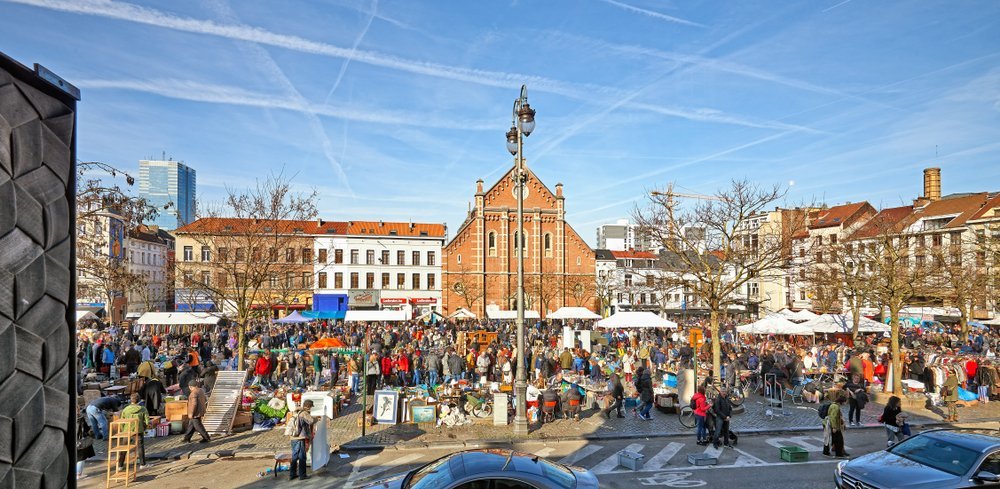
Marolles is the old working-class district between Sablon and Gare du Midi, and it’s still the most typically Brussels part of the city. Along Rue Haute and Rue Blaes are second-hand shops, antique dealers and small bars, and in the middle of it all you’ll find Place du Jeu de Balle, where there’s a flea market every day from 7am to 2pm, and until 3pm at weekends. Everything is sold here, from old postcards and porcelain to entire house clearances laid out on blankets. A few streets away is the church of Notre-Dame de la Chapelle, where the painter Pieter Bruegel the Elder is buried.
From Rue de l’Épée a free glass lift runs up to Place Poelaert, and the view from the top over the lower town, the Koekelberg Basilica and Atomium on the horizon is one of the best in Brussels. Up on the square towers the Palais de Justice. The Law Courts were designed by Joseph Poelaert and inaugurated in 1883, and at the time it was the largest building in Europe, bigger than St Peter’s Basilica in Rome. The façades have been hidden behind scaffolding for decades, and the restoration is happening in stages, but parts of the front have gradually reappeared.
My tip is to visit the market on a weekday morning, when there are fewer people and better prices than on Sundays, and have your coffee at one of the cafés around the square. Buses 27 and 48 stop at Jeu de Balle, and trams 92 and 93 run to Place Poelaert if you’d rather start at the top.
9. The Royal Palace and Parc de Bruxelles
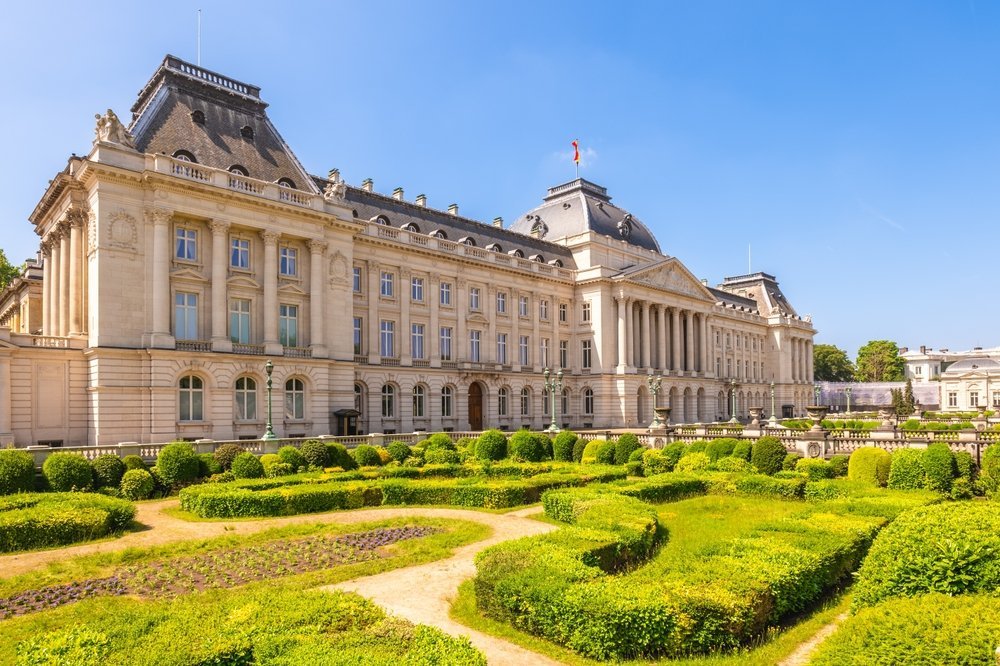
The Royal Palace on Place des Palais is the King’s official workplace, while the family lives at the palace in Laeken outside the centre. The long façade was completed under Leopold II in the early 20th century, and a Belgian flag flies above the entrance when the King is in the country. Since 1965 the palace has opened to the public for a few weeks every summer, traditionally after the national day on 21 July, but the dates change from year to year, so check them before you travel. Admission costs around 10 euros (around £8) for everyone aged 13 and over, and you need to book a time slot in advance.
What you come for is the Hall of Mirrors, where in 2002 the artist Jan Fabre covered the ceiling and a chandelier with almost one and a half million jewel beetle wing cases in greens and blues. The Throne Room, with reliefs by Rodin, is also part of the tour. Right opposite the palace is Parc de Bruxelles, the city’s oldest park, which is free and stretches up to the Palais de la Nation, home of the parliament.
Next to the palace you’ll find the BELvue Museum on Belgian history, and beneath it the ruins of the medieval Coudenberg Palace, which burned down in 1731. Parc and Trône metro stations are both a few minutes’ walk from the palace.
10. The Parlamentarium and the EU Quarter
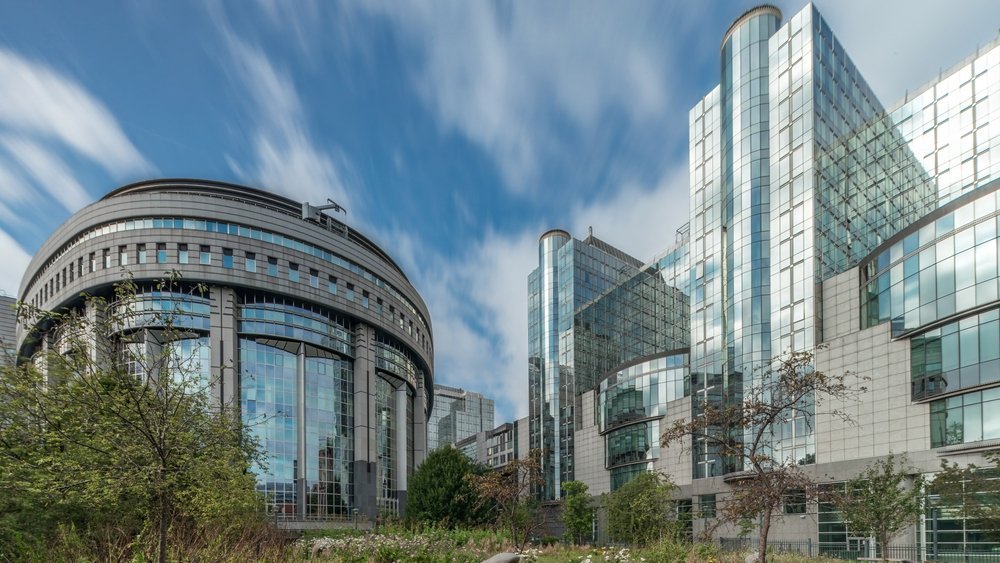
The EU Quarter around Rond-point Schuman and Place du Luxembourg is a quarter of an hour east of the centre, and although the glass buildings aren’t pretty, it’s free and surprisingly good to visit. The European Parliament’s visitor centre, the Parlamentarium, tells the story of the EU with screens, maps and headphones in all 24 official languages, and a visit takes around an hour and a half. Entry is free, and it’s open on Mondays from 1pm to 6pm, Tuesday to Friday from 9am to 6pm and at weekends from 10am to 6pm. You can also go into the debating chamber itself when there’s no session.
In Parc Léopold behind the parliament is the House of European History, which also has free entry and covers Europe’s shared history from the 19th century to the present day over six floors, with a tablet guide in 24 languages. From there, walk past the Commission’s star-shaped Berlaymont building at Schuman and finish on Place du Luxembourg, where EU staff fill the bars after work on Thursday evenings.
Maelbeek and Schuman metro stations on lines 1 and 5 are in the middle of the district, and Trône on lines 2 and 6 is close to the parliament. The area is dead at weekends, but that also means the business hotels here are cheap from Friday to Sunday. You can see hotels in the EU Quarter here.
11. Parc du Cinquantenaire and Autoworld
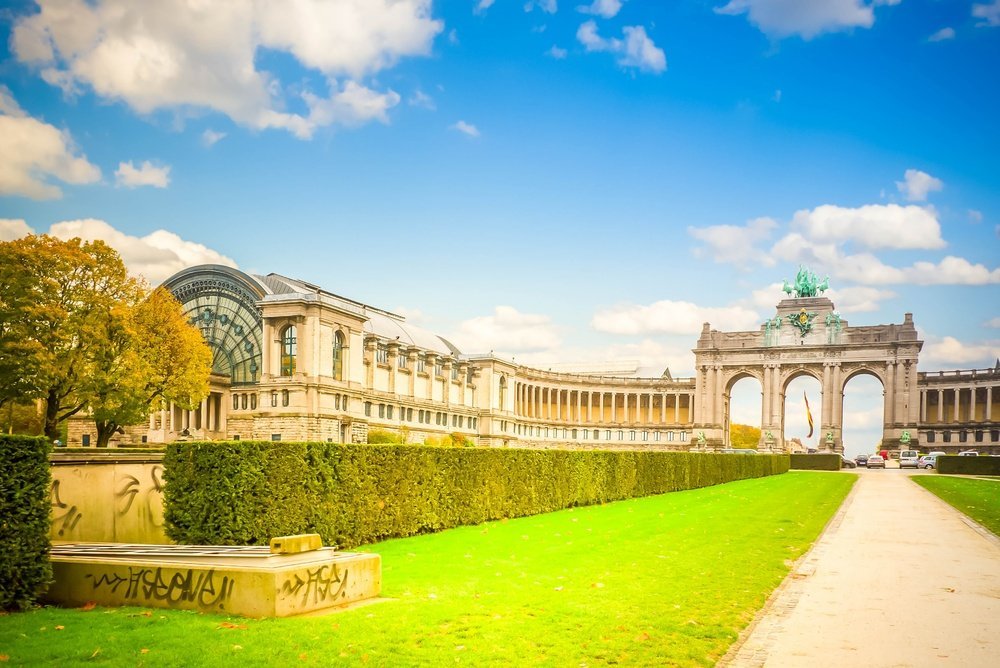
The park was laid out in 1880 for the 50th anniversary of Belgian independence, and the triumphal arch, with its three arches and bronze chariot on top, was completed in 1905. On each side of the arch are two large exhibition halls, and in one of them you’ll find Autoworld, with over 300 cars from 1896 onwards, from the first motor cars to racing cars and American dream cars. Admission costs 18 euros (around £15), and it’s open every day from 10am to 5pm, until 6pm at weekends.
At the other end of the park is the Art & History Museum, with everything from Egyptian mummies and Roman mosaics to art nouveau and tapestries. It costs just 10 euros (around £8), entry is free on the first Wednesday of the month from 1pm, and a combined ticket for the three museums in the park costs 30 euros (around £25). It’s open Tuesday to Friday from 9.30am to 5pm and at weekends from 10am to 5pm, closed on Mondays. The third museum is the Royal Military Museum, with a hall full of old aircraft.
Merode metro station is right by the arch, and Schuman is at the other end of the park. My tip is to bring lunch from Sablon and eat it on the grass beneath the arch, where half the neighbourhood is out running, playing football and having picnics at weekends.
Book your ticket to the Art & History Museum in Parc du Cinquantenaire here.
12. The Horta Museum and art nouveau in Saint-Gilles
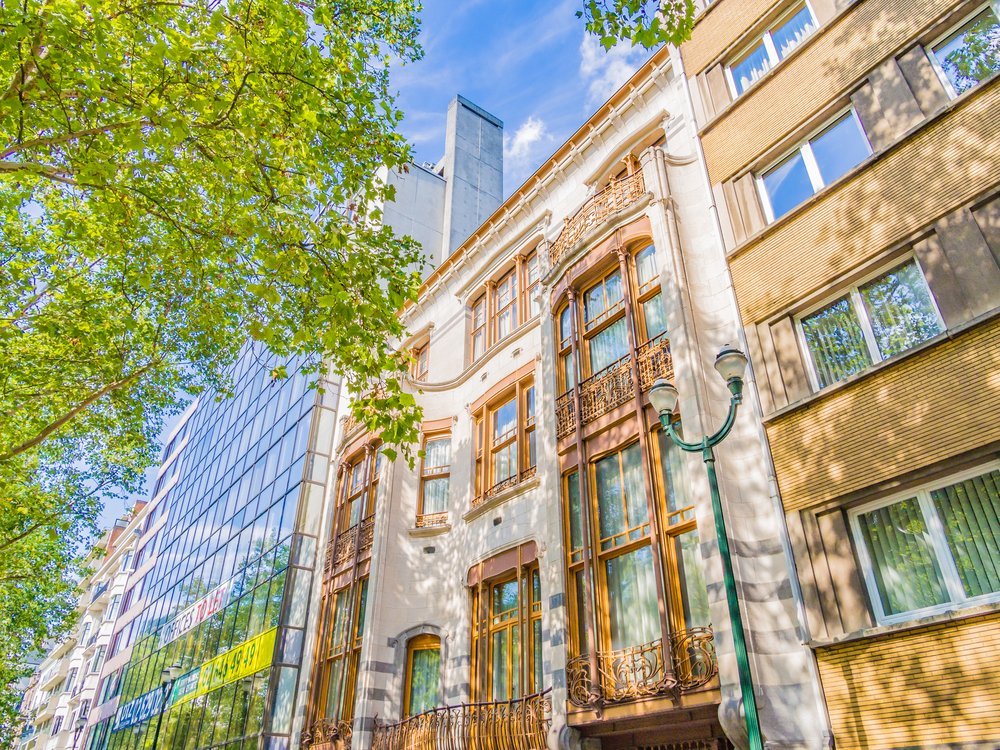
Brussels is the capital of art nouveau, and the man behind it was the architect Victor Horta. His own house and studio at Rue Américaine 27 in Saint-Gilles was built from 1898 to 1901, and today it’s the Horta Museum. From the street it doesn’t look like much, but inside, staircases, ironwork and glass wind their way up towards a skylight in the roof, and everything from door handles to lamps was designed by Horta himself. The house was added to the UNESCO World Heritage List in 2000, along with three of his other townhouses.
Admission costs around 14 euros (around £12), and the museum is only open in the afternoon, from 2pm to 5.30pm Tuesday to Friday and from 11am to 5.30pm at weekends. It’s closed on Mondays. The house is small and visitor numbers are limited, so buy a timed ticket online, especially at weekends.
Combine the museum with a walk through the area around Place du Châtelain in Ixelles, where you’ll find Horta’s Hôtel Tassel at Rue Paul-Émile Janson 6 and the magnificent Hôtel Solvay at Avenue Louise 224, which opens to visitors on selected days. Tram 92 from the centre stops at Janson, close to the museum. Ixelles is my favourite area if you want to stay among cafés and restaurants rather than tourists, and you can see hotels in Ixelles here.
Book a guided art nouveau tour ending at the Horta Museum here.
13. Atomium and Mini-Europe
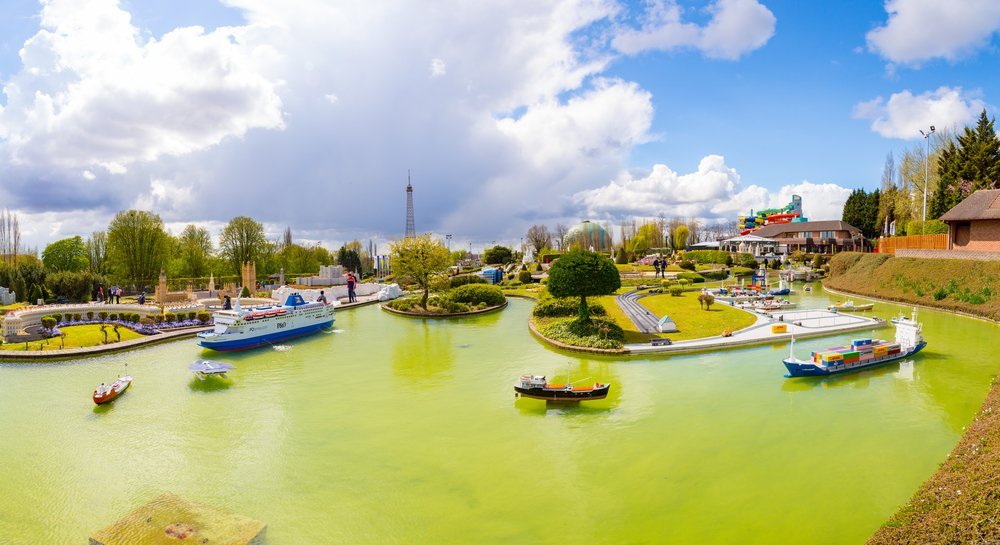
The Atomium was built for the Expo 58 World’s Fair and was meant to be taken down again, but today its nine steel spheres, 102 metres high, are the city’s landmark. You ride escalators and a lift through the tubes between the spheres, where there are exhibitions about Expo 58 and a light show, and from the top sphere there’s a view over the whole city. The top sphere can be closed at times, so check before you buy a ticket. Admission costs 17 euros (around £14), and a combined ticket with Mini-Europe costs 35 euros (around £30). It’s open every day from 10am to 6pm, with last entry at 5.30pm, but the Atomium usually closes for a couple of weeks in January or February for maintenance.
At the foot of the Atomium is Mini-Europe, with around 350 models of buildings from across the EU at a scale of 1:25, from Big Ben to Grand Place. It’s mostly for children, but it’s well done. Tickets cost 21.70 euros (around £18) online and 25 euros (around £20) at the entrance, it’s open from 9.30am to 6pm, with longer hours in July and August, and the park is closed from early January to mid-March.
I’ll be honest: the Atomium is expensive for what you get, and the ticket queue can be long. But the building is fun and the view is good, so go out there if you have half a day to spare. Metro line 6 runs to Heysel in about 20 minutes from the centre, and from there it’s a five-minute walk.
Book your ticket to the Atomium here, or book a ticket to Mini-Europe here.
14. The Comics Museum
Belgium gave the world Tintin, the Smurfs, Lucky Luke and Spirou, and all four have their place in the Belgian Comic Strip Center at Rue des Sables 20. The museum is in the old Waucquez textile warehouse, which Victor Horta designed in 1906, and the bright hall with its curving staircases and glass roof is worth a visit on its own. The exhibitions show how a comic is made, from sketch to coloured page, and there are original drawings by Hergé, Peyo and Franquin.
Admission costs 14 euros (around £12), and it’s open Tuesday to Sunday from 10am to 6pm, with last tickets at 5pm. It’s closed on Mondays outside July and August.
The museum is five minutes’ walk from Gare Centrale, and right opposite is the small Marc Sleen Museum, devoted to the Flemish cartoonist behind Nero. My tip for Tintin fans is to drop into the official Tintin shop at Rue de la Colline 13 by Grand Place afterwards.
Book your ticket to the Comics Museum here.
15. Train World in Schaerbeek
Belgium got the first railway on continental Europe in 1835, and Train World, in the old station building in Schaerbeek, is one of the best-designed museums I’ve seen in Brussels. The locomotives stand in semi-darkness with light and sound effects, and you can climb up into the drivers’ cabs. Here you’ll find the Pays de Waes from 1844, the oldest surviving locomotive in Belgium, the streamlined Type 12 from 1939 and the royal saloon carriages.
Admission costs 15 euros (around £13) for adults and 11 euros (around £9) for children aged 6 to 17. It’s open Tuesday to Sunday from 10am to 5pm, with last entry at 3.30pm, and closed on Mondays.
The museum is right next to Schaerbeek station, so the easiest way is to take the train there from Gare Centrale or Gare du Nord. Trams 7 and 92 also stop at the station. Allow an hour and a half to two hours, and bring the kids, they love it.
16. Cantillon Brewery
Cantillon in Anderlecht has been brewing beer the same way since 1900, and it’s the last traditional brewery in Brussels itself that still makes lambic, gueuze and kriek by spontaneous fermentation. No yeast is added here. The hot beer is pumped up into an open cooling vessel in the attic, where the natural yeasts in the air above the city are left to do the work, which is why brewing only takes place in the cold months from October to March. Afterwards the beer is aged in oak barrels for up to three years, and the result is sour, dry and unlike anything else.
You can look round on your own on Mondays, Tuesdays, Thursdays and Fridays from 10am to 4pm without booking, and it costs 9 euros (around £7.50) including three tastings. On Saturdays there are guided tours for 13 euros (around £11), which must be booked online. It’s closed on Wednesdays, Sundays and public holidays.
The brewery is at Rue Gheude 56, ten minutes’ walk from Gare du Midi, and Clemenceau is the nearest metro station. Be honest with yourself: sour beer isn’t for everyone, but if you like it, this is the most special thing you can drink in Belgium.
Book a guided Belgian beer tasting in Brussels here.
17. Day trip to Bruges
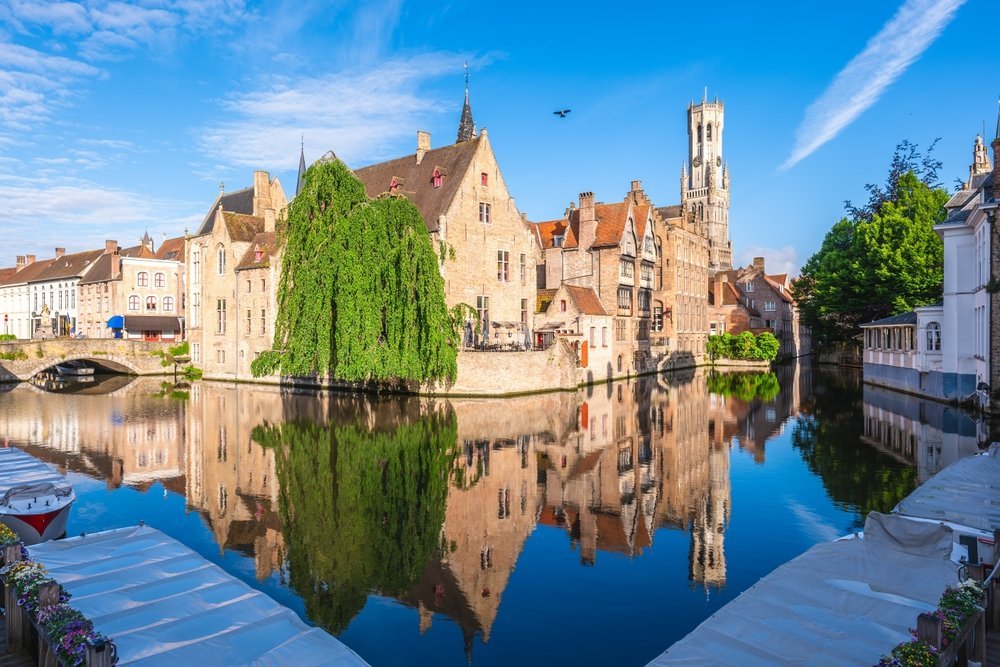
Bruges is the most obvious day trip from Brussels. The train takes around an hour, and there are around 65 trains a day from Gare Centrale and Gare du Midi, so you don’t need to plan anything. A standard ticket costs around 17 euros (around £14) each way, and at weekends and on public holidays adults get a 30 per cent discount.
From the station it’s a 15-minute walk to the Markt with the 83-metre Belfry, where you can climb the 366 steps and look out over the city. Carry on to Rozenhoedkaai, the classic postcard view of the canal and the tower, take a half-hour canal boat trip, and finish at the peaceful Begijnhof by the Minnewater lake. The city is small enough to walk round in a day, but it’s also packed with tourists in the middle of the day.
My tip is to catch an early train so you have the Markt to yourself before the coaches arrive. If you want to experience the city in the evening, when the streets are empty, stay the night and read my guide to where to stay in Bruges.
Book a guided day trip by train from Brussels to Bruges here.
18. Day trip to Ghent
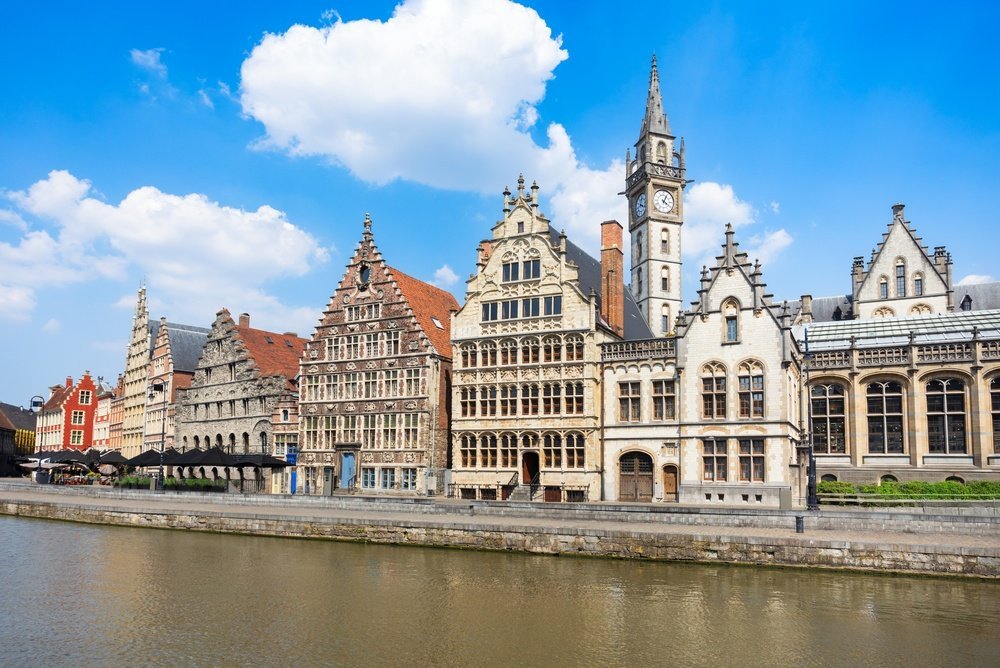
Ghent is just 36 minutes from Brussels by train, and if I had to choose one day trip, I’d actually pick Ghent over Bruges. It has the same medieval houses along the canals, but it’s bigger, less touristy and full of students, so there’s life in the evenings. A standard ticket costs around 10 euros (around £8) each way, and here too the 30 per cent weekend discount for adults applies.
Start at the Graslei and Korenlei quays, where the old guildhalls are reflected in the River Leie, and carry on to the Gravensteen castle from 1180, with its towers and moat in the middle of the city. St Bavo’s Cathedral holds the Van Eyck brothers’ altarpiece from 1432, the Adoration of the Mystic Lamb, one of the most important paintings in European art history. The Belfry and St Nicholas’ Church stand in a row right next to it.
Trains stop at Gent-Sint-Pieters, and from there you take tram 1 into the centre in ten minutes. If you decide to stay on, I’ve written a guide to where to stay in Ghent.
Book a day trip from Brussels to both Bruges and Ghent here.
Practical travel tips for Brussels
You can easily walk around the centre, Grand Place, Sablon, Marolles and Mont des Arts. For the EU Quarter, Cinquantenaire, Saint-Gilles and the Atomium, you use STIB’s metro, trams and buses. The easiest way is to hold your bank card or phone against the reader when you get on. A journey costs 2.40 euros (around £2), transfers are free within an hour, and you pay a maximum of 8.50 euros (around £7) a day, however many journeys you make. Remember to tap in with the same card every time.
Brussels Airport in Zaventem is 12 kilometres from the centre, and the train runs to Gare Centrale in about 20 minutes. If you fly with a low-cost airline to Charleroi, allow an hour by bus. All the options and prices are in my guide to getting from Brussels Airport to the city centre.
Almost all museums are closed on Mondays, so spend Monday on Grand Place, Marolles, the Atomium and the Parlamentarium, which are open. If you’re visiting lots of museums, the Brussels Card can pay off. It costs 41 euros (around £35) for 24 hours, 53 euros (around £45) for 48 hours and 59 euros (around £50) for 72 hours and gives entry to 40 museums, and you can add public transport for 9 euros (around £7.50) per day. In my experience, it only pays off if you visit at least three museums a day. The city is at its best from April to October, but December is lovely too, with the Plaisirs d’Hiver Christmas market around Grand Place and Place Sainte-Catherine.
If you want to see the Atomium, Cinquantenaire and the EU Quarter in one day without thinking about the metro map, you can book a ticket for the Brussels hop-on hop-off bus here. It stops at all the major sights in this guide.
If you need the full selection, you can see all hotels in Brussels on Booking.com. If you’re heading further north, Amsterdam is under two hours away by train, and you can read my guide to where to stay in Amsterdam.
Travel ressources & websites I use all the time 👇
• Booking.com has the best offers on hotels and unique places to stay
• GetYourGuide is the best place to book tours & activities with free cancellation
• Welcome Pickups is the best & safest place to pre-book airport transfers
Psst 👀 Have you subscribed to my Youtube channel and my Instagram where I provide more useful travel tips?