

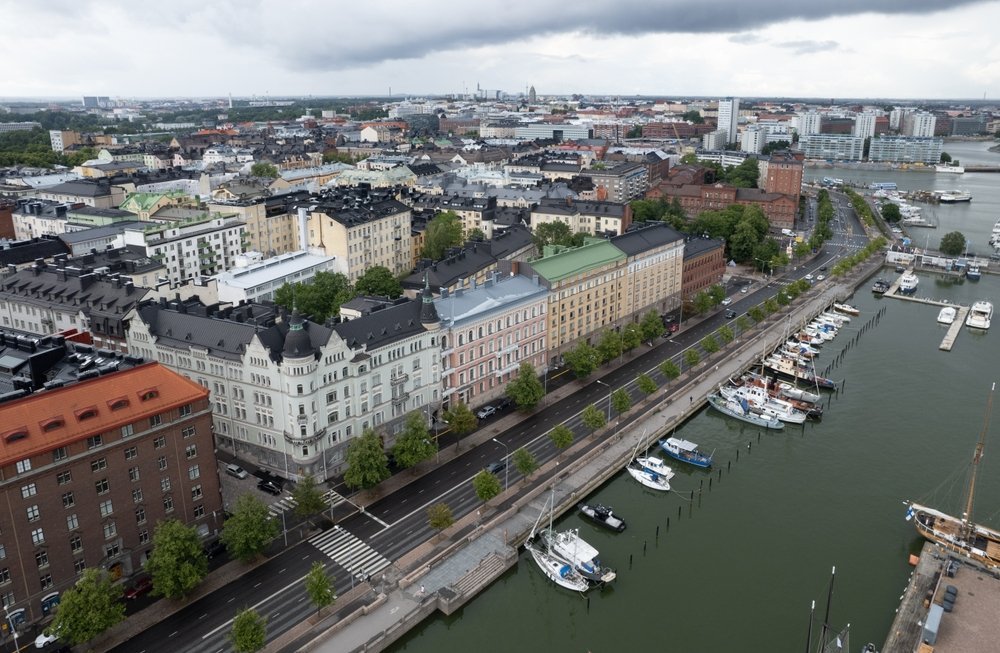
Helsinki is a capital where the sea is never far away. The centre sits on a peninsula, ferries leave Market Square for a UNESCO-listed island fortress, and right in between the 19th-century neoclassical churches you’ll find some of the most exciting new buildings in the Nordic countries. When it comes to things to do in Helsinki, the city is small enough for you to walk between most of the sights, and the trams take care of the rest.
Here are the 18 sights in Helsinki I would prioritise, from Suomenlinna and the Cathedral to the new museums, a proper Finnish sauna and day trips to the forest, Porvoo and Tallinn. Prices are given in euros, with approximate amounts in pounds. Several of the museums close on Mondays or Tuesdays, so check the days of the week before you make your plan. At the bottom I’ve gathered practical tips on tickets and transport.
Contents
1. Suomenlinna
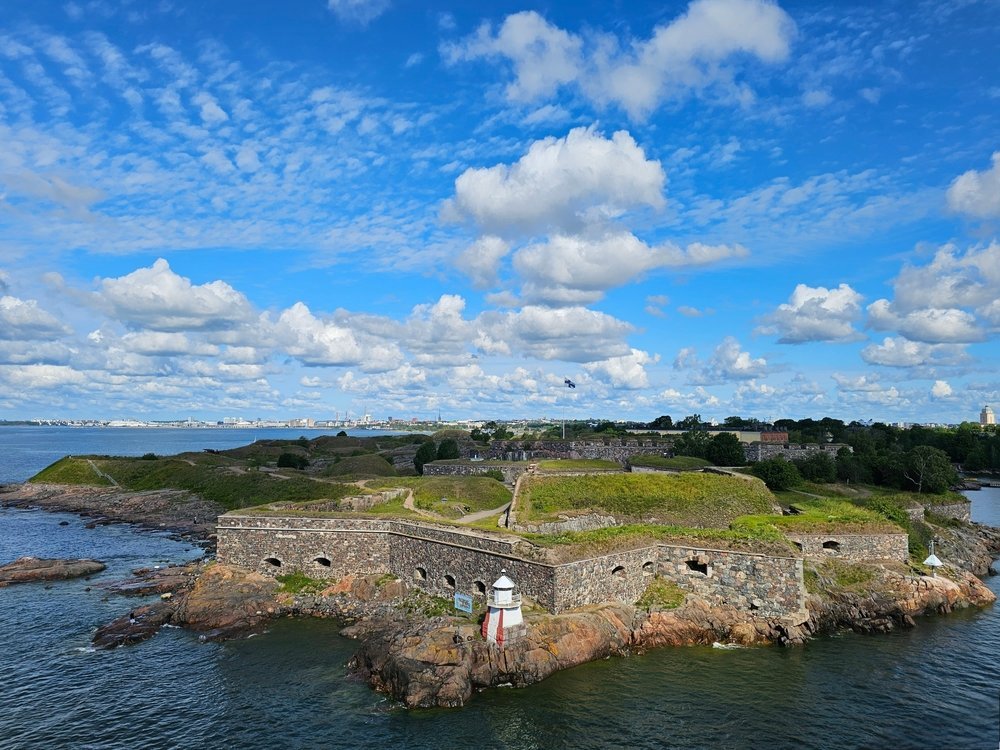
Suomenlinna is Helsinki’s most important sight. The Swedes began building the sea fortress on a group of islands off the city in 1748 to keep the Russians out, and today it is a UNESCO World Heritage Site. You walk on cobblestones between bastions, the dry dock, the King’s Gate facing the water and around six kilometres of ramparts with roughly 100 cannons, and the blue route takes you through it all in a couple of hours. In summer you can also go aboard Vesikko, a Second World War submarine.
Visiting the islands is free. The Suomenlinna Museum costs 10 euros (around £8) and is open every day, with the longest hours in summer. The ferry sails from the eastern side of Market Square all year round, the crossing takes about 15 minutes, and a standard HSL AB ticket is valid. In summer there are several departures an hour, and in winter at least one.
My tip is to catch an early ferry and walk out to Kustaanmiekka at the seaward tip before the day-trippers from the cruise ships arrive. Bring a packed lunch, as there are plenty of good spots to sit on the ramparts.
Book the official guided tour of Suomenlinna here.
2. Senate Square and Helsinki Cathedral
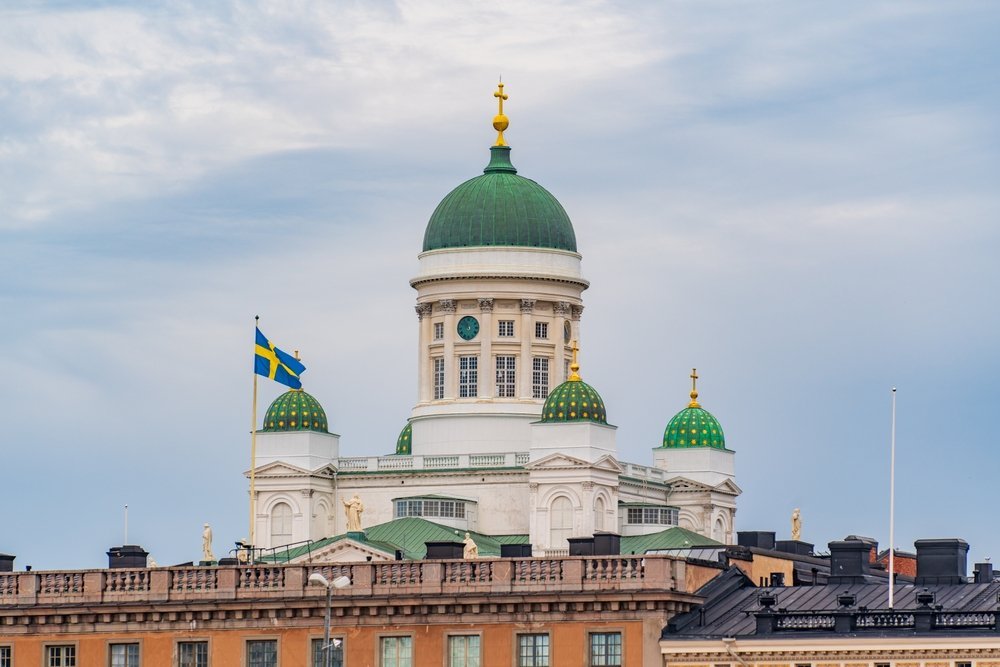
Senate Square is the classic image of Helsinki. The German-born architect Carl Ludvig Engel designed the square and the buildings around it after the Russians had made the city the capital of the Grand Duchy of Finland, and at the top of the wide steps stands the white Cathedral with its green domes. In front of the church is the statue of Tsar Alexander II, and around the square you’ll find the university, the Government Palace and some of the city’s oldest stone buildings.
Inside, the Cathedral is surprisingly plain, with white walls and little decoration. From June to October adults pay an entrance fee, which in the autumn months is 8 euros (around £7), while from November to May the amount is voluntary, and under-18s get in free. Opening hours can change because of church services, and the crypt is closed in winter. Trams stop at Senaatintori right by the square, and from the Central Station it’s a ten-minute walk.
Sit on the steps late in the afternoon, when the sun is on the façade, and take in the square from above. It’s also the obvious starting point for a walking tour, as Market Square and Uspenski Cathedral are just five minutes away.
Book a walking tour with a local guide from the Cathedral to Oodi here.
3. Uspenski Cathedral
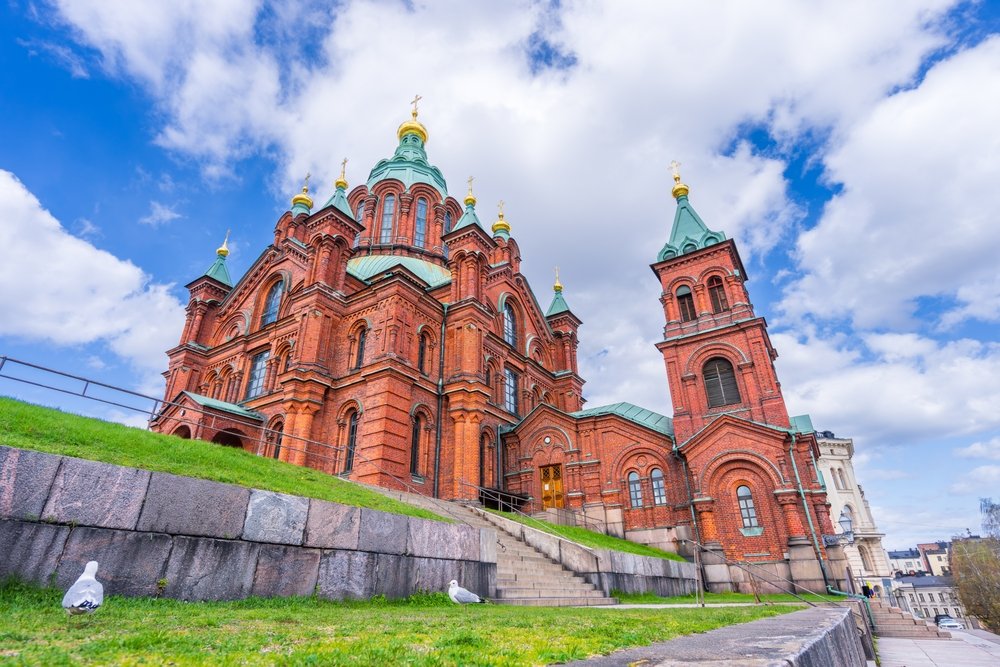
On the rock at Katajanokka, just east of Market Square, stands Uspenski Cathedral in red brick with green roofs and golden onion domes. The Orthodox cathedral was consecrated in 1868, while Finland was part of the Russian Empire, and it is considered the largest Orthodox church in Western Europe. Inside it’s the complete opposite of Helsinki Cathedral, with icons, gold and chandeliers, and the iconostasis in front of the altar fills the entire wall.
Entry costs 5 euros (around £4) for adults, while children under 18 get in free, and the cathedral is closed on Mondays. On other days it opens in the morning, but services can change the times, so check that week’s opening hours. Trams 4 and 5 run to Katajanokka, but from Market Square it’s only a couple of minutes’ walk over the bridge.
Walk all the way round the church on the rock, as from here there are views over the harbour, Market Square and the domes of Helsinki Cathedral. If you’d like the cathedral as your neighbour, Solo Sokos Hotel Pier 4 sits on the quayside just below, with a sauna and harbour views.
4. Market Square, the Old Market Hall and Esplanadi
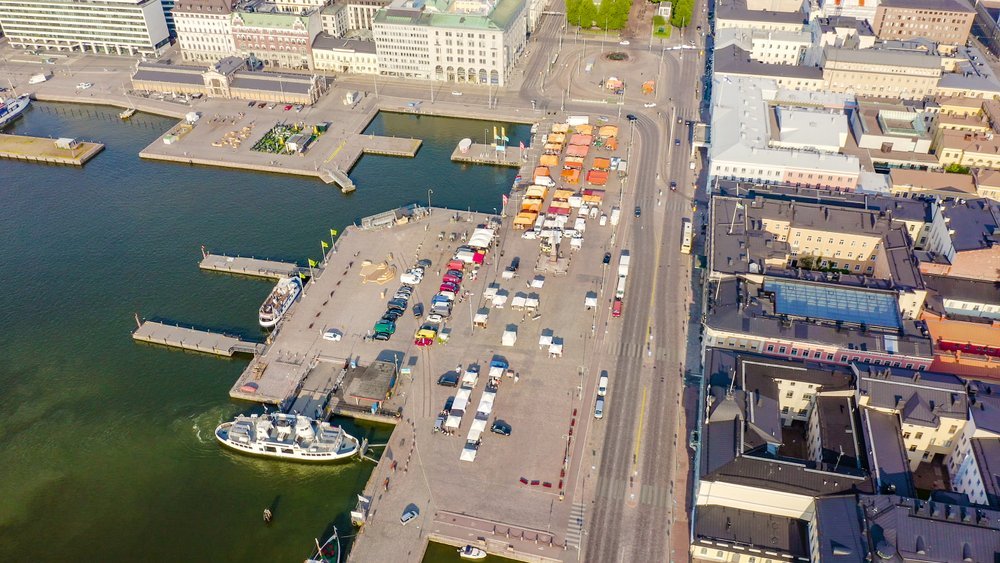
Kauppatori, Market Square, faces the South Harbour and is the place to eat fried vendace, salmon soup and cinnamon buns in the orange tents while the seagulls keep an eye on your plate. In summer the stalls sell berries, peas and souvenirs, and from here both the ferry to Suomenlinna and the sightseeing boats head out into the archipelago. Right next door is the Old Market Hall, the city’s oldest market hall in red brick, with stalls selling fish, cheese, reindeer meat and small cafés.
Both the square and the hall are free, and the Old Market Hall is open Monday to Saturday from 8am to 6pm, though individual stalls may have shorter hours. Esplanadi starts at the square: the long park between the two boulevards, with the Kappeli café pavilion, the music stage and the Havis Amanda fountain at the end, where students put a cap on the statue every year on the eve of 1 May.
Have lunch in the Old Market Hall rather than in the tents if the weather is bad or the seagulls are too bold. If you fancy staying at the city’s smartest address, Hotel Kämp is on Esplanadi and has a spa, but it’s also one of the most expensive hotels in town.
Book a sightseeing cruise in the Helsinki archipelago here.
5. Ateneum
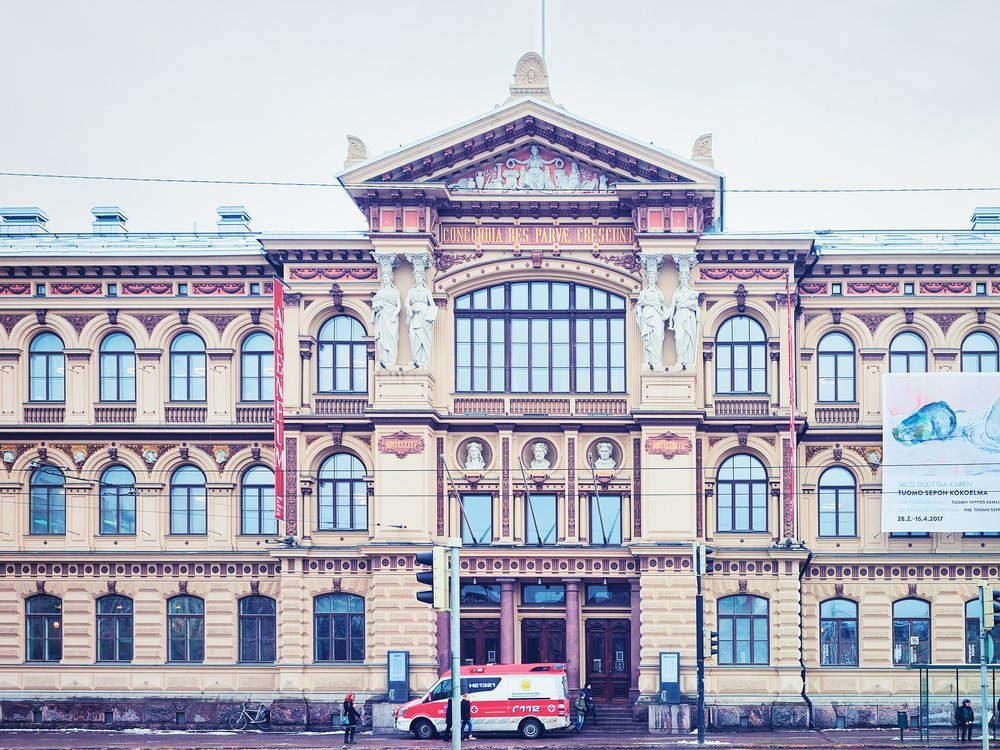
Ateneum, opposite the Central Station, is Finland’s national art museum and is housed in a palatial building from 1887. This is where you’ll find the Finnish Golden Age of the late 19th century, when painters such as Akseli Gallen-Kallela and Albert Edelfelt painted forests, lakes and scenes from the Kalevala, while Helene Schjerfbeck’s portraits are among the most beloved works in the country. The collection also includes foreign art, including Van Gogh’s Street in Auvers-sur-Oise from his last summer.
A ticket costs about 23 euros (around £19), and under-18s go free. The museum is closed on Mondays, open until 8pm on Wednesdays and Thursdays, and closes earlier at weekends. It’s right by Rautatientori metro station and the tram stops at the Central Station, so it’s easy to combine with Oodi and Kiasma.
If you only have an hour, head straight for the Finnish Golden Age galleries. Come on a Wednesday or Thursday evening, when there are fewer groups and more peace in front of the biggest paintings.
6. Oodi Library
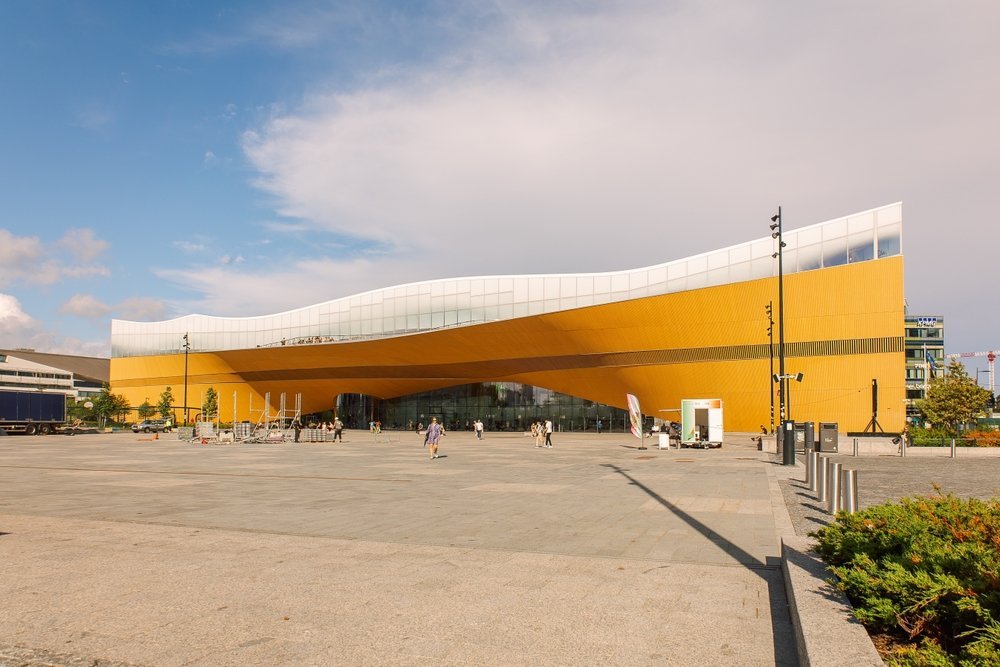
Oodi is Helsinki’s central library, but it’s far more than books. The building with the undulating wooden facade opened in December 2018 as the city’s gift to itself on the 100th anniversary of Finnish independence, and it sits on Kansalaistori square opposite Parliament. On the ground floor there’s a café and a cinema, on the first floor you can borrow sewing machines, 3D printers and music studios, and the top floor is a bright book hall beneath a huge white ceiling.
Entry is free. Oodi is open from 8am to 9pm on weekdays and from 10am to 8pm at weekends, and you can get there in five minutes from the Central Station or by tram to the Kaivokatu stop.
Head out onto the balcony on the top floor. From here you look straight across to Parliament, the Musiikkitalo concert hall and Finlandia Hall. In winter, Oodi is also the best place in the centre to warm up, and the toilets are free.
7. Kiasma
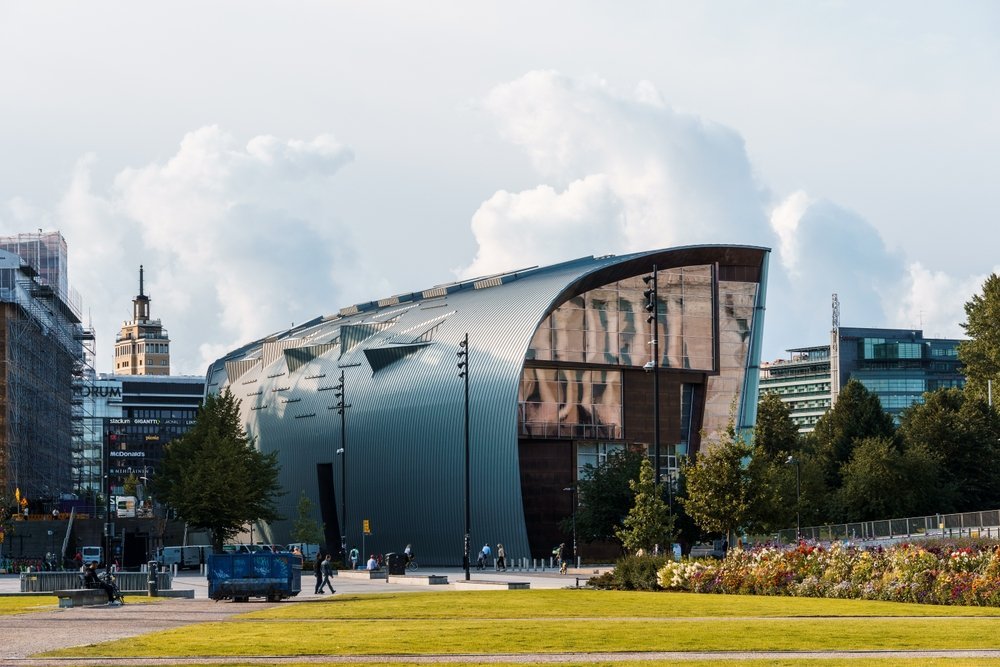
Kiasma is Finland’s museum of contemporary art, housed in a curved building by the American architect Steven Holl that opened in 1998 just behind the equestrian statue of Marshal Mannerheim. The name comes from the point in the brain where the optic nerves cross, and the building is designed as two parts that intertwine. The exhibitions change constantly and range from Finnish artists to installations, video and performance.
A ticket costs around 23 euros (around £19), and under-18s go free. Kiasma is closed on Mondays, open until 8pm on Tuesdays and Fridays and until 5pm at weekends. It’s on Mannerheiminaukio, a minute from Oodi and five minutes from the Central Station.
Check what’s on before you buy a ticket, as the experience depends entirely on the current exhibition. If contemporary art isn’t your thing, you can still enjoy the building from the ground-floor café and then carry on to Oodi.
8. Amos Rex
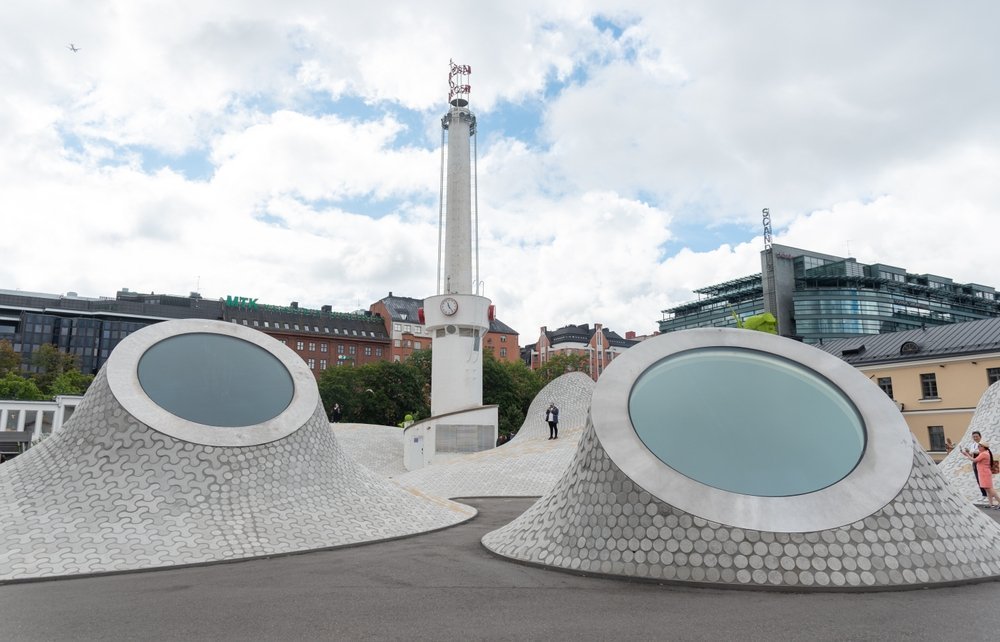
Amos Rex is the museum you see before you know you’ve seen it. The exhibition halls lie beneath the square behind Lasipalatsi, a functionalist building from 1936, and up above, the domes with their round skylights poke out of the cobblestones like little hills for children to clamber on. The museum opened in 2018 and shows large, often digital and immersive exhibitions where you step inside the works rather than just looking at them.
Tickets cost 22 euros (around £18) at the door and 20 euros (around £17) online, and under-18s go free. The museum opens at 11am and stays open until 8pm on weekdays and 5pm at weekends, while it’s closed on Tuesdays. It also closes for a few weeks when exhibitions change. Trams stop at Lasipalatsi right outside, and Kamppi metro station is a few minutes away.
The square with the domes is free and looks great after dark, when the light shines up through the windows. Buy your ticket online, both to save a couple of euros and to skip the weekend queue.
9. Kamppi Chapel
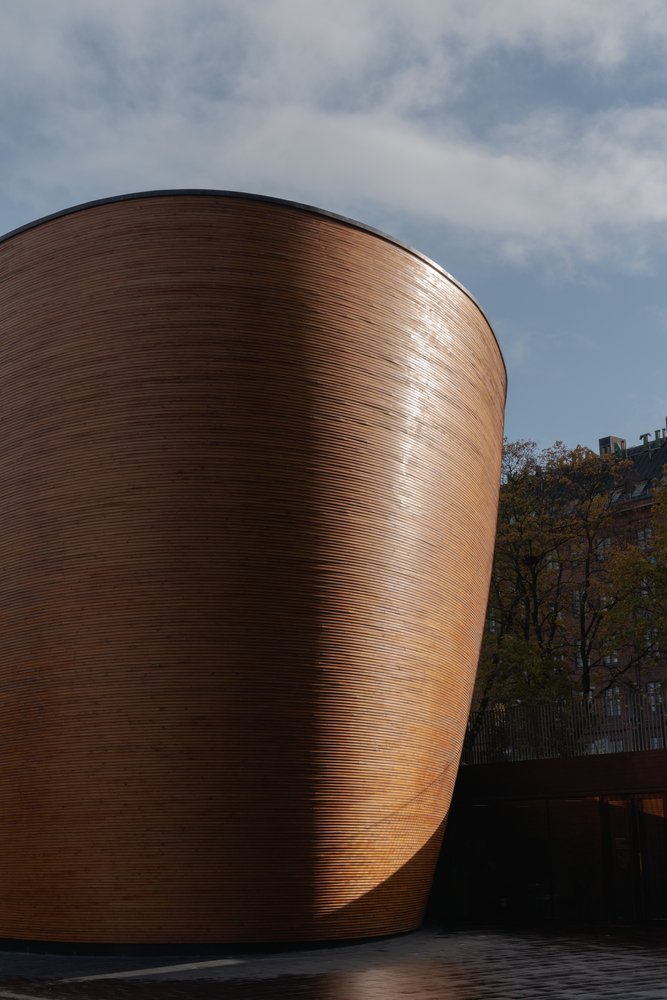
Right in the busiest corner of Helsinki, by Narinkkatori square and the Kamppi shopping centre, stands a round wooden box with no windows. This is Kamppi Chapel, also known as the Chapel of Silence, built from Finnish timber for Helsinki’s year as World Design Capital in 2012. Inside there’s only light from the ceiling, wooden benches and complete silence, and that’s exactly the point. The chapel isn’t a church with services, but a place where anyone can sit in peace for as long as they like.
The chapel is open Tuesday to Saturday from 11am to 6pm and is closed on Sundays and Mondays. Adult tourists pay 5 euros (around £4), while children under 18 and Helsinki Card holders get in free. Kamppi metro station is under the square, and it’s a five-minute walk from the Central Station.
Put your phone on silent before you go in and give it ten minutes. The contrast between the noise of the square and the silence inside is the whole experience.
10. Temppeliaukio Rock Church
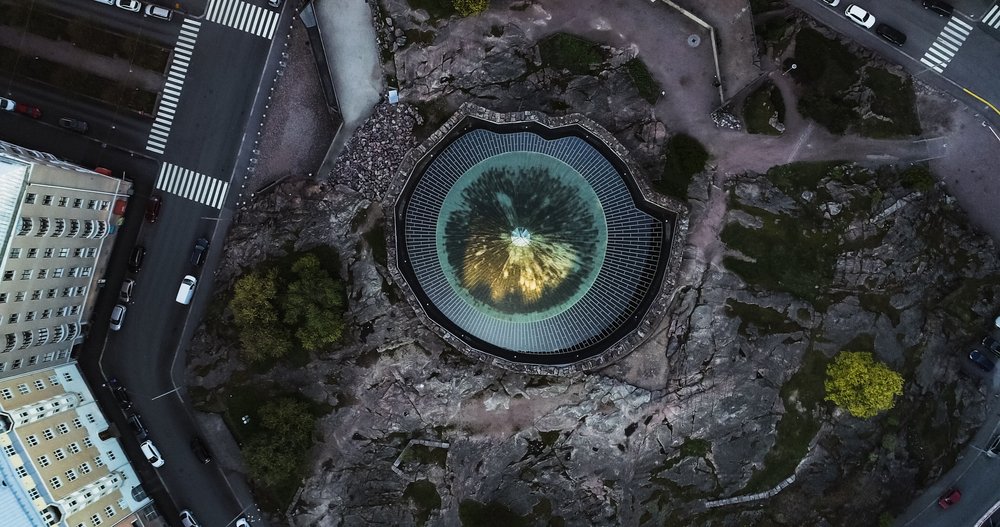
Temppeliaukio Church in Töölö is blasted straight into the bedrock. The brothers Timo and Tuomo Suomalainen designed the church, which was completed in 1969, and from the street you see little more than a low stone wall and a flat copper dome. Inside, the walls are bare rock, and between the rock and the dome runs a ring of windows, so daylight streams down along the stone. The acoustics are so good that the church is often used for concerts.
Entry costs 8 euros (around £7) for adults, while children under 18 and Helsinki Card holders get in free, and the church is closed to tourists during weddings, funerals and the Sunday service at 10am. Opening hours change from week to week, so check the church’s website on the day. From Kamppi it’s about a ten-minute walk.
Arrive right at opening time, before the tour coaches pull up. If you’re in town in the evening, look out for a concert in the church, where you get both the music and the space without the groups.
11. Sibelius Monument
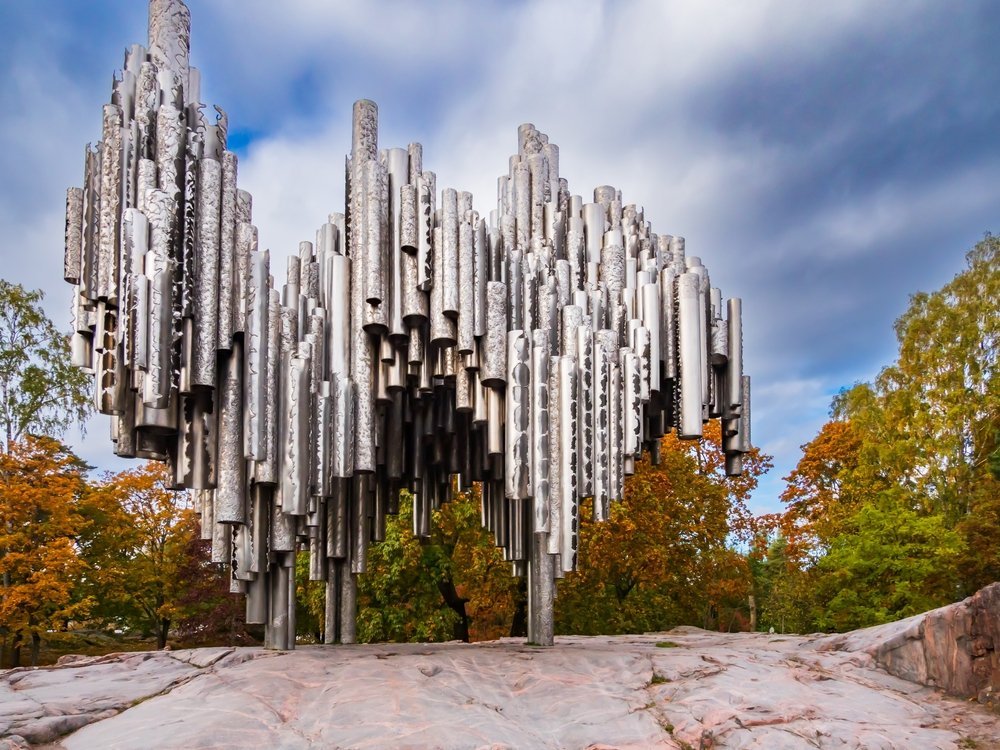
Sibelius Park in Töölö is home to the city’s strangest monument. The sculptor Eila Hiltunen welded more than 600 steel pipes together into a sculpture meant to evoke the music of the composer Jean Sibelius, and it was unveiled in 1967. Many people thought it was too abstract, so Hiltunen added a face of Sibelius beside it. When the wind blows in from the sea, you can hear it in the pipes.
The monument is free and accessible around the clock. Bus 24 from the centre stops by the park, but you can also walk there from Temppeliaukio in a quarter of an hour. Tour coaches stop here, so around midday there can be plenty of people around the pipes.
Afterwards, wander down to the water, where the little red wooden hut Café Regatta serves cinnamon buns and coffee by the fire. It’s one of the cosiest spots in Helsinki, even in winter, and bus 24 continues on to Seurasaari.
Book a hop-on hop-off bus that also stops at the Sibelius Monument here.
12. Seurasaari Open-Air Museum
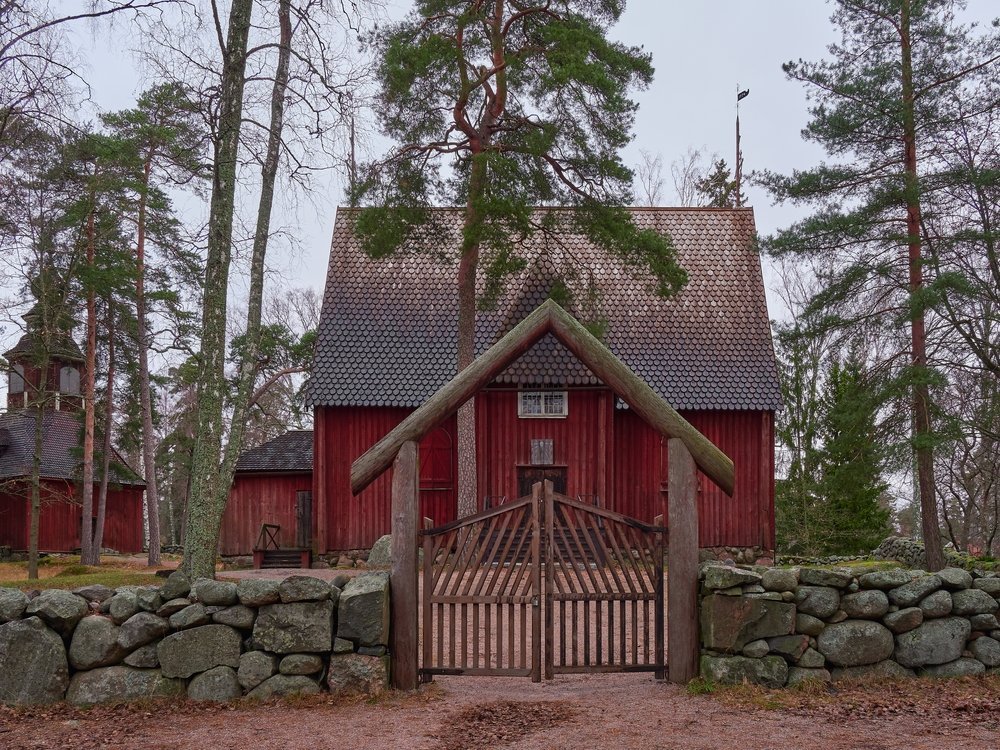
Seurasaari is a wooded island west of the centre, reached by a white wooden bridge. Out on the island is the open-air museum, with 89 old buildings moved here from all over Finland, from farmsteads and windmills to a manor house and the wooden Karuna Church from 1686. In summer, museum staff walk around in period dress and show you how people lived in the countryside in the 19th and 20th centuries, and at Midsummer huge bonfires are lit by the water.
The museum is open from mid-May to mid-September, and a ticket costs 14 euros (around £12), while under-18s go free. The rest of the year you can still wander freely around the island and see the buildings from the outside. Bus 24 from the centre runs all the way to the bridge in about 20 minutes.
Bring nuts for the squirrels, which will eat straight from your hand, and walk out to the rocks on the western side of the island. Even outside the museum season, Seurasaari is one of the best walks in Helsinki, and it pairs nicely with the Sibelius Monument on the same afternoon.
13. Design District
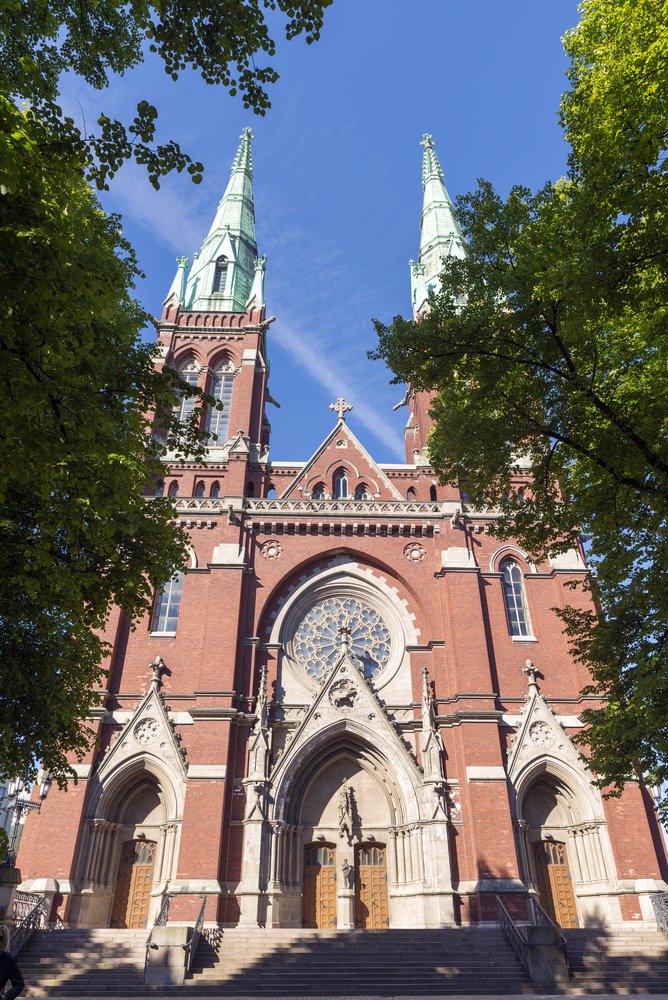
The Design District isn’t a neighbourhood as such, but a network of design shops, galleries, vintage stores, cafés and restaurants in the streets south and west of Esplanadi, particularly in Punavuori and Kaartinkaupunki. Here you’ll find everything from Marimekko and Iittala to small workshops selling ceramics and jewellery, and some of the city’s best cafés line Iso Roobertinkatu and Uudenmaankatu. The area’s landmark is the neo-Gothic St John’s Church, one of the largest churches in Finland.
It’s free to wander around, and most shops open from late morning until late afternoon, with shorter hours on Sundays. The Design Museum on Korkeavuorenkatu showcases Finnish design from Alvar Aalto to the Moomins, and a ticket costs around 23 euros (around £19). It’s a five-minute walk from Esplanadi.
Start on the pedestrianised Iso Roobertinkatu and carry on along the side streets, where the small shops are. The area is also one of the neighbourhoods I recommend in my guide to where to stay in Helsinki, and the boutique Hotel Lilla Roberts sits right in the middle of it.
14. Seaside Sauna: Löyly and Allas Sea Pool
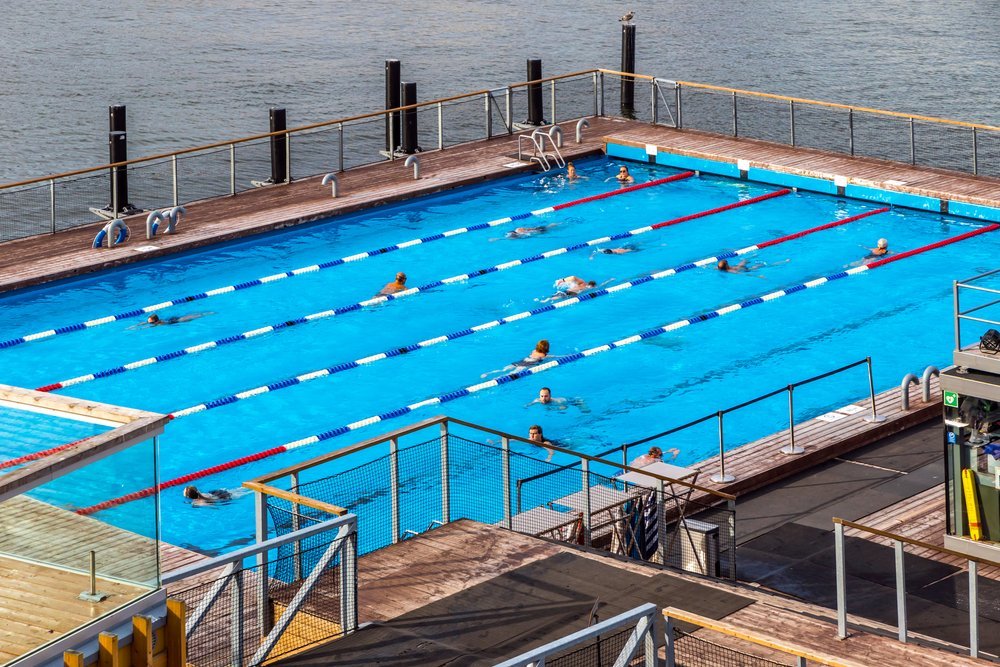
You haven’t really been to Finland until you’ve been in a sauna, and in Helsinki you can do it by the sea. Löyly in Hernesaari is an angular timber building on the waterfront with a traditional smoke sauna and a wood-fired sauna, where you go straight from the heat down the ladder into the Baltic all year round. Allas Sea Pool is right in the city by the Market Square, with five saunas, a heated pool and a pool of ice-cold seawater.
At Löyly, two hours costs 29 euros (around £24) including a towel, seat cover and shampoo, and because the saunas are mixed, you need to wear swimwear. Allas costs around 19 euros (around £16) on weekdays and 24 euros (around £20) at weekends for two hours. Löyly is about a 20-minute walk along the water from the Design District, while Allas is on Katajanokanlaituri just below Uspenski Cathedral.
Book Löyly in advance, especially at weekends and around sunset. Allas is the easiest choice if you just want to try a sauna and a sea dip between two sights.
Book entry to the saunas at Löyly here.
15. Kallio and Kotiharjun Sauna
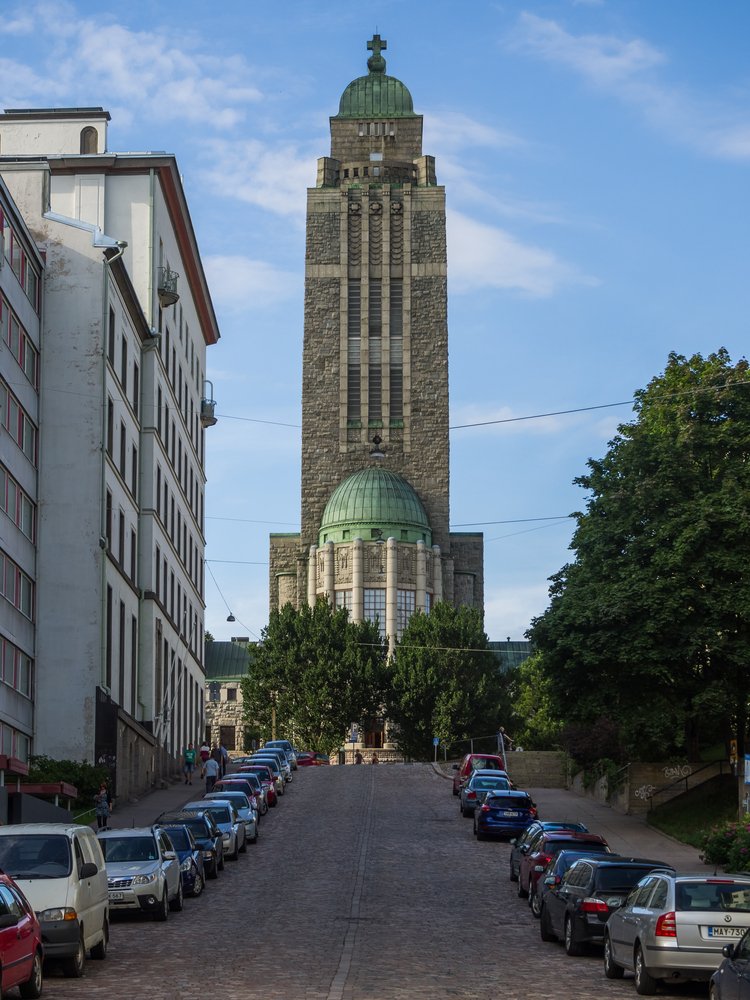
Kallio, north of Hakaniemi, is the old working-class district where young Helsinki locals live and go out. Walk from Hakaniemi up towards Kallio Church, completed in 1912 to designs by Lars Sonck, and on past the cafés, vintage shops and cheap bars on Helsinginkatu and Vaasankatu. By the water you’ll find Hakaniemi Market Hall and the square, where locals shop for fish, berries and bread.
The most Finnish experience in the area is Kotiharjun Sauna from 1928, a public sauna with wood-fired stoves, open Tuesday to Sunday from 2pm to 8pm and costing 16 euros (around £13). The saunas are split into men’s and women’s sections, and bathing here is done naked. Afterwards, guests sit out on the pavement with a towel round their waist to cool off. Sörnäinen metro station is a few minutes’ walk away.
Kotiharju is closed on Mondays, so plan your visit for another day. Bring your own towel, and eat afterwards at one of the small restaurants around Helsinginkatu.
16. Nuuksio National Park
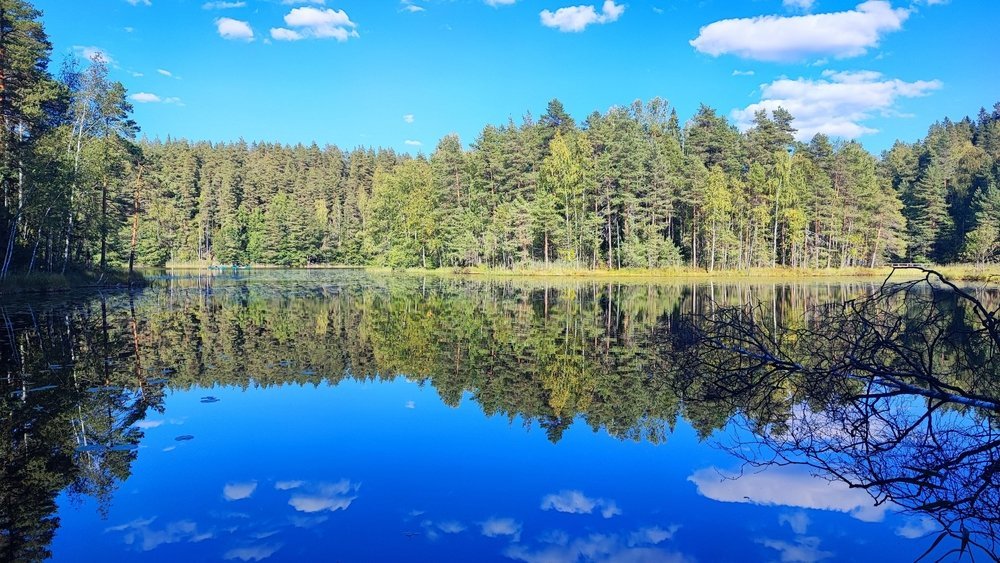
Less than an hour from the centre lies Nuuksio, a national park of pine forest, rocks covered in moss and lichen, and small lakes, where with a bit of luck you might spot a flying squirrel. Waymarked trails start from Haukkalampi and Haltia, ranging from a couple of kilometres to a full day’s hike, and there are campfire sites with firewood, so you can grill sausages by the water like the Finns do. At the entrance is the Haltia nature centre, with exhibitions about Finnish nature.
Entry to the park is free. Take the train from Helsinki Central Station to Espoon keskus, then bus 245 or 245A on to Haltia and the Punjonsuo stop by Haukkalampi, and the journey takes around an hour. Bought in the HSL app, the ticket usually covers zones ABC. Haltia is open daily from May to September and closed on Mondays the rest of the year.
Wear good shoes, as the paths are rocky and wet after rain, and bring a packed lunch. If you’d rather not find your own way, a guided tour can pick you up in the centre.
Book a half-day tour to Nuuksio with a biologist guide here.
17. Day Trip to Porvoo
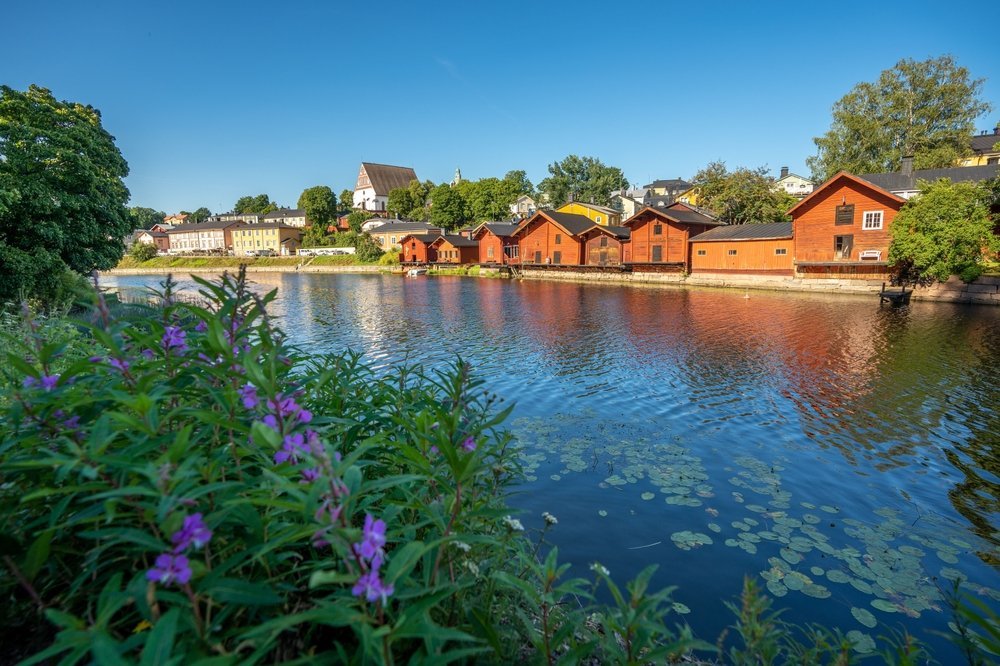
Porvoo lies about 50 kilometres east of Helsinki and is Finland’s second-oldest town. The Old Town is made up of cobbled streets on a hill lined with colourful wooden houses, and down by the river stands the row of red warehouses that is one of the most photographed sights in the country. At the top is the medieval cathedral, where Tsar Alexander I opened the first Diet of the Grand Duchy of Finland in 1809.
Porvoo was also the home town of the national poet Johan Ludvig Runeberg, and the bakeries sell Runeberg tarts, small cakes with almond and raspberry jam. Buses from the Kamppi bus terminal run daily and take around an hour. It’s free to wander around the Old Town.
Cross the old bridge to the opposite bank of the river, as that’s where you get the best view of the red warehouses. Come on a weekday if you can, as lots of people come from Helsinki at weekends in summer.
Book a guided day trip from Helsinki to Porvoo here.
18. Day trip to Tallinn by ferry
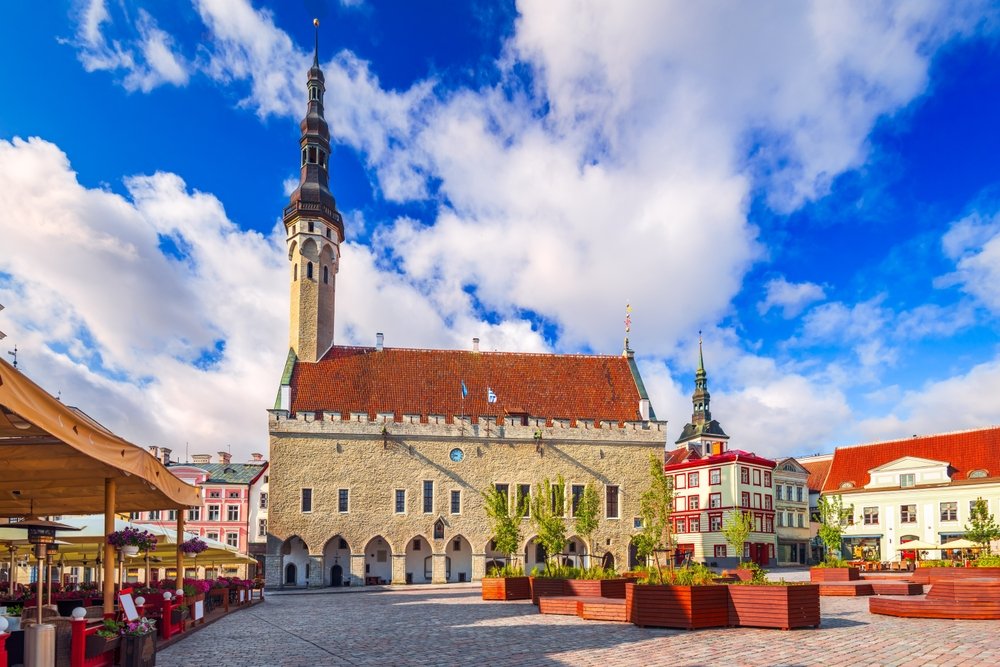
Estonia’s capital lies just across the Gulf of Finland, and with the fast ferries Tallinn is one of the easiest day trips in Northern Europe. You get a medieval Old Town with city walls, towers and the Raekoja Plats town hall square, the viewpoints on Toompea and the Telliskivi district, where old factories are packed with cafés and shops. Food and drink are also cheaper than in Helsinki.
Tallink and Eckerö Line sail from West Terminal 2 in Jätkäsaari, served by trams 7 and 9, while Viking Line sails from Katajanokka. On the fastest ferries the crossing takes around two hours, giving you about eight hours in Tallinn, and a return ticket typically costs from around 40 euros (around £35).
Take the first ferry in the morning and the last one back, and remember your passport or ID card. If you’d rather stay a couple of nights, I’ve written about where to stay in Tallinn.
Book a return ferry ticket from Helsinki to Tallinn here.
Practical travel tips for Helsinki
The metro, trams, buses, local trains and the ferry to Suomenlinna all use the same HSL tickets. A single ticket for zone AB costs 3.30 euros (around £2.75) in the HSL app and 3.50 euros (around £2.95) with contactless payment, while zone ABC costs 4.50 euros (around £3.75). Zone AB covers all of Helsinki, while the train from the airport requires an ABC ticket. Day tickets for 1 to 7 days can be bought in the app and pay off if you take more than a couple of journeys a day.
The Helsinki Card gives free entry to most of the museums in this guide, including the Suomenlinna Museum, Ateneum, Kiasma, Amos Rex, the Design Museum, Temppeliaukio and Seurasaari. It’s worth it if you want to visit three or more museums in a couple of days, but with so many free sights most people manage perfectly well without it.
June to August is the best time, with light evenings, open cafés in the parks and Seurasaari in season. Winter is dark and cold, but the saunas, the Christmas market on Senate Square and Oodi make it cosy. If you need the full range of accommodation, you can see all hotels in Helsinki on Booking.com.
If you’re heading further north, the night train runs from Helsinki to Rovaniemi, and in my guide you can see where to stay in Lapland. If you’re continuing west by ferry, I’ve also rounded up the best things to do in Stockholm.
Travel ressources & websites I use all the time 👇
• Booking.com has the best offers on hotels and unique places to stay
• GetYourGuide is the best place to book tours & activities with free cancellation
• Welcome Pickups is the best & safest place to pre-book airport transfers
Psst 👀 Have you subscribed to my Youtube channel and my Instagram where I provide more useful travel tips?