

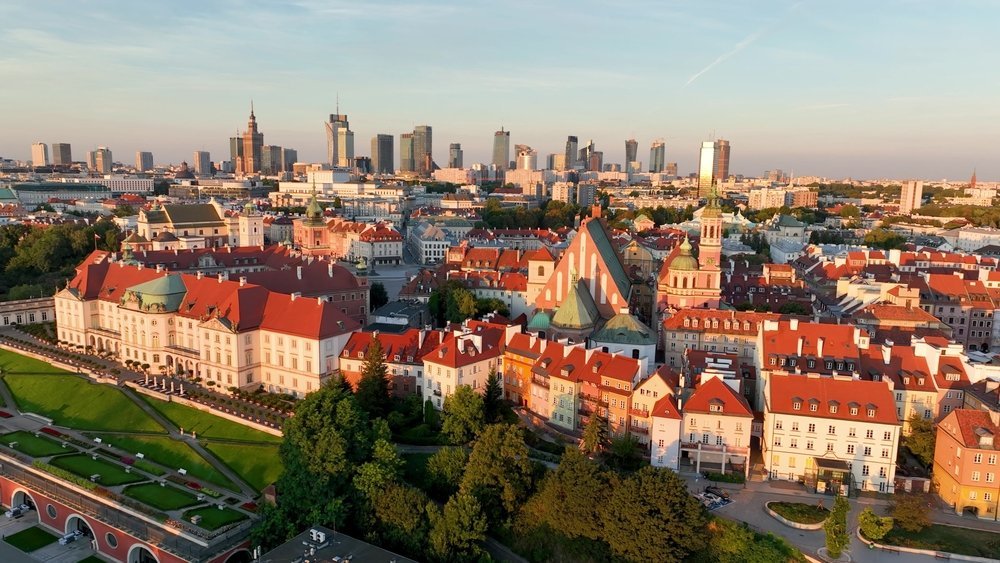
Warsaw was almost wiped off the map during the Second World War. According to UNESCO, more than 85 per cent of the historic centre was destroyed by German troops after the 1944 Uprising, and afterwards the city’s residents rebuilt the Old Town stone by stone using old drawings, photographs and paintings. Today the reconstructed centre is a World Heritage Site, and around it lies a capital full of things to do in Warsaw: grand Soviet architecture, glass towers, royal parks and some of Europe’s most powerful museums about war and reconstruction.
Here are the 17 sights in Warsaw I would prioritise, with prices, opening hours and the easiest way to get there by metro, tram or bus. Prices are given in złoty, and 1 złoty is worth roughly 19p. Many of the city’s museums have a fixed free day and close on either Monday or Tuesday, so check the days of the week before you make your plan. At the end I have gathered practical tips on tickets, city cards and transport.
Contents
1. Old Town and Castle Square
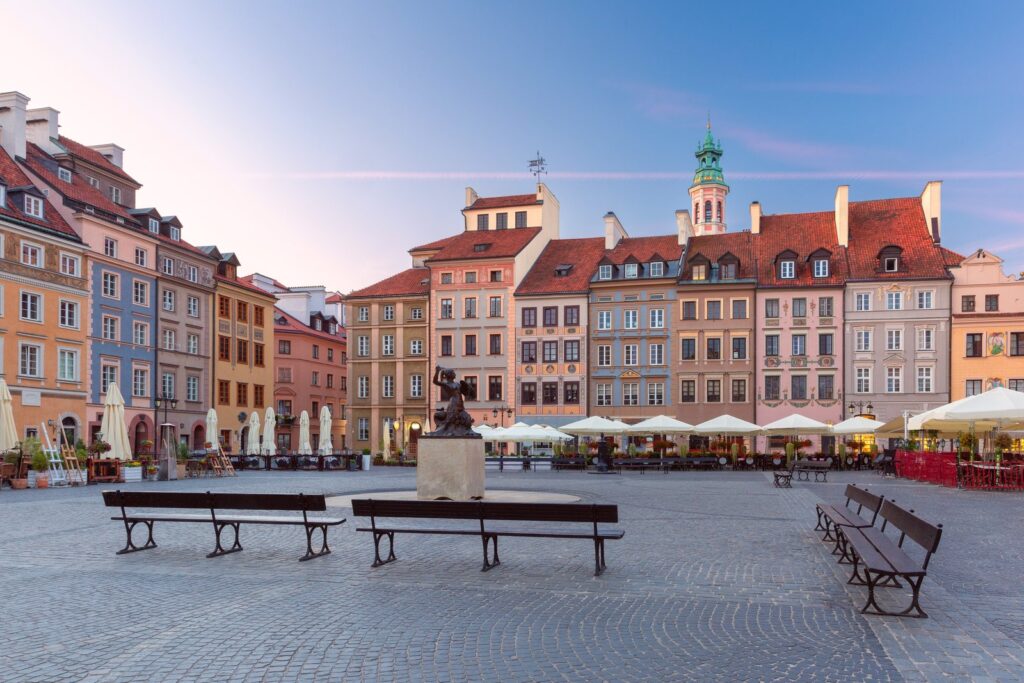
The Old Town is the first thing most visitors see, and it is still hard to grasp that almost everything around you was built after 1945. The Rynek Starego Miasta market square is lined with narrow townhouses in ochre, red and green, and in the middle stands the mermaid Syrenka, the city’s emblem. Castle Square at the southern end is dominated by Sigismund’s Column from 1644, topped by the king who moved the capital from Kraków to Warsaw, and behind it lie the Royal Castle and St John’s Cathedral.
Wandering around the Old Town costs nothing. On the square itself you will find the Museum of Warsaw, which tells the city’s story through thousands of objects, and a ticket to the permanent exhibition costs about 25 złoty (around £5), with free entry on Thursdays. Ratusz Arsenał metro station is just under a kilometre away, and buses 116 and 180 stop at Castle Square.
My tip is to head up to the square early in the morning, before the outdoor terraces fill it, and come back after dark when the houses are lit up. The Old Town is also the first area in my guide to where to stay in Warsaw, and you can see hotels in the Old Town here.
Book a guided walking tour of the Old Town and the Royal Route here.
2. The Royal Castle
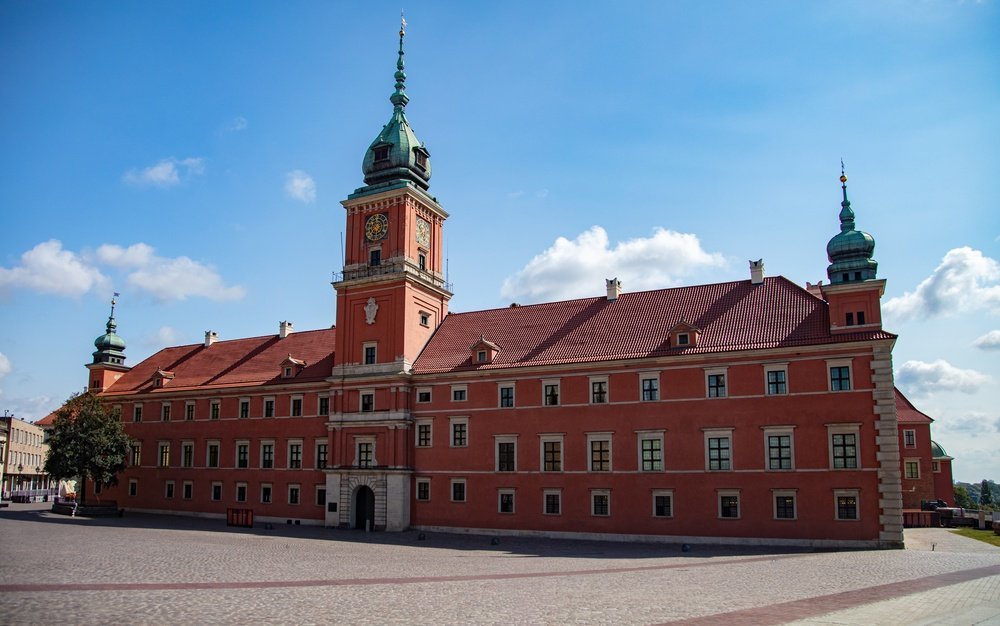
The Royal Castle was the residence of the Polish kings from the late 16th century and later the seat of parliament, and it was here that Poland’s Constitution of 3 May 1791 was adopted, the first of its kind in Europe. The Germans blew up the castle in 1944, and after a reconstruction funded by donations from all over the country, it only opened to visitors in 1984. Inside, you walk through the king’s apartments, the Throne Room and the Ballroom and into the room with Bernardo Bellotto’s paintings of 18th-century Warsaw, which the architects used during the rebuilding.
A ticket for the Royal Route costs 60 złoty (around £11) with an audio guide and 45 złoty (around £9) discounted, and on Wednesdays entry to the permanent exhibitions is free, with a limited number of tickets from the ticket office. The castle is open Tuesday to Sunday from 10am to 5pm, with last entry at 4pm, and closed on Mondays. The royal gardens down towards the Vistula are open from 10am to 6pm.
If you want one of the free Wednesday tickets, be at the ticket office when it opens, as they go quickly. If you only have an hour, the room with Bellotto’s views of the city is the one I would prioritise.
Book a guided tour of the Royal Castle with skip-the-line tickets here.
3. New Town and the Barbican
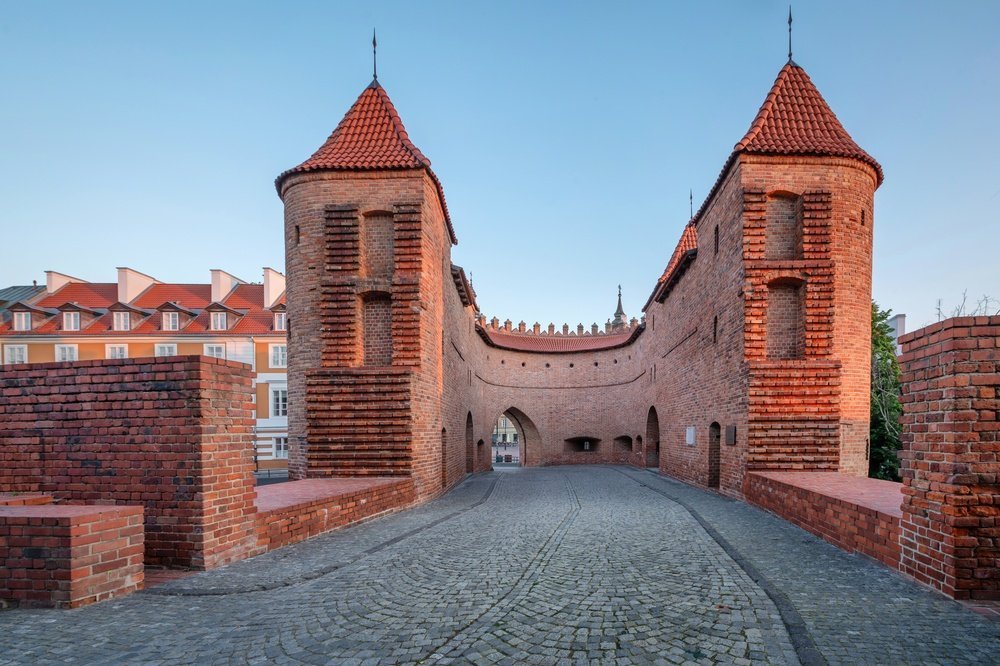
Walk north from the square along Nowomiejska street and you reach the Barbican, a round red-brick defensive bastion from the 16th century that formed part of the city walls between the Old Town and Nowe Miasto. It was rebuilt after the war like the rest of the area, and along the moat you can walk a stretch of the walls and see how the city was fortified. In summer, street performers and art sellers gather in the gateway.
On the other side lies Nowe Miasto, the New Town, which despite its name dates back to around 1400. Freta street leads down to a quieter square with the white St Casimir’s Church, and in the house at Freta 16 Marie Curie was born in 1867. Today it houses a small museum about her and her research. The rest of the area is free to explore, and there are far fewer groups than on the main square.
My tip is to have lunch here rather than on Rynek Starego Miasta. The restaurants around Freta and the New Town square are usually a little cheaper, and the atmosphere is more local. Carry on down the slope towards the river and you will reach the fountain park in five minutes.
4. The Multimedia Fountain Park
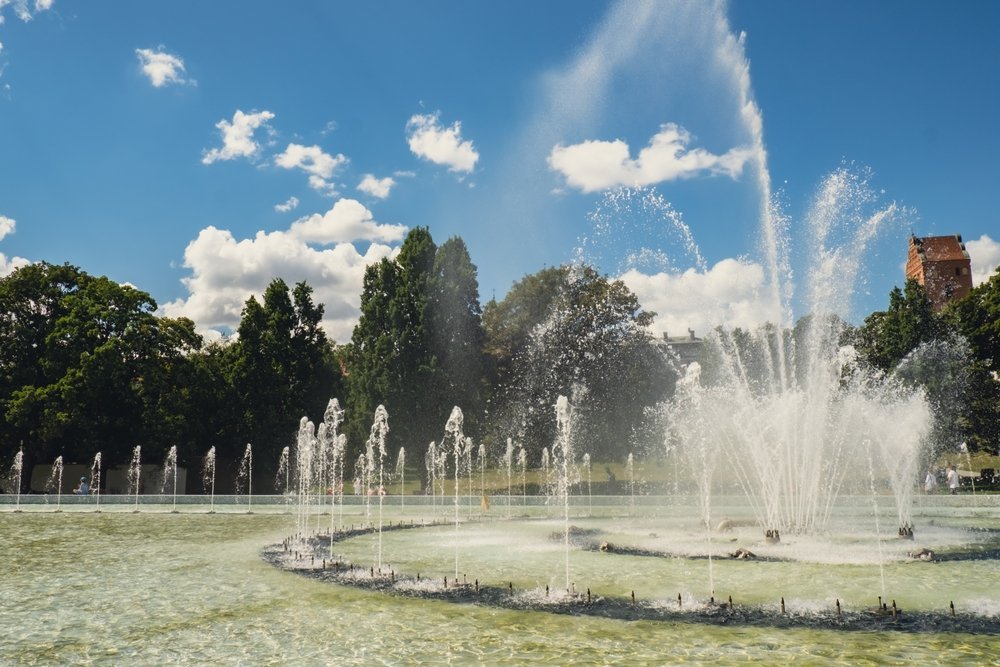
At the foot of the Old Town, between the Vistula and the slope below the Royal Castle, lies Multimedialny Park Fontann, one of the most popular free evening attractions in Warsaw. By day children play in the fountains, but on summer evenings the water becomes a show with music, lights, lasers and images projected onto curtains of water.
The shows run from May to September on Friday and Saturday evenings, typically at 9.30pm in early summer and a little earlier in late summer, when it gets dark sooner. In winter the park becomes a light show with Christmas music at weekends. It is free and draws big crowds, so arrive half an hour early. The buses along the river, or a walk down the steps from the Old Town, are the easiest way to get here.
It is worth standing a little way up the slope rather than right down by the water. That way you see the whole show at once and avoid the spray if the wind is blowing towards the audience. Afterwards, it makes sense to carry on along the riverside boulevards, where the bars stay open until late at night in summer.
5. Krakowskie Przedmieście and Nowy Świat
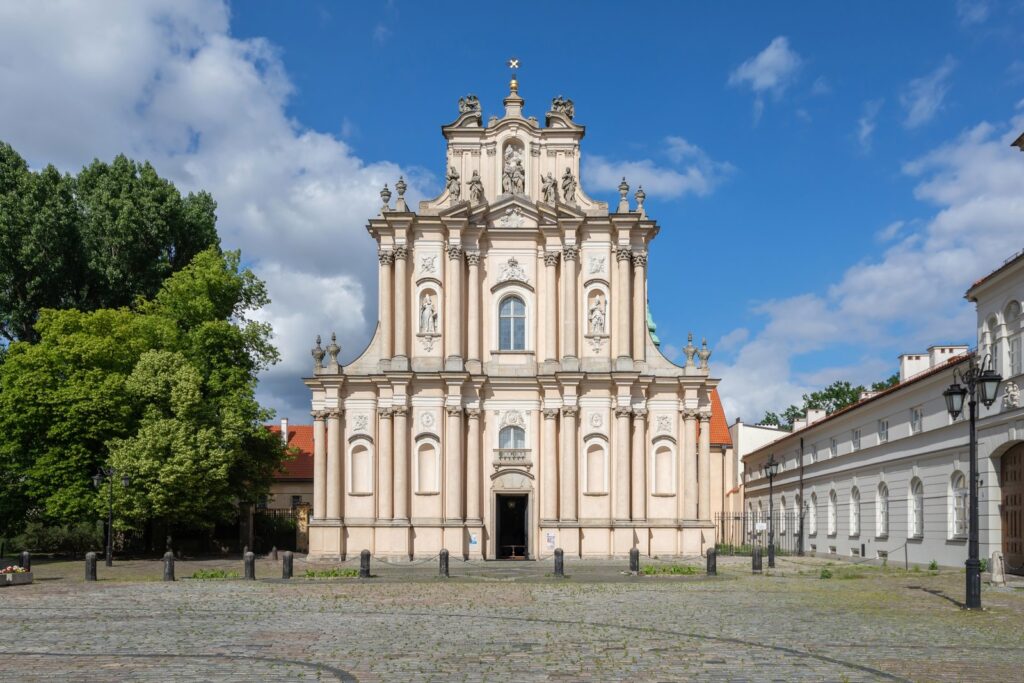
Castle Square marks the start of the Royal Route, the old road running south from the castle towards Wilanów, and its first stretch, Krakowskie Przedmieście, is Warsaw’s most beautiful street. Here you will find the Presidential Palace, the university behind its gate, the Church of the Visitationists, where the young Chopin played the organ at school services, and the statue of Copernicus in front of the Staszic Palace. Further south the street changes its name to Nowy Świat, where cafés, bars and restaurants line up door to door.
The whole stretch is free, and it is often closed to private cars at weekends, so you can walk down the middle of the road. Buses 116 and 180 run the full length of the street, and Nowy Świat-Uniwersytet metro station lies halfway along, so you can walk one way and ride the other.
Walk the route from Castle Square heading south, so you have the sun behind you in the afternoon. Stop at the Blikle patisserie on Nowy Świat and buy a pączek, Poland’s answer to a jam doughnut. If you want to stay at one of the city’s finest addresses, Hotel Bristol sits right next to the Presidential Palace and has an indoor pool and spa.
6. Chopin’s Warsaw and the Holy Cross Church
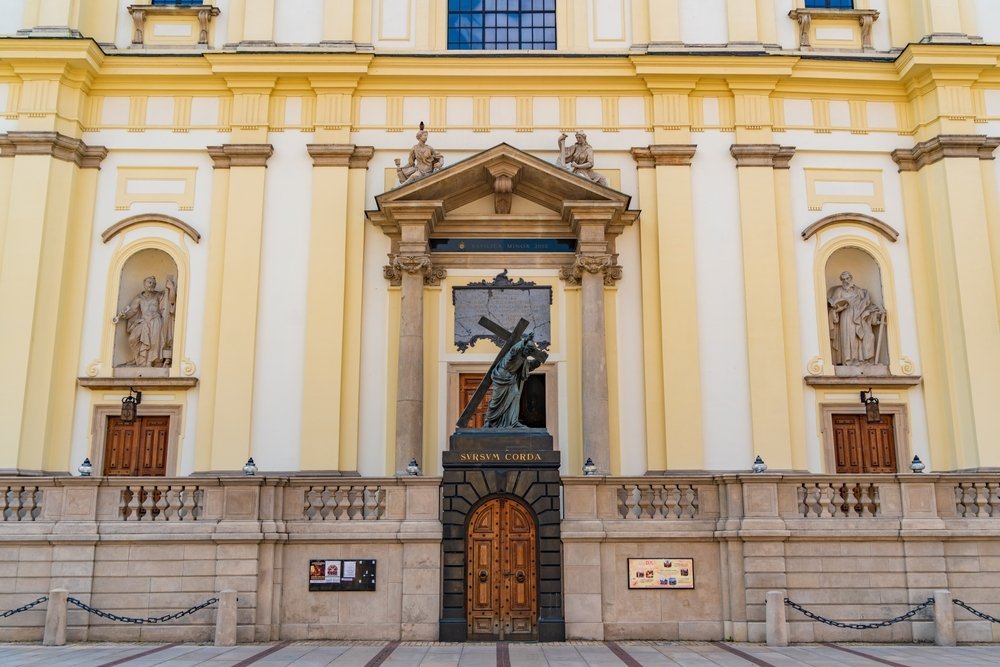
Frédéric Chopin grew up in Warsaw, and although he died in Paris in 1849, his heart rests here. His sister smuggled it home in a jar of cognac, and today it is sealed into a pillar on the left-hand side of the nave in the Holy Cross Church on Krakowskie Przedmieście. During the 1944 Uprising the Germans removed the heart from the church, but it was returned after the war. The church is free to enter outside of services.
The Chopin Museum in the Ostrogski Palace on Okólnik street is just a few minutes’ walk away and is the city’s main museum dedicated to him, but it can be closed for periods, so check the museum’s website before you go. Along the Royal Route you will also find black stone benches where you can press a button and hear a piece of his music.
The best way to experience Chopin is to hear his music played. In the Old Town there are small, hour-long salon concerts every evening, costing from around 90 zloty (around £17), and in summer pianists play for free at the Chopin Monument in Łazienki Park every Sunday.
Book a Chopin concert on a historic Pleyel grand piano in the Old Town here.
7. The Saxon Garden and the Tomb of the Unknown Soldier
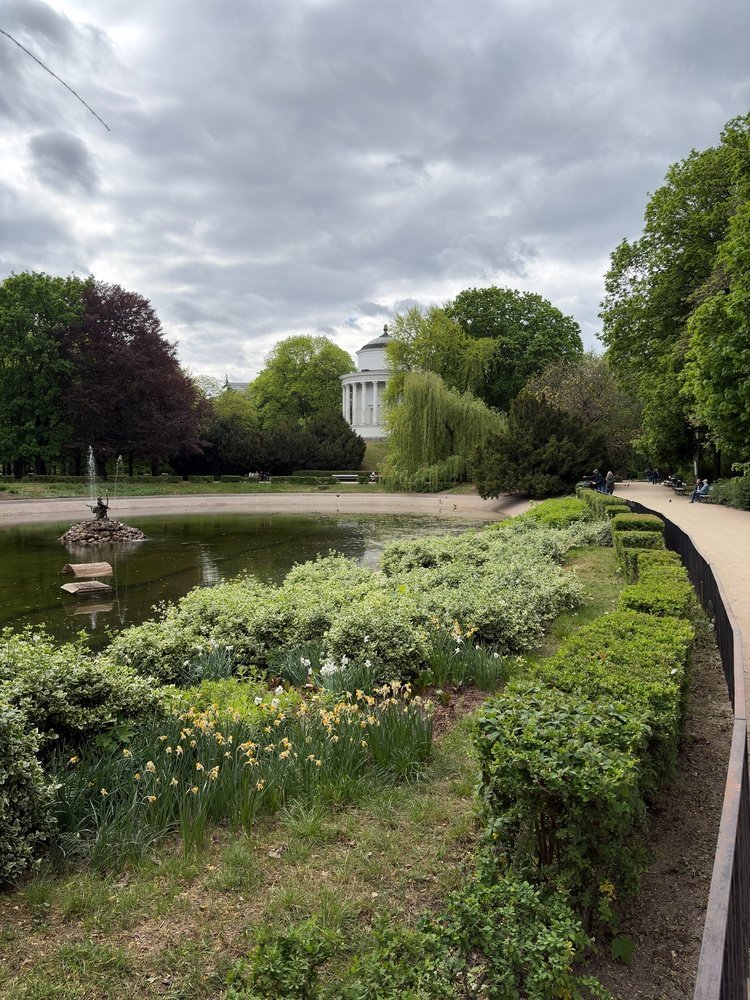
Ogród Saski is Warsaw’s oldest public park and opened to the city’s residents in the 18th century. It is laid out with long avenues, Baroque sandstone statues, a small water tower shaped like a round temple and a large fountain by the architect Henryk Marconi, and on a hot day it is the shadiest spot in the city centre.
At the eastern end, facing Piłsudski Square, the Tomb of the Unknown Soldier stands beneath the three arches, which are all that remained of the Saxon Palace after the war. The guard of honour stands there around the clock, the eternal flame burns, and the stones on the pillars bear the names of the battlefields where Polish soldiers have fought. Both the park and the tomb are free, and you can walk here in five minutes from Krakowskie Przedmieście or from Świętokrzyska metro station.
Arrive on the hour and you can watch the changing of the guard, with the soldiers marching in goose step. Combine it with Krakowskie Przedmieście and the Holy Cross Church on the same walk, and you will have covered most of the historic centre in a morning.
8. The Palace of Culture and Science and its viewing terrace
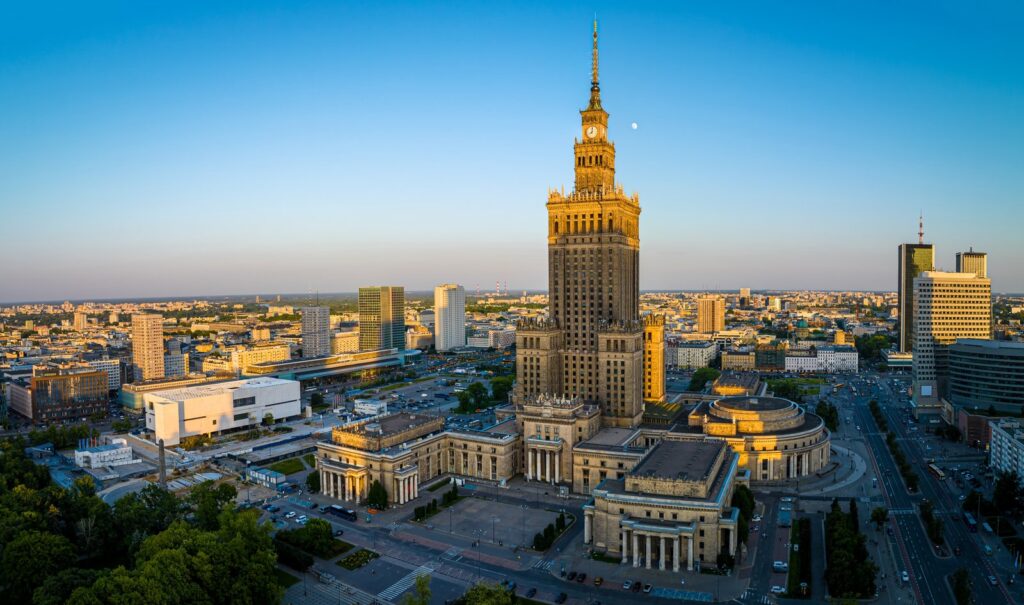
The Palace of Culture and Science was Stalin’s gift to the Polish people, and many Poles saw it more as a reminder of who was in charge. The 237-metre building was completed in 1955 in the Socialist Realist style with Polish details, and today it houses theatres, cinemas, museums, a congress hall and offices. According to an old joke, the view from the top is the best in the city, because it is the only place where you can’t see the Palace of Culture.
The viewing terrace is on the 30th floor, 114 metres up, and the lift gets you there in 19 seconds. Tickets cost 30 zloty (around £6) or 25 zloty (around £5) for concessions, and the terrace is open every day from 10am to 8pm, except on a few public holidays. Centrum metro station and Warszawa Śródmieście railway station are right next door.
On the 4th floor you will find Neon Muzeum, which has collected the old neon signs from communist-era shops, cinemas and cafés. Tickets cost around 28 zloty (around £5), and the museum opens every day at 11am. My tip is to go up to the terrace late in the afternoon, so you see the city both in daylight and as the lights come on.
Book a guided tour of the Palace of Culture with skip-the-line access to the viewing terrace here.
9. Highline Warsaw in Varso Tower
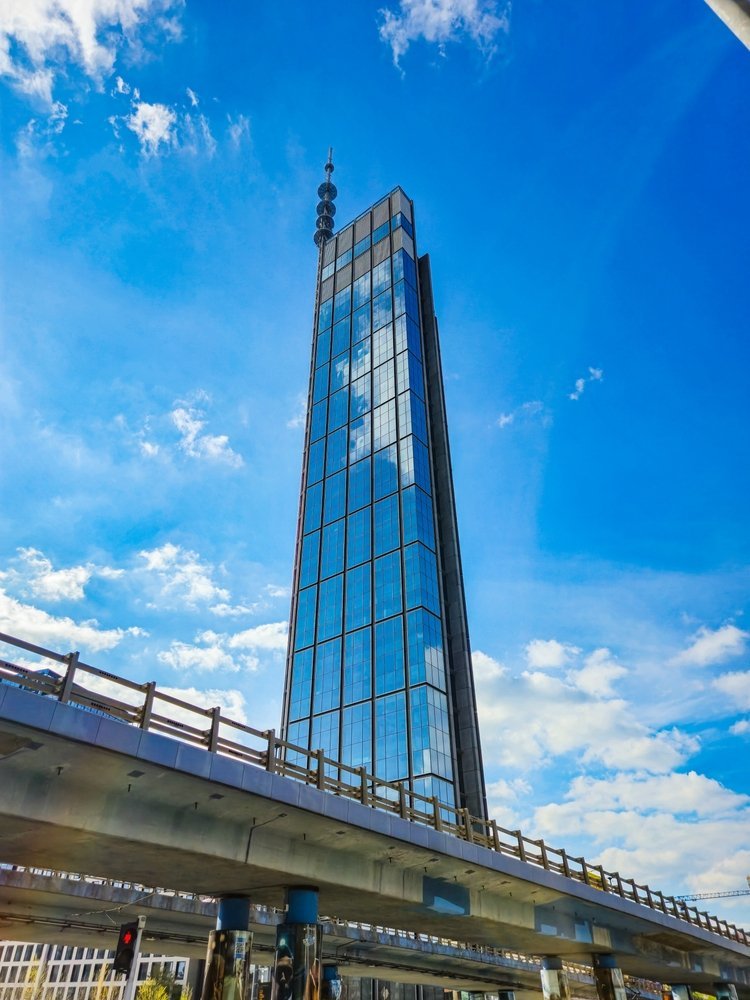
If you want to go higher than the Palace of Culture, Highline Warsaw at the top of Varso Tower is the answer. The skyscraper next to Warszawa Centralna is the tallest building in the EU, and the observation deck is on the 53rd floor, around 230 metres above the city. From here you look down on the Palace of Culture, the glass towers of Wola and all the way out over the Vistula, and on the same floor is the HighGarden rooftop bar with real trees and plants.
Highline is open every day from 10am to 10pm, and the price depends on the day and time, so expect to pay around 40 to 75 zloty (around £8 to £14) for a standard ticket. The entrance is on Chmielna street, and from the platforms at Warszawa Centralna you can be there in a few minutes.
The terrace at the Palace of Culture is cheaper and more classic, but from Highline you get the palace itself in your photos, which is why I would choose Highline if you only have time for one viewpoint. Book a slot around sunset well in advance, as those sell out first.
Book tickets for Highline Warsaw and the HighGarden rooftop bar here.
10. Hala Koszyki
Hala Koszyki is an old market hall from the early 20th century on Koszykowa street, which reopened in 2016 after a major renovation as the city’s best-known food hall. Beneath the glass roof and green ironwork, a long line of restaurants and bars sit side by side, serving everything from pierogi and other Polish dishes to ramen, tapas and wine, and in the middle is a large shared bar where locals meet after work.
Entry is free, and you only pay for food and drinks. The hall is around a 15-minute walk south of the Palace of Culture, close to Plac Konstytucji and Politechnika metro station, and is open from late morning until late in the evening. On Fridays and Saturdays it is packed from 7pm, and it can be hard to find a table.
Come for lunch or early in the evening, and take a stroll around the neighbourhood afterwards. The streets around Koszykowa, Mokotowska and Hoża have some of the few rows of buildings in the centre that survived the war, and many of the city’s good cafés are here.
Book a food tour with Polish specialities and two vodka tastings here.
11. Warsaw Rising Museum
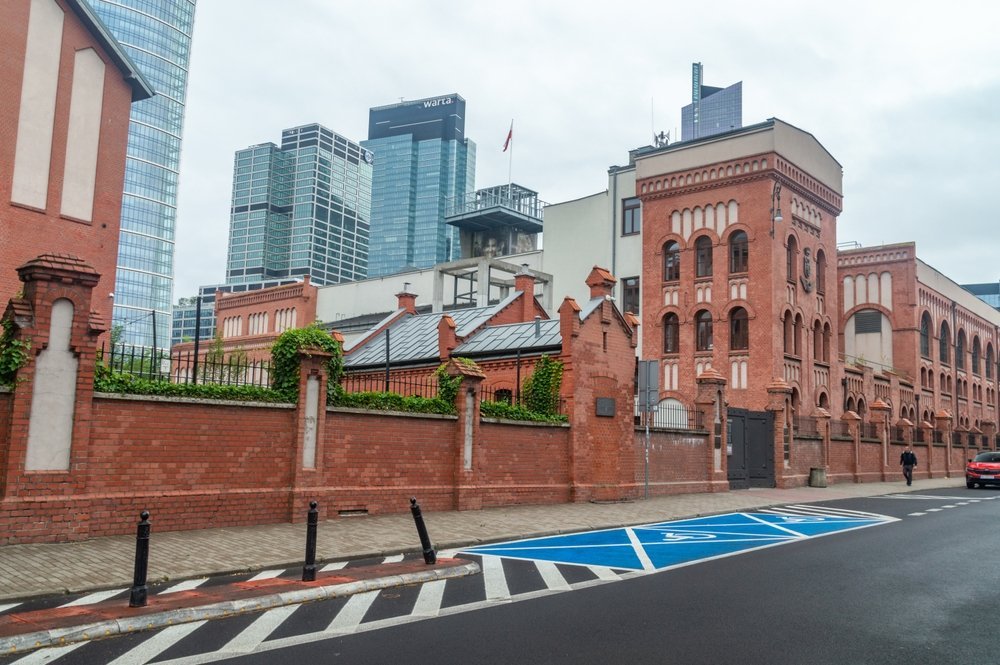
On 1 August 1944, the Polish Home Army rose up against the German occupation, hoping to liberate the city before the Red Army arrived from the other side of the Vistula. The Uprising lasted 63 days, cost up to 200,000 civilian lives and ended with the Germans systematically blowing up the city. The museum is housed in a former tram power station in Wola and tells the story through sound, film, weapons, a replica of a Liberator bomber and a replica of the sewers the resistance fighters used to move around the city.
Tickets cost 35 zloty (around £7) or 30 zloty (around £6) for concessions, and entry is free on Thursdays. The museum is open Monday and Wednesday to Friday from 8am to 6pm and at weekends from 10am to 6pm, and closed on Tuesdays. From the centre, take metro line M2 to Rondo Daszyńskiego and walk for around ten minutes.
Set aside two to three hours, and watch the film City of Ruins, a 3D flight over the devastated city in 1945, in the museum’s cinema. It makes it much easier to understand what you are seeing when you later walk around the Old Town. On Thursdays the queue can be long.
12. POLIN and the former ghetto
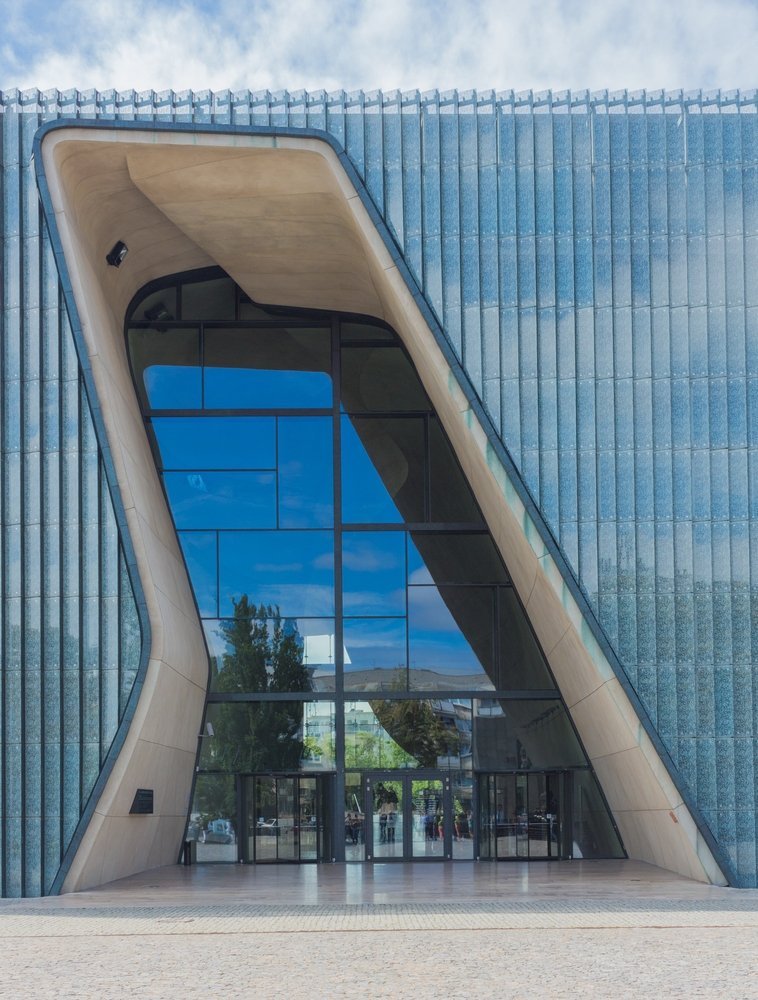
POLIN tells a thousand years of Polish Jewish history, from the first merchants in the Middle Ages, through the era when Poland had the world’s largest Jewish population, to the Holocaust and the post-war years. The building was designed by the Finnish architect Rainer Mahlamäki and stands in the middle of the former ghetto in Muranów, and the entrance hall with its undulating chasm is an experience in itself. One of the highlights is the reconstructed painted ceiling from a 17th-century wooden synagogue.
A ticket to the core exhibition costs 45 zloty (around £9) or 35 zloty (around £7) concession, and entry is free on Thursdays, while the museum is closed on Tuesdays. The museum opens at 10am and stays open longest on Saturdays. Buses and trams from the centre take about a quarter of an hour to reach Muranów.
Set aside at least three hours for the exhibition. Afterwards, walk from the Monument to the Ghetto Heroes in front of the museum along the memorial route, with stones for those who were killed, past the bunker at Miła 18 to Umschlagplatz, where the Jews of the ghetto were deported to Treblinka. The walk takes half an hour and is free.
Book a guided walk through the former ghetto and Jewish Warsaw here.
13. Copernicus Science Centre
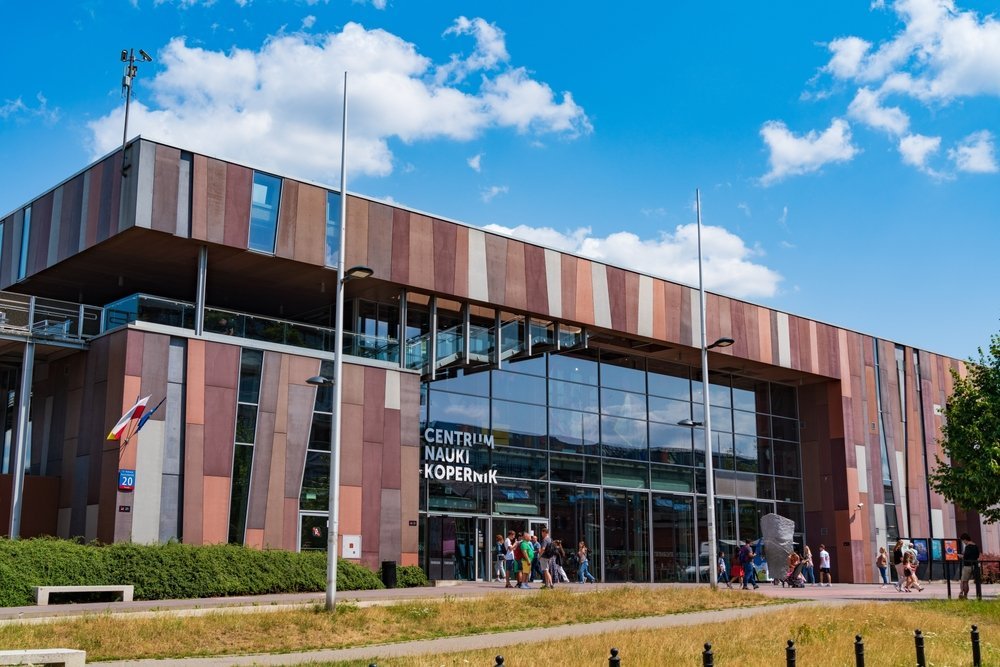
Centrum Nauki Kopernik, by the river in Powiśle, is one of the largest science centres in Europe, and it isn’t just for children. Across several floors you can try hundreds of hands-on experiments about physics, the human body, light and sound, and watch robots in action. In the planetarium next door, films are projected onto a dome above your head.
A ticket to the exhibitions costs 48 zloty (around £9) on weekdays and 50 zloty (around £10) at weekends, while a planetarium film costs 34 zloty (around £6.50). The exhibitions open at 9am every day and stay open longest on Fridays, but there are a few closing days during the year, so check the calendar before you go. Metro line M2 stops at Centrum Nauki Kopernik station right outside.
Tickets are sold for specific time slots and often sell out at weekends and during school holidays, so buy them online in advance. On weekdays it’s quietest in the late afternoon, once the school groups have gone home.
14. The Vistula Boulevards and the University Library roof garden
The boulevards run along the west bank of the Vistula, a promenade of a couple of kilometres from the Copernicus Science Centre up towards the Old Town, and in summer it’s the city’s favourite place to spend the evening. There are sun loungers, benches, a small beach, bars on barges and the mermaid statue Syrenka by the water, and from the pedestrian and cycle bridge you can walk straight across to Praga. The east bank is the opposite, with wild nature and sandbanks.
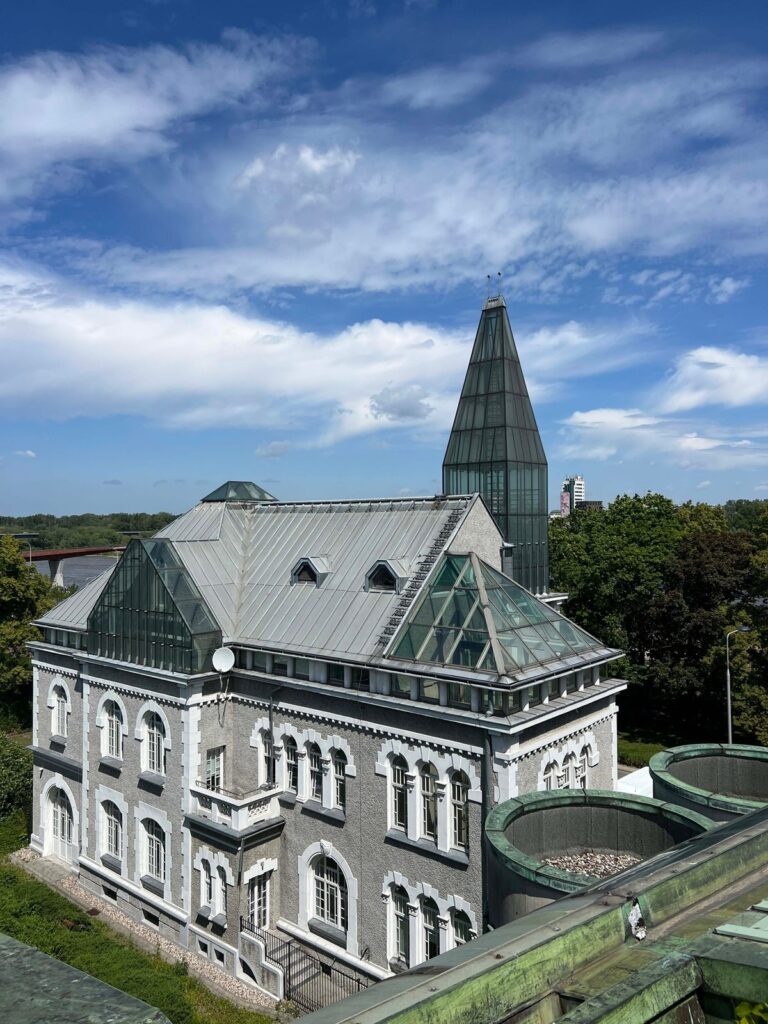
Right by the boulevards is the University Library roof garden, one of the largest rooftop gardens in Europe. It’s free, and from April to October you can go up onto the roof from 8am, while only the lower garden is open in winter. From the walkways you look out over the river and down onto the library’s copper-green façades. Centrum Nauki Kopernik metro station is five minutes away.
On a summer evening, take a trip up the river past the Old Town on a galar, a traditional wooden barge. If you stay in Powiśle, you have both the river and the centre within walking distance, and Barceló Warsaw Powiśle sits right on the boulevards with an outdoor pool in summer.
Book a cruise on the Vistula in a traditional galar here.
15. Praga, Ząbkowska and Koneser
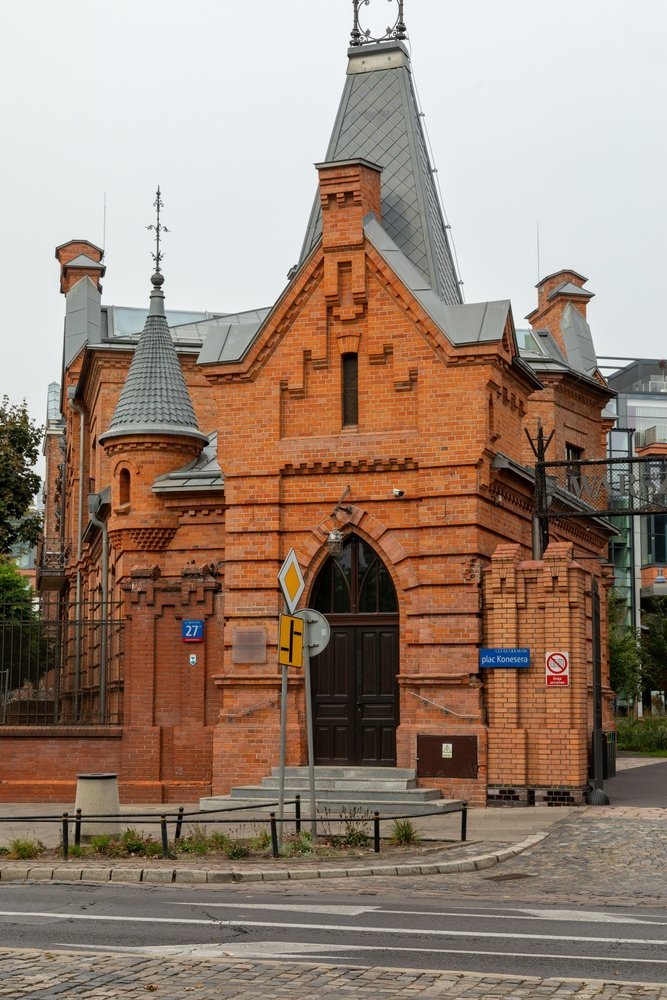
Praga, on the east bank of the Vistula, largely escaped the destruction of 1944 because the Red Army stood here and waited while the Uprising was crushed on the other side of the river. That’s why you’ll find the pre-war buildings the rest of the city lacks, with courtyards where residents built small shrines to the saints during the occupation, and around 100 of them still stand. The Orthodox Cathedral of St Mary Magdalene from the 1860s and the neo-Gothic St Florian’s Cathedral are just a few minutes apart.
Ząbkowska street is the heart of the district, with bars and the old milk bar Bar Ząbkowski, and the Koneser vodka factory from 1897 is now home to restaurants, shops and the Polish Vodka Museum, where a guided tour with tasting takes around an hour and a half. The Różycki Bazaar from 1882 still has stalls. Metro line M2 stops at Dworzec Wileński, and a ticket to the Museum of Warsaw in the Old Town also gets you into the Museum of Warsaw’s Praga branch on Targowa within seven days.
Walk across the pedestrian and cycle bridge from the boulevards and take the metro back. If you want to stay in Praga, Moxy Warsaw Praga is on Ząbkowska itself, right by Koneser.
Book a guided tour with tasting at the Polish Vodka Museum here.
16. Łazienki Park and the Palace on the Isle
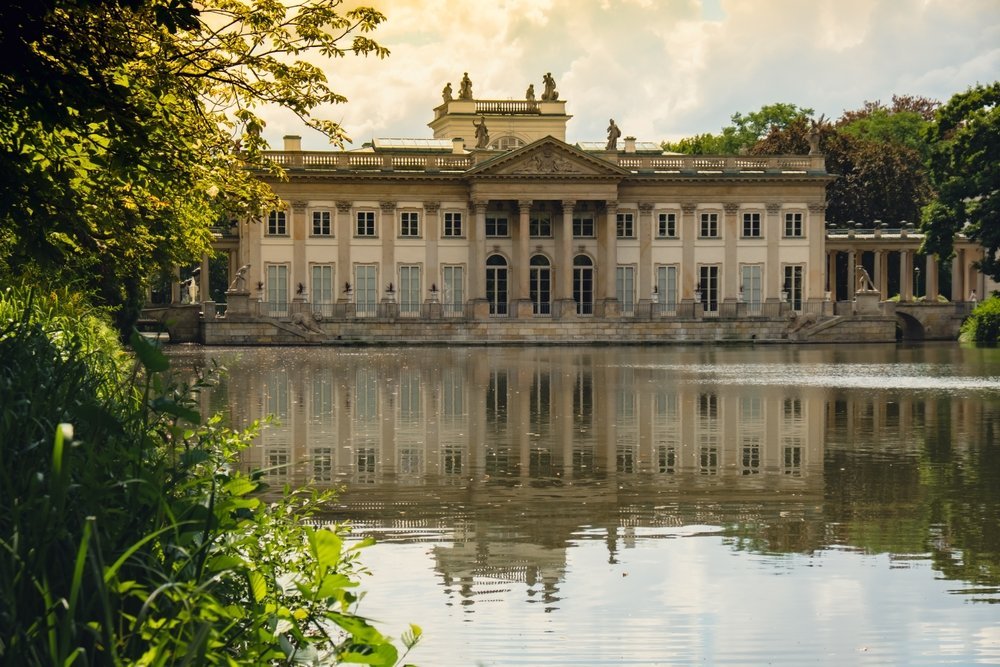
Łazienki Królewskie is Warsaw’s most beautiful park, with lakes, pavilions and peacocks, laid out by the last Polish king, Stanisław August Poniatowski, in the 18th century. In the middle of the lake stands the Palace on the Isle, the king’s neoclassical summer palace, and around the park you’ll find the Old Orangery with a small royal theatre, the Myślewicki Palace and an amphitheatre whose stage sits out on the water. By the entrance from Aleje Ujazdowskie, Chopin sits beneath a bronze willow on his monument.
The park is free and open every day from 6am to 9pm. A ticket to the Palace on the Isle, the Old Orangery and the Myślewicki Palace costs 50 zloty (around £10) or 25 zloty (around £5) concession, and entry is free on Fridays. The palace is closed on Mondays. Buses 116 and 180 run from Krakowskie Przedmieście along the Royal Route to the park entrances.
Come on a Sunday in summer, when pianists give free Chopin concerts by the monument at 12pm and 4pm. Bring a blanket, as lots of people turn up, and afterwards head down to the lake and the palace while most people stay for the music.
17. Wilanów Palace
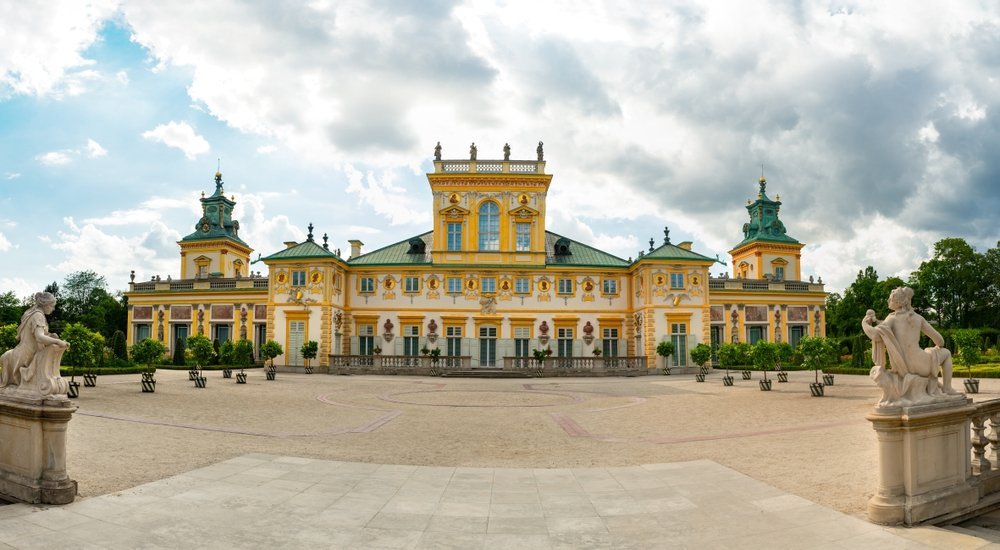
Wilanów, in the south of the city, was the summer residence of Jan III Sobieski, the king who stopped the Ottomans at Vienna in 1683, and the palace dates from 1677. It’s one of the few major buildings in Warsaw that came through the war more or less intact, so what you see here is genuine baroque rather than a reconstruction. Inside, you walk through the king’s and queen’s apartments with their paintings and furniture, and behind the palace a two-level baroque garden runs down towards Wilanów Lake.
A ticket to the palace costs around 35 zloty (around £7), and the garden costs around 10 zloty (around £2), while on Thursdays entry to the palace is free, with a limited number of tickets available from the ticket office. The palace is open daily from 10am to 4pm with last entry at 3pm, but it closes for a period in midwinter. The garden opens at 9am and stays open until 9pm in midsummer, with shorter hours the rest of the year. Buses 116 and 180 run all the way from the centre along the Royal Route.
Combine Łazienki and Wilanów on the same day using the same bus, and get to Wilanów in the morning before the groups arrive. Afterwards, take a stroll along the lake, where there are far fewer people.
Practical travel tips for Warsaw
The metro, trams, buses and suburban trains all use the same tickets. A 75-minute ticket for zone 1 costs 4.40 zloty (around £0.85), a 24-hour pass costs 15 zloty (around £3), and a 72-hour pass costs 36 zloty (around £7). Zone 1 covers the whole centre, and you need to validate or activate your ticket when you board. How to get into town from Chopin and Modlin is covered in my guide to getting from Warsaw Airport to the city centre.
Plan the museums around the days of the week. The Royal Castle and the Palace on the Isle are closed on Mondays, and the Warsaw Rising Museum and POLIN on Tuesdays. On the other hand, entry is free to the Royal Castle on Wednesdays, to the Warsaw Rising Museum, POLIN, the Museum of Warsaw and Wilanów Palace on Thursdays, and to the Palace on the Isle on Fridays.
The Warsaw Pass costs from 179 zloty (around £35) and gives free entry to 26 attractions, including POLIN, the Copernicus Science Centre, Łazienki, Wilanów and the viewing terrace at the Palace of Culture. With so many free days and such cheap public transport, I rarely think it pays off, unless you want to fit in lots of museums in a short time.
May, June and September are the best months, when the parks are green and the boulevards are in full swing. July and August can be very hot, and winter is cold, but you get a Christmas market in the Old Town square and lights in the parks. If you want the full range of places to stay, you can see all hotels in Warsaw on Booking.com.
If you’re travelling on around Poland, the express trains reach Krakow in about two and a half hours, and here I’ve rounded up the best things to do in Krakow. If you’re heading for the Baltic, you can read my guide to things to do in Gdansk.
Travel ressources & websites I use all the time 👇
• Booking.com has the best offers on hotels and unique places to stay
• GetYourGuide is the best place to book tours & activities with free cancellation
• Welcome Pickups is the best & safest place to pre-book airport transfers
Psst 👀 Have you subscribed to my Youtube channel and my Instagram where I provide more useful travel tips?