

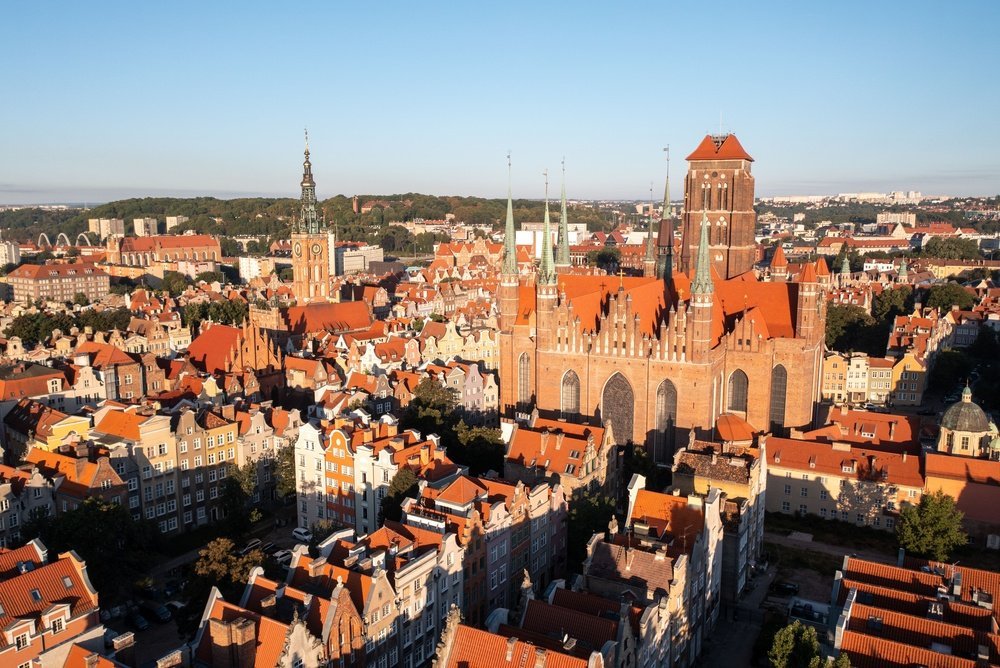
Gdansk sits on the Baltic Sea in northern Poland, and I think it’s one of the most overlooked cities in Europe. The Old Town, with its colourful merchants’ houses along the Long Market, was almost destroyed in 1945 and rebuilt house by house. It’s also the city where the Second World War began and where the Solidarność trade union movement was born in the shipyard. There are plenty of things to do in Gdansk, and the seaside resort of Sopot and the port city of Gdynia are only a short train ride away.
Here are my picks for the 17 best things to see and do in Gdansk, with prices, opening hours and tips on getting around. Prices are given in Polish zloty, and 1 zloty is worth around 19p. Many of the city’s museums are closed on Mondays or Tuesdays, and several have a free day each week, so read the sections before you make your plans. The last two sections cover day trips to Malbork Castle and the Stutthof memorial site.
Contents
1. Long Street and the Long Market
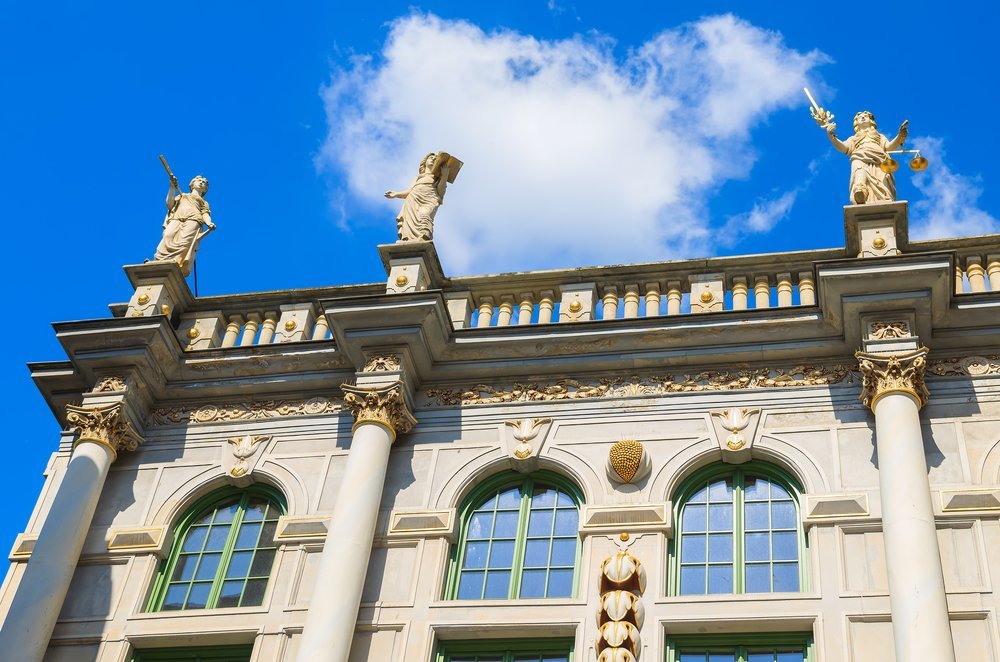
The Royal Way was the route the Polish kings followed when they visited Gdansk, and it’s still the city’s main street. You enter through the Upland Gate, Brama Wyżynna, and the Golden Gate, Złota Brama, continue along Long Street, Długa, and finish on the square known as the Long Market, Długi Targ. At the far end, the Green Gate, Zielona Brama, closes it off towards the River Motława. All the way along, the street is lined with tall, narrow merchants’ houses with gables in every colour.
Most of what you see was rebuilt after the Second World War, when the Old Town was badly hit during the fighting in 1945. Along the way you can step inside Uphagen’s House at Długa 12, an 18th-century townhouse with furnished rooms. It belongs to Museum Gdańsk and costs 26 zloty (around £5), but entry is free on Mondays, and it’s closed on Tuesdays.
The street itself is free, and it’s at its most beautiful early in the morning, before the groups from the cruise ships arrive. My tip is to walk the route twice, once in the morning and once in the evening when the houses are lit up. This is where most visitors stay, and the Old Town is the first area in my guide to where to stay in Gdansk. You can also see hotels in the Old Town here.
Book a guided walking tour along the Royal Way in Gdansk.
2. Neptune’s Fountain and Artus Court
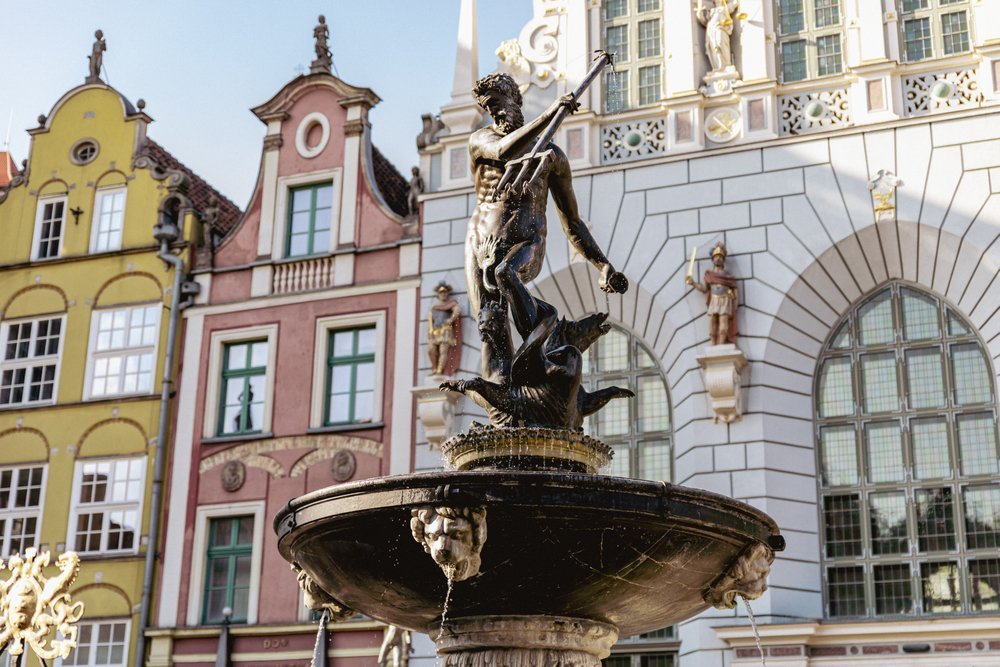
In the middle of the Long Market stands Neptune’s Fountain, the symbol of Gdansk. The bronze figure of the sea god with his trident was cast in the 17th century and represents the city’s close ties to the sea and trade. It’s the most photographed spot in the city, so there are always people around the fountain.
Right behind the fountain is Artus Court, Dwór Artusa, where the city’s wealthy merchants met for banquets and negotiations. Museum Gdańsk calls it the city’s historic living room. In the great hall, paintings and model ships hang beneath the high vaulted ceilings, and in the corner stands what the museum says is Europe’s largest tiled stove. It’s 10.64 metres tall and covered in 530 decorated tiles.
Admission costs 26 zloty (around £5) or 19 zloty (around £3.60) reduced, and an audio guide costs 10 zloty (around £2) extra. Like the other branches of Museum Gdańsk, Artus Court is free on Mondays and closed on Tuesdays. Opening hours change with the season, but it stays open longest on Thursdays. The museum also sells a pass for all its branches, valid for 90 days, which costs 160 zloty (around £30). It only pays off if you want to see lots of them, so my tip is to group your visits on a Monday.
3. The Town Hall
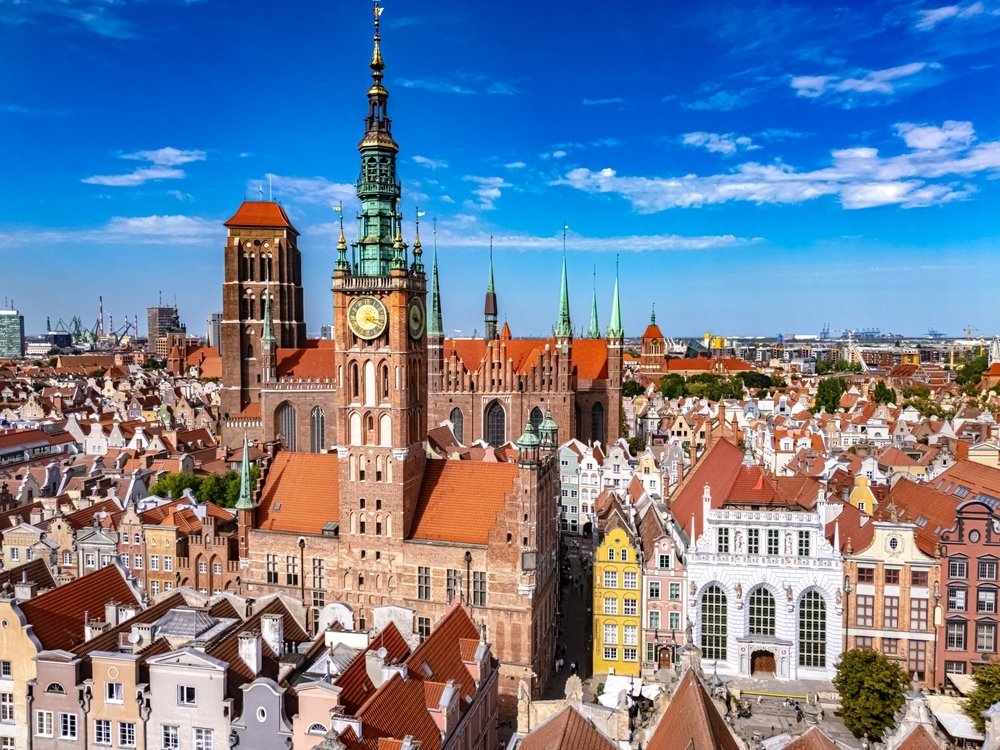
The Main Town Hall on Long Street, Ratusz Głównego Miasta, is easy to spot thanks to its tall, slender tower topped with a gilded figure of King Sigismund Augustus. The building dates back to the Middle Ages, and from the mid-15th century right up to 1921 the city was governed from here. Today the Town Hall is a branch of Museum Gdańsk.
The highlight inside is the Red Room, Sala Czerwona, where the city council held its meetings. The room is decorated with painted ceilings, carved panelling and large paintings, and the museum calls it one of the most beautiful Renaissance rooms in Northern Europe. On the other floors you can see more of the city’s history and collections.
The Town Hall costs 26 zloty (around £5) or 19 zloty (around £3.60) reduced. It follows the same rules as Artus Court, so entry is free on Mondays, it’s closed on Tuesdays and open longest on Thursdays. In summer you can usually climb the tower and look out over the rooftops, but the tower has been closed for renovation, so check the museum’s website before counting on the view.
The Town Hall and Artus Court are only a couple of minutes’ walk apart, so my tip is to do them on the same morning. Start in the Red Room while it’s quiet, then cross the square to Artus Court.
4. St Mary’s Church and the tower
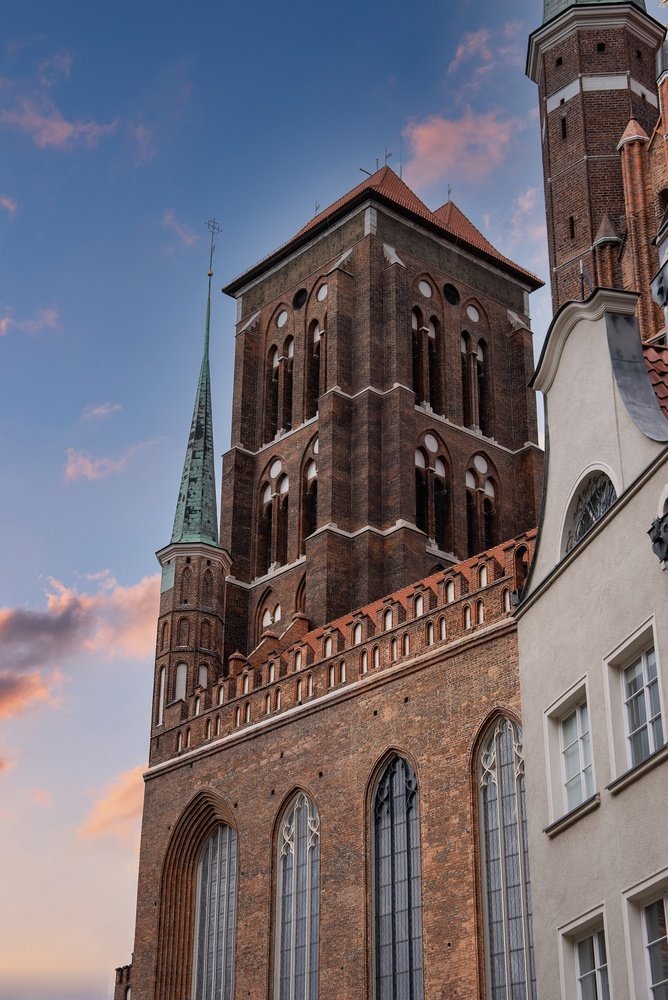
St Mary’s Church, Bazylika Mariacka, is one of the largest brick churches in the world. It was built between 1343 and 1502, and its massive, flat-topped tower rises above every house in the Old Town. Inside, the church is bright and white with soaring vaults, and it’s so big that it never feels crowded, even when there are lots of visitors.
Look out for the 15th-century astronomical clock, which shows the day, the phases of the moon and the signs of the zodiac. Every day at 11.57 the clock’s figures come to life in a little theatre, and it only happens once a day, so arrive in good time.
The church itself is free and is open on weekdays from 8.30 to 17.30 and on Sundays from 11 to 12 and from 13 to 17.30, until 18.30 in July and August. You can’t walk around during Mass. To reach the top of the tower you climb just over 400 steps, and a ticket costs 20 zloty (around £4) or 10 zloty (around £2) reduced. The tower closes in bad weather, especially during thunderstorms.
My tip is to climb the tower early in the day, as the staircase is narrow and queues can build up quickly. The view over the red rooftops, the river and the cranes at the shipyard is, in my opinion, the best in the Old Town.
5. Mariacka Street
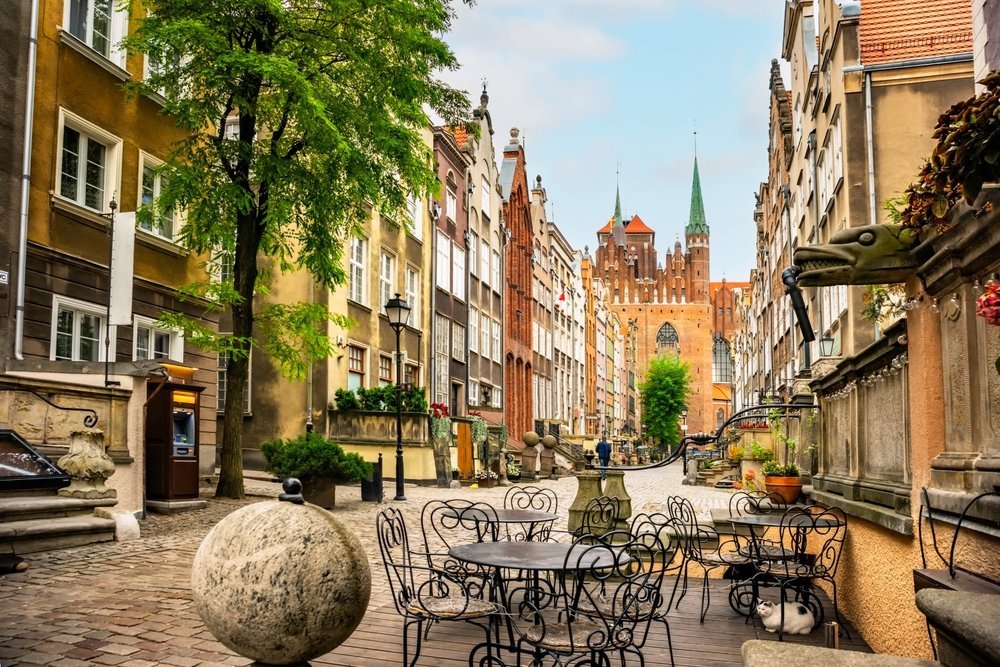
Mariacka Street, ulica Mariacka, runs from the east side of St Mary’s Church down towards the river and ends at the gate Brama Mariacka. I think it’s the most beautiful street in all of Gdansk. The houses have small front terraces, known as przedproża, with stone steps and carved railings, and stone heads and gargoyles jut out from the gutters to carry rainwater away from the facades.
The street is known for its amber shops and workshops, as Gdansk has traded in Baltic amber for centuries. The windows are full of jewellery, figurines and lumps of raw amber in every shade from pale yellow to almost black. Prices vary a lot, and there are cheap fakes too, so buy from a shop that can give you a certificate proving it’s genuine Baltic amber.
It costs nothing to walk down the street, and it only takes about a quarter of an hour, but do sit down on one of the terraces where there are cafés. Come early in the morning or at dusk if you want photos without people. The gate at the end leads you straight out onto the quay by the Motława, so it’s natural to carry on to the Crane from here.
6. The Crane and the Motława waterfront
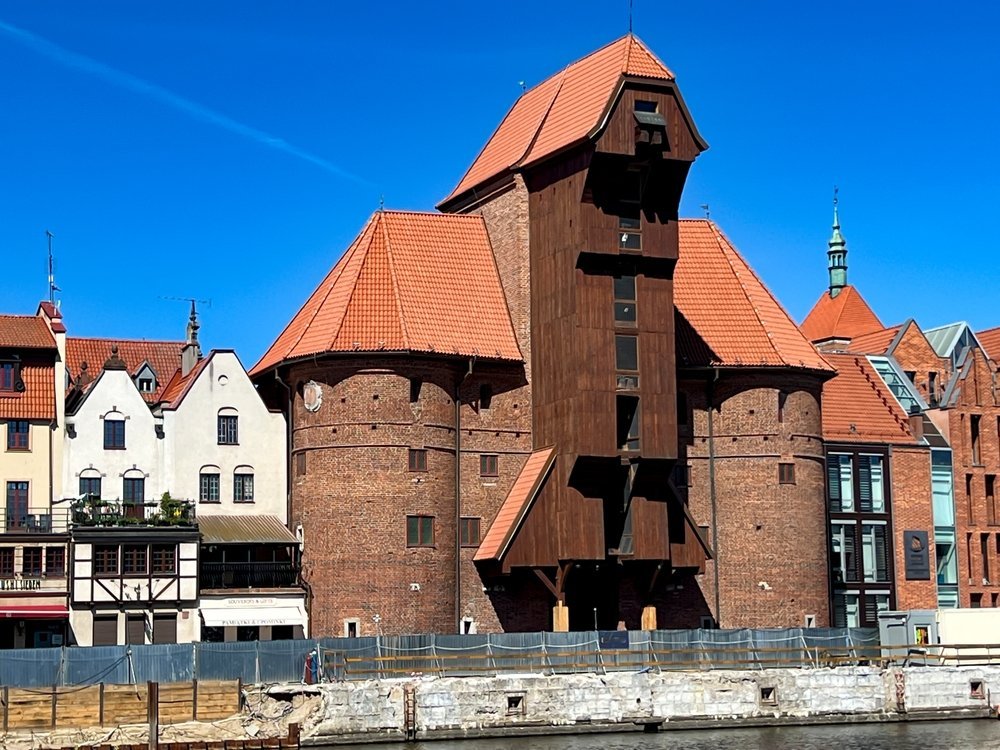
The Długie Pobrzeże quay runs along the Motława river, and this is where you’ll find the Crane, Żuraw, which according to the National Maritime Museum is the largest and oldest structure of its kind in Europe. It was built in the mid-15th century and served as both a city gate and a harbour crane. Inside the thick brick towers, men walked round in huge wooden treadwheels that powered the crane whenever cargo and masts had to be lifted.
Today the Crane is part of the maritime museum, and after a long renovation it now houses a three-floor exhibition on the 17th-century golden age of Polish seafaring and trade. Tickets cost 23 zloty (around £4.40), or 17 zloty (around £3.25) concessions. Entry is free on Wednesdays, but the Crane doesn’t open until 1pm that day, and last entry is one hour before closing.
The waterfront is lined with restaurants and cafés, and most of the city’s sightseeing boats leave from here, including those to Westerplatte. The restaurants right on the water are expensive, so you’re better off eating a few streets back in the Old Town. My tip is to take a short boat trip on the river, because from the water you see the quay, the Crane and the shipyard from a completely different angle.
Book a cruise on the Motława in a replica of an old Polish boat.
7. Granary Island and the Sołdek ship
On the other side of the Motława lies Granary Island, Wyspa Spichrzów, once home to several hundred granaries. Almost all of them were destroyed in 1945, and for decades the island lay in ruins in the middle of the city. Today it has been rebuilt with hotels, flats and restaurants in buildings that imitate the old granaries, and promenades run along the water with views of the quay and the Crane.
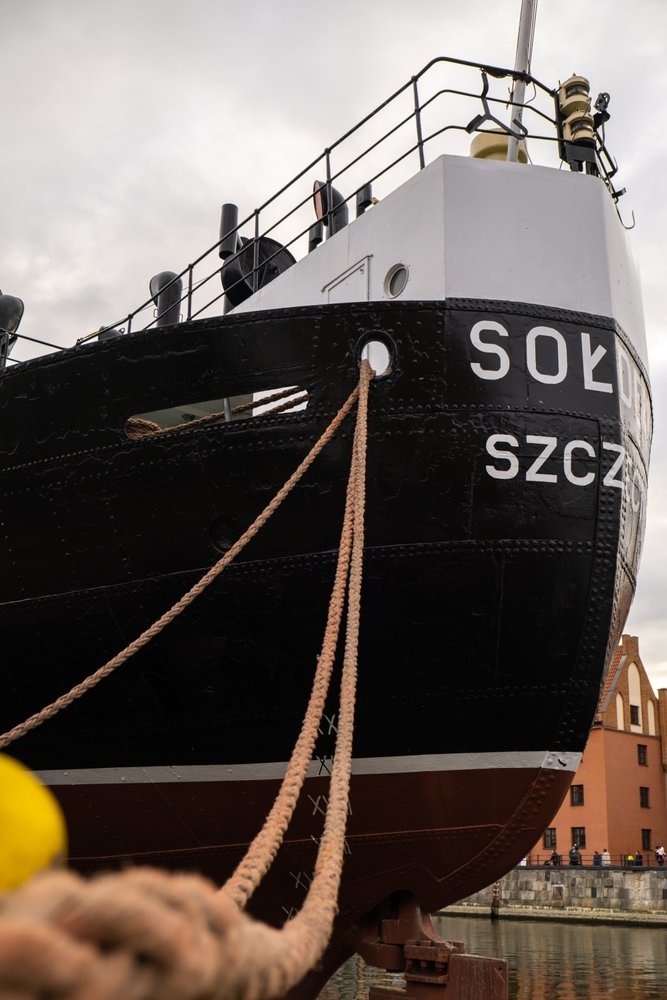
North of Granary Island is the small island of Ołowianka, where the maritime museum has its cultural centre and where the Sołdek is moored. The Sołdek was the first large ship built in Poland after the war, and according to the museum it is the world’s only surviving steam-powered coal and ore freighter. You can go on board to see the engine room and an exhibition on Polish shipbuilding.
Tickets for the Sołdek cost 23 zloty (around £4.40), or 17 zloty (around £3.25) concessions, and the ship may close for periods in winter due to the weather. You can reach the islands via the bridges from the Old Town in just a few minutes. Granary Island is a good place to stay if you want a newer hotel right opposite the Old Town, and you can see hotels on Granary Island here.
8. The Amber Museum and St Catherine’s Church
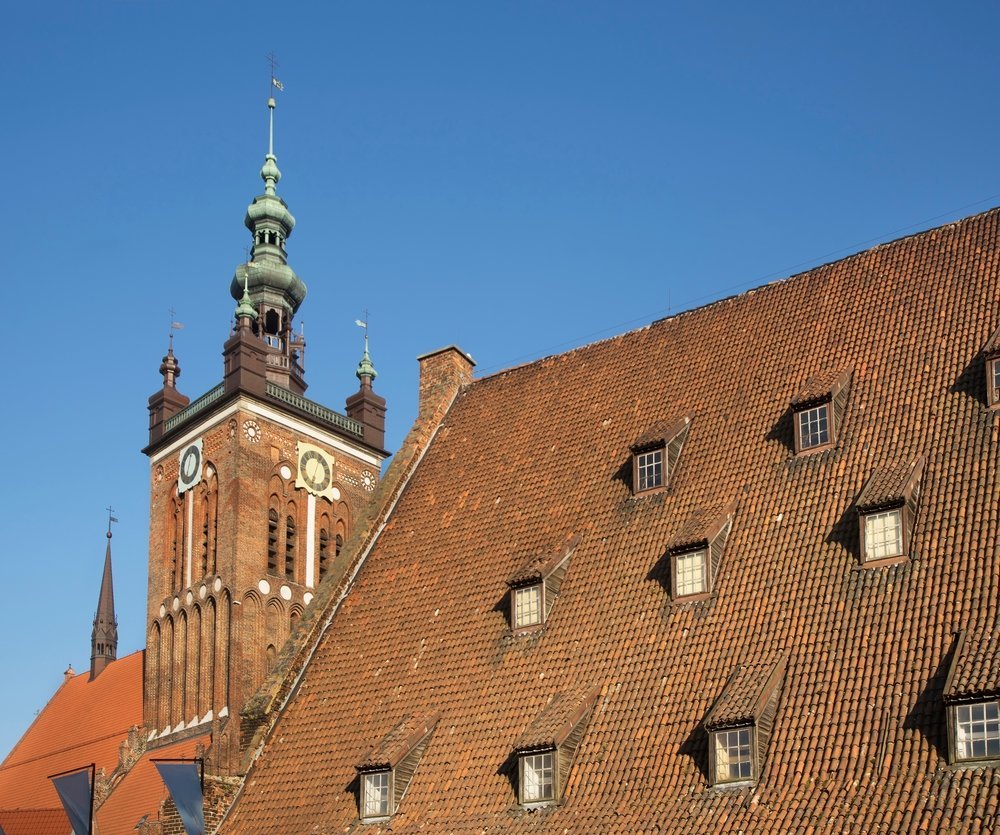
The Amber Museum, Muzeum Bursztynu, is housed in the Great Mill, Wielki Młyn, a large brick building from the days of the Teutonic Knights in the northern part of the Old Town. The museum displays raw lumps of amber with trapped insects and plants, along with jewellery, cutlery and caskets made of amber. Along the way you learn how amber is formed, found and worked.
Tickets cost 37 zloty (around £7), or 26 zloty (around £5) concessions, and a family ticket for two adults and up to six children costs 99 zloty (around £19). Entry is free on Mondays, and the museum is closed on Tuesdays. My tip is to visit the museum before you buy amber on Mariacka, so you have a better idea of what to look for.
Right next to the mill stands St Catherine’s Church, one of the oldest churches in Gdansk. The astronomer Johannes Hevelius, who mapped the Moon from his observatory on the city’s rooftops, is buried here. In the evenings the church hosts candlelit piano concerts with music by Chopin and other composers, and they last under an hour, so they fit nicely after dinner.
Book a candlelit Chopin concert in St Catherine’s Church.
9. The Museum of the Second World War
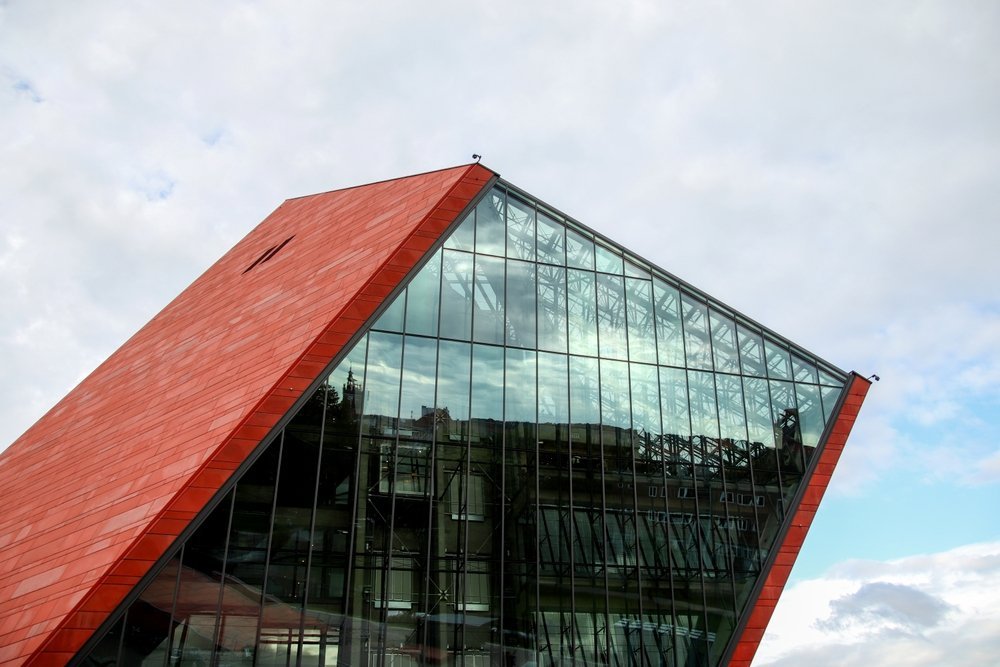
The Second World War began in Gdansk, which is why one of the most comprehensive museums about the war is located here. Museum II Wojny Światowej is housed in a slanting, reddish-brown building by the river north of the Old Town, and the main exhibition is underground. It tells the story of the war with a focus on Poland and on the everyday lives of civilians under occupation, with reconstructed streets, personal belongings, films and testimonies.
Tickets for the main exhibition cost 33 zloty (around £6.30), or 23 zloty (around £4.40) concessions, and a family ticket for up to five people costs 72 zloty (around £14). An audio guide costs 12 zloty (around £2.30), and entry is free on Tuesdays. The museum is open on Tuesdays from 10am to 4pm and Wednesday to Sunday from 10am to 6pm, and it is closed on Mondays. The ticket office closes earlier than the museum.
Allow at least three hours, as the exhibition is large and emotionally heavy, and many visitors don’t manage to see it all. My tip is to come on a Wednesday or Thursday morning, because opening hours are shorter on Tuesdays and the free day draws more visitors. The museum is a 10 to 15-minute walk from the Crane along the river.
10. The European Solidarity Centre and the shipyard
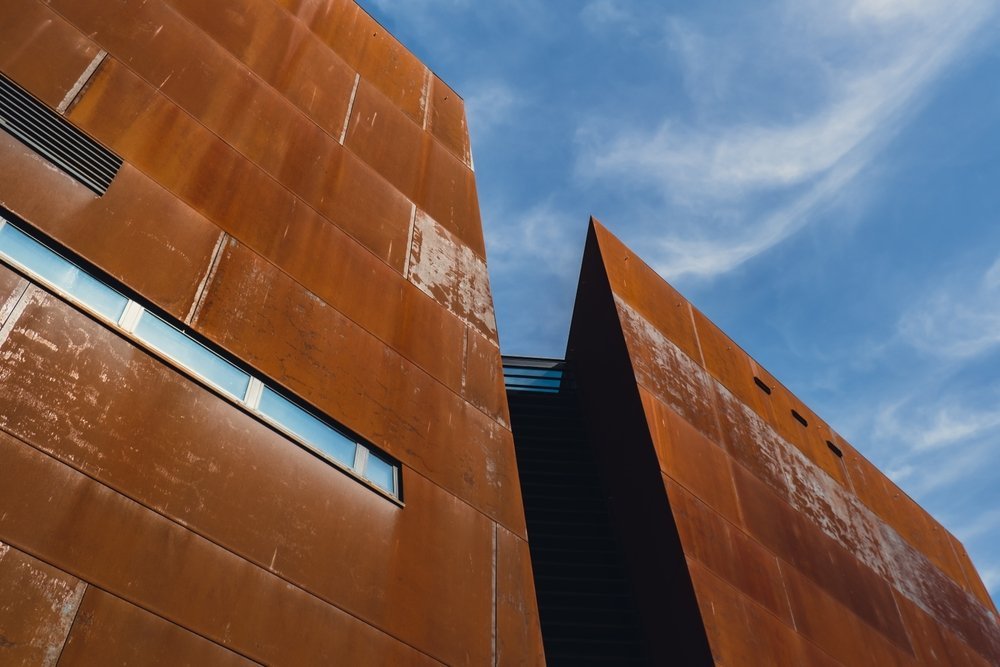
Solidarność, the first independent trade union in the Eastern Bloc, was born during the strikes at the Lenin Shipyard in Gdansk in August 1980, led by the electrician Lech Wałęsa. The European Solidarity Centre, Europejskie Centrum Solidarności, stands by the shipyard’s old Gate No. 2, and its façade of rusty steel plates is designed to evoke ships’ hulls.
The permanent exhibition covers almost 3,000 square metres over two floors, with seven halls and nearly 1,800 objects. Among other things, you see the boards bearing the strikers’ 21 demands and learn how the movement helped bring about the fall of communism across Eastern Europe. Allow around two hours.
Tickets cost 40 zloty (around £7.60), or 35 zloty (around £6.70) concessions, and the price includes an audio guide. From May to September the exhibition is open daily from 10am to 7pm, and until 8pm at weekends, while from October to April it closes earlier and is closed on Tuesdays.
In front of the centre stands the Monument to the Fallen Shipyard Workers, three tall steel crosses commemorating the workers killed during the strikes in 1970. My tip is to take a walk around the old shipyard area afterwards, where the huge cranes still stand. The centre is around a 15-minute walk from the Old Town.
11. Westerplatte
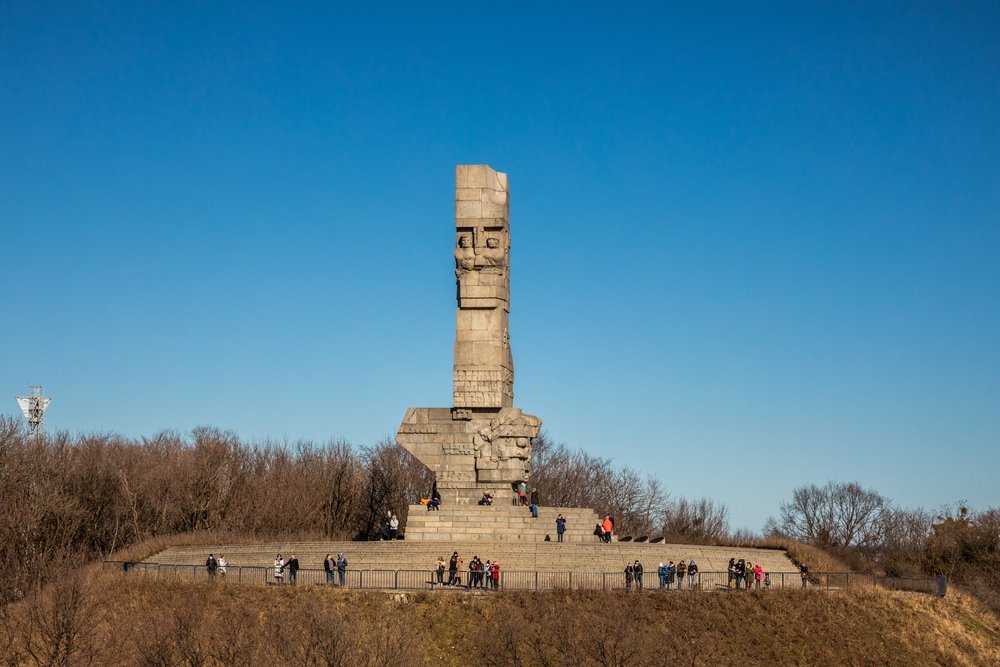
At 4.48 in the morning on 1 September 1939, the German battleship Schleswig-Holstein opened fire on the Polish military post on the Westerplatte peninsula at the entrance to the harbour. It is considered the first battle of the Second World War, and the small Polish garrison held out for seven days.
Today Westerplatte is a memorial site with the ruins of the barracks, Guardhouse No. 1 and the large Monument to the Coast Defenders on a hill. The area is run by the Museum of the Second World War, which has a visitor centre and an exhibition on the site’s archaeology, open Tuesday to Sunday from 10am to 4pm. Guardhouse No. 1 is run by Museum Gdańsk, closes in winter and costs 8 zloty (around £1.50). Construction work is under way on the site, so some paths and car parks may be closed.
Westerplatte is about 10 kilometres from the centre. Bus 138 runs from the main station, and bus 106 runs from the Museum of the Second World War, as explained on the museum’s transport page. In summer it is far more atmospheric to go by boat from the quay on the Motława. My tip is to sail out and take the bus back, so you get to see the harbour and still have plenty of time at the site.
Book a guided boat trip to Westerplatte and back.
12. Gradowa Hill
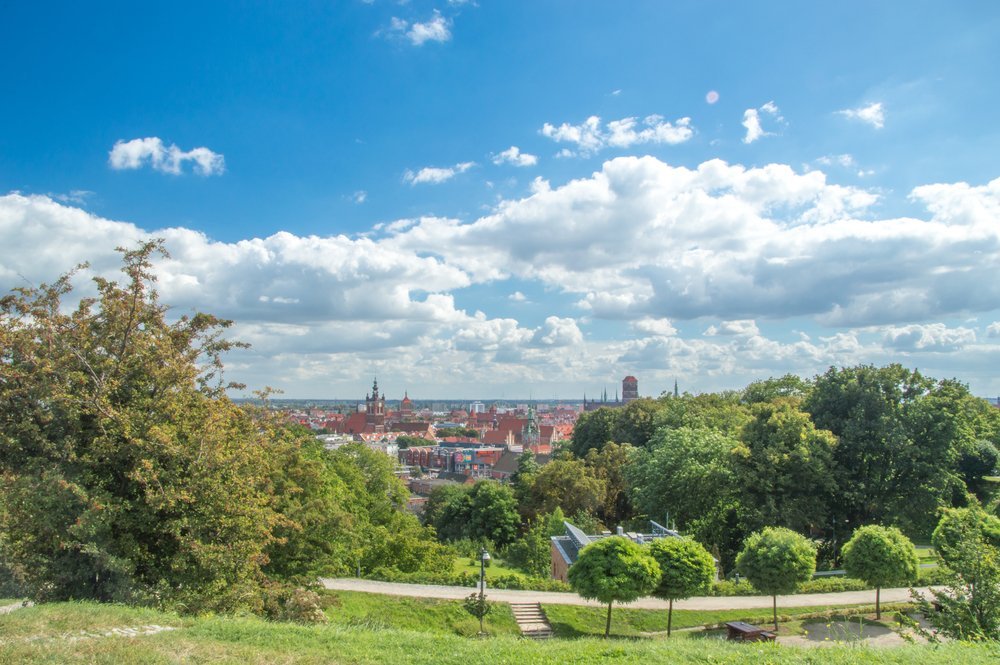
Gradowa Hill, Góra Gradowa, sits just behind the main station and offers one of the best free views over Gdansk. From the top you look out over the Old Town with St Mary’s Church, the Town Hall tower and the cranes of the shipyard. At the summit stands the Millennium Cross, which was erected at the turn of the millennium.
For several hundred years the hill was part of the city’s fortifications, and the old bastions and barracks have now been turned into the Hevelianum science centre, named after the astronomer Johannes Hevelius. It has exhibitions on science and history, and the site has 20 hectares of green space where you can wander between the ramparts. Some exhibitions are free, while others charge admission, for example 20 zloty (around £4) for the Around the World exhibition.
You walk up via paths and steps from the area by the main station, and it takes about a quarter of an hour. My tip is to head up at sunset, when the light falls on the red rooftops. It is also a good place to end the day if you are staying near the station, and it makes an ideal break from the crowds down in the Old Town.
13. Oliwa Cathedral and Oliwa Park
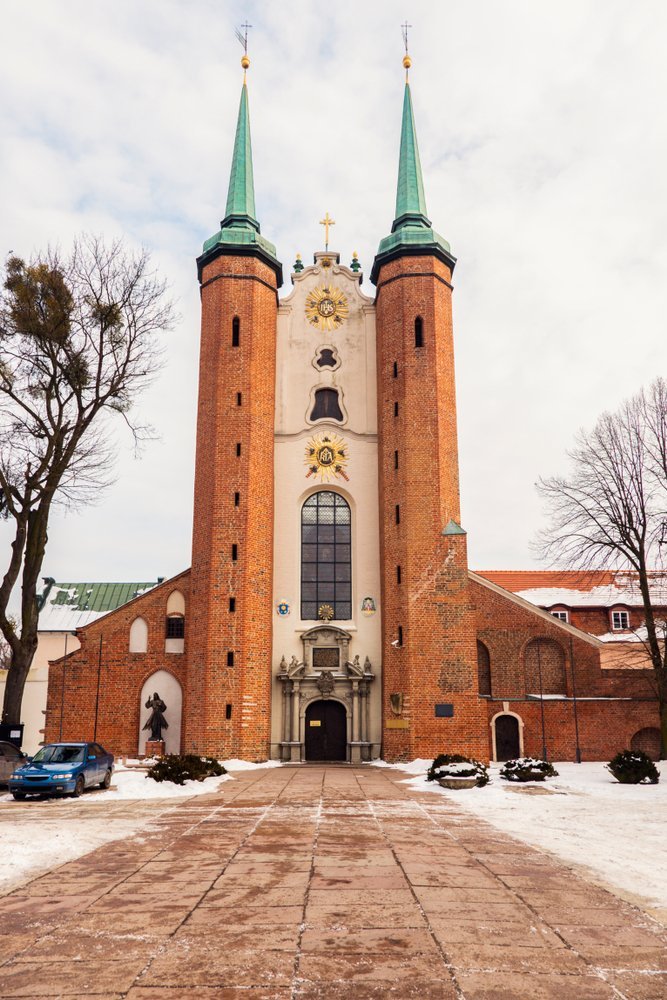
In the Oliwa district north-west of the centre stands the cathedral, which began life as a monastery church for Cistercian monks. It is a long, narrow brick church with two pointed towers, and the Treaty of Oliwa, which ended the war between Poland and Sweden, was signed in the monastery in 1660.
The big draw is the organ. It was built in the 18th century by the monk Johann Wulff and has almost 7,900 pipes. When it is played, figures of angels move and stars spin above the pipes. Short organ concerts are held in the cathedral, and in summer there is also an international organ festival. Times vary with the season, so check the cathedral’s schedule before you go.
Behind the cathedral lies Oliwa Park, with French gardens, long avenues and a small palm house. It is one of the greenest spots in the city, and the park is free to explore. Take the SKM train to Gdańsk Oliwa and walk for about a quarter of an hour from there. My tip is to combine Oliwa with Sopot, as the train continues there in just a few minutes.
14. Sopot and the pier
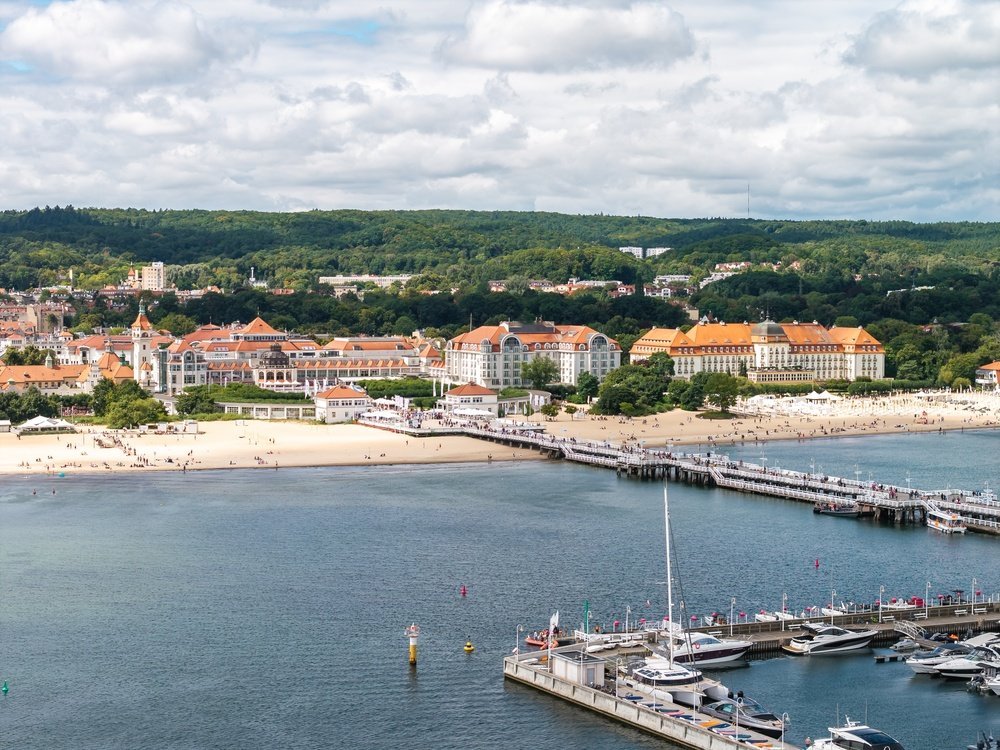
Sopot is Poland’s best-known seaside resort and lies between Gdansk and Gdynia. Its landmark is the wooden pier, which stretches just over 500 metres into the Gulf of Gdansk and is considered the longest wooden pier in Europe. From the end of the pier you look back at the long sandy beach and the large white Grand Hotel from the 1920s.
From April to September inclusive there is a charge to walk onto the pier. A ticket costs 10 zloty (around £2), or 5 zloty (around £1) reduced, and in summer, from late June to August, the pier is open around the clock. The rest of the year it is free.
From the pier, the pedestrian street Monte Cassino, known locally as Monciak, runs up through the town with cafés, bars and the crooked house Krzywy Domek, which looks like something out of a cartoon. Take the SKM train from Gdańsk Główny and allow about 20 minutes. The same 8.50 zloty (around £1.60) train ticket is valid throughout the zone covering Gdansk and Sopot. If you would rather stay by the beach, you can see hotels in Sopot here. My tip is to walk out onto the pier at sunset and have dinner in one of the side streets off Monciak, where prices are lower.
Book a boat trip around the bay from Sopot.
15. Gdynia
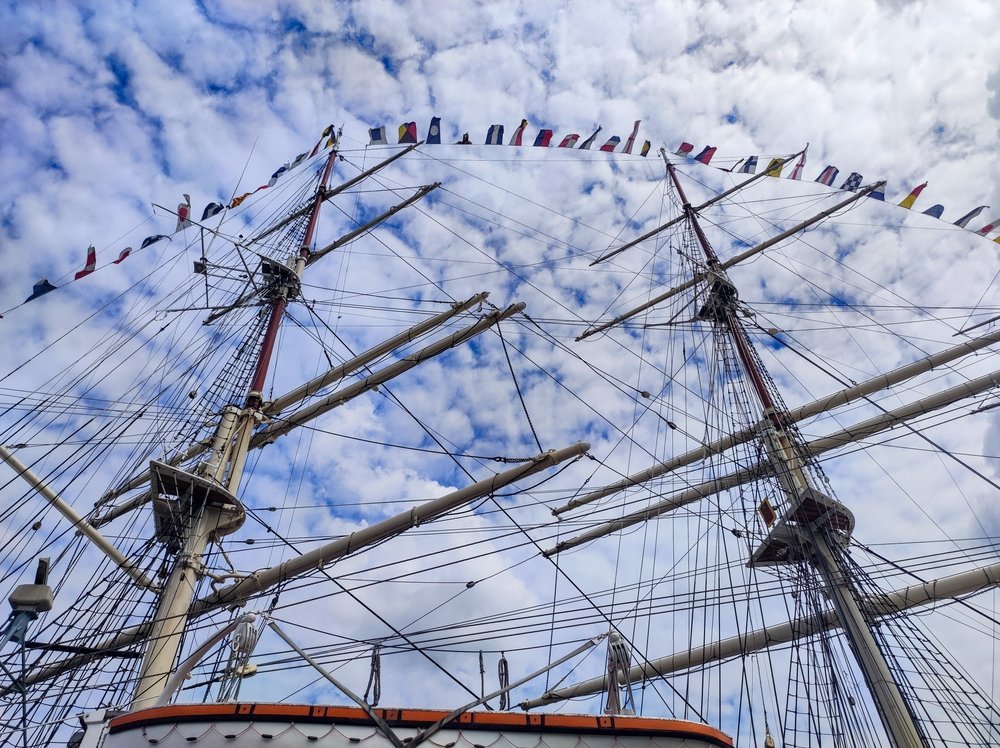
Gdynia is the youngest of the three cities that make up the Tricity, Trójmiasto. It was a small fishing village until Poland built a new port here in the 1920s, because Gdansk was a free city at the time. As a result, the city is full of white modernist buildings from the interwar years, and it feels completely different from Gdansk.
By the Skwer Kościuszki pier lie two museum ships: the sailing ship Dar Pomorza, which belongs to the National Maritime Museum, and the destroyer ORP Błyskawica. A little further away is the Emigration Museum, Muzeum Emigracji, in the old port terminal where many Polish emigrants boarded their ships. Tickets cost 28 zloty (around £5), or 20 zloty (around £4) reduced, admission is free on Wednesdays, and the museum is closed on Mondays.
Take the SKM train from Gdańsk Główny to Gdynia Główna and allow about 35 to 40 minutes. Remember that Gdynia lies outside the zone covering Gdansk and Sopot, so you will need a Tricity ticket for 12.50 zloty (around £2.40). My tip is to walk up Kamienna Góra hill for the view over the harbour, then take the train back with a stop in Sopot.
16. Day trip to Malbork Castle
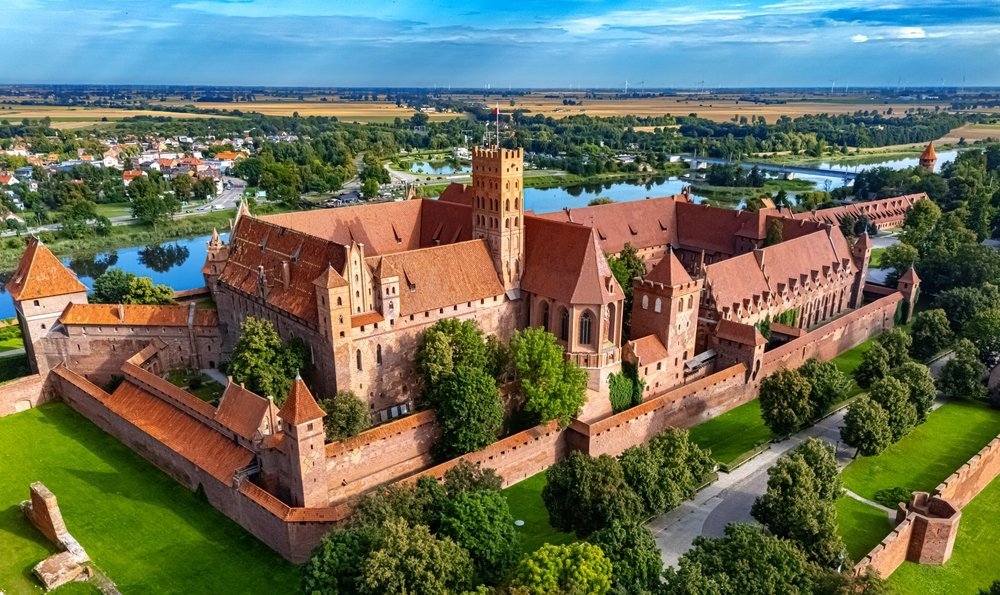
Malbork Castle, known in German as Marienburg, was built by the Teutonic Order from the 13th century and greatly expanded after the order’s Grand Master moved here in 1309. According to UNESCO, which added the castle to the World Heritage List in 1997, it is the most complete and elaborate example of a Gothic brick castle in the order’s distinctive style. The whole complex covers around 18 hectares.
The historical route through the High Castle, Middle Castle and Lower Castle costs from 80 złoty (around £15), or 60 złoty (around £11) reduced, and the audio guide is included in the price. The shorter route around the castle grounds costs 35 złoty (around £7) and takes about an hour and a half. Entry is free on Mondays, but then only the short route is open and tickets are only sold at the ticket office. In winter the castle closes as early as 4pm, and last entry to the historical route is at 12.45pm.
The regional train from Gdańsk Główny usually takes 50 to 55 minutes, and from Malbork station it’s about a 15-minute walk to the castle. Set aside a full day and catch an early train so you can start the historical route in the morning. If you’d rather not sort out the transport yourself, you can go on a private tour from Gdansk.
Book a private half-day tour to Malbork Castle from Gdansk.
17. Day trip to the Stutthof memorial
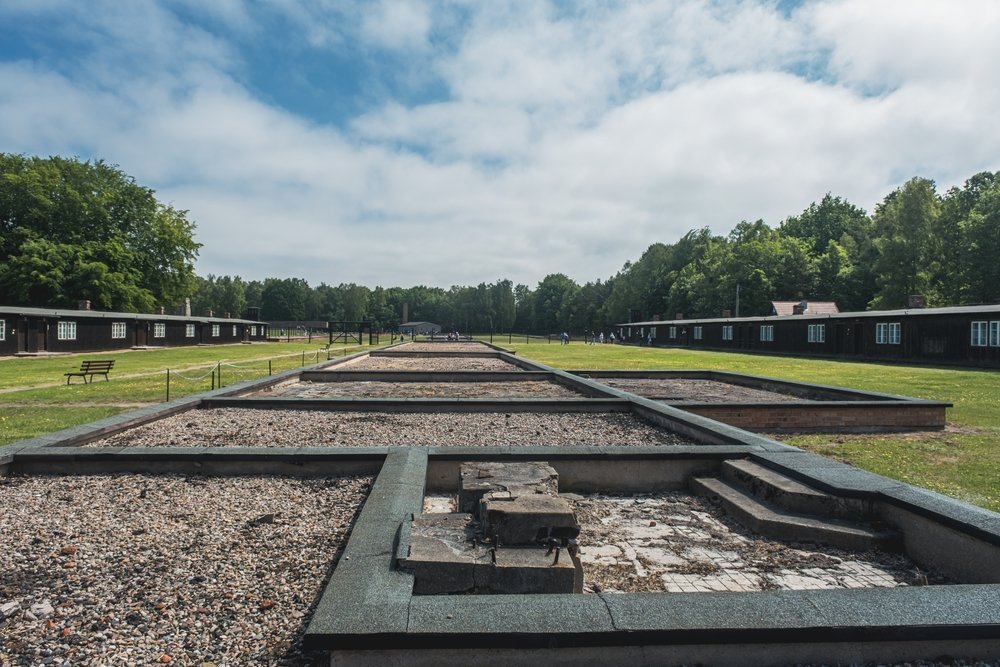
Stutthof, near the village of Sztutowo east of Gdansk, was the first concentration camp the Nazis set up outside Germany’s borders. The first transport of prisoners arrived on 2 September 1939, the day after the war broke out, and the camp was liberated on 9 May 1945. Around 110,000 people were held at Stutthof, and around 65,000 of them died.
Today the site is a museum with barracks, watchtowers, the gas chamber and the crematorium. The museum’s cinema shows a documentary every hour from 10am to 4pm in summer and from 9am to 2pm in winter. The museum is open every day from 8am to 6pm from May and from 8am to 3pm from October, and last entry is half an hour before closing.
Bus 870 runs from Gdansk to the Sztutowo Muzeum stop. It’s a harrowing experience and not a trip I’d recommend for young children, but it’s one of the most important places to visit to understand the region’s history. My tip is to join a guided tour with transport included, so you have a guide who can put the site in context and you don’t have to keep an eye on the bus timetable.
Book a guided tour to the Stutthof memorial from Gdansk.
Practical travel tips for Gdansk
You can easily walk between the Old Town, Granary Island and most of the museums in the centre. For the rest of the city, you’ll use ZTM buses and trams. A single ticket costs 4.80 złoty (around £1), a 75-minute ticket that’s valid when you change costs 6 złoty (around £1.15), and a 24-hour ticket costs 22 złoty (around £4). You can pay by card directly at the readers on buses and trams.
SKM and POLREGIO trains use a different fare system. A city ticket for 8.50 złoty (around £1.60) is valid for one journey in the zone covering Gdansk and Sopot, and a Trójmiasto ticket for 12.50 złoty (around £2.40) also covers Gdynia. From the airport, bus 210 runs directly to the main station in about 40 minutes, and all the options are in my guide to getting from Gdansk Airport to the city centre.
Plan your museum visits around the days of the week. Museum Gdańsk, including Artus Court, the Town Hall, Uphagen House and the Amber Museum, is free on Mondays and closed on Tuesdays. The Museum of the Second World War is closed on Mondays and free on Tuesdays, the European Solidarity Centre is closed on Tuesdays in the winter months, and the Crane and the Emigration Museum in Gdynia are free on Wednesdays. Summer brings the most boat trips and concerts, but also the most cruise passengers, so I think May, June and September are the best months for things to do in Gdansk.
If you want the full range, you can see all hotels in Gdansk on Booking.com. If you’re travelling on around Poland, read my guides to sights in Krakow and to where to stay in Warsaw.
Travel ressources & websites I use all the time 👇
• Booking.com has the best offers on hotels and unique places to stay
• GetYourGuide is the best place to book tours & activities with free cancellation
• Welcome Pickups is the best & safest place to pre-book airport transfers
Psst 👀 Have you subscribed to my Youtube channel and my Instagram where I provide more useful travel tips?