
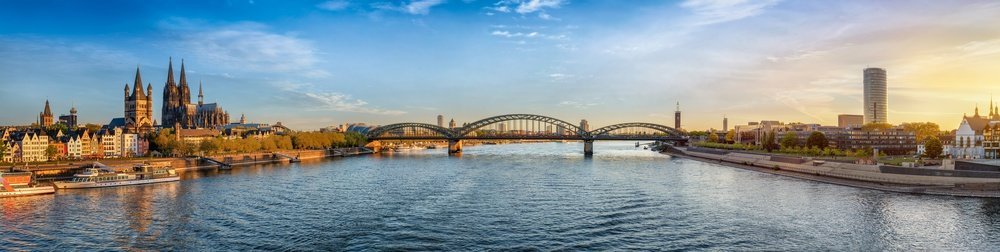
Looking for the best things to do in Cologne? Cologne is Germany’s fourth-largest city and one of its oldest, founded by the Romans almost 2,000 years ago on the banks of the Rhine.
Step out of the Hauptbahnhof and you’re standing right beneath the Cathedral, which has been on the UNESCO World Heritage List since 1996, and the rest of the city is within walking distance from there.
Most of the Old Town was bombed to ruins in the Second World War, so Cologne isn’t a picture-postcard town like Heidelberg or Rothenburg. What it does have is twelve Romanesque churches, some of the country’s best museums, taverns pouring Kölsch in small glasses and a laid-back atmosphere you’ll pick up on after just one evening.
Here are my picks for the 18 best things to do in Cologne, with prices, opening hours and tips on how to get the most out of them. Prices are given in euros.
My rule of thumb is to do the Cathedral and the Old Town early, walk across Hohenzollernbrücke to Deutz as the sun goes down, and spend the evening in one of the taverns.
If you have more than two days, set aside a day for the Rhine or for Bonn and Brühl, both a short train ride away.
Planning your trip to Cologne at the last minute? 🇩🇪
Here are some of the best things to do, hotels and other tips for your trip to Cologne.
🎡 Top Activities & Tours:
1. Get to know Cologne's beer culture on a guided brewhouse tour with three glasses of Kölsch through the old brewhouses
🛌 Best Hotels:
1. Excelsior Hotel Ernst am Dom is Cologne's classic five-star grand hotel with views of the Cathedral
2. Eden Hotel Früh am Dom is right behind the Cathedral and above the famous Früh brewhouse
3. Hotel Sandmanns am Dom is a quiet, small adults-only hotel close to the Cathedral
Contents
1. Cologne Cathedral
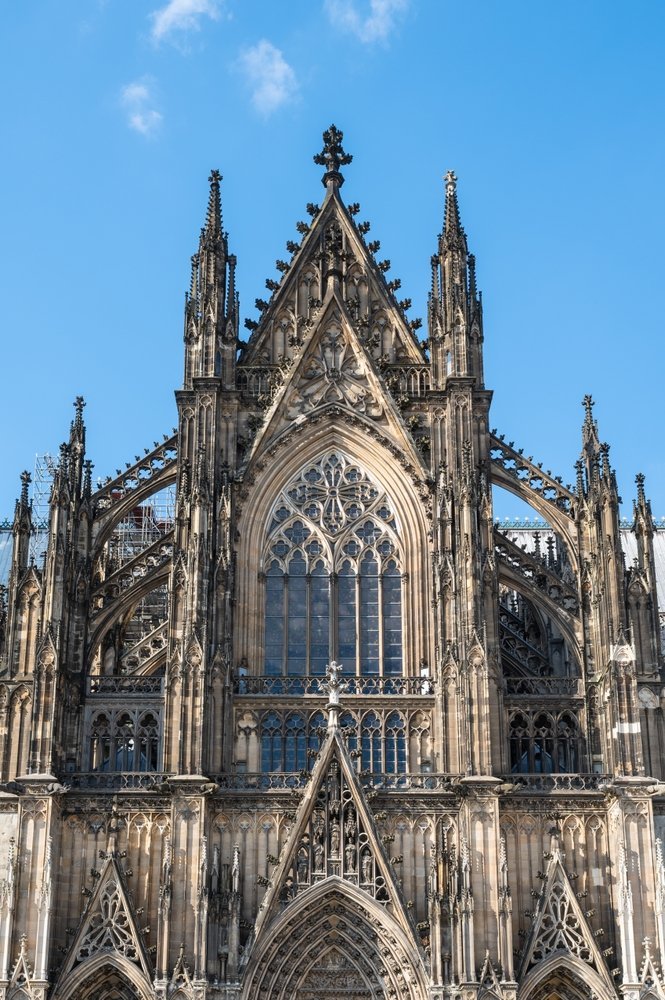
Work on the Cathedral began in 1248 but stalled for several hundred years, and the two 157-metre towers weren’t finished until 1880. Inside, the shrine holding the relics of the Three Kings behind the high altar is the very reason the church was built in the first place. Look out, too, for the Gero Cross from the 10th century and Gerhard Richter’s window in the south aisle, made up of 11,263 panes of coloured glass.
Tourists pay 12 euros (around £10) to get in, while children aged 13 and under and anyone coming to pray or attend a service go in free. The tower costs 8 euros (around £7), the treasury also 8 euros, and a combined ticket for both costs 12 euros (around £10). You can visit the church Monday to Saturday from 10am to 5.45pm and on Sundays from 1.30pm to 4.30pm, while the tower is open from 9am to 6pm from March to October and until 4pm the rest of the year.
My tip is to buy your ticket online and do the tower first. There are 533 steps up a narrow spiral staircase with no lift. If you’d like to wake up with the Cathedral outside your window, Excelsior Hotel Ernst is right opposite.
2. Hohenzollernbrücke and the love locks

Hohenzollernbrücke is the railway bridge carrying trains from the Hauptbahnhof across the Rhine to Deutz, and it’s one of the busiest railway bridges in Germany. The bridge was blown up in 1945 and rebuilt after the war, and at each end stand equestrian statues of the Prussian kings and emperors it’s named after. Along the footpath on the south side, tens of thousands of padlocks hang on the fence, put there by couples since the custom arrived here in the late 2000s.
The bridge is free and open around the clock, and it takes about ten minutes to walk across. Trains thunder past right beside you, so it isn’t a quiet stroll, but the view back towards the Cathedral and the Old Town is the best you’ll get from ground level.
Head across half an hour before sunset so you’re in Deutz when the light falls on the Cathedral, and stay until the lights come on. It’s also the easiest way to reach the KölnTriangle and the Rheinboulevard, which I cover further down.
3. The Old Town with Alter Markt, Fischmarkt and Groß St. Martin

The Old Town lies between the Cathedral and the Rhine, and although much of it was rebuilt after the war, the street plan is the same as in the Middle Ages. From the Cathedral, walk down past the town hall with its Renaissance loggia and tall tower to Alter Markt and Heumarkt, the two large squares where the taverns set out tables in summer. Right down by the river, the narrow, colourful houses of Fischmarkt stand in front of Groß St. Martin, the 12th-century Romanesque church whose square tower is the Old Town’s landmark when seen from the Rhine.
It’s all free, and you can usually walk into Groß St. Martin without a ticket outside service times. Take a stroll along the Rheingarten too, the promenade below the Old Town, with views across to Deutz and the bridges. Next to the Früh tavern stands the Heinzelmännchenbrunnen, the fountain dedicated to the little house elves who, according to legend, did the work of Cologne’s craftsmen by night.
This is where most people stay on their first visit, and Altstadt-Nord is the first area in my guide to where to stay in Cologne. You can also see hotels in Altstadt-Nord here.
Book a guided tour of the Old Town with the Cathedral, Hohenzollernbrücke and the old town hall here.
4. The taverns and Kölsch
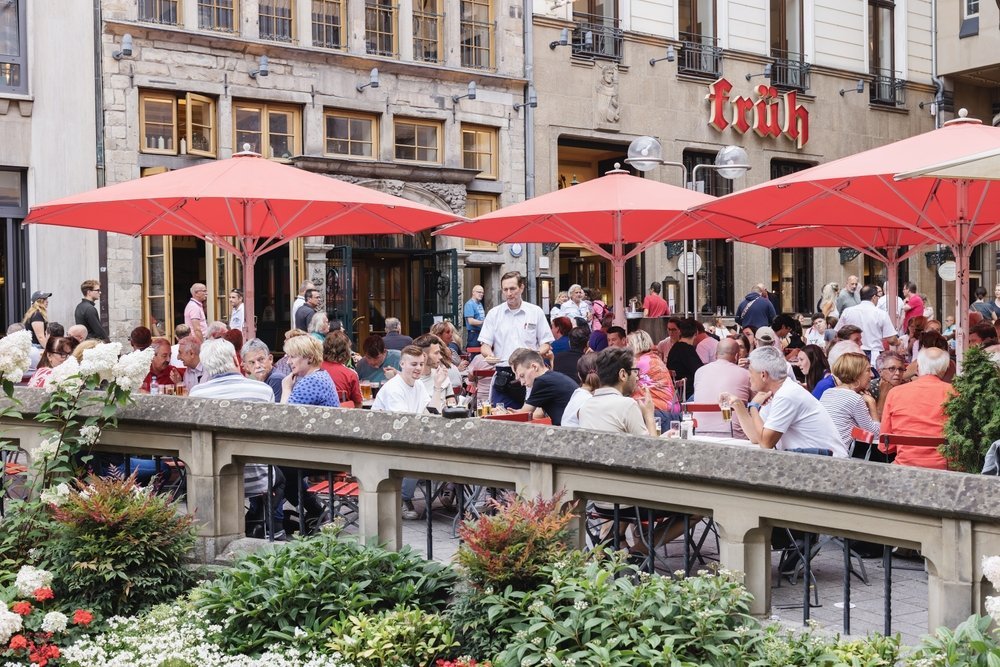
Kölsch is the city’s own pale, top-fermented beer, and it may only be brewed in and around Cologne. It’s served in a Stange, a slim 0.2-litre glass, by a Köbes, the waiter in a blue apron who carries the beer around on a round tray and puts a fresh glass in front of you as soon as the old one is empty. When you want to stop, place your beer mat on top of the glass.
The classic taverns are in the Old Town and around the Cathedral: Früh am Dom, Gaffel am Dom, Peters Brauhaus, Brauhaus Sion and Malzmühle by Heumarkt, while Päffgen on Friesenstraße is where many locals go. A glass typically costs 2.50 to 3 euros (around £2 to £2.50). Order a Halve Hahn, which isn’t half a chicken but a rye roll with cheese and mustard, or Himmel un Ääd with black pudding, mashed potato and apple sauce.
My tip is to avoid the biggest places by the Cathedral on Friday and Saturday evenings, when they’re packed with stag and hen parties. Head to Peters or Päffgen on a weekday instead, when you can sit at the long wooden tables alongside the locals.
Book a brewhouse tour with three glasses of Kölsch and the stories behind the taverns here.
5. Museum Ludwig
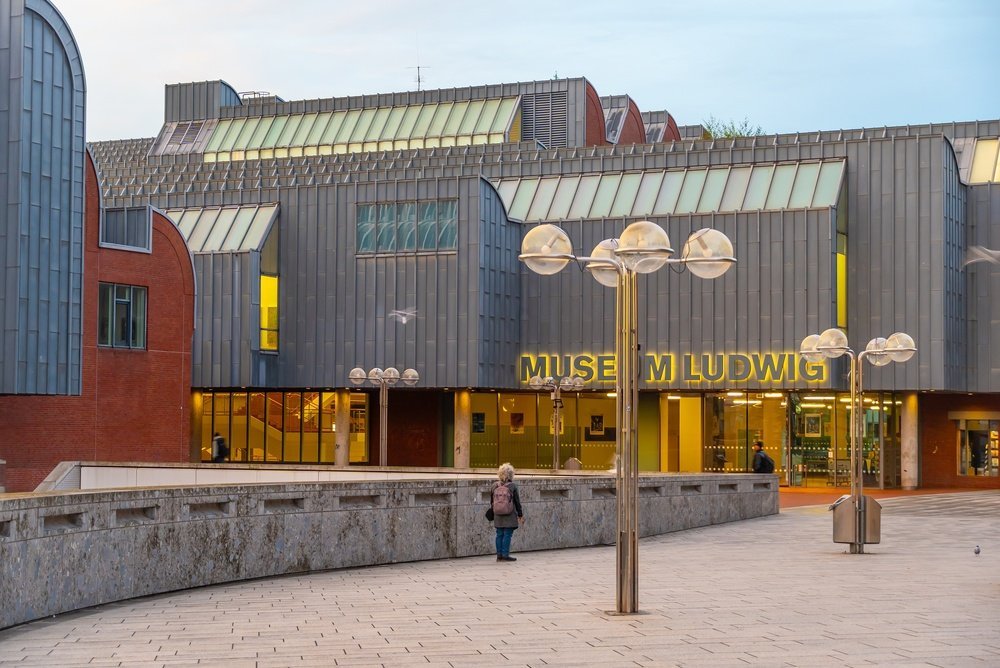
Museum Ludwig sits just behind the Cathedral by the Rhine and is one of the best museums of modern art in Europe. It holds one of the largest Picasso collections in Europe, a big section of American pop art with Warhol, Lichtenstein and Rauschenberg, German Expressionism and the Russian avant-garde. The 1986 building shares a roof with the Philharmonie concert hall, which is why security staff close off the square above during concerts, so footsteps and suitcase wheels can’t be heard in the hall below.
Tickets cost 15.40 euros (around £13), while children and young people under 18 get in free. The museum is open Tuesday to Sunday from 10am to 6pm, on the first Thursday of the month until 10pm, and it’s closed on Mondays. On the first Thursday of the month it costs just 7 euros (around £6) from 5pm.
Allow two to three hours, and stop at the café with its view of the Cathedral afterwards. The Wallraf-Richartz-Museum, with older art from the Middle Ages to Impressionism, is five minutes away, but it has been closed for an extended period for renovation, so check whether it has reopened before you plan around it.
6. Kolumba
Kolumba is the archdiocese’s art museum, and in my opinion the building is the most beautiful modern building in Cologne. The Swiss architect Peter Zumthor built the museum on top of the ruins of the Gothic church of St. Kolumba, which was bombed in 1943, and incorporated the old walls into a facade of pale, slender bricks with gaps that let the light filter through. On the ground floor you walk along walkways above the excavations of the church and its Roman and medieval foundations.
The collection spans from late antiquity to the present day, but there are no labels next to the works, and every year on 15 September the exhibition is changed. The museum is open Wednesday to Monday from 12pm to 5pm, and a ticket costs 8 euros (around £7), while children under 18 get in free. It’s closed on Tuesdays.
My tip is to include the reading room on the top floor, where you can sit by the large windows looking out over the city. Out by the street is the chapel Madonna in den Trümmern from 1950, which is free and often overlooked.
7. Farina-Haus and Eau de Cologne
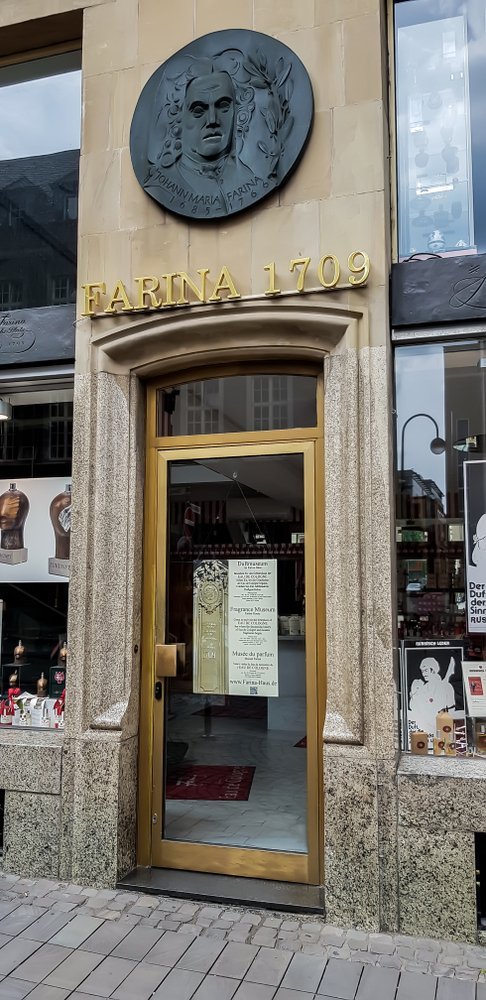
Eau de Cologne, or Kölnisch Wasser, was created here in 1709 by the Italian perfumer Johann Maria Farina, who named the fragrance after his new home town. The company is still in the same house on Obenmarspforten near the town hall, and it’s considered the oldest perfume factory in the world still in operation. In the Duftmuseum inside the house you’ll hear how the fragrance was made, and how Napoleon and half the royal courts of Europe ordered it.
The museum can be seen on guided tours of around 45 minutes, including in English, and admission costs about 5 euros (around £4). Check the times of the English tours before you go, as they can sell out on busy days. The shop on the ground floor is free, and here you can smell the original fragrance.
Its rival 4711 has its main house on Glockengasse, a ten-minute walk away, where the carillon on the facade plays several times a day. Inside the shop you can smell Kölnisch Wasser from a little fountain. Both shops are good places to buy a souvenir that actually comes from Cologne.
8. NS-Dokumentationszentrum in EL-DE-Haus
EL-DE-Haus on Appellhofplatz takes its name from the initials of the merchant Leopold Dahmen, who built it, but from 1935 to 1945 it was the Gestapo’s headquarters in Cologne. The basement houses the prison cells where prisoners from many countries were held, and around 1,800 inscriptions and drawings from 1943 to 1945 have been preserved on the walls. Some are calendars, some are names, and some are messages to family that never arrived.
Upstairs, the permanent exhibition tells how Nazism affected everyday life in Cologne, from the propaganda and persecution to the deportations. A ticket costs 4.50 euros (around £4) and 2 euros (around £2) for students. It’s open Tuesday to Friday from 10am to 6pm and at weekends from 11am to 6pm, while it’s closed on Mondays.
Set aside an hour and a half, and start in the basement before heading up to the exhibition. It’s one of the most powerful memorial sites in Germany, and because it’s right in the middle of the shopping district, there are rarely many visitors.
9. The Romanesque churches
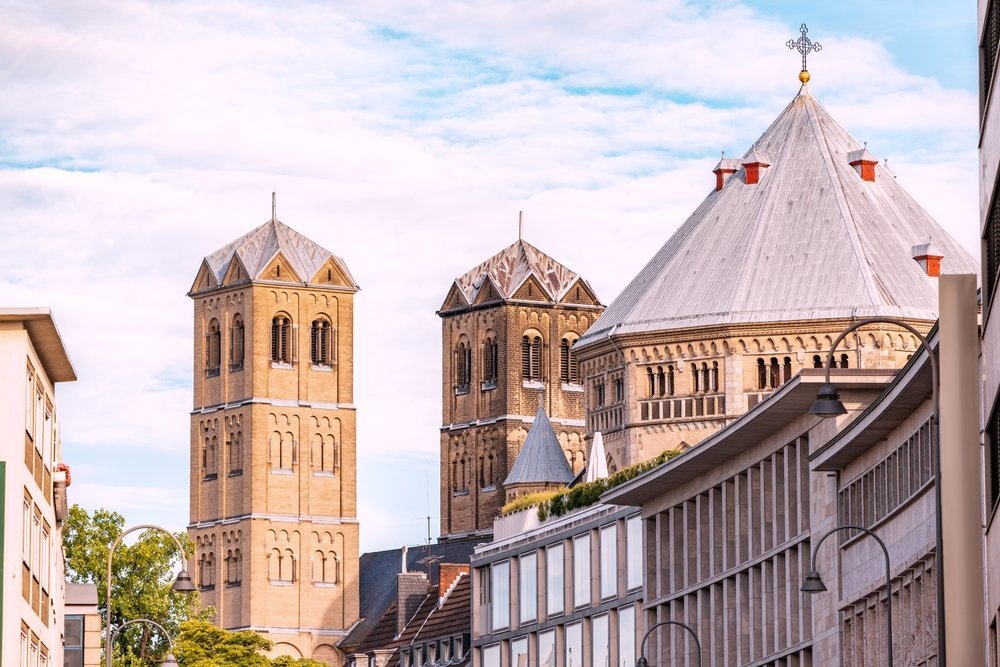
Cologne has twelve large Romanesque churches, built between around 1000 and 1250, and they form a ring around the centre where the Roman and medieval city wall once ran. They were all badly damaged during the war, and it took over 40 years to rebuild them. St. Gereon is the most distinctive, with a ten-sided nave, a so-called decagon, and one of the largest domes built in the Middle Ages. St. Maria im Kapitol is built on the foundations of a Roman temple and has a cloverleaf-shaped choir and a pair of carved wooden doors from the 11th century.
St. Pantaleon is the burial place of the Byzantine princess and empress Theophanu, and St. Aposteln on Neumarkt has the finest east end, with three apses. Most of the churches are free to enter, but not during services, and several close in the middle of the day.
You don’t need to see them all. Visit Groß St. Martin in the Old Town, St. Maria im Kapitol five minutes from there, and St. Gereon if you’re heading towards Belgisches Viertel anyway. That way you’ll have seen the three most different ones in half a day.
10. Schokoladenmuseum
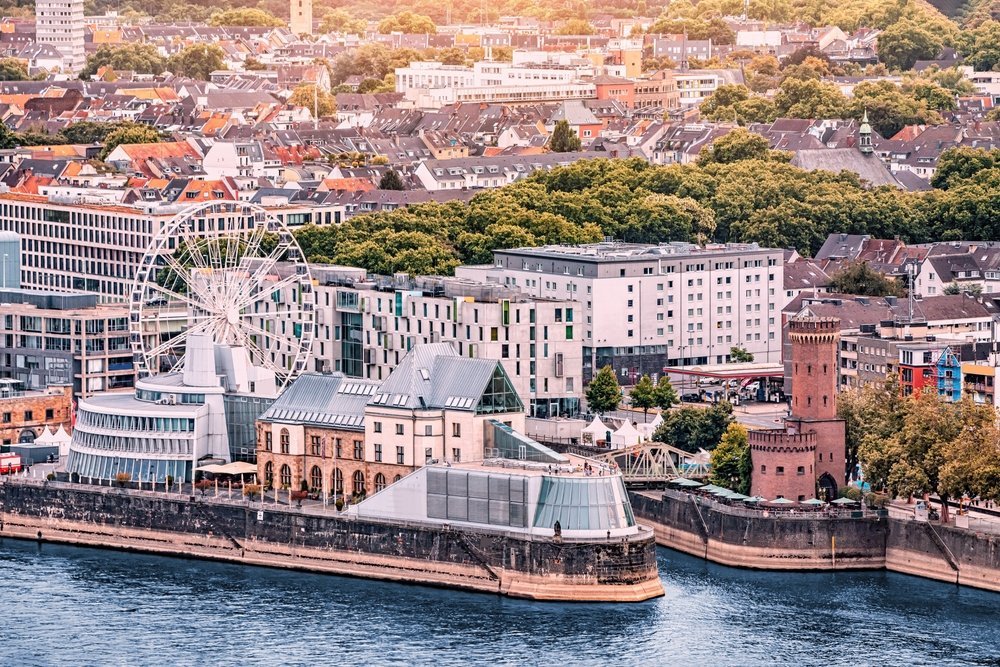
The Schokoladenmuseum sits on a peninsula in Rheinauhafen in a glass and steel building that looks like a ship, and it’s Cologne’s most visited museum. You follow cocoa from a tropical greenhouse with cocoa trees through 5,000 years of history to a small glass-walled factory where the chocolate is made and packed while you watch. The highlight for most people is the three-metre-high chocolate fountain, where a member of staff dips a wafer for you.
Adults pay 17.50 euros (around £15) on weekdays and 19 euros (around £16) at weekends, children and young people under 18 pay 10 euros (around £8) or 11.50 euros (around £10), and a family ticket costs 35 euros (around £30) on weekdays. Children under 6 go free, and the museum is generally open daily from 10am to 6pm. From January to March and in November it’s closed on Mondays, and last entry is one hour before closing.
It’s expensive for what you get, but with children it’s hard to avoid. Come on a weekday at 10am, before the school groups and coaches, and skip the café in favour of the taverns in Südstadt afterwards.
Book your ticket to the Schokoladenmuseum in advance here.
11. Rheinauhafen and the Kranhäuser

Rheinauhafen is the old harbour south of the Old Town, which has been redeveloped into a long, car-free promenade with flats, offices and restaurants in the old warehouses. What everyone photographs are the three Kranhäuser, tall buildings shaped like upside-down Ls, designed to recall the harbour cranes that once stood here. At the northern end are the Malakoff Tower and the old swing bridge, and the Deutsches Sport & Olympia Museum is in one of the warehouses next to the chocolate museum.
The promenade is free and lovely for walking or cycling, and from the Schokoladenmuseum it’s a quarter of an hour’s walk to the Kranhäuser. If you carry on inland, you’ll reach Südstadt and Severinsviertel around Chlodwigplatz, where the taverns and cafés are local and you rarely hear other tourists. It’s a good place to stay if you’ve been to Cologne before, and you can see hotels in Südstadt here.
The best way to see the harbour is by bike, as you can ride along the Rhine all the way from the cathedral to the Kranhäuser and back across the bridges in an afternoon.
Book a 15-kilometre guided bike tour along the Rhine and through the city here.
12. KölnTriangle and Rheinboulevard

The best view of Cologne is from the other side of the river, because only from here do the cathedral, the Old Town and the Rhine all fit into the same picture. KölnTriangle is an office tower in Deutz with an open-air viewing platform on the roof. The platform sits around 103 metres above the ground on the 29th floor, and a ticket costs 5 euros (around £4), or 4 euros for a reduced ticket. You take the lift to the 28th floor and walk up the last flight of stairs, and the platform closes during storms and thunder.
Just below is the Rheinboulevard, a wide flight of concrete steps that runs right down to the water opposite the Old Town. It’s free, and in summer hundreds of locals sit here with a beer from the kiosk, watching the sun set behind the cathedral. The tower is around 200 metres from Köln Messe/Deutz station.
Go up to the platform on a clear afternoon, head down to the steps for sunset, and walk back across the Hohenzollernbrücke once the cathedral is lit up. It’s my best free evening in Cologne, apart from the 5 euros for the lift.
13. Kölner Seilbahn, the Zoo and Flora
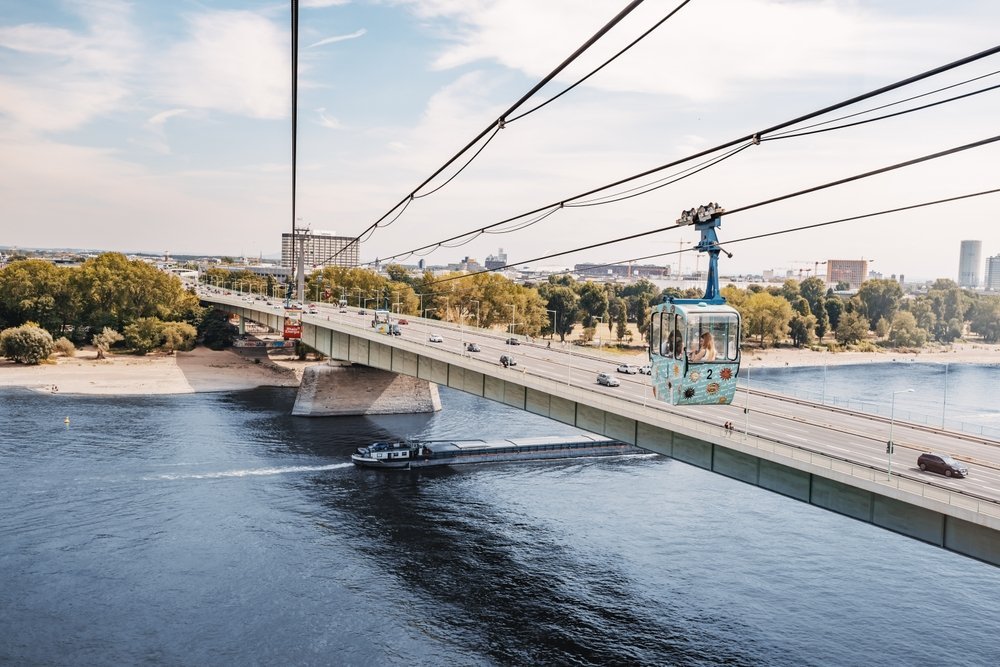
Since 1957, the Kölner Seilbahn has hung above the Rhine between the Rheinpark in Deutz and the zoo on the opposite bank, and the ride in the small gondolas gives you a lovely view of the river and the cathedral. A single costs 5.50 euros (around £4.60) and a return 9.50 euros (around £8), while children aged 4 to 12 pay 3.30 and 4.80 euros. The cable car runs daily from 10am to 6pm from spring until early November, and otherwise only on Advent weekends.
Kölner Zoo is one of the oldest zoos in Germany, with a large elephant park, the Hippodom with hippos and crocodiles, and an aquarium. It’s open from 9am to 6pm from March to October and until 5pm in winter, and tickets cost from around 22.50 euros (around £19) when you buy them in advance. Next door is Flora, the botanical garden with a palm house and a baroque garden, which is free.
With children, it makes a great day out: take the cable car across, spend the afternoon at the zoo and walk home through Flora. The Rheinpark in Deutz is a nice park in its own right, with playgrounds and lawns running down to the water.
Book your ticket for Kölner Zoo with the aquarium here.
14. Belgisches Viertel

The Belgisches Viertel (Belgian Quarter) lies west of the centre between Rudolfplatz and Hohenzollernring, and its streets are named after Belgian cities and provinces: Brüsseler Platz, Antwerpener Straße, Brabanter Straße and Lütticher Straße. The houses date from the late 19th century, with high ceilings and ornate façades, and on the ground floors you’ll find design shops, vintage stores, coffee bars and small restaurants that you won’t find anywhere else in the city. In the middle of the quarter, the neo-Romanesque church of St. Michael stands on Brüsseler Platz.
In summer, the square in front of the church becomes the city’s outdoor living room, where people stand around with a beer from the kiosk until late in the evening. It’s free and very local, but the neighbours have been complaining about the noise for years, so keep it down. The quarter connects to the Friesenviertel and Ehrenstraße, where the shopping is a little more mainstream.
The Belgisches Viertel is my favourite area for couples and for anyone who’d rather have cafés than souvenir shops. You can see hotels in the Belgisches Viertel here.
15. Ehrenfeld and street art

Ehrenfeld is the old working-class and industrial district west of the railway, and today it’s Cologne’s most creative neighbourhood. The old factories have become music venues, clubs and workshops, and the gable walls are covered in huge murals by artists from all over the world, many of them created during the CityLeaks street art festival. Venloer Straße is the main street, lined with Turkish bakeries, falafel bars and cheap restaurants, and at the old Helios factory there’s a lighthouse standing in the middle of the city.
You don’t need a ticket, and you can get here in a few minutes by S-Bahn to Köln-Ehrenfeld from Hauptbahnhof, or on U-Bahn lines 3 and 4. The Colonius TV tower rises above the neighbourhood, but its viewing platform has been closed to the public for many years.
The murals are spread out, so a guided tour saves you a lot of searching. Come in the afternoon, see the art, and stay into the evening when the neighbourhood comes alive.
Book a street art tour of Ehrenfeld with a local guide here.
16. The Christmas markets
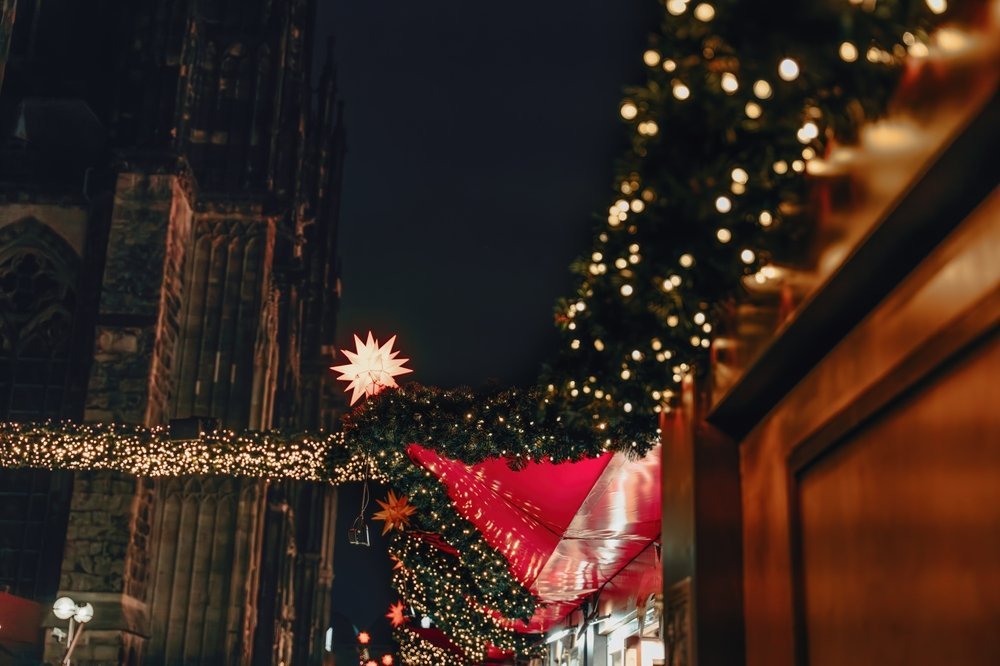
Cologne has some of the most visited Christmas markets in Germany, opening from mid to late November and running until just before Christmas. The biggest is on Roncalliplatz in front of the cathedral, with a giant Christmas tree and hundreds of lights above the stalls. Heinzels Wintermärchen in the Old Town fills Alter Markt and Heumarkt with an ice rink and stalls selling woodcarvings, and on Neumarkt you’ll find Markt der Engel, the Angels’ Market, with white stars above the streets. Down by the Schokoladenmuseum is the harbour market, with a Ferris wheel overlooking the Rhine.
Entry is free, and you pay a deposit on your Glühwein mug, which you can either hand back or take home. Each market has its own mug, and lots of people collect them.
December weekends get very crowded with coach trips from the Netherlands and Belgium, so come on a weekday just after dark, and book your hotel well in advance, as prices rise sharply in December. If you’d like to see the city from the water, the boats also run Christmas cruises with music during Advent.
Book a Christmas cruise on the Rhine with music here.
17. A boat trip on the Rhine
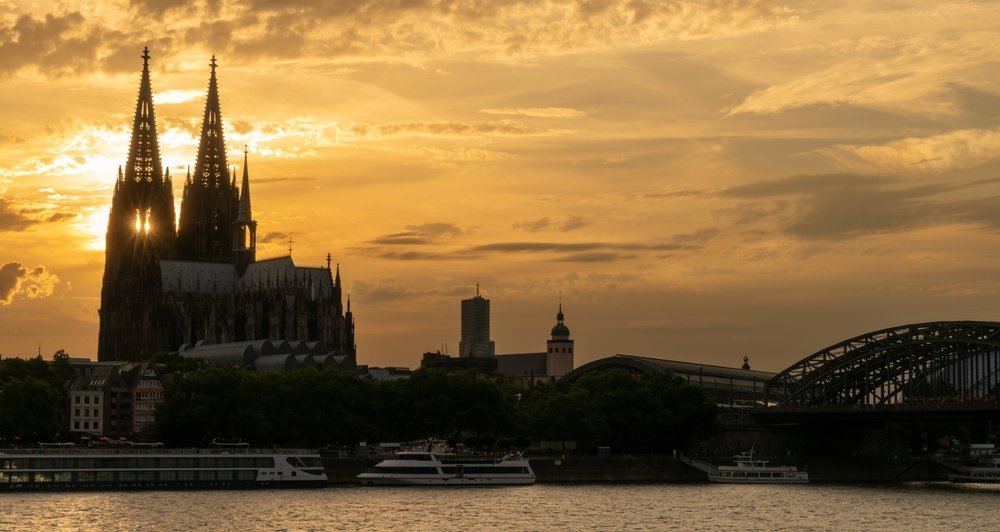
Cologne faces the Rhine, and a boat trip is the easiest way to see how the city and the river fit together. The short sightseeing cruises leave from the Old Town, passing the cathedral, going under the bridges and heading down past the Rheinauhafen and the Kranhäuser before turning back. KD’s one-hour panoramic cruise costs 20 euros (around £17) for adults and 10 euros (around £8) for children, and it departs from KD’s landing stage in the Old Town, five minutes from the cathedral, with up to six sailings a day from late March to October and on selected days during Advent.
If you want to go further, the boats also sail upriver to Königswinter by the Siebengebirge, where you can take the rack railway up to the castle ruins on the Drachenfels. The most beautiful stretch of the Rhine, with the castles and vineyards on the UNESCO World Heritage List, only begins south of Koblenz, though, so for that trip it’s better to take the train to Koblenz in around an hour and sail from there.
My tip is to take the boat trip late in the afternoon, when the light falls on the Old Town. In the middle of the day in summer, the top deck is hot and packed.
Book a boat trip on the Rhine past the cathedral and the Kranhäuser here.
18. Day trip to Bonn and Schloss Augustusburg in Brühl
Bonn is half an hour south of Cologne by train, and the former West German capital is a calm, green city with a charming Old Town around Münsterplatz. The main attraction is the Beethoven-Haus on Bonngasse, where the composer was born in 1770, with more than 100 original objects, including his last piano. Tickets cost 15 euros (around £13) for adults and 10 euros (around £8) for children, and the museum is open Wednesday to Monday from 10am to 6pm, while it’s closed on Tuesdays.
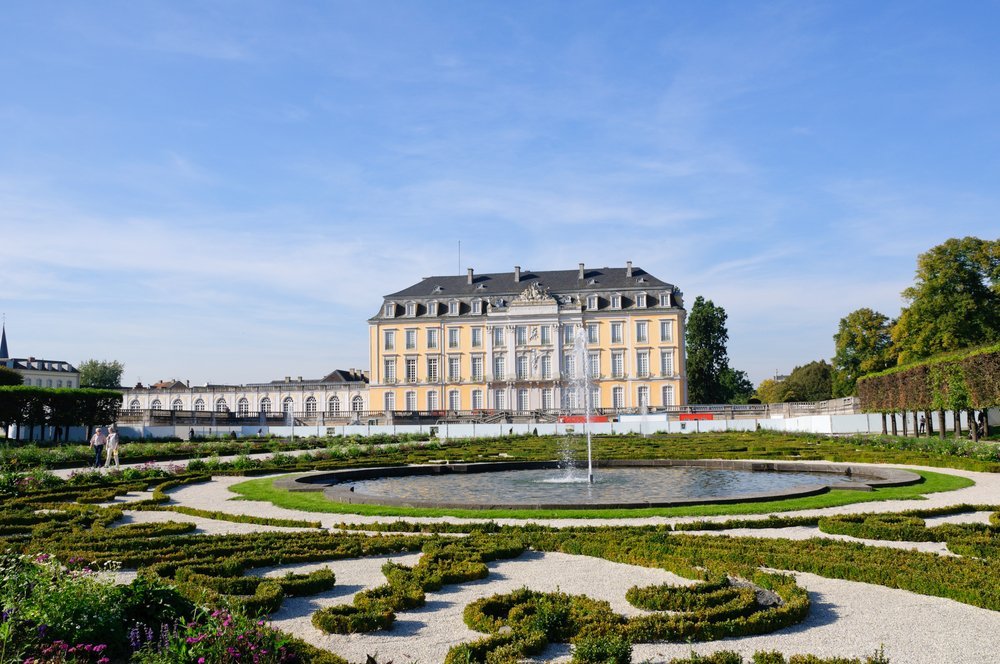
Brühl is on the same railway line between Cologne and Bonn, and this is where you’ll find the rococo palace Schloss Augustusburg, which is a UNESCO World Heritage Site together with the hunting lodge Falkenlust. The highlight is the grand staircase designed by Balthasar Neumann. A self-guided ticket to the staircase and the exhibition costs 9.50 euros (around £8), while a ticket with a guided tour costs 15 euros (around £13). The palace is closed on Mondays and from December to February, but you can walk in the palace gardens all year round.
You can easily visit both towns in one day on the regional train, and Brühl station is right opposite the palace gardens.
Book a day trip from Cologne to Schloss Drachenburg and Bonn with a cog railway here.
Practical travel tips for Cologne
You can get around most of the city centre on foot, and from the cathedral it’s a quarter of an hour to the Belgisches Viertel and 20 minutes to the Schokoladenmuseum. For Ehrenfeld, the zoo and the more distant neighbourhoods, you’ll use KVB’s U-Bahn and trams. A single ticket costs 4 euros (around £3.50) and a 24-hour ticket 9.60 euros (around £8), while the KölnCard from 9 euros (around £7.50) gives you free public transport and discounts at many of the museums. From Cologne Bonn Airport, the S-Bahn takes about 15 minutes to the Hauptbahnhof.
Check the calendar before you book. During the big trade fairs hotel prices shoot up, and during Karneval, from Weiberfastnacht to Ash Wednesday in February or March, the whole city turns into one big party and many hotels sell out six months in advance. If you love that sort of thing, go for it. If you’d rather see the museums and churches in peace, pick a different week.
If you’re travelling to Germany by train from the north, you’ll often change in Hamburg, and if you want to break up the journey, you can read my guide to where to stay in Hamburg. By ICE you’re in Frankfurt in about an hour, and here I’ve gathered the best things to do in Frankfurt. Heading west, you’re in Brussels in about two hours, where you’ll also find my things to do in Brussels, while Amsterdam is about three hours away.
If you’d like the full selection, you can see all hotels in Cologne on Booking.com. If you’re travelling on around the country, start with my overview of where to stay in Germany.
Travel ressources & websites I use all the time 👇
• Booking.com has the best offers on hotels and unique places to stay
• GetYourGuide is the best place to book tours & activities with free cancellation
• Welcome Pickups is the best & safest place to pre-book airport transfers
Psst 👀 Have you subscribed to my Youtube channel and my Instagram where I provide more useful travel tips?