

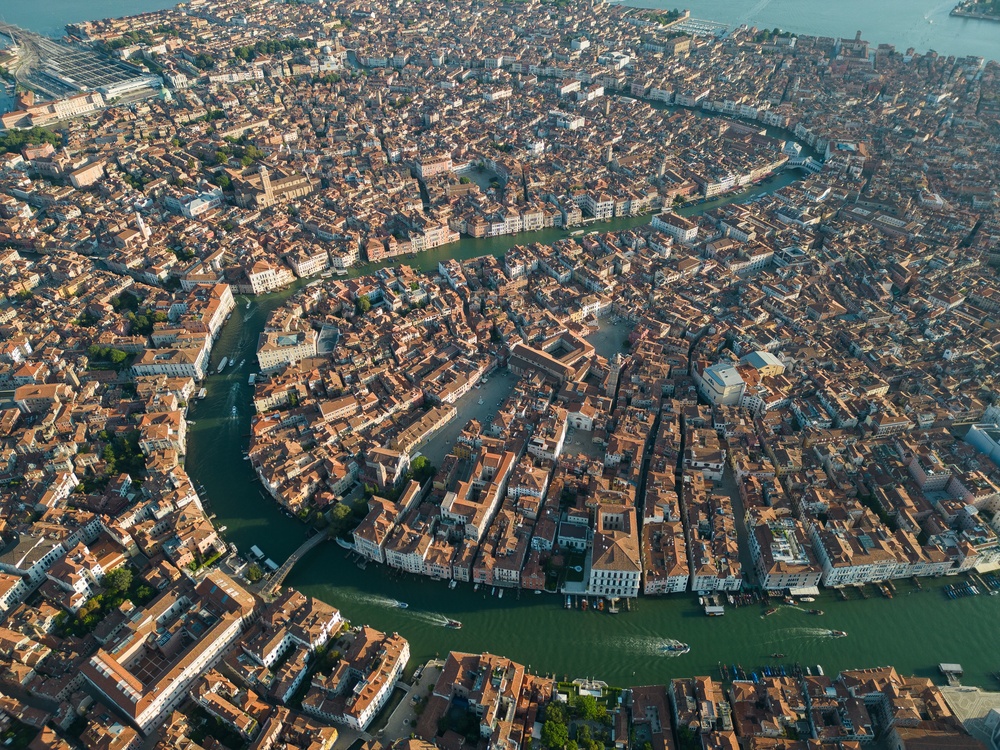
Venice is built on 118 small islands in a lagoon, and there isn’t a single car in the historic city. You walk over bridges, get lost in narrow streets and travel by water bus and gondola between palaces, churches and museums. The city can be packed with tourists in the middle of the day, but there are still quiet neighbourhoods where Venetians go about their everyday lives, and the islands in the lagoon are only a short boat ride away.
Here are my picks for the 18 best things to see and do in Venice, with prices, opening hours and tips on what to book before you go. Prices are in euros, and 1 euro is roughly £0.84. Several museums are closed on a fixed day of the week, and on selected days day-trippers have to pay an access fee, so read the practical tips at the end. The last sections are about the islands in the lagoon and a day trip to Verona.
Contents
1. St Mark’s Square and St Mark’s Basilica
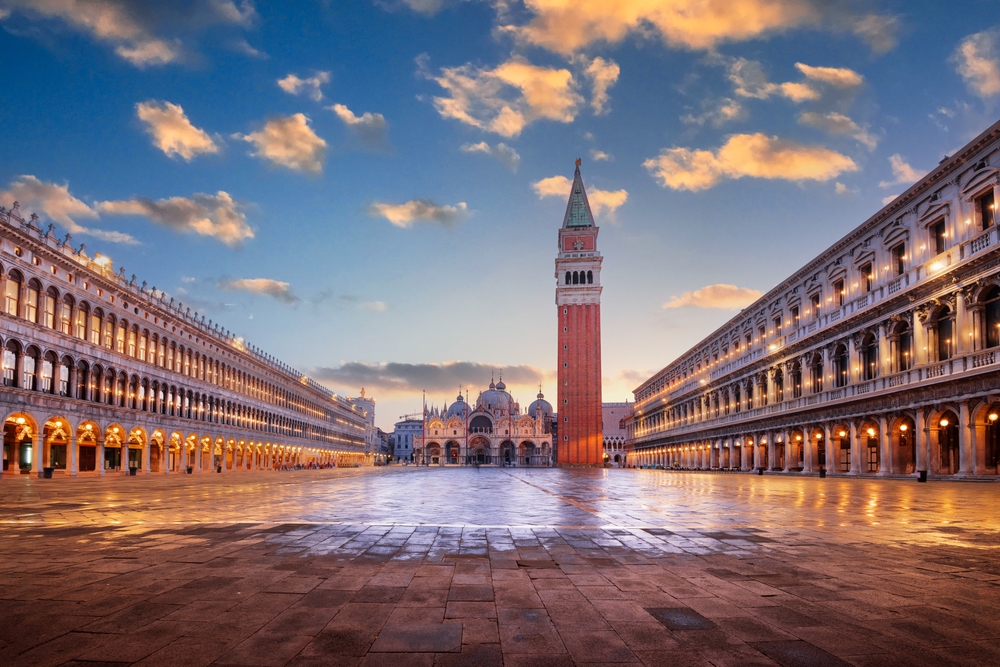
Piazza San Marco is Venice’s great square and the place where almost everyone starts. The square is lined with arcades full of cafés, the clock tower Torre dell’Orologio and the tall bell tower, and at the eastern end stands St Mark’s Basilica, Basilica di San Marco. The church was originally the Doge’s private chapel, and inside it’s covered in gold mosaics that make the whole interior glow. Venice and its lagoon have been on UNESCO’s World Heritage List since 1987.
Entry to the basilica itself costs €10 (about £8). With the Pala d’Oro, the gold altarpiece set with precious stones, the ticket costs €20 (about £17), and the full ticket with the museum and the Loggia dei Cavalli, the terrace with the famous bronze horses above the entrance, costs €30 (about £25). Children under 11 go free. The basilica is open Monday to Saturday from 9.30am to 5.15pm, with last entry at 4.45pm, and on Sundays and public holidays it doesn’t open until 2pm. Tourists can’t go in during services.
The queue outside the basilica gets very long in the middle of the day, so book a fixed time online. My tip is to get the full ticket, because the view from the terrace out over the square is one of the best in the city. Remember that your shoulders and knees need to be covered. If you’d like to stay in the middle of it all, San Marco is the first area in my guide to where to stay in Venice, and you can see hotels in San Marco here.
Book a guided tour of St Mark’s Basilica and the Doge’s Palace with tickets.
2. Doge’s Palace and the Bridge of Sighs
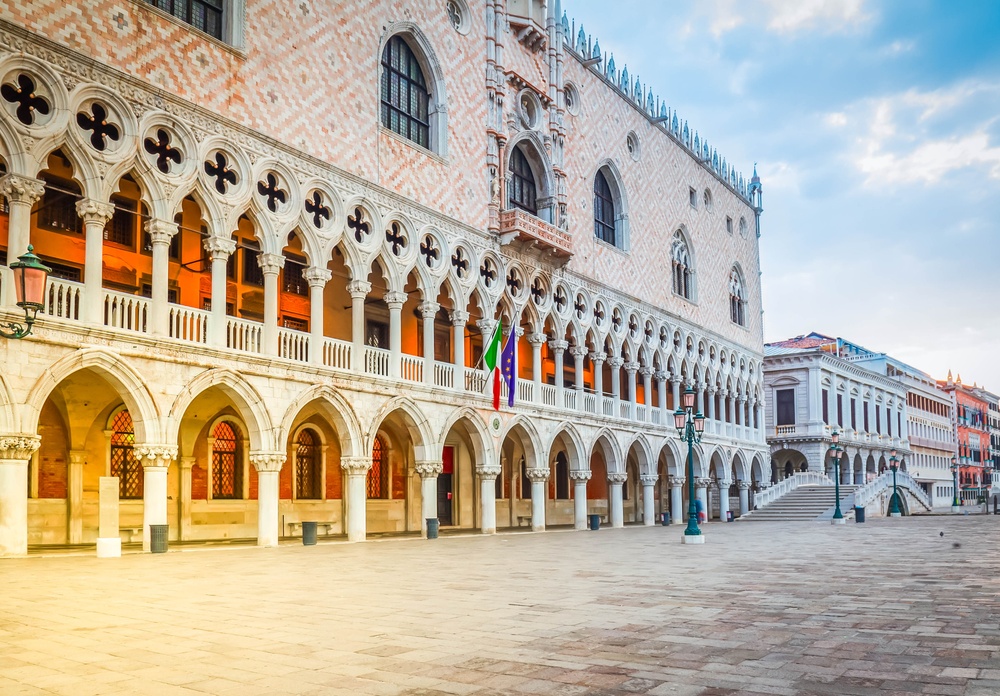
For several hundred years, the Palazzo Ducale next to St Mark’s Basilica was the centre of the Republic of Venice. This is where the Doge lived, where the councils met and where trials were held. The Gothic facade with its pink and white pattern faces out towards the lagoon, and inside you walk through room after room with ceilings and walls painted by Tintoretto and Veronese, among others. The largest is the Sala del Maggior Consiglio, where Tintoretto’s enormous painting Paradise covers the whole of one end wall.
From the palace, you cross the Bridge of Sighs, Ponte dei Sospiri, to the new prisons on the other side of the canal. According to the story, the name comes from the prisoners sighing as they caught a last glimpse of the lagoon through the bars.
The ticket is called I Musei di Piazza San Marco and costs €35 (about £29), but only €30 (about £25) if you buy it online more than 30 days before your visit. It’s also valid at the Museo Correr, the Museo Archeologico Nazionale and the historic rooms of the Biblioteca Nazionale Marciana. From 1 April to 31 October, the palace is open from 9am to 7pm and the rest of the year from 9am to 6pm, and last entry is an hour before closing. If you’d like to see the secret passages, Casanova’s cell and the interrogation rooms, you can join the Itinerari Segreti tour, which costs €40 (about £34).
My tip is to arrive when the palace opens and to buy your ticket well in advance, so you both save money and skip the queue.
Book a tour of the Doge’s Palace secret passages and St Mark’s Basilica.
3. Campanile di San Marco
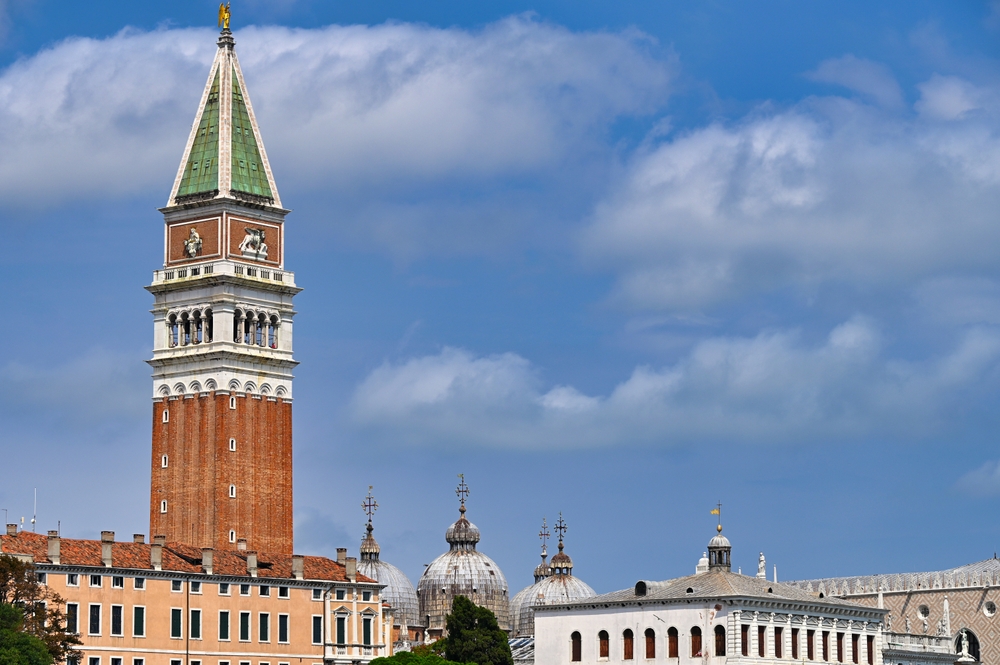
The bell tower on St Mark’s Square is just under 99 metres high and the tallest building in the city. The tower you see is actually a copy. The original tower collapsed in 1902, and the new one was inaugurated in 1912 on the same spot and with the same appearance.
There’s a lift all the way up to the bells, so you don’t have to climb any stairs. From the top, you look down on the domes of St Mark’s Basilica and the Doge’s Palace and out over the rooftops, the lagoon and the island of San Giorgio Maggiore, and on clear days you can see the Alps in the distance. A ticket costs €15 (about £13), and the tower opens at 9.30am every day. In summer it closes at 9.15pm and in winter at 7.15pm, but the opening hours can change because of events and bad weather.
The free entry for children at St Mark’s Basilica doesn’t apply to the tower, so everyone needs a ticket. The queue for the lift is shortest early in the morning and late in the day. My tip is to go up about an hour before sunset, when the light over the lagoon is at its most beautiful, and afterwards walk down to the waterfront in front of the Doge’s Palace while the gondolas rock in the evening sun.
4. The Grand Canal by Vaporetto
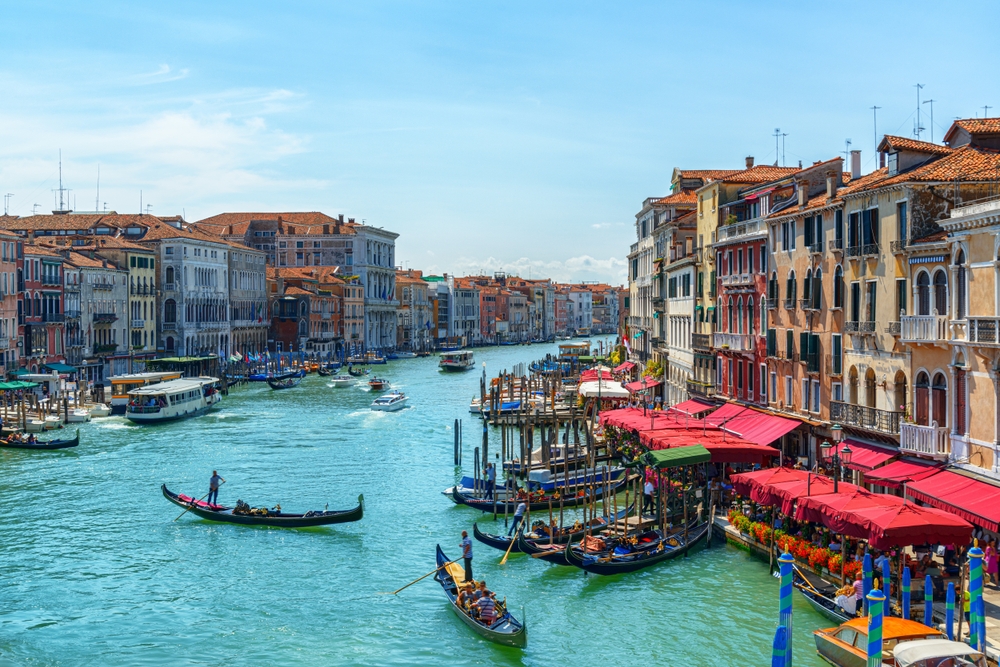
The Grand Canal winds through Venice in a large S shape from the railway station to St Mark’s Square, and its banks are lined with palaces from several centuries of past glory. The cheapest and best way to see them is from a vaporetto, the city’s water buses. Line 1 sails slowly the whole way and stops at almost every single station, so you’ll have plenty of time to watch the Ca’ d’Oro, the Rialto Bridge, Ca’ Foscari and the Accademia Bridge glide past.
The water buses are run by ACTV. A single ticket costs €9.50 (about £8) and is valid for 75 minutes. A 24-hour pass costs €25 (about £21), 48 hours costs €35 (about £29), 72 hours costs €45 (about £38), and 7 days costs €65 (about £54). You have to validate your ticket at the card reader before you board, and again every time you change boats. If you’re between 6 and 29, you can buy the Rolling Venice card for €6 (about £5) and then a 72-hour pass for €27 (about £23).
The trip from the railway station to San Marco takes about 45 minutes. My tip is to board at Ferrovia and try to get a seat at the front or back of the boat, where you have a view to both sides. With two or three trips a day, a day pass quickly pays for itself. You can read how to get into the city from Marco Polo Airport in my guide to getting from Venice Airport to the city centre.
5. Rialto Bridge and Rialto Market
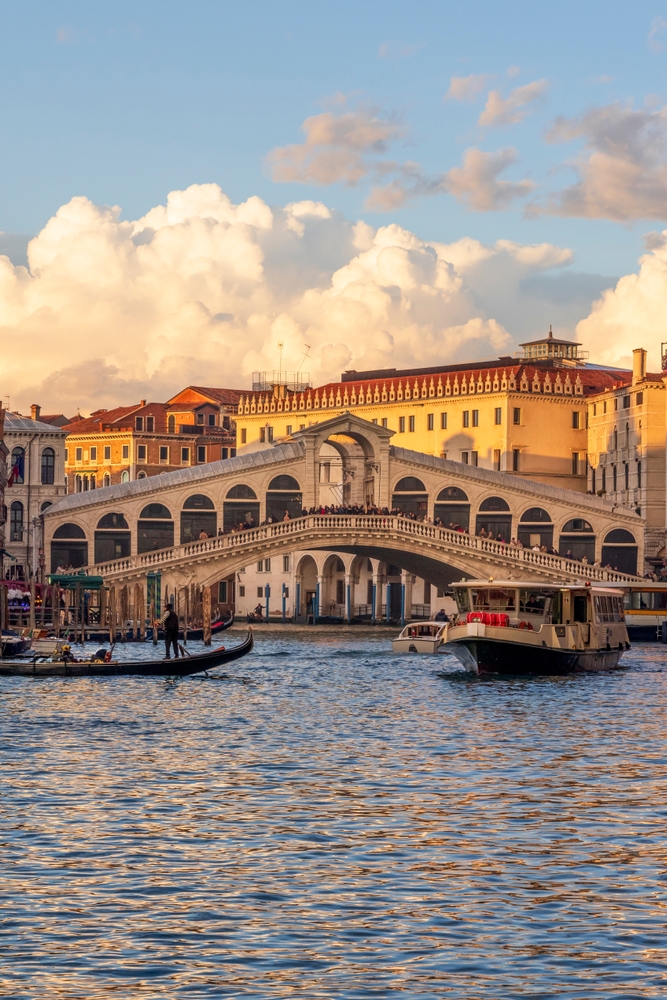
The Rialto Bridge is the oldest of the bridges over the Grand Canal. The stone bridge you walk across was built from 1588 to 1591 to designs by Antonio da Ponte and replaced an older wooden bridge. On top of the bridge are two rows of shops, and from the middle you get one of the classic views down the Grand Canal.
On the San Polo side of the bridge is the Rialto Market, where Venetians have shopped for centuries. Fruit and vegetables are sold from open-air stalls, and the fish market, the Pescheria, is housed in a colonnaded hall facing the canal. The fish market is normally only open in the mornings from Tuesday to Saturday, so come early, before the stalls pack up.
Around the market, you’ll find several bacari, the small Venetian wine bars, where you order cicchetti, small bites on bread, and a glass of wine or a spritz at the counter. The bridge is free, but it’s packed in the middle of the day. My tip is to cross it early in the morning or late in the evening, when you’ll almost have it to yourself. If you’d like to taste your way around the area with a local guide, there are food tours that start at the market.
Book a cicchetti food tour by the Rialto Market.
6. Gondola Ride
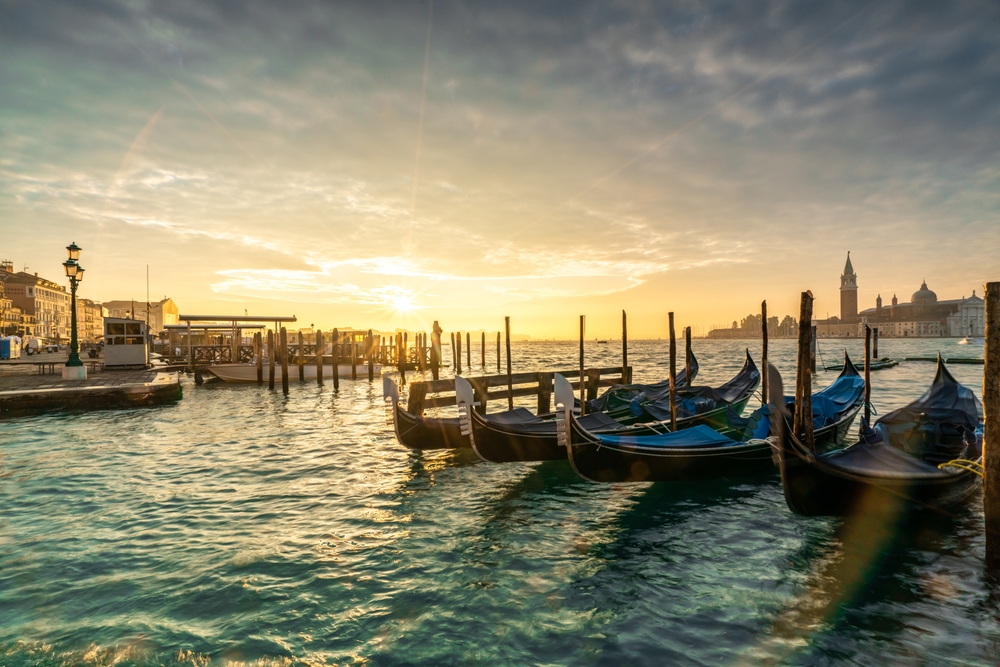
A gondola ride is expensive and touristy, but for many people it’s still part of a visit to Venice. Gondolas are black, long and deliberately asymmetrical in their construction, so the gondolier can steer the boat with a single oar from the stern. The rides usually go through the small canals and a stretch out onto the Grand Canal, and you see the city from an angle you don’t get from the water buses.
The gondoliers have fixed rates, and a ride of about 30 minutes costs around €90 (about £75) during the day and more in the evening. The price is for the whole gondola and not per person, and there’s room for up to five people. Always agree on the price and duration with the gondolier before you get on board. You’ll find gondola stations by St Mark’s Square, by the Rialto Bridge and in several other places around the city.
If you just want to try sitting in a gondola, you can take a traghetto. It’s a gondola ferry that crosses the Grand Canal at points where there’s no bridge, and the crossing only costs a couple of euros. My tip is to choose a shared gondola ride if there are only two of you, because then you only pay for your own seats, and the route goes past the famous sights.
Book a shared gondola ride on the Grand Canal.
7. Gallerie dell’Accademia
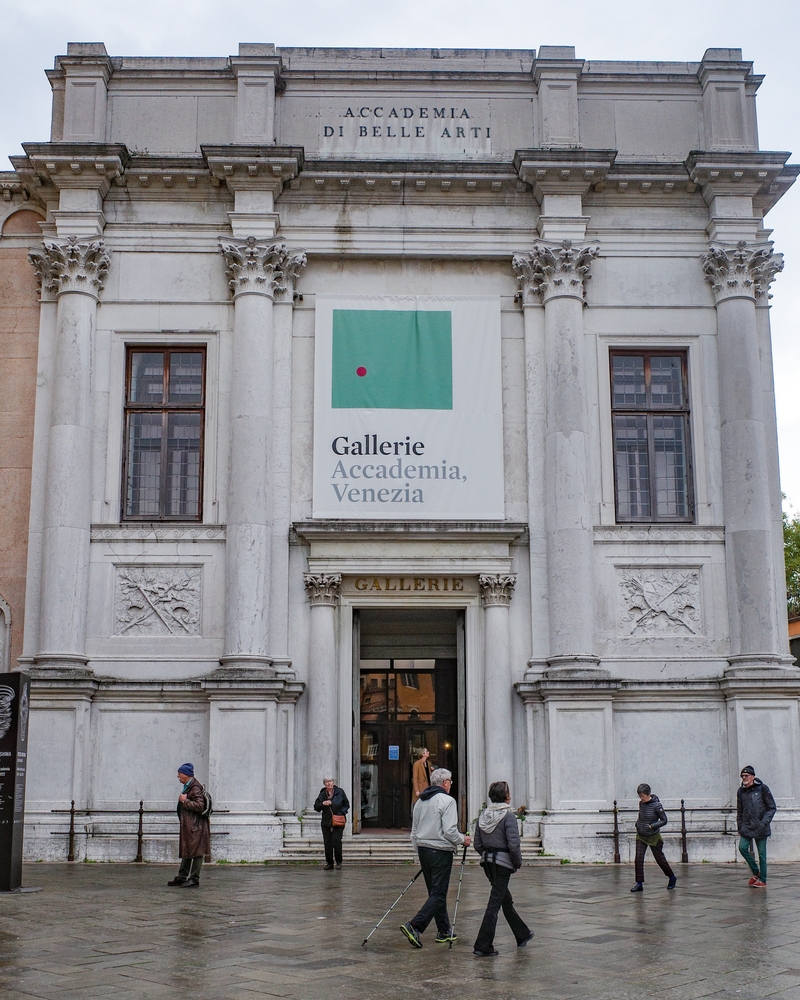
The Gallerie dell’Accademia at the foot of the Accademia Bridge in Dorsoduro holds the largest collection of Venetian painting from the 14th to the 18th century. Here you’ll find works by Giovanni Bellini, Carpaccio, Giorgione, Titian, Tintoretto and Veronese. The best known are perhaps Veronese’s huge Feast in the House of Levi and Giorgione’s enigmatic The Tempest.
The museum is open Tuesday to Sunday from 9am to 7pm, and the ticket office closes at 6pm. On Mondays the opening hours are different, so check the museum’s website if you want to go that day. A ticket costs €20 (about £17). EU citizens aged 18 to 25 only pay €2 (about £2), and under-18s go free. On the first Sunday of the month, entry is free for everyone, but that’s also when it’s busiest.
Leonardo da Vinci’s famous drawing the Vitruvian Man is owned by the museum, but it’s very sensitive to light and is only rarely put on display. My tip is to set aside two hours and head straight for the rooms with Titian and Veronese before the groups arrive. Vaporetto lines 1 and 2 stop at Accademia right outside the entrance.
8. Peggy Guggenheim Collection
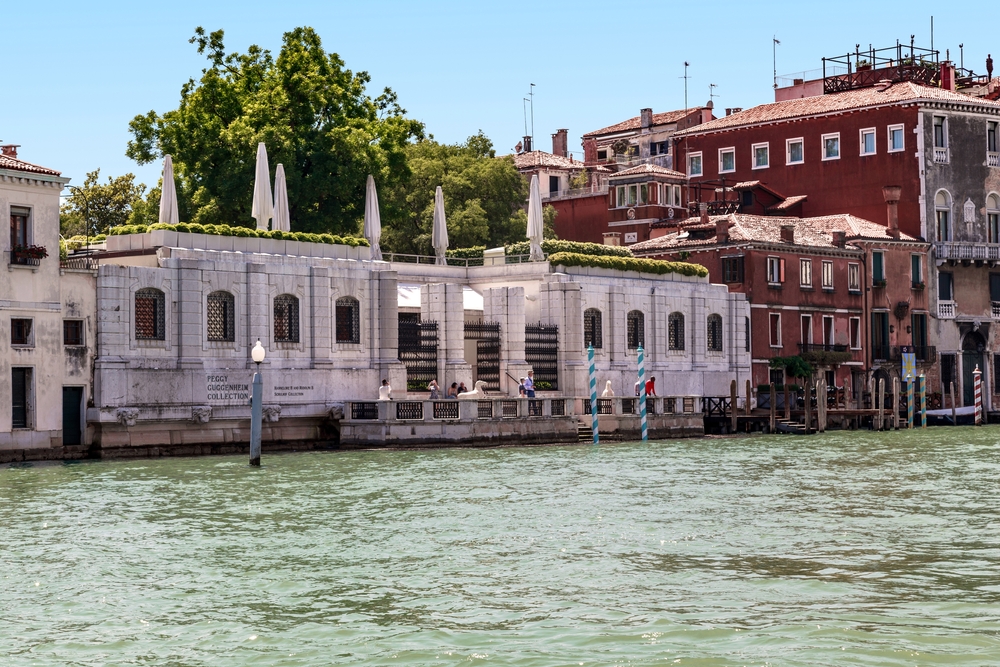
The American art collector Peggy Guggenheim lived for 30 years in Palazzo Venier dei Leoni on the Grand Canal, and today her home is one of Italy’s most important museums of modern art from the first half of the 20th century. Here you’ll see Cubism, Surrealism and abstract art by Picasso, Braque, Kandinsky, Magritte, Dalí, Miró and Jackson Pollock, among others. The garden has sculptures, and it’s also where Peggy Guggenheim is buried.
The museum is open from 10am to 6pm, with last entry at 5pm, but it’s closed on Tuesdays and on 25 December. A ticket costs €17 (about £14), over-70s pay €14 (about £12), and students under 26 pay €9 (about £8). Children under 10 go free. The museum recommends buying your ticket online with a fixed time slot.
Go out onto the terrace facing the Grand Canal, where Marino Marini’s equestrian sculpture stands looking out over the water. It’s one of the best views of the canal, and it’s included in the ticket. My tip is to combine the museum with the Accademia on the same day, because they’re only a few minutes’ walk apart. The Salute vaporetto stop is close by.
9. Dorsoduro and Santa Maria della Salute
Dorsoduro is a district I think a lot of people overlook. It’s quieter than San Marco, but it has big museums, the university and lively squares such as Campo Santa Margherita, where students sit with a spritz in the evening. Along the Zattere, the long waterfront facing the Giudecca Canal, you can walk in the sun and have an ice cream with a view of the island of Giudecca.
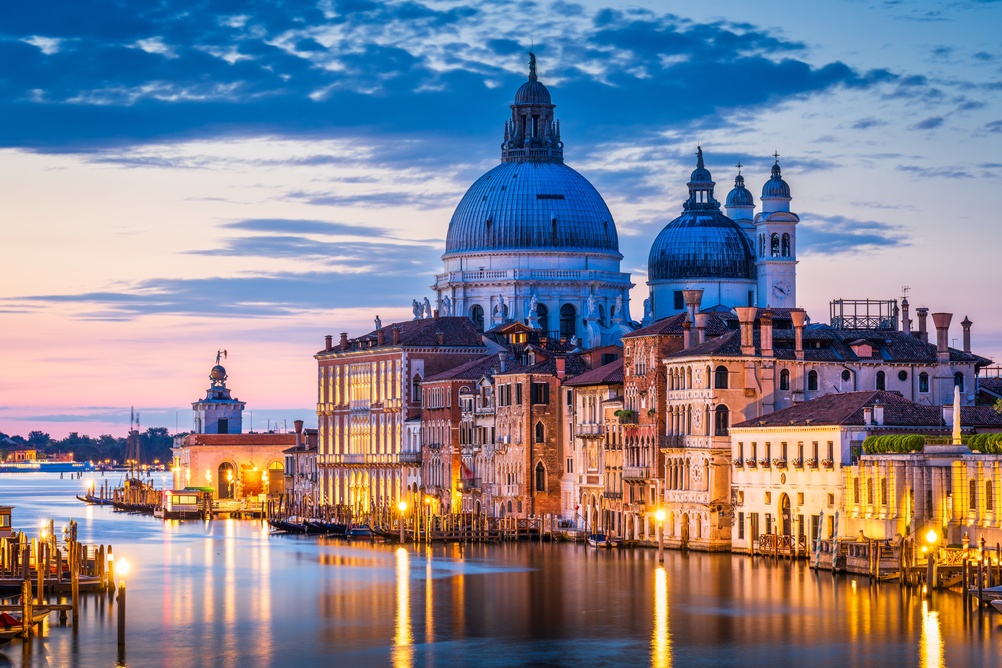
At the very tip of Dorsoduro stands Santa Maria della Salute, the big white baroque church with a dome that you can see from St Mark’s Square. It was built as thanks for the end of the plague of 1630. Entry to the church itself is free, and the church is open every day, while the sacristy with paintings by Titian and Tintoretto requires a ticket. Right next door is the old customs house, Punta della Dogana, which is now an exhibition space for contemporary art.
On the Rio di San Trovaso canal is the Squero di San Trovaso, one of the city’s few remaining boatyards, where gondolas are built and repaired, and you can see it from the other side of the canal. My tip is to end the day on the Zattere as the sun sets over Giudecca. Dorsoduro is also a good, quiet place to stay, and you can see hotels in Dorsoduro here.
10. Frari Church and Scuola Grande di San Rocco
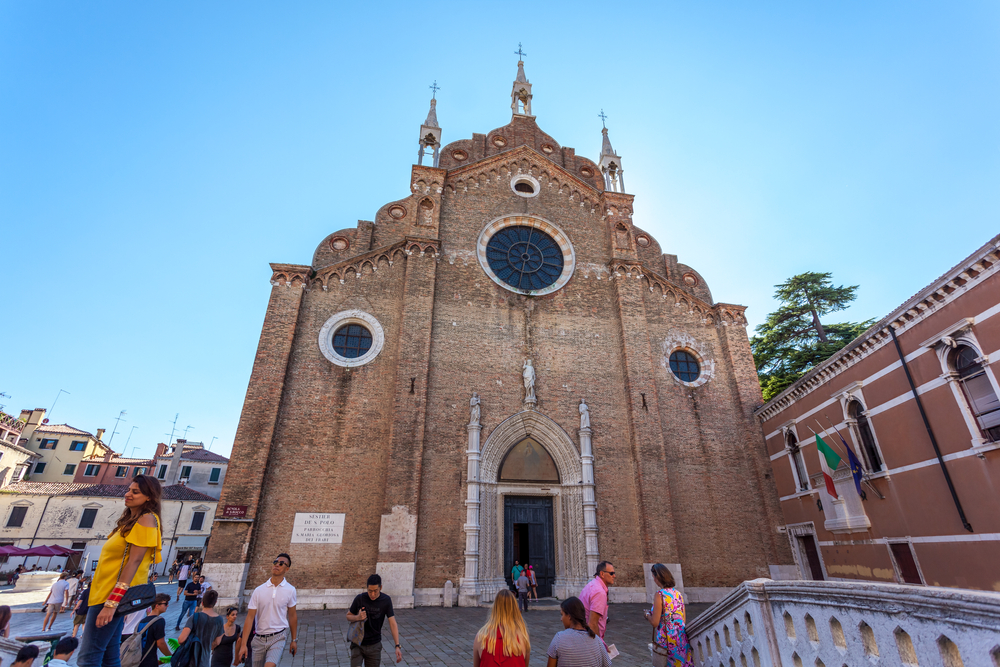
In San Polo, two of Venice’s greatest art experiences sit right next to each other. The Gothic brick church of Santa Maria Gloriosa dei Frari, which everyone calls the Frari, has Titian’s great altarpiece of the Assumption of the Virgin above the high altar, and Titian himself is buried in the church. You’ll also find Canova’s pyramid-shaped tomb here.
The Frari is open Monday to Friday from 9am to 7.30pm from late April to October and otherwise from 9am to 6pm, while on Saturdays it’s open from 9am to 6pm all year round. On Sundays and public holidays, it’s open from 1pm to 6pm. Entry costs €8 (about £7), over-65s pay €5 (about £4), and children up to 11 go free.
A couple of minutes’ walk away is the Scuola Grande di San Rocco, a confraternity whose building Tintoretto decorated with more than 50 paintings. The ceiling of the great hall on the first floor is so detailed that mirrors are laid out so you can see it without getting a sore neck. The Scuola Grande di San Rocco is open every day from 9.30am to 5.30pm, and a ticket costs €12 (about £10). Children aged 8 to 18 pay €3 (about £3). My tip is to see both on the same outing, because they’re almost door to door.
11. Teatro La Fenice
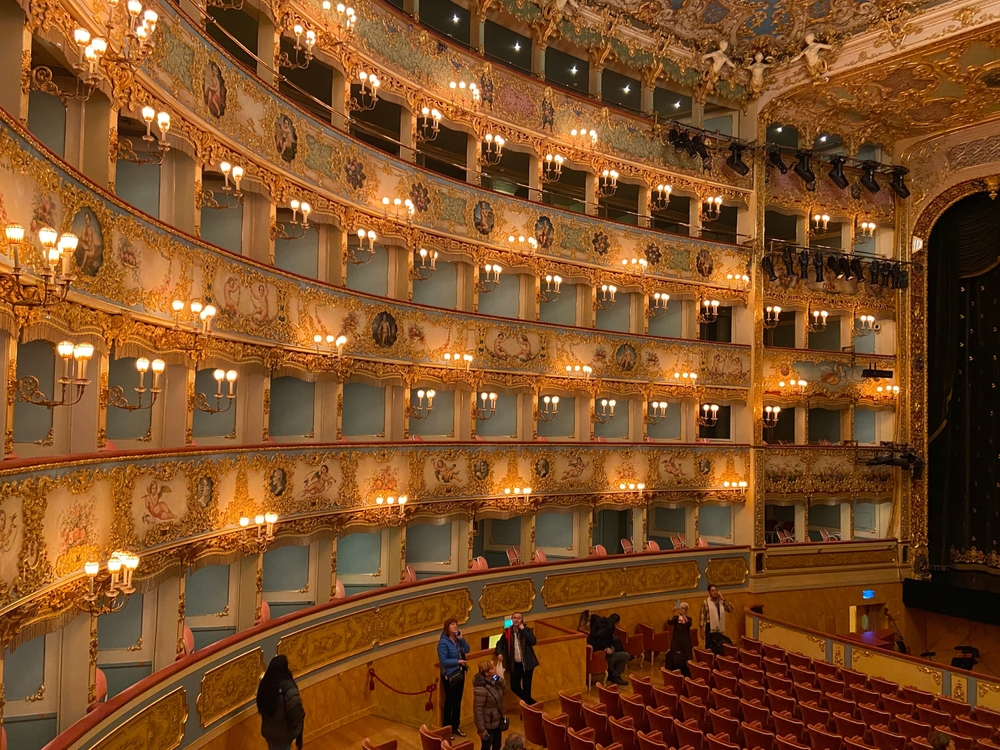
La Fenice is Venice’s opera house and one of the most famous in Italy. Verdi’s Rigoletto and La Traviata both had their world premieres here. The name means phoenix, which suits it well, because the theatre has burned down several times. The most recent fire was in 1996, and the theatre was rebuilt as it looked before the fire and reopened in 2003.
You can see the theatre on your own with an audio guide, even on performance days. A ticket costs €12 (about £10), over-65s pay €9 (about £8), and students aged 7 to 26 pay €7 (about £6). Children up to 6 go free. The ticket also gives you access to an exhibition about Maria Callas. The theatre is open for visits every day, but the times change around rehearsals and performances, so check the theatre’s website before you go.
My tip is to buy a ticket for a performance if you can, because sitting in the gilded auditorium in the evening is something completely different from seeing it with an audio guide during the day. The theatre is a few minutes’ walk from St Mark’s Square, so it’s easy to fit in on the way between St Mark’s Square and the Accademia.
12. Cannaregio and the Ghetto
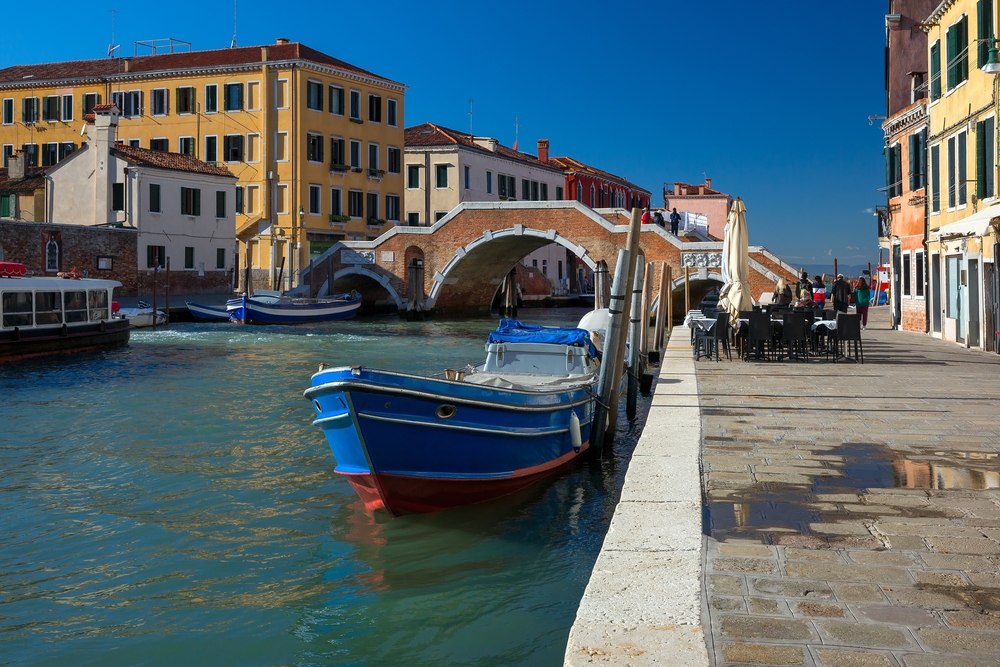
Cannaregio is the district where you’ll see the most of Venetians’ everyday life. Along the canals Fondamenta della Misericordia and Fondamenta degli Ormesini are bacari and small restaurants where the locals gather in the evening, and prices are lower than around San Marco. The district starts right by the railway station, so it’s also a practical place to stay.
Cannaregio is home to the Ghetto, which was established in 1516, when the city’s Jews were ordered to live in a confined area that was locked at night. The word ghetto comes from here and is derived from the Venetian word for a copper foundry that once stood on the site. The square Campo del Ghetto Nuovo is surrounded by unusually tall houses, because the only way to build was upwards. The Jewish Museum is open every day except Saturdays and Jewish holidays, normally from 10am to 5.30pm and on Thursdays from 11am to 6.30pm, and on the museum’s guided tours you get inside some of the historic synagogues.
My tip is to take a walk along the Misericordia at sunset and eat cicchetti along the way. If you’d like to stay in a local neighbourhood close to the train, you can see hotels in Cannaregio here.
Book a food and wine tour of the Ghetto and Cannaregio.
13. Castello and the Arsenale
Castello is Venice’s largest district and stretches east of St Mark’s Square. If you walk along the Riva degli Schiavoni waterfront away from the square, the tourists quickly thin out. Via Garibaldi is one of the few wide streets in the city, and here the washing hangs between the houses while the locals shop in small stores and sit on the benches.
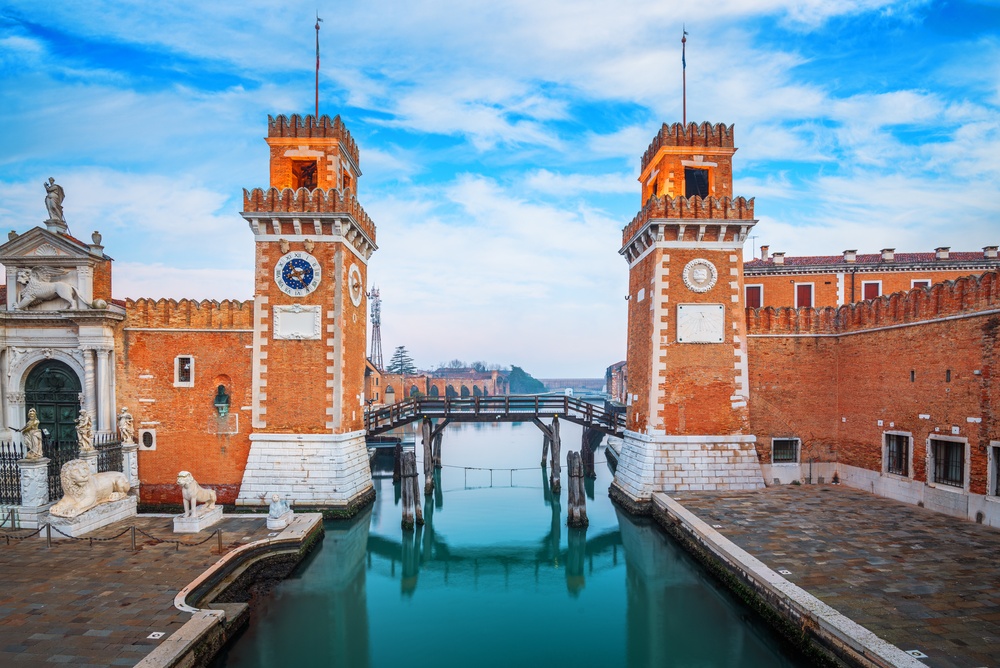
In the middle of the district is the Arsenale, the old shipyard, which in the Republic’s heyday was one of the largest industrial complexes in Europe. This is where the warships and merchant ships were built, and the gate with its towers and the stone lions in front makes a great photo. Both the Arsenale and the Giardini park further east are used for the Biennale, where the art biennale and the architecture biennale take turns filling the pavilions and shipyard halls from spring until November.
My tip is to walk all the way from St Mark’s Square out to the Giardini and take the vaporetto back. Castello is also a quiet place to stay close to the centre. From the Fondamente Nove waterfront on the north side of Castello and Cannaregio, the boats leave for Murano and Burano.
14. San Giorgio Maggiore
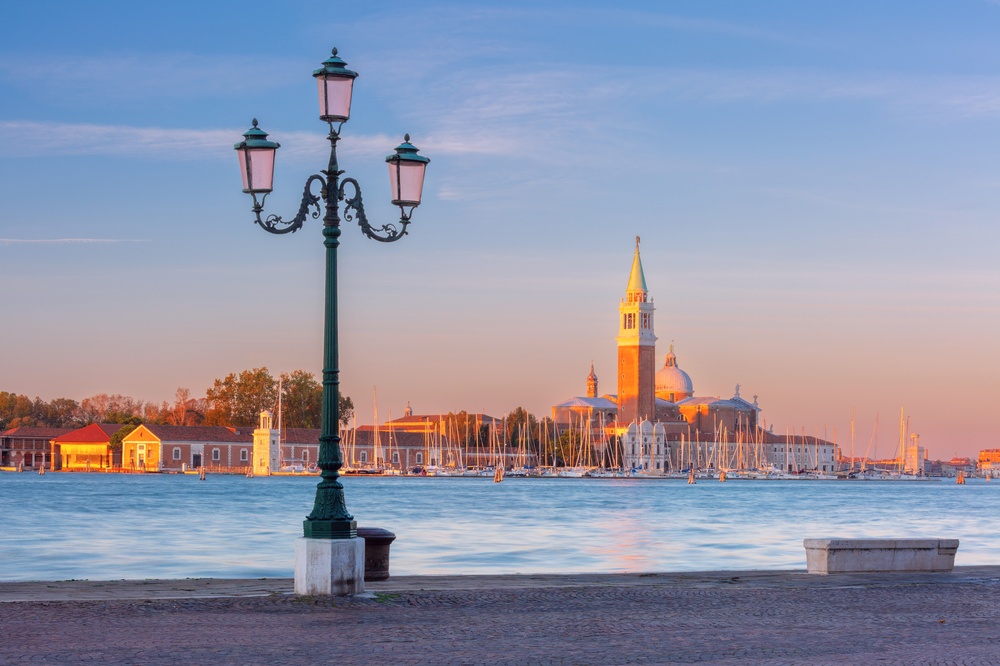
Directly opposite St Mark’s Square is the small island of San Giorgio Maggiore with Palladio’s white church. Construction began in 1566, and the facade is one of the finest examples of Palladio’s classical style. Inside the church hang two of Tintoretto’s late works, The Last Supper and The Gathering of the Manna.
The church is open every day from 9am to 6pm, and entry is free. The big trick is the bell tower, where a lift takes you up to a view over St Mark’s Square, the Doge’s Palace and the whole lagoon, and there are far fewer people queuing here than on St Mark’s Square. The tower can be closed for periods because of maintenance, so check the monastery’s website before you head over.
Vaporetto line 2 sails from San Zaccaria by the Doge’s Palace to San Giorgio in a few minutes. My tip is to go over late in the afternoon. The view from the quay in front of the church towards St Mark’s Square and the Doge’s Palace is one of the best views across to the city, and it’s free.
15. Murano
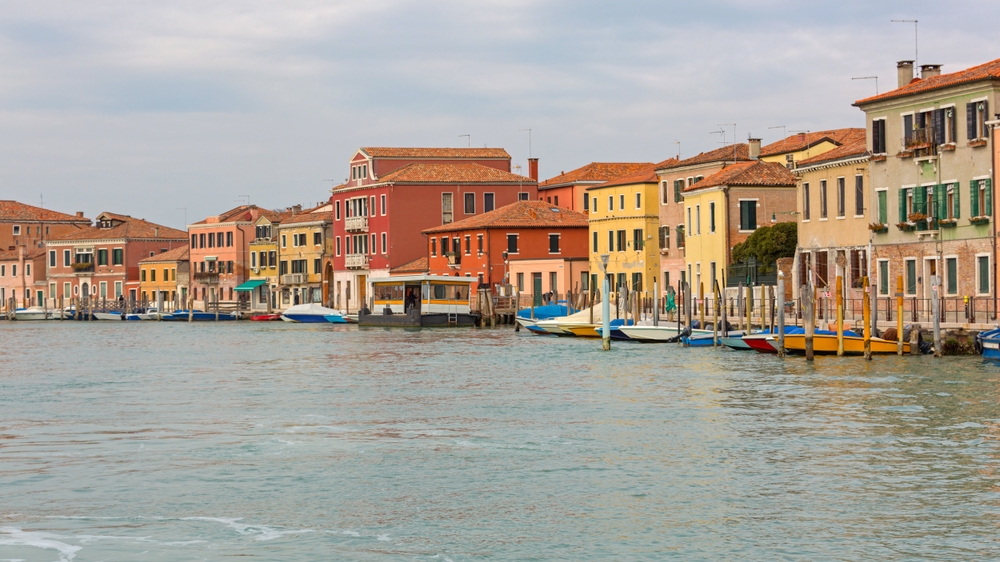
Murano is the island of glass. In 1291, the city’s glass furnaces were moved out to Murano to reduce the risk of fire in Venice, and glassblowers have worked here ever since. The island is like a little Venice with its own canals, and along them you’ll find one glass workshop and shop after another.
In several workshops, you can watch a glassblower at work, and in some places it’s free, while others charge an entrance fee. The official glass museum, Museo del Vetro, shows glass from several thousand years and costs €15 (about £13). It’s open every day from 10am to 6pm from April to October and from 10am to 5pm the rest of the year. The combined ticket I Musei delle Isole for €20 (about £17) is also valid at the lace museum on Burano and the museum on Torcello.
Be aware that not all the glass sold as Murano glass is made on the island. Buy from the workshops where you see the glass being made, and look for the Vetro Artistico Murano mark. The water buses from Fondamente Nove sail to Murano in about 10 minutes. My tip is to do Murano and Burano on the same day.
Book a boat trip to Murano and Burano with a glassblowing demonstration.
16. Burano and Torcello
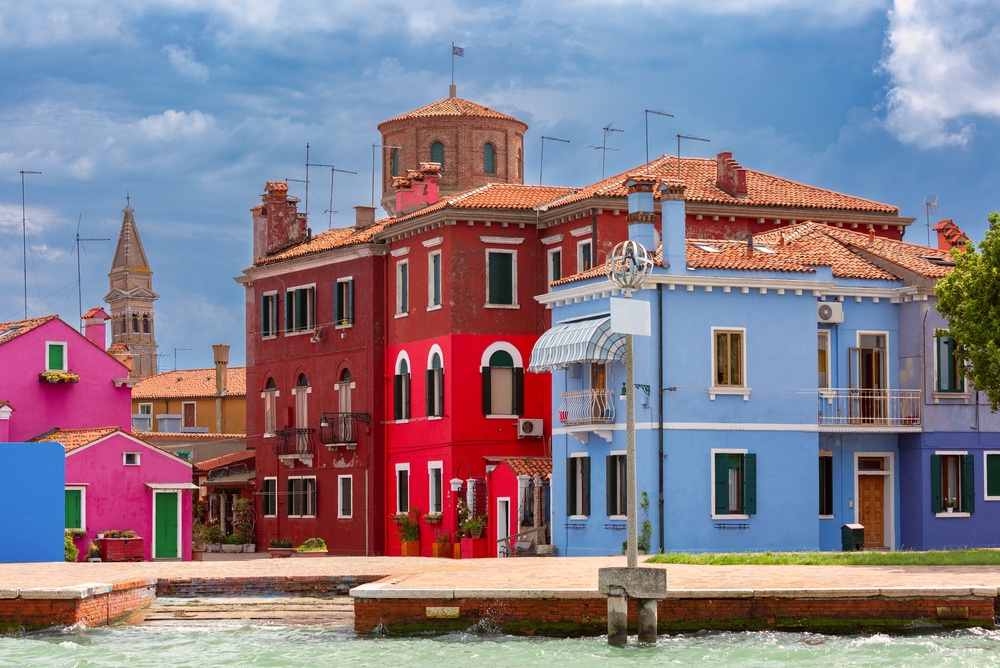
Burano lies further out in the lagoon and is known for its brightly painted houses and its handmade lace. According to the story, the fishermen painted their houses in different colours so they could find their way home in the fog. The island is small, and you can walk around it in an hour or two, but it’s the colours, the canals and the leaning church tower you come for.
At the lace museum, Museo del Merletto, you can see how lace was made by hand. The museum is open from 10am to 4pm, with last entry at 3.30pm, and it’s closed on Mondays, and a ticket costs €7 (about £6). Line 12 sails from Fondamente Nove to Burano, and the trip takes about 45 minutes.
From Burano, it’s only a short boat ride to Torcello, which was one of the first settlements in the lagoon. Today almost nobody lives on the island, but the cathedral of Santa Maria Assunta still stands with its large Byzantine mosaics, including a huge Last Judgement scene. My tip is to stay on Burano until late in the afternoon, when many of the groups have sailed back, and eat fish at one of the island’s restaurants.
17. Lido
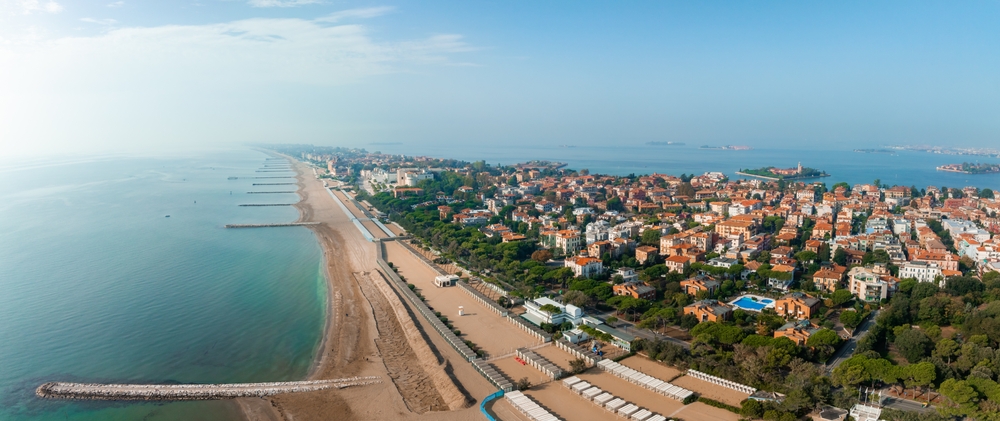
The Lido is the long, narrow island that separates the lagoon from the Adriatic Sea, and it’s Venice’s beach. Cars and buses run here, and there are wide streets with Art Nouveau villas, so it feels completely different from the rest of the city. Along the sea side is the sandy beach, where a large part is divided into beach clubs with sunbeds and parasols for hire, but there are also public beaches.
Every late summer, the Venice Film Festival is held on the Lido, and Thomas Mann’s Death in Venice is also set on the island. If you’d like to combine a city break with the beach, the Lido is a good place to stay with more peace and space than in the centre, and you can see hotels on the Lido here.
The vaporetto sails from San Zaccaria by St Mark’s Square to the Lido in about 15 minutes, and the day pass is valid here too. My tip is to hire a bike and cycle south along the island, where it gets quieter, all the way down to the little fishing village of Malamocco. In summer, the Lido is the easiest place for a beach day when the city gets too hot.
18. Day Trip to Verona
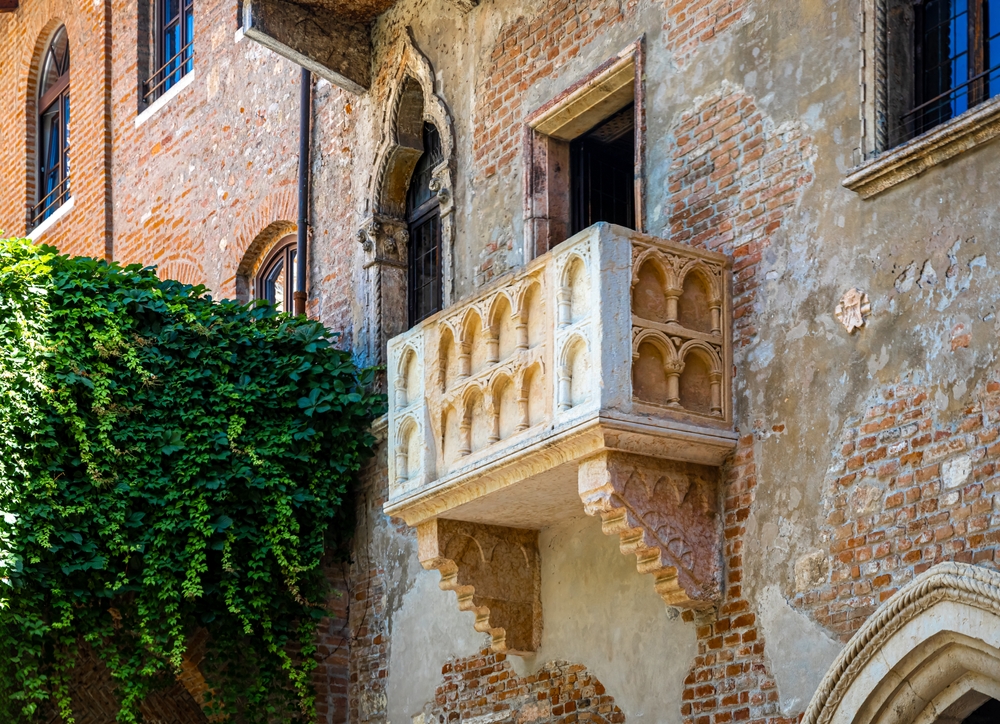
Verona is about an hour and a half from Venice by regional train and is the obvious day trip if you’d also like to see another city. The city is best known as the setting for Shakespeare’s Romeo and Juliet, and at the Casa di Giulietta stands the balcony that tourists photograph every day. The balcony isn’t genuine, though, because it was only added in the 20th century.
The biggest sight is the Arena, a Roman amphitheatre from the first century that’s still in use, and in summer there’s opera under the open sky. Around the Arena is the Piazza Bra, and in the old town centre you’ll find the Piazza delle Erbe with its market stalls and the Torre dei Lamberti tower with a view over the rooftops.
Trains run from Venezia Santa Lucia to Verona Porta Nuova many times a day, and on the fast trains the journey takes just over an hour. If you’d like to stay a night or two, I’ve also written about where to stay in Verona. If you don’t want to plan it yourself, there are day trips from Venice that combine Verona with Sirmione on Lake Garda.
Book a day trip to Verona, Sirmione and Lake Garda from Venice.
Practical Travel Tips for Venice
In the historic city, you walk or go by boat, because there are no cars. The distances are short, but the streets are narrow and winding, so expect to get lost a few times. A day pass for the water buses pays off if you’re taking several trips, and it’s also valid to the Lido, Murano and Burano. The streets are called calle and the squares are called campo, and the yellow signs with arrows pointing to Rialto and San Marco help you find your way.
On selected days, especially at weekends and on public holidays from spring to summer, day-trippers have to pay an access fee to enter the historic city during the day from 8.30am to 4pm. The fee has been €5 (about £4) if you pay well in advance and €10 (about £8) if you pay close to the day. If you’re staying overnight in Venice, you don’t have to pay, but you do have to register to get the exemption. The dates and rules are set by the city council, so check the city’s official page on the access fee before you travel.
Plan around the days of the week. The Peggy Guggenheim Collection is closed on Tuesdays, the lace museum on Burano is closed on Mondays, and the Accademia has different opening hours on Mondays. St Mark’s Basilica doesn’t open until 2pm on Sundays, the fish market at the Rialto isn’t open on Sundays and Mondays, and the Jewish Museum is closed on Saturdays. You should book St Mark’s Basilica and the Doge’s Palace online well in advance. Spring and autumn are the best times to travel, and from autumn to winter, high water, acqua alta, can flood the lowest-lying parts of the city for a few hours.
If you’d like to see the full range, you can see all hotels in Venice on Booking.com. If you’re travelling on around Italy, take a look at my picks of the best things to do in Florence too.
Travel ressources & websites I use all the time 👇
• Booking.com has the best offers on hotels and unique places to stay
• GetYourGuide is the best place to book tours & activities with free cancellation
• Welcome Pickups is the best & safest place to pre-book airport transfers
Psst 👀 Have you subscribed to my Youtube channel and my Instagram where I provide more useful travel tips?