

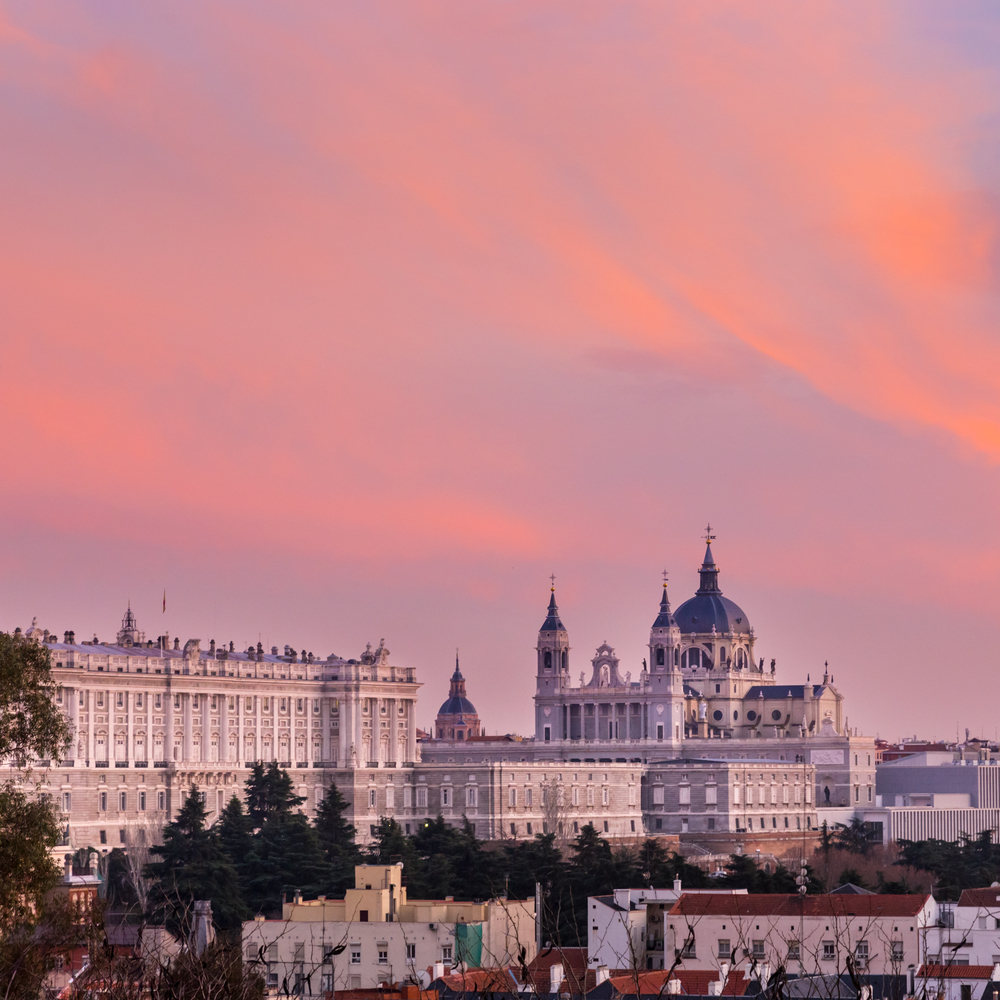
Madrid sits almost in the very middle of Spain, and some of Europe’s finest art museums are gathered within a few hundred metres of each other along the Paseo del Prado boulevard. The boulevard and the large Retiro Park were added to UNESCO’s World Heritage List in 2021, and from the museums it’s a short walk to the Royal Palace, the old squares of the Old Town and the tapas bars of La Latina. It’s also a city where people eat late and go to bed even later.
Here are my picks for the 18 best things to see and do in Madrid, with prices, opening hours and tips on what to book before you go. Prices are in euros. The Prado Museum and the Thyssen-Bornemisza have free hours, and several sights close on one fixed day a week, so read the sections before you plan your days. At the end, I’ve gathered practical tips on transport, mealtimes and accommodation.
Contents
1. The Prado Museum
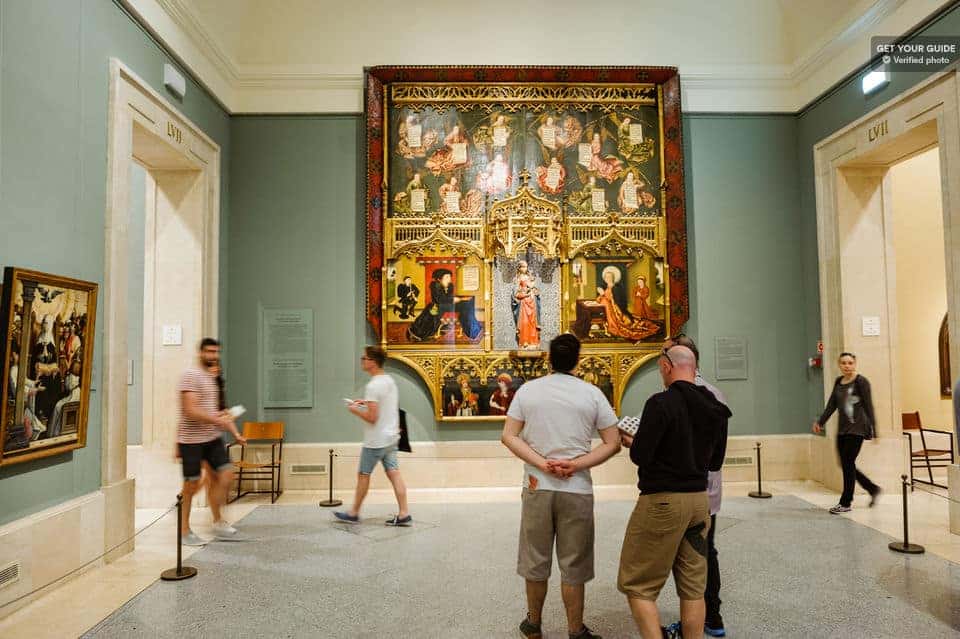
The Prado Museum opened in 1819 and is Spain’s most important art museum. The collection is built on the art of the Spanish kings, which is why Velázquez, Goya and El Greco in particular are represented by their most important works. The most famous painting is Velázquez’s Las Meninas, but give yourself time for Goya’s dark late paintings and for Hieronymus Bosch’s The Garden of Earthly Delights too.
A ticket costs €15 and covers both the collection and the temporary exhibitions. The museum is open Monday to Saturday from 10am to 8pm and on Sundays and public holidays from 10am to 7pm. It’s closed on 1 January, 1 May and 25 December. For the last two hours before closing, entry to the collection is free, but the free tickets are only handed out at the ticket office, and only while there’s space.
When you buy a ticket, you choose a fixed entry time. The queue for the free hours gets long, so if you want to see Las Meninas without the crowds, a ticket for opening time at 10am is worth the money. The nearest metro stations are Banco de España and Estación del Arte.
Book a guided tour of the Prado Museum with a skip-the-line ticket.
2. The Royal Palace (Palacio Real)
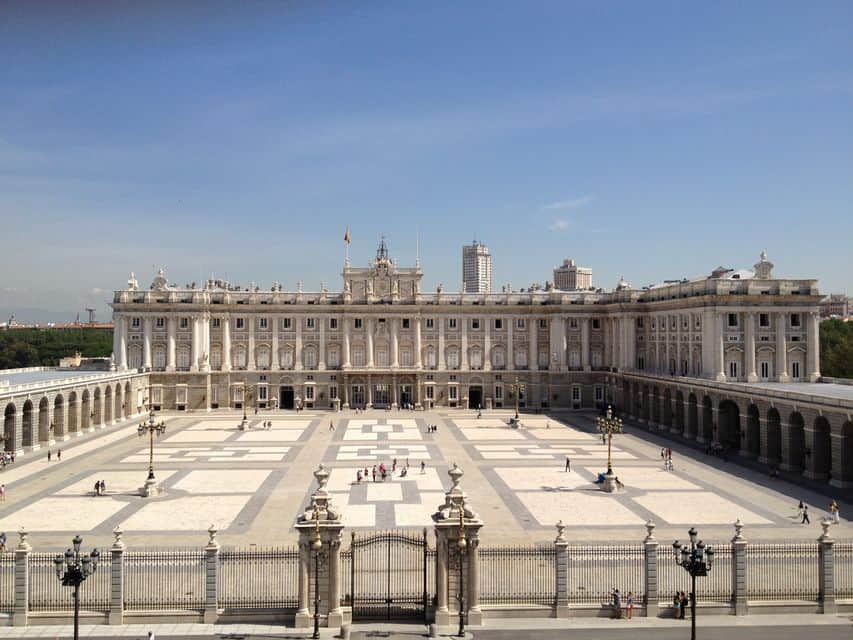
The Royal Palace is the Spanish royal family’s official residence in Madrid, but the family lives outside the city, and today the palace is used for state visits and official ceremonies. On the tour, you walk up the grand staircase and through the Throne Room and the royal apartments, and outside, the large Plaza de la Armería square lies between the palace and Almudena Cathedral.
A ticket without a guide costs €18, and a guided tour costs €26. From October to March, the palace is open Monday to Saturday from 10am to 6pm and on Sundays from 10am to 4pm. From April to September, it doesn’t close until 7pm Monday to Saturday. The ticket office closes an hour before the palace. The palace is closed on 1 and 6 January, 1 May and 25 December, and it can also close for official events.
From Monday to Thursday, entry is free for citizens of the EU and Latin America in the last hours of the day, from 4pm to 6pm in winter and from 5pm to 7pm in summer. You have to show your passport at the ticket office, and the queue is long, so if you want to be sure of getting in, it’s better to buy a ticket for a fixed time. Take the metro to Ópera.
Book a skip-the-line guided tour of the Royal Palace.
3. Retiro Park
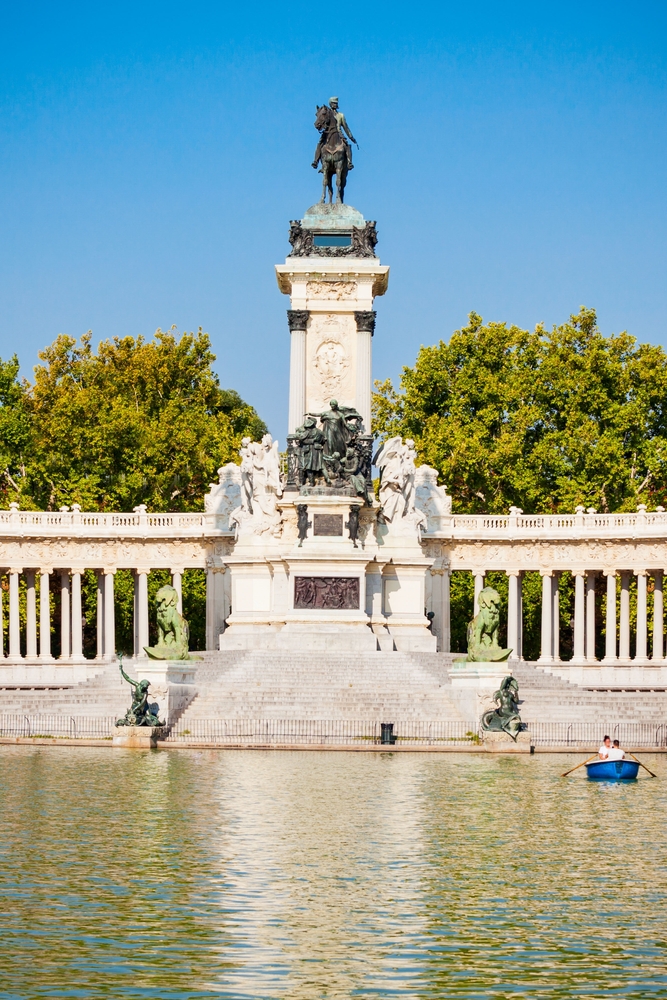
Parque del Buen Retiro was originally the garden of a royal palace, and today it’s Madrid’s great green lung, covering around 120 hectares just east of the Prado Museum. Together with the Paseo del Prado, the park was added to UNESCO’s World Heritage List in 2021.
In the middle of the park lies the Estanque Grande lake with the large monument to King Alfonso XII. Here you can rent a rowing boat for up to four people for 45 minutes for €6 on weekdays and €8 at weekends and on public holidays. The boats can be booked in advance in the Madrid Móvil app, and the rental takes a break from 2pm to 3.15pm.
Also stop by the La Rosaleda rose garden and the Ángel Caído statue, which, according to the city’s tourist office, is the only sculpture in the world dedicated to the devil. The Palacio de Cristal glasshouse from 1887 and the Palacio de Velázquez exhibition building belong to the Reina Sofía and can be closed for long periods for restoration, so check the Reina Sofía’s website before you count on getting in. The park is free and is open from 6am to 10pm from October to March and until midnight from April to September. The nearest metro stations are Retiro and Atocha.
4. Plaza Mayor
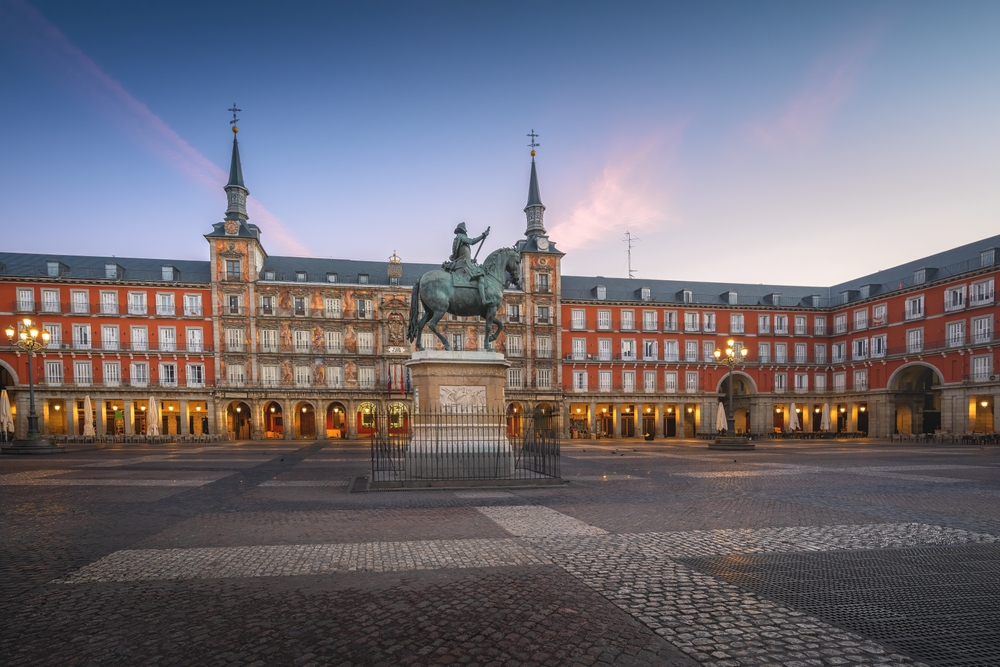
Plaza Mayor is Madrid’s large, enclosed square in the Old Town. It stands where the city’s most popular market was held in the late 15th century, and in 1617 the architect Juan Gómez de Mora was given the task of giving the buildings a uniform look. After a devastating fire in 1790, Juan de Villanueva rebuilt the square and closed off the corners, so today you enter through one of nine archways.
The finest building is the Casa de la Panadería with its painted facades. It was built around 1590 and today houses the city’s tourist office, where you can pick up maps and get help. In the middle of the square stands the equestrian statue of Philip III, which Pietro Tacca completed in 1616. From late November to 31 December, the square hosts a Christmas market.
The square is free and always open. The cafés under the arcades are expensive, so stick to a cup of coffee and eat in the side streets instead. The classic snack in the area is a bocadillo de calamares, a sandwich filled with fried squid rings. The nearest metro stations are Sol and Ópera. If you’d like to hear the stories behind it all, a guided walking tour is a good way to get your bearings on your first day.
Book a guided walking tour of Madrid’s Old Town.
5. Puerta del Sol
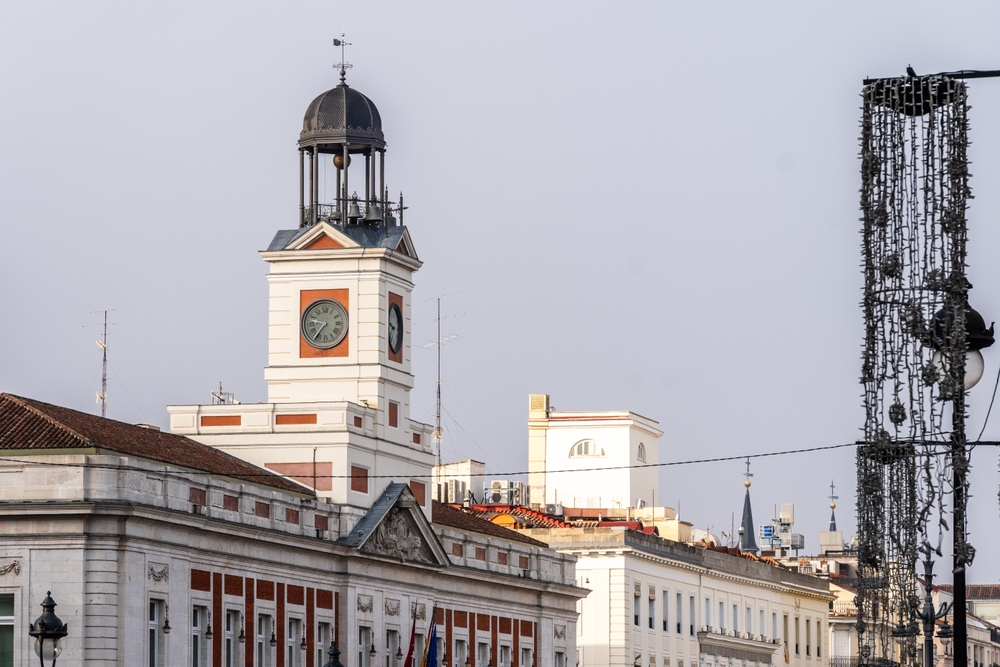
Puerta del Sol is a semicircular square where Calle Mayor, Calle del Arenal, Calle de Alcalá and Calle de Preciados meet, and one of the city’s gates once stood here. The square is Madrid’s centre point and favourite meeting place, and it’s full of people from morning until late at night.
The red brick building with the clock is the Casa de Correos, which houses the regional government of Madrid. When the clock strikes twelve on New Year’s Eve, Spaniards eat one grape for each chime, a tradition that’s more than 100 years old. Set into the pavement in front of the building is the Kilometre Zero plaque, the starting point for all of Spain’s main radial roads.
At the start of Calle de Alcalá stands the statue of the bear and the strawberry tree, El Oso y el Madroño, which is the city’s official symbol and a popular meeting point. The equestrian statue in the middle of the square depicts Charles III, who was nicknamed Madrid’s best mayor. The square is free, and Sol station underneath it has both metro and commuter trains. Keep a good grip on your bag when it’s crowded.
6. Museo Reina Sofía
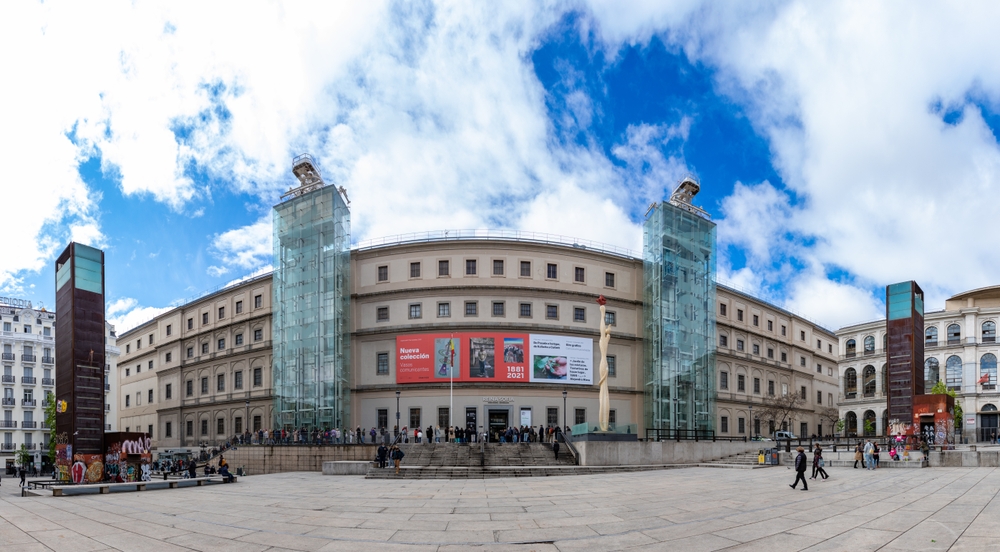
Museo Reina Sofía is Spain’s national museum of art from the 20th century onwards, and it’s next to Atocha station at the southern end of the Paseo del Prado. The main attraction is Picasso’s Guernica, about the bombing of the Basque town in 1937, and the collection also has many works by Salvador Dalí and Joan Miró. The museum is made up of the old Sabatini Hospital and a modern extension designed by Jean Nouvel.
A ticket costs €12 and covers the whole museum. It’s open on Mondays and from Wednesday to Saturday from 10am to 9pm and on Sundays from 10am to 2.30pm, and the museum is closed on Tuesdays. It’s also closed on a number of public holidays, including 1 and 6 January, 1 May and 24, 25 and 31 December.
If you’re going to see all three of the big art museums, the Paseo del Arte card for €32.80 can pay off. It’s valid for a year and gives entry to the Reina Sofía, the Prado Museum and the Thyssen-Bornemisza, and the three tickets would otherwise cost €41 in total. Guernica always draws the biggest crowds, so head straight there when the museum opens. The nearest metro station is Estación del Arte.
7. Museo Thyssen-Bornemisza
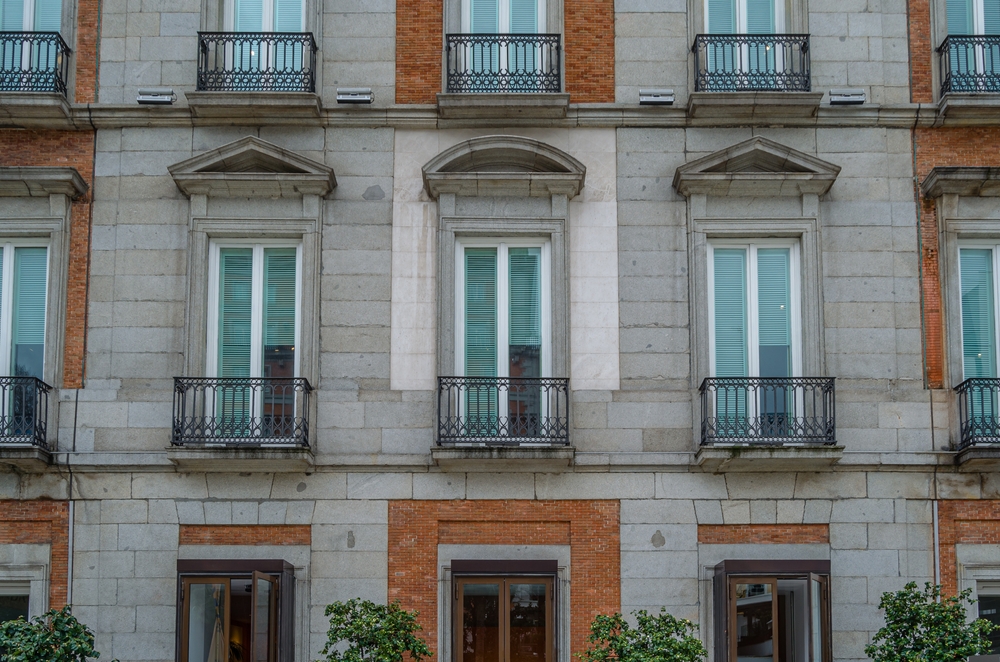
The Thyssen-Bornemisza is diagonally opposite the Prado Museum and is the third of the big art museums along the Paseo del Prado. The collection was built up by the Thyssen-Bornemisza family and fills the gaps between the other two museums, so in a couple of hours you can go from medieval Italian paintings through the Dutch masters to the Impressionists and American pop art.
A ticket to the collection costs €14. From September to June, the museum is open on Mondays from noon to 4pm, Tuesday to Friday from 10am to 7pm, on Saturdays from 10am to 11pm and on Sundays from 10am to 7pm. In July and August, it stays open until 9pm Tuesday to Friday. The museum is closed on 1 January, 1 May and 25 December.
On Mondays from noon to 4pm, entry is free, and it’s also free on Saturday evenings from 9pm to 11pm. These are the museum’s busiest times, though, so if you want some peace in front of the paintings, you should pay and come on a midweek morning. The nearest metro station is Banco de España.
8. Gran Vía
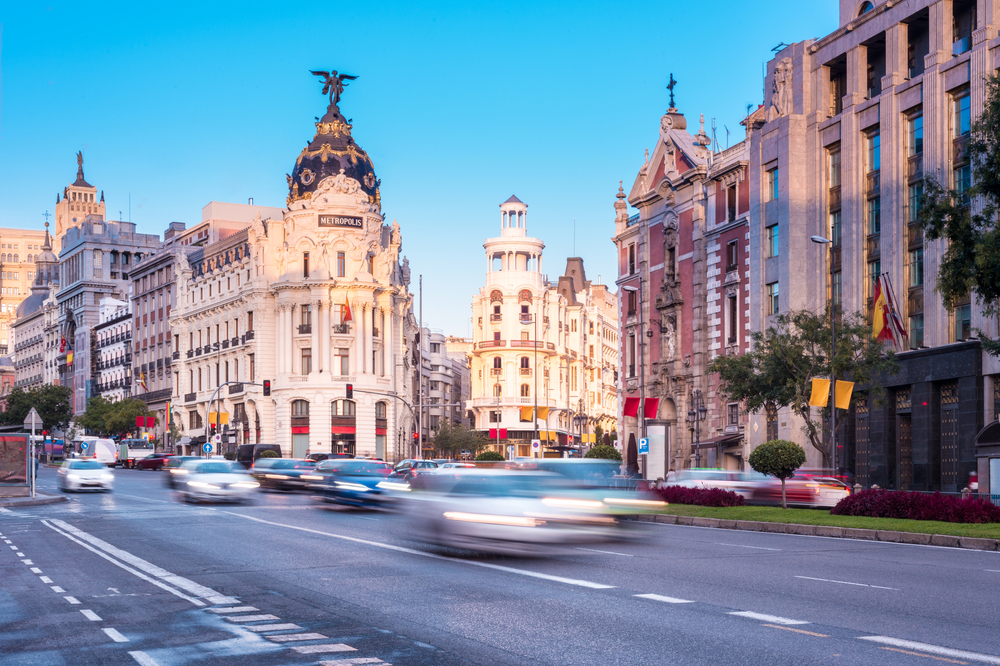
Gran Vía is Madrid’s grand boulevard, and it was built between 1910 and 1931 to modernise the city. The street was cut through old neighbourhoods and got Spain’s first skyscrapers, so a walk here is a tour of early 20th-century architecture.
At the eastern end stands the Metrópolis Building with its round dome, and further up the street you pass the Telefónica Building, the Edificio Capitol on Plaza del Callao and the old Cine Callao cinema. Gran Vía is also the city’s theatre street, with big musicals in Spanish, and it’s one of the busiest shopping streets in Madrid.
Walking along Gran Vía costs nothing, and the street is at its most beautiful at dusk, when the neon signs light up. There are metro stations all the way along: Banco de España, Gran Vía, Callao, Santo Domingo and Plaza de España. If you want to see the street from above, save that for the rooftop terrace at Círculo de Bellas Artes, which I cover further down.
9. Almudena Cathedral
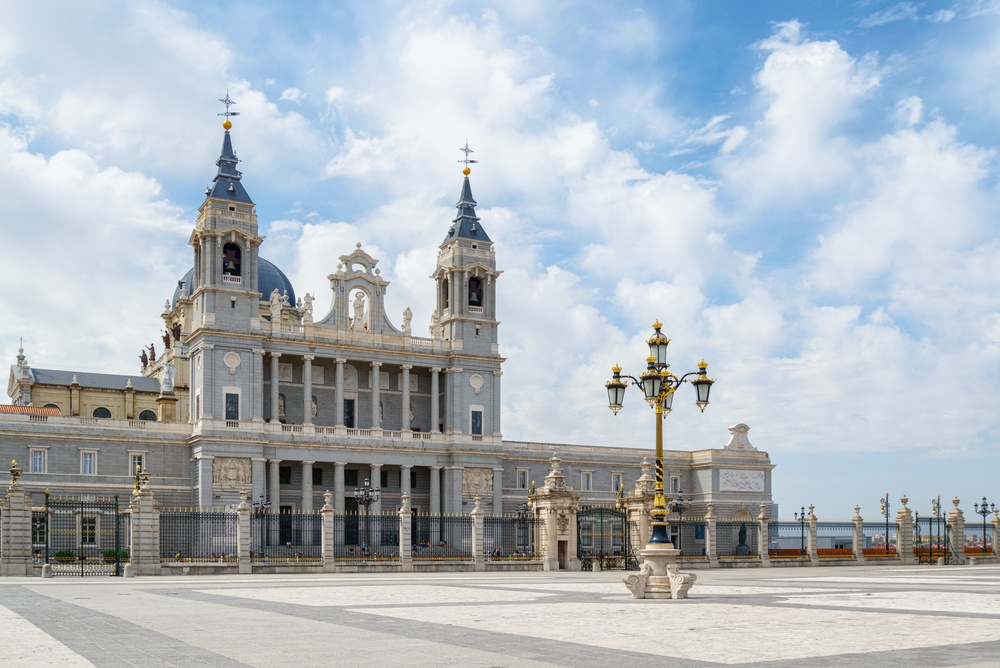
Almudena Cathedral stands directly opposite the Royal Palace on the other side of Plaza de la Armería, so it makes sense to see the two on the same day. The cathedral is young by European standards. The foundation stone was laid in 1883, and Pope John Paul II didn’t consecrate it until 1993, so inside there’s modern, colourful decoration that contrasts with the classical facade.
The church itself is free, but a donation of €1 is requested. It’s open Monday to Friday from 10am to 2pm and again from 4.30pm to 8pm, and on Saturdays, Sundays and public holidays from 10am to 8pm.
The best part of the visit is the dome. A ticket to the cathedral museum costs €8 and also gives access to the sacristy, the chapter house and the dome, where you can look out over the palace and the city. The museum is open Monday to Saturday from 10am to 2.30pm and is closed on Sundays and religious holidays. Take the metro to Ópera.
10. The Temple of Debod
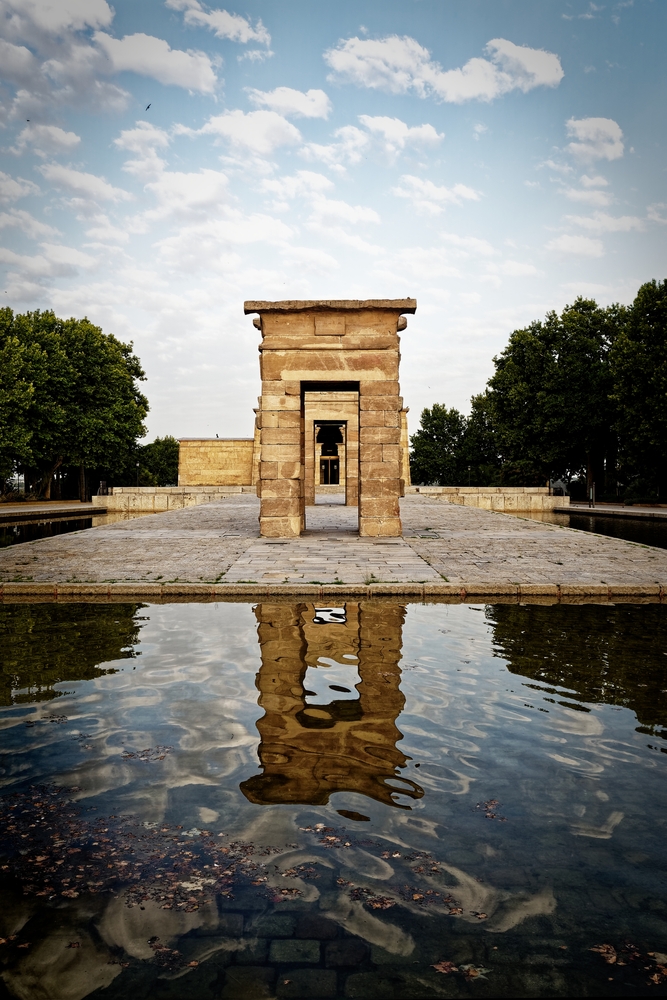
The Temple of Debod is a genuine Egyptian temple that was built in the 2nd century BC as a chapel for the god Amun and the goddess Isis. When the Aswan Dam was about to be built, Egypt asked for international help to save its temples from flooding, and as thanks for Spain’s contribution, Madrid was given the temple. It was moved here stone by stone and opened to the public in 1972.
The temple stands in the park at Cuartel de la Montaña near Plaza de España. Entry is free, but no more than 30 people are allowed inside at a time, and a visit lasts no more than 30 minutes. It’s open Tuesday to Sunday from 10am to 8pm, and from 15 June to 15 September, the temple closes at 7pm. It’s closed on Mondays, and the tourist office recommends booking a ticket in advance.
The park around the temple is one of the best places in the city to watch the sunset, and it’s open even when the temple itself is closed. Arrive half an hour before the sun goes down, because on warm evenings people quickly fill the edge of the pool. Take the metro to Plaza de España or Ventura Rodríguez.
11. Mercado de San Miguel
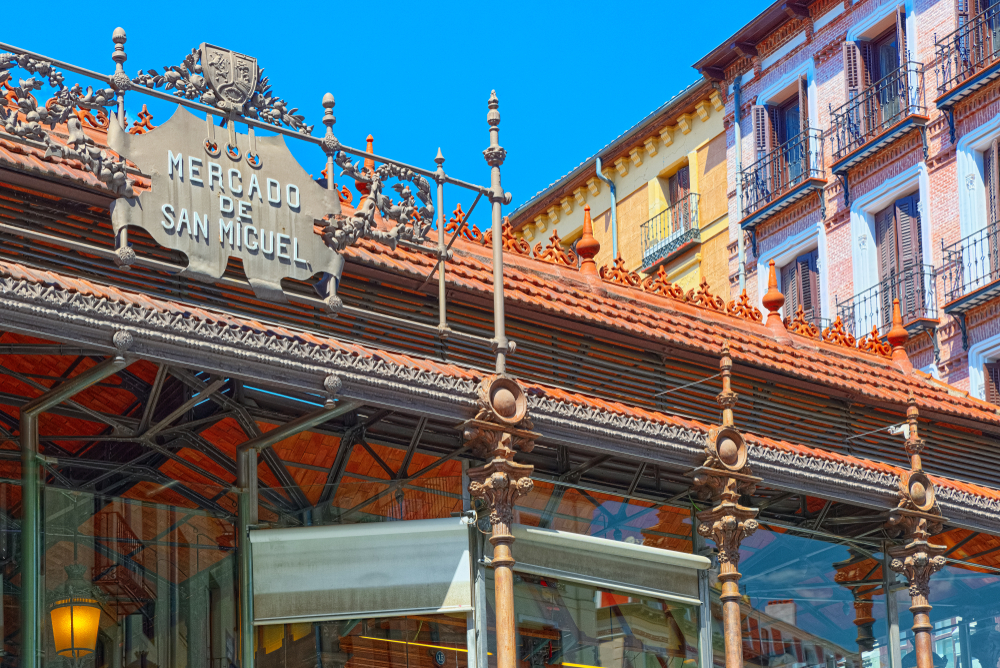
Mercado de San Miguel is just west of Plaza Mayor in an iron and glass building that opened as an ordinary food market more than 100 years ago. Today it’s a gourmet market with more than 20 stalls, where you can eat your way through tapas, ham, olives, oysters and vermouth at high tables.
The market is open Sunday to Thursday from 10am to midnight and on Fridays, Saturdays and the day before public holidays from 10am to 1am. There’s no entry fee, so you only pay for what you eat and drink.
I’ll be honest: San Miguel is beautiful, but it’s also overcrowded and expensive compared with the tapas bars in La Latina a little further south. Come before lunch if you want a place at the tables, and use the market for a few tastings rather than a full meal. If you’d rather eat where the locals eat, a tapas tour with a local guide is a good option.
Book a tapas tour in Madrid with 10 tapas and 4 drinks.
12. Santiago Bernabéu
Santiago Bernabéu is Real Madrid’s home ground, and the stadium has been completely renovated with a new steel facade and a retractable roof. Even if you’re not that into football, the stadium tour is one of the most popular experiences in Madrid.
The tour includes the club’s museum with the trophies, a panoramic view over the stadium, the dressing rooms and the players’ benches. Tickets cost from €37 online and €40 at the ticket office. It’s open Monday to Saturday from 9am to 7pm and on Sundays and public holidays from 9.30am to 6.30pm, and the tour is only closed on 25 December and 1 January.
On match days, you can only take the tour until five and a half hours before kick-off, and the dressing rooms and benches are closed both on the match day and the day before. So check the fixture list before you book. The stadium is in Chamartín, north of the centre, and Santiago Bernabéu metro station is right next to it.
Book a ticket for the Tour Bernabéu.
13. El Rastro
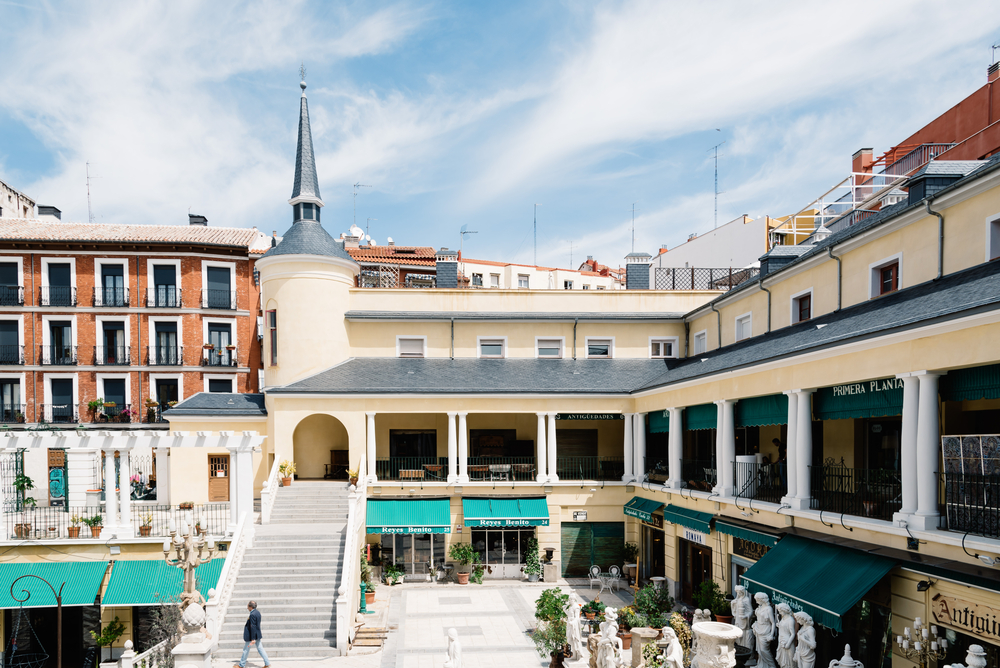
El Rastro is Madrid’s big flea market in the La Latina district. The name means trail, and it dates back to the time when there were slaughterhouses in the area and the slaughtered animals left a trail down the street.
The market is held every Sunday and on public holidays from 9am to 3pm. It fills the street Ribera de Curtidores from Plaza de Cascorro down towards Ronda de Toledo, plus the side streets around it, and you’ll find everything from antiques and vinyl records to clothes, bags and cheap souvenirs. On the first Saturday of the month, there’s also a separate market, Los Sábados de El Rastro, on Plaza del General Vara del Rey from 10am to 2.30pm, though not in July and August.
Come early, because by late morning the streets are packed. Keep a good grip on your bag in the crush. After the market, many madrileños head to the tapas bars in the streets around Cava Baja in La Latina, and it’s a good Sunday tradition to copy. Take the metro to La Latina or Tirso de Molina.
14. The Rooftop Terrace at Círculo de Bellas Artes
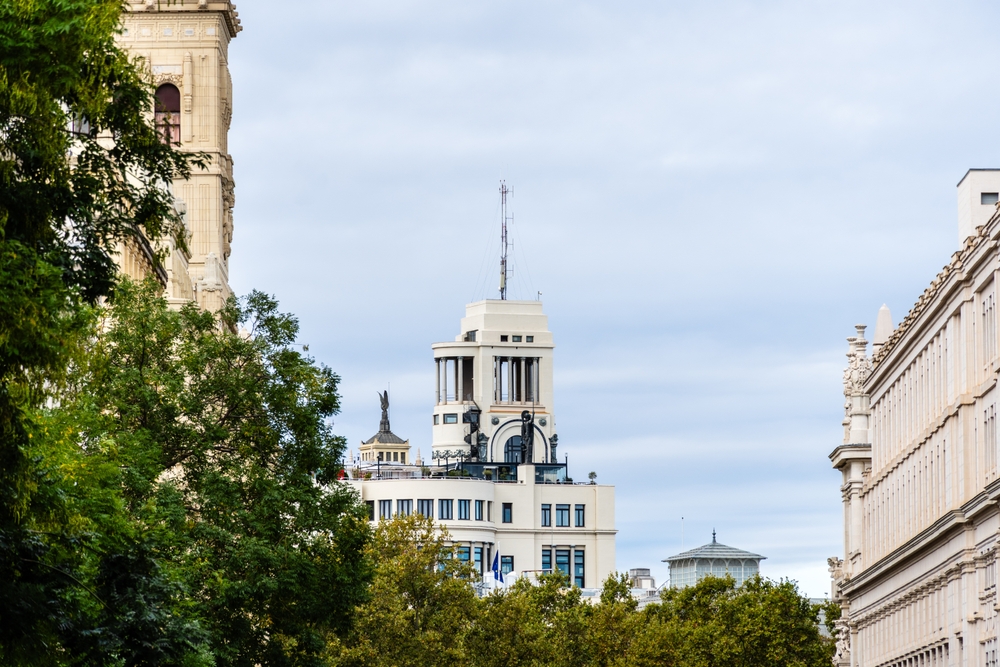
Círculo de Bellas Artes is a cultural centre on Calle de Alcalá near Gran Vía, and on its roof it has one of the city’s best viewing terraces. The association was founded in 1880, and the current building was designed by Antonio Palacios and inaugurated by King Alfonso XIII in 1926.
Access to the roof costs €6, and it’s open from 10am to 1.30am Sunday to Thursday and until 2am on Fridays and Saturdays. From the terrace, you look straight down on the dome of the Metrópolis Building and out over Gran Vía and the rooftops of the centre.
There’s a bar on the roof, but drinks aren’t included in the price. Come an hour or so before sunset, so you get both the daylight and the city lights as darkness falls. On weekend evenings, there can be a queue for the lift up to the terrace. The nearest metro stations are Banco de España and Sevilla.
15. Flamenco in a Tablao
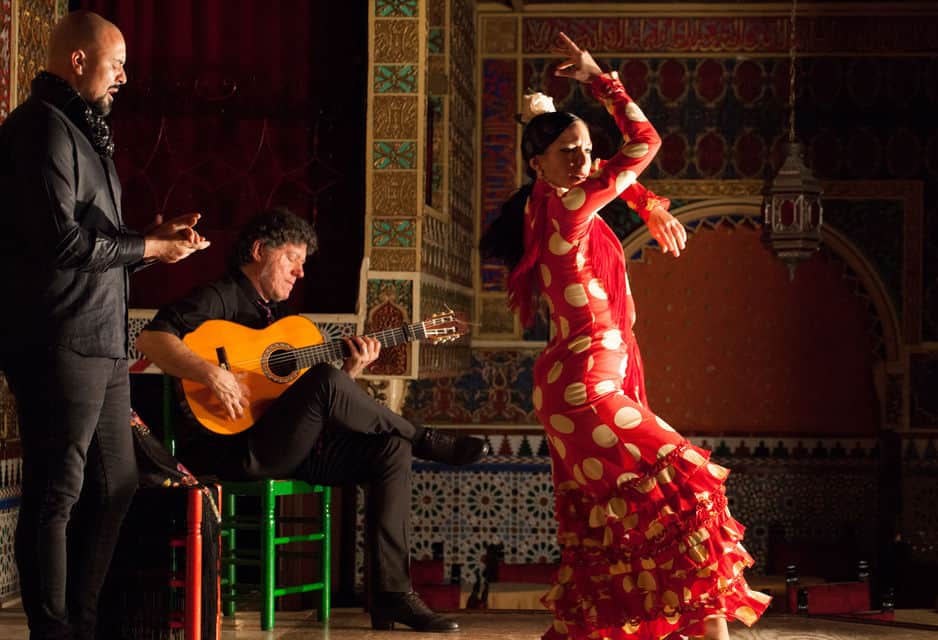
Flamenco comes from Andalusia, but Madrid has many tablaos, the small stages where singers, guitarists and dancers perform close to the audience. A show usually lasts about an hour, and most places include a drink in the ticket, while dinner costs extra.
One of the classic venues is Torres Bermejas on Calle Mesonero Romanos, right by Gran Vía, which has more than 60 years of history behind it. The room is decorated with inspiration from the Torres Bermejas towers at the Alhambra in Granada. There are shows every day at 5pm, 7pm and 9pm, from Friday to Sunday also at 3pm, and from 1 April also at 10.45pm.
Book your ticket before you go, because the best seats go quickly. Choose an early show if you want to eat late, Spanish style, afterwards. Flamenco isn’t cheap, but I think it’s worth paying to see it live once, and it’s a good thing to do on a rainy evening.
Book a ticket for the flamenco show at Torres Bermejas.
16. Chocolatería San Ginés
Chocolatería San Ginés has served churros with thick, hot chocolate since 1894. It’s in the Pasadizo de San Ginés alley off Calle del Arenal, between Puerta del Sol and Ópera, and it’s as much a small sight as a café.
According to its own website, it’s open around the clock every day of the year, which is why many madrileños end up here after a long night out. Churros are the thin, crispy sticks, while porras are thicker and softer, and both are meant to be dipped in the chocolate.
The place has become a tourist attraction, so there’s often a queue in the afternoon and at weekends. Come on a weekday morning if you want a table without waiting, or take your churros away and eat them on a bench on Plaza Mayor, a few minutes’ walk away.
17. Day Trip to Toledo
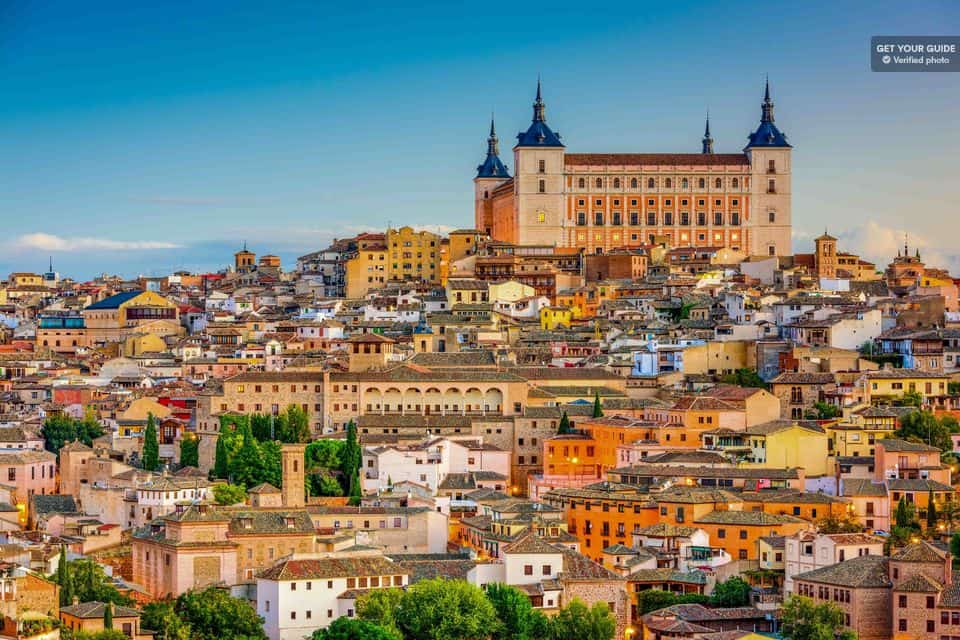
Toledo sits on a rocky hill above the River Tagus, south of Madrid, and in the Middle Ages it was a city where Christians, Jews and Muslims lived side by side. The whole historic centre has been on UNESCO’s World Heritage List since 1986, and with its narrow streets, synagogues and churches, Toledo is the best day trip from Madrid.
The highlight is the Gothic cathedral, whose treasures include El Greco’s painting El Expolio. The cathedral is open to visitors Monday to Saturday from 10am to 6.30pm and on Sundays from 2pm to 6.30pm, and admission closes half an hour earlier. A ticket to the cathedral most recently cost about €12.
The high-speed train from Madrid Puerta de Atocha takes about half an hour. Toledo station is below the historic centre, so expect to walk uphill or take a bus or taxi for the last stretch. If you don’t want to handle the logistics yourself, a guided day trip with entry to the cathedral is an easy option.
Book a guided day trip to Toledo with a visit to the cathedral.
18. Day Trip to Segovia
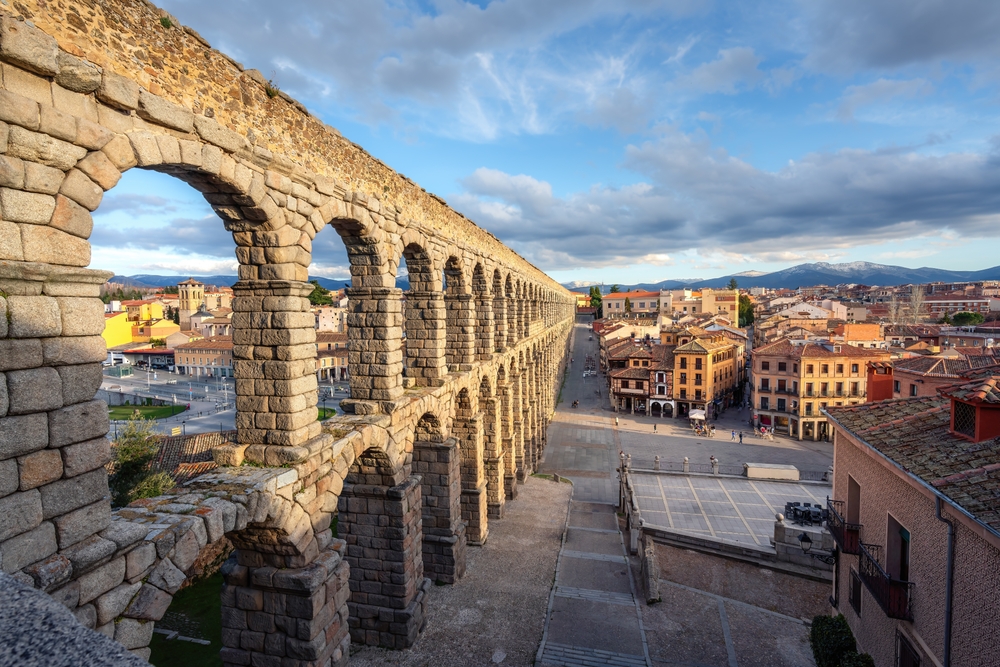
Segovia lies north-west of Madrid on the other side of the Sierra de Guadarrama mountains and is known for its Roman aqueduct, which is around 2,000 years old. It’s 813 metres long, stands on 128 pillars and is 28.5 metres high where the valley is deepest. The aqueduct and the Old Town have been on UNESCO’s World Heritage List since 1985.
From the aqueduct, you walk up through the Old Town to the cathedral and on to the Alcázar, the castle on the tip of the rock, which is said to have inspired Disney’s castle. The Alcázar is open every day from 10am to 6pm from November to March and from 10am to 7.30pm from April to October, and ticket sales close half an hour earlier. The castle is only closed on 25 December.
The high-speed train from Madrid Chamartín to Segovia-Guiomar station takes about half an hour, and from the station, buses 11 and 12 run into the centre in about 20 minutes. The local speciality is whole roast suckling pig, cochinillo, which you can order at the restaurants around the aqueduct. Many day trips combine Segovia with the medieval town of Ávila.
Book a day trip to Segovia and Ávila with entry to the monuments.
Practical Travel Tips for Madrid
You can walk around most of the centre, but the metro is fast and cheap. A single ticket costs from €1.50 for up to five stations to €2 for ten stations or more, and a 10-journey ticket costs €7.30. Tickets are loaded onto the rechargeable Tarjeta Multi card.
From the airport, the Exprés Aeropuerto bus runs around the clock to the centre in about 40 minutes, going all the way to Atocha during the day, and a ticket costs €5.10. If you take the metro to or from the airport on a standard ticket, you have to pay an airport supplement of €3. I’ve gathered all the options in my guide to getting from Madrid Airport to the city centre.
Madrid eats late. Lunch is rarely before 2pm, and many restaurants don’t start serving dinner until 8.30pm or 9pm. Plan the museums for the mornings or the free hours late in the day, and remember that the Reina Sofía is closed on Tuesdays, while the Temple of Debod is closed on Mondays. Spain uses the euro, and you can pay by card almost everywhere.
If you’re not sure which area to choose, read my guide to where to stay in Madrid, or see all hotels in Madrid on Booking.com. If you’re travelling on around Spain, I’ve also written about the best things to do in Barcelona and where to stay in Seville.
Travel ressources & websites I use all the time 👇
• Booking.com has the best offers on hotels and unique places to stay
• GetYourGuide is the best place to book tours & activities with free cancellation
• Welcome Pickups is the best & safest place to pre-book airport transfers
Psst 👀 Have you subscribed to my Youtube channel and my Instagram where I provide more useful travel tips?