

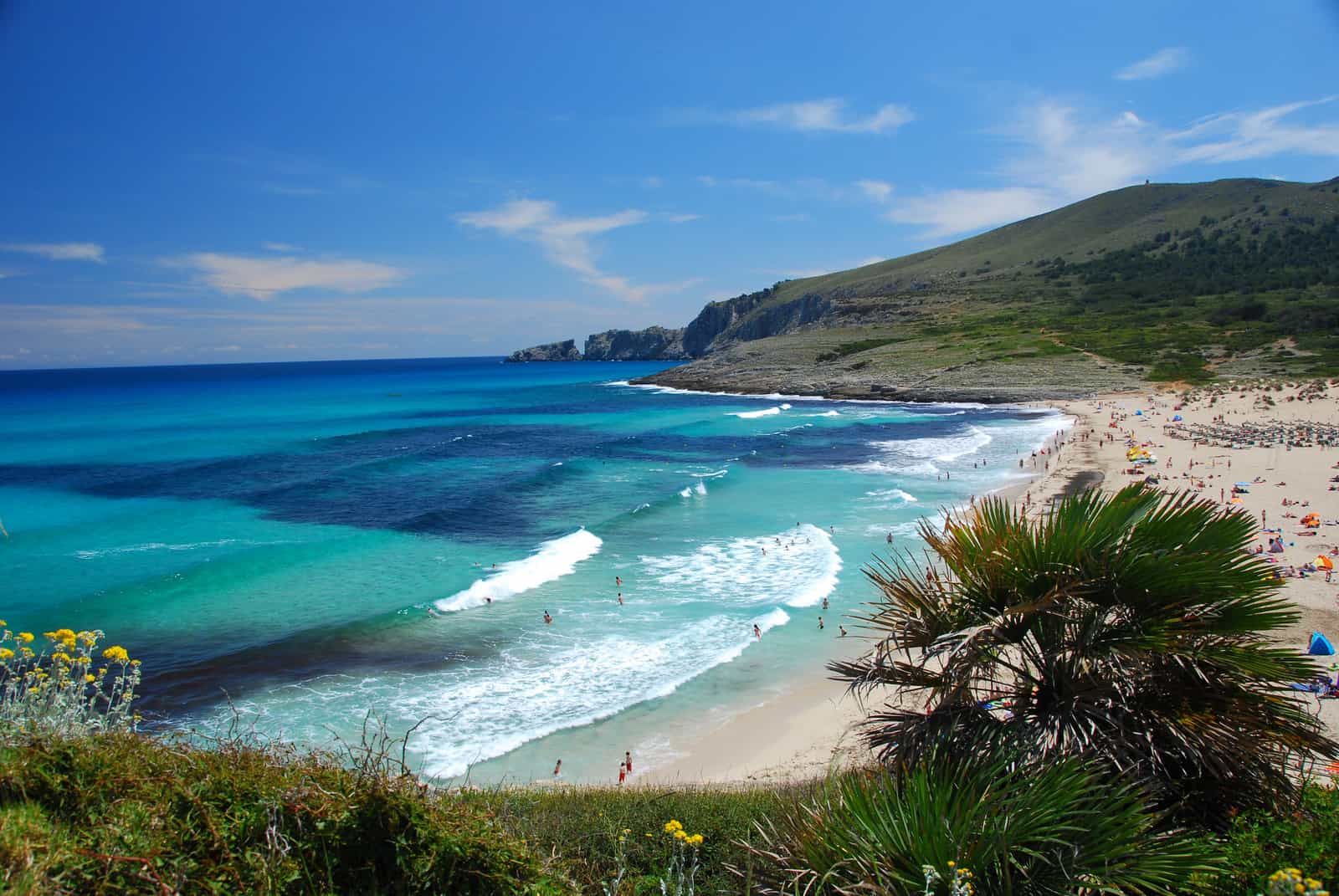
Mallorca is much more than a beach holiday. The island’s capital, Palma, has a Gothic cathedral right by the water and an Old Town full of narrow streets, and to the north-west rises the Serra de Tramuntana mountain range, which is on UNESCO’s World Heritage List. To the south and east, you’ll find long sandy beaches and sheltered coves, and underground near Porto Cristo, you can listen to a concert beside an underground lake.
Here are my picks for the 17 best things to see and do in Mallorca, with prices, opening hours and transport tips. Prices are in euros. Many of Palma’s museums are closed on Mondays, and the cathedral is closed on Sundays, so plan your days in the city around that. Several of the nature experiences require a car or a bus, and at Formentor there are access rules for cars in summer.
Contents
1. Palma Cathedral (La Seu)
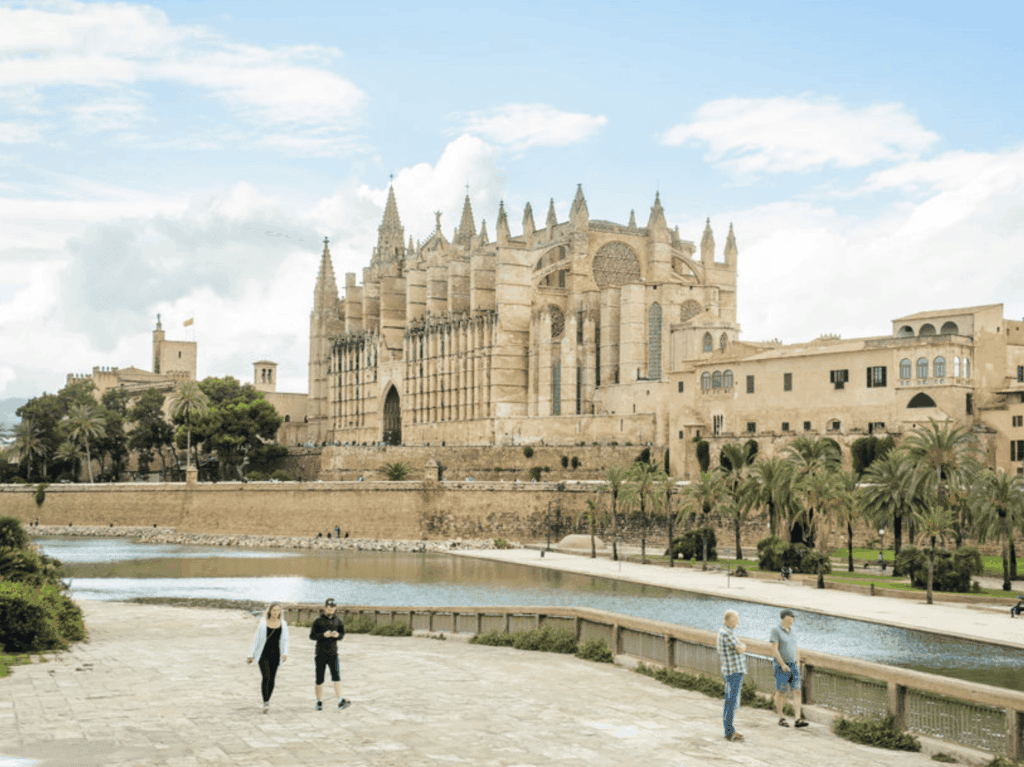
Santa María Cathedral, which everyone on the island calls La Seu, stands on the edge of Palma’s Old Town and looks straight out over the harbour. The Gothic church is Mallorca’s landmark, and it’s just as impressive from the harbour promenade as it is from inside. The ticket also gets you into the cathedral’s museum of sacred art.
A standard ticket costs €11, and children aged 9 and under get in free. From April to November, the church is open to visitors from Monday to Friday from 10am to 5.15pm and on Saturdays from 10am to 2.15pm. From December to March, it closes at 3.15pm on weekdays, and it’s closed to visitors on Sundays all year round.
My best tip is the tour up onto the rooftop terraces. It costs €25 including the church and the museum, and you go up in groups at fixed times. You need to be over 9, and the tour isn’t for you if you’re afraid of heights or have difficulty walking. In summer, there’s also a guided sunset tour of the terraces for €30. See times and tickets on the cathedral’s website.
Book a skip-the-line ticket to Palma Cathedral.
2. Serra de Tramuntana
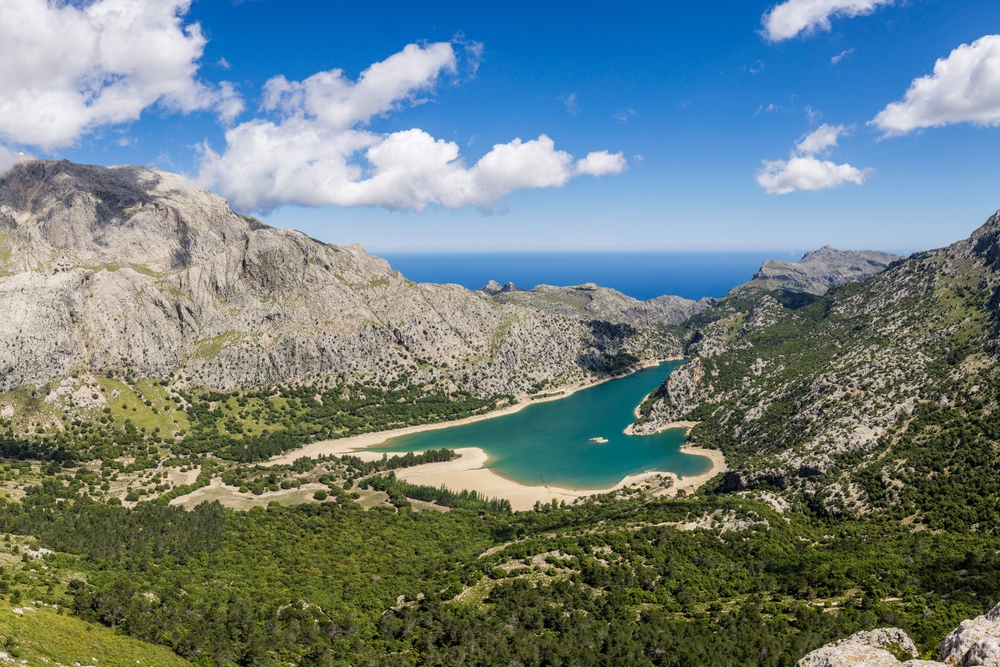
The Serra de Tramuntana is the mountain range that runs along the whole north-west coast of Mallorca, and in my opinion, it’s the most beautiful landscape on the island. Since 2011, it’s been on UNESCO’s World Heritage List as a cultural landscape. That’s because of the terraces with their dry-stone walls, the olive trees and the old water channels that farmers have built up the steep slopes over the centuries.
The easiest way to experience the mountains is to drive the roads between Valldemossa, Deià, Sóller and Lluc, but if you’d like to walk, the GR 221 trail is the big draw. It’s also called the Ruta de Pedra en Sec, the Dry Stone Route, and 261 kilometres are open and waymarked when you count the main route and the side routes. Along the way, there are public walkers’ refuges, including Can Boi in Deià, Muleta near Port de Sóller, Tossals Verds and Son Amer near Lluc.
It’s free to walk in the mountains. My tip is to walk a single day stage rather than the whole route if you only have a week’s holiday, and to start early in summer, before the heat sets in. The refuges need to be booked in advance, and it’s a good idea to check that they’re open before you set off. You can read about all this in the official leaflet about the route.
3. The Sóller Train, Sóller and Port de Sóller
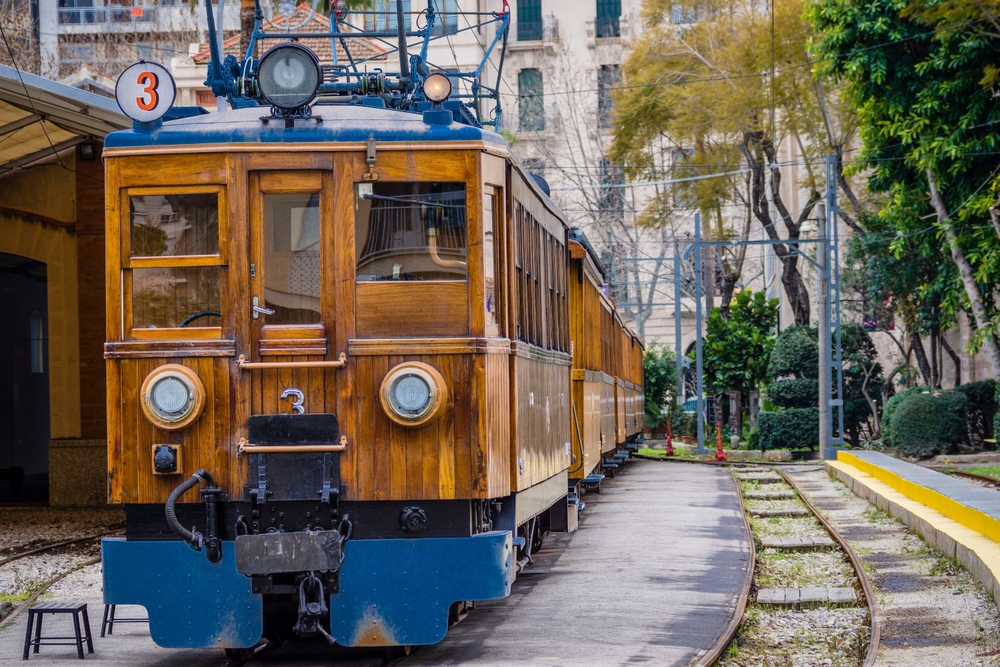
The train from Palma to Sóller runs with old wooden carriages through the Serra de Tramuntana and is one of the classic experiences on the island. The journey takes about an hour with a stop in Bunyola, and the last stretch descends into the valley of Sóller with its orange and olive groves. From Sóller, a historic tram continues down to the harbour town of Port de Sóller.
A single ticket on the train costs €23, and a return costs €30. The tram costs €10 per journey, and a combined ticket for the train and the tram from Palma to Port de Sóller and back costs €40. The train runs several times a day, but some departures only run by arrangement with the ticket office, so always check the current timetable.
It’s expensive for an hour-long train ride, and it’s worth knowing that in advance. My tip is to take the train one way and the bus the other, so you don’t pay the full return fare. Spend your time in Sóller on the square by the church, then take the tram down to the harbour and have lunch by the water.
Book a half-day tour with the Sóller train and the tram.
4. Valldemossa and the Cartoixa Monastery
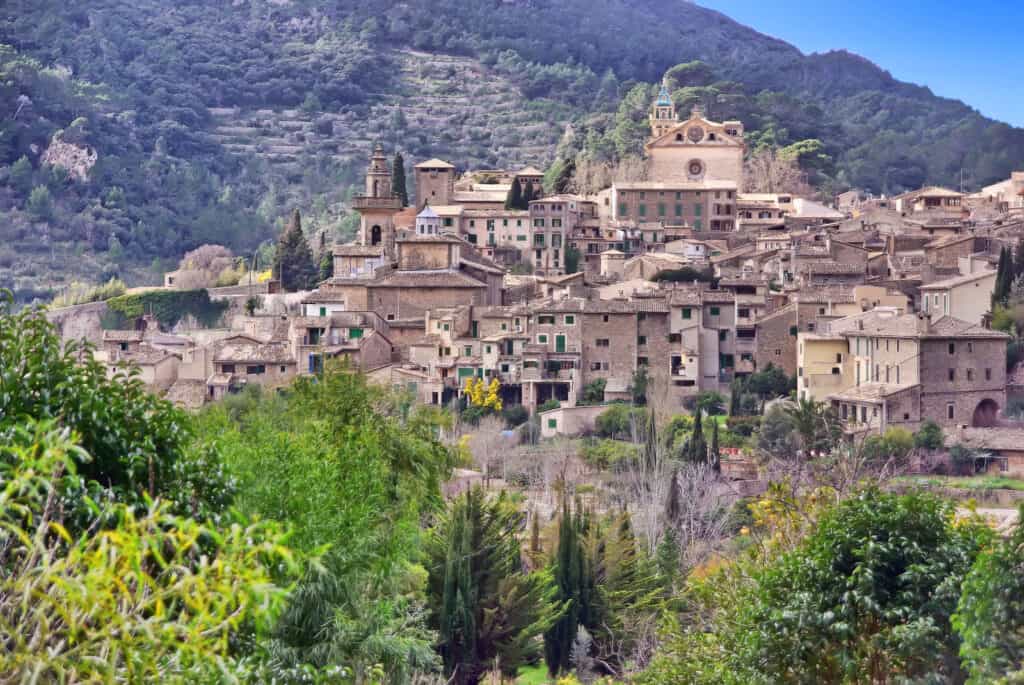
In my opinion, Valldemossa is one of the most beautiful mountain villages in the Serra de Tramuntana, with stone houses, steep streets and flowerpots by the doors. The village’s big sight is the Cartoixa de Valldemossa, a 14th-century monastery where the composer Frédéric Chopin and the writer George Sand stayed. Here you’ll see King Sancho’s Palace, the cloisters, the garden and the museum rooms.
Several times a day, there’s a piano concert of Chopin’s music in the palace that lasts about a quarter of an hour, and it’s included in the ticket. The ticket costs €12.50, or €15.50 with access to the tower. The monastery is only open from Monday to Saturday, on weekdays from 10am to 5pm and on Saturdays from 10am to 4pm. The concert times are on the monastery’s website.
From Palma, bus 203 runs via Valldemossa and Deià to Port de Sóller. My tip is to arrive early in the morning, before the village fills up with day-trippers, and to combine the visit with Deià further along the coast road.
Book a day trip to Valldemossa and Sóller with the tram.
5. Palma’s Old Town and Es Baluard
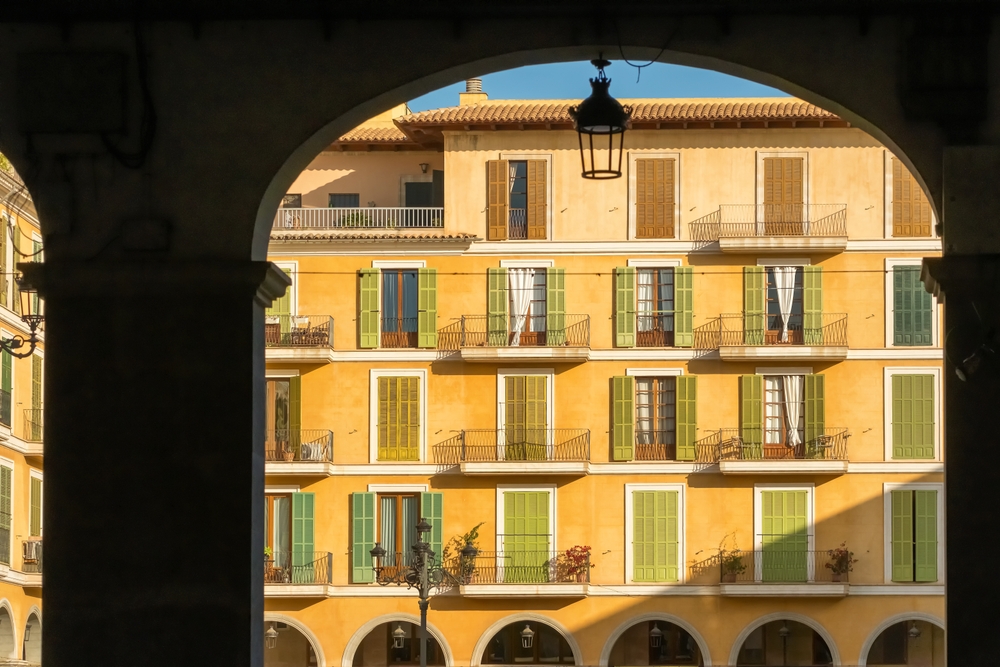
Behind the cathedral lies Palma’s Old Town, a maze of narrow streets with old town houses and courtyards. It costs nothing to wander around, and this is where you’ll find most of the city’s cafés, tapas bars and small shops. Walk from the cathedral through the streets to the town hall square, Plaça de Cort, and continue west to the old exchange building, La Llotja, near the harbour.
At the western end of the Old Town is the Es Baluard art museum, which is built into the old Renaissance city wall. A ticket costs €8, and on Fridays you decide the price yourself. The museum is open from Tuesday to Saturday from 10am to 8pm and on Sundays from 10am to 3pm, and it’s closed on Mondays. Find out more on the museum’s website.
My tip is to go up to the terrace by the museum late in the afternoon, when you can see the harbour, the bay and the cathedral all at once. If you’d like the history as well, a guided walking tour is a good start to your day in Palma.
Book a guided walking tour of Palma’s Old Town.
6. Cap de Formentor
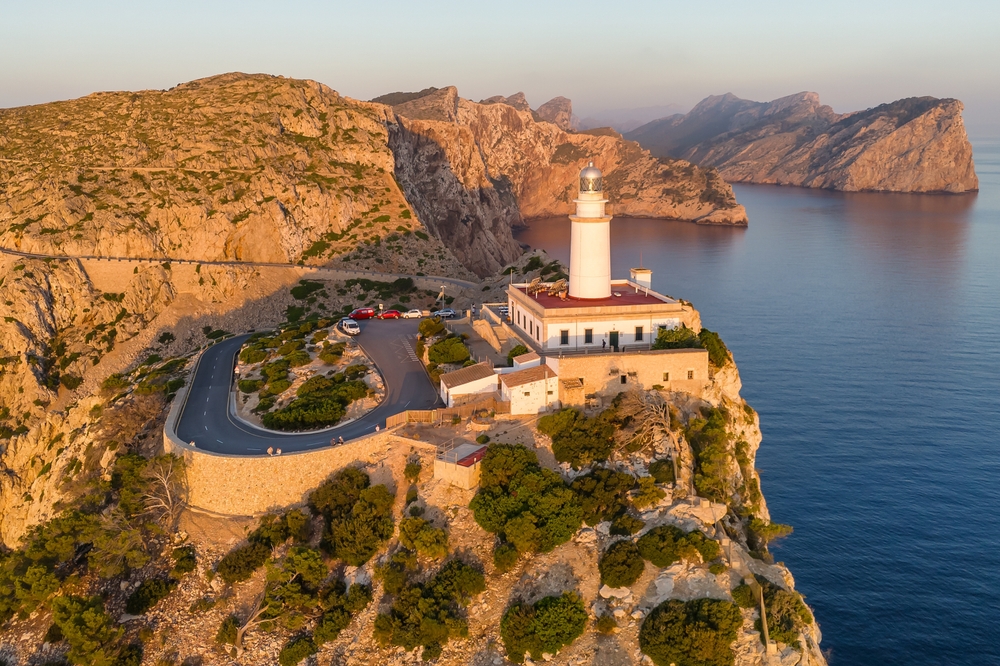
Cap de Formentor is the peninsula at the far north-eastern tip of the island, where the mountains end in sheer cliffs that drop into the sea. The road out to the lighthouse winds across the peninsula, and along the way you’ll pass the Mirador des Colomer viewpoint and the beach, Platja de Formentor. It costs nothing to get out there.
In high season, there are access rules for private cars. From mid-May to mid-October, only authorised vehicles may drive the last stretch out to the lighthouse between 10am and 10pm, and the car park at Platja de Formentor closes to cars when it’s full. Instead, bus 334 runs from Alcúdia via Port de Pollença to the Mirador des Colomer, the beach and the lighthouse. The rules are published by Spain’s traffic authority, the DGT.
My tip is to drive out before 10am or outside the season if you want to take your car all the way to the lighthouse. Drivers must be past the barrier before 10am, or they risk a fine. In summer, you can also take a boat from Port de Pollença to the beach at Formentor and skip the drive.
Book the ferry from Port de Pollença to Formentor Beach.
7. The Caves of Drach (Coves del Drach)
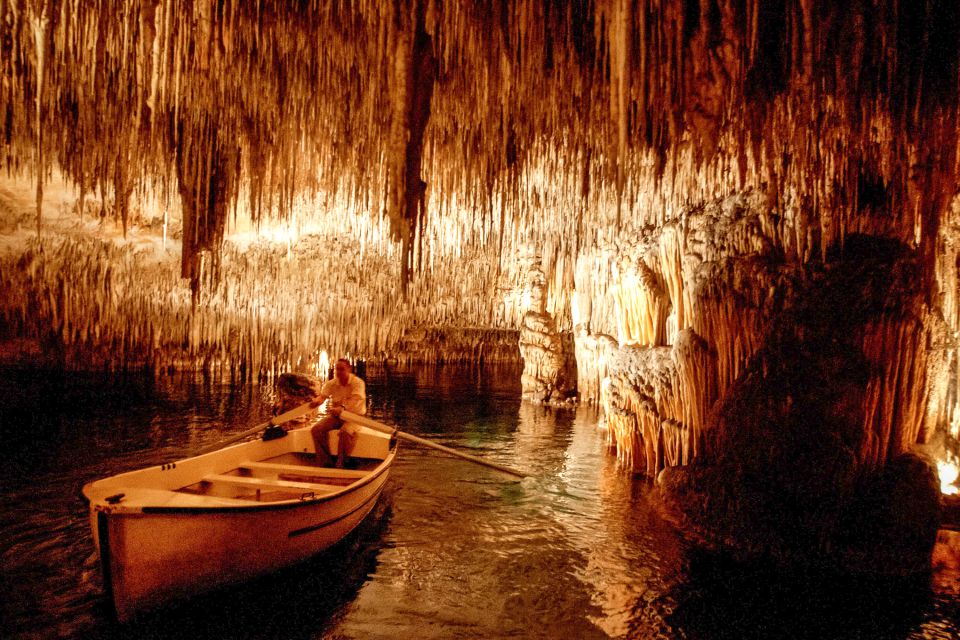
The Caves of Drach, Coves del Drach, are near the harbour town of Porto Cristo on the east coast. The caves are almost 1,200 metres long and up to 25 metres deep, and the route takes you past dripstone formations down to the underground lake, Lago Martel. At the lake, you’ll hear a short concert of live music, and afterwards you cross the lake by boat or walk round on foot.
The visit takes about an hour. A ticket costs €18.50 online and €19.50 at the ticket office, and children aged 3 to 12 pay €11.50 online. From 16 March to 31 October, there are tours at 10am, 11am, midday, 2pm, 3pm, 4pm and 5pm, and for the rest of the year at 10.30am, midday, 2pm and 3.30pm. The caves are only closed on 25 December and 1 January. See prices and times.
Buy your ticket online, both because it’s cheaper and because you’ll be sure of a time slot. If you’re staying in Palma, a tour with transport is the easiest option, as Porto Cristo is on the other side of the island.
Book a trip from Palma to the Caves of Drach with a concert and boat ride.
8. The Royal Palace of La Almudaina
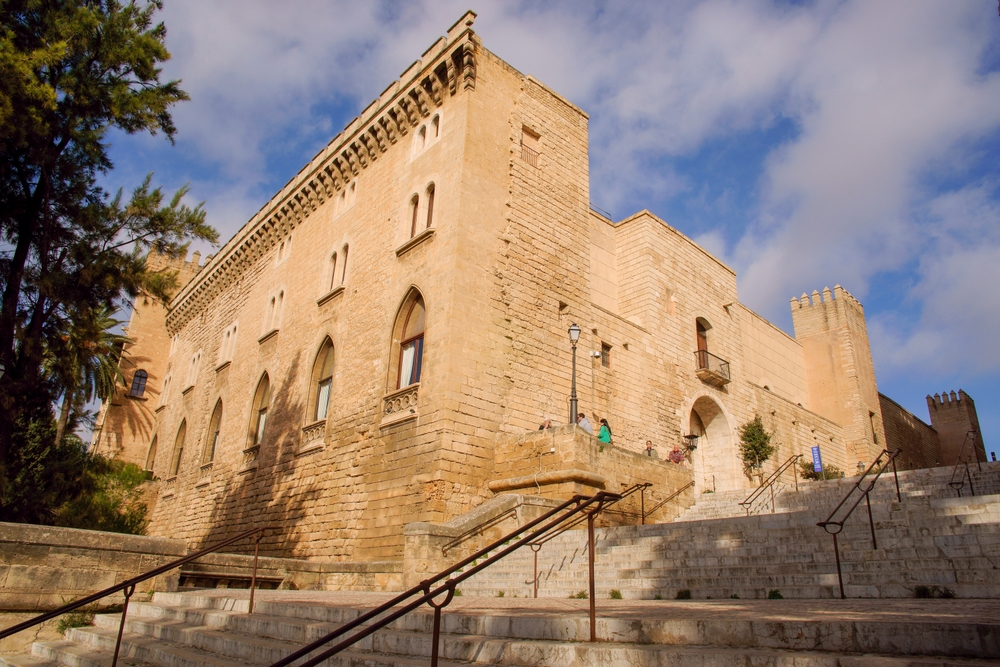
Directly opposite the cathedral stands the Royal Palace of La Almudaina, Palau de l’Almudaina. The building was the residence of the Muslim governors, and today it’s run by the state-owned Patrimonio Nacional, which manages Spain’s royal palaces. Inside, you’ll see the 14th-century throne room and the Chapel of Santa Anna in the King’s Courtyard, among other things.
A ticket costs €8, and there’s a reduced price of €5 for children aged 5 to 16, students and over-65s. The palace is open from Tuesday to Sunday from 10am to 6pm from October to March and from 10am to 7pm from April to September, and the ticket office closes an hour earlier. It’s closed on Mondays. See prices and times at Patrimonio Nacional.
The best deal here is the free entry for EU citizens. On Wednesdays and Sundays from 3pm, EU citizens can visit on their own for free if they show a passport or ID card at the ticket office. The palace can also close to visitors during official events, so check the website the day before you plan to go.
9. Bellver Castle
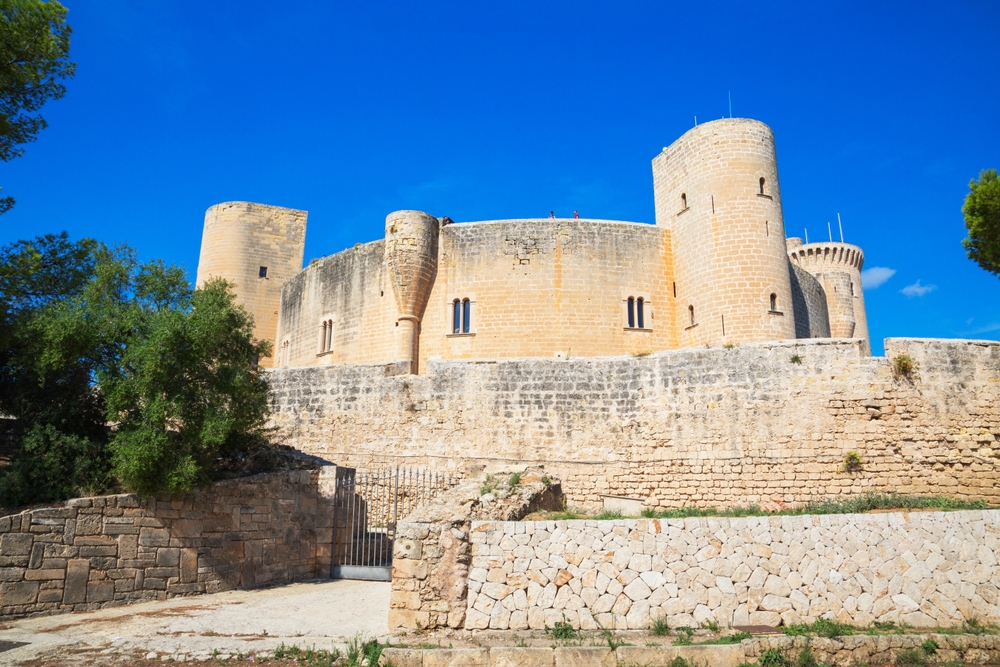
Bellver Castle, Castell de Bellver, is a medieval castle on a wooded hill west of the centre, and it has one of the best views over Palma and the bay. The castle has been inhabited for over 700 years, and today it houses the city’s history museum.
A ticket costs only €4, and on Sundays entry is free for everyone. Children under 14 always get in free. From April to September, the castle is open from Tuesday to Saturday from 10am to 7pm, and from October to March it closes at 6pm. On Sundays and public holidays, it’s open from 10am to 3pm, and it’s closed on Mondays. Last entry is half an hour before closing time. See the castle’s opening hours and prices.
The castle stands in the middle of Bellver Forest, and I’d recommend walking up through the woods if it isn’t too hot. Be aware that the castle closes when the city council closes the city’s parks because of bad weather, and that can happen at a few hours’ notice.
10. Sa Calobra and Torrent de Pareis
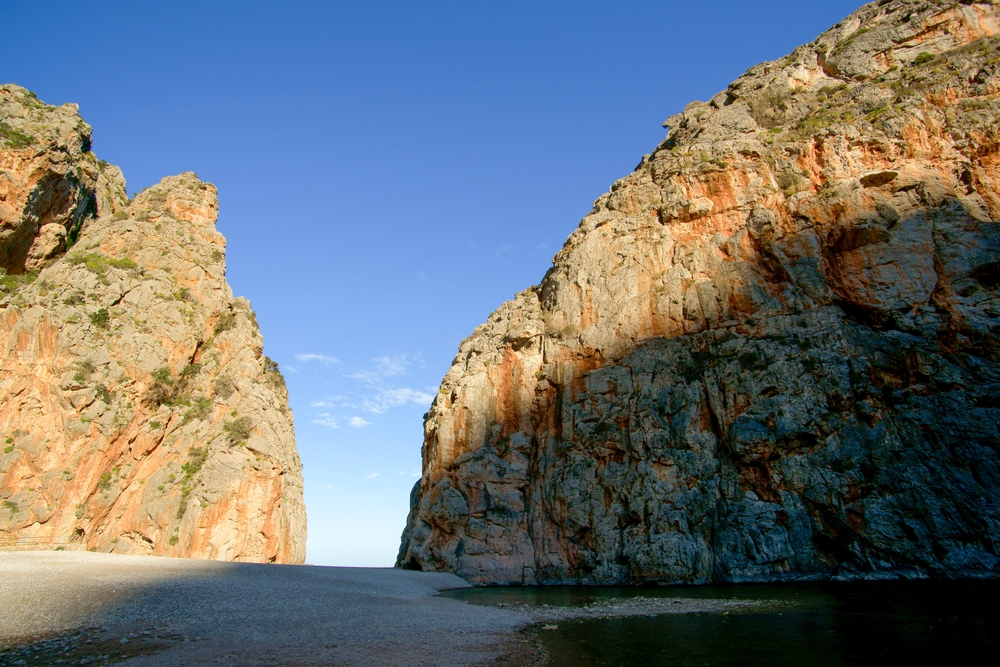
Sa Calobra is a small cove on the north coast, where the Torrent de Pareis gorge meets the sea between vertical rock walls. The gorge is about 3.3 kilometres long, its walls are up to 200 metres high, and the area has been protected as a natural monument since 2003. The beach at the mouth of the gorge is what most people come to see, and it’s free to walk in to it from Sa Calobra.
You get there along the Ma-2141 mountain road, which winds down towards the coast, or by boat along the coast from Port de Sóller. Hiking through the Torrent de Pareis itself is a different matter entirely. The authorities rate it as difficult, you’ll have to climb and jump across slippery rocks, and ropes are often needed. Never enter the gorge if rain or thunderstorms are forecast, because the water can rise suddenly, and there are rescue operations every year.
Read the Balearic authorities’ advice before you go, and call 112 in an emergency. My tip is to stick to the short walk in to the beach if you’re not an experienced hiker.
Book a day trip to Sa Calobra by train, tram and boat.
11. Alcúdia and the Roman Town of Pollentia
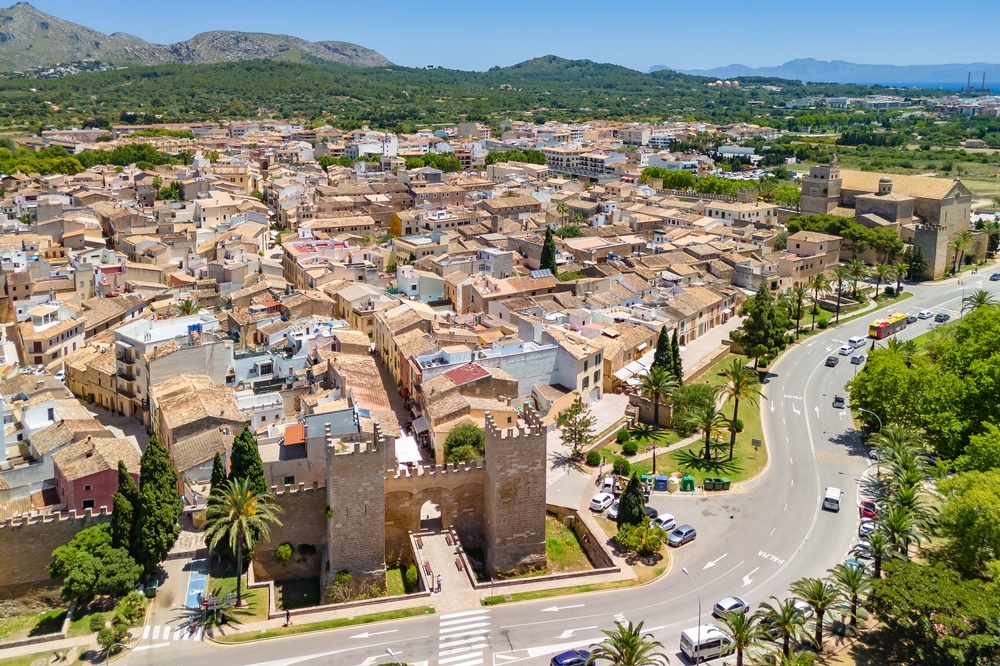
Alcúdia in the north of the island has an Old Town with narrow streets and mansions from the 16th and 17th centuries, surrounded by 14th-century town walls that were built to protect it from pirates. It’s free to wander around, and on Tuesdays and Sundays there’s a market in the Old Town from 9am to 1.30pm. Check the market days with Alcúdia’s tourist office.
Just outside the walls lie the ruins of the Roman town of Pollentia, which dates back to 123 BC. Entry costs €4, and young people aged 8 to 25 and over-65s pay €2.50. Children under 8 get in free. Last entry is an hour before closing time, and it’s closed on public holidays. The opening hours change between summer and winter, so check them on Pollentia’s website.
My tip is to come on a market day in the morning and walk around the ruins afterwards. Alcúdia is also a good base for Formentor, because bus 334 starts here.
12. Es Trenc
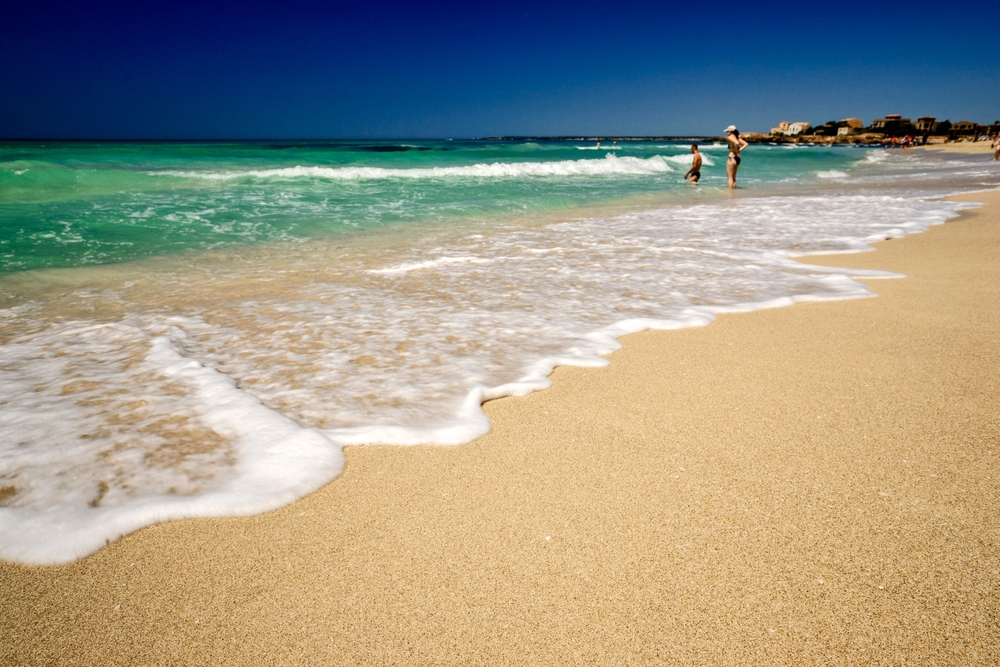
Es Trenc on the south coast is the long, white sandy beach that many people dream of when they think of Mallorca. It lies in the Es Trenc-Salobrar de Campos Natural Park between Sa Ràpita and Colònia de Sant Jordi. The park covers almost 3,770 hectares of land and sea, and behind the beach lies the Salobrar de Campos wetland, where salt is still produced.
It’s free to go to the beach, and the park is open around the clock. You have to park in the authorised car parks, including the one at Na Tirapel, and there are no bins in the park, so you need to take your rubbish home with you. Dogs aren’t allowed on the beach from March to October, and music from speakers isn’t permitted. See the rules on the natural park’s page.
My tip is to bring water, food and something for shade, because you’ll have to fend for yourself on the beach. Arrive early in the day in July and August, when the car parks can fill up.
13. Mondragó Natural Park
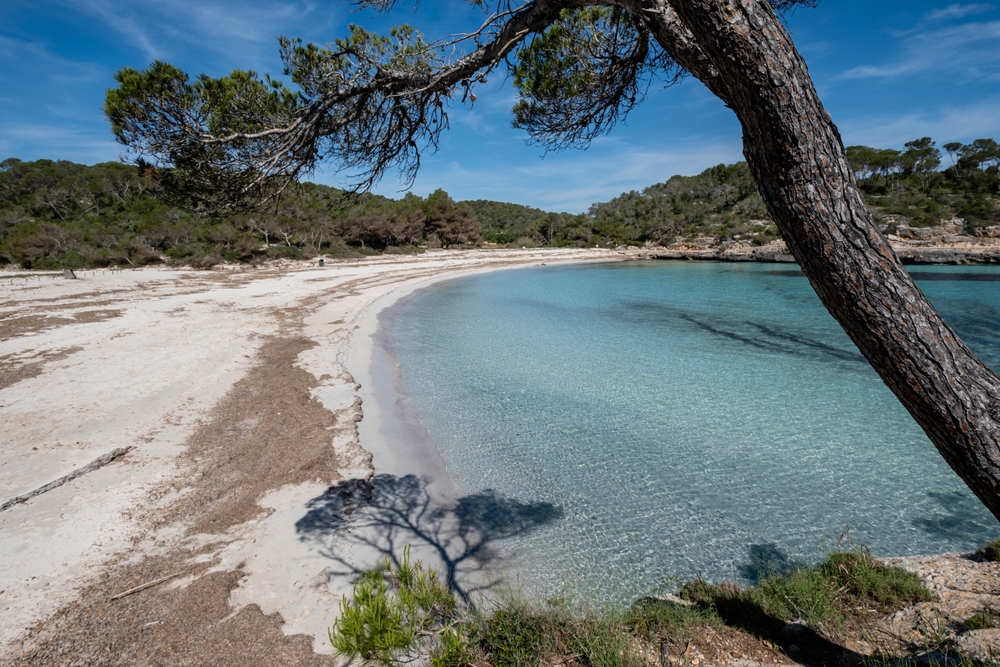
Mondragó is a small natural park on the east coast in the municipality of Santanyí, with two of the most beautiful swimming coves on that part of the island. The park was established in 1992 and covers about 766 hectares of woodland, dunes and rocky coastline. The beach of s’Amarador is close to the car park, and from there you can walk on along the coast.
There are five waymarked routes that take from a quarter of an hour to an hour, so you can easily combine a short walk with a swim. The visitor centre at Ses Fonts de n’Alis, on the road between Portopetro and Cala Mondragó, is open every day from 9am to 4pm, and you can book free guided walks all year round. Find out more on the natural park’s page.
In summer, you have to pay to park at s’Amarador and Ses Fonts de n’Alis, while parking is free outside the season. My tip is to come in the morning in July and August and walk one of the short routes before you find a spot on the beach.
14. Santuari de Lluc
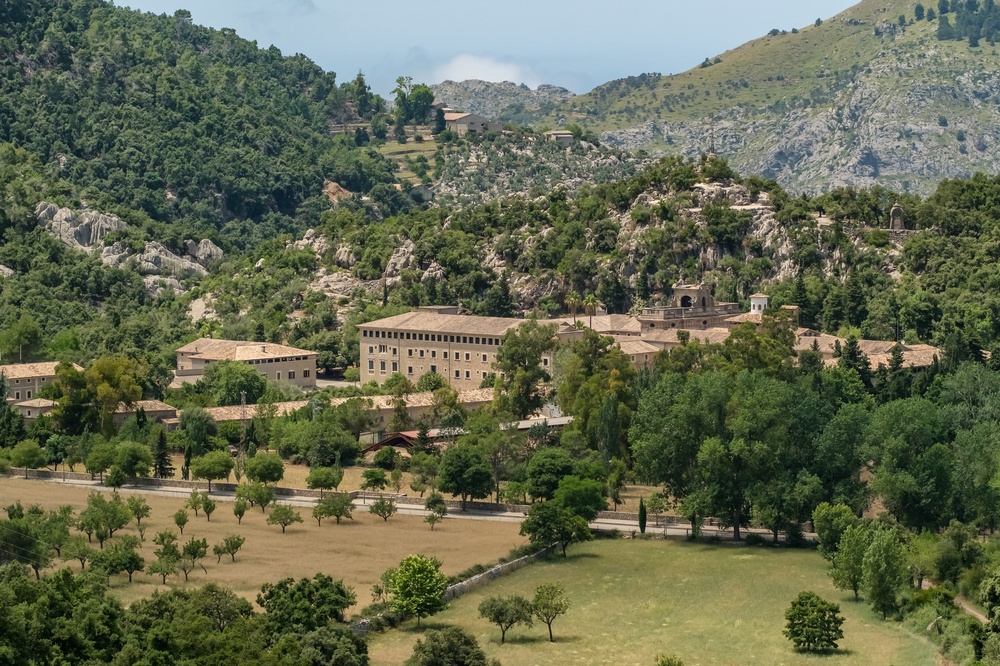
The Santuari de Lluc monastery lies in a valley high up in the Serra de Tramuntana and is an old place of pilgrimage. The church was built from 1622 to 1691, and the main building houses a museum that has been open since 1952. Behind the monastery, there’s a botanical garden from 1956 with plants and trees from the Balearic Islands.
Lluc is also known for the Els Blauets boys’ choir, a choir school with roots in the 16th century. You can stay overnight in the monastery’s guesthouse, where the rooms are set around a courtyard, and eat Mallorcan dishes at the Sa Fonda restaurant. Find out more on the sanctuary’s website.
Lluc is on the GR 221 trail, and the Son Amer walkers’ refuge is close to the monastery. My tip is to drive up and combine the visit with Sa Calobra, which is in the same municipality, Escorca. The roads are narrow and winding, so allow plenty of time.
15. Fundació Miró Mallorca
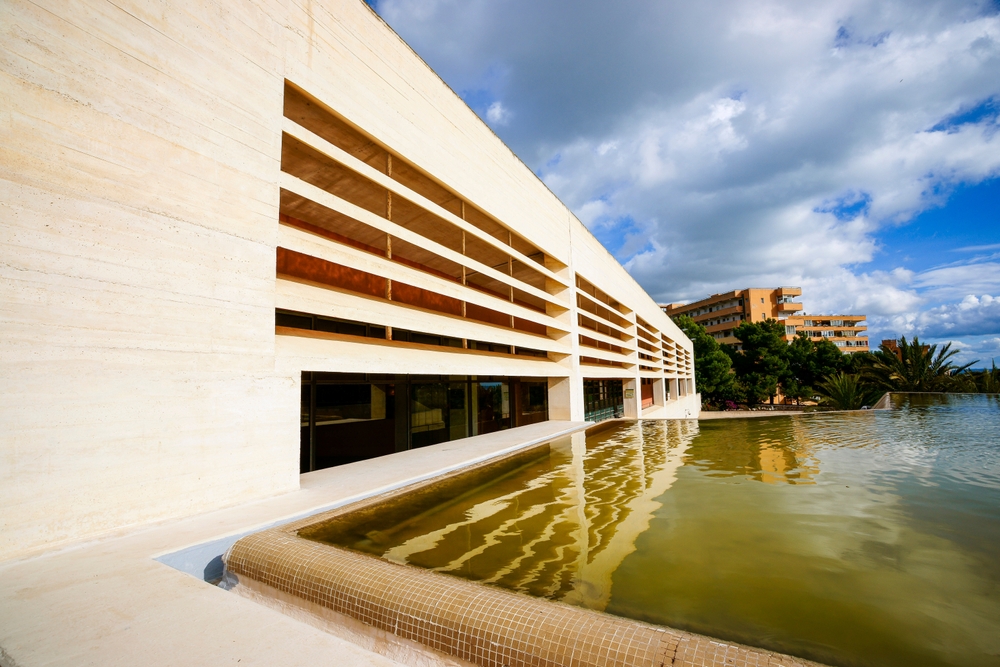
The Fundació Pilar i Joan Miró in Cala Major, west of the centre, is where you’ll get closest to the artist Joan Miró. Here you’ll see Taller Sert, the studio where Miró worked, and the exhibition building designed by Rafael Moneo. The old farmhouse of Son Boter on the grounds may be closed for restoration, so check the museum’s website before you go.
A ticket costs €10, and under-16s get in free. On Saturdays from 3pm and on the first Sunday of the month, entry is free for everyone. From 16 September to 15 May, it’s open from Tuesday to Saturday from 10am to 6pm, in summer until 7pm, and on Sundays from 10am to 3pm. It’s closed on Mondays. See the museum’s website.
From Palma, city buses 46 and 47 run to the Saridakis 29 stop by the museum. My tip is a Saturday afternoon, when you save the cost of the ticket and still have plenty of time to see everything.
16. Cabrera National Park
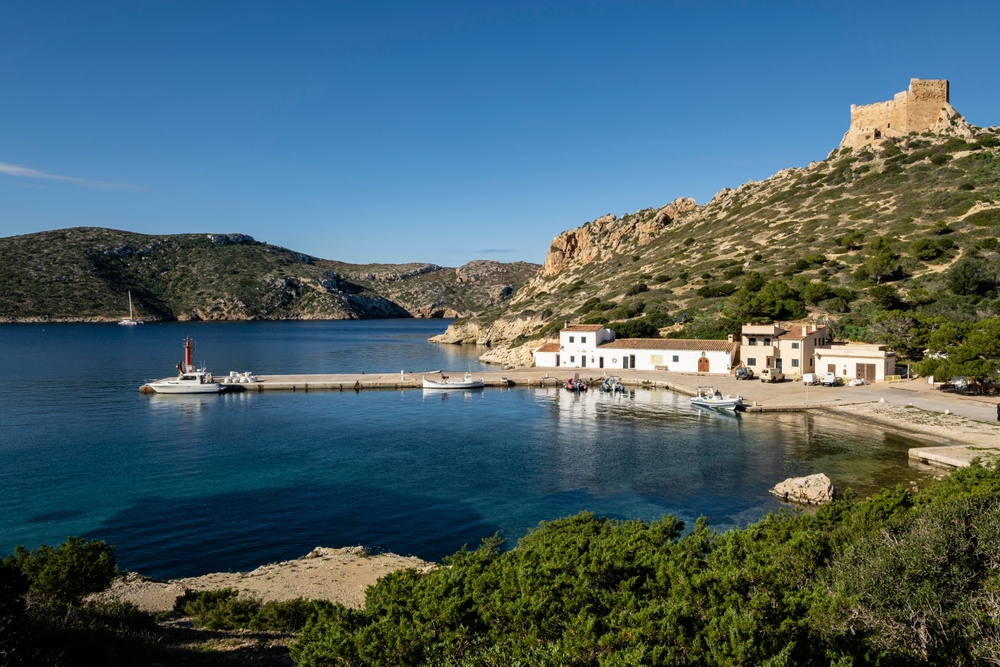
South of Mallorca lies the Cabrera archipelago, which has been a national park since 1991. The park covers 90,794 hectares, by far the largest part of which is sea, and it’s made up of 19 islands and islets. By the harbour on the main island stands a castle from the late 14th century, but the castle building itself may be closed for safety reasons, so check the national park’s website before you sail out.
In summer, tour boats sail from Colònia de Sant Jordi to Cabrera with the operators the national park has approved. The park’s visitor centre in Colònia de Sant Jordi is open every day from 10am to 5pm in winter and until 6pm from June to September, but it’s closed in December and January. See the national park’s page.
Cabrera is for you if you’d like to see a quiet side of Mallorca far from the busy beaches. Bring swimwear and water, and book well in advance if you’re travelling in July or August.
Book a boat trip from Colònia de Sant Jordi to Cabrera.
17. Palma Aquarium
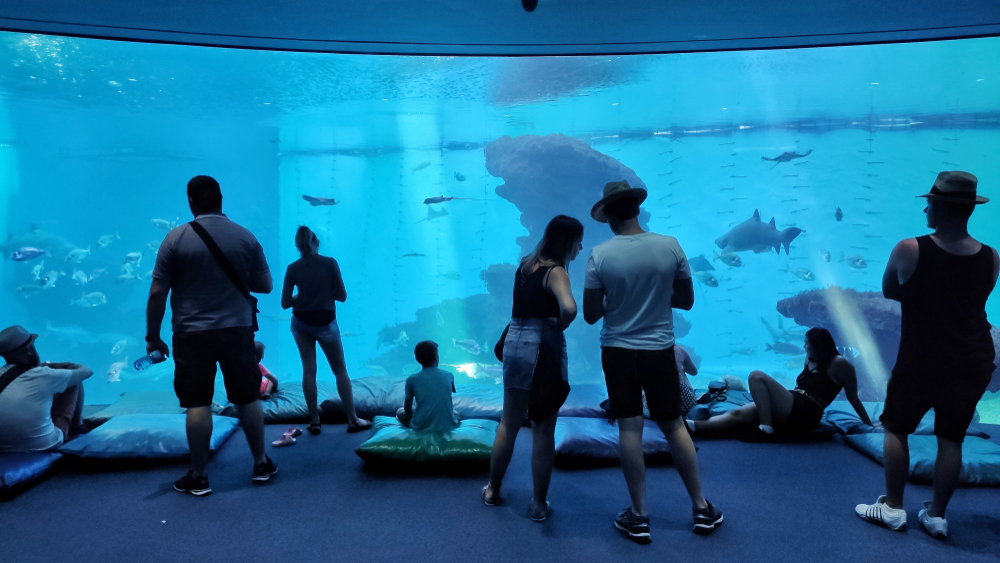
Palma Aquarium near Playa de Palma is the obvious choice on a rainy day, especially if you’re travelling with children. The aquarium has over 8,000 marine animals, and the main attraction is Big Blue, one of the deepest and largest shark tanks in Europe, with over 3.5 million litres of salt water.
A ticket costs €30.50 for adults and €19.50 for children aged 3 to 12, and children under 3 get in free. The aquarium is open every day from 9.30am to 6.30pm, and last entry is at 5pm. After 2pm, tickets are discounted. See opening hours and prices.
From Palma, the journey takes about 20 minutes by bus and 10 minutes by car, and there’s free outdoor parking. It’s expensive for a whole family, so I’d suggest saving the aquarium for a day of bad weather or the hottest hours in the middle of the day.
Book a ticket to Palma Aquarium.
Practical Travel Tips for Mallorca
Bus A1 runs from the airport into Palma, and taxis wait outside the arrivals hall. If you’re heading further out on the island, a hire car is the easiest option, especially for Formentor, Sa Calobra and the beaches in the south, but remember the access rules at Formentor in summer. I’ve covered all the options from the airport in my guide to getting from Mallorca Airport to Palma and your hotel.
Palma is small enough to explore on foot, and the cathedral, the Almudaina, the Old Town and Es Baluard are all just a few minutes’ walk from each other. The Almudaina, Bellver Castle, Es Baluard and the Miró museum are closed on Mondays, while the cathedral is closed on Sundays. On the other hand, Sunday is the free day at Bellver, and EU citizens get into the Almudaina for free on Sundays from 3pm.
If you’re not sure which part of the island to stay in, read my guide to where to stay in Mallorca, or see all hotels in Mallorca on Booking.com. If you’d like to continue to the neighbouring islands, I’ve also written about where to stay in Menorca and Ibiza.
Travel ressources & websites I use all the time 👇
• Booking.com has the best offers on hotels and unique places to stay
• GetYourGuide is the best place to book tours & activities with free cancellation
• Welcome Pickups is the best & safest place to pre-book airport transfers
Psst 👀 Have you subscribed to my Youtube channel and my Instagram where I provide more useful travel tips?