

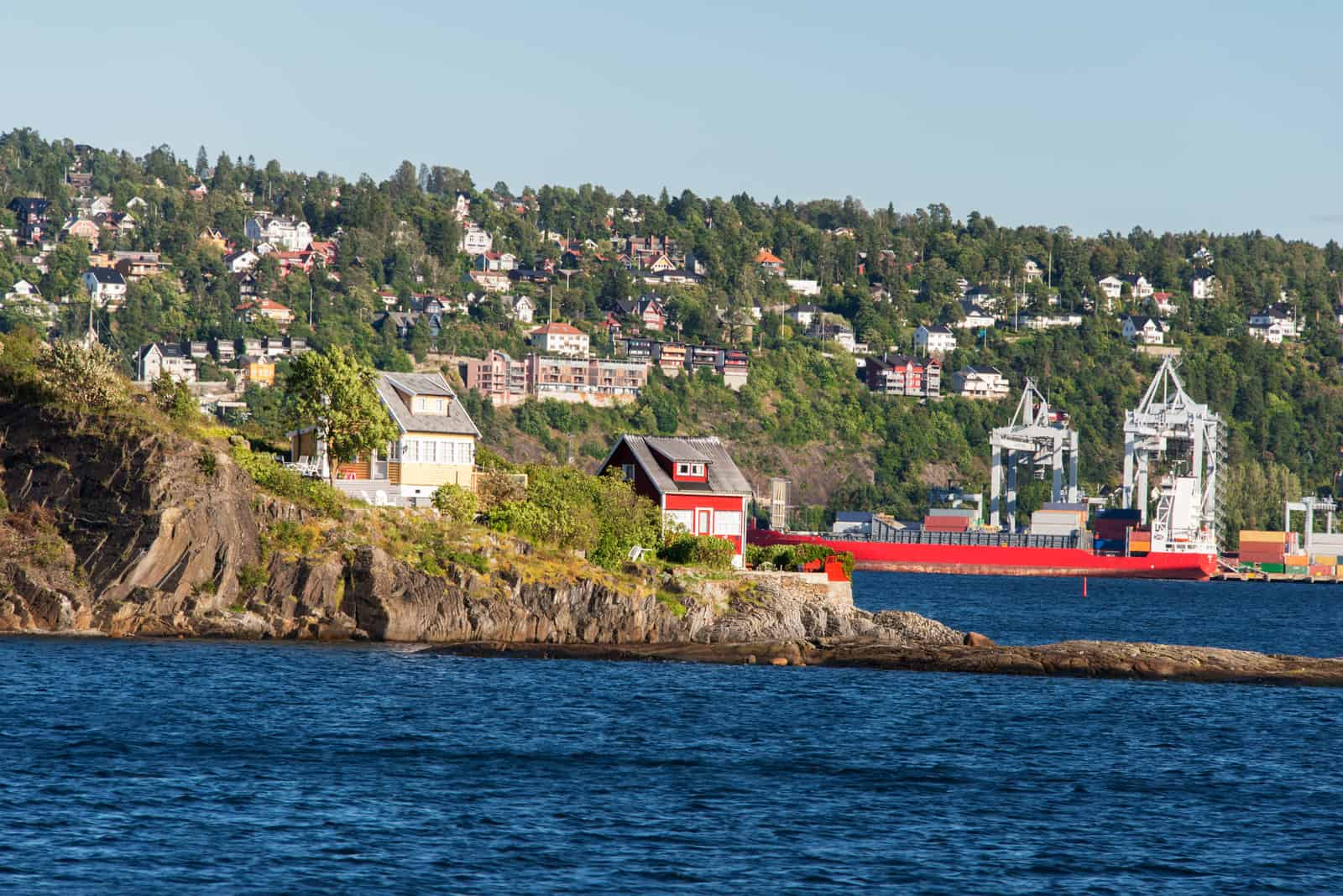
Oslo lies at the head of the Oslofjord, and the city has a whole new face towards the water. The Opera House, the new MUNCH museum and the Deichman main library stand side by side in Bjørvika. Just across the water on Bygdøy, you’ll find the museums about the polar ship Fram, the Kon-Tiki raft and Norwegian folk culture. At the same time, you’ve got forest, islands and a ski jump within a short trip by public transport.
Here are my picks for the 17 best things to see and do in Oslo, with prices, opening hours and tips on getting around. Prices are in Norwegian kroner, and at the time of writing, 1 Norwegian krone is worth about €0.09. Oslo is an expensive city, but many of the best experiences are free, including the roof of the Opera House, Vigeland Park and Akershus Fortress. If you haven’t found somewhere to sleep yet, read my guide to where to stay in Oslo.
Contents
1. Oslo Opera House
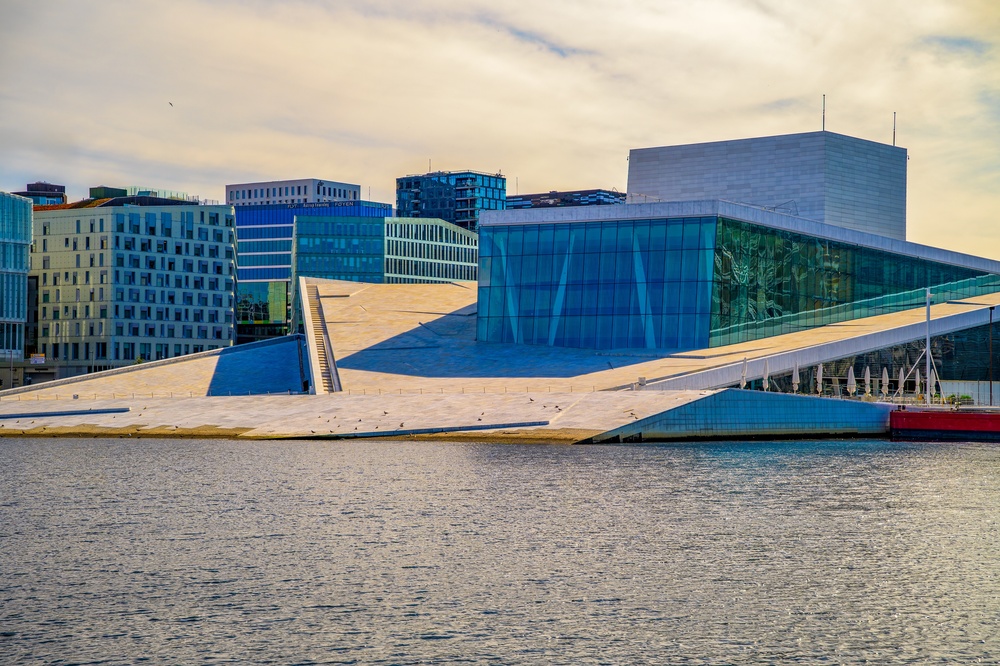
The Opera House opened in 2008 and was designed by the Norwegian architecture firm Snøhetta. The building is made of white Carrara marble, oak and brushed aluminium, and it slopes all the way down to the water. The best thing about it is that the roof is free and open to everyone. You just walk up the slope and get a view over the Oslofjord and the new district of Bjørvika.
Inside the foyer, Olafur Eliasson’s work The Other Wall glows, and in the water in front of the building lies Monica Bonvicini’s glass sculpture She Lies, which seems to float on the fjord. The building is open Monday to Saturday from 11am to 4pm and on Sundays from noon to 4pm. If you’d like to see behind the scenes, there are guided tours in Norwegian and English, and the Oslo Pass gives you a 15 per cent discount on them.
The Sydney Opera House is the most famous in the world, but here in Oslo you’re allowed to walk on the roof. If you’re heading to Australia one day, I’ve also written a guide to where to stay in Sydney. My tip is to walk up onto the roof in the late afternoon and see MUNCH and Deichman on the same trip, because they’re in the same neighbourhood.
2. MUNCH
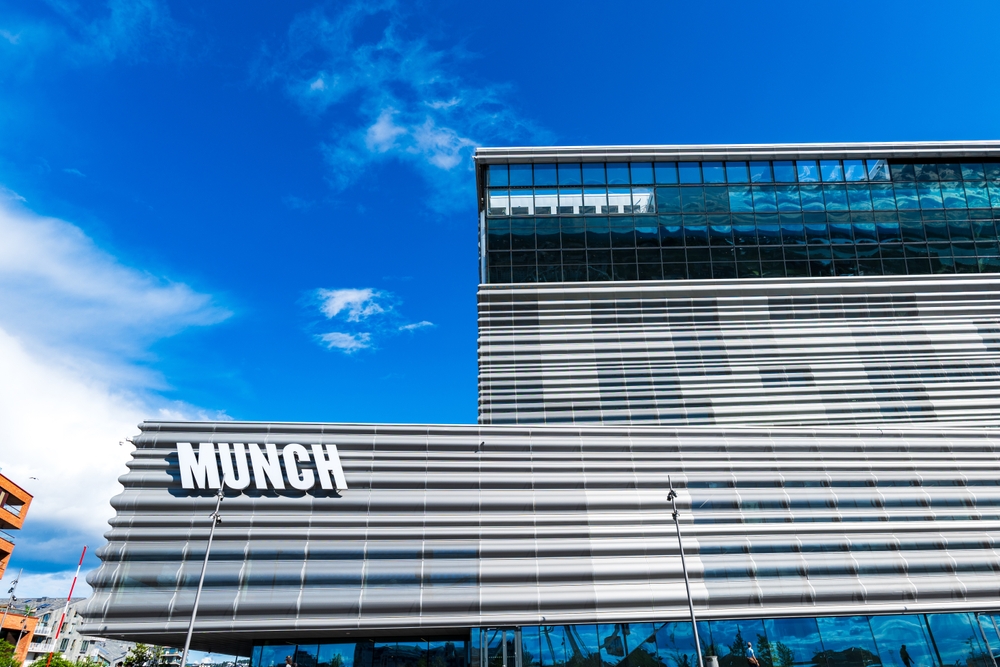
MUNCH has the world’s largest collection of works by Edvard Munch. Munch left more than 26,000 works to the City of Oslo in his will, and today they hang in the museum’s tall new building by the water in Bjørvika, which was designed by estudio Herreros. The exhibitions are spread over 13 floors, so set aside a couple of hours.
A version of The Scream (Skrik) is always on display, so you’re sure to see his most famous motif. A ticket costs 220 Norwegian kroner (around €21), young people under 25 pay 100 Norwegian kroner (around €9.50), and children under 18 get in free. The museum is open Sunday to Tuesday from 10am to 6pm and Wednesday to Saturday from 10am to 9pm.
On the first Wednesday of the month, entry is free from 6pm to 9pm, except in July, August and September. You collect the free tickets at the museum without booking in advance. MUNCH is about a ten-minute walk from Oslo Central Station (Oslo S), and the nearest tram and bus stop is called Bjørvika. I’d recommend one of the late evenings midweek, when you can take in both the exhibitions and the evening light over the fjord.
3. Vigeland Park
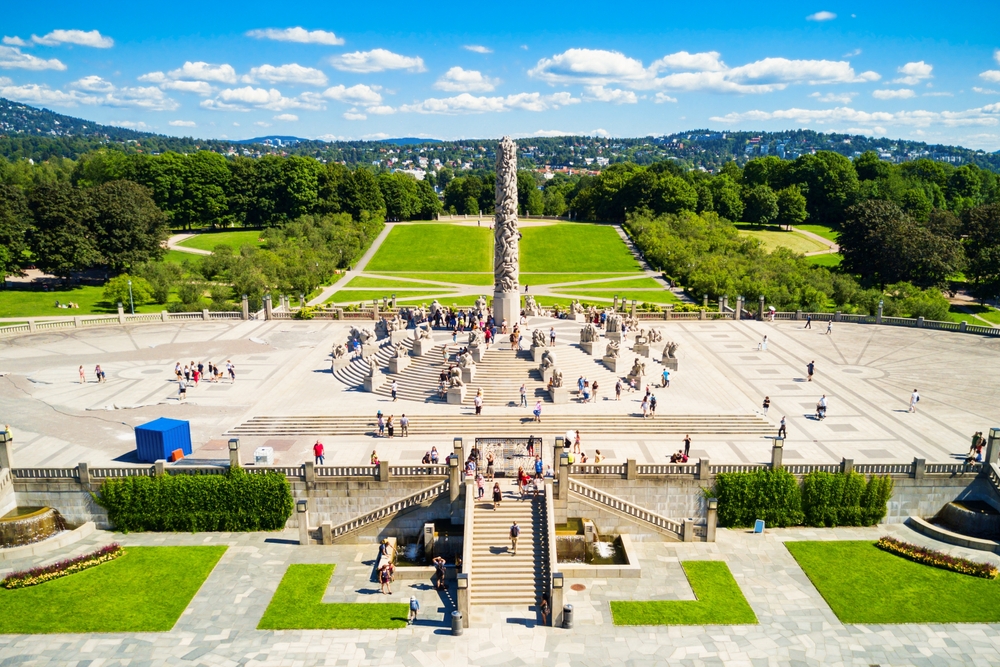
Vigeland Park in Frogner Park is Gustav Vigeland’s life’s work. It has more than 200 sculptures in granite, bronze and wrought iron. Vigeland worked on them for over 40 years, and most of them were put in place between 1940 and 1949. The highlight of the park is the huge granite column known as the Monolith, and another of the best-known works is the fountain.
The park is free and open around the clock all year, so you can come whenever it suits you. Take tram 12 or 15 or bus 20 to the Vigelandsparken stop. The Vigeland Museum is by the Frogner plass stop, is closed on Mondays and charges an entrance fee.
My tip is to come early in the morning or on a light summer evening, when there are fewer groups. If you’d like the stories behind the figures and their symbolism, you can take a guided tour with a local art guide. It lasts about an hour and a half.
Book a guided art tour of Vigeland Park.
4. Akershus Fortress and Akershus Castle
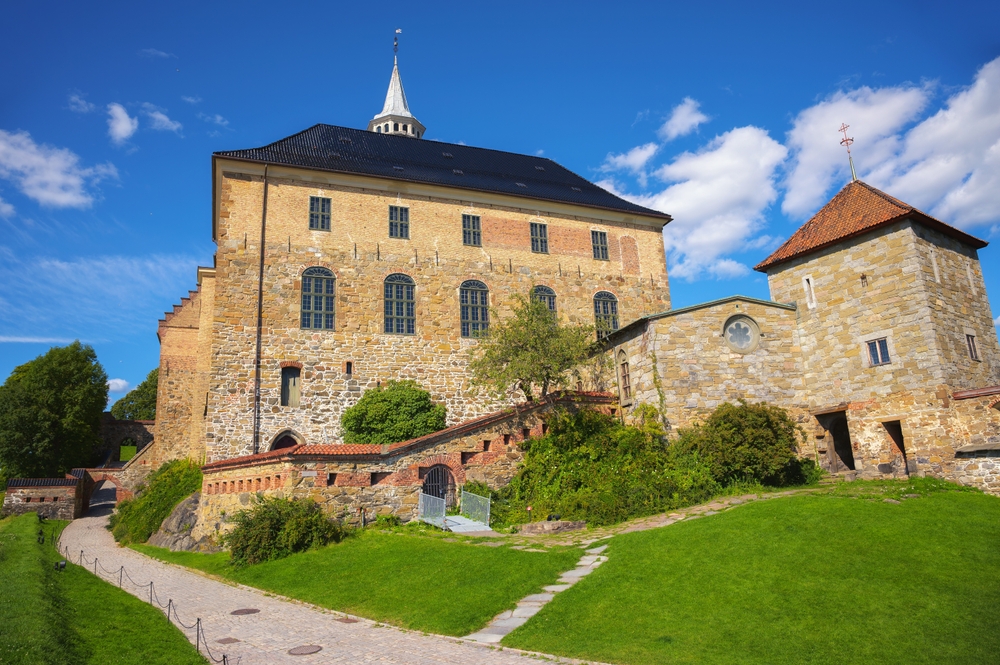
King Håkon V began building Akershus in 1299, and it was completed during the 14th century. Under Christian IV, the medieval castle was rebuilt as a Renaissance palace, and restoration work began in 1899. The fortress grounds are also home to the Armed Forces Museum and Norway’s Resistance Museum.
The fortress grounds themselves are free. The main gate is open every day from 6am to 9pm, while the side gates close at 6pm from October to April and at 9pm in summer. Inside the castle, you’ll see the banqueting halls, the castle church and the Royal Mausoleum with the royal sarcophagi. The castle has its own ticket, but the Oslo Pass gives you free entry.
The castle has shorter opening hours than the fortress and can close at short notice when the government uses the halls, so check the opening hours with the Norwegian Armed Forces Museums before you head up there. My tip is to take a walk along the walls, where you can look out over the harbour and the fjord. A guided walking tour passes the fortress, City Hall and the Royal Palace.
Book a guided walking tour of central Oslo.
5. The National Museum
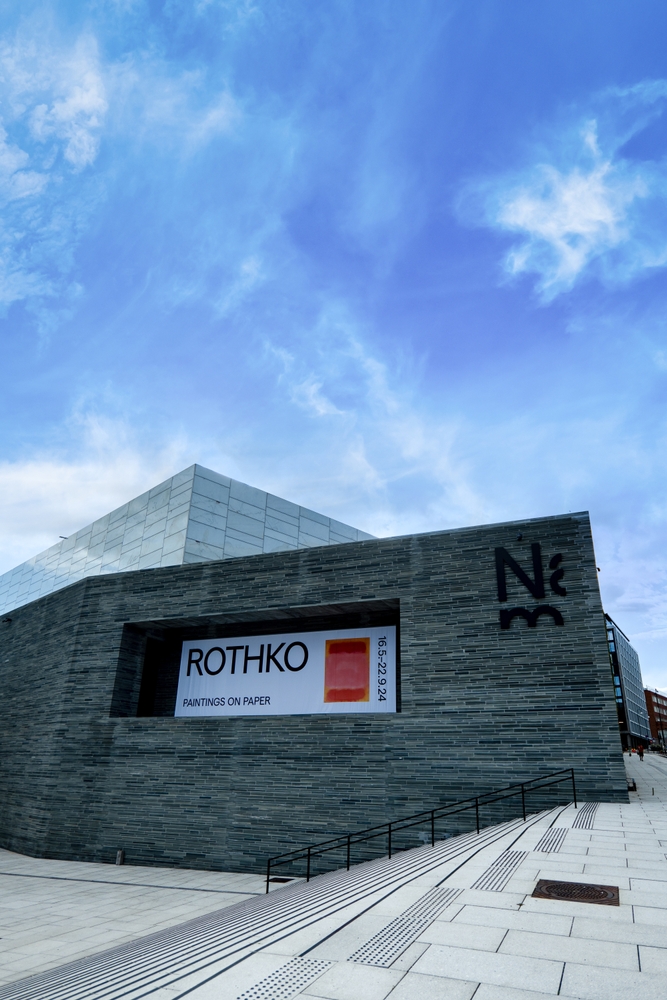
The National Museum, Nasjonalmuseet, opened in a new building on 11 June 2022 and brings Norway’s art, architecture and design together under one roof. In the Munch Room hang some of Edvard Munch’s best-known paintings, including The Scream from 1893.
A ticket costs roughly 220 Norwegian kroner (around €21), and students pay 120 Norwegian kroner (around €11) if they show a student card at the desk. With the Oslo Pass, entry is free. Outside summer, the museum is closed on Mondays, open from 10am to 8pm on Tuesdays and Wednesdays and from 10am to 5pm on the other days. In summer, it’s also open on Mondays.
Both MUNCH and the National Museum have works by Munch, and I think you should see both if you like his art. Here, the famous painted version of The Scream hangs alongside the rest of Norwegian art history, while MUNCH has his large collection. Come on one of the late evenings if you’d like quieter rooms.
Book a ticket to the National Museum.
6. City Hall and the Nobel Peace Center
Oslo City Hall (Rådhuset) faces the harbour, and this is where the Nobel Peace Prize is awarded every year on 10 December, the anniversary of Alfred Nobel’s death. The building is the seat of the city council and the city government, but it’s open to everyone, and you can walk around on your own. You can even get married in the Munch Room.
City Hall is open Monday to Saturday from 9am to 4pm and closed on Sundays. All visitors have to go through a security check, so there may be a queue, and parts of the building can be closed on days with events. The bells play every hour on the hour from 7am to midnight.
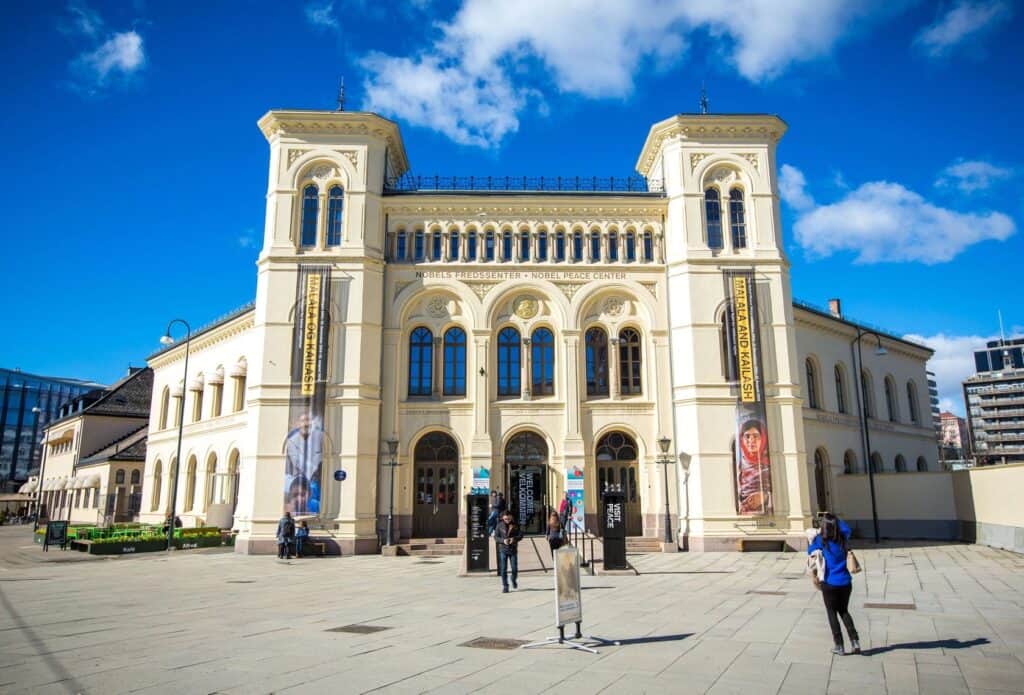
Nearby is the Nobel Peace Center, the Peace Prize’s own museum, with exhibitions about the laureates and their work. It’s open Tuesday to Sunday from 11am to 5pm and until 8pm on Wednesdays, it’s closed on Mondays, and children under 18 get in free. Check the current exhibitions and prices on the centre’s website before you go.
7. The Royal Palace
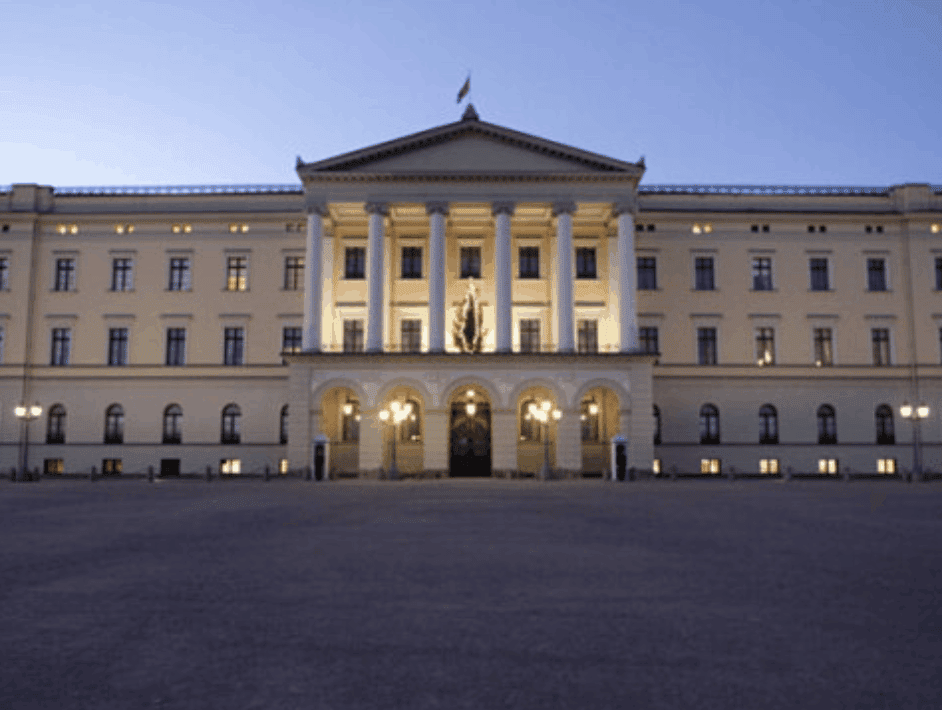
The Royal Palace (Slottet) is the King’s official residence in Oslo. It was designed by the Danish-Norwegian architect Linstow and completed in 1848. The building is simpler than the palaces in Copenhagen and Stockholm, and it’s surrounded by the Palace Park (Slottsparken).
Come for the changing of the guard by the King’s Guard, which takes place in front of the palace every day at 1.30pm. It’s free to watch. The Palace Park is open all year, covers about 22.5 hectares and has several statues, so it’s a good place for a break between the sights in the centre.
You can only go inside the palace in summer, when there are guided tours for the public. If you’re travelling in the summer holidays and want to go inside, keep an eye on the Royal House’s website well in advance. My tip is to be in the square a little before 1.30pm, so you get a spot in front of the guards.
8. The Norwegian Museum of Cultural History
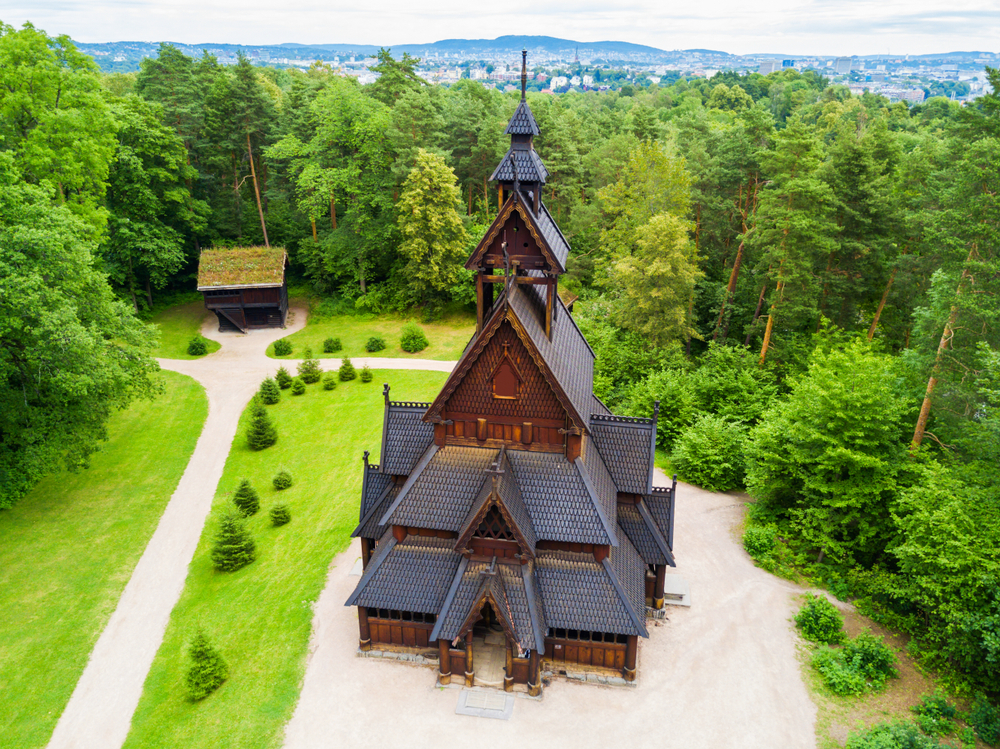
The Norwegian Museum of Cultural History (Norsk Folkemuseum) on Bygdøy is an open-air museum with more than 150 old buildings from all over Norway. The highlight is the stave church from Gol, which dates from around 1200. There are guided tours of the church and the Hove farm from Tuesday to Sunday at 11am, 1pm and 3pm.
A ticket costs 200 Norwegian kroner (around €19), students pay 140 Norwegian kroner (around €13), and children under 18 get in free. From 1 May to 4 October, it’s open every day from 10am to 5pm, and for the rest of the year it’s open Tuesday to Sunday from 11am to 4pm. Take bus 30 from the centre to the Folkemuseet stop, or take the ferry from Rådhusbrygge 3 to Dronningen and walk for about ten minutes from there.
The Viking Ship Museum on Bygdøy is closed for a long rebuild as the new Museum of the Viking Age, so check whether it has opened before you plan your day. Otherwise, combine Norsk Folkemuseum with the Fram Museum and the Kon-Tiki Museum, which are also on Bygdøy. With over 150 buildings, the museum is big, so allow at least a couple of hours if you want to see more than the stave church.
9. The Fram Museum
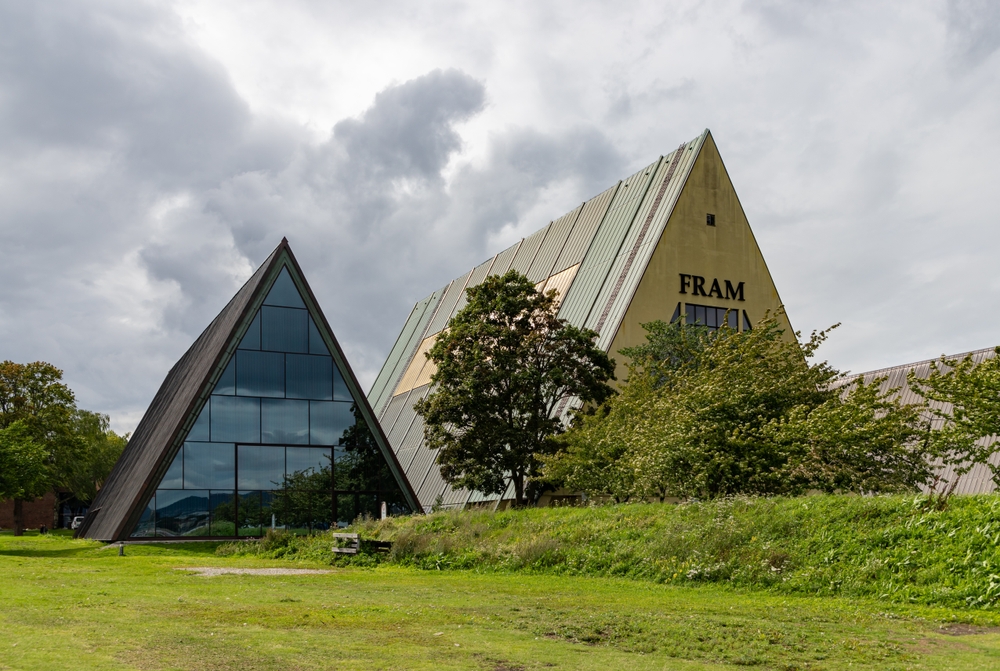
The Fram Museum is about the Norwegian polar explorers, and in the middle of the building stands Fram, the strongest wooden ship in the world. It’s the original ship, and you can go on board. The museum also has Gjøa, which was the first ship to sail all the way through the Northwest Passage.
A ticket costs 180 Norwegian kroner (around €17) for adults and 70 Norwegian kroner (around €6.50) for children. The museum is open every day of the year from 10am to 5pm. It’s at Bygdøynesveien 39, and the Kon-Tiki Museum is close by, so you can easily see both in an afternoon.
Allow at least an hour, because it takes time to walk around on board. There’s also a polar simulator where you fly with Roald Amundsen towards the North Pole in 1925. If you’d like transport and a guide included, there are tours that combine Fram with the other highlights.
Book a guided tour with Holmenkollen, Vigeland Park and the museums on Bygdøy.
10. The Kon-Tiki Museum
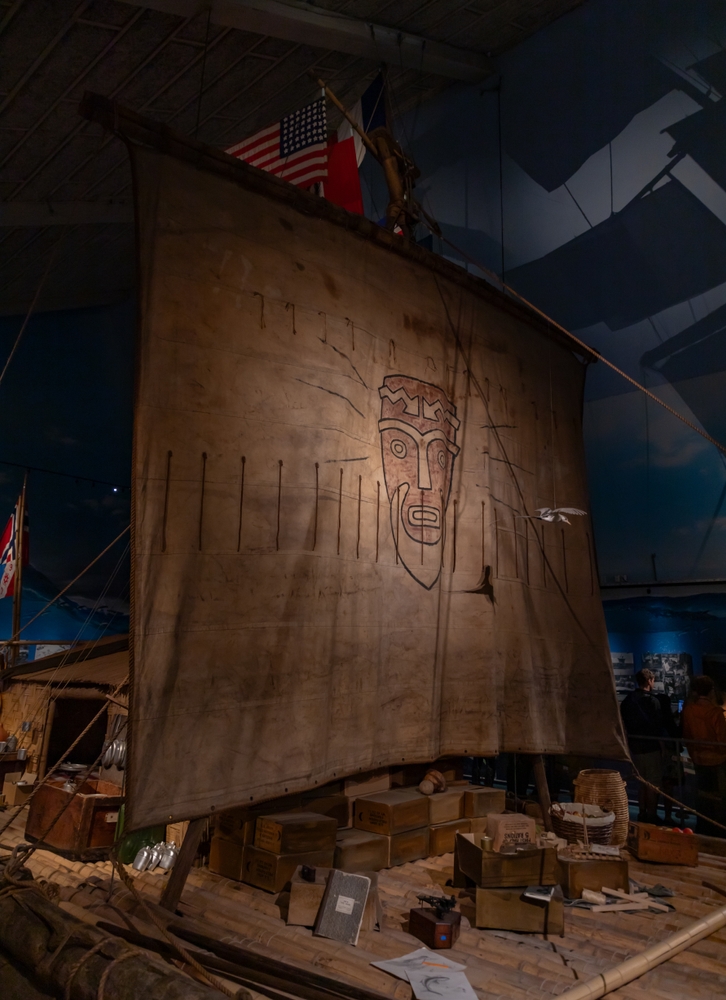
The Kon-Tiki Museum tells the story of Thor Heyerdahl’s expeditions, and here you’ll see the original Kon-Tiki raft from his most famous expedition. The museum also has the papyrus boat Ra II and lots of objects from his other journeys. It isn’t a big museum, so an hour is enough for most people.
A ticket costs 140 Norwegian kroner (around €13) for adults, and students and children aged 6 to 17 pay 50 Norwegian kroner (around €4.50). It’s open every day of the week from 10am or 11am to 5pm, depending on the season. Bus 30 runs every ten minutes from Jernbanetorget by Oslo Central Station, and from April to October the ferry sails from Rådhuskaien every 20 minutes to Bygdøynes, about 200 metres from the museum.
My tip is to take the ferry out and the bus back. That way you get the boat trip, and you can decide for yourself when to leave Bygdøy.
Book a ticket to the Kon-Tiki Museum.
11. Holmenkollen
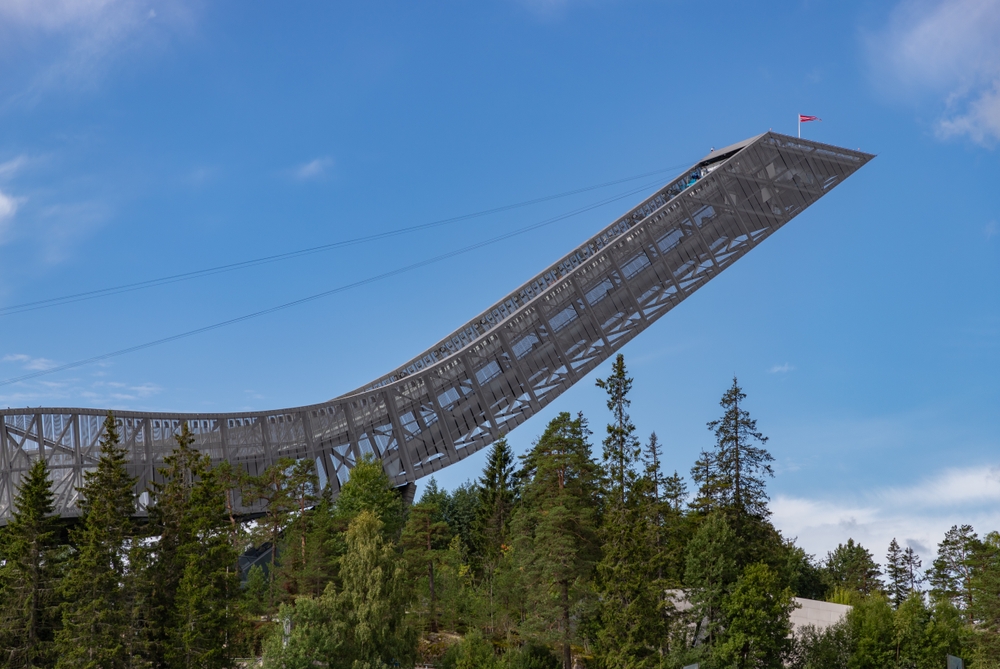
Holmenkollbakken is Oslo’s famous ski jump, high up on the hill above the city. Next to the jump is the Ski Museum, which was founded in 1923 and has been here since 1951. It has the world’s largest collection of skis and winter equipment, including skis that are around 1,000 years old, and exhibitions about the polar explorers.
The ticket gives you access to both the museum and the top of the jump tower, where you’ve got a view over the whole city and the surrounding area. It costs 200 Norwegian kroner (around €19) for adults and 100 Norwegian kroner (around €9.50) for children aged 6 to 17. It’s open every day from 10am to 4pm from October to April and from 10am to 5pm from May to September.
Take T-bane (metro) line 1 towards Frognerseteren and get off at Holmenkollen station. From there, it’s a steep walk uphill of about ten minutes. Come on a clear day, because the view is the whole reason to come up here.
Book a sightseeing tour to Holmenkollen and Vigeland Park.
12. Boat Trips and Island Hopping on the Oslofjord
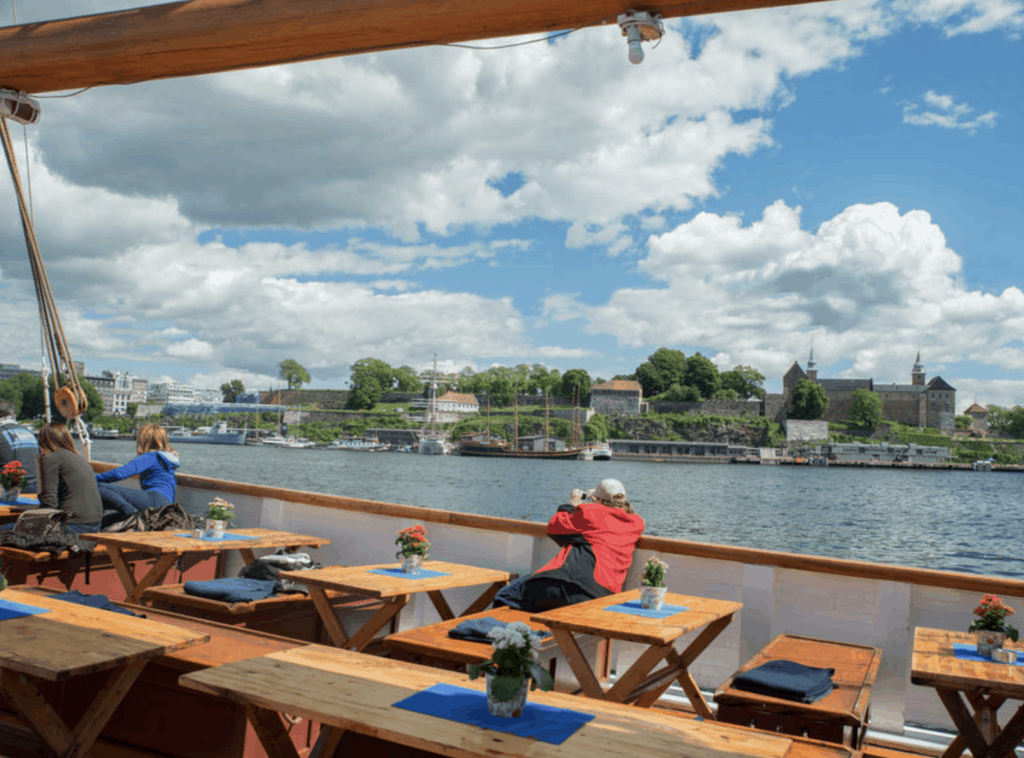
The Oslofjord is one of the biggest reasons to visit the city in summer. The cheapest way to get out on the water is with Ruter’s ferries. Line B1 sails from Aker Brygge out to the islands of Hovedøya, Lindøya, Gressholmen, Bleikøya and Nakkholmen, and an ordinary Ruter ticket is valid on board.
Line B1 sails all year, but in winter there are only seven or eight departures a day. From June to August, line B2 also sails. You can’t buy tickets out on the islands, so buy your return ticket in the Ruter app before you set off. Bring a packed lunch and swimwear if the weather’s good.
If you’d rather go on a guided boat trip, quiet electric boats sail from the harbour. A two-hour trip takes you close to the city’s highlights, and the guide tells you about the history and nature along the way.
Book a guided cruise on the Oslofjord by electric boat.
13. Aker Brygge and Tjuvholmen
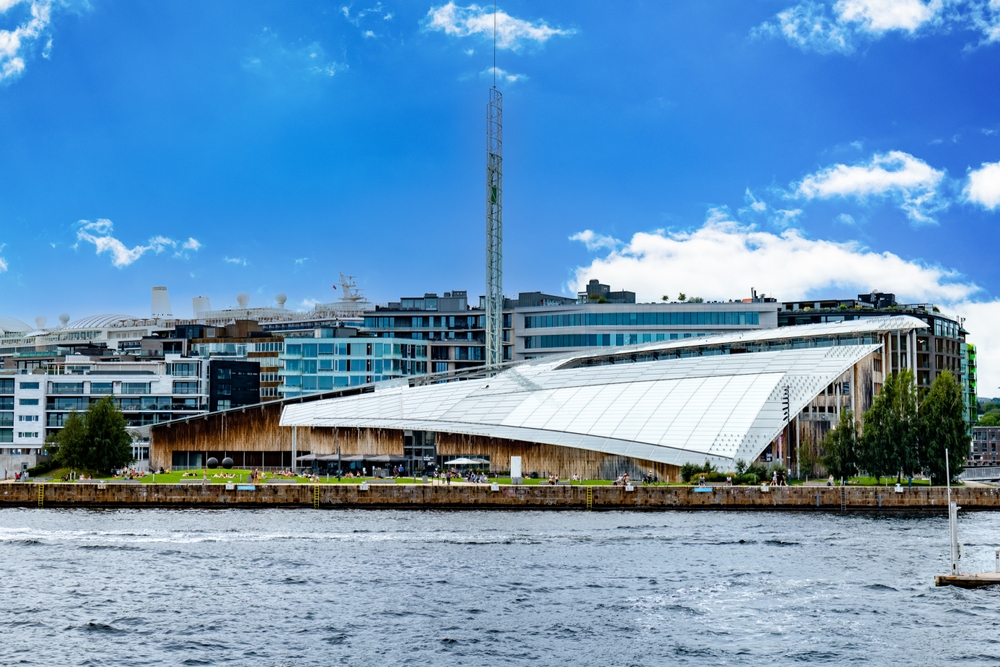
Aker Brygge is the harbour promenade with restaurants and shops facing the water. If you carry on out to Tjuvholmen, you’ll come to the Astrup Fearnley Museum, a museum of modern art that was designed by the Italian architect Renzo Piano. Outside is the Tjuvholmen sculpture park.
The Astrup Fearnley Museum is at Strandpromenaden 2 and is open Tuesday to Sunday. On Tuesdays, Wednesdays and Fridays it’s open from noon to 5pm, on Thursdays from noon to 7pm and at weekends from 11am to 5pm. In July and August, the museum is also open on Mondays. A ticket costs 180 Norwegian kroner (around €17), students and pensioners pay 100 Norwegian kroner (around €9.50), and children and young people under 20 get in free. It’s also free with the Oslo Pass.
Eating on the promenade is expensive, so I’d rather recommend buying a cup of coffee and sitting on the steps by the water. At sunset, Tjuvholmen is one of the best places in the city to watch the light over the fjord.
14. Grünerløkka and Mathallen
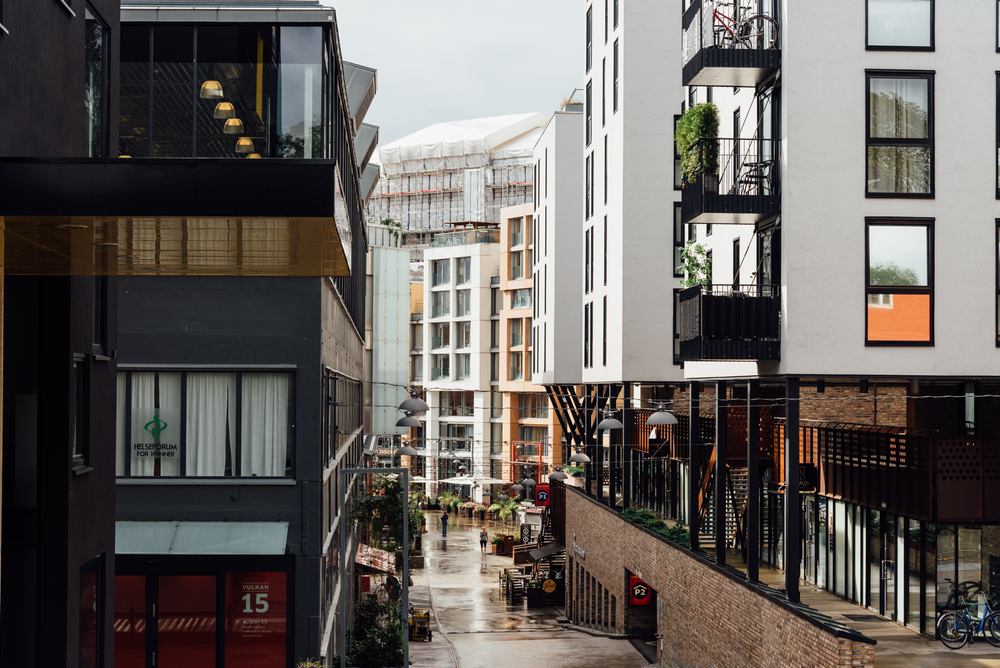
Grünerløkka is one of Oslo’s most alternative and hip neighbourhoods, with vintage shops, independent stores and cafés. The Akerselva river forms the western edge of the neighbourhood, and the path along the water runs through parks and past old brick factories from the industrial era. On Sundays there’s a flea market in Birkelunden park, and in summer Sofienbergparken is full of people having picnics.
By the Akerselva, in the Vulkan area, you’ll find the food hall Mathallen, with stalls selling meat, fish and cheese, bakeries, coffee and restaurants. It’s open Tuesday to Saturday from 10am to 8pm and on Sundays from 11am to 6pm, and it’s closed on Mondays. Some of the restaurants stay open later.
My tip is to walk along the Akerselva from the centre up to Grünerløkka, have lunch in Mathallen and finish at one of the cafés around Birkelunden. If you’d like to eat your way through the neighbourhood with a local guide, there are food tours too.
Book a food tour in Grünerløkka.
15. Ekebergparken
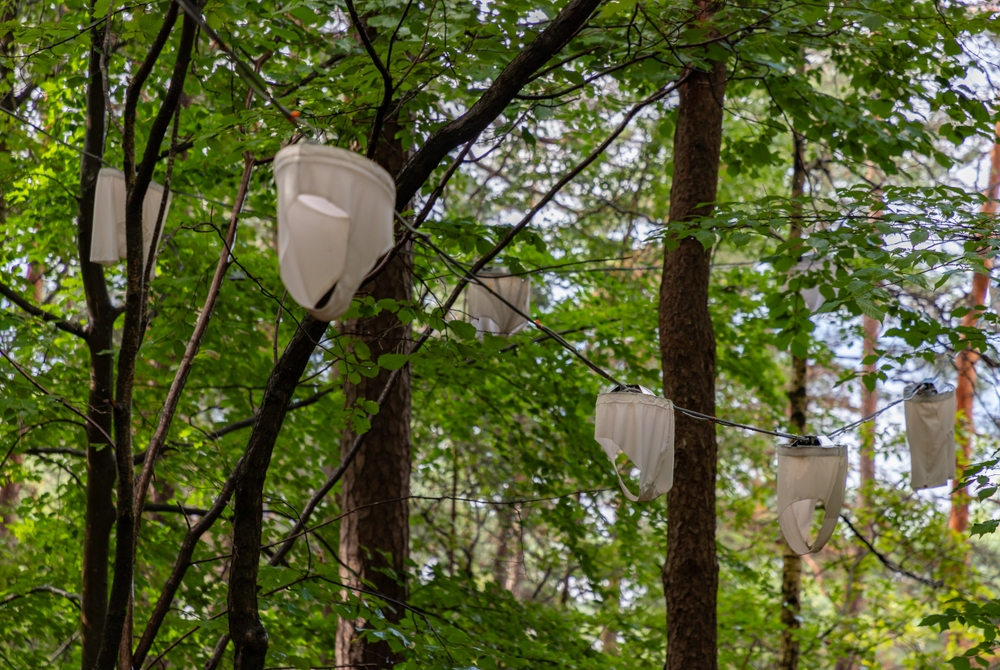
Ekebergparken is a sculpture park where art, nature and cultural history come together. The park has works by artists such as Jaume Plensa, Elmgreen & Dragset, James Turrell, Yinka Shonibare, Salvador Dalí and Pipilotti Rist. It’s one of the places many tourists miss, and that’s exactly why I like it.
The park is open around the clock all year and free to visit. The museum and shop at Kongsveien 23 are open Wednesday to Sunday from 11am to 4pm and closed on Mondays and Tuesdays. There are guided tours, workshops and restaurants in the area, and you’ll find the best way to get up there in the Ruter app.
My tip is to combine the park with MUNCH or the Opera House on the same day. The park is free and open even when the museums are closed, so you can easily head up there in the evening and wander among the works at your own pace. Wear good shoes, because you’ll do quite a bit of walking in the park.
16. Deichman Bjørvika
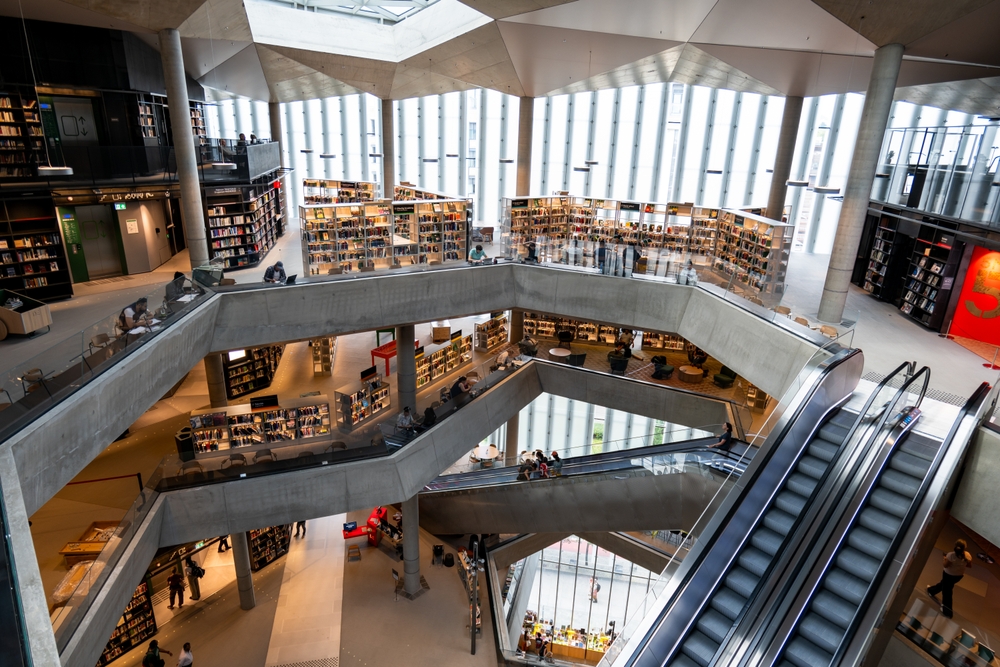
Deichman Bjørvika is Oslo’s new main library, on Anne-Cath. Vestlys plass right next to the Opera House. It might not sound like a sight, but the building is one of the best examples of the new architecture in Bjørvika, and from the top floor you’ve got a view over the Oslofjord.
The library has books, a cinema, workshops, a café and a sound studio, and there are free events such as talks and films. It’s a public library, so you can walk in without a ticket. On Mondays it’s open from 8am to 10pm, and at weekends from 10am to 6pm.
Look out for the silent room of the art project Future Library. Here, 100 new books are being kept for 100 years, and they won’t be available to readers until 2114. My tip is to use the library as a warm and free pit stop after you’ve been up on the Opera House roof in winter.
17. The Storting
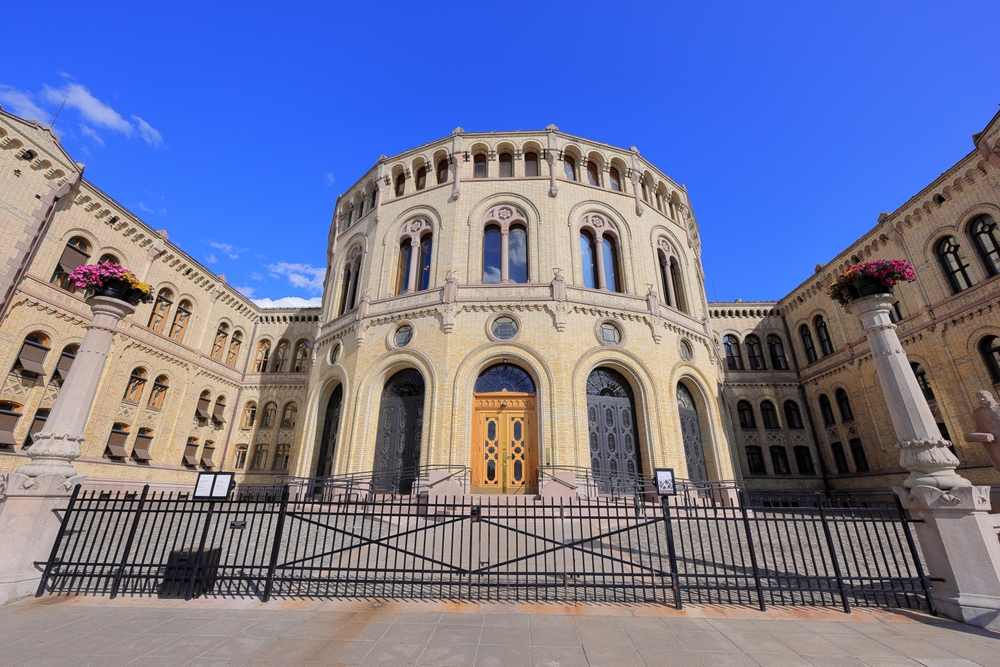
The Storting is Norway’s parliament, and the building is right in the centre, with its entrance on Karl Johans gate when the chamber is sitting. It’s a place few tourists think of, but in summer you can go inside for free on a guided tour.
The Storting offers free guided tours for tourists in July and August, and they’re open to everyone, with room for up to 30 people per tour. Outside summer, the pre-booked tours are reserved for school classes, so as a tourist you can’t book a tour then.
If you’re travelling to Oslo in the summer holidays, check the times on the Storting’s website before you set off, and arrive in good time, because there’s limited space on each tour. Otherwise, you can settle for seeing the building from the outside as you walk up Karl Johans gate.
Practical Travel Tips for Oslo
Oslo is expensive, which is why the Oslo Pass can pay off if you want to see several museums in a short time. It costs 580 Norwegian kroner (around €54) for 24 hours, 845 Norwegian kroner (around €79) for 48 hours and 995 Norwegian kroner (around €93) for 72 hours. It gives you free entry to more than 30 museums and sights, including the National Museum, Akershus Castle and the Astrup Fearnley Museum, as well as free public transport, including to and from Oslo Airport Gardermoen.
Without the Oslo Pass, you buy tickets for buses, trams, the T-bane and the ferries to the islands in the Ruter app.
If you’re not sure which area to choose, read my guide to where to stay in Oslo, or see all hotels in Oslo on Booking.com. If you’re heading on to Sweden, I’ve also written about the best things to do in Stockholm.
Travel ressources & websites I use all the time 👇
• Booking.com has the best offers on hotels and unique places to stay
• GetYourGuide is the best place to book tours & activities with free cancellation
• Welcome Pickups is the best & safest place to pre-book airport transfers
Psst 👀 Have you subscribed to my Youtube channel and my Instagram where I provide more useful travel tips?