

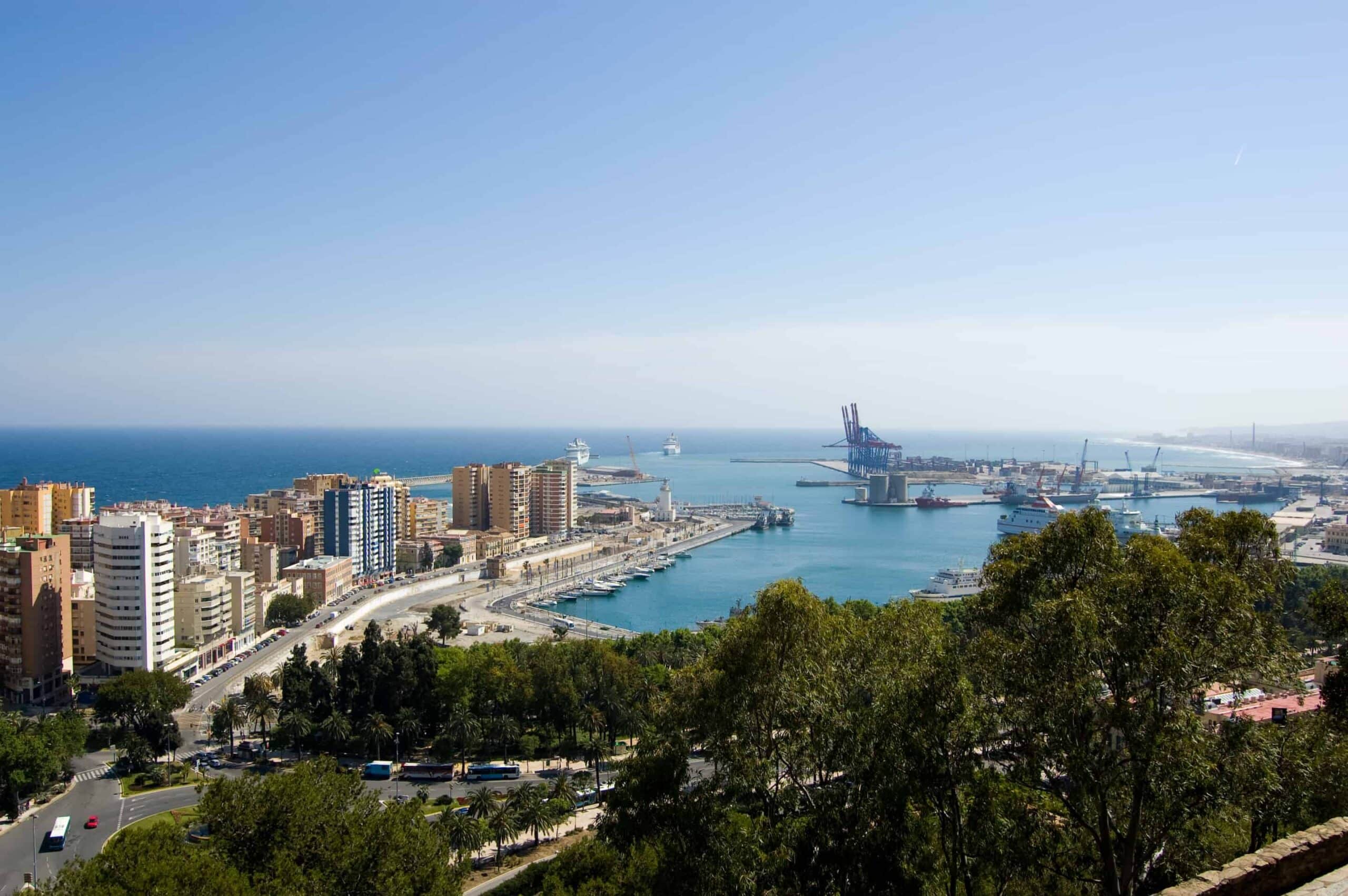
For years, Malaga was just the city with the airport, where you landed on your way to the beach. Today it’s a destination in its own right, with a Moorish fortress in the middle of the city, a Roman theatre, good art museums and Picasso’s birthplace, and you still have both a city beach and the Costa del Sol right on your doorstep. From Malaga, it’s also a short trip to Granada, Ronda and some of Andalusia’s best hikes.
Here are my picks for the 18 best things to see and do in Malaga and on the Costa del Sol, with prices, opening hours and tips on what to book before you go. Prices are in euros, and many of the city’s sights are free late on Sunday afternoons, so read the sections before you plan your week. If you’re still unsure where to stay, I’ve written a guide to where to stay in Malaga.
Contents
1. Alcazaba
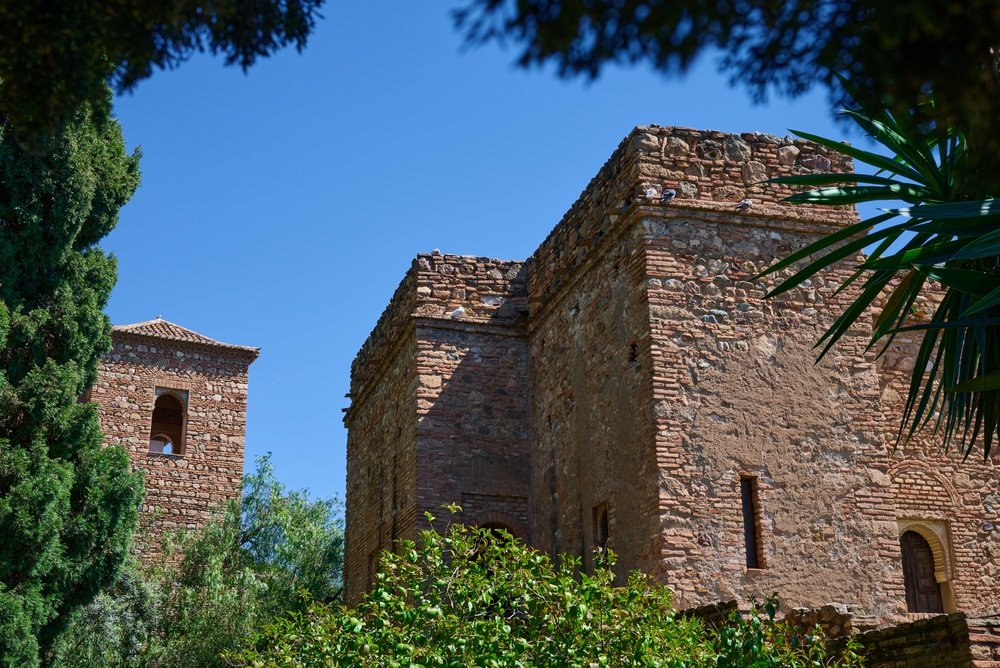
The Alcazaba is the Moorish fortress on the slope above the Old Town, and it’s Malaga’s most important sight. Work on the palace began in the 11th century under the Hammudid dynasty, and later Muslim rulers extended the fortress up to the 14th century. You walk up through a series of gates and defensive walls before you reach the inner courtyards with fountains, pools and gardens, and from the walls there are views over the harbour and the city.
A ticket costs €7, and a combined ticket for the Alcazaba and Castillo de Gibralfaro costs €10. From 1 April to 31 October, it’s open from 9am to 8pm, and from 1 November to 31 March from 9am to 6pm. Last entry is an hour before closing.
Entry is free every Sunday from 2pm, but that’s also when it’s busiest. It’s better to come early on a weekday morning before it gets hot, because there are lots of steps and not much shade. The entrance is on Calle Alcazabilla, right next to the Roman Theatre, so the two are easy to see in one go.
Book a guided tour of the Alcazaba and the Roman Theatre with entry tickets.
2. Castillo de Gibralfaro
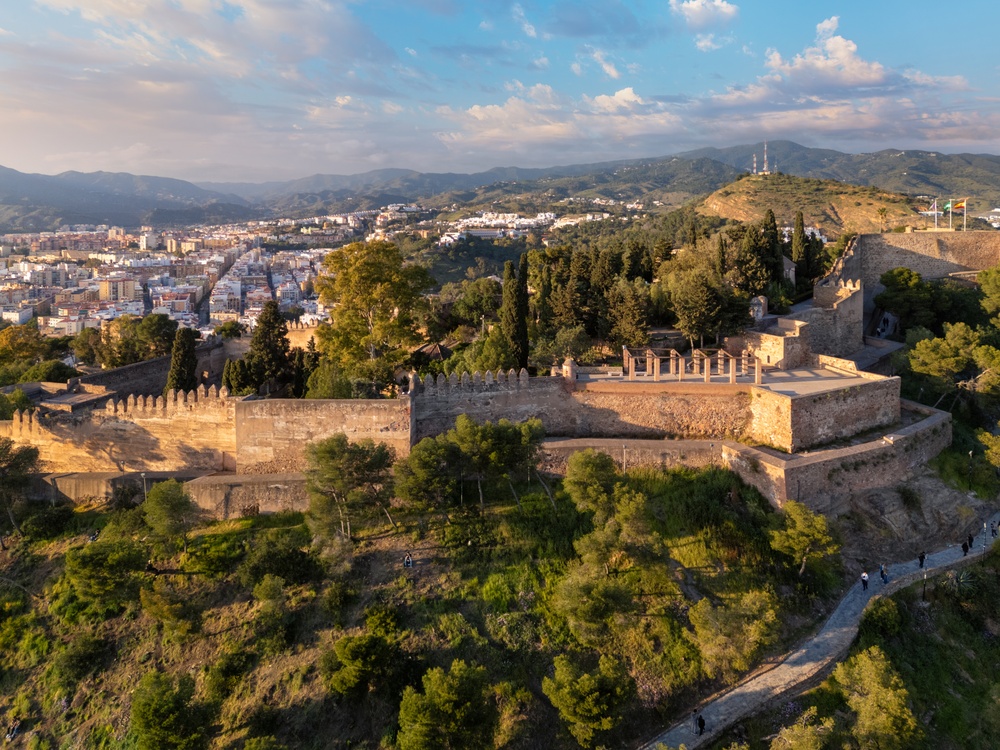
High above the Alcazaba stands Castillo de Gibralfaro, and from here you get the best view of Malaga. The castle was built under King Yusuf I between 1344 and 1354 and completed by his son Muhammad V. It was linked to the Alcazaba by a walled passage, la Coracha, and from 1487 to 1925 it was used as a garrison and a lookout post over the coast.
Inside the castle, you can walk the whole way round on the ramparts, and there’s a small visitor centre about the castle’s history. The view from the walls takes in the harbour, the bullring and La Malagueta beach. A ticket costs €7, or €10 together with the Alcazaba, and the opening hours and free entry on Sundays from 2pm are the same as at the Alcazaba. The combined ticket is the best buy if you want to see both.
The way up is steep. You can walk up Paseo de Don Juan Temboury in about 20 minutes, or you can take city bus 35 from the centre, which runs about every half hour. My tip is to take the bus up and walk down, because then you have the view in front of you all the way. Just below the castle is the Mirador de Gibralfaro viewpoint, which is free.
3. Malaga Cathedral
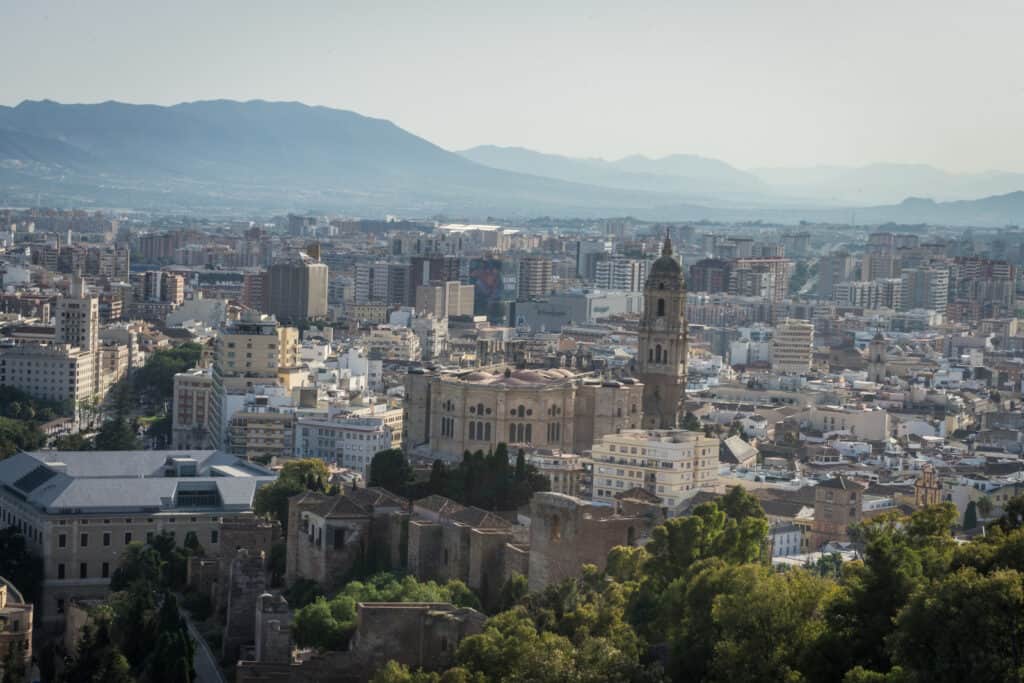
Malaga Cathedral was built over several hundred years from the 16th century, and construction stopped before the south tower was finished. That’s why locals call the church La Manquita, which means the one-armed one. Inside, there’s a tall, bright nave with a carved wooden choir and a row of side chapels.
A ticket costs €10 and includes an audio guide. From Monday to Friday, the cathedral opens at 10.30am and closes between 6.30pm and 8pm depending on the season, on Saturdays it’s open from 10.30am to 6pm and on Sundays from 2pm to 6pm. Last entry is 45 minutes before closing. The cathedral’s own website shows two different timetables, so check the times before you go. It’s closed on 1 January and 25 December, and there are no tourist visits during services on Saturdays and Sundays.
The cathedral is in the middle of the Old Town, a few minutes’ walk from the Alcazaba. If you want to see it together with the fortress and the theatre, a combined walking tour with tickets is an easy option on your first day.
Book a guided tour of the cathedral, the Alcazaba and the Roman Theatre with tickets.
4. Museo Picasso Málaga
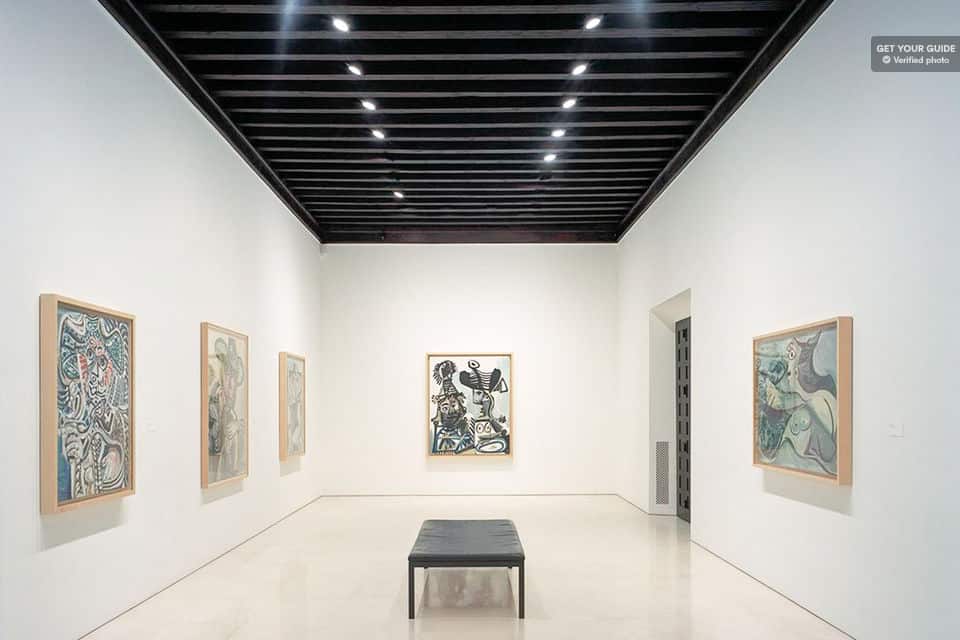
Pablo Picasso was born in Malaga, and the city’s big Picasso museum is in the Palacio de Buenavista in the Old Town. The collection shows works from his whole long career, from the early portraits to the late paintings, ceramics and sculptures, and it’s complemented by temporary exhibitions.
A ticket to the whole museum costs €13 and includes an audio guide that you use on your own phone. The museum is open every day from 10am to 7pm from March to June and in September and October, from 10am to 8pm in July and August, and from 10am to 6pm from November to February. It’s closed on 25 December and on 1 and 6 January.
On Sundays, entry is free for the last two hours before closing, and children under 17 always get in free. The free Sunday hours are popular, so arrive in good time. The museum is on Calle San Agustín, a few minutes’ walk from the cathedral.
Book a guided tour of the Picasso Museum with a ticket.
5. The Roman Theatre
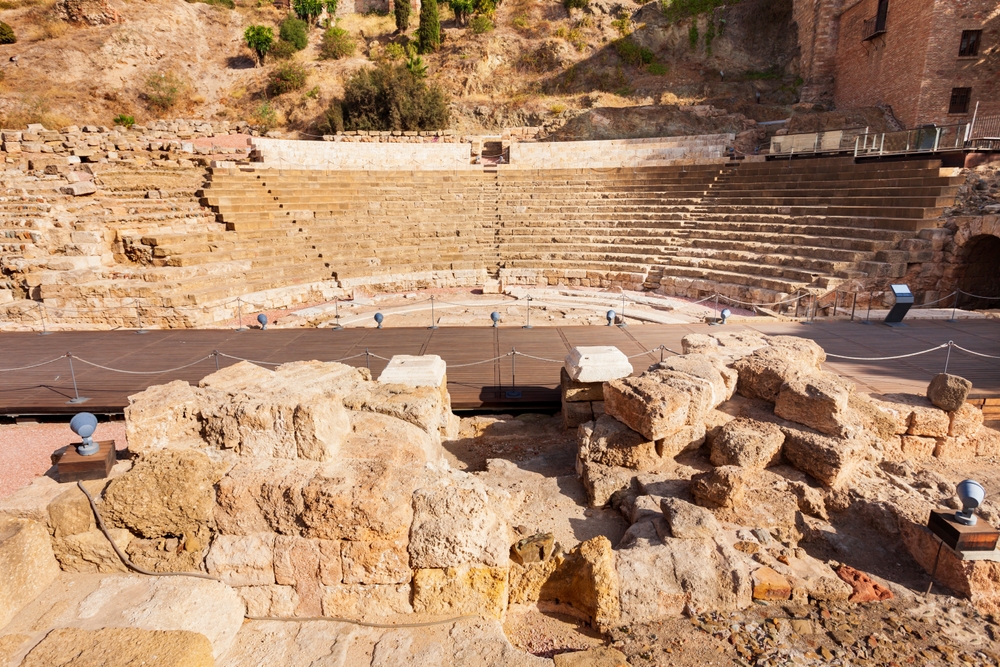
At the foot of the Alcazaba lie the remains of a Roman theatre that was built at the beginning of the first century AD. It lay hidden underground for centuries and was only rediscovered in 1951, during work on a garden. At first, people thought it was a gate in the Roman city wall.
You can see the theatre for free from Calle Alcazabilla, but it’s worth going in. Entry is free, and in the small visitor centre by the entrance, the theatre’s history is explained before you go out onto the seating. It’s open Tuesday to Saturday from 10am to 6pm and on Sundays and public holidays from 10am to 4pm, and there’s no entry in the last half hour before closing. The theatre is closed on Mondays and on 1 and 6 January, 1 May and 24, 25 and 31 December.
It’s easy to combine with the Alcazaba, as the entrance to the fortress is only a few metres away. Calle Alcazabilla is a pedestrian street with cafés and bars, so you can finish with a coffee overlooking the ruins.
6. Plaza de la Merced and Picasso’s Birthplace
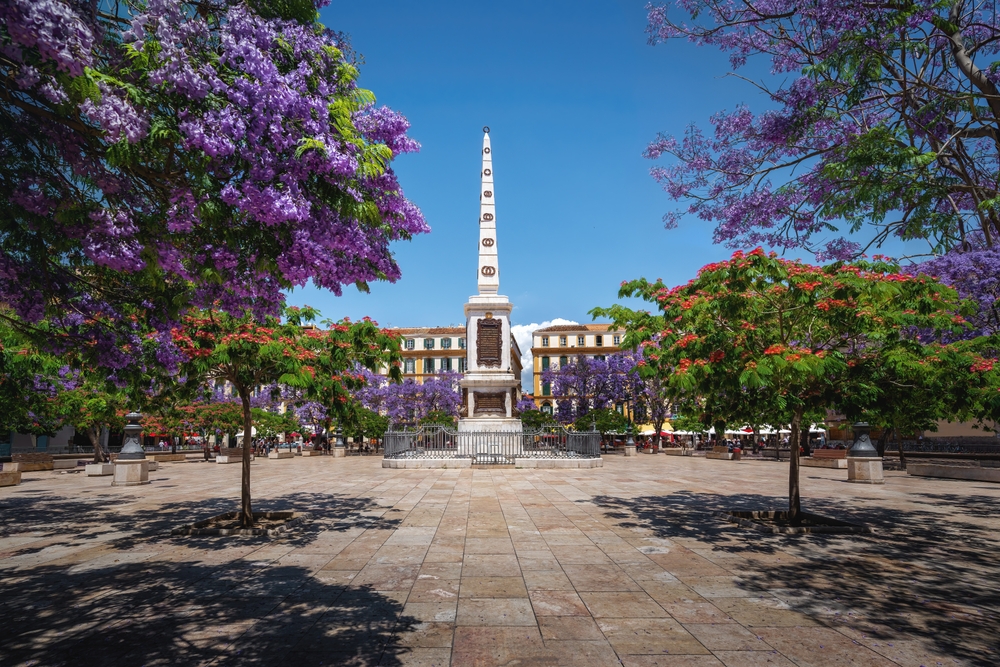
Plaza de la Merced is one of the big squares in the Old Town, with an obelisk in memory of General Torrijos in the middle and cafés and bars all the way round. A bronze statue of Picasso sits on a bench on the square, and opposite it is the house at Plaza de la Merced 15, where he was born.
Today the house is a museum, the Museo Casa Natal, run by the Fundación Picasso. You see the flat where the family lived, with furniture and family belongings, and you learn about his childhood in Malaga and about his father, who was a drawing teacher. There are also temporary exhibitions with prints and ceramics, among other things.
The museum costs just €3, and a combined ticket with the temporary exhibition costs €4. It’s open every day from 9.30am to 8pm, including public holidays, and it’s closed on 1 January and 25 December. Entry is free on Sundays from 4pm to 8pm. The birthplace is much smaller than the big museum, but it’s a good complement and takes less than an hour.
7. Muelle Uno and the Centre Pompidou
Malaga’s old port was opened up to the city in 2011, and today you can walk along the water from Paseo del Parque to La Malagueta beach. The first quay, Muelle Uno, has a promenade and playgrounds on the upper level and shops and restaurants below. Next to it is Muelle Dos with the Palmeral de las Sorpresas, a promenade under palm trees with a long pergola. This is where tour boats and cruise ships moor.
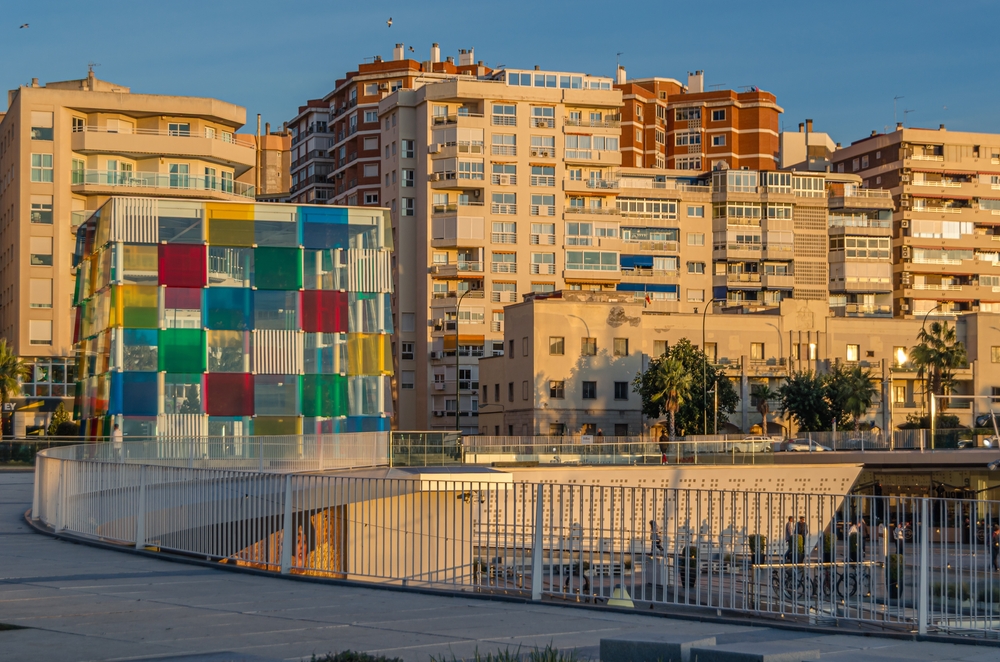
At the end of Muelle Uno stands the coloured glass cube El Cubo, which the artist Daniel Buren helped to design. Beneath it is the Centre Pompidou Málaga, the first branch of the French Centre Pompidou outside France. The museum opened in 2015 and shows modern art from the 20th and 21st centuries from the Paris museum’s collection. It’s run under an agreement between the city and the Centre Pompidou in Paris.
I haven’t been able to confirm the prices on the museum’s own website. A ticket to the collection has cost about €7, or about €9 with the temporary exhibition, and the museum has been closed on Tuesdays. Check before you go.
8. Mercado Central de Atarazanas
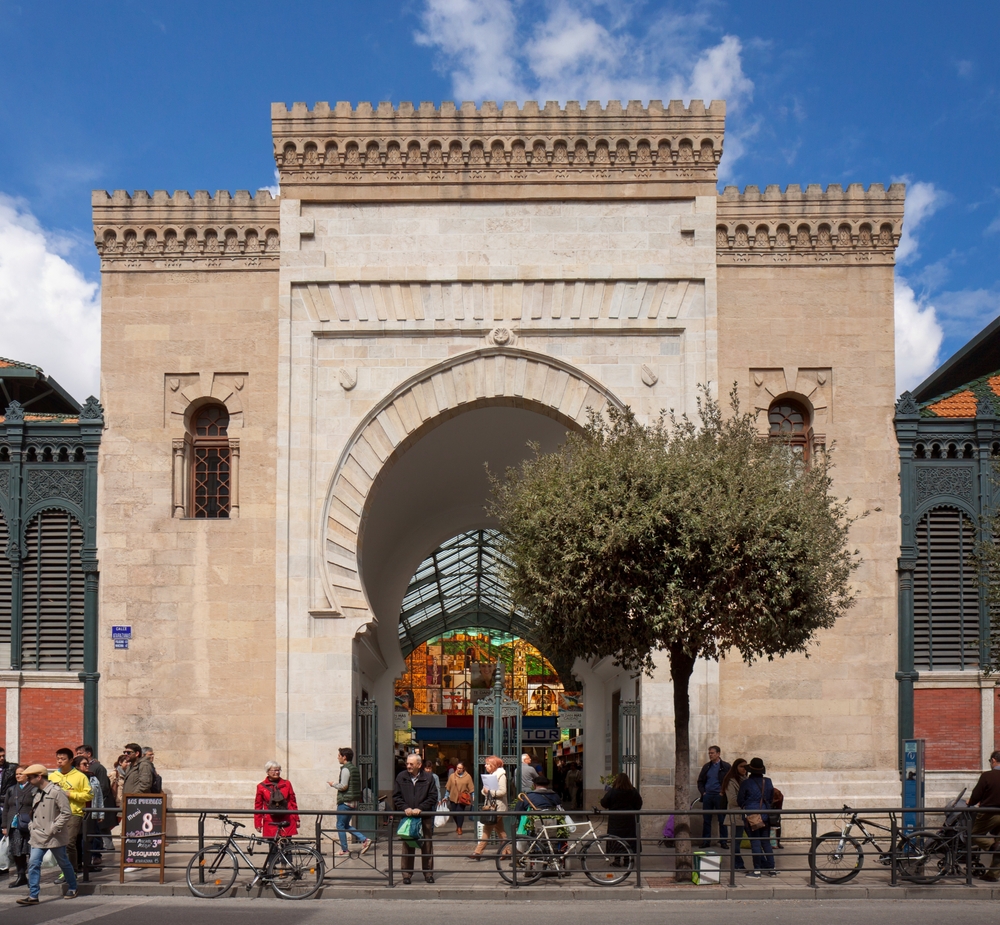
Malaga’s central market stands where the Moors had their shipyard in the 14th century. The iron and glass market hall itself was inaugurated in 1879, but the entrance is a white Moorish gate with a horseshoe arch that survives from the shipyard. Inside the hall, the morning light falls through a large stained-glass window.
There are more than 250 stalls with fish, seafood, fruit, vegetables, olives, ham and cheese, and some of the bars in the hall fry fish and make tapas that you can eat at the counter. It’s the best place to try boquerones, the small deep-fried anchovies that are Malaga’s own dish.
The market is usually open Monday to Saturday from 8am to 3pm and closed on Sundays. Come in the morning, when the stalls are fully stocked and the bars are busy. Remember that it’s a working market, so buy something and keep out of the traders’ way when you take photos. The market is on Calle Atarazanas near the Alameda Principal, a few minutes’ walk from Calle Larios and the cathedral.
9. Museo Carmen Thyssen
The Museo Carmen Thyssen is in an old palace in the Old Town and has one of Spain’s best collections of 19th-century Spanish painting. The collection comes from Baroness Carmen Thyssen-Bornemisza, and it focuses on landscapes and everyday scenes from Andalusia, bullfighters, flamenco dancers and portraits of the middle classes of the time. There are also temporary exhibitions, and in the basement you can see an archaeological excavation.
A ticket to the collection and the temporary exhibitions with an audio guide costs €12, or €15 with the excavation. It’s open Tuesday to Sunday from 10am to 8pm, and last entry is half an hour before closing. The museum is closed on Mondays, on 25 December and on 1 and 6 January.
Entry is free on Sundays from 4pm, and under-18s always get in free. The museum is on Calle Compañía, a few minutes’ walk from Plaza de la Constitución. If you only have time for one art museum besides the Picasso Museum, I’d choose this one, because it gives you a good picture of Andalusia before the tourists arrived.
10. Museo de Málaga
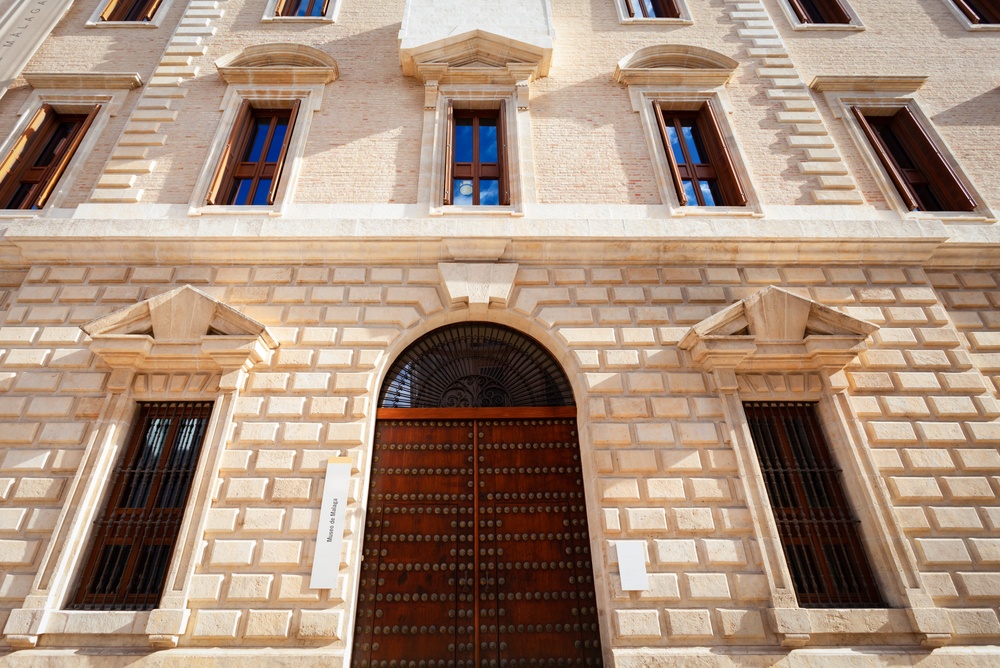
The Museo de Málaga is in the Palacio de la Aduana, the city’s old customs house, between the Alcazaba and the harbour. The museum opened in the building in 2016 and brings together two old museums, an art museum and an archaeological museum. The archaeological section is the larger one and runs from the Stone Age through the Phoenicians and the Romans to Moorish Malaga, and among other things there’s a long Roman mosaic. The art collection has Spanish painting and sculpture, including works by the sculptor Pedro de Mena.
According to Andalusia’s tourism website, the museum is open from 9am to 9pm five days a week and from 9am to 3pm on the sixth day and on public holidays. It’s closed on Mondays. Entry is free for EU citizens, who need to show ID.
The museum is large, so allow a couple of hours if you want to see both collections. It’s a good place to go on a hot afternoon, and you can easily combine your visit with the Roman Theatre and the Alcazaba, which are right next door.
11. La Malagueta
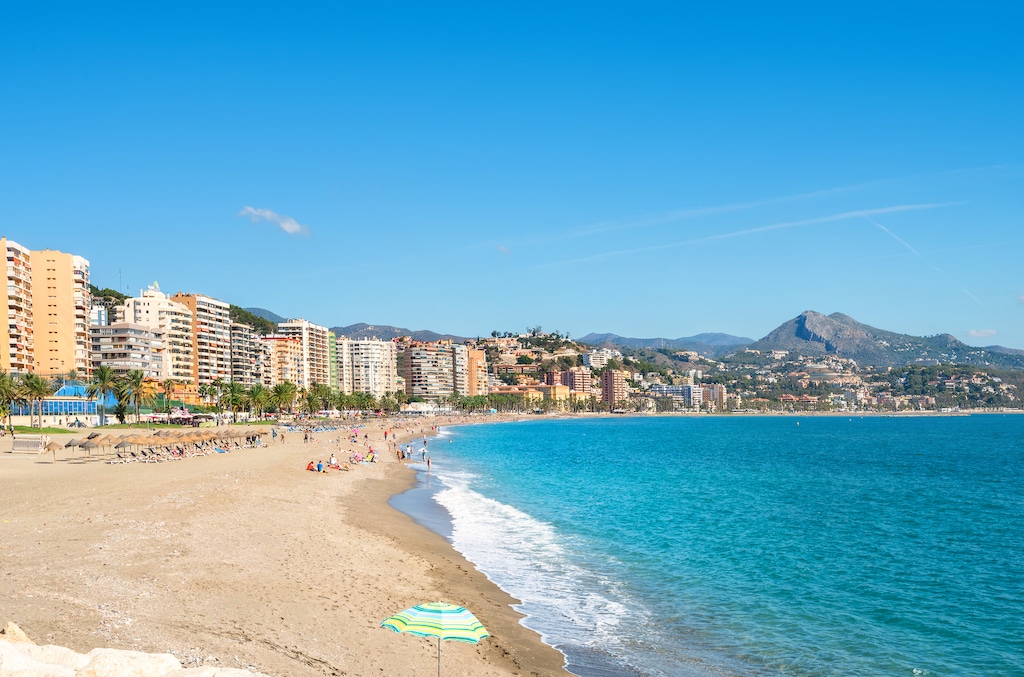
La Malagueta is Malaga’s city beach, about a ten-minute walk from the Old Town, just east of the harbour. The beach is 1,200 metres long and 45 metres wide with dark sand, and it has a Blue Flag. You can hire sun loungers and parasols, and there are toilets, showers and an area for children.
Along the beach is a row of beach restaurants, chiringuitos, and this is where you should try espetos. They’re sardines on skewers, grilled over a fire in old boats filled with sand. Sardines are at their best in summer, and a portion makes a cheap lunch.
La Malagueta is convenient, but it’s also the busiest beach in the city. If you want more space, carry on east along the promenade to La Caleta and on to Pedregalejo and El Palo, where the old fishing districts still have lots of small beach restaurants.
12. The La Concepción Botanical Garden
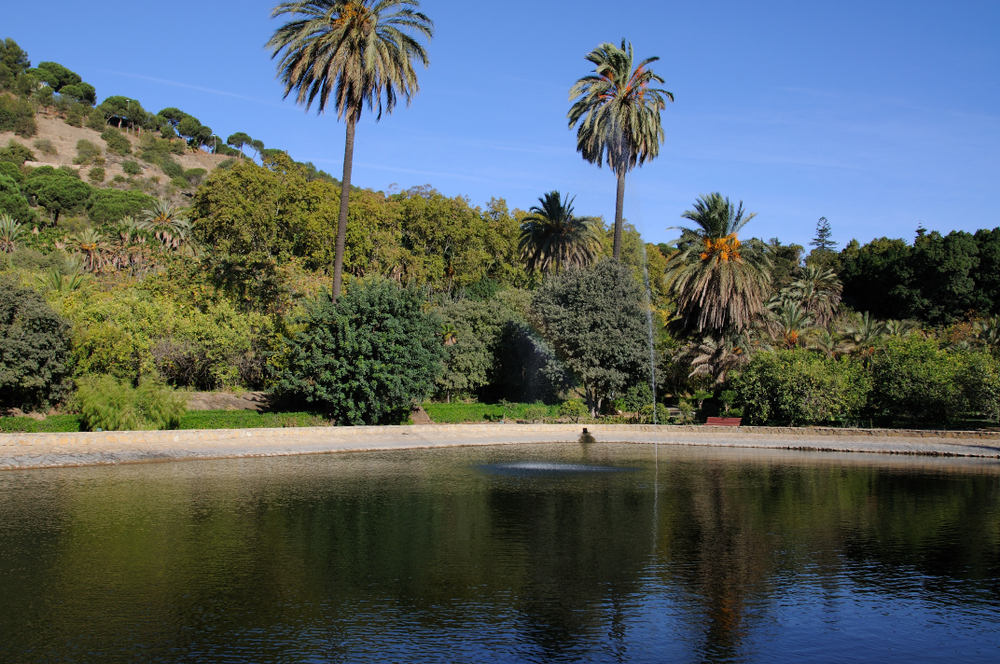
North of the centre is the Jardín Botánico-Histórico La Concepción, a large historic garden on a hillside with views towards the city. It was laid out in the 1850s by a wealthy merchant couple, Amalia Heredia and Jorge Loring, who planted exotic trees and plants from their travels around the world. Today it’s a botanical garden where the paths lead through dense tropical planting, avenues of palms and a large cactus area, past a lake and several gazebos.
The garden is open Tuesday to Sunday from 9.30am to 8.30pm from April to September and from 9.30am to 5.30pm from October to March. It’s closed on Mondays and on 25 December and 1 January. According to the city council’s schedule of fees, a standard ticket costs €5.20, and entry is free on at least four days a month.
The garden is some way outside the centre, so take a taxi or the city bus. Allow a couple of hours and come in the morning, before the heat gets too strong. It’s a good breather if you need a break from the city, and it’s one of the sights that most tourists skip.
13. Caminito del Rey
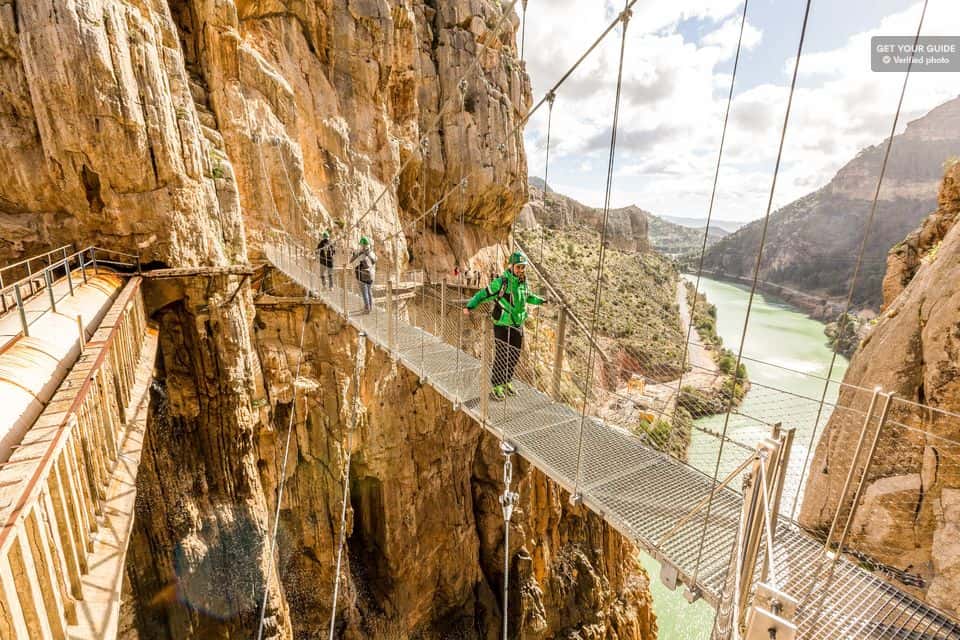
The Caminito del Rey is a hiking route on walkways that hang on the rock face up to 100 metres above the river in the Desfiladero de los Gaitanes gorge. The path was built in the early 20th century for the workers at the hydroelectric power station, and for many years it was known as one of the world’s most dangerous paths. After a major renovation, it reopened in 2015, and today you walk on new walkways with railings.
The route is about 7.7 kilometres long, of which about 2.9 kilometres are on walkways, and you should allow three to four hours. You only walk one way, and a shuttle bus takes you back from El Chorro for about €2.50, paid in cash. Children under eight aren’t allowed, and you need to show ID.
A standard ticket has cost about €10 plus a small fee, and tickets are released for set periods on the official website. They sell out quickly, so book as soon as you know your date. The path is about an hour’s drive from Malaga, so without a car, a tour with transport is the easiest option.
Book a guided tour of the Caminito del Rey with transport from Malaga.
14. Granada and the Alhambra
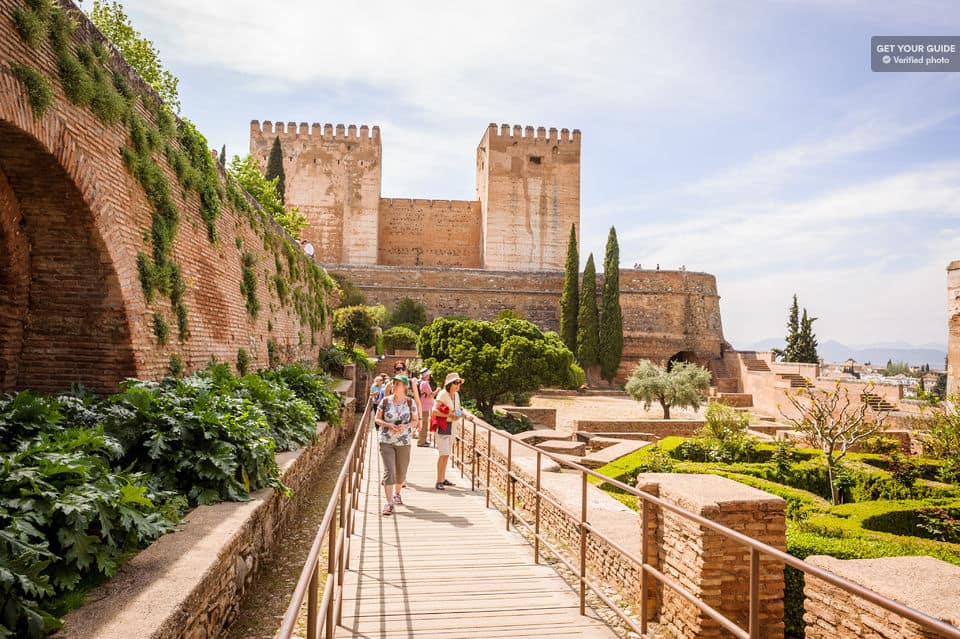
The Alhambra in Granada is Andalusia’s biggest sight and one of the most visited in Spain. It’s a fortified palace city on a hill above Granada, where the last Muslim rulers in Spain, the Nasrids, lived until 1492. The highlight is the Nasrid Palaces, with carved stucco walls, tiles and courtyards with pools of water, but you also see the Alcazaba fortress, the Palace of Charles V and the Generalife gardens.
A standard day ticket costs €22.27 and covers the whole site. From 15 October to 31 March, the Alhambra is open from 8.30am to 6pm, and from 1 April to 14 October from 8.30am to 8pm. The ticket has a fixed time slot for the Nasrid Palaces, and you can only get in at that time, so plan your day around it.
Tickets sell out, especially in spring and summer, so buy them on the official website as soon as you know your date. Granada is inland, north-east of Malaga, and it’s a long day there and back. If you haven’t managed to get tickets yourself, a day trip with a guide and tickets is the safe option.
Book a day trip to Granada with a guided tour of the Alhambra.
15. Ronda
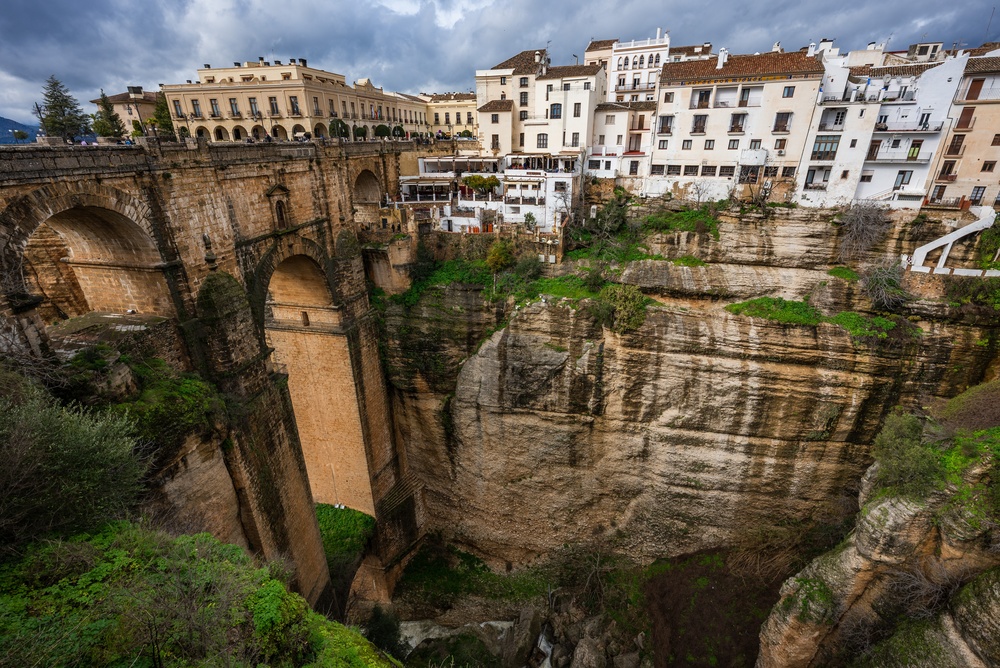
Ronda is one of Andalusia’s most beautiful towns, and it sits on top of a cliff in the mountains west of Malaga. The town is split in two by the deep El Tajo gorge, and the Puente Nuevo bridge spans the gorge. It was built in the 18th century from stone taken from the gorge itself and is 98 metres high. It’s Ronda’s landmark and one of the most photographed places in Spain.
Crossing the bridge is free, and from the viewpoints on both sides you look down into the gorge and out over the landscape. Take a walk through Ronda’s Old Town south of the bridge with its white houses, too, and see the large 18th-century bullring, which now has a museum. If you want to see the bridge from below, you can take the path down into the gorge, but expect a steep walk back up.
You can easily see Ronda in a day, and many tours combine the town with Setenil de las Bodegas, where the houses are built in under the rocks. If you have time, Ronda is also a good town to spend the night in, because in the evening the day-trippers have gone home.
Book a day trip to Ronda and Setenil de las Bodegas from Malaga.
16. Nerja and the Nerja Caves
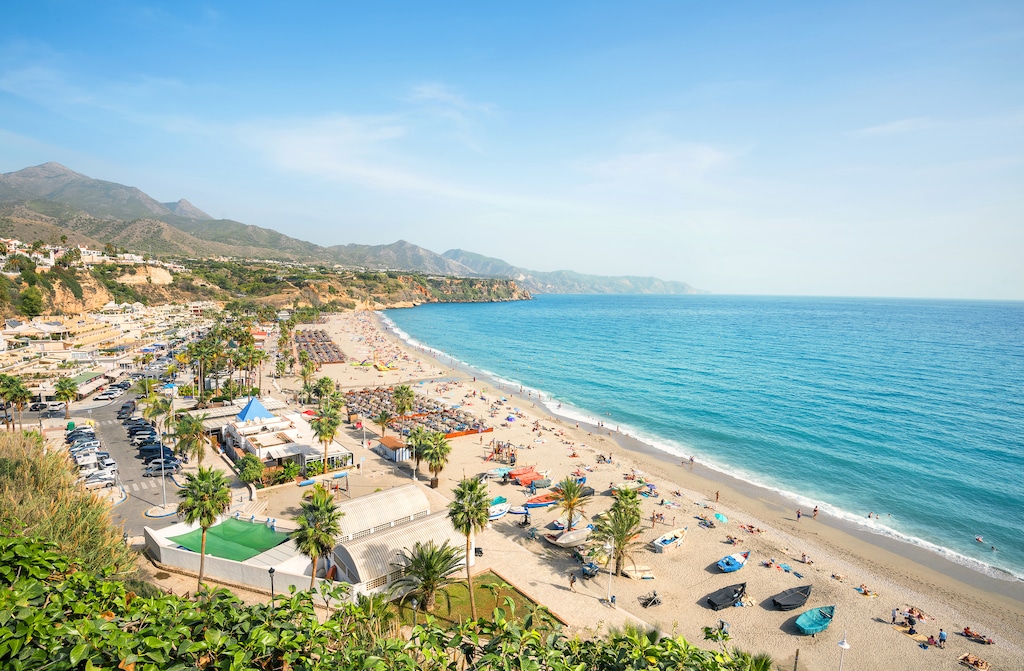
Nerja is on the eastern part of the Costa del Sol and is one of the prettiest resorts on the coast, with small coves and the Balcón de Europa viewpoint in the middle of town. Just outside the town are the Nerja Caves (Cueva de Nerja), a huge cave system full of stalactites, which five local boys found in 1959 while they were looking for bats.
The tour of the caves takes about 50 minutes, and there are just over 400 steps up and down. The lighting is dim, and you may only take photos without flash and only in certain places. The caves are open every day from 9.15am to 4.30pm, and until 5.30pm in the summer months, at Easter and at Christmas, and last entry is an hour before closing. They’re closed on 1 and 6 January, 15 May and 25 December. A ticket costs about €15, and it’s cheaper online.
Combine the caves with Frigiliana, a white mountain village a few kilometres up in the hills, where the narrow streets are decorated with flowers and tiles. Without a car, a day trip from Malaga is the easiest option, because then you get both places in one day.
Book a day trip to the Nerja Caves, Nerja and Frigiliana.
17. Gibraltar
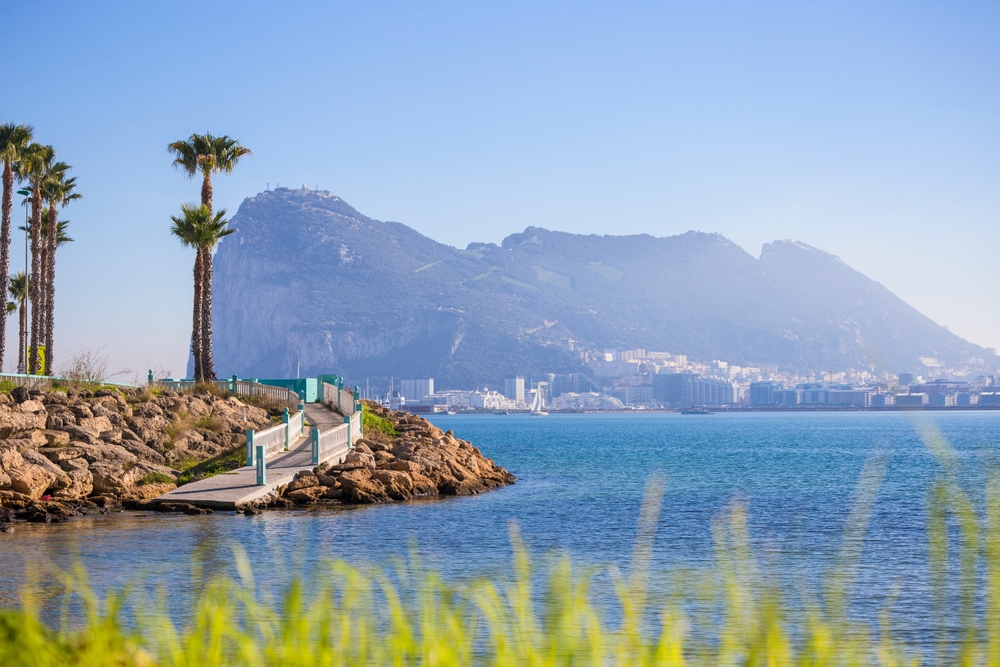
Gibraltar is a British Overseas Territory on the southern tip of the Iberian Peninsula, and it makes a fun day trip, because in a few minutes you go from Spain to a small British town with red phone boxes, pubs and the pound as its currency. From the Spanish border town of La Línea de la Concepción, you walk across the border and over the runway into town.
The big draw is the Rock of Gibraltar. Entry to the Upper Rock nature reserve costs £30 (around €35) for adults and £22 (around €25) for children aged 5 to 11. The ticket gives access to St Michael’s Cave, the tunnels from the 18th-century siege, the Windsor Suspension Bridge and the Apes’ Den, where you see Gibraltar’s wild Barbary macaques. From 1 October to 30 April, it’s open from 9am to 6.15pm, and from 1 May to 30 September from 9.30am to 7.15pm.
The macaques are wild animals, and it’s forbidden to feed them, so keep food and carrier bags tucked away in your bag. The trip from Malaga takes a couple of hours each way, so an organised coach tour is the easiest option.
Book a day trip to Gibraltar from Malaga.
18. Bioparc Fuengirola
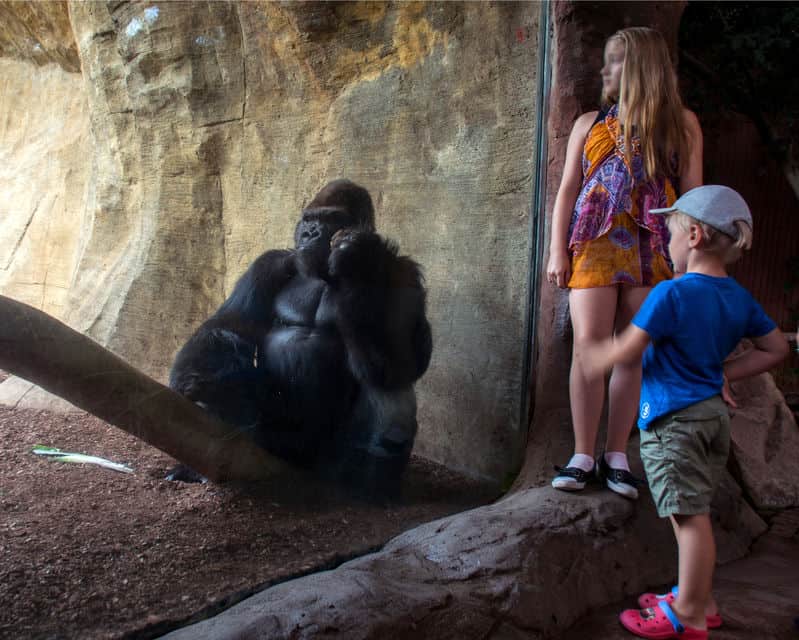
Bioparc Fuengirola is a zoo in the middle of the resort town of Fuengirola, and it’s built around the animals’ natural habitats instead of cages. You walk through areas that recreate Madagascar, Equatorial Africa, South-East Asia, the Indo-Pacific and Central and South America, and the focus is on endangered species.
A ticket costs €29.50 for adults and €23 for children aged 3 to 9 and for adults over 65. If you buy your ticket online at least 24 hours in advance, it’s €1 cheaper. The park is open every day of the year, and the ticket office closes an hour before the park.
Fuengirola station on the C1 Cercanías line is 600 metres from the entrance, and the train runs from Malaga and the airport. With children, Bioparc and a few hours on the beach in Fuengirola make a good day out, and you can check the day’s programme of feedings and presentations on the park’s website.
Book a ticket to Bioparc Fuengirola.
Practical Travel Tips for Malaga
The Old Town, the Alcazaba, the harbour and La Malagueta beach are so close together that you can walk between them, and you’ll only need a bus or train for Gibralfaro, the botanical garden and the towns along the coast. The C1 train runs from the airport to the centre and on along the coast to Torremolinos, Benalmádena and Fuengirola. I’ve gathered all the options from the airport in my guide to getting from Malaga Airport to the city centre.
Plan your Sunday carefully, because many places are free late in the day. The Alcazaba and Gibralfaro are free from 2pm, the Carmen Thyssen from 4pm, Picasso’s birthplace from 4pm to 8pm and the Picasso Museum for the last two hours. The Roman Theatre is always free. On Mondays it’s the other way round, because the theatre, the Carmen Thyssen, the Museo de Málaga and the botanical garden are closed.
July and August are very hot, and Malaga and the coast are packed with beachgoers. Spring and autumn are the best times for both the city and the excursions, and in winter it’s still mild enough for a T-shirt on good days. If you’d like to see more of Andalusia, I’ve also written about where to stay in Seville. And if you want to cross over to Morocco, read my guide to where to stay in Marrakech.
If you’re not sure whether to stay in Malaga itself or in one of the beach towns, read my guide to where to stay in Malaga and on the Costa del Sol, or see all hotels in Malaga on Booking.com.
Travel ressources & websites I use all the time 👇
• Booking.com has the best offers on hotels and unique places to stay
• GetYourGuide is the best place to book tours & activities with free cancellation
• Welcome Pickups is the best & safest place to pre-book airport transfers
Psst 👀 Have you subscribed to my Youtube channel and my Instagram where I provide more useful travel tips?