

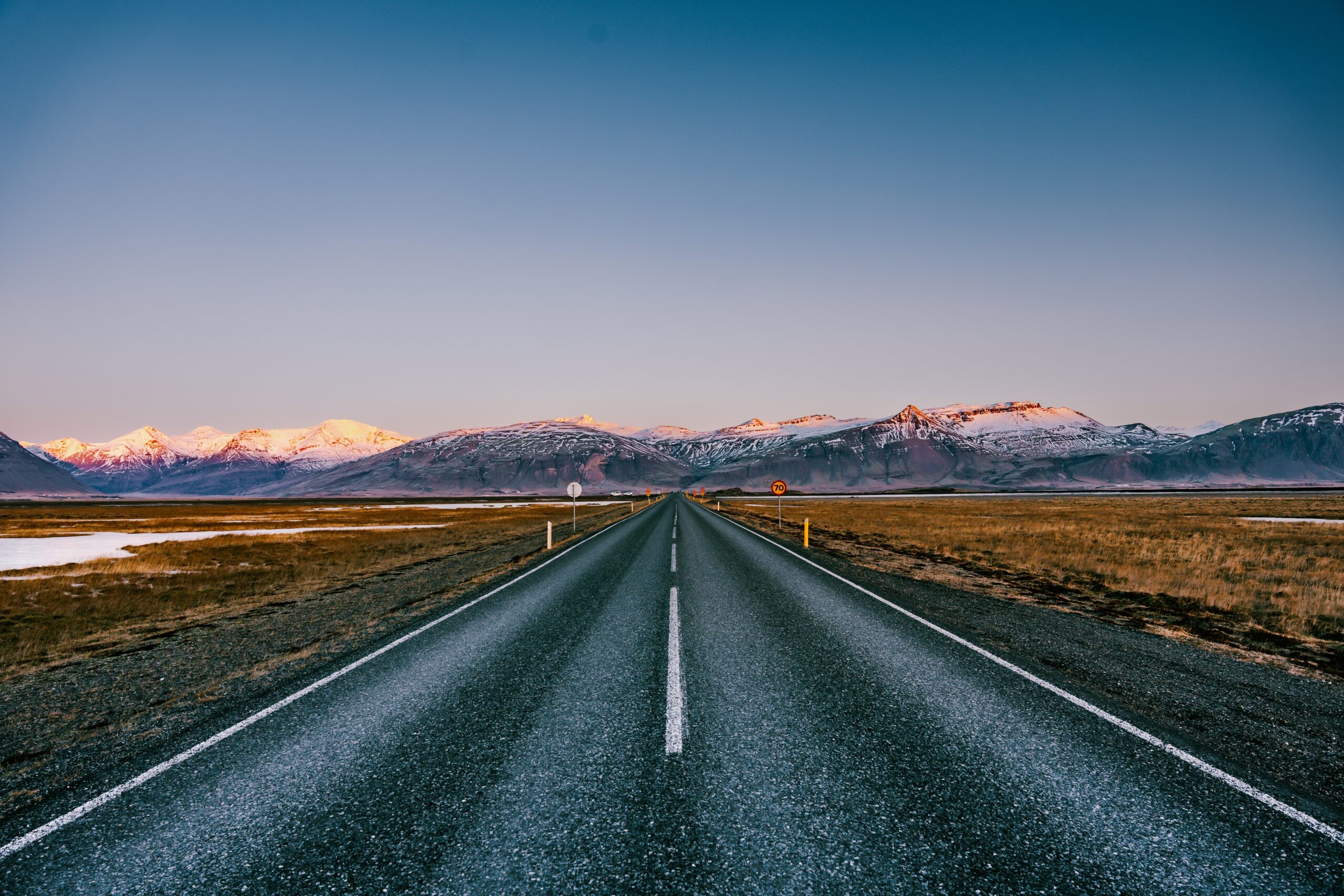
Iceland is one of those countries where nature is the whole reason to go. In a week, you can see geysers, waterfalls, black beaches, glaciers and icebergs, and in winter you’ve got a good chance of seeing the Northern Lights. Most people land at Keflavík and use Reykjavik as their base, and from there you can drive both the Golden Circle and the south coast in a day. If you’ve got more time, the glacier lagoon Jökulsárlón, the Snæfellsnes peninsula and Mývatn in the north are waiting.
Here are my picks for the 18 best things to see and do in Iceland, with prices, opening hours and tips on what to book before you go. Prices are in Icelandic krónur (ISK), and 1,000 Icelandic krónur is roughly £6. The amounts in brackets are always in pounds. Nature is free, but at many of the popular places you pay a parking fee. The weather always decides, so read the section on safety at Reynisfjara and the practical tips at the end before you drive.
Contents
1. Hallgrímskirkja
Hallgrímskirkja is Iceland’s largest church and Reykjavik’s landmark, and you can see it from almost anywhere in the city. It was built from 1945 to 1986, it’s a national memorial church to the poet Hallgrímur Pétursson, and it has the country’s largest organ. The interior is light and simple, and it’s free to go in. In front of the church stands a statue of the Viking Leif Erikson, known as Leif the Lucky.
The best reason to come is the tower. It’s 73 metres high, and from the top you look out over the colourful roofs, the sea and the mountains around the city. A ticket for the tower costs 1,500 Icelandic krónur (about £9) for adults and 200 Icelandic krónur (about £1) for children aged 7 to 16, and you buy it in the church shop to the left of the entrance. Tickets can’t be booked in advance. In winter, the church is open every day from 10am to 5pm, with the last trip up the tower at 4.45pm, and in summer it’s open from 9am to 8pm, while the tower closes at 7.45pm.
The church and the tower may be closed during services, concerts and funerals, and on Sundays the tower closes for a couple of hours around the 11am service. My tip is to walk up Skólavörðustígur from Laugavegur, so you’ve got the church right in front of you the whole way, and to go up the tower on a weekday late in the afternoon.
2. Harpa and Sólfar
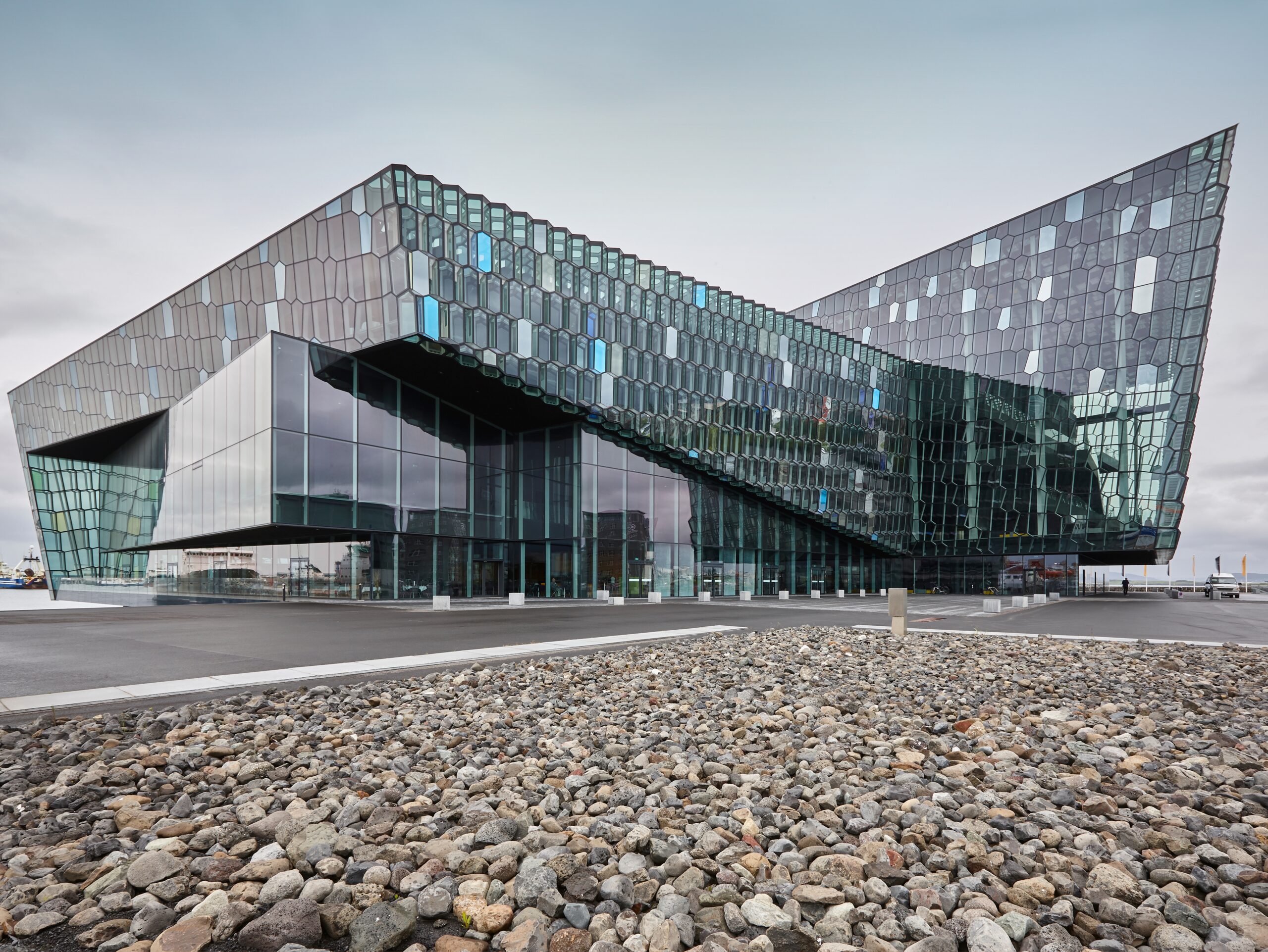
Harpa is Reykjavik’s concert hall and conference centre by the harbour, and it opened in May 2011. The glass facade, in a pattern of hexagons, was created by the artist Ólafur Elíasson together with Henning Larsen Architects, and the light in the building changes all the time as the sun and clouds move.
You can walk into the foyer and up the stairs and look out over the harbour and Mount Esja. The building is open Sunday to Thursday from 10am to 6pm and on Fridays and Saturdays from 10am to 8pm, and there are guided tours where the guides are musicians. On the ground floor, there’s a restaurant and a shop selling Icelandic design. If you’re in town for an evening, check the programme, because Harpa is home to the Iceland Symphony Orchestra, and there are also concerts of Icelandic music here.
From Harpa, it’s about a ten-minute walk along the water on Sæbraut to Sólfar, the steel sculpture of a Viking ship, which is one of the most photographed sights in the city. My tip is to do the walk at sunset and carry on up to Hallgrímskirkja afterwards, so you’ll have seen the city’s three landmarks in a couple of hours. It doesn’t cost anything, and you can do it all on your own.
3. Laugavegur and Central Reykjavik
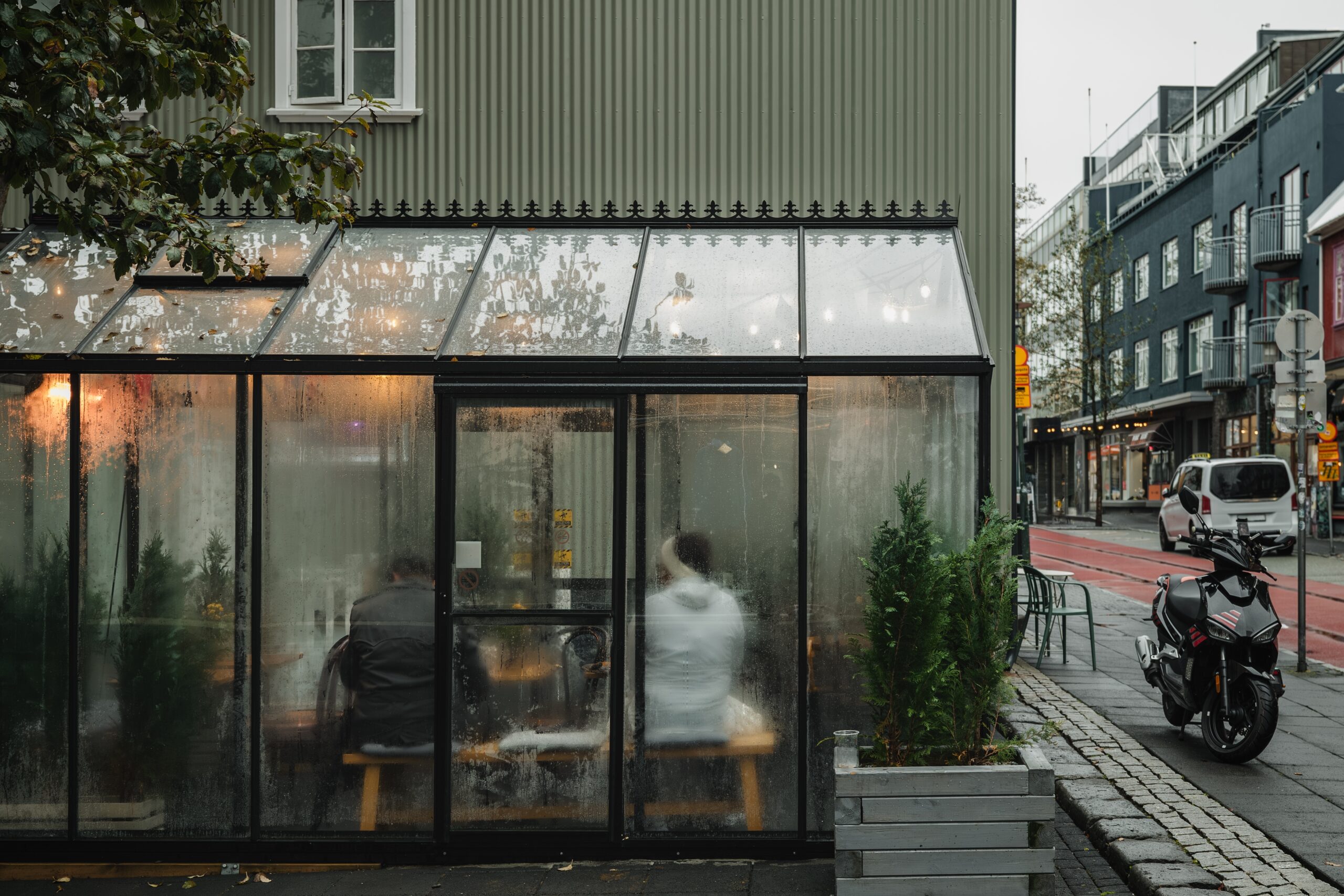
Reykjavik is a small capital, and you can easily walk around the centre. The main street, Laugavegur, and its continuation, Bankastræti, are full of shops selling Icelandic design and wool jumpers, cafés and bars, and from Laugavegur, Skólavörðustígur leads up to Hallgrímskirkja. City Hall stands by the lake Tjörnin, and a short walk from there is the square Austurvöllur in front of the parliament, Alþingi.
Most of the whale watching operators are based at the Old Harbour, and further out on Grandi there are seafood restaurants, an ice cream parlour and several museums in the old warehouses. I’ll be honest about the prices. Iceland is expensive, and food and beer in the restaurants in the centre in particular cost more than you’re used to at home. My tip is to have your main meal of the day at lunchtime, when many restaurants have cheaper menus, and to try one of the city’s hot dog stands one evening.
Reykjavik is the first area in my guide to where to stay in Iceland, and the city is the best base if you want to go on organised day trips. If you’d like to know which neighbourhood suits you best, I’ve also written a guide to where to stay in Reykjavik, and you can see hotels in Reykjavik here.
4. Þingvellir
Þingvellir is Iceland’s most historic place. The Alþingi, the country’s national assembly, met here from around the year 930 until 1798, and it was here that Iceland declared its independence from Denmark on 17 June 1944. The national park has been on UNESCO’s World Heritage List since 2004, and it’s the first stop on the Golden Circle, less than an hour’s drive from Reykjavik.
What most people come for is the Almannagjá gorge. Here you walk along a path between high rock walls that are part of the Mid-Atlantic Ridge, where the tectonic plates are drifting apart. From the path, you look out over Þingvallavatn, Iceland’s largest natural lake, and a short walk away is the Öxarárfoss waterfall.
There’s no entry fee, but you pay 1,000 Icelandic krónur (about £6) to park an ordinary car, and the fee is valid all day in car parks P1, P2 and P5. You pay at the machines or online, and at P1 by the Hakið visitor centre, cameras register your number plate. My tip is to park at Hakið and walk down through Almannagjá. If you dare, you can snorkel in the Silfra fissure, where the water is only 2 to 4 degrees but so clear that you can see a long way down. You’re not allowed to snorkel alone, and most people go with an operator who provides the drysuits and equipment.
Book a snorkelling tour in Silfra between the tectonic plates.
5. Geysir and Strokkur
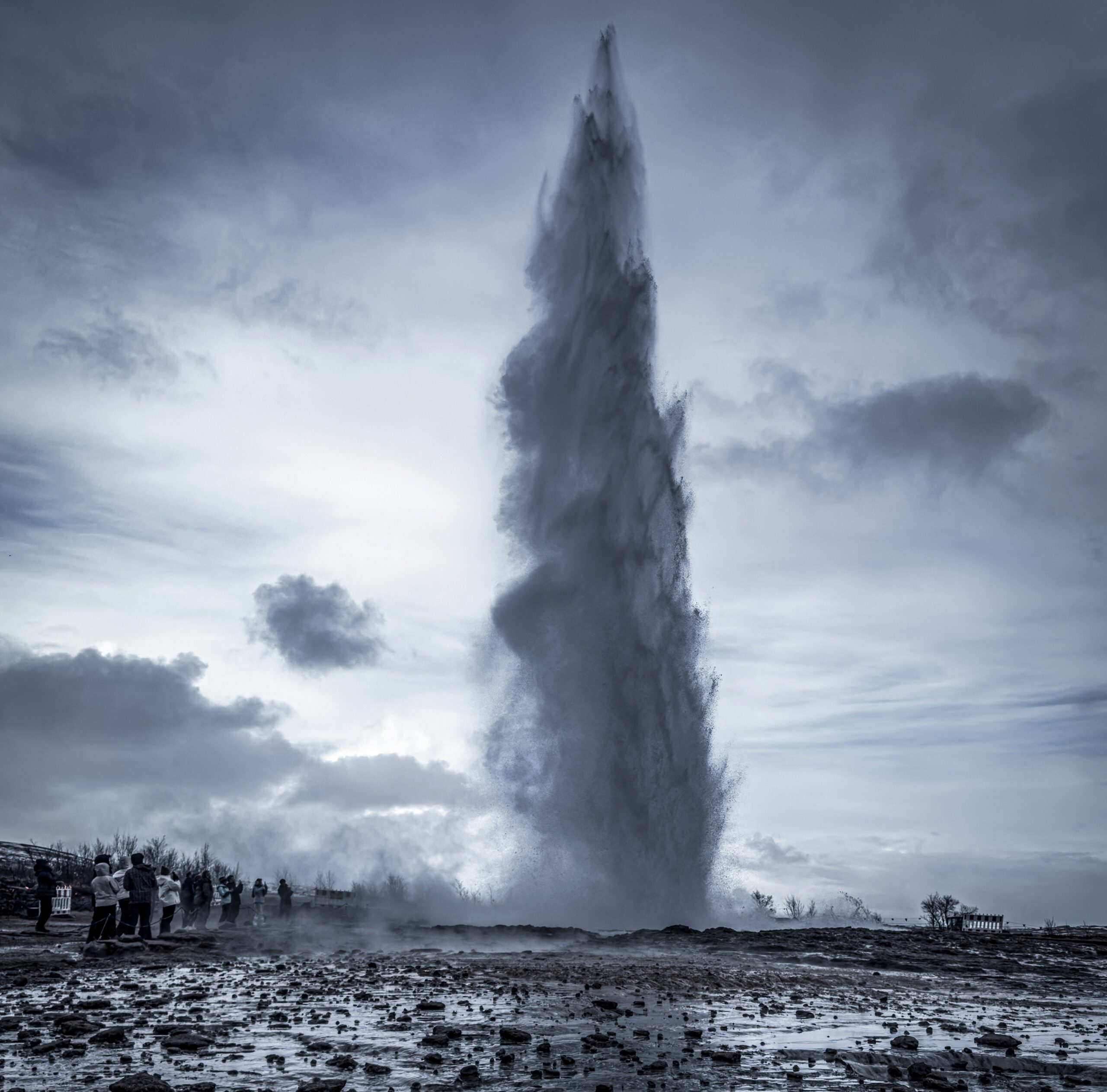
In the Haukadalur valley lies the geothermal area with the great geyser Geysir, which has given its name to every other geyser in the world. Geysir itself only rarely erupts, but right next to it is Strokkur, which according to Iceland’s tourist board erupts every 8 to 10 minutes and sends water up to 30 metres into the air.
There’s no entry fee to the area, and you walk around on paths between steaming holes, hot springs and small bubbling pools. The water is boiling hot, so stay on the paths and behind the ropes. Stand on the side of Strokkur the wind is coming from, or you’ll get a shower of hot water and a smell of sulphur in your face. Across the road is a large visitor centre with restaurants, a café and shops.
Geysir is about an hour’s drive east of Þingvellir and only ten minutes from Gullfoss, so most people visit all three places on the same trip. My tip is to stay at Strokkur for at least three eruptions, because they vary a lot in height, and sometimes two come right after each other. Have your camera ready when the water in the hole starts to bulge up into a blue bubble, because the eruption comes a moment later.
6. Gullfoss
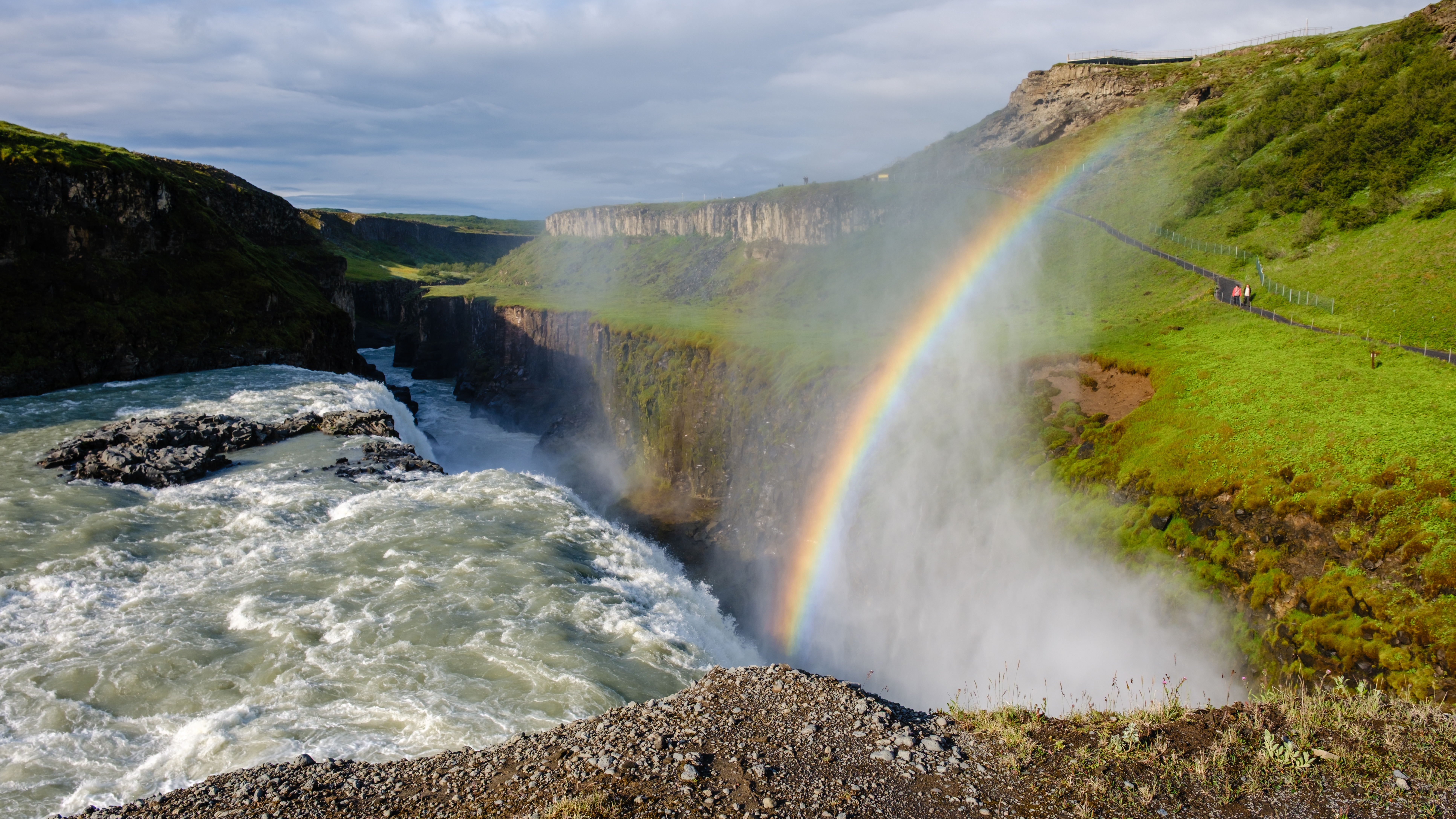
Gullfoss, the Golden Falls, is the last of the three classic stops on the Golden Circle. The Hvítá river drops in two steps, first 11 metres and then 21 metres, into a narrow gorge. In summer, when meltwater from the Langjökull glacier fills the river, the volume of water is enormous, and on sunny days there’s often a rainbow in the spray.
Entry is free, and you can see the waterfall from two sides. From the car park by the café, you see it from above, and a path leads down along the gorge to a rock right next to the upper falls, where you can feel the spray. In winter, the paths down to the lower viewpoints may be closed because of ice, so respect the barriers and check conditions on safetravel.is before you drive.
The whole Golden Circle is about 250 kilometres from Reykjavik and back, and you can easily drive it yourself in a hire car without four-wheel drive. If you don’t have a car, an organised day trip is the easiest option, and many of the tours also stop at the Kerið volcanic crater on the way back. My tip is to drive the route in reverse if you have your own car, so you reach Gullfoss early, before the coaches arrive.
Book a day trip to the Golden Circle and Kerið from Reykjavik.
7. Blue Lagoon
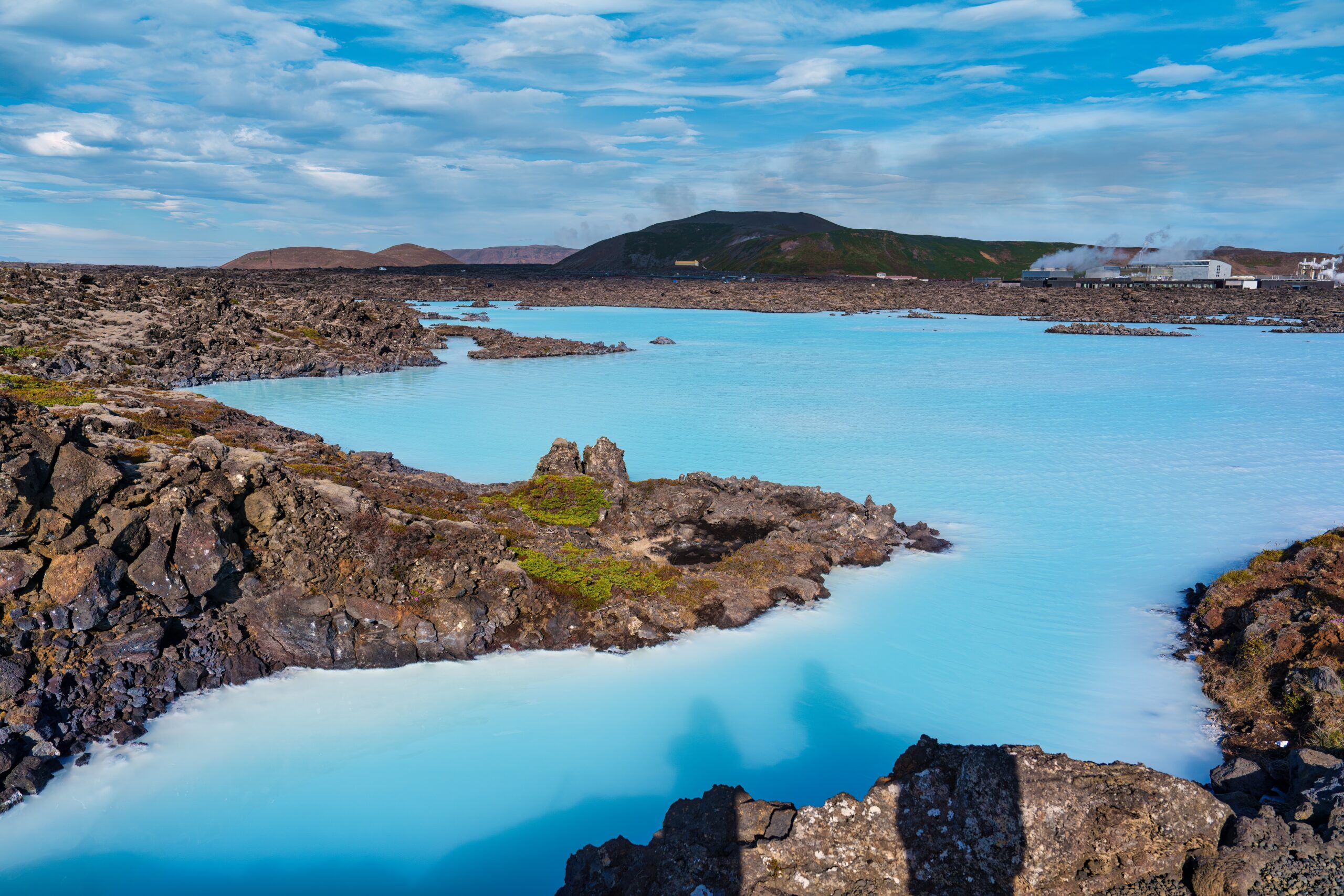
The Blue Lagoon is Iceland’s most famous spa. The milky blue geothermal water lies in the middle of a lava field on the Reykjanes peninsula, and you bathe between black lava rocks with steam rising over the water. The lagoon is close to the airport at Keflavík, which is why many people come here straight from the plane or on their way home.
It’s expensive. The cheapest package, Comfort, costs from 11,990 Icelandic krónur (about £75) and includes entry to the lagoon, steam bath and sauna, a mud mask, a towel and a non-alcoholic drink. Premium costs from 14,990 Icelandic krónur (about £90) and Signature from 18,490 Icelandic krónur (about £115). You have to book in advance, and the price depends on the time slot. The lagoon opens at 7am or 8am and closes between 8pm and 11pm depending on the season, and you have to be out of the water half an hour before closing time.
The lagoon is near Grindavík, close to the area where there’s been a series of volcanic eruptions, and it may be closed for periods. So check the Blue Lagoon’s own website and Safetravel’s page on Reykjanes before you go. I think the Blue Lagoon is a beautiful experience, but it’s also touristy and expensive for what you get. My tip is to plan your visit right after landing or before you fly home and to book an early slot, when there are fewest people in the water.
Book entry to the Blue Lagoon with the Comfort package.
8. Sky Lagoon
Sky Lagoon is the newer alternative to the Blue Lagoon, and it’s on Kársnes in Kópavogur, just a few minutes’ drive from central Reykjavik. The lagoon has a long infinity edge, so it looks as if the warm water flows straight out into the North Atlantic, and in winter you might be lucky enough to see the Northern Lights from the water.
What makes it special is the seven-step Skjól ritual, which takes place in a building inspired by the old Icelandic turf houses. You move between the warm water, a cold plunge, a sauna with a view of the sea, a cold fog, a body scrub, a steam room and finally a shower. Tickets cost from around 14,500 Icelandic krónur (about £90) depending on the package and time slot, and you have to book in advance. There’s an age limit, so check the rules on Sky Lagoon’s own website if you’re bringing children.
I think Sky Lagoon is the best choice if you’re staying in Reykjavik and only want one spa, because you save the long trip out to Reykjanes. The Blue Lagoon is the best known, but in my opinion Sky Lagoon has the most beautiful view. If you just want to get into hot water like the locals, the city’s ordinary swimming pools with hot tubs are a much cheaper alternative.
Book a ticket for Sky Lagoon with the Skjól ritual.
9. Seljalandsfoss and Gljúfrabúi
Seljalandsfoss is the first big waterfall on the south coast, and you can see it from the Ring Road just under two hours’ drive east of Reykjavik. The water drops 60 metres from an old sea cliff, and a path leads all the way around behind the waterfall, so you can see it from the inside. You’ll get wet, so put on waterproofs.
In winter, the path behind the waterfall can be slippery, and large chunks of ice can fall down, so it’s often closed. Respect the barriers, even if you see other people walking past them. There’s a parking fee at the car park by Seljalandsfoss.
Walk the roughly ten minutes to the left along the cliff to Gljúfrabúi, which many people miss. It’s a waterfall of about 40 metres that’s half hidden inside a gorge, and you can wade in along the stream and see it from the bottom. Rocks can fall in the gorge, so pay attention to the signs. My tip is to bring waterproof shoes and a spare set of clothes in the car, because this is where you’ll get wettest on the entire south coast.
Book a day trip to the waterfalls, the black beach and the glacier on the south coast.
10. Skógafoss
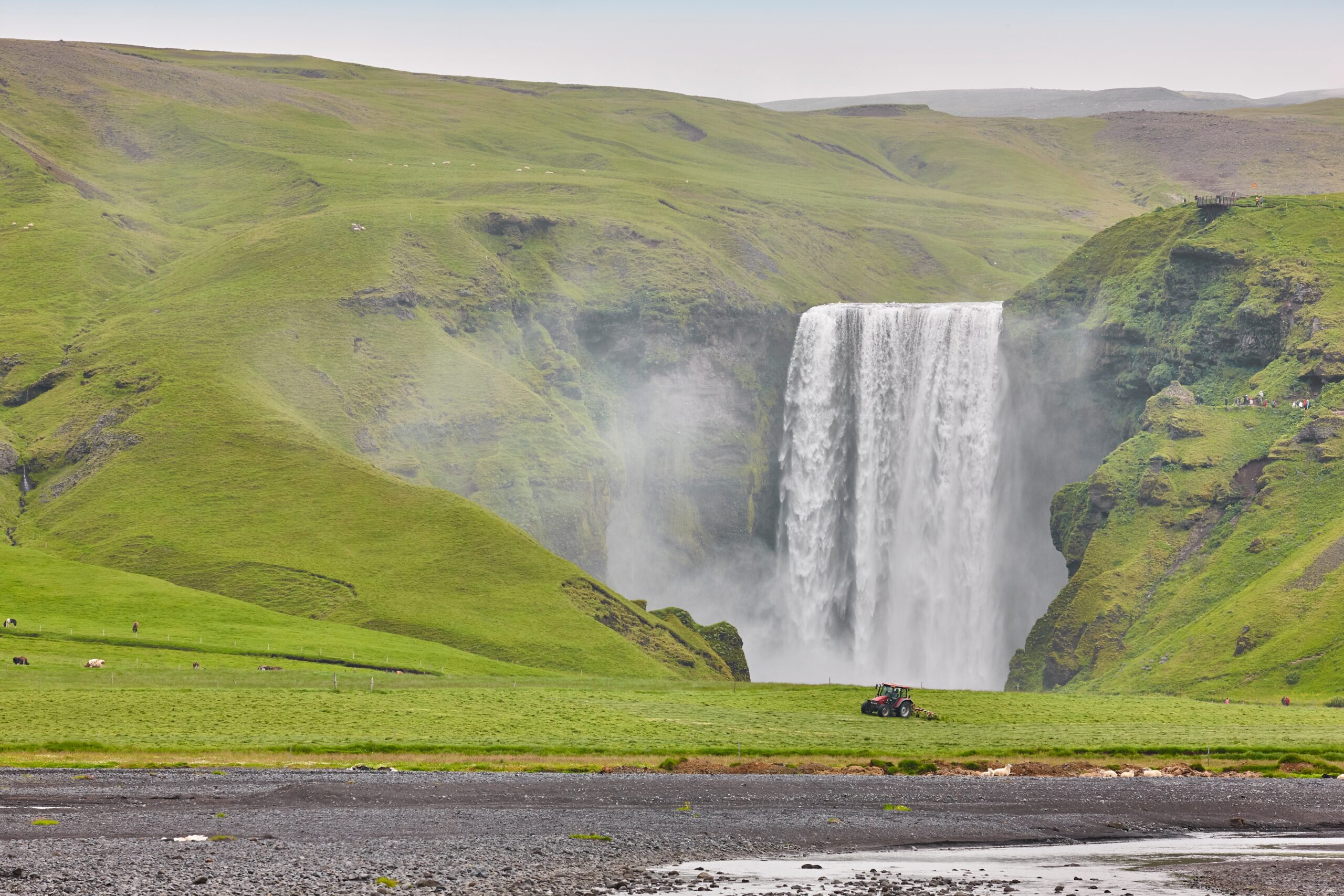
Skógafoss is about half an hour’s drive further east by the small village of Skógar, and it’s one of Iceland’s most photogenic waterfalls. The water drops 62 metres in a single wide cascade, and because you can walk right up to the bottom, you can stand in the middle of the spray. On sunny days, there’s almost always a rainbow in front of the waterfall.
To the right of the waterfall, a tall and fairly tough staircase leads up to a viewing platform above the falls. This is also where the path along the Skógá river towards the Fimmvörðuháls pass begins, and after just a short stretch you’ll see several smaller waterfalls that most people never reach. The full route over the pass is a long mountain hike that needs good weather and experience, so it isn’t something you do on a south coast trip.
My tip is to come early in the morning or late in the afternoon in summer, when the coaches from Reykjavik have moved on. At the car park there are toilets, cafés and a campsite, and if you’re spending a couple of days on the south coast, Skógar is a good place to stay overnight between Seljalandsfoss and Vík.
11. Reynisfjara and Vík
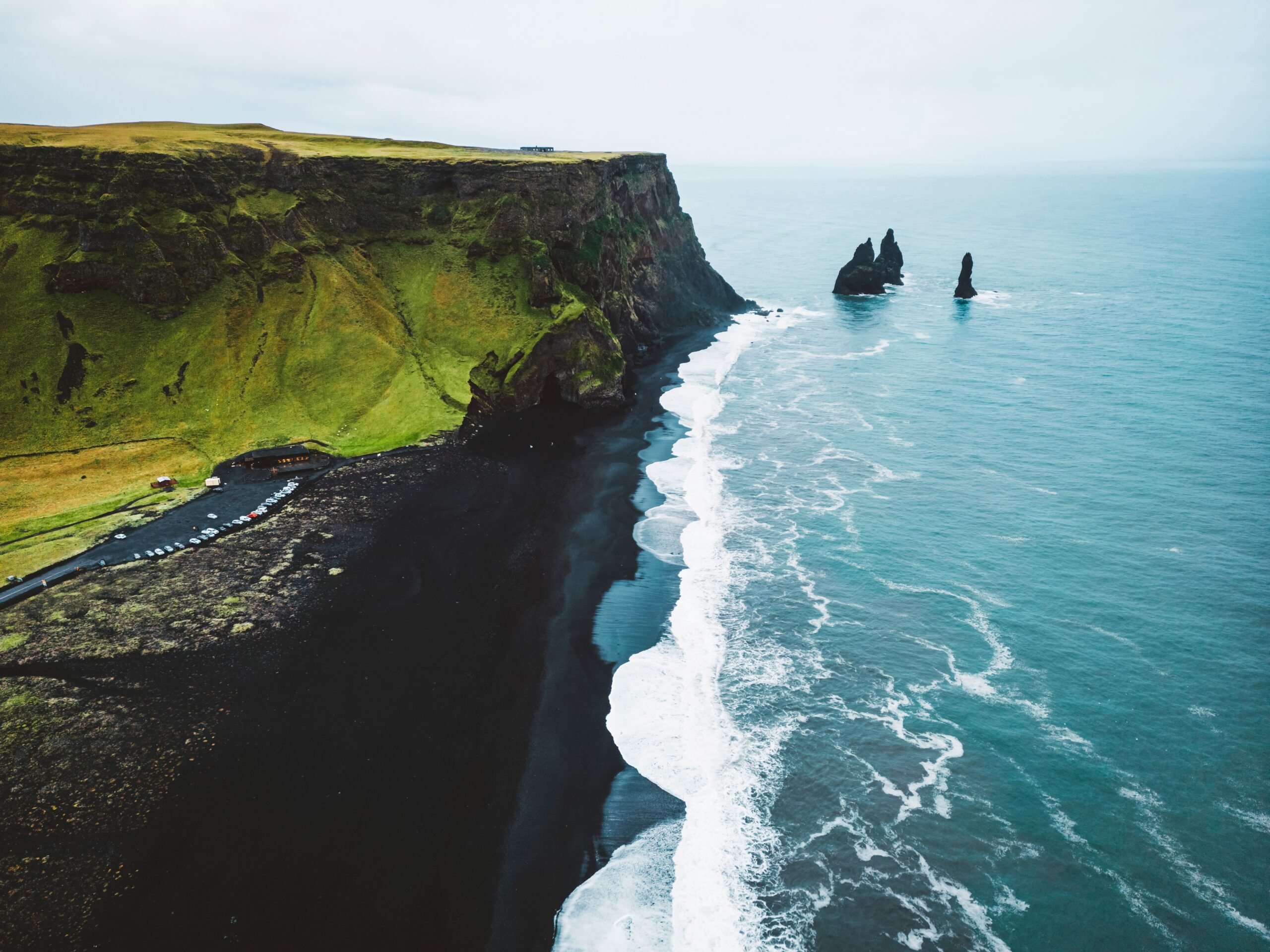
Reynisfjara is the black beach just west of Vík í Mýrdal, Iceland’s southernmost village, about 180 kilometres from Reykjavik. The beach is known for the black basalt columns in the cliff and the Reynisdrangar sea stacks rising out of the sea off the coast. A little further west is the Dyrhólaey peninsula, with a huge rock arch and views over the whole coast.
Reynisfjara is also dangerous, and lives have been lost on the beach. It’s known for so-called sneaker waves, big waves that come completely without warning and run much further up the beach than the others. They can sweep an adult out to sea in seconds. By the path down to the beach there’s a warning light linked to an automatic wave forecast. According to Safetravel, yellow means moderate danger, orange means considerable danger, when you have to stay at least 25 metres from the water, and red means the beach is closed and you may only stand at the viewpoint.
Always keep an eye on the sea, never turn your back on the waves, and keep children close to you. Don’t go too close to the cliffs either, because rocks can fall. In Vík, the church stands high on a hill above the village, and it’s meant as the village’s place of refuge if the Katla volcano under the Mýrdalsjökull glacier erupts and sends a flood wave across the plain. The south coast is the third area in my guide to where to stay in Iceland, and if you’d like to stay overnight close to the beach, you can see hotels in Vík here.
12. Glacier Hike on Sólheimajökull
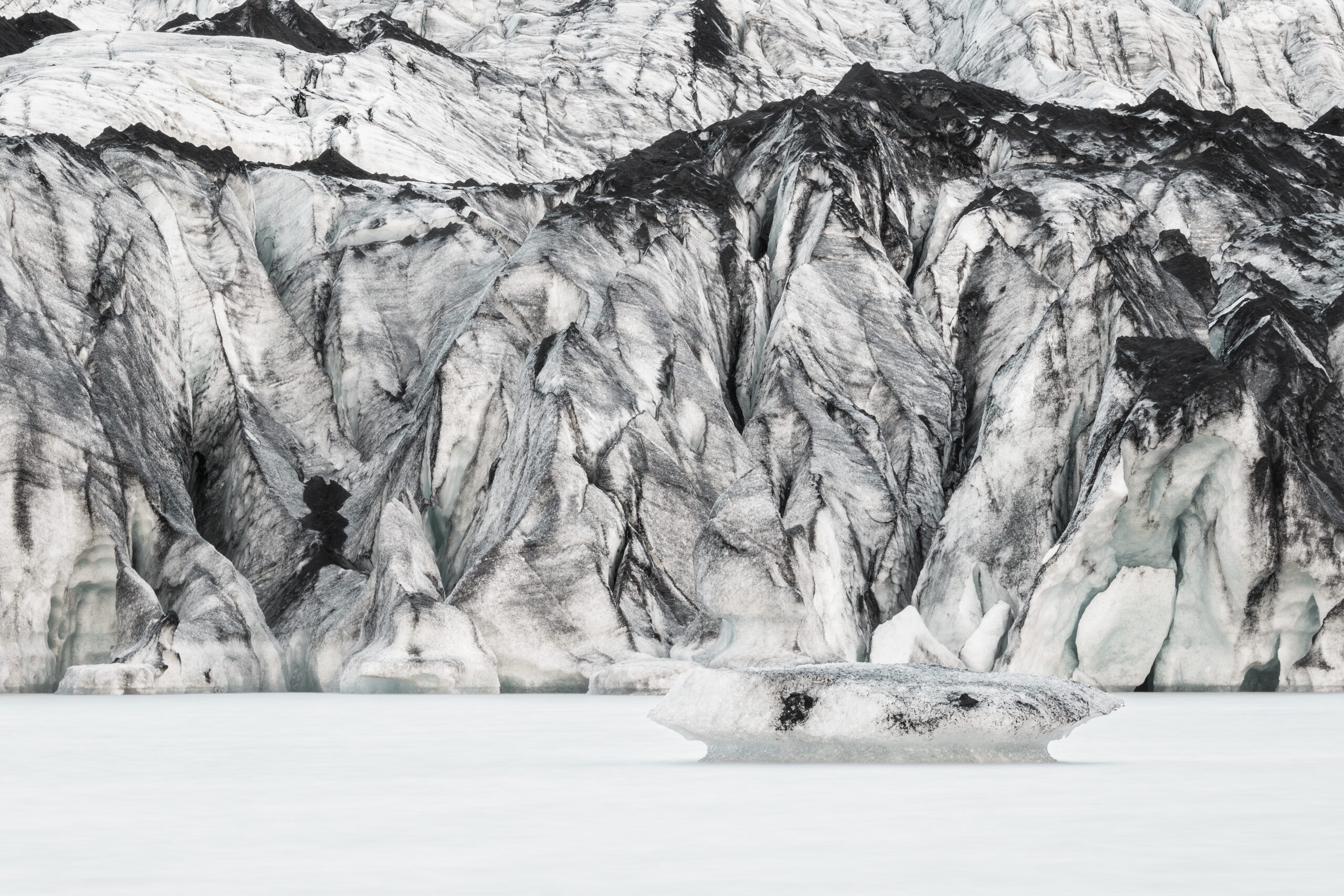
Sólheimajökull is a glacier tongue that pushes down from the Mýrdalsjökull ice cap between Skógafoss and Vík, and it’s the most popular place on the south coast for a glacier hike. From the car park, you walk along a path to the edge of the glacier, and even from there you can see the white, blue and black layers in the ice, where ash from old eruptions is frozen in.
Never go up onto a glacier on your own. The ice is full of crevasses and holes that can be hidden under the snow, and it changes all the time. Safetravel has crevasse maps and warnings for exactly this kind of trip, and on a guided tour you get crampons, an ice axe, a harness and a helmet and walk with a trained glacier guide. The hike on the ice itself usually takes a couple of hours, and many people combine it with the waterfalls and the black beach on a day trip from Reykjavik. A day trip like that costs from around 23,000 Icelandic krónur (about £140).
The glacier is retreating year by year, and it’s further from the car park to the ice than it was a few decades ago. My tip is to wear sturdy hiking boots, because most operators require them, and if you don’t have your own, you can usually hire them. Hikes can be cancelled in storms, so plan the tour early in your trip, so you’ve got an extra day to move it to.
Book a glacier hike on Sólheimajökull with waterfalls and the black beach.
13. Skaftafell and Svartifoss
Skaftafell is a green oasis between the glaciers in Vatnajökull National Park, and the area was added to UNESCO’s World Heritage List in 2019 together with the rest of the national park. It’s one of the best places in Iceland for hiking, and from the Skaftafellsstofa visitor centre, which is open all year, trails lead to waterfalls, viewpoints and the glacier.
The most popular hike goes to Svartifoss, a 20-metre waterfall surrounded by black basalt columns that hang down from the cliff like organ pipes. The walk from the visitor centre is about 1.9 kilometres and takes around 45 minutes each way, and it’s uphill most of the way there. If you’d also like to see the glacier up close, trail S1 to Skaftafellsjökull is an easy 4.1-kilometre loop that takes 1 to 1.5 hours.
The parking fee in the national park is 1,110 Icelandic krónur (about £7) for an ordinary car, and it’s valid until midnight the same day. If you’ve already paid at Jökulsárlón the same day, you get 50 per cent off. So my tip is to do Skaftafell and Jökulsárlón on the same day. Skaftafell is about 330 kilometres from Reykjavik, so most people stay overnight in the area instead of driving there and back.
14. Jökulsárlón and Diamond Beach
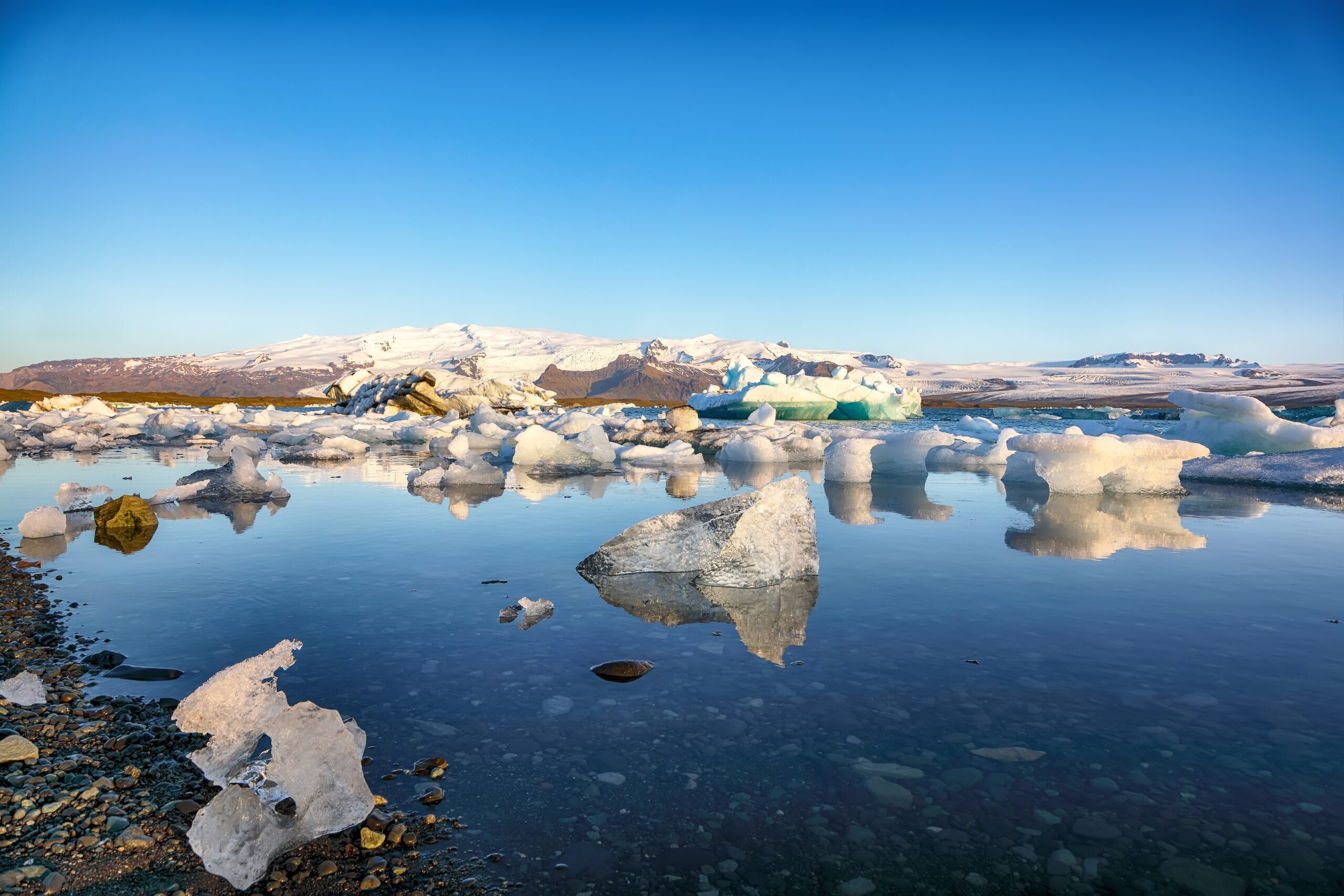
Jökulsárlón is the glacier lagoon where icebergs break off the Breiðamerkurjökull glacier and drift slowly around in the cold water before floating out to sea. The lagoon is right by the Ring Road, less than an hour’s drive east of Skaftafell, and it’s accessible all year round. There are often seals lying on the ice floes or swimming around at the mouth of the lagoon.
On the other side of the road is Diamond Beach, which is called Fellsfjara in Icelandic. Here, chunks of ice wash up on the black sand and look like diamonds when the sun shines through them, and it’s one of the best photo spots in Iceland, especially at sunrise. The waves are just as unpredictable here as at Reynisfjara, so keep your distance from the water, and never climb onto the big chunks of ice. A little further west is the smaller Fjallsárlón lagoon, where there are usually fewer people.
Parking at Jökulsárlón costs 1,110 Icelandic krónur (about £7), the same as in Skaftafell, and in the summer months there are boat tours out among the icebergs. In winter, guided tours go into the ice caves in Breiðamerkurjökull, which are supervised by the national park rangers. The lagoon is about five hours’ drive from Reykjavik, so a day trip from there is very long. I recommend staying overnight in the area, and you can see hotels in Höfn here. The town is a good hour further east.
Book a day trip to Jökulsárlón and Diamond Beach from Reykjavik.
15. Snæfellsnes
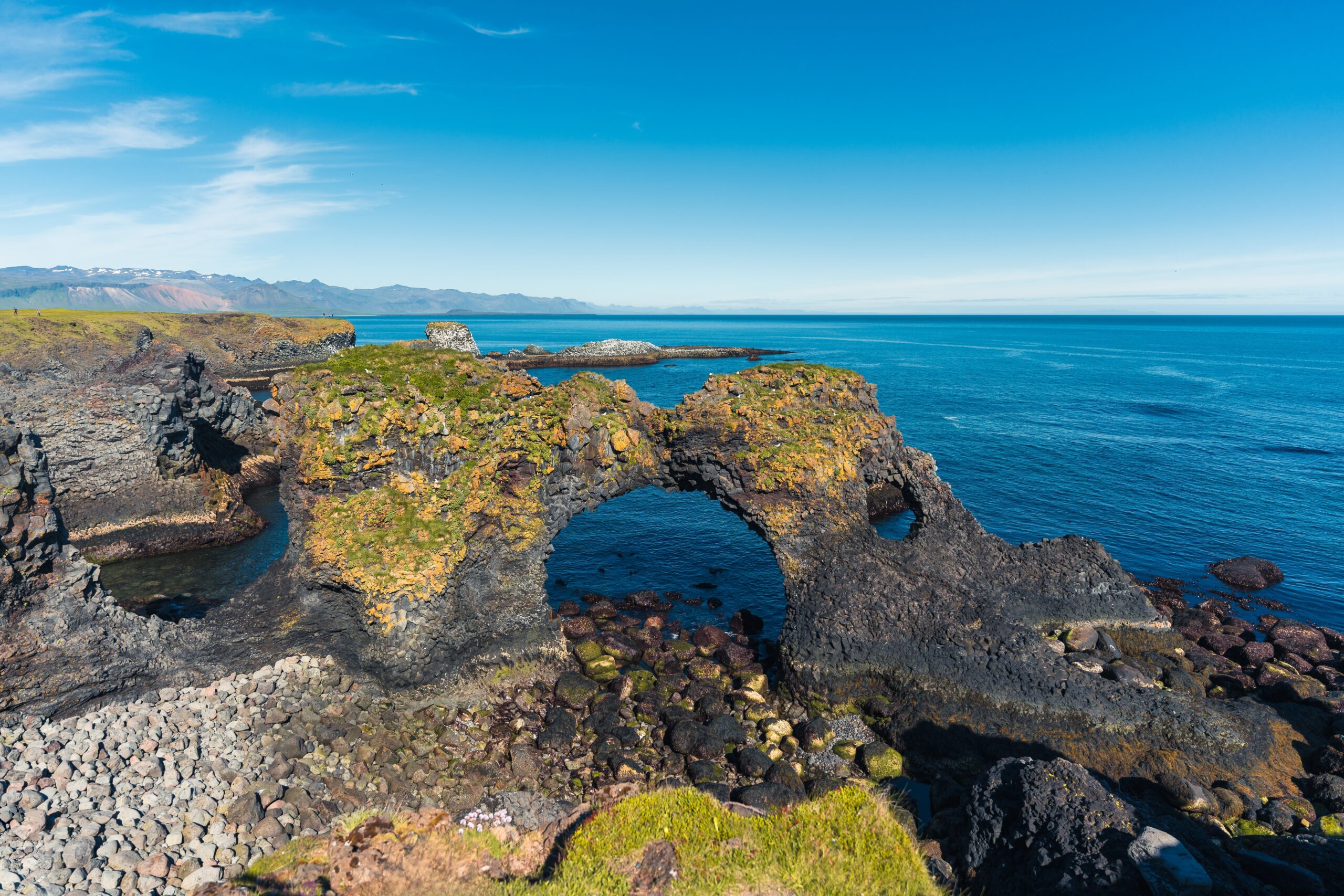
Snæfellsnes is called Iceland in miniature because the peninsula has a bit of everything: a glacier, black beaches, lava fields, fishing villages and mountains. It’s about two hours’ drive north of Reykjavik, and a loop of the peninsula from Borgarnes and back is about 260 kilometres.
The best-known sight is Mount Kirkjufell near Grundarfjörður, with the Kirkjufellsfoss waterfall in the foreground, and it’s one of the most photographed mountains in Iceland. At the tip of the peninsula is Snæfellsjökull National Park, the only national park in Iceland that stretches from the top of a glacier all the way down to the sea. Here you’ll find the Djúpalónssandur beach with the old lifting stones the fishermen used to test their strength, and wreckage from a shipwreck. Between Arnarstapi and Hellnar, a 2.5-kilometre path runs along the coast past the Gatklettur rock arch.
On the south side, the black wooden church Búðakirkja stands alone in the lava field, and at Ytri Tunga beach there are often seals lying on the rocks, especially at low tide. My tip is to stay overnight on the peninsula, because a day trip from Reykjavik means five to six hours in the car, and then you’ll only manage the main stops. If you don’t want to drive yourself, an organised day trip from Reykjavik is a good option.
Book a day trip to Snæfellsnes and Kirkjufell from Reykjavik.
16. Mývatn and Goðafoss
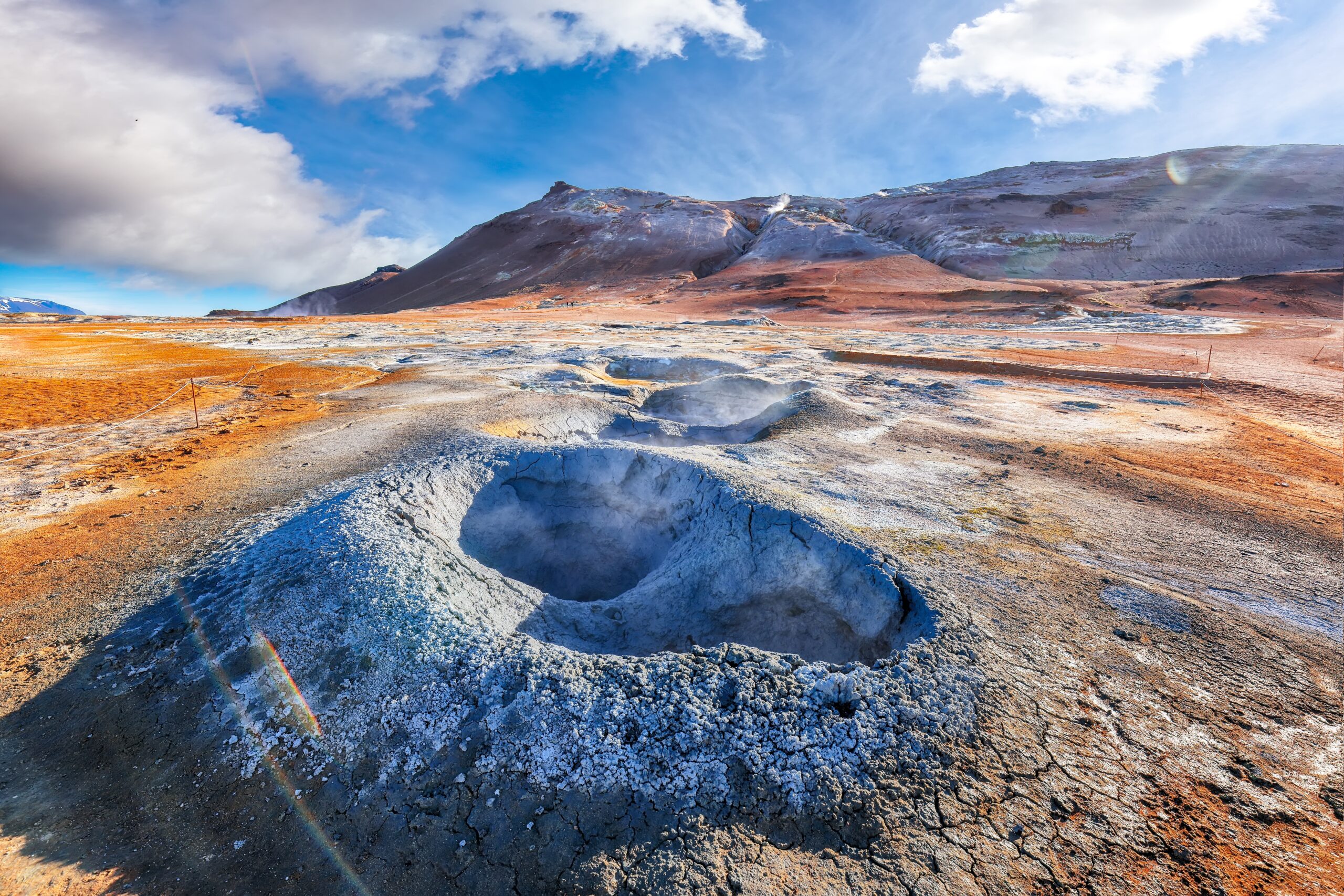
Mývatn in North Iceland is one of the places where you can really see that Iceland is a volcanic country. The lake is a good hour’s drive east of Akureyri, and around it you’ll find lava formations, craters and boiling mud pools. At Hverir, at the foot of Námafjall, the ground steams and bubbles in yellow and reddish brown colours, and there’s a strong smell of sulphur. Stay on the marked paths, because the ground can be boiling hot just below the surface.
In Dimmuborgir, you walk between lava pillars, arches and caves, and the place is known from the folk tales about the Icelandic Yule Lads. The Hverfjall crater is about 1,000 metres wide and 140 metres deep, and a path leads up to the rim with a view over the lake. Afterwards, you can bathe in Earth Lagoon Mývatn, which used to be called Mývatn Nature Baths. Tickets cost from around 7,900 Icelandic krónur (about £50), and children aged five and under get in free with an adult.
On the way from Akureyri, you drive past Goðafoss on the Ring Road. The waterfall is about 12 metres high and 30 metres wide, and according to legend, the lawspeaker Þorgeir threw his old idols of the gods into the waterfall when Iceland became Christian. That’s where the name comes from, which means Waterfall of the Gods. My tip is to stay overnight by the lake and do the whole Diamond Circle with Húsavík and Dettifoss. You can see hotels at Mývatn here.
17. Whale Watching
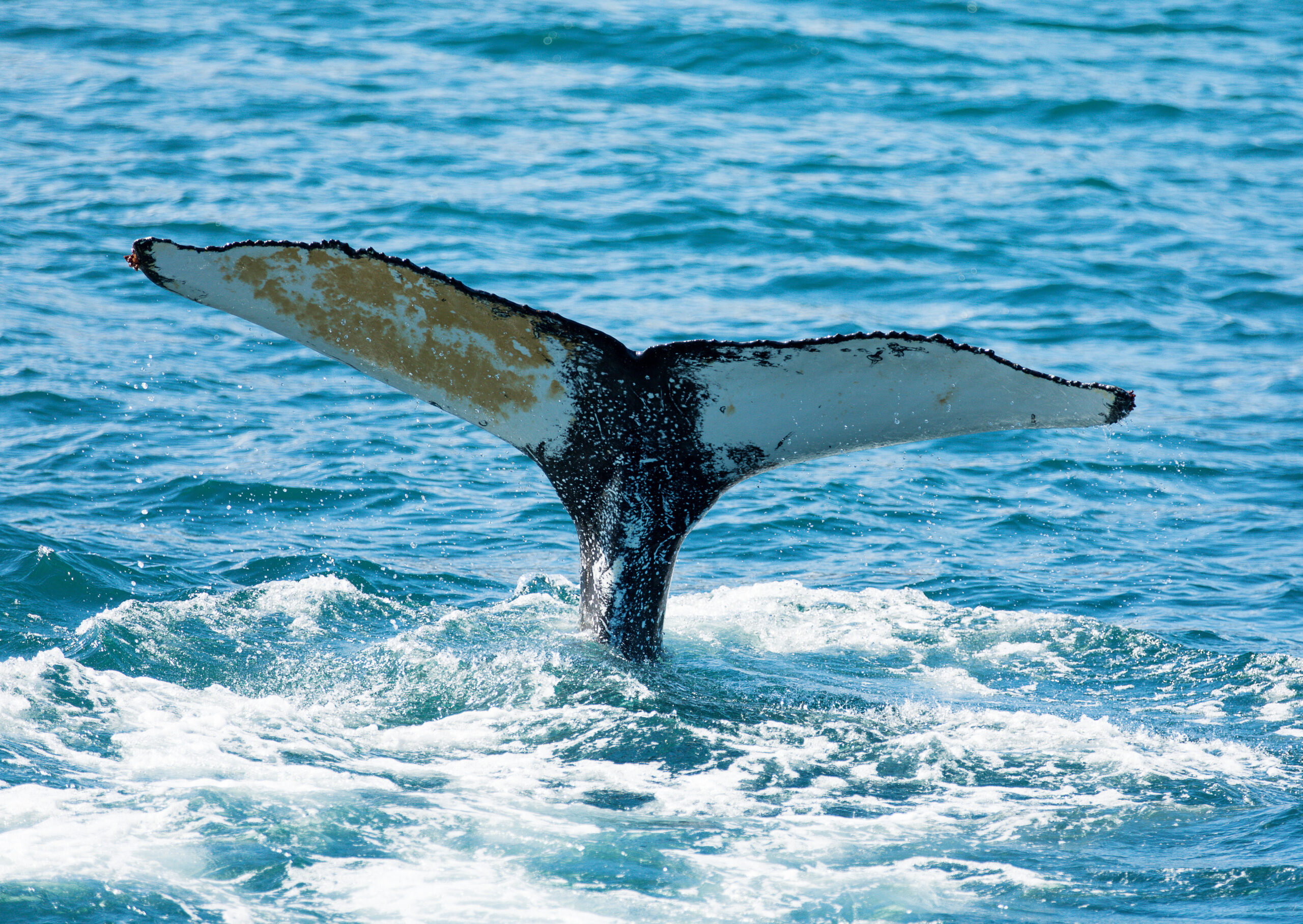
Whale watching is one of the most popular experiences in Iceland. According to Iceland’s tourist board, tours sail every day from the Old Harbour in Reykjavik, and the best season is roughly from April to September. You’ve got the chance to see humpback whales, minke whales, dolphins and harbour porpoises, and with a bit of luck orcas and blue whales too. In winter, fewer tours sail.
In North Iceland, Húsavík calls itself Iceland’s whale watching capital, and the town was one of the pioneers of whale watching. Here you sail out into Skjálfandi bay, and several of the operators use traditional Icelandic oak boats. Tours from both Reykjavik and Húsavík usually last around three hours, and a ticket costs from around 12,000 Icelandic krónur (about £75).
It’s cold out at sea even in summer, so wear warm clothes, a hat and gloves, and many operators lend you a warm overall. Whales are wild animals and there’s no guarantee, but many operators give you a free second trip if you don’t see any. My tip is to choose Húsavík if you’re going to Mývatn anyway, and otherwise to take the tour from Reykjavik on a day with calm weather, so you don’t get seasick.
Book a whale watching tour from the Old Harbour in Reykjavik.
18. Northern Lights
The Northern Lights are the reason many people go to Iceland in winter. To see them, the sky has to be dark and preferably clear, so the season runs roughly from September to April, while the light summer nights make it impossible. The Northern Lights can appear all over the country, but you need to get away from the city lights, so even in Reykjavik it’s a good idea to drive a little way out of town.
The Icelandic Meteorological Office has an aurora forecast with a cloud cover map and an activity scale from 0 to 9, so you can see where the sky is clear. The clouds matter more than the activity, so look at the cloud cover first. If you’re driving yourself, never stop at the side of the road to look up, but find a lay-by or a side road, and read Safetravel’s advice on the Northern Lights and safety before you drive out at night.
If you don’t have a car, a Northern Lights tour by coach or minibus from Reykjavik is the easiest option. Tours cost from around 9,500 Icelandic krónur (about £60), and many operators give you a free second tour if the lights don’t show. My tip is to book the tour early in your stay, so you’ve got more evenings to try again. If you’d also like to chase the Northern Lights in Northern Norway, I’ve written a guide to where to stay in Tromsø.
Book a Northern Lights minibus tour from Reykjavik with photos.
Practical Travel Tips for Iceland
From Keflavík Airport, the Flybus runs to the BSÍ bus terminal in Reykjavik about 40 minutes after every arrival, and the journey takes around 45 minutes. Ordinary public buses also run between the airport and the capital area. If you want to see more than Reykjavik, a hire car is the most flexible option, but you can reach all the big sights on organised day trips.
The weather in Iceland changes quickly, and in winter roads can close within a few hours. Check road conditions on umferdin.is, which is run by the Icelandic Road and Coastal Administration, Vegagerðin, or call their traffic service on 1777, which is open every day from 6.30am to 10pm. Check the weather forecast on vedur.is at least once a day too. In Iceland, your headlights must be on around the clock, and driving off road is forbidden. The mountain roads in the Highlands, the so-called F-roads, are only open in summer and require four-wheel drive.
It’s a good idea to register a travel plan and download the app on safetravel.is, where you’ll also see warnings about weather, closed areas and volcanic activity. The emergency number is 112. The natural sights are open all year, but in winter there are only a few hours of daylight, and in summer it’s light almost around the clock. My tip is to go from June to August if you want to drive all the way around the island, and from September to April if the Northern Lights are the most important thing. Remember that the tower at Hallgrímskirkja closes around the Sunday morning service.
You can pay by card almost everywhere, so you don’t need to change much money into Icelandic krónur. If you need the full range of places to stay, you can see all hotels in Iceland on Booking.com. If the Faroe Islands are also on your wish list, take a look at my guide to where to stay in the Faroe Islands.
Travel ressources & websites I use all the time 👇
• Booking.com has the best offers on hotels and unique places to stay
• GetYourGuide is the best place to book tours & activities with free cancellation
• Welcome Pickups is the best & safest place to pre-book airport transfers
Psst 👀 Have you subscribed to my Youtube channel and my Instagram where I provide more useful travel tips?