

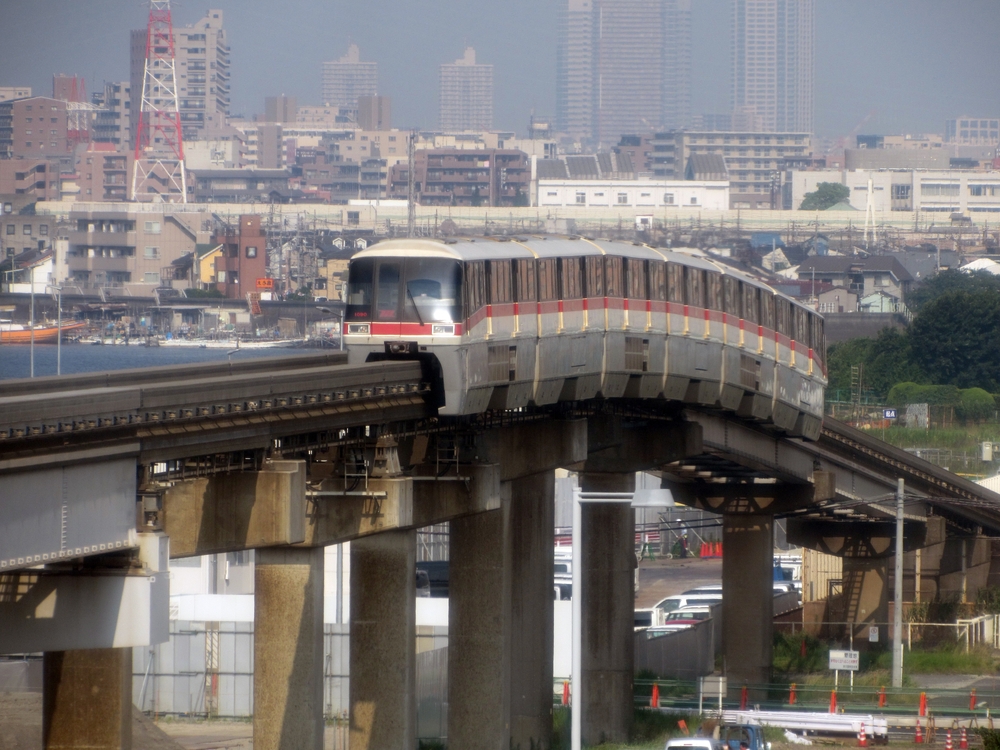
Tokyo has two airports, and they’re in very different places, so the trip from the airport to the city centre depends a lot on which one you land at. Haneda is around 15 kilometres from the centre, while Narita is 50 to 60 kilometres out in the neighbouring prefecture of Chiba. From Haneda, you’re in Shinagawa or Hamamatsucho in 11 to 13 minutes on the Keikyu train or the Tokyo Monorail, and from Narita the trip takes anything from 40 minutes to an hour and a half on the Narita Express, the Keisei Skyliner or an airport bus.
Which option you should choose depends on where you’re staying and when you land. The Narita Express runs direct to Tokyo Station, Shibuya and Shinjuku, the Skyliner is the fastest way to Ueno, and the cheap trains and buses save you a lot of money if you have the time. Here are the options from both airports, with fares, journey times, tickets and the right stations to get off at. For the rough conversions I’ve used about £0.48 and $0.63 per 100 yen.
Contents
At a glance
- Narita, Narita Express: 3,140 yen (about £15/$20), around an hour to Tokyo Station, roughly every half hour from 07:30 to 21:45.
- Narita, Keisei Skyliner: 2,580 yen (about £12.50/$16.50), 36 to 41 minutes to Nippori and Keisei Ueno, three departures an hour from around 07:30 to 23:00.
- Narita, Access Express: Around 1,190 yen (about £5.70/$7.50), around 50 minutes to Oshiage and straight on to Asakusa, first train before 06:00.
- Narita, AIRPORT BUS TYO-NRT: 1,500 yen (about £7.20/$9.50), around 65 minutes to Tokyo Station, as often as every 10 minutes until around 23:30.
- Narita, Airport Limousine Bus: 3,600 yen (about £17/$22.50) to Shinjuku, an hour and a half to two hours.
- Narita, taxi: Fixed fare from 29,000 yen (about £139/$183) plus expressway tolls.
- Haneda, Keikyu: 330 yen (about £1.60/$2.10), 11 minutes to Shinagawa, direct trains to Asakusa, from around 05:30 until shortly after midnight.
- Haneda, Tokyo Monorail: 520 yen (about £2.50/$3.30), 13 minutes to Hamamatsucho, every 5 minutes on average.
- Haneda, Airport Limousine Bus: 1,400 yen (about £6.70/$8.80), around 40 minutes to Shinjuku, night buses too.
- Haneda, taxi: Fixed fare from 7,600 yen (about £36.50/$48) to most central wards plus expressway tolls.
Finding your transport at Narita and Haneda
Narita Airport
Narita has three terminals but only two railway stations. Narita Airport Terminal 1 station is beneath Terminal 1, and Narita Airport Terminal 2·3 station is beneath Terminal 2. Both stations are on level B1F, and from the arrivals hall you follow the signs down to the ticket gates, where JR East and Keisei each have their own. The airport reckons on a five-minute walk from Terminals 1 and 2 and ten minutes from Terminal 3, where you go through a connecting passage or take the free shuttle bus.
You buy your tickets in front of the ticket gates at the JR East Travel Service Center and the Skyliner & Keisei Information Center. The bus counters are on level 1F in all three terminals, and the buses stop right outside. The taxis wait at Taxi Stand no. 15 at Terminal 1 and nos. 28 and 31-A at Terminal 2, and Terminal 3 has its own rank. You’ll find maps of the terminals on Narita Airport’s transport page.
Haneda Airport
Haneda also has three terminals. Terminal 3 is the international one, and Terminal 2 has a smaller area for international flights. In Terminal 3, the ticket gates for both the Keikyu and the Tokyo Monorail are in the arrivals hall on level 2F. In Terminals 1 and 2, the platforms for both lines are on level B1F.
Next to the monorail ticket gate in Terminal 3 is the JR East Travel Service Center, and next to the Keikyu gates is the Keikyu Tourist Information Center, where you can get help in English. The buses and the taxi rank are on level 1F, while taxis you’ve booked through an app have their own pick-up points. See the maps on Haneda Airport’s transport page.
1. Narita Express to Tokyo Station, Shibuya and Shinjuku
The Narita Express is JR East’s direct express train from both of the airport’s stations to Tokyo Station, Shinagawa, Shibuya and Shinjuku. Allow around an hour to Tokyo Station, 1 hour 20 minutes to Shibuya and just under an hour and a half to Shinjuku. The train runs roughly every half hour, with the first departure shortly after 07:30 and the last at around 21:45 from Terminal 1.
One thing you need to know: the train splits at Tokyo Station. One half continues to Shibuya and Shinjuku, the other to Shinagawa and Yokohama, and a few services only run as far as Tokyo Station. Your seat reservation shows your carriage, so sit where the ticket says. The luggage racks have combination locks, and there’s a power socket in the armrest.
The catch is the evening. If you land late, you won’t make the last train, and then it’s the Skyliner, the bus or a taxi. If you miss your departure, you can still use the ticket on later trains the same day, but without a reserved seat. You’ll find the timetable at JR East.
Fares and tickets
A single ticket in standard class costs 3,140 yen (about £15/$20) to Tokyo Station and 3,330 yen (about £16/$21) to Shinagawa, Shibuya and Shinjuku. Children aged 6 to 11 pay half price. The price is made up of the basic fare and an express ticket, so an IC card such as Suica isn’t enough on its own.
If you have a non-Japanese passport, the N’EX TOKYO Round Trip Ticket is the best buy. It costs 5,200 yen (about £25/$33) for adults and 2,600 yen (about £12.50/$16.50) for children aged 6 to 11, and it covers one trip into the city and one trip back within 14 days, with free seat reservations. You can change to other JR trains in the Tokyo area on the same ticket as long as you don’t go out through the ticket gates. You buy the tickets at the JR East Travel Service Center, at the JR ticket office or from the ticket machines at the airport stations, and the machines take credit cards. The fares are listed at JR East.
Where to get off
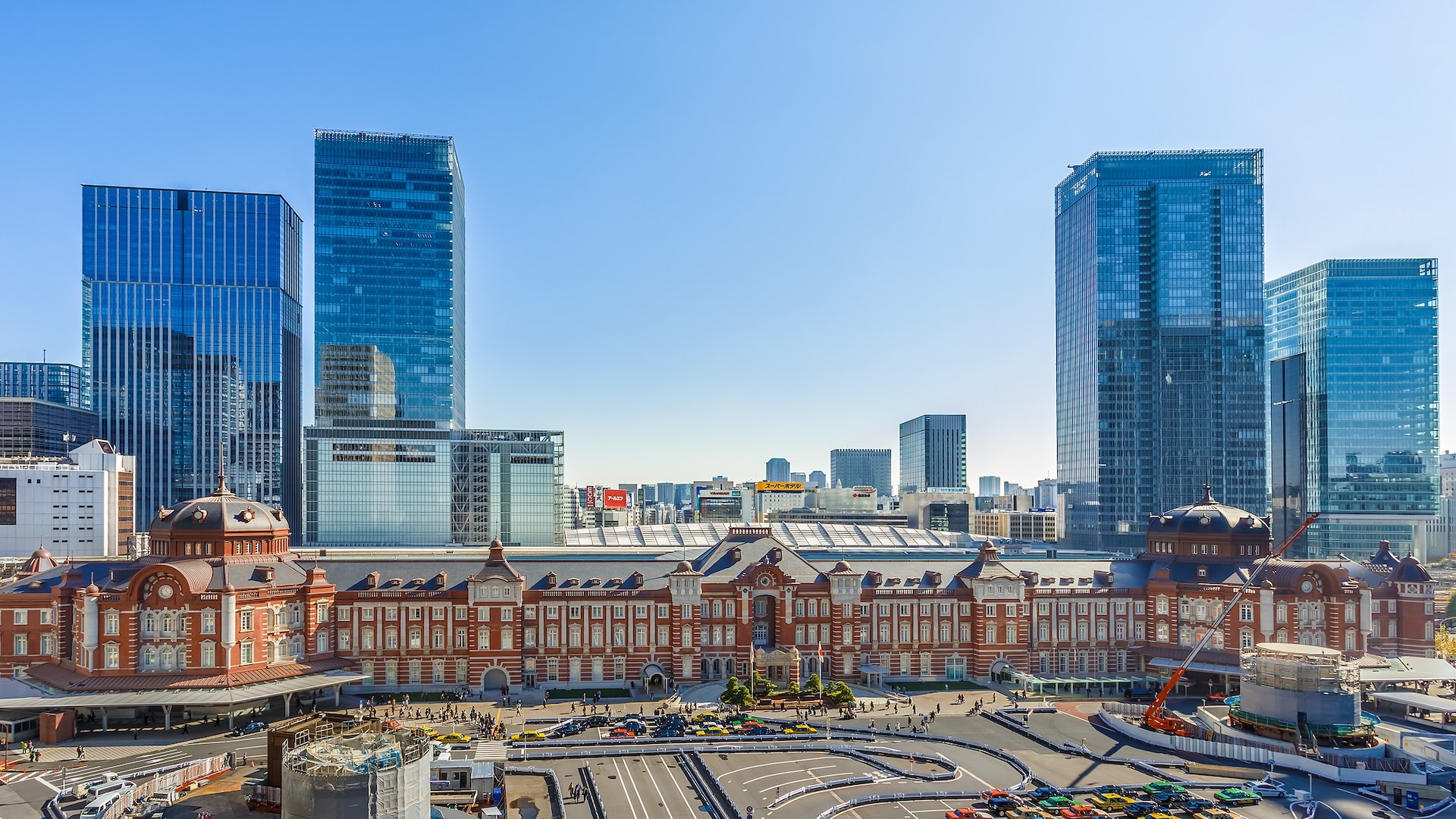
Tokyo Station: The right stop for Marunouchi and the hotels around the station, and it’s where you catch the shinkansen towards Kyoto and Osaka. If you’re staying in Ginza, it’s around two kilometres away, so take the metro or a short taxi ride.
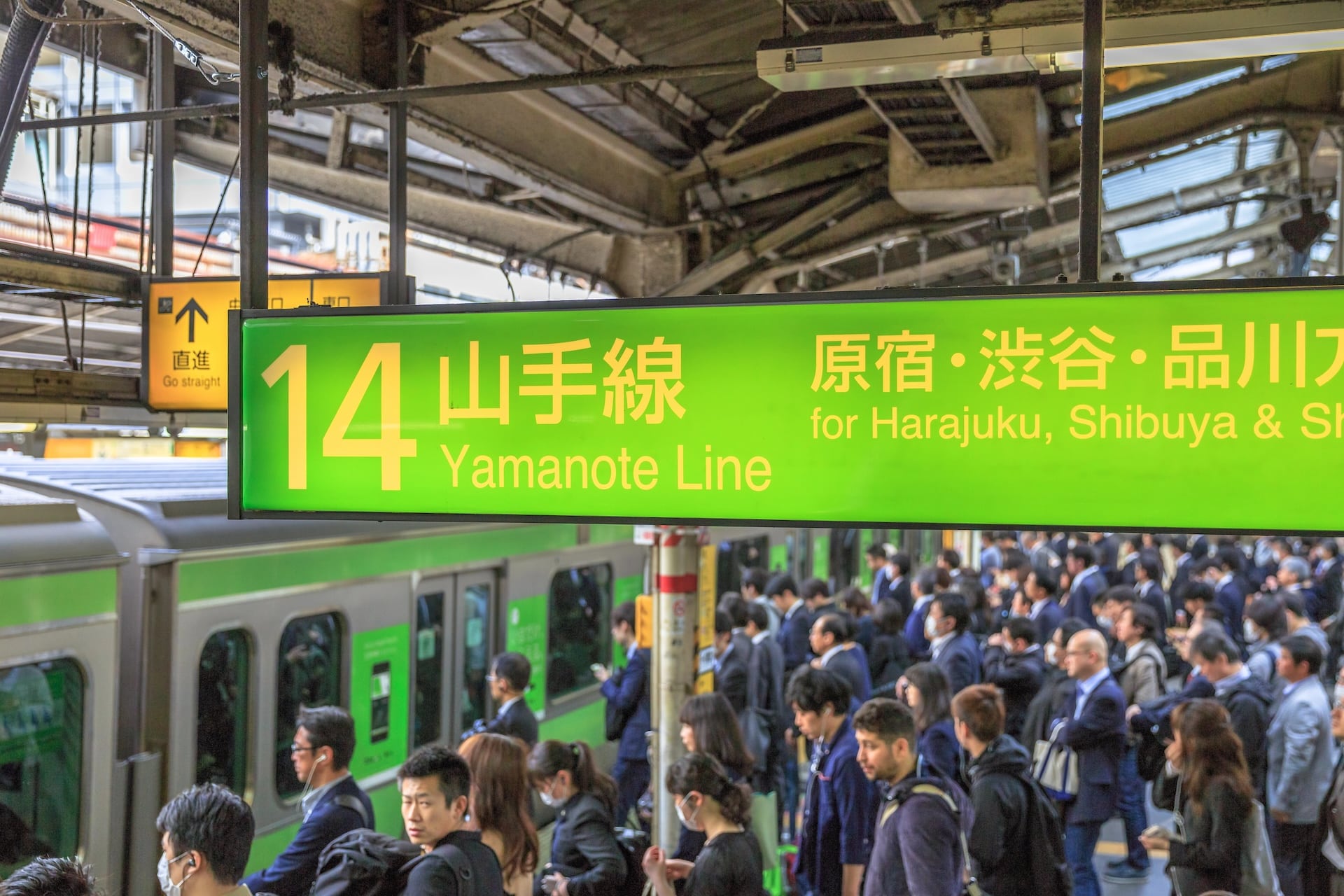
Shinagawa: When the train is divided at Tokyo Station, it’s the carriages heading for Yokohama that stop here, so check your seat reservation. Shinagawa is an easy place to change to the shinkansen and to the JR Yamanote Line.
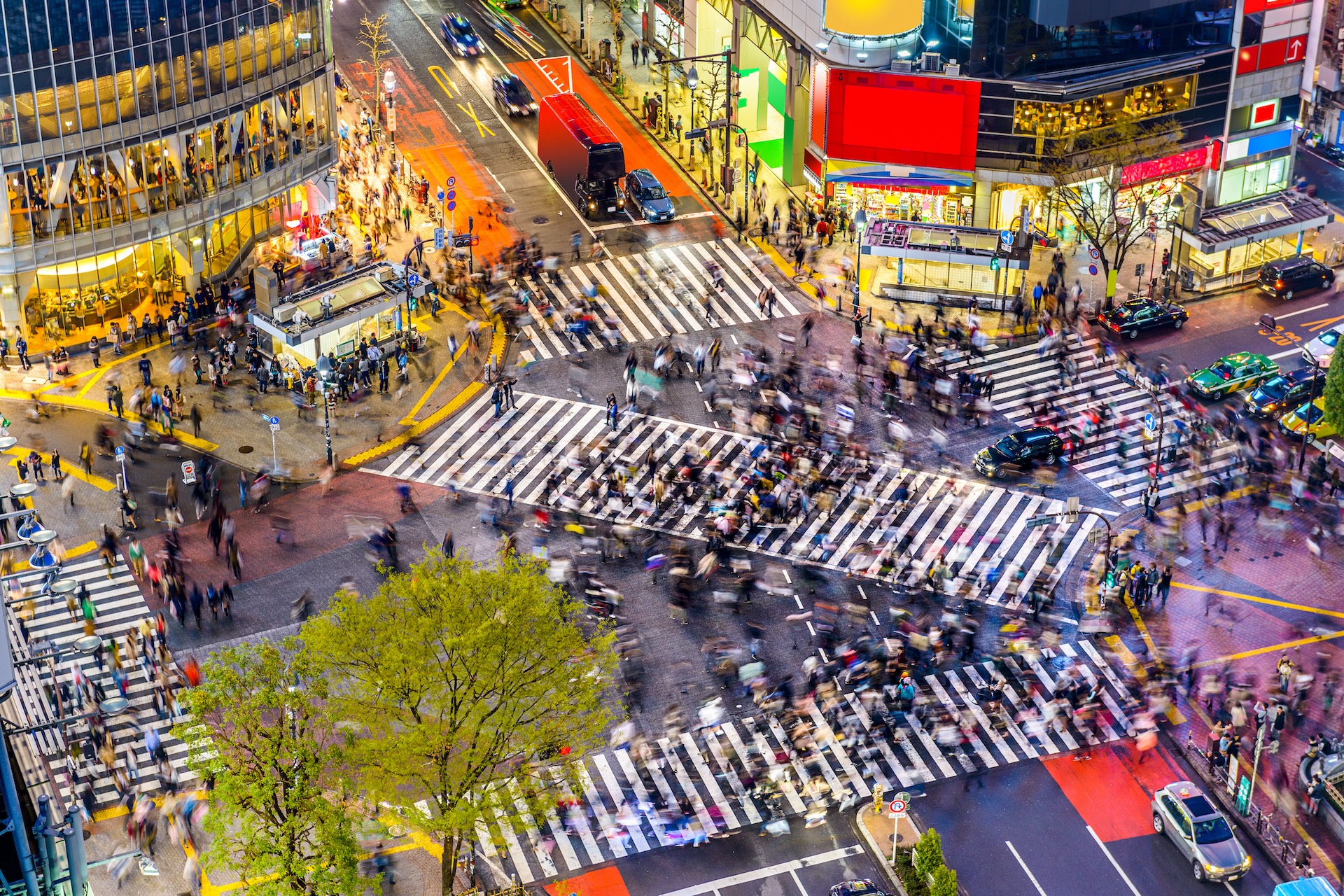
Shibuya: Get off here if you’re staying in Shibuya. From the station, the Yamanote Line carries on around the city.
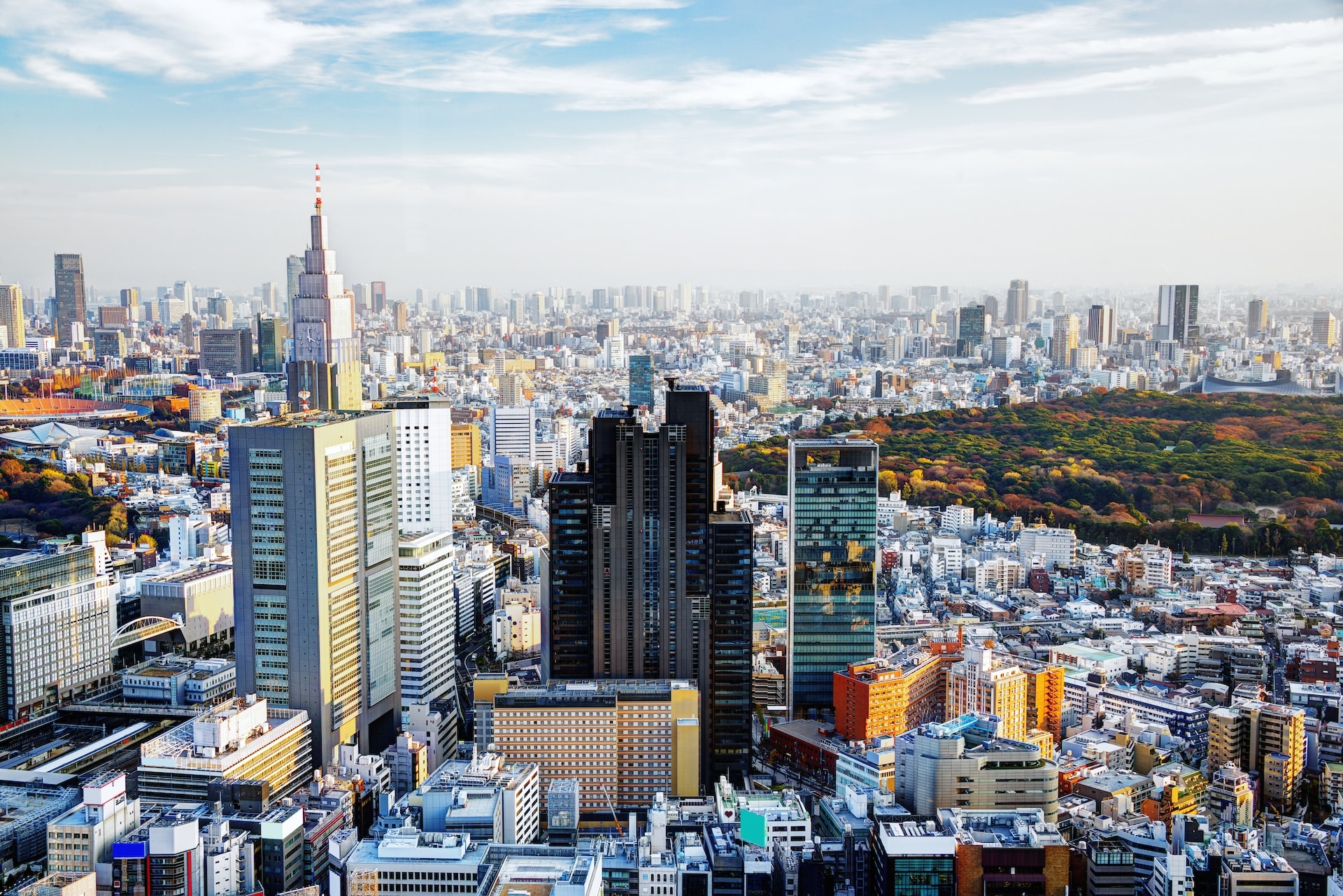
Shinjuku: The terminus for most services and the obvious stop for the hotels in Shinjuku. The station is enormous, so check in advance which exit your hotel is near.
2. Keisei Skyliner to Nippori and Ueno
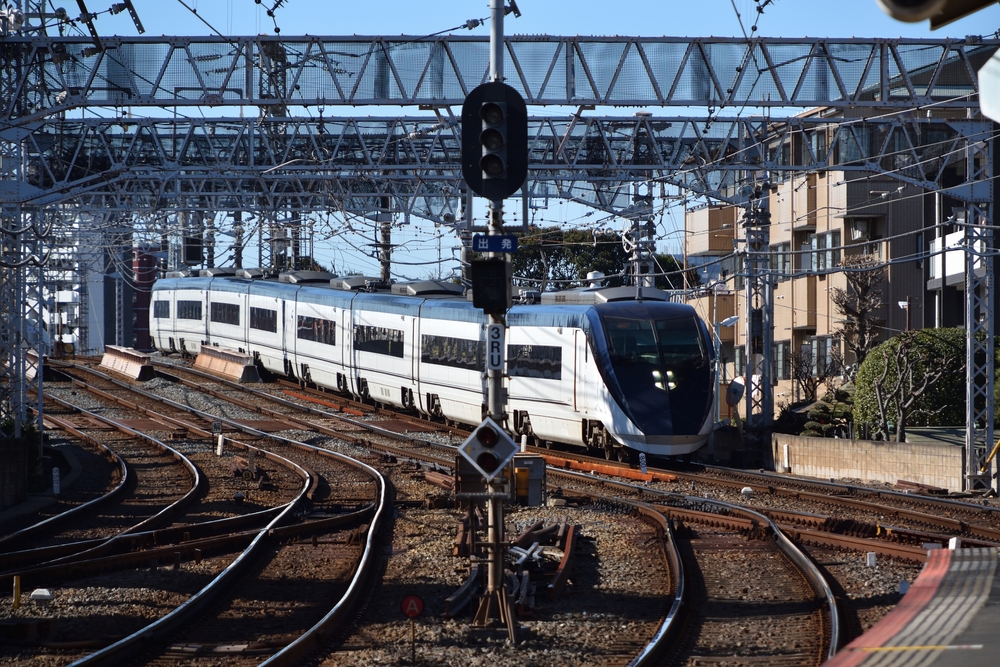
The Skyliner is the fastest train from Narita. It runs at up to 160 km/h from both of the airport’s stations to Nippori and Keisei Ueno, and the fastest service takes 36 minutes to Nippori and 41 minutes to Keisei Ueno. There are three departures an hour for most of the day, from around 07:30 until 23:00.
Every seat is reserved, and each carriage has luggage space. The downside is that the Skyliner doesn’t go to Shinjuku, Shibuya or Tokyo Station. You have to change to the JR Yamanote Line at Nippori or to the metro at Ueno. You’ll find the timetable at Keisei.
Fares and tickets
A single ticket costs 2,580 yen (about £12.50/$16.50) for adults and 1,290 yen (about £6.20/$8.20) for children aged 6 to 11. If you buy it online as an e-ticket from Keisei, it costs 2,310 yen (about £11/$14.50) for adults and 1,150 yen (about £5.50/$7.30) for children. A return ticket costs 4,500 yen (about £21.50/$28.50), but it’s only sold online and can only be collected at the airport stations.
At the airport, you buy your ticket at the Skyliner & Keisei Information Center, at the Skyliner Ticket Counter or from the ticket machines, and Skyliner tickets can be paid for by credit card. The Keisei Skyliner & Tokyo Subway Ticket is sold here too, and it combines the train ticket with unlimited travel on the metro for 24, 48 or 72 hours. With that ticket, you can’t use the transfer gate to JR at Nippori, so stay on the train to Ueno.
Buy your Skyliner ticket here, so it’s ready on your phone when you land.
Where to get off
Nippori: This is where you change to the JR Yamanote Line through a dedicated transfer gate, where you use an IC card or a JR ticket. It’s the way on to Shinjuku, Shibuya and Tokyo Station.
Keisei Ueno: The terminus is next to Ueno, where Tokyo Metro’s Ginza Line and Hibiya Line stop. The Ginza Line runs to Asakusa and Ginza, and the Hibiya Line runs to Roppongi, so get off here if you’re staying in Ueno, Asakusa or Roppongi.
3. Keikyu train from Haneda to Shinagawa and Asakusa
From Haneda, the Keikyu train is the fastest way into the city. From Haneda Airport Terminal 3 station, it takes 11 minutes to Shinagawa on the fastest train, and from Haneda Airport Terminal 1·2 station it takes 14 minutes. Many trains continue straight onto the Toei Asakusa Line, a metro line, so you can stay on board to Shimbashi, Higashi-ginza and Asakusa, which are 21, 23 and 34 minutes from Terminal 3.
Trains towards Shinagawa typically run five to six times an hour from around 05:30 until shortly after midnight. What catches people out is that trains towards Yokohama leave from the same station, so check the destination on the screen before you board. Trains heading into the city terminate at Shinagawa or at a station further along the line, such as Keisei Takasago, Aoto or Narita Airport. You’ll find the timetable and journey times at Keikyu.
Fares and tickets
The trip from Terminal 3 to Shinagawa costs 330 yen (about £1.60/$2.10), and it’s a couple of yen cheaper with an IC card. If you carry on along the Toei Asakusa Line, the metro fare is added on top, and the price is shown on the fare chart above the ticket machines, which take both cash and credit cards.
Paying by card: Tap to Ride
Keikyu has contactless payment at the ticket gates. You hold your Visa, Mastercard or American Express against the dedicated reader when you go in, and use the same card or the same phone when you go out. The system also covers Toei Subway, Tokyo Metro and several private railways, but not every station, and it doesn’t work at the transfer gate at Shinagawa. Children pay the adult fare, and each card can only be used by one person. Read more about Tap to Ride.
Where to get off
Shinagawa: Change here to the JR Yamanote Line towards Shibuya and Shinjuku or to the shinkansen. Keikyu puts the total journey from Terminal 3 at 23 minutes to Shibuya, 30 minutes to Shinjuku and 20 minutes to Tokyo Station.
Shimbashi and Higashi-ginza: The stops for Ginza. Higashi-ginza is the Asakusa Line’s station in Ginza, and you get here without changing.
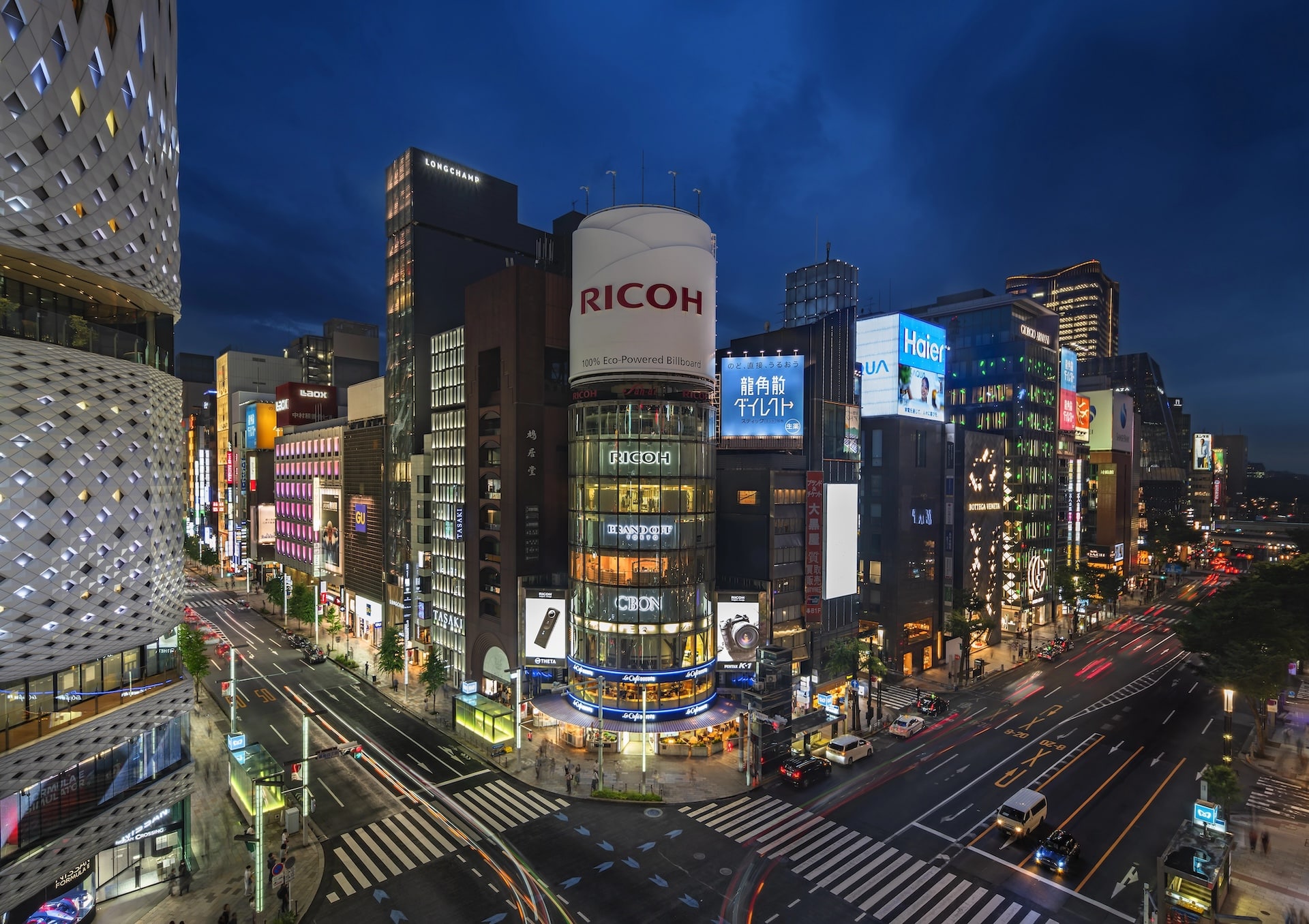
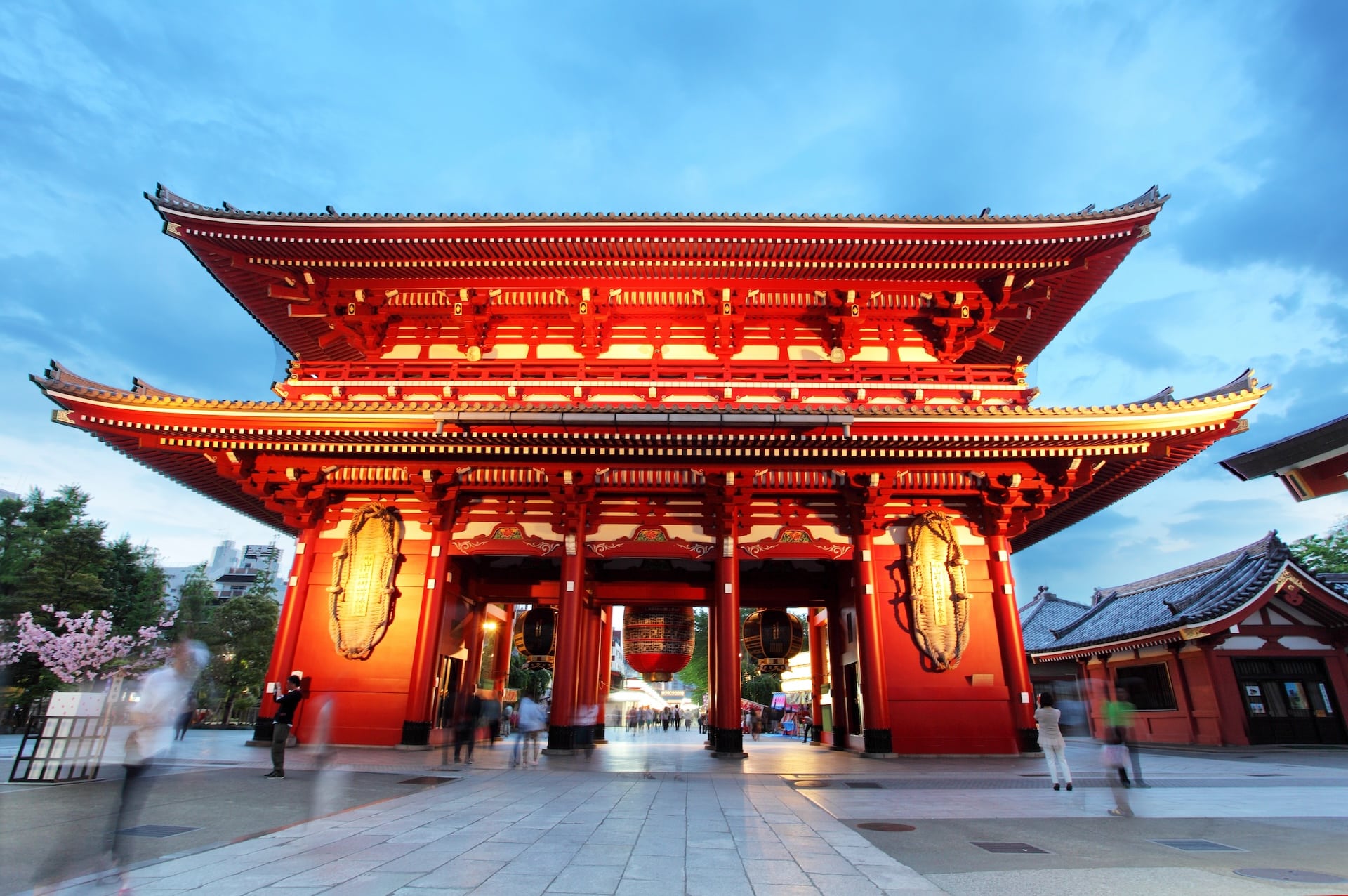
Asakusa: A direct train in 34 minutes to Senso-ji Temple and the hotels in Asakusa.
4. Tokyo Monorail from Haneda to Hamamatsucho
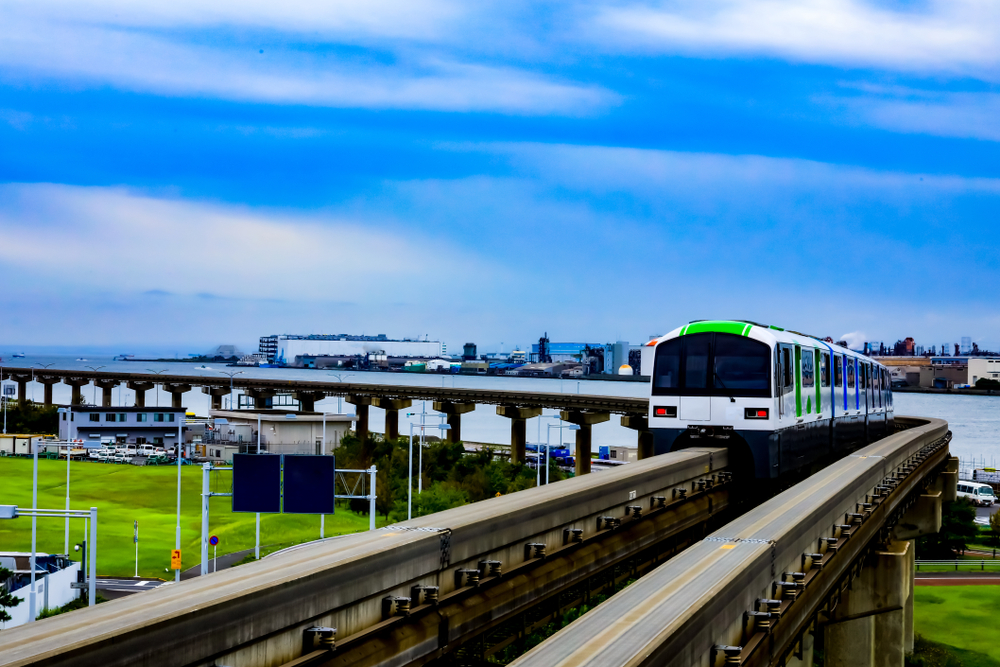
The Tokyo Monorail runs from all three terminals to Monorail Hamamatsucho, where you change to the JR Yamanote Line. On the Haneda Express, the trip takes 13 minutes from Haneda Airport Terminal 3, and the slowest trains take 17 minutes. There’s a train every 5 minutes on average, from shortly after 05:00 until shortly after midnight.
The monorail is the obvious choice if you have a Japan Rail Pass, because the pass is valid here but not on the Keikyu train. It’s also a good option for Tokyo Station, which is seven minutes from Hamamatsucho on the Yamanote Line. The catch is that you can’t buy a ticket with a credit card, so have cash or an IC card ready.
Fares and tickets
A single ticket to Monorail Hamamatsucho costs 520 yen (about £2.50/$3.30) for adults and 260 yen (about £1.25/$1.65) for children aged 6 to 11. At weekends, on public holidays and during selected holiday periods, the ticket machines at the airport stations sell the Monorail and Yamanote Line Discount Ticket for 590 yen (about £2.80/$3.70) for adults and 290 yen (about £1.40/$1.85) for children. It’s valid on the same day from Haneda to any station on the Yamanote Line. The fares are in Tokyo Monorail’s fare table.
Where to get off
Monorail Hamamatsucho: The terminus, where you change to JR. Tokyo Monorail puts the total journey from the airport at 19 minutes to Tokyo Station, 30 minutes to Shibuya, 37 minutes to Shinjuku and 27 minutes to Ueno.
5. Access Express and Keisei Main Line to Asakusa and Ueno
Keisei also runs ordinary trains from Narita with no seat reservation and no express surcharge. The Access Express runs along the Narita Sky Access Line to Oshiage and continues onto the Toei Asakusa Line, so you get straight to Asakusa, Nihombashi, Higashi-ginza and Shimbashi. The trip to Oshiage takes around 50 minutes and, according to Keisei, costs around 1,190 yen (about £5.70/$7.50). The Keisei Main Line runs via Funabashi to Nippori and Keisei Ueno, has more departures and is cheaper still, around 990 yen (about £4.70/$6.30) for the same journey to Oshiage according to Keisei, but the trip takes over an hour.
The Access Express is my pick if you’re staying in Asakusa or Ginza and want to save money. The first train leaves before 06:00, long before the express trains, but in the evening the last trains only go as far as Keisei Takasago, so check the destination. You pay with an IC card or buy a ticket from the machine with cash.
6. Airport Limousine Bus to Shinjuku, Shibuya and the major hotels
The Airport Limousine Bus runs from both airports straight to the major stations and hotels. The advantage is that you don’t have to change with your suitcases, because you can put two pieces of luggage of up to 30 kilos in the hold. The downside is the traffic, and most routes only have a few departures a day.
From Narita, the bus costs 3,600 yen (about £17/$22.50) to Shinjuku, Shibuya, Ginza and Roppongi and 3,100 yen (about £15/$19.50) to Tokyo Station and Asakusa View Hotel, and children pay half price. The Shinjuku route has three to four departures an hour for most of the day and stops at Busta Shinjuku, Keio Plaza Hotel and Hilton Tokyo, among other places. The Roppongi route stops at Grand Hyatt Tokyo. Allow an hour and a half to two hours.
From Haneda, the bus costs 1,400 yen (about £6.70/$8.80) to Shinjuku, 1,300 yen (about £6.20/$8.20) to Shibuya and 1,200 yen (about £5.70/$7.60) to Tokyo Station. The bus to Shinjuku runs every 10 to 30 minutes and takes around 40 minutes from Terminal 3. After midnight, night buses run from Terminal 3 to Shinjuku and Ikebukuro for 2,800 yen (about £13.50/$17.50).
You buy tickets at the bus counters and from the ticket machines at the airport or online from Airport Limousine Bus, where you get a QR ticket on your phone. At Narita Terminal 1, the buses leave from stops 10 and 11, and at Haneda Terminal 3, the bus to Shinjuku leaves from stop 3 and the bus to Shibuya from stop 4.
7. AIRPORT BUS TYO-NRT to Tokyo Station and Ginza
The cheapest direct connection from Narita is the low-cost AIRPORT BUS TYO-NRT. It costs 1,500 yen (about £7.20/$9.50) for adults and 750 yen (about £3.60/$4.70) for children of elementary school age, and it runs to Tokyo Station in around 65 minutes and on to Ginza Station. The bus runs as often as every 10 minutes from shortly after 07:00 until around 23:30, and departures after 23:00 cost 3,000 yen (about £14.50/$19).
You buy the ticket at the LCB counter in the arrivals hall, where you get a ticket for a specific departure and can pay with cash, an IC card or a credit card. The bus can’t be booked in advance. It leaves from stop 7 at Terminal 1, stop 6 at Terminal 2 and stop 5 at Terminal 3, and you need to be there at least five minutes before departure. You can bring one suitcase, and after 23:00 you pay on the bus with cash or an IC card. You’ll find the timetable at AIRPORT BUS TYO-NRT.
8. Taxis from Narita and Haneda
From Haneda, a taxi is a realistic option. The taxis at the rank charge a fixed fare to most of Tokyo’s wards, and you don’t need to book ahead. The fixed fare is 7,600 yen (about £36.50/$48) to Chiyoda ward with Tokyo Station and Marunouchi, 8,500 yen (about £40.50/$54) to Shibuya, 9,000 yen (about £43/$57) to Shinjuku and 9,100 yen (about £43.50/$58) to Taito ward with Asakusa and Ueno. Expressway tolls are added on top, and between 22:00 and 05:00 the fixed fares are around 20 per cent higher. Chuo ward with Ginza, Minato ward with Roppongi, and Shinagawa aren’t covered by the scheme, so taxis to those wards run on the meter. The fares are listed by Tokyo’s taxi association.
From Narita, a taxi is expensive. The fixed-fare taxis cost 29,000 to 31,000 yen (about £139 to £148, or $183 to $196) to Chiyoda, Chuo and Taito and 31,500 to 32,500 yen (about £151 to £155, or $199 to $205) to Shinjuku, Shibuya and Minato, depending on the route. Expressway tolls are added on top, and there’s a night surcharge between 22:00 and 05:00. Ask the driver about the fixed fare before you get in. The zones are shown on Narita Airport’s taxi page.
Private transfer
If you’re landing late, travelling with children or in a group with lots of luggage, a pre-booked car can be the easiest option. You can book a private transfer from Narita Airport here or book a private transfer from Haneda Airport here. The price is agreed in advance, and the car takes you to your hotel.
Onward travel around Japan straight from the airport
If you’re travelling on by shinkansen towards Kyoto and Osaka, the Tokaido Shinkansen trains leave from Tokyo Station and Shinagawa. From Narita, the Narita Express runs direct to both stations, and from Haneda you’re at Shinagawa in 11 minutes on the Keikyu.
The Japan Rail Pass is valid on JR’s express trains, so it covers the Narita Express, and it’s also valid on the Tokyo Monorail, but not on Keikyu or Keisei trains and not on the Nozomi and Mizuho shinkansen services. The rules are on the Japan Rail Pass page on where the pass is valid. I’ve rounded up the best neighbourhoods in my guides to where to stay in Kyoto and where to stay in Osaka.
Getting back to the airport
First, check which terminal you’re flying from. At Narita, the trains stop first at Narita Airport Terminal 2·3 and then at Narita Airport Terminal 1, and if you’re going to Terminal 3, you get off at the first stop and walk for around ten minutes or take the shuttle bus. At Haneda, some international flights leave from Terminal 2 rather than Terminal 3, and both the Keikyu and the monorail stop at Terminal 3 first.
If you have an early flight from Narita, the first Skyliner leaves Keisei Ueno at around 05:40, and the AIRPORT BUS TYO-NRT runs from Tokyo Station from 05:00. For Haneda, the first Keikyu train leaves Shinagawa shortly after 05:00, and there’s an early airport bus from Ikebukuro and Busta Shinjuku that reaches Terminal 3 at around 04:35.
The buses can be delayed by traffic, and the bus companies ask you to allow extra time, so take the train if you’re on a tight schedule. If you have the N’EX TOKYO Round Trip Ticket, you should reserve a seat for the return journey at a ticket machine.
Which option should you choose?
Here’s what I’d recommend, depending on where you’re staying:
Shinjuku: From Narita, the Narita Express is the easiest option, and the Airport Limousine Bus is a good choice if it stops at your hotel. From Haneda, I’d take the airport bus, or the Keikyu to Shinagawa and the Yamanote Line from there.
Shibuya: From Narita, take the Narita Express direct. From Haneda, take the Keikyu to Shinagawa and change to the Yamanote Line, or take the airport bus.
Ginza: From Narita, the Access Express to Higashi-ginza is the cheapest route without a change, and the AIRPORT BUS TYO-NRT runs to Ginza Station. From Haneda, take the Keikyu direct to Higashi-ginza in 23 minutes.
Tokyo Station and Marunouchi: From Narita, it’s the Narita Express, or the low-cost bus if you want to save money. From Haneda, the Tokyo Monorail and the Yamanote Line are my first choice.
Asakusa: From Narita, the Access Express runs direct, and the Skyliner to Keisei Ueno with a change to the Ginza Line is faster but more expensive. From Haneda, the Keikyu runs direct in 34 minutes.
Roppongi: From Narita, the Airport Limousine Bus is the easiest option if you’re staying at one of the hotels on the route, and otherwise it’s the Skyliner to Keisei Ueno and the Hibiya Line. From Haneda, take the monorail to Hamamatsucho and change to the Toei Oedo Line at Daimon Station right next door. Otherwise it’s a taxi.
If you land at night: At Narita, the last Narita Express leaves before 22:00 and the last Skyliner at 23:00, and after that there’s only the low-cost bus until around 23:30 and taxis. At Haneda, the trains run until shortly after midnight, and the night buses to Shinjuku and Ikebukuro run until around 02:20.
If there are three or four of you: From Haneda, a fixed-fare taxi can be worth it when you split the cost. From Narita, a taxi is still expensive, so take the train or the bus.
Practical tips for getting from Narita and Haneda into Tokyo
Buy a Welcome Suica when you land. Welcome Suica is JR East’s IC card for visitors, and you can use it on trains, the metro, buses and the monorail. It needs no deposit, is valid for 28 days and is sold with a balance from 1,000 yen (about £4.80/$6.30) at the ticket machines and the JR East Travel Service Center at Narita Airport Terminal 1, Narita Airport Terminal 2·3 and the monorail station at Haneda Terminal 3. You can only top it up with cash, and the balance isn’t refunded. If you have an iPhone, it’s also available as the Welcome Suica Mobile app. Read more at JR East.
Send your suitcase to the hotel. In the arrivals halls at both airports, Yamato Transport and JAL ABC have counters where you can send your luggage on. At Narita, JAL ABC accepts luggage for same-day delivery until 14:00, and at Haneda, Keikyu has a counter by the station in Terminal 3 with same-day delivery to hotels in Tokyo if you drop your luggage off before 16:00.
Combine it with a metro pass. The Tokyo Subway Ticket gives you unlimited travel on Tokyo Metro and Toei Subway and costs 1,000 yen (about £4.80/$6.30) for 24 hours, 1,500 yen (about £7.20/$9.50) for 48 hours and 2,000 yen (about £9.60/$12.50) for 72 hours. It’s sold at both airports, but it isn’t valid on JR trains.
Choose your hotel with the connection in mind. If you’re staying in Shinjuku, you have a direct train from Narita and a direct bus from both airports, and you can see hotels in Shinjuku here. Ueno has the Skyliner right on its doorstep, and you can see hotels in Ueno here. Shinagawa has direct trains from both airports and the shinkansen for onward travel, and you can see hotels in Shinagawa here. If you’d like to stay in Asakusa, there are direct trains from both Narita and Haneda, and you can see hotels in Asakusa here.
If you’re not sure which neighbourhood suits you, read my guide to where to stay in Tokyo before you choose your transport.
Travel ressources & websites I use all the time 👇
• Booking.com has the best offers on hotels and unique places to stay
• GetYourGuide is the best place to book tours & activities with free cancellation
• Welcome Pickups is the best & safest place to pre-book airport transfers
Psst 👀 Have you subscribed to my Youtube channel and my Instagram where I provide more useful travel tips?