

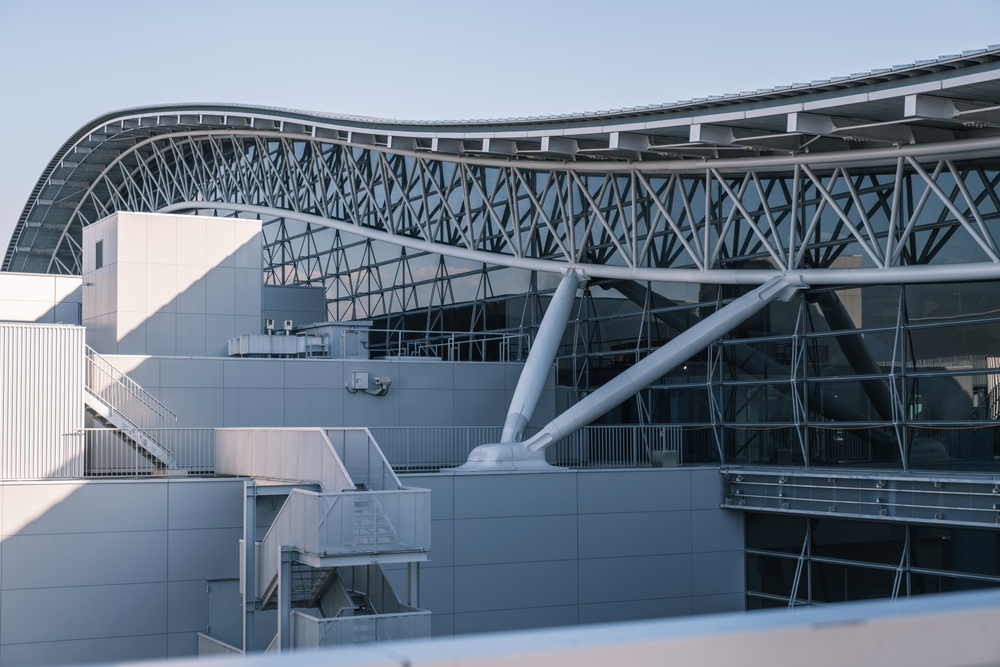
Kansai International Airport, usually just called Kansai Airport and known by its code KIX, is on an island in Osaka Bay, around 50 kilometres from the centre of Osaka. The airport is the gateway to both Osaka and Kyoto, and the train station is right next to Terminal 1. From here, Nankai runs to Namba in southern Osaka, while JR runs to Tennoji, Osaka Station, Shin-Osaka and Kyoto.
Which option is best depends on where you’re staying and when you land. The trains are the fastest, the airport buses run direct to the main stations and until late in the evening, and a taxi is expensive. Here are all the options, with fares and journey times, where to get off in Osaka and Kyoto, and what to do if you land at Itami. For the rough conversions I’ve used about £0.48 and $0.63 per 100 yen.
Contents
At a glance
- Nankai Airport Express: 970 yen (about £4.60/$6.10), around 43 minutes to Namba, roughly four times an hour from around 05:45 until shortly before midnight.
- Nankai Rapi:t: 1,410 yen (about £6.70/$8.90) as a digital ticket or 1,670 yen (about £8/$10.50) at full price, 34 to 39 minutes to Namba, twice an hour with reserved seats.
- JR Haruka: 1,800 yen (about £8.60/$11.50) to Osaka Station and Shin-Osaka and 2,200 yen (about £10.50/$14) to Kyoto with the discount ticket for foreign tourists, around 45 minutes to Osaka Station and 75 minutes to Kyoto.
- JR Kansai-airport Rapid Service: Around 1,200 yen (about £5.70/$7.60) to Osaka Station with no supplement, around 45 minutes to Tennoji and 65 minutes to Osaka Station.
- Airport Limousine Bus: 1,800 yen (about £8.60/$11.50) to Osaka Station and Universal Studios Japan, 1,400 yen (about £6.70/$8.80) to Namba and 2,800 yen (about £13.50/$17.50) to Kyoto Station, 50 to 90 minutes, runs until late in the evening.
- Taxi: Around 23,320 to 24,400 yen (about £111 to £117, or $147 to $154) to central Osaka and around 43,150 yen (about £206/$273) to Kyoto Station, 50 to 100 minutes.
- Itami, airport bus to Kansai: 2,200 yen (about £10.50/$14), 70 to 75 minutes between the two airports.
Finding your transport at Kansai Airport
The airport has two terminals. The train station and the taxis are at Terminal 1, and all the bus routes leave from there, while Terminal 2, according to the airport, is used by low-cost airlines such as Peach, Jeju Air and Spring Airlines. Bear in mind that the ground floor is called 1F on Japanese signs, so 2F is the floor directly above it.
Terminal 1
The arrivals hall for both international and domestic flights is on 1F. For the train, take the escalator up to 2F and follow the walkway across to Kansai Airport Station, which JR West and Nankai share. JR is signposted in blue and Nankai in red. JR’s ticket office is open from 05:30 to 23:00 and Nankai’s from 06:20 to 23:10, and both companies have ticket machines at the station.
The airport buses stop right outside 1F at numbered stops, and tickets are sold at the ticket counters and machines in the same place. The taxis wait at stand 5, cars booked through Uber, DiDi or GO pick up at stand 2, and pre-booked taxis wait at stands 1 and 7. The airport has maps of the station and journey times on its train page.
Terminal 2
From Terminal 2, a free shuttle bus runs to Aeroplaza, next to Terminal 1 and the train station, in 7 to 9 minutes. The airport buses also have stops outside 1F at Terminal 2, where tickets are sold in front of each stop, but they don’t start running from here until shortly after 09:00. If you land earlier, or you’re taking the train, take the shuttle bus. The route and timetable are on the airport’s Terminal 2 page.
1. Nankai train to Namba: Airport Express and Rapi:t
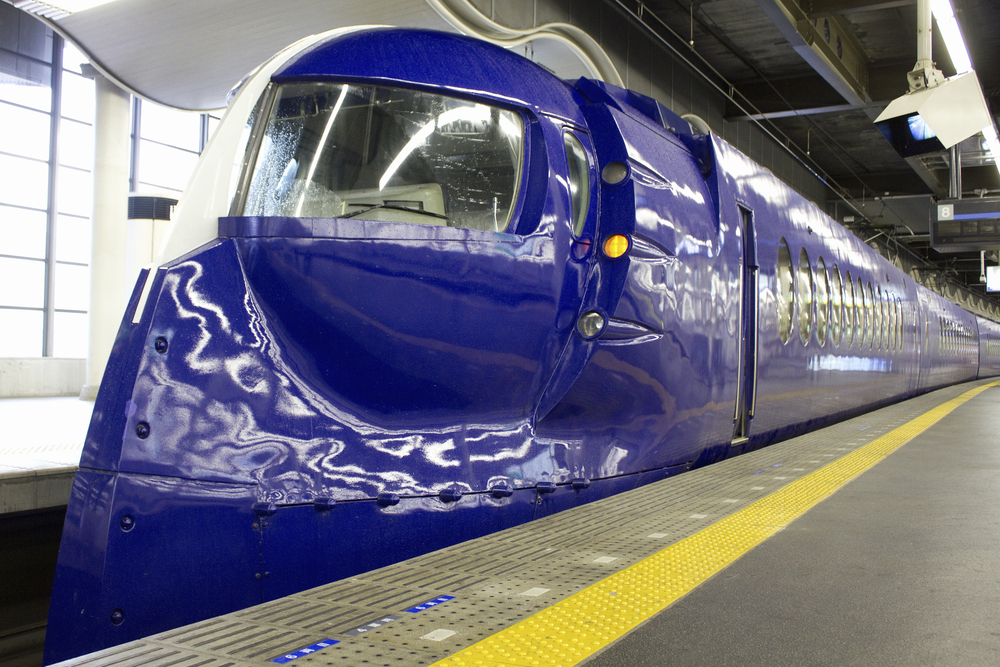
Nankai Electric Railway runs from Kansai Airport Station to Namba Station in Minami, the southern centre of Osaka. It’s my first choice if you’re staying in Namba or near Dotonbori, because the train is direct and the ordinary ticket is cheaper than the bus. You can choose between two trains.
The Airport Express is the ordinary train with no seat reservations. It takes around 43 minutes to Namba and runs roughly four times an hour from around 05:45, and the last one leaves the airport at around 23:55.
The Rapi:t is the express train with reserved seats and luggage space. In carriages 5 and 6, you sit in Super Seats, with three seats across instead of four. Rapi:t α reaches Namba in 34 minutes and Rapi:t β in 39 minutes, and both stop at Rinku Town, Izumisano, Tengachaya and Shin-Imamiya before Namba. The train runs twice an hour from around 07:00 until around 23:00, and you’ll find the exact times in Nankai’s timetable.
The catch is the ticket for the Rapi:t. You need a supplement ticket on top of the ordinary ticket, and if you only buy it on the train, it costs 300 yen (about £1.45/$1.90) extra. Nankai doesn’t run to Umeda or Kyoto either, so if that’s where you’re heading, JR or the bus is easier.
Fares and tickets
The ordinary ticket from Kansai Airport to Namba costs 970 yen (about £4.60/$6.10), and the fare is the same to Tengachaya and Shin-Imamiya. It’s all you need on the Airport Express. For the Rapi:t, the supplement comes on top, and it costs 700 yen (about £3.30/$4.40) for a regular seat and 910 yen (about £4.30/$5.80) for a Super Seat. So the whole trip costs 1,670 yen (about £8/$10.50) or 1,880 yen (about £9/$12).
You can get it cheaper with the Rapi:t Digital Ticket, which covers both the ticket and the supplement. It costs 1,410 yen (about £6.70/$8.90) for a regular seat and 1,590 yen (about £7.60/$10) for a Super Seat, and a child travelling with an adult pays 710 yen (about £3.40/$4.50). You buy it on Nankai’s website with a credit card, even on the day itself, choose your train and seat on your phone and hold the QR code against the reader at the ticket gate. The ticket is only valid on the date you’ve chosen, and you can switch to a different train twice, up to five minutes before departure. It’s available from Nankai.
If you’d rather have a paper ticket, Nankai’s ticket office and the pink ticket machines at the station sell the Kanku Toku-wari Rapi:t discount ticket. It costs 1,560 yen (about £7.50/$9.90) for a regular seat. The pink machines take cash, credit cards and IC travel cards, while the grey ones only take cash and IC cards.
Paying with ICOCA or a bank card
On the Airport Express, you can also use an ICOCA IC card, which you hold against the reader at the ticket gate. In addition, Nankai has dedicated ticket gates for contactless bank cards at selected stations, including Kansai Airport and Namba. The adult fare is charged, even when a child uses the card. Nankai still describes the scheme as a trial, so have another option ready. For the Rapi:t, you have to buy the supplement ticket in any case. Read more at Nankai.
Where to get off
Namba: The terminus, Nankai Namba, is in Minami with Dotonbori close by, so this is where you get off if you’re staying in Namba. From here, you can change to Osaka Metro’s Midosuji, Yotsubashi and Sennichimae lines. If you’re staying in Honmachi or Umeda, take the Midosuji Line on from here. JR Namba is a different station, which stands on its own to the west.
Tengachaya: This is where you change if you want to get to Kyoto with Nankai. Kyoto’s tourist office recommends taking the Rapi:t here and continuing on Osaka Metro’s Sakaisuji Line and the Hankyu Kyoto Line to Kyoto-Kawaramachi, and the whole trip from the airport takes around 110 minutes. If you’re going to Gion, take the Sakaisuji Line to Kitahama and change to Keihan, which runs to Gion-Shijo. The route is described by Kyoto’s tourist office.
2. JR Haruka to Tennoji, Umeda, Shin-Osaka and Kyoto
The Haruka is JR West’s express train from the airport, and it’s the only train that runs direct to Kyoto. From Kansai-airport Station, it takes around 30 minutes to Tennoji, around 45 minutes to Osaka Station in Umeda, around 50 minutes to Shin-Osaka and around 75 minutes to Kyoto.
The train typically runs once or twice an hour. According to the airport, the first one leaves at around 06:30 on weekdays and 06:40 at weekends, and the last at around 22:15, so the Haruka isn’t an option if you land late. On board, there are luggage racks, toilets and free Wi-Fi, and the train has both carriages with reserved seats and carriages without reservations.
The Haruka is a good fit if you’re staying in Kyoto or Umeda, or if you’re travelling on by shinkansen from Shin-Osaka. The catch is the price, because the cheap ticket is only sold outside Japan, so you have to buy it before you travel.
Fares and tickets
For the Haruka, you need both an ordinary ticket and an express supplement. As a tourist, you can buy the two together at a discount as the WEST QR HARUKA One-way Ticket. It costs 1,300 yen (about £6.20/$8.20) to Tennoji, 1,800 yen (about £8.60/$11.50) to Osaka Station or Shin-Osaka and 2,200 yen (about £10.50/$14) to Kyoto. Children aged 6 to 11 pay half, for example 1,100 yen (about £5.30/$7) to Kyoto.
The condition is that you have a non-Japanese passport and enter the country as a tourist with Temporary Visitor status. The ticket is sold by travel agencies and booking sites outside Japan and can’t be bought in Japan. You receive a voucher, register it on JR West’s WEST QR site, reserve a seat on your phone from 30 days before you travel and scan the QR code at the ticket gate, so you don’t have to queue at the ticket office. You need an internet connection on your phone, because a screenshot won’t work. The seats are in specific carriages, and if they’re taken, you sit in a carriage without reservations. You aren’t allowed to break your journey along the way. You’ll find the terms at JR West.
If you haven’t bought it in advance, you buy the ticket and the supplement from JR’s ticket machines or ticket office at the station. Allow around 3,100 yen (about £15/$19.50) to Kyoto and around 2,400 yen (about £11.50/$15) to Osaka Station without a seat reservation, and the price is shown on the screen before you pay. If you pay by credit card at the machine, you’ll need your PIN. JR West shows how it’s done in its guide to Kansai-airport Station.
The Kansai Area Pass, which is also only sold to foreign tourists, covers the Haruka, with a reserved seat up to two times, and costs 2,800 yen (about £13.50/$17.50) for one day. See the details at JR West.
Kansai-airport Rapid Service: the JR train with no supplement
JR also runs an ordinary train, the Kansai-airport Rapid Service, to Tennoji and Osaka Station. It doesn’t need a supplement, so you can buy an ordinary ticket from the machine or use ICOCA. Allow around 1,100 yen (about £5.30/$7) to Tennoji and around 1,200 yen (about £5.70/$7.60) to Osaka Station. The trip takes around 45 minutes to Tennoji and around 65 minutes to Osaka Station.
The train divides along the way at Hineno, where one half goes to the airport. So on your way back to the airport, you need to sit in one of the four front carriages, which are the ones that go to Kansai-airport. Check the signs on the platform and on the train.
Where to get off the JR trains
Tennoji: The first station in Osaka itself, where both the Haruka and the Kansai-airport Rapid Service stop. Get off here if you’re staying in the southern part of the city.
Osaka Station: The station is in Umeda in Kita, the northern centre of Osaka, so this is where you get off if you’re staying in Umeda. If you’re heading for Honmachi, take the Midosuji Line from Umeda metro station.
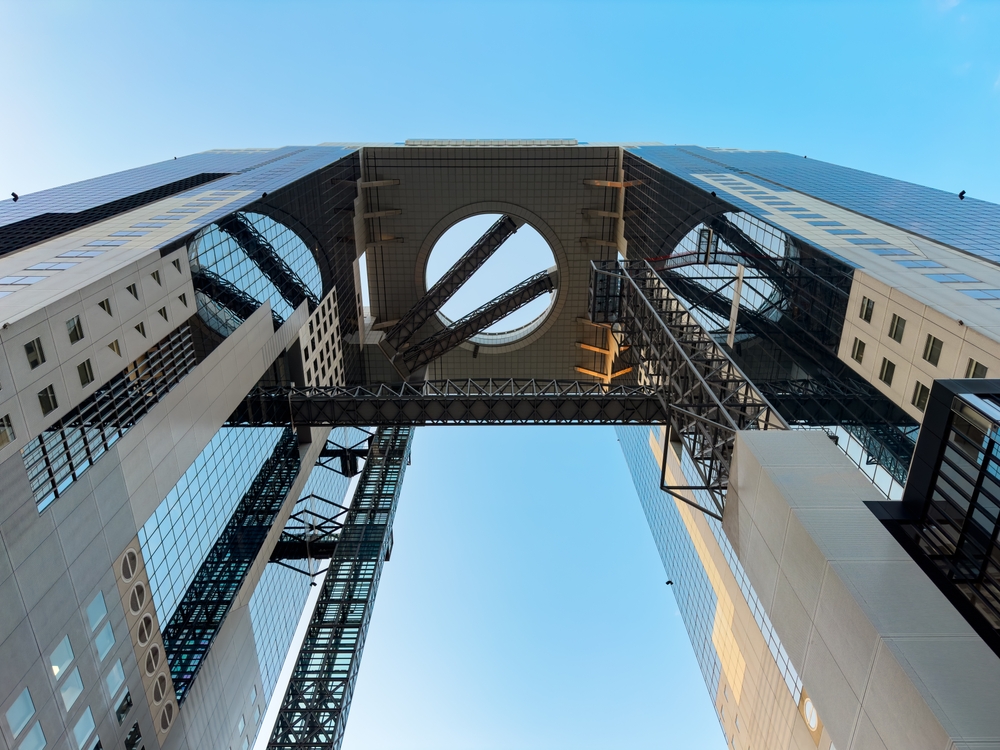
Shin-Osaka: The shinkansen stops here, so get off here if you’re travelling straight on by bullet train.
Kyoto: If you’re staying near Kyoto Station, you’ve arrived. If you’re heading for Karasuma, take the metro’s Karasuma Line, which gets to Shijo in four minutes, and from there it’s around a kilometre east along Shijo-dori to Kawaramachi. For Gion, the city’s tourist office recommends the JR Nara Line to Tofukuji and a change to the Keihan Line. For Arashiyama, the JR Sagano Line runs to Saga-Arashiyama in around 11 minutes on the Rapid Service. The tourist office advises against the city buses from Kyoto Station, because they’re overcrowded and slow.
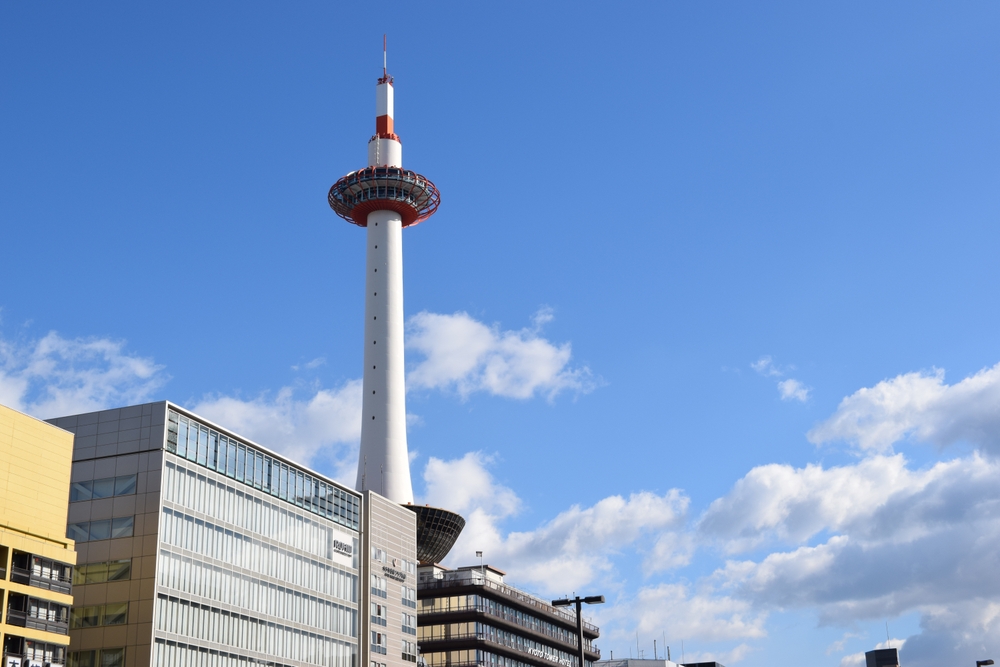
3. Airport Limousine Bus to Umeda, Namba, Universal Studios Japan and Kyoto
The airport buses are called Airport Limousine Bus and are run by Kansai Airport Transportation Enterprise together with several other bus companies. They run to the main stations and hotels with no changes, your suitcase goes in the hold, and you have a seat all the way. On the other hand, the journey time depends on the traffic.
At Terminal 1, the bus to Osaka Station leaves from stop 5, to Namba (OCAT) from stop 11, to Universal Studios Japan from stop 3 and to Kyoto from stop 8. At Terminal 2, it’s stops 1, 6, 7 and 2. You don’t need to reserve a seat from the airport, because it’s first come, first served.
To Osaka Station, the bus typically runs three to four times an hour from around 06:50 to 23:45, and the trip takes around 60 minutes. At 00:15, there’s a night bus where you can’t pay in cash and where no extra bus is put on if it’s full. To Namba (OCAT), there’s one early bus at around 06:10 and then buses from around 08:55 to 21:25, and the trip takes around 50 minutes. To Universal Studios Japan, it only runs during the day, from around 08:20 to 17:10, and takes around 70 minutes, and to Kyoto Station it runs from around 06:45 to 23:20 and takes 85 to 90 minutes.
Each passenger can bring two pieces of luggage weighing up to 30 kilos in total, and the large buses have a toilet. You’ll find timetables for all the routes at Kansai Airport Transportation Enterprise.
Fares and tickets
A single ticket costs 1,800 yen (about £8.60/$11.50) to Osaka Station and to Universal Studios Japan, 1,400 yen (about £6.70/$8.80) to Namba (OCAT) and 2,800 yen (about £13.50/$17.50) to Kyoto Station. School-age children from 6 to 12 pay half price, and one child below school age travels free with each paying passenger.
A return ticket costs 3,300 yen (about £16/$21) to Osaka Station, 2,500 yen (about £12/$16) to Namba and 5,100 yen (about £24.50/$32) to Kyoto, and the return journey is valid for 14 days.
Buy your ticket at the ticket counters or machines by the stops before you board. Here you can pay with Visa, Mastercard, JCB, American Express, Diners Club and UnionPay. On the routes to Osaka Station, Namba, Universal Studios Japan and Kyoto, you can also pay by holding a contactless bank card or an IC card such as ICOCA against the reader when you board, but with an IC card you don’t get the return discount. The rules are set out by the bus company.
Where to get off the bus
Osaka Station: The bus stops first at HANKYU SANBAN GAI and ten minutes later at Herbis Osaka, and both stops belong to Osaka Station in Umeda. The route also has a drop-off point at Hotel Hankyu RESPIRE OSAKA, but not every departure stops there, so check the timetable.
Namba (OCAT): The bus runs to the Namba (OCAT) stop. It’s a good alternative to Nankai if you have a lot of luggage.
Universal Studios Japan: The bus has stops at Universal Studios Japan, at Universal City Walk Osaka in front of Hotel Kintetsu Universal City and at LIBER HOTEL by JR Sakurajima Station. It runs with no changes, so it’s the obvious choice if you’re staying in Universal City with children.
Kyoto Station: The bus stops at the Hachijo exit, which the bus company calls Hachijo-guchi. It takes a little longer than the Haruka, but it runs later in the evening.
4. Taxis, Uber and shared transfers
The taxis wait at stand 5 outside 1F at Terminal 1 and run on the meter. The airport estimates around 23,320 yen (about £111/$147) to Chuo-ku, where Namba Station is, and around 24,400 yen (about £117/$154) to Kita-ku, which includes Umeda. Both fares include expressway tolls, and the trip takes around 50 minutes. To Kyoto Station, it’s around 43,150 yen (about £206/$273) and 100 minutes. Between 22:00 and 05:00, the fare is 20 per cent higher. The full list is on the airport’s taxi page.
Cars booked through Uber, DiDi or GO pick up at stand 2, and Uber has a counter in Terminal 1 where you can get help with booking.
If you want to know the price in advance, the taxi company MK charges a fixed price per car. The car has to be booked ahead, the price starts at 16,400 yen (about £78/$104) to Umeda and 23,800 yen (about £114/$150) to Kyoto Station, and expressway tolls are added on top. For Kyoto, there’s also a shared minibus, the Yasaka Airport Shuttle, which takes you to addresses in the city for 4,300 yen (about £20.50/$27) per person. It has to be booked by 12:00 two days before.
Private transfer
If you’re landing late with children, or there are several of you with lots of luggage, you can book a private transfer from Kansai Airport to Osaka here. If you’re heading for Kyoto, you can book a private transfer to Kyoto here. The driver takes you to the door, and the price is agreed in advance.
5. From Itami Airport to Osaka and Kyoto
If you’re flying domestically within Japan, you may land at Osaka International Airport, which everyone calls Itami. From here, the Osaka Monorail runs from Osaka Airport Station, and you change along the way to Hankyu or Osaka Metro to get into Osaka. There are airport buses too, and you’ll find the taxi rank by following the walkway on 2F towards the monorail and taking the escalator down. The options are on Itami’s transport page.
For Kyoto, the city’s tourist office puts the airport bus to Kyoto Station at 50 to 55 minutes. The alternative is the monorail to Minami-Ibaraki and Hankyu from there, which takes around an hour in total.
If you need to transfer between the two airports, the Airport Limousine Bus runs direct. The trip takes 70 to 75 minutes and costs 2,200 yen (about £10.50/$14), and there are eight to nine departures a day. At Itami, the bus leaves from stop 5 at the bus terminal, and at Kansai from stop 8 at Terminal 1. If you’re heading from Itami into Osaka instead and would rather be driven to the door, you can book a transfer from Itami Airport to Osaka here.
Onward travel around Kansai straight from the airport
If you’re not heading for Osaka or Kyoto, the airport buses also run direct to places including Kobe for 2,200 yen (about £10.50/$14) and Nara for 2,400 yen (about £11.50/$15), and there are routes to Wakayama and Koyasan. To Kobe Airport, the Kobe-Kansai Airport Bay Shuttle high-speed ferry takes 30 minutes and costs 1,880 yen (about £9/$12).
If you’re catching the shinkansen, take the Haruka to Shin-Osaka in around 50 minutes. If Tokyo is your next stop, you can read my guide to where to stay in Tokyo.
Getting back to the airport
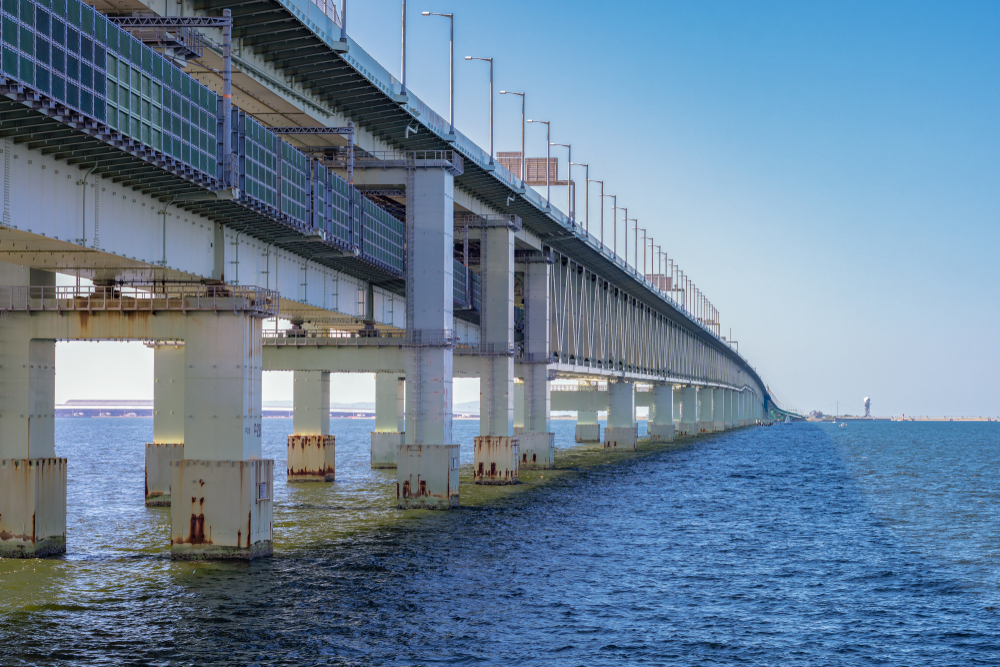
The trains run to Kansai Airport Station at Terminal 1. From Namba, the first Airport Express leaves at around 05:15 and the first Rapi:t at 06:00. According to the airport, the first Haruka leaves Kyoto at around 05:45 and the last at around 20:30, so if you have an evening flight and you’re coming from Kyoto, the bus is often the best choice.
The airport buses drop you off at the international departures hall on 4F at Terminal 1, and some continue to Terminal 2. From Osaka Station, the first bus leaves as early as 04:50, from Namba (OCAT) at 06:10 and from Kyoto Station at 04:30. On the route from Kyoto, you need to reserve a seat for the trip to the airport. The bus company recommends allowing plenty of time, because traffic can delay the bus.
If you’re flying from Terminal 2 and arriving by train, take the free shuttle bus from Aeroplaza 1F, which takes 7 to 9 minutes.
Which option should you choose?
Here’s what I’d recommend, depending on where you’re staying:
Namba: Take Nankai to Namba. The Airport Express is the cheapest, and the Rapi:t with a digital ticket is worth the money if you want a guaranteed seat and room for your suitcase.
Umeda: Take the Airport Limousine Bus to Osaka Station, or take the Haruka if you bought the discount ticket before you travelled. The Kansai-airport Rapid Service is the JR train with no supplement if you want to save money.
Honmachi: Take Nankai to Namba and change to the Midosuji Line.
Universal City: Take the direct Airport Limousine Bus if you land during the day. Otherwise, take the train into the city and continue on the JR Yumesaki Line to Universal City.
Kyoto Station and Karasuma: Take the Haruka to Kyoto. For Karasuma, continue for four minutes on the Karasuma Line to Shijo.
Kawaramachi and Gion: Take the Haruka to Kyoto and the metro or a taxi for the last stretch. You can also take the Rapi:t to Tengachaya and change trains from there to reach Kyoto-Kawaramachi or Gion-Shijo in around 110 minutes.
Arashiyama: Take the Haruka to Kyoto and change to the JR Sagano Line to Saga-Arashiyama.
If you land late in the evening: The Haruka stops running at around 22:15, but Nankai’s Airport Express and the bus to Osaka Station run until shortly before midnight, the bus to Kyoto runs until around 23:20, and there’s a night bus to Osaka Station at 00:15. After that, it’s a taxi.
If there are three or four of you: The bus and the train are still far cheaper than a taxi. Four bus tickets to Osaka Station cost 7,200 yen (about £34.50/$45.50), while a fixed-price car costs more than twice that. For Kyoto, the shared Yasaka Airport Shuttle can be a good compromise.
Practical tips for getting from Kansai Airport to Osaka and Kyoto
Buy your Haruka ticket before you travel. The discount ticket for foreign tourists isn’t sold in Japan, so order it before you leave home.
Buy an ICOCA card at the station. JR’s ticket machines sell the ICOCA IC card, but you can’t pay for the card by credit card, so have cash with you. At JR’s ticket office, foreign tourists who show their passport can buy a special version for 2,000 yen (about £9.60/$12.50), of which 500 yen (about £2.40/$3.20) is a deposit. If you have an iPhone, you can also set up ICOCA in Apple Pay. According to JR West, the card works on trains and buses throughout Japan.
Send your suitcase ahead. At both ends of the arrivals hall on 1F in Terminal 1, there are counters that send your luggage to your hotel, and the airport says this can be done the same day. By the train station, Crosta Kanku sends luggage to its partner hotels in Osaka the same day if you drop it off between 09:00 and 14:00. The options are on the airport’s luggage delivery page.
Choose your hotel with the connection in mind. If you stay in Namba, Nankai runs direct to the neighbourhood, and you can see hotels in Namba here. If you stay in Umeda, both the airport bus and JR stop at Osaka Station, and you can see hotels in Umeda here. If you’re going to Universal Studios Japan, the bus runs direct, and you can see hotels in Universal City here. In Kyoto, the area around Kyoto Station is the easiest, because the Haruka and the airport bus terminate there, and you can see hotels near Kyoto Station here.
If you’re not sure which neighbourhood suits you, read my guides to where to stay in Osaka and where to stay in Kyoto.
Travel ressources & websites I use all the time 👇
• Booking.com has the best offers on hotels and unique places to stay
• GetYourGuide is the best place to book tours & activities with free cancellation
• Welcome Pickups is the best & safest place to pre-book airport transfers
Psst 👀 Have you subscribed to my Youtube channel and my Instagram where I provide more useful travel tips?