

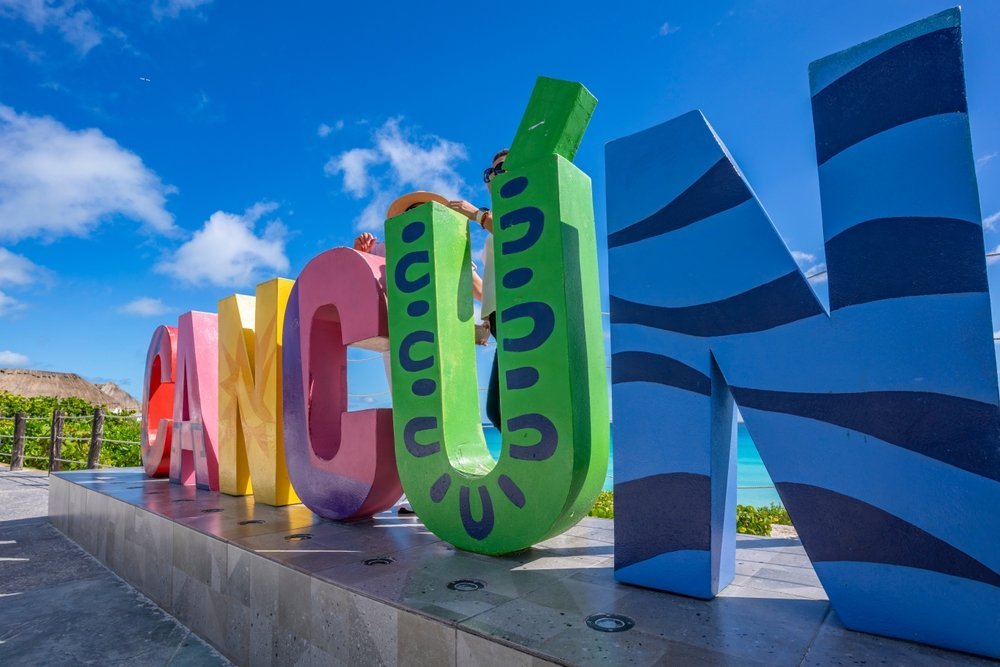
Cancun is much more than white beaches and all-inclusive resorts, and the things to do in Cancun go well beyond the sunlounger.
The city sits on the north-eastern tip of the Yucatán Peninsula, and within a couple of hours’ drive you’ll find some of Mexico’s most famous Mayan ruins, cenotes filled with crystal-clear fresh water, small car-free islands and a coral reef that follows the coast all the way down towards Belize.
Planning your trip to Cancun at the last minute? 🇲🇽
Here are some of the best things to do, plus hotels and other tips for your trip to Cancun.
🎡 Top Activities & Tours:
1. See the Mayan ruins on a day trip to Chichén Itzá with a cenote and Valladolid
2. Enjoy a whole day of snorkelling and beach time on a catamaran trip to Isla Mujeres
3. Drive through the jungle and swim in a cenote on a buggy tour from Playa del Carmen
🛌 Best Hotels:
1. Hyatt Ziva Cancun All-Inclusive is an all-inclusive luxury resort right at the tip of Punta Cancún
2. Oleo Cancun Playa All Inclusive Resort gives you all-inclusive right on the beach at a mid-range price
3. Sina Suites Cancun is a quiet, affordable adults-only hotel by the lagoon
Even in the Hotel Zone, you can wander among Mayan ruins in the morning and snorkel over sculptures on the seabed in the afternoon.
Here are my picks for the 17 best things to do in Cancun, with prices, opening hours, transport and tips, first in the city itself and then on day trips to the islands, Chichén Itzá, Tulum and the Riviera Maya.
Prices are given in Mexican pesos or US dollars, depending on how they’re charged, and 100 pesos is roughly £4, while 1 dollar is roughly 75p.
Try to pay in pesos, as the exchange rate is almost always worse when you pay in dollars.
Contents
1. Playa Delfines and the beaches of the Hotel Zone
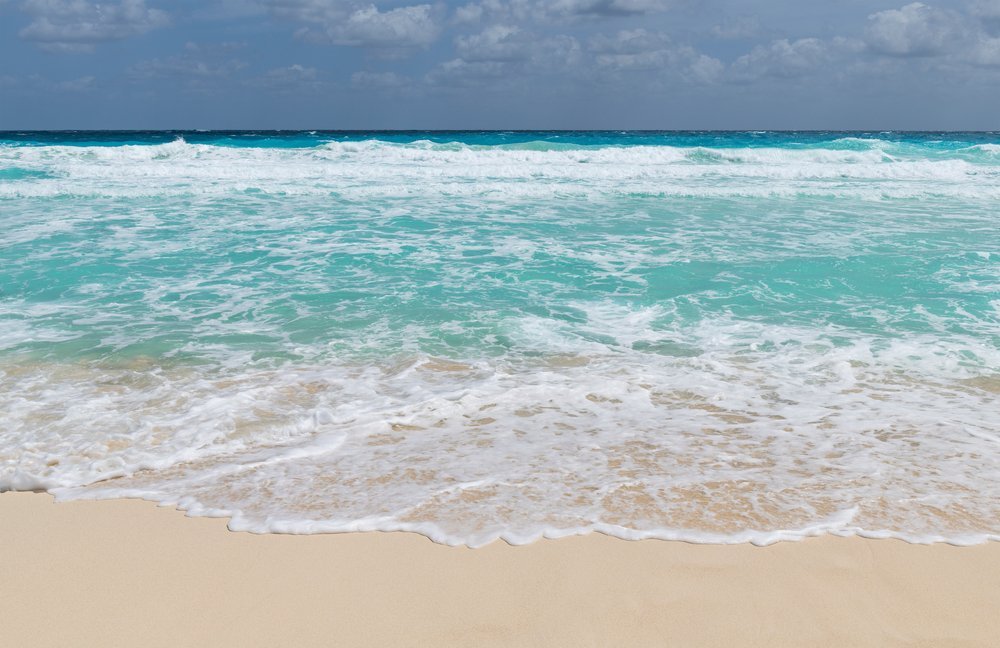
The Hotel Zone is the long, 7-shaped spit of sand between the Caribbean Sea and the Nichupté Lagoon, and there are beaches all the way along Boulevard Kukulcán. All beaches in Mexico are public, but many are hidden behind the hotels, so it’s worth knowing the public access points. The best known is Playa Delfines at km 17.5, where there are no hotels directly behind the sand.
At the El Mirador viewpoint you’ll find the colourful Cancun letters with the sea as a backdrop, and from here you can see the coast in both directions. The waves are bigger on the east coast than out at Punta Cancún, so keep an eye on the flags at the lifeguard towers. If you have children with you, the water is calmer at Playa Tortugas, Playa Langosta and Playa Caracol on the northern part of the Hotel Zone. From spring to late summer, sargassum seaweed can wash up on the east-facing beaches, but the amounts vary a lot, and in winter there’s usually very little.
The R-1 city bus runs the length of the boulevard and past Playa Delfines for about 13 pesos (around 50p). My tip is to come in the morning before the sun gets too strong, as there’s no shade on the beach, and to cross the road to the El Rey ruins afterwards. In my guide to where to stay in Cancun, you can see which part of the Hotel Zone suits you best.
2. MUSA, the underwater museum at Punta Nizuc
MUSA, the Museo Subacuático de Arte, is an underwater museum with more than 500 life-size sculptures on the seabed between Cancun and Isla Mujeres. The sculptures are made from a material that coral can grow on, and the idea is to give the natural reefs a break from the many snorkellers and divers. The best-known work is The Silent Evolution by the British artist Jason deCaires Taylor, with several hundred human figures standing close together on the seabed.
The gallery at Punta Nizuc is so shallow that you can see the sculptures with a snorkel or from a glass-bottom boat, while the Manchones gallery off Isla Mujeres is best for divers. A snorkelling trip to Punta Nizuc from Cancun costs 58 dollars (around £45) with MUSA, as does the glass-bottom boat trip, while a dive for certified divers starts at 115 dollars (around £85).
My tip is to choose a morning trip, when the water is usually calmest, and to snorkel in a rash vest rather than slathering yourself in sun cream that damages the reef. If you’ve never dived before, you can do a beginner’s dive, where you first practise in a pool and then dive at both MUSA and a natural coral reef.
Book a beginner’s dive at MUSA and a coral reef with no diving certificate here.
3. The El Rey ruins
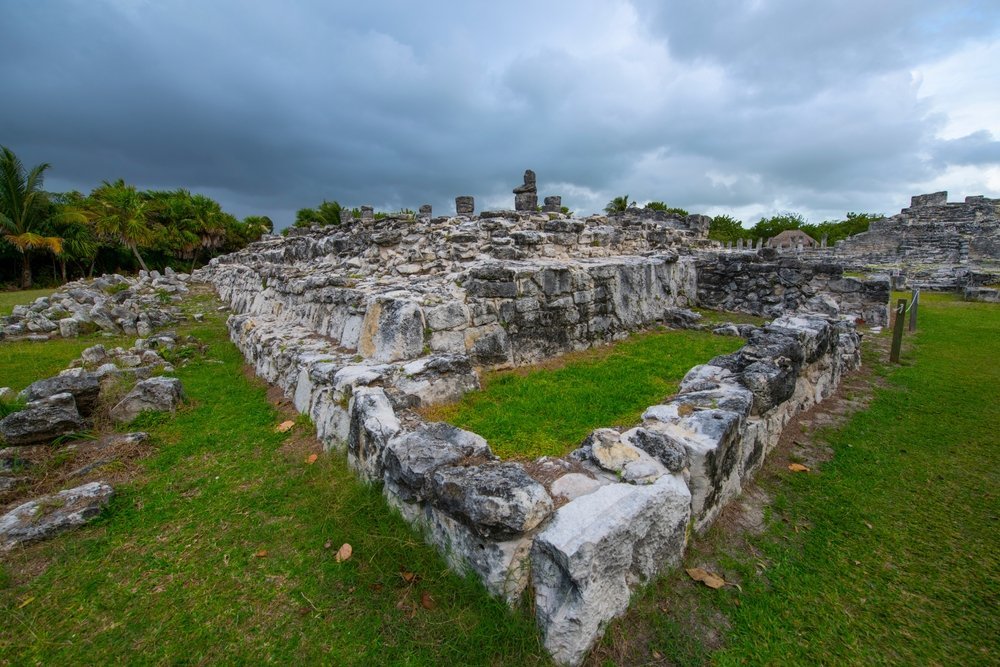
In the middle of the Hotel Zone at km 18 lies El Rey, a small Mayan town that was one of the important ports in the trading network along the Caribbean coast. According to INAH, which looks after Mexico’s archaeological sites, a small group of fishermen settled here around AD 300, and later the inhabitants lived from fishing and salt production. Today you walk between two plazas and a series of low buildings, where some of the walls still bear traces of murals depicting gods.
The ruins aren’t large, but they’re just a stone’s throw from the hotels, and you’ll often have them almost to yourself. The most entertaining part is the many iguanas basking on the stones, barely bothering to move as you walk past. According to INAH, admission is 145 pesos (around £5) for foreign visitors, and it’s open daily from 8am to 5pm, with last entry at 4.30pm.
El Rey is on the lagoon side of the boulevard right by Playa Delfines, and the R-1 bus stops close to the entrance. My tip is to come early while it’s still cool and to allow an hour. Bring water and a hat, as there isn’t much shade between the buildings, and combine your visit with a morning on the beach.
4. Museo Maya de Cancún and San Miguelito
If you want to understand the history of the Maya before heading out to the big ruins, start at the Museo Maya de Cancún at km 16.5 in the Hotel Zone. The museum is run by INAH and displays finds from excavations in Quintana Roo and the rest of the Mayan region, from ceramics, jewellery and tools to sculptures and tombs. It gives you good background for what you’ll see later at Chichén Itzá, Tulum and Coba.
The ticket also gives access to San Miguelito, an old Mayan settlement in the jungle just behind the museum, where you follow a path between the ruins. According to INAH, archaeologists have found a palace building, the Palacio de Chaac, and almost 50 graves containing objects of obsidian, ceramics, coral and conch shells, showing that the site traded with the entire region. Admission is 210 pesos (around £8) for foreign visitors. The museum is open Tuesday to Sunday from 9am to 5pm, with last entry at 4.30pm, San Miguelito closes half an hour earlier, and both are closed on Mondays.
The museum is a good choice on a rainy day or in the middle of the day when it’s too hot on the beach. My tip is to visit the museum and El Rey on the same day, as they’re only a kilometre and a half apart along the boulevard. On Sundays, entry is free for Mexicans, so try to come on a weekday.
5. The Nichupté Lagoon and the mangroves
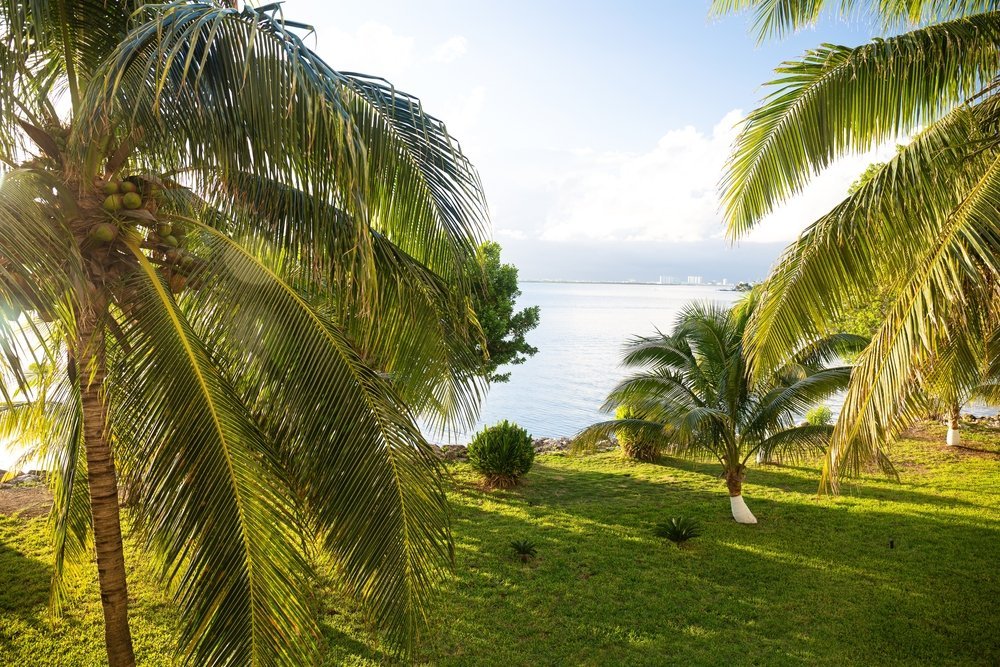
Behind the Hotel Zone lies the Nichupté Lagoon, a network of lagoons and channels surrounded by protected mangrove forest. From the boulevard you mostly see the glassy water, but in among the mangroves there are birds, fish and a completely different Cancun from the one at the beach. Most people experience the lagoon on a jungle tour, where you drive a small speedboat yourself through the channels and out to a reef to snorkel.
If you’d prefer something calmer, go kayaking, paddling quietly through the mangroves with a guide who tells you about the wildlife. A guided kayak tour costs from about 42 dollars (around £30). The lagoon side is also the best place in the Hotel Zone for sunset, as the sun sets behind the lagoon rather than over the sea, and several restaurants around Plaza Kukulcán at km 13 have tables right by the water.
Never swim in the lagoon, as crocodiles live there, and there are warning signs in several places along the water. My tip is to book the kayak tour at sunrise or sunset, when the birds are most active and the heat is bearable.
Book a guided kayak tour through the mangroves of the Nichupté Lagoon here.
6. Downtown, Mercado 28 and Parque de las Palapas
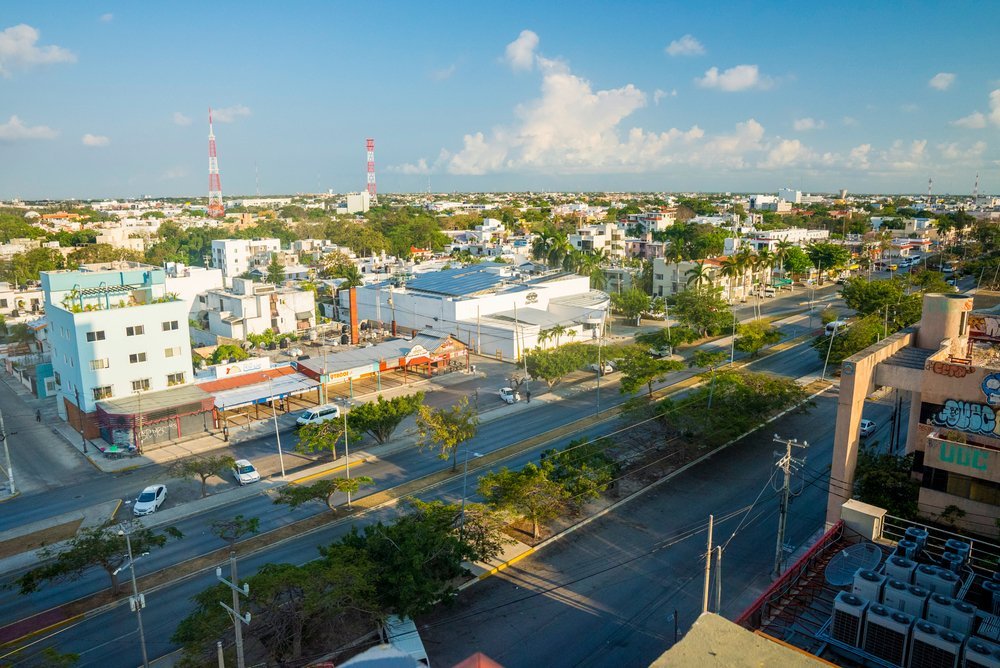
Downtown Cancun is where the locals live and work, and it’s where you’ll find the cheapest tacos and the best evening atmosphere. The main street, Avenida Tulum, runs through the centre past the town hall and the large monument to the history of Mexico, and a few streets away lies Parque de las Palapas. In the evening the park fills up with families, music and stalls selling marquesitas, esquites and tacos for a few pesos.
Mercado 28 is the city’s big souvenir market, with aisles full of stalls selling hammocks, ceramics, silver jewellery, masks and tequila, and in the courtyard there are small restaurants serving Mexican food at a fraction of Hotel Zone prices. Prices start high, so haggling is completely normal. If you want to see a market for locals, carry on to Mercado 23, which sells fruit, spices and everyday goods.
The R-2 city bus runs from the Hotel Zone past Mercado 28, and the R-1 passes the ADO terminal a few streets from Parque de las Palapas, both for around 13 pesos (around 50p). My tip is to head into town in the late afternoon, shop at Mercado 28 while the stalls are open, and have dinner in Parque de las Palapas before catching the bus back.
7. The ferry to Isla Mujeres
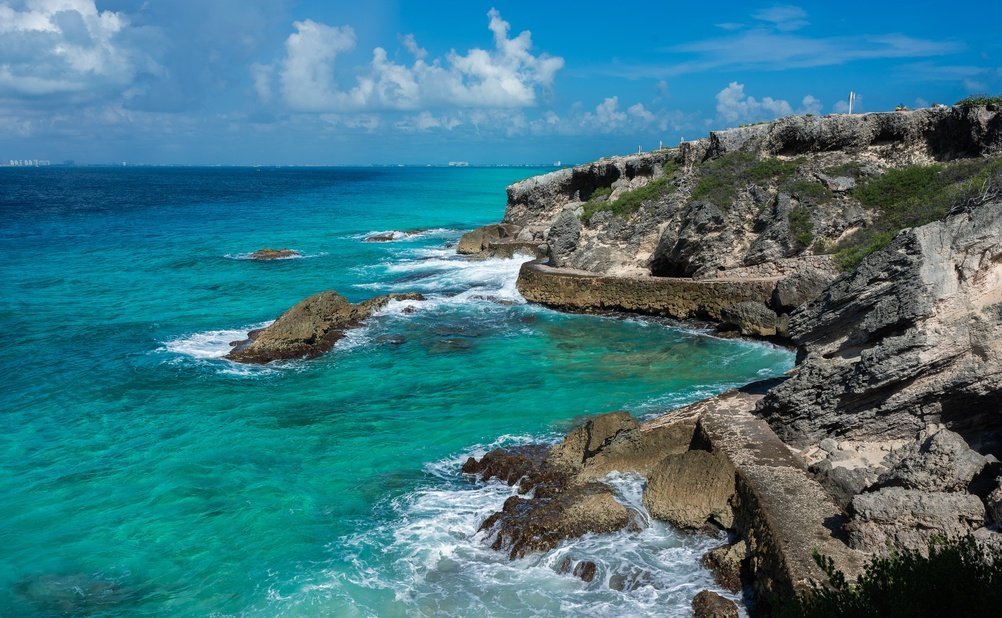
Isla Mujeres is the small island off Cancun and the easiest day trip of them all. The island is about 7 km long, and the town on its northern tip has colourful houses, streets lined with cafés and Playa Norte, one of the most beautiful beaches in the area, with shallow, calm, turquoise water. Most people hire a golf cart and drive around the island, and at the southern end lies Punta Sur with cliffs, a sculpture park and the ruins of a small temple to the moon goddess Ixchel.
Ultramar’s ferries sail from Puerto Juárez, north of Downtown, from early morning until late in the evening, and the crossing takes about 20 minutes. An adult ticket from Puerto Juárez costs 270 pesos (around £11) each way and 540 pesos (around £22) return. Ferries also sail from the piers at Playa Tortugas and Playa Caracol in the Hotel Zone, but they’re more expensive.
The R-1 bus runs from the Hotel Zone and Downtown all the way to Puerto Juárez. My tip is to catch an early ferry so you reach Playa Norte before the catamarans from Cancun arrive in the late morning, and to hire your golf cart from one of the rental places near the ferry. If you’d rather have the boat trip, snorkelling and lunch all in one, a catamaran tour is the easiest option.
Book a catamaran tour to Isla Mujeres with snorkelling and lunch here.
8. Isla Contoy
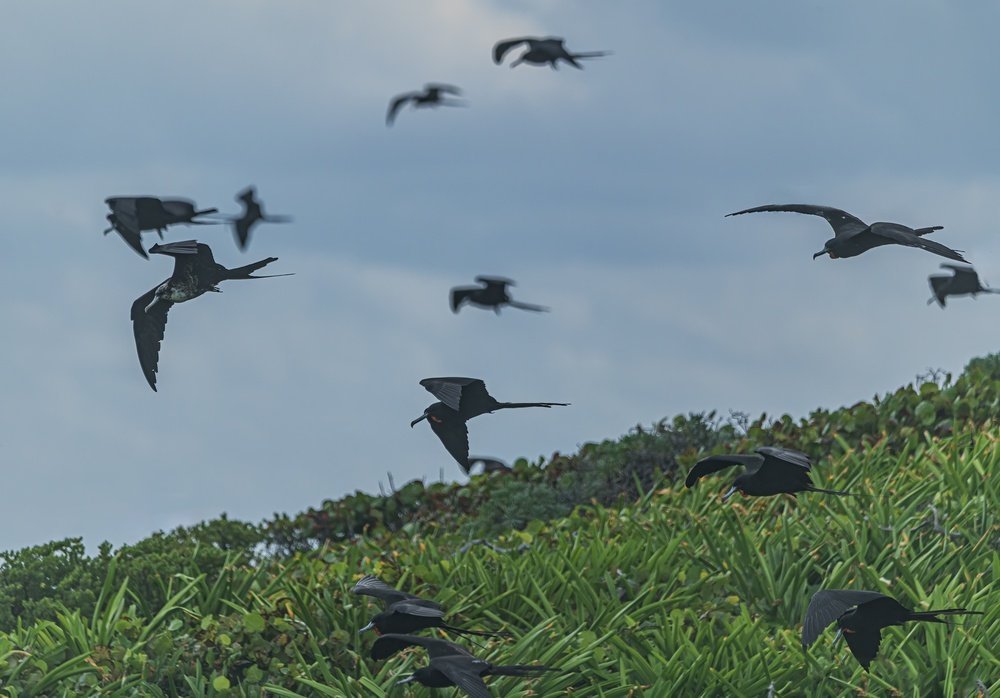
About 30 km north of Isla Mujeres lies Isla Contoy, a narrow island where only the park staff live. The island is a national park and one of the most important breeding grounds for seabirds in the Mexican Caribbean. Frigatebirds, pelicans and cormorants nest in the mangroves, and the beaches are some of the most unspoilt in the whole area. By the landing stage there’s a small museum about the island’s nature, and from here you follow the trails with a guide.
To protect the birds, there’s a limit on how many people can land each day, and you can only get there with licensed boat operators. Tours usually depart from Cancun or Isla Mujeres and take most of the day, with snorkelling on a reef, lunch on the beach and a stop on Isla Mujeres on the way back. Prices start at around 134 dollars (around £100) per person, so check whether the national park fee is included.
My tip is to book well ahead in high season, as the limited places sell out quickly. Bring a UV top for snorkelling, and have cash for tipping the crew. Isla Contoy is the trip for you if you’d rather see nature than beach bars.
Book a trip to the Isla Contoy bird reserve with snorkelling and lunch here.
9. Day trip to Chichén Itzá
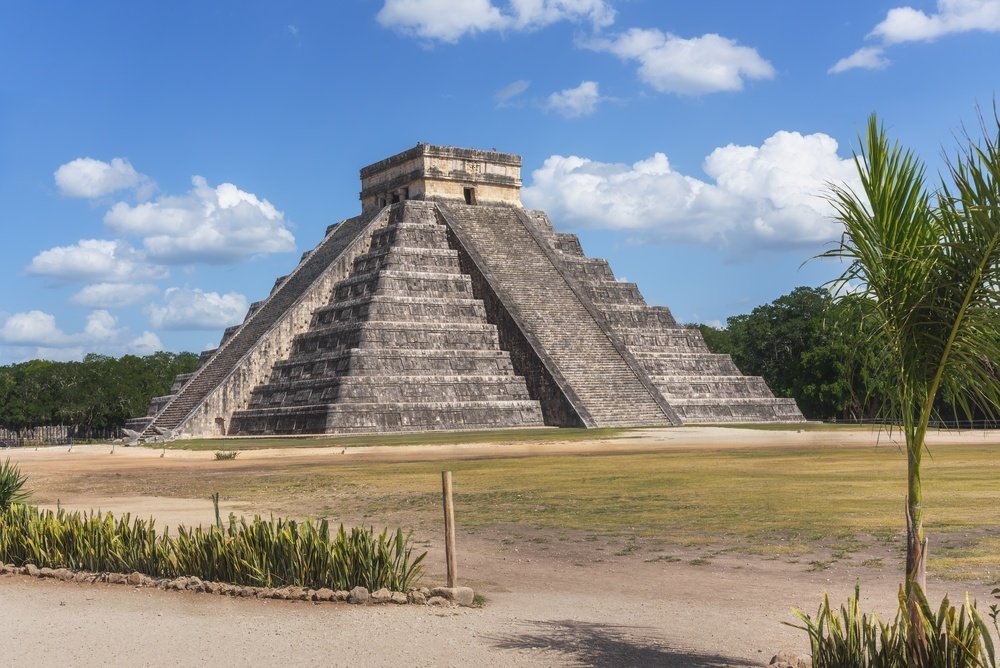
Chichén Itzá was one of the most powerful cities in the Maya world, and it’s the most popular day trip from Cancun. The city is on the UNESCO World Heritage List and in 2007 was named one of the New Seven Wonders of the World. In the middle of the main plaza stands the El Castillo pyramid, also known as the Temple of Kukulcán, and around it lie the great ball court, the Temple of the Warriors and the Sacred Cenote, where the Maya made offerings to the rain god.
At the spring and autumn equinoxes, the shadow on the pyramid’s staircase forms a serpent slithering down towards the ground. You’re not allowed to climb the pyramids. Foreign visitors pay 105 pesos to INAH plus an extra fee of 548 pesos to the state of Yucatán, 653 pesos in total (around £26), and it’s open every day from 8am to 4pm, with last entry at 3pm.
Chichén Itzá is two and a half to three hours from Cancun. ADO runs direct from the Downtown terminal, but only a few times a day, so most people go on a tour or drive themselves, and you can compare car hire prices in Cancun here. My tip is to be there when it opens at 8am, as INAH gives tour operators’ groups priority from 11am to 2pm. Bring a hat and water, as there’s hardly any shade.
Book a day trip to Chichén Itzá with a cenote, lunch and Valladolid here.
10. Valladolid
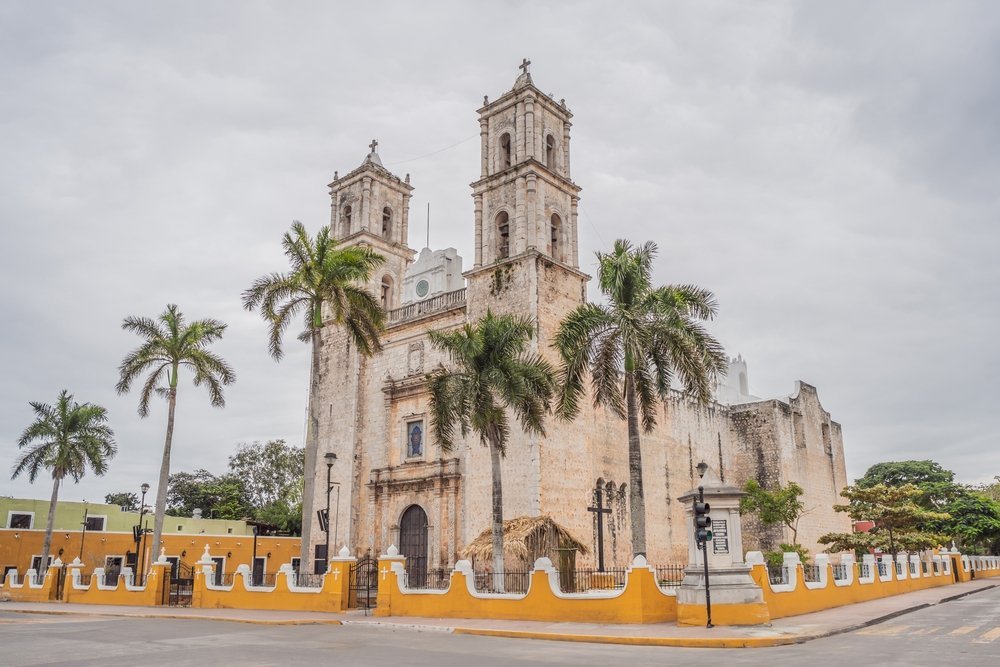
Valladolid is about 45 minutes from Chichén Itzá and is one of the most charming colonial towns on the Yucatán Peninsula. The streets are lined with low houses in yellow, red and blue, and on the main square stands the San Servacio church, also known as San Gervasio. Walk along Calzada de los Frailes, one of the town’s prettiest streets, down to the old San Bernardino de Siena convent, and have lunch at one of the restaurants around the square, where you can try Yucatecan dishes such as cochinita pibil.
In the middle of town lies Cenote Zací, a large semi-open cenote where you can climb down and swim, and just outside town are some of Yucatán’s most photographed cenotes, including Suytun, where light falls through a hole in the cave roof. The Maya city of Ek’ Balam lies about half an hour to the north and is a good alternative if you want to see ruins with far fewer people than at Chichén Itzá.
From Cancun it takes about two hours by car or with ADO, and the Tren Maya also has a station in Valladolid. My tip is to stay the night here so you can drive to Chichén Itzá and be there when it opens. Casa Valladolid Boutique Hotel is a four-star hotel with a pool a few streets from the main square.
11. The cenotes: Ik Kil, Dos Ojos and Ruta de los Cenotes
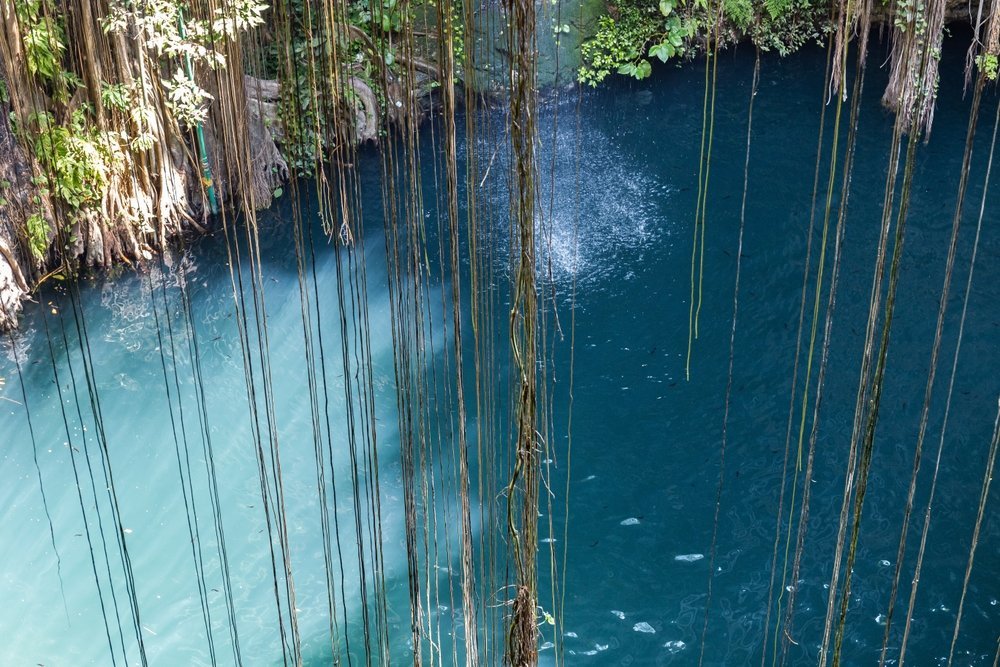
The Yucatán Peninsula has almost no rivers above ground. Instead, rainwater seeps down through the limestone and forms underground rivers and caves, and when a cave roof collapses, a cenote is created: a natural pool of clear fresh water. The Maya saw the cenotes as gateways to the underworld, and today a swim in a cenote is one of the best things to do around Cancun.
Ik Kil lies a few kilometres from Chichén Itzá and is a round, open cenote where vines hang from the rim all the way down to the water far below. It’s included on many tours to Chichén Itzá and is at its busiest in the middle of the day. Dos Ojos, between Playa del Carmen and Tulum, is part of one of the world’s longest underwater cave systems, and you can both dive and snorkel in its two open pools. Closest to Cancun is the Ruta de los Cenotes near Puerto Morelos, around 40 minutes to the south, where a string of smaller cenotes sits along a road leading into the jungle.
Entry usually costs a couple of hundred pesos, and many places only take cash. You have to shower before jumping in, and sunscreen and mosquito repellent aren’t allowed in the water. My tip is to arrive early in the morning, when the water is completely still, and to bring water shoes.
Book a tour to three cenotes with a zip line from Cancun here.
12. The Tulum ruins
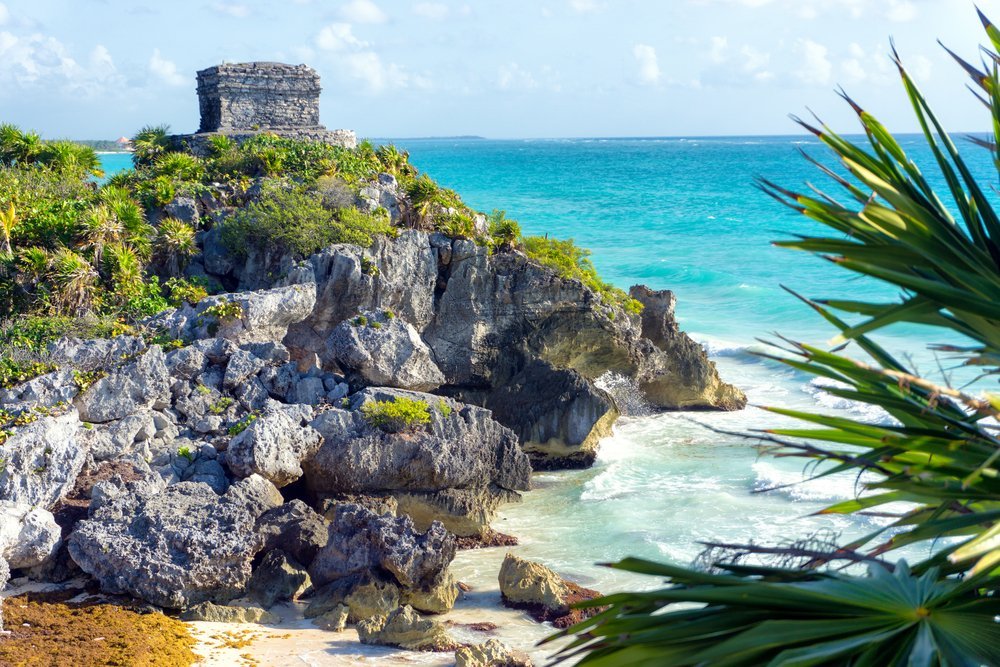
Tulum is the best known of the coastal Maya cities, and it’s the setting that makes it special. The city was enclosed by a wall on three sides, while the fourth side is made up of cliffs dropping down to a small beach with turquoise water. The most photographed spot is the little Temple of the Wind God on the edge of the cliff, and El Castillo has views out over the coast. According to INAH, Tulum has some of the best-preserved murals in the entire Maya region.
INAH’s entry fee is 210 pesos (around £8) for foreign visitors, and the site is open every day from 8am to 5pm, with last entry at 3.30pm. The ruins lie within the Parque del Jaguar national park, and foreign tourists pay a separate park fee on top of the entry fee. The fees change regularly, so check them before you go.
Tulum is around 130 km south of Cancun, and the drive takes about two hours. ADO runs from Cancun to Tulum, and some services stop at the ruins. My tip is to be there when it opens at 8am, before the heat and the coaches from Cancun arrive, and to bring your swimming things in case the beach below the ruins is open. If you’d like to stay a few days, you can see hotels in Tulum here.
Book a day trip from Cancun to Tulum and Coba with a swim in a cenote here.
13. Coba
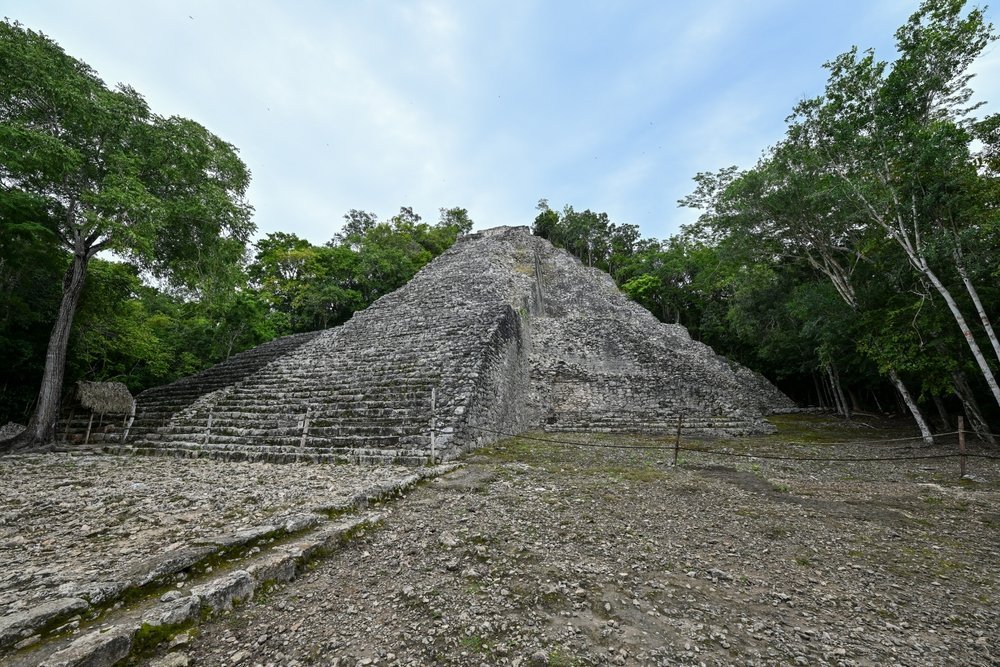
Coba lies deep in the jungle around 45 km north-west of Tulum, and it’s a completely different experience from the coastal ruins. The city was once one of the largest in the region, and its ruins are spread across a wide area between lakes and tall trees, linked by the ancient white roads the Maya called sacbé. Here you walk in the shade of the trees most of the time.
The highlight is the Nohoch Mul pyramid, which stands 42 metres tall and is one of the highest on the Yucatán Peninsula. A wooden staircase makes it possible to climb up, but access has been closed at times, so ask at the entrance. According to INAH, entry costs 210 pesos (around £8) for foreign visitors, and the site is open every day from 8am to 5pm, with last entry at 4pm.
It’s quite a way from the entrance out to Nohoch Mul, so hire a bike or take a bicycle taxi at the entrance. Don’t swim in the lakes, as there are crocodiles. My tip is to combine Coba with Tulum on the same day, either in a hire car or on the tour above, and to finish with a dip in one of the small cenotes near Coba.
14. Playa del Carmen
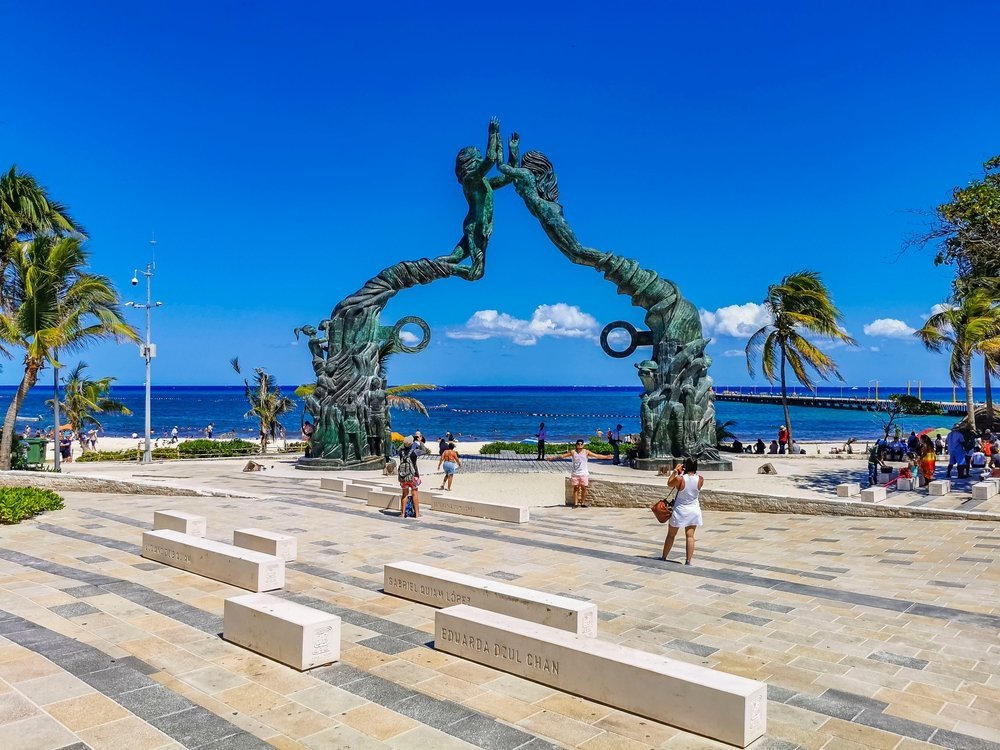
Playa del Carmen lies around 65 km south of Cancun and is the liveliest town on the Riviera Maya. The pedestrian street Quinta Avenida runs parallel to the beach from Parque Los Fundadores, where the large Portal Maya sculpture stands by the water, and it’s packed with restaurants, bars and shops. In the evening, the action moves up towards Calle 12, where most of the bars and clubs are.
The town makes a good base if you want to see as much of the Riviera Maya as possible, as it’s a short trip from here to the cenotes, Xcaret and Tulum, and the ferry to Cozumel leaves from the pier by Parque Los Fundadores. The beach in the centre is narrow and often crowded, so head north towards Playa Mamitas and Punta Esmeralda if you want more space.
ADO runs from the terminal in Downtown Cancun to Playa del Carmen throughout the day, and the journey takes about an hour. My tip is to go down in the afternoon, stroll along Quinta Avenida and have dinner a few streets back from the main drag, where prices are lower. Remember to check when the last bus leaves for Cancun.
15. Cozumel
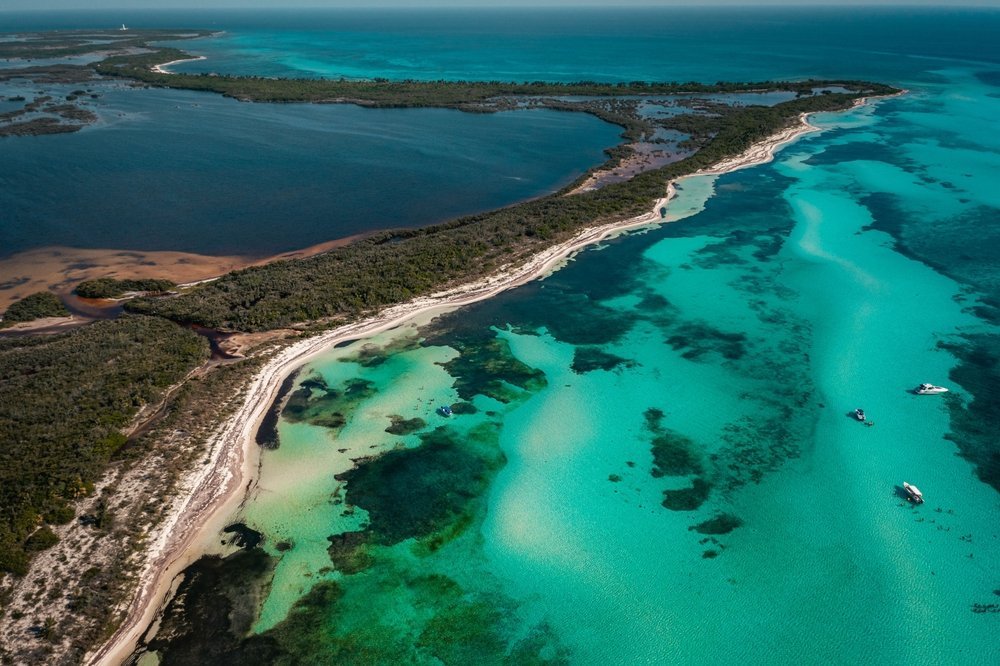
Cozumel is Mexico’s largest Caribbean island and one of the best places in the world for diving and snorkelling. The reefs along the west coast are part of a national park, and the current carries clear water past the coral walls, so you can drift along the reef. Palancar and Columbia are the best-known dive sites, while snorkellers can head out from the beach at several spots along the west coast.
Ferries from Playa del Carmen sail to San Miguel on Cozumel several times a day. With Ultramar, an adult ticket costs 290 pesos (around £12) each way and 580 pesos (around £23) return, and the company asks you to be at the terminal 40 minutes before departure. On the island you can also visit the Maya ruins of San Gervasio, which was a place of pilgrimage for the goddess Ixchel.
The east coast is wild and beautiful but has strong currents, so don’t swim there. My tip is to avoid the days when lots of cruise ships are in port, and to hire a car or scooter so you can drive around the island at your own pace. If you dive, consider staying a few nights on the island, as the best dives are early in the morning.
16. Xcaret and Xel-Há
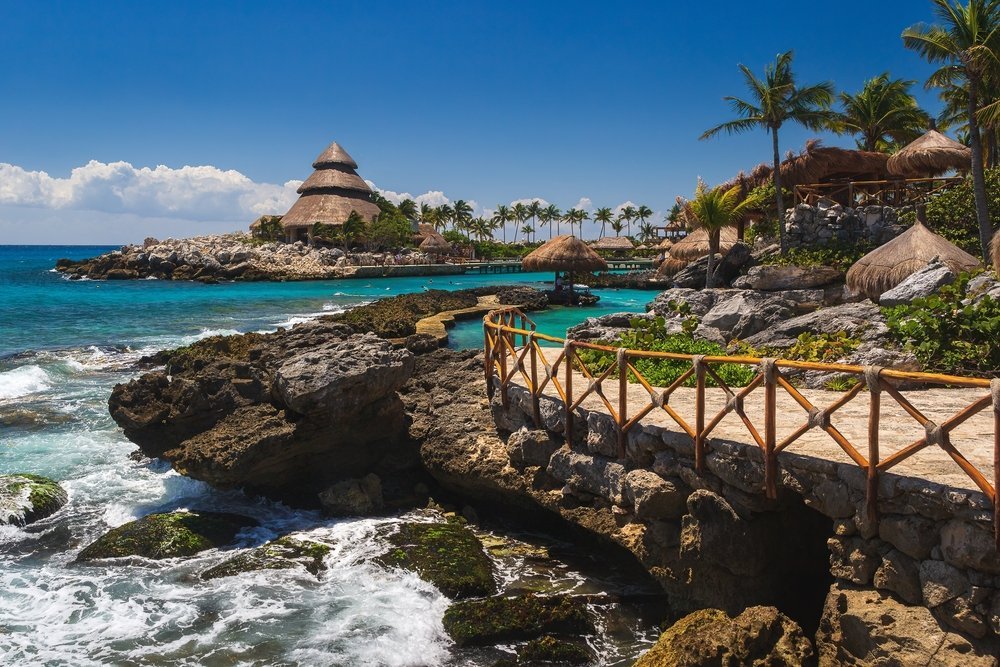
Xcaret and Xel-Há are the Riviera Maya’s big nature-based theme parks. Xcaret lies just south of Playa del Carmen and has underground rivers you swim through, animals, a Maya village and the evening show México Espectacular with more than 300 performers. Xel-Há lies north of Tulum and is a large lagoon where you snorkel among fish and float down a river, with food and drink included in the price.
To be honest, the parks are expensive. Xcaret costs around 160 dollars (around £120) for an adult without transport, and Xel-Há is in the same price range. Xcaret is open every day from 8.30am to 10pm, and Xel-Há is open from 8.30am to 6pm.
The parks are good for families who want everything in one place, but they’re crowded and very organised. If you’ve already swum in the cenotes and seen the ruins, you’ll get more for your money by spending the day there. If you do want to go, buy your ticket online well in advance, as there are often discounts on combination tickets, and set aside the whole day.
17. Holbox
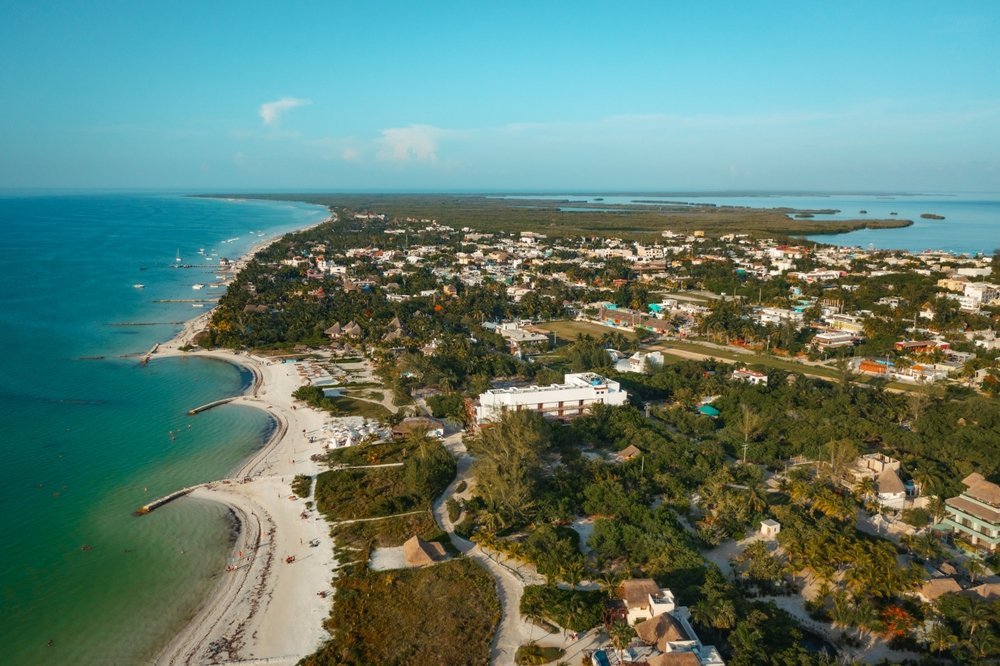
Holbox is a narrow island off the north coast of the Yucatán, and it feels like the polar opposite of Cancun. There are no ordinary cars, the streets are made of sand, and people get around in golf buggies or by bike. The island lies within the Yum Balam nature reserve, and on the sandbanks at Punta Mosquito you might be lucky enough to spot flamingos, while on some nights the sea glows blue with bioluminescent plankton.
From late May to mid-September you can swim with whale sharks on boat trips from Holbox, and the sharks are most plentiful in July and August. The ferry leaves from Chiquilá on the mainland, takes about 25 minutes and costs around 220 pesos (around £9). Chiquilá is two and a half to three hours from Cancun by car, and ADO runs buses there from the terminal in Downtown.
My tip is to stay at least one night, as a day trip means five to six hours on a bus or in a car. Casa Iguana Holbox sits right on the beach and has a pool. Bring cash, as there are few cashpoints on the island, and they sometimes run dry.
Book a day trip to Holbox with a boat tour and lunch from Cancun here.
Practical travel tips for Cancun
The Hotel Zone and Downtown are linked by the R-1 and R-2 city buses, which run almost around the clock for about 13 pesos (around 50p), and you pay the driver in cash. Taxis in the Hotel Zone don’t have meters, so agree the fare before you get in. For day trips, ADO’s buses are cheap and comfortable, and you can buy tickets on ADO’s website. If you’re landing at the airport, I’ve written a guide to getting from Cancun Airport to the Hotel Zone.
If you want to do many of the day trips at your own pace, a hire car is the most flexible option, but read the insurance terms carefully, as the mandatory third-party liability cover is often not included in the cheapest online price. All foreign tourists, children included, must pay the state of Quintana Roo’s tourist tax, Visitax, online.
The best time to visit is from December to April, when it’s dry and warm. June to November is hurricane season, and from spring to late summer sargassum seaweed can wash up on the east-facing beaches, while Isla Mujeres and the northern part of the Hotel Zone usually get less. Keep a close eye on your belongings, and read the official foreign travel advice for Mexico before you go. Also remember to tip 10 to 15 per cent in restaurants and to the guides on day trips.
Many people combine Cancun with a few days in the capital, and here you can read about where to stay in Mexico City. If you’re flying via the USA, you can add a stopover and read about where to stay in Miami, and if you’re considering more destinations in the same part of the world, have a look at my guide to where to stay in Costa Rica too.
If you need the full selection, you can see all hotels in Cancun on Booking.com.
Travel ressources & websites I use all the time 👇
• Booking.com has the best offers on hotels and unique places to stay
• GetYourGuide is the best place to book tours & activities with free cancellation
• Welcome Pickups is the best & safest place to pre-book airport transfers
Psst 👀 Have you subscribed to my Youtube channel and my Instagram where I provide more useful travel tips?