

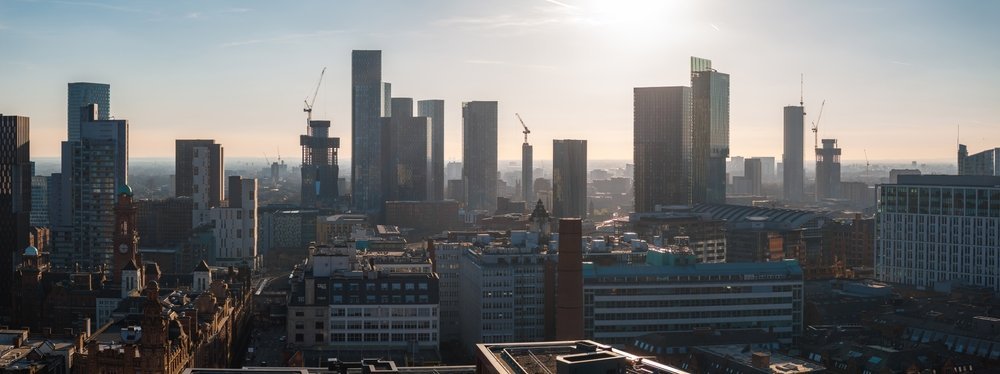
Manchester was the world’s first industrial city, and it has given us two of the biggest football clubs on the planet and a music scene with Joy Division, The Smiths and Oasis. You can still feel it as you wander between the red-brick warehouses, the canals and the new glass towers. The best part is that many of the top things to do in Manchester are free, and the city centre is so compact that you can walk between most of them.
Here are the 18 things I would prioritise, from the stadium tours at Old Trafford and the Etihad to the libraries, the museums, the Northern Quarter and day trips to the Peak District and Liverpool. Prices are given in pounds sterling. Several of the museums close one or two days a week, so check the opening days before you make your plans. At the bottom I’ve gathered practical tips on trams, free buses and tickets.
Contents
1. Old Trafford: the stadium tour and museum
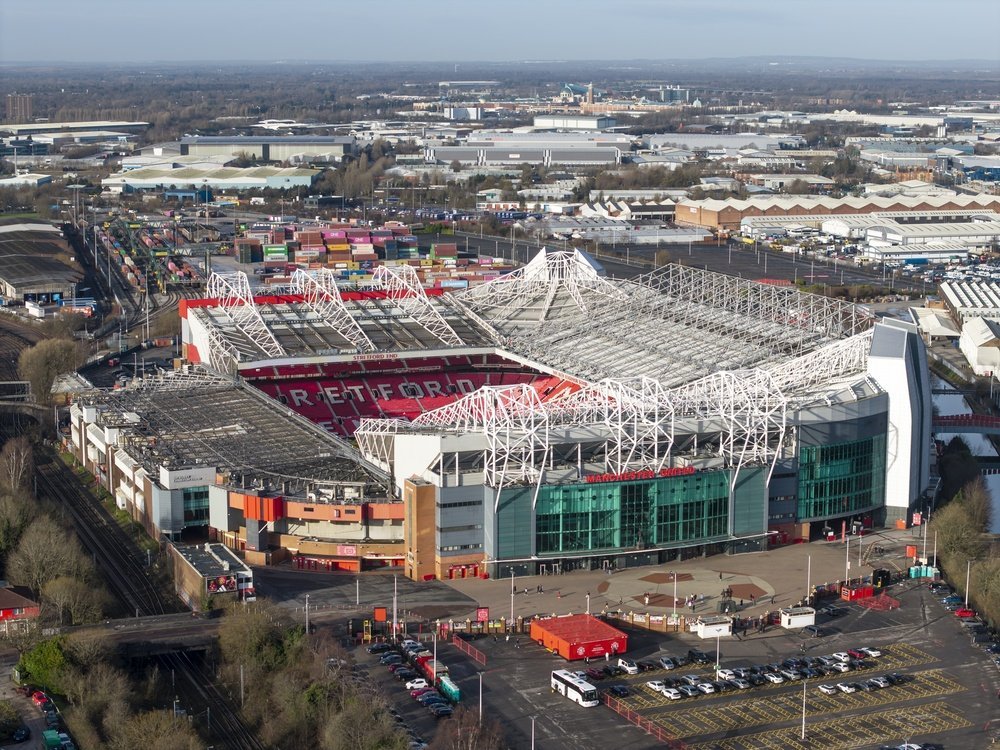
Manchester United’s home ground is known as the Theatre of Dreams, and even if you’re not a fan, the stadium tour is one of the city’s most popular experiences. You sit in the stands, walk through the dressing room and out of the players’ tunnel to the dugouts by the pitch, and finish in the press room. The museum tells the club’s story from its founding in 1878 and has a room dedicated to the Munich air disaster of 1958. Outside stand the statues of Sir Matt Busby, Sir Alex Ferguson and the trio of Best, Law and Charlton.
The tour takes around 70 minutes, the museum is included in the ticket, and it’s open daily from 9.30am, but never on home match days. An adult ticket typically costs around £35 to £40. Take the tram to the Old Trafford stop by the cricket ground and walk for about 15 minutes from there.
Book well ahead for weekends and school holidays, and check the fixture list before you fix the day. If football is the whole point of your trip, Hotel Football sits directly opposite the stadium with views of the stands.
2. Etihad Stadium and the Manchester City tour
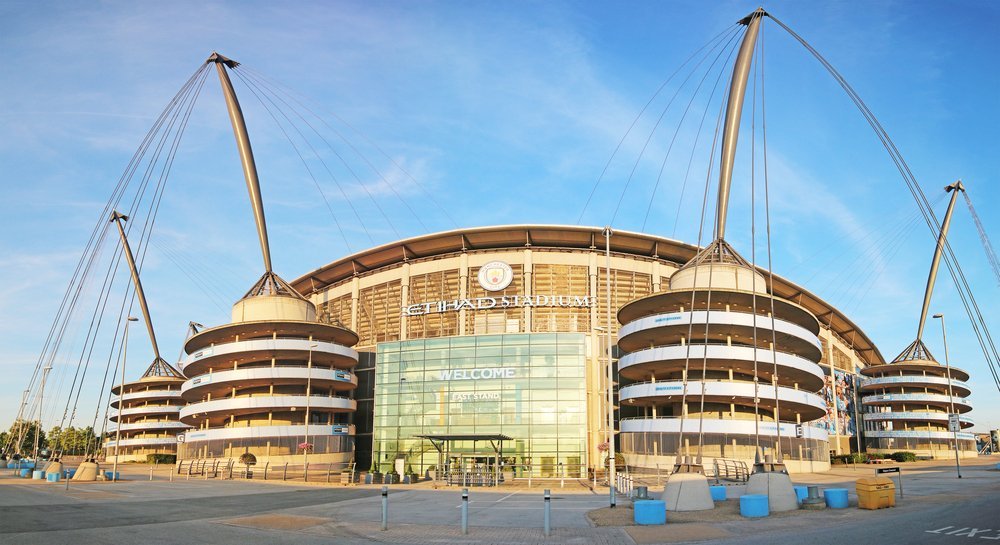
East of the city centre lies the Etihad Stadium, where Manchester City have played since 2003. The stadium was built for the 2002 Commonwealth Games, and with its tall towers and the cables holding up the roof, it’s easy to spot from the motorway. On the tour you see the dressing room with a sound and light show, walk down the glass players’ tunnel, sit in the manager’s seat by the pitch and try out the press room. The tour ends in the Tunnel Club, where the most expensive tickets give you a view straight in at the players.
The tour takes about 75 minutes, and tickets start at around £32, though the price depends on the day and time. On match days there are fewer tours or none at all. The tram runs from Piccadilly to the Etihad Campus stop in a few minutes, and from there you cross the bridge to the stadium.
Do the tour early in the day if you also want to fit in Old Trafford, as the two stadiums are at opposite ends of the city, and allow an hour of travel between them.
Book the Etihad Stadium tour here.
3. National Football Museum
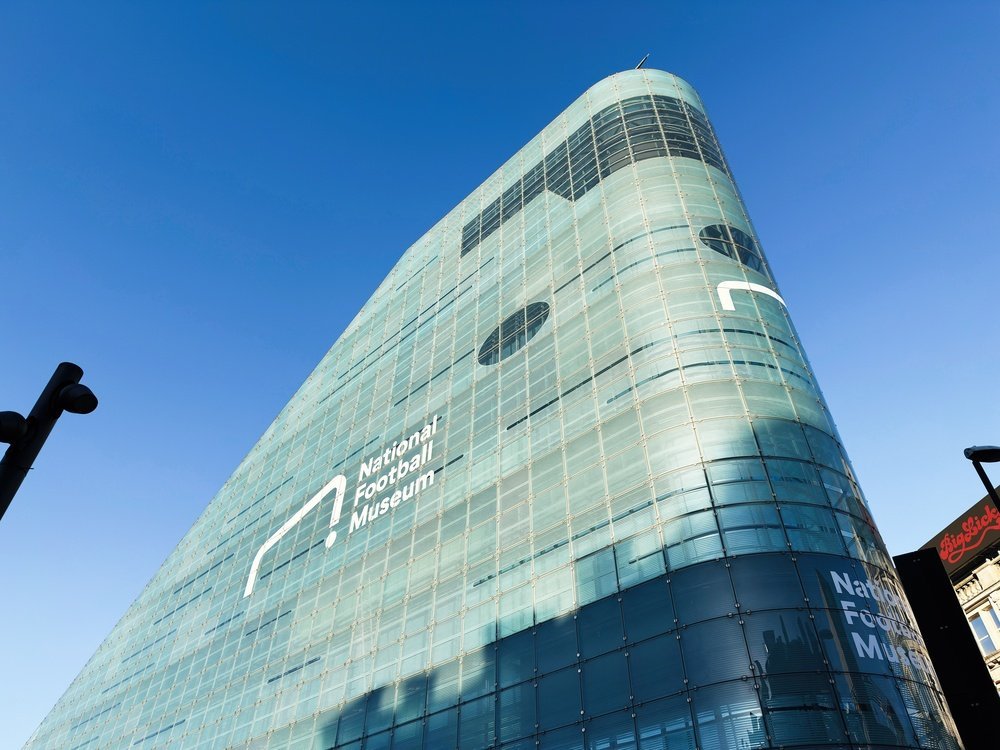
England’s national football museum is housed in Urbis, the slanting glass building by Cathedral Gardens just north of the main shopping streets. The museum moved from Preston to Manchester in 2012, and across four floors you follow the game from the first rules in the 19th century to the 1966 World Cup win and today’s Premier League. There are shirts, trophies and balls from famous matches, and on one of the floors you can try taking penalties and receiving passes yourself.
An adult ticket costs around £15 and is slightly cheaper online than on the door. Tickets bought directly from the museum are valid for 12 months from your first visit, so you can come back if you don’t manage to see everything. The museum is usually open from 10am to 5pm but may close on a couple of weekdays outside the holidays. Victoria Station and the Exchange Square tram stop are a few minutes’ walk away.
Set aside at least two hours, and combine your visit with Manchester Cathedral, just across the square.
Book tickets for the National Football Museum here.
4. Manchester Cathedral and Chetham’s Library
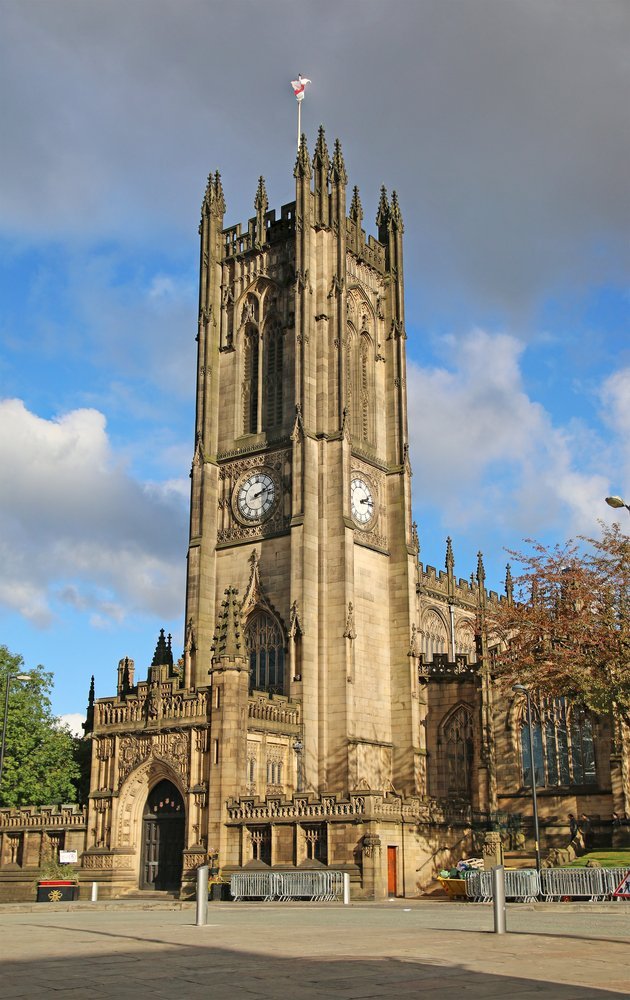
Manchester Cathedral is one of the few medieval buildings to have survived the industrial city. The 15th-century Gothic church only became a cathedral in 1847, and inside, the highlight is the carved choir stalls with figures of animals and mythical creatures. The church was hit by bombs during the Second World War and again by the IRA bomb in 1996, and several of the modern stained-glass windows were installed after the damage. In the basement beneath the visitor centre you can see Hanging Bridge, a medieval bridge that was excavated again.
Visiting the cathedral is free, but there’s a suggested donation of £5, and it’s open Monday to Saturday from 9.30am to 4pm and Sunday from 12pm to 4pm. Right next door is Chetham’s Library from 1653, considered the oldest public library in the English-speaking world. This is where Karl Marx and Friedrich Engels sat reading by the window. The library can only be visited at certain times and closes for periods, so check its website before you go.
If you want to stay right by the cathedral, The Lowry Hotel is on the other side of the River Irwell. It’s one of the city’s most expensive hotels.
Book a walking tour of Manchester’s history here.
5. The Northern Quarter and street art
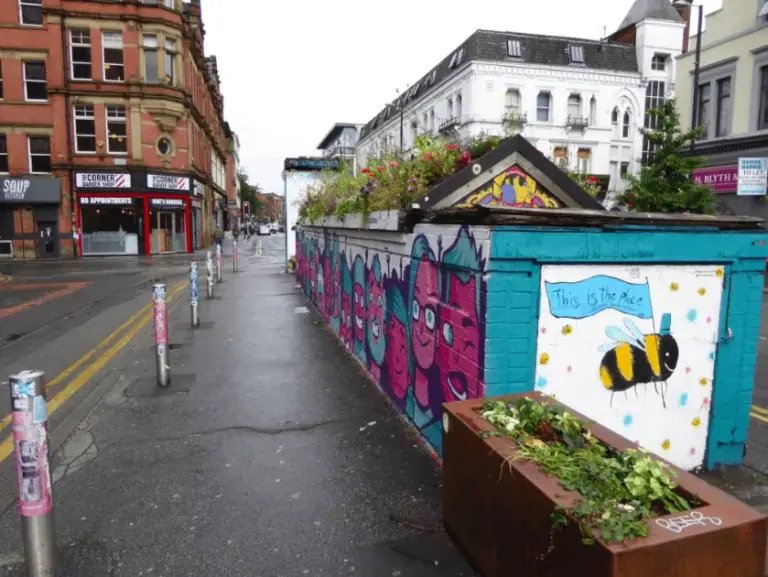
The Northern Quarter, between Piccadilly Gardens and Ancoats, is the part of town where Manchester feels most like itself. The old textile warehouses now house record shops, vintage shops, cafés and bars, and the gable ends are covered in murals that change regularly. Look out for the worker bee, the city’s symbol from the industrial era, which you’ll find painted on walls and bollards. Afflecks on Tib Street has been an alternative department store with small stalls over several floors since the 1980s, and Piccadilly Records is on Oldham Street.
Wandering around is free, and the shops are usually open from late morning until late afternoon, while the bars stay open well into the night. From Piccadilly Station it’s a ten-minute walk, and the free bus 2 runs through the area.
Walk around Stevenson Square and along Thomas Street to see the newest murals. The area is also one of those I recommend in my guide to where to stay in Manchester, and in the evening you can find somewhere to sit in my guide to the best pubs in Manchester.
Book a walking tour of Manchester’s music history here.
6. Ancoats and Mackie Mayor
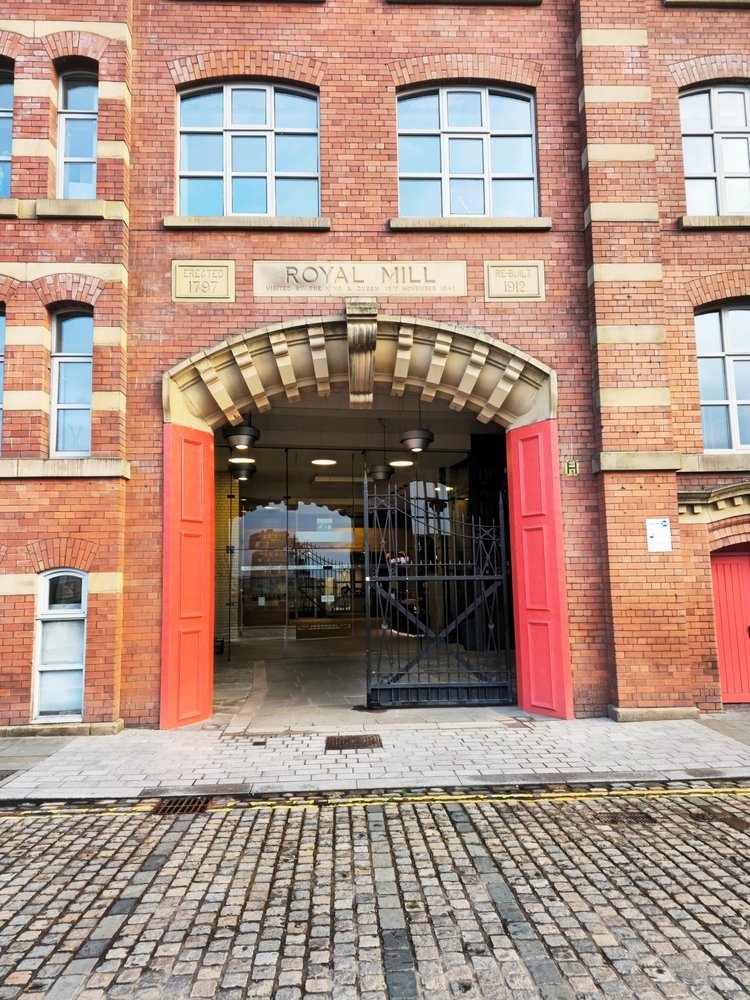
Ancoats, just east of the Northern Quarter, is regarded as the world’s first industrial suburb. The cotton mills of Murrays’ Mills and Royal Mills, dating from around 1800, line the Rochdale Canal, and today the old factories have been turned into flats, bakeries, coffee shops and some of the city’s best restaurants. The area is a great example of how Manchester has reused its industrial past rather than tearing it down, and it’s one of the places where locals themselves go out to eat.
Mackie Mayor occupies the old meat hall of Smithfield Market from 1858 and is now a food hall with long communal tables beneath the iron framework and stalls selling pizza, coffee, cheese and much more. It’s free to go in, and you only pay for the food. It’s about a ten-minute walk from Piccadilly Gardens, and further east you’ll find the marina at New Islington.
Come for a late lunch on a weekday if you want a seat at the tables, as it’s often packed at weekends. Afterwards, walk back to the centre along the canal rather than via the main roads.
7. Chinatown
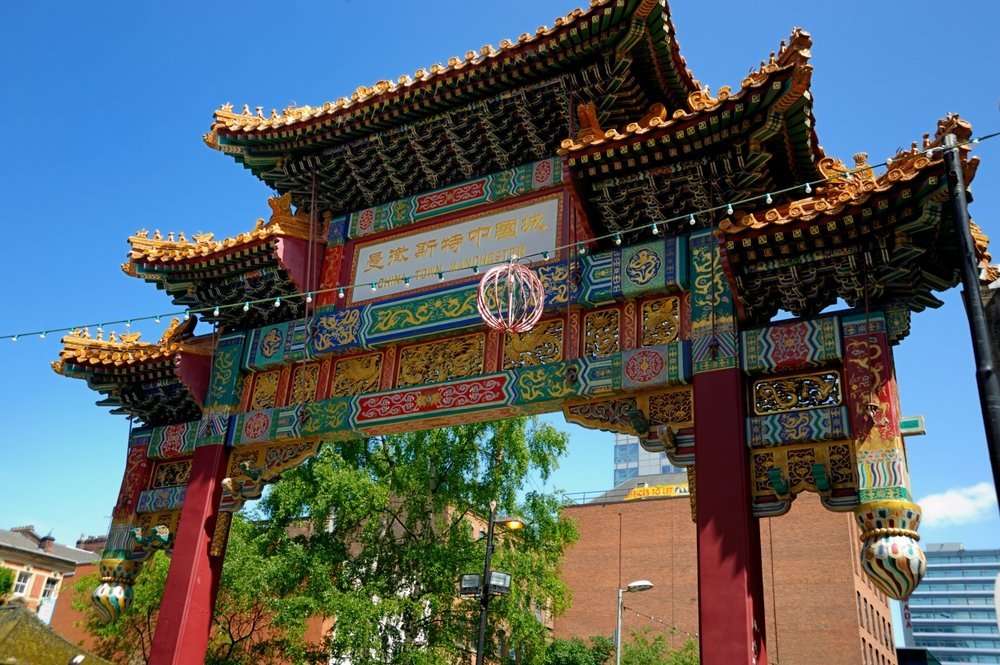
Manchester’s Chinatown is one of the largest in the UK and sits in the streets between Mosley Street and Portland Street, a few minutes from Piccadilly Gardens. In the middle of Faulkner Street stands the large Chinese arch from 1987, with red pillars and a roof of green and gold tiles, surrounded by dim sum restaurants, bakeries, karaoke bars and Asian supermarkets. The area began to grow after the Second World War, when many people arrived from Hong Kong, and today it also has Korean, Japanese and Vietnamese places.
It’s free to wander around, and most restaurants are open from lunchtime until late in the evening. The tram stops at Piccadilly Gardens and St Peter’s Square, and the free bus 1 runs along Portland Street. At Chinese New Year the streets are filled with lanterns, dragons and food stalls.
Have dim sum at lunchtime, when many restaurants offer cheaper menus than in the evening. The Gay Village around Canal Street is just on the other side of Princess Street if you want to carry on the evening by the canal.
8. Manchester Art Gallery
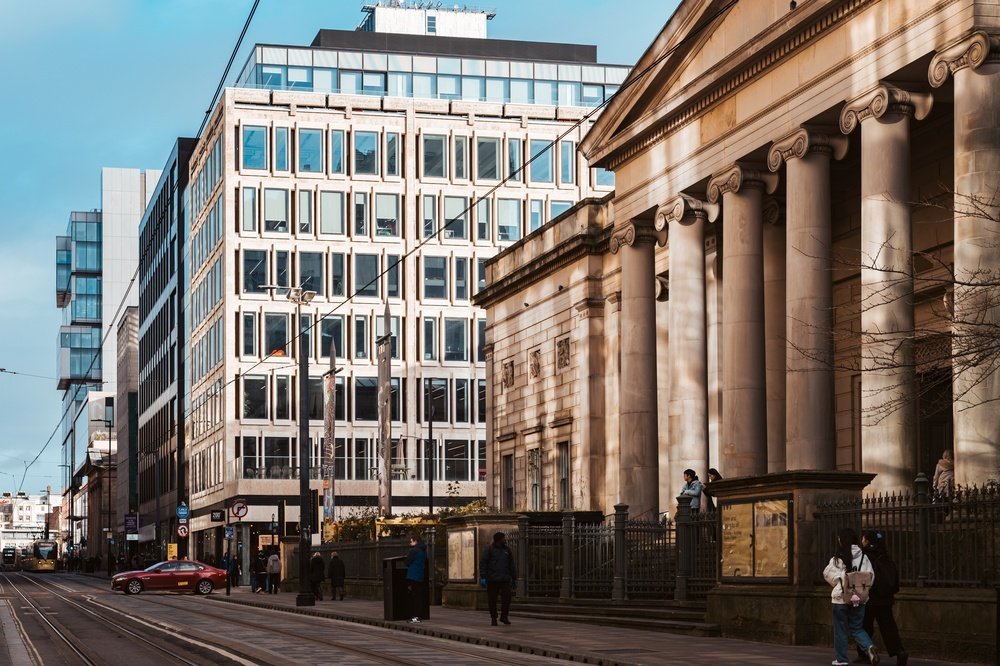
Manchester Art Gallery on Mosley Street is housed in a columned neoclassical building designed by Charles Barry in the 1820s, linked to a modern extension. The collection is best known for its Pre-Raphaelite paintings, including John William Waterhouse’s Hylas and the Nymphs and Ford Madox Brown’s large painting Work. Also look out for Adolphe Valette’s misty views of Manchester. The French painter taught L.S. Lowry, and his hazy streets show the city as it looked during the industrial era.
Admission is free. The gallery is open Tuesday to Sunday from 10am to 5pm and closed on Mondays, and parts of the building may be closed at times for repairs. It’s a two-minute walk from St Peter’s Square, and the free bus 1 stops nearby.
Head straight up to the Pre-Raphaelite rooms if you only have an hour, and take a break in the ground-floor café. The gallery is one of the best places to shelter on a rainy day in the city centre.
9. Central Library and St Peter’s Square
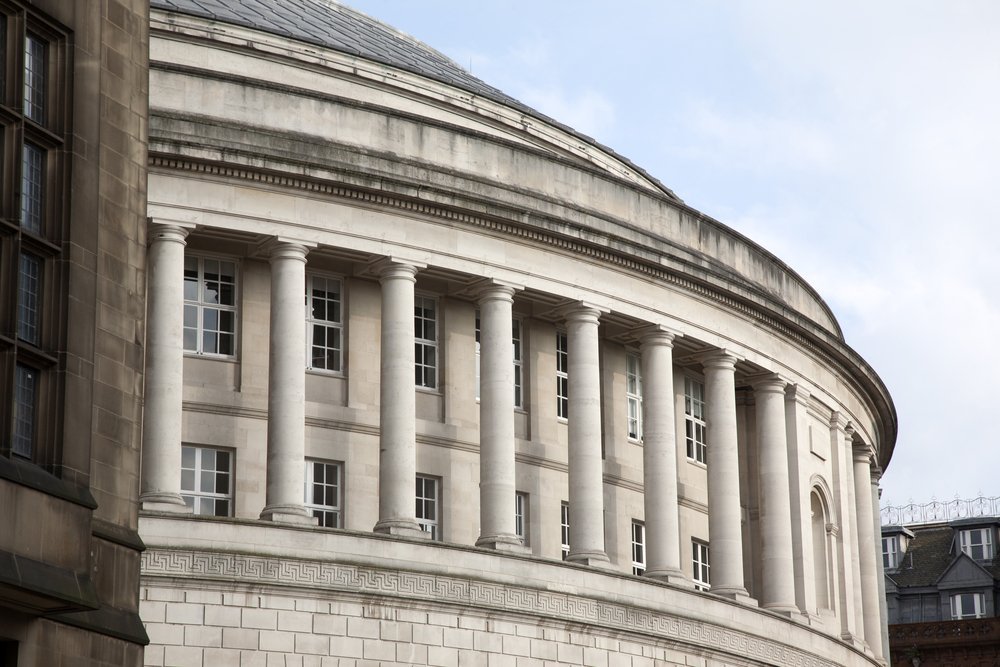
The round Central Library on St Peter’s Square was built in the 1930s to designs by E. Vincent Harris and is inspired by the Pantheon in Rome. Go up to the Wolfson Reading Room beneath the dome, where it’s completely silent and light falls over the long reading tables. On the square in front stands the statue of the suffragette Emmeline Pankhurst, who was born in Manchester, and a memorial to the Peterloo Massacre of 1819, when cavalry charged into a peaceful demonstration for the right to vote.
The library is free and open Monday to Thursday from 9am to 8pm, Friday and Saturday from 9am to 5pm, and closed on Sundays. The Town Hall behind the library is Alfred Waterhouse’s Gothic masterpiece from 1877, but it has been closed for several years for a major restoration, so check whether it has reopened. St Peter’s Square is the city’s biggest tram stop.
Afterwards, walk along Peter Street past The Edwardian, the former Free Trade Hall. This is where the Sex Pistols played in 1976 to a small crowd, which included several of the musicians who later formed Joy Division and The Smiths.
10. John Rylands Library
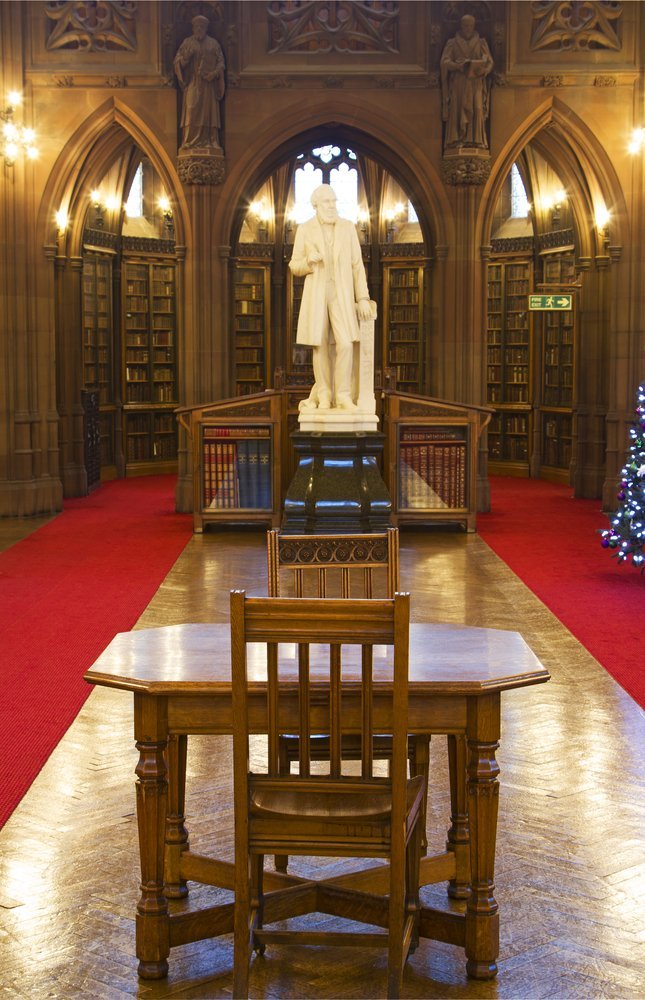
John Rylands Library on Deansgate looks more like a cathedral than a library. Enriqueta Rylands had it built in memory of her husband, the cotton magnate John Rylands, and it opened in 1900 as a neo-Gothic building in red sandstone with vaulted ceilings and stained glass. The historic reading room, with its statues, floor-to-ceiling books and lamps on the desks, is the reason to come. The library is now part of the University of Manchester and holds, among other things, one of the oldest known fragments of the New Testament.
Admission is free without booking, and the library is open Wednesday to Saturday from 10am to 5pm, with last entry at 4.40pm. It’s a five-minute walk from St Peter’s Square, and the free bus 1 runs along Deansgate.
Note that the library is closed Sunday to Tuesday, so plan your visit for one of the days it’s open. Arrive right at opening time if you want the reading room almost to yourself and to take photos without people in them.
11. Spinningfields and People’s History Museum
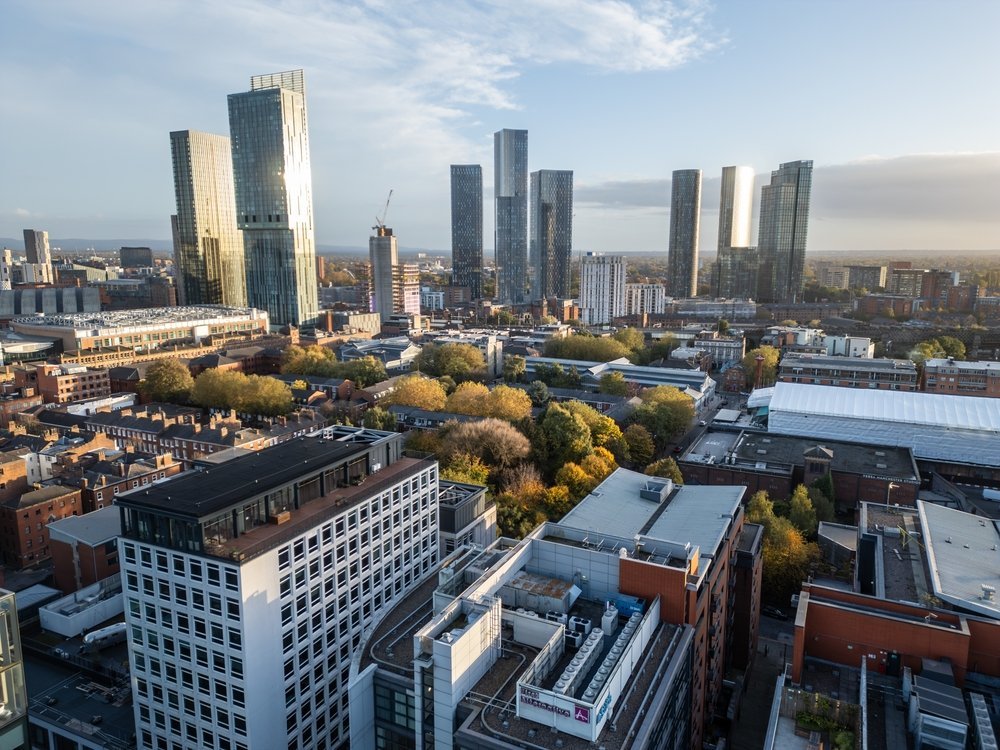
Between Deansgate and the River Irwell lies Spinningfields, the city’s modern business district with office towers, restaurants, roof terraces and the green lawn known as The Lawn, where people sit in the sun in summer. By the river stands the Civil Justice Centre, the angular building locals call the filing cabinet, and right next door is the People’s History Museum, Britain’s national museum of democracy.
The museum tells the story of the fight for the vote and workers’ rights, from the Peterloo Massacre and the Chartists to the suffragettes and the trade unions, and it has the world’s largest collection of trade union banners. Admission is free, most visitors give a donation of around £10, and the museum is open from 10am to 5pm every day except Tuesday. It’s a five-minute walk from John Rylands Library.
The museum is a good place to understand why Manchester became the city of radical ideas. Carry on across the river to the Salford side, where you can see Spinningfields and the cathedral from the opposite bank.
12. Science and Industry Museum
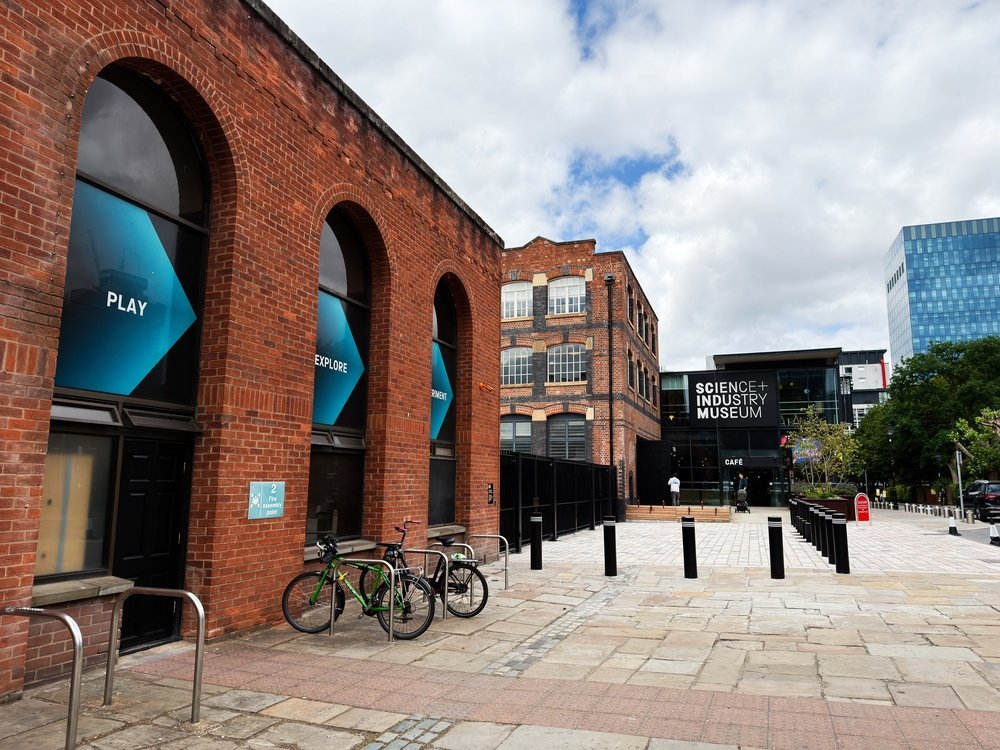
The Science and Industry Museum sits on Liverpool Road in Castlefield, where the world’s first inter-city railway, the Liverpool and Manchester Railway, opened in 1830. The old station is the oldest surviving passenger railway station in the world, and the warehouse next door was built the same year. In the Power Hall you’ll find steam engines and locomotives that are still run during demonstrations, while the exhibitions on textiles, computers and inventions show how the city helped change the world. The Experiment gallery is packed with things children can try for themselves.
Entry is free and the museum is open daily from 10am to 5pm, but some special exhibitions may charge, and some buildings are closed during a lengthy restoration. It’s a good idea to book a free ticket in advance. Deansgate-Castlefield tram stop is five minutes away.
Check the museum’s list of open galleries before you go so you know what’s open, then head straight on to the canals in Castlefield afterwards.
13. Castlefield and the canals
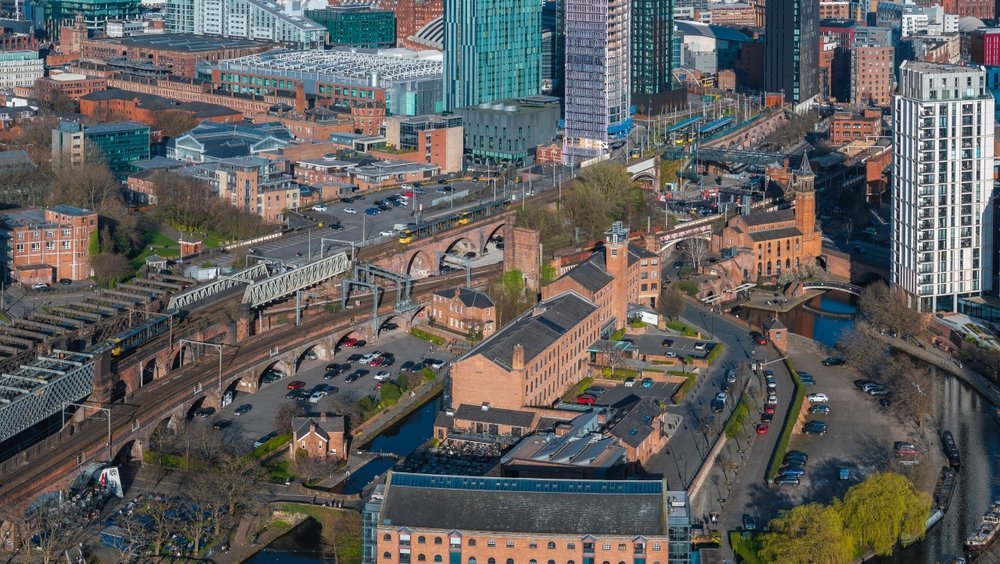
Castlefield is where Manchester began. The Romans built the fort of Mamucium here around AD 79, and part of the wall and gateway has been reconstructed. In 1761 the Bridgewater Canal opened, often called the first canal of the Industrial Revolution, and today the canal basin is surrounded by red-brick warehouses, old railway viaducts and iron bridges. In summer people sit by the water outside the pubs, and Castlefield Bowl hosts open-air concerts.
It’s free to wander around. On the old railway bridge, Castlefield Viaduct, the National Trust has created a garden in the sky that has been open to visitors at certain times, so check the National Trust’s website before you head up. Deansgate-Castlefield tram stop sits just above the area, and it’s a 15-minute walk from St Peter’s Square.
Take a stroll along the canal in the late afternoon, when the light catches the brickwork, and finish with a pint by the water. If you’d like to see the canals and the river from the water, you can take a boat out towards Salford Quays and past Old Trafford.
Book a cruise on the river and the Manchester Ship Canal here.
14. Salford Quays with The Lowry and IWM North
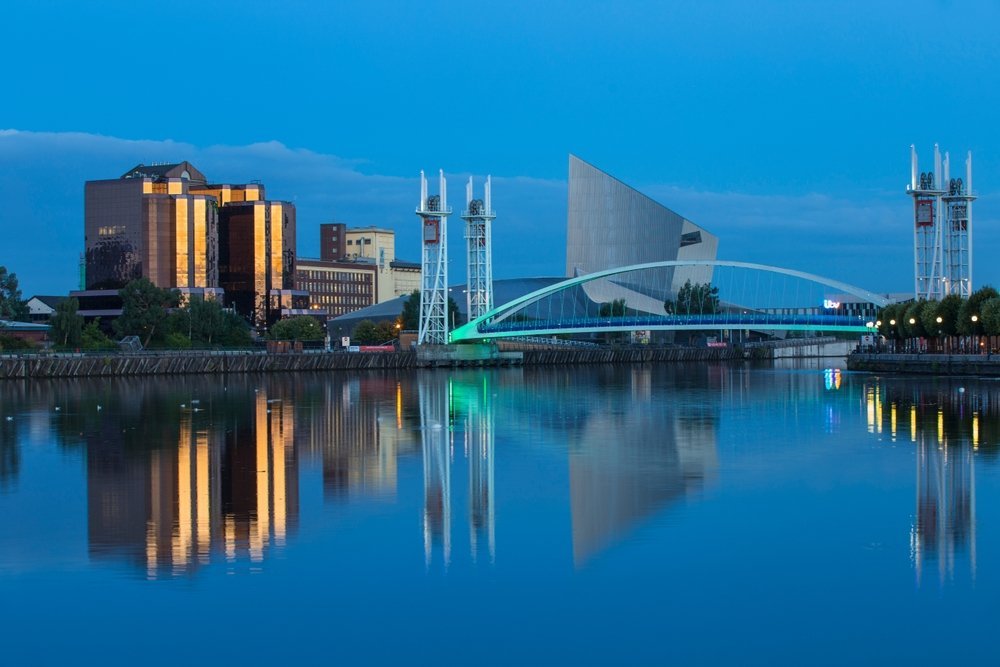
Salford Quays was once the docks for the Manchester Ship Canal, which from 1894 turned Manchester into a port city far inland. Today it’s home to arts venues, offices and MediaCityUK with the BBC and ITV, where Coronation Street is filmed. The Lowry is a steel-and-glass theatre and arts centre named after the painter L.S. Lowry, and its gallery shows his pictures of factories and matchstick figures in the streets of Salford. Across the footbridge stands IWM North, the war museum designed by Daniel Libeskind as a world shattered into pieces.
The Lowry’s galleries and IWM North are both free, and both are usually open from late morning until 5pm. The tram runs from the city centre to the MediaCityUK and Harbour City stops in about 25 minutes. Old Trafford is on the other side of the canal, just a 15-minute walk away.
Combine Salford Quays with the stadium tour at Old Trafford on the same day. If you’d like to stay out here, Holiday Inn Manchester MediaCityUK is right in the middle of MediaCityUK by the water.
Book a guided tour of MediaCityUK and Salford Quays here.
15. The Whitworth and Manchester Museum
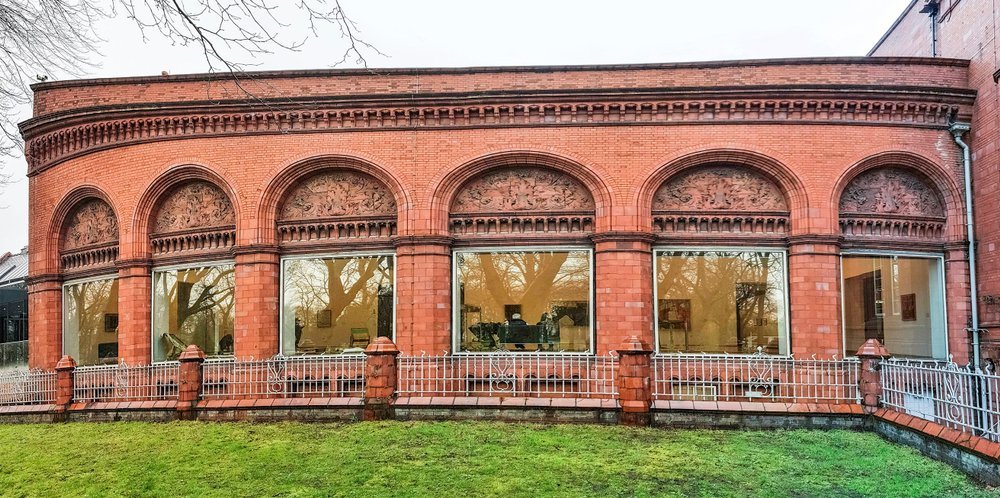
South of the centre along Oxford Road lie the university quarter and two of the city’s best free museums. The Whitworth is an art gallery in Whitworth Park that opened in 1889 and gained a large glass extension facing the park in 2015. The collection is particularly strong on textiles, wallpaper and prints, but there’s also modern art, and the windows make the park part of the exhibition. A couple of hundred metres to the north is Manchester Museum, with dinosaurs, Egyptian mummies and natural history.
The Whitworth is free to enter and open Tuesday to Sunday from 10am to 5pm, until 9pm on Thursdays, and closed on Mondays. Buses along Oxford Road run every few minutes from St Peter’s Square and take about ten minutes, but you can also walk there in 25 minutes.
Come on a Thursday evening, when it’s quieter and there are often events in the gallery. Have lunch in the café, which sits among the treetops with views over the park.
16. Heaton Park
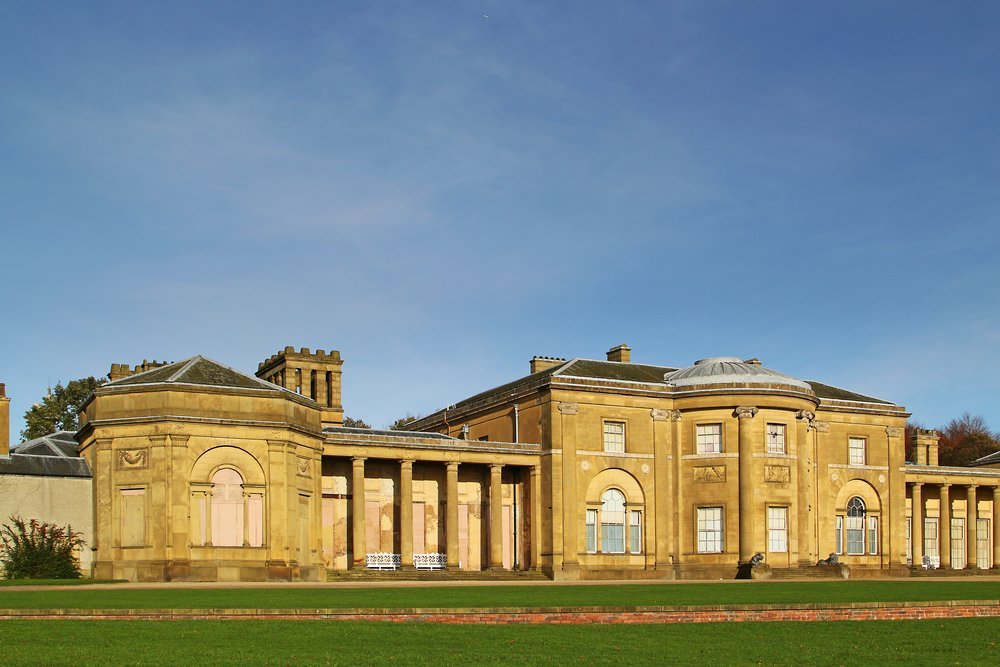
Heaton Park, north of the centre, is one of the largest municipal parks in Europe, with lawns, woodland, a boating lake and an old tramway. In the middle of the park stands Heaton Hall, a neoclassical mansion from the 1770s designed by James Wyatt, and on the hill behind it is a small temple from where you can see the Manchester skyline. The park is also known for big concerts, and Oasis have played to thousands of fans on the grass here.
The park is free to enter and open daily from morning until dusk. You can only go inside Heaton Hall on selected days, so check the council’s website if you want to look inside. The Bury tram runs from Victoria to the Heaton Park stop in about 20 minutes, and from there you walk straight into the park.
Bring a picnic and walk up to the temple on a clear day. With children, you can combine the visit with the playgrounds, the animal farm and the treetop obstacle courses.
17. Day trip to the Peak District
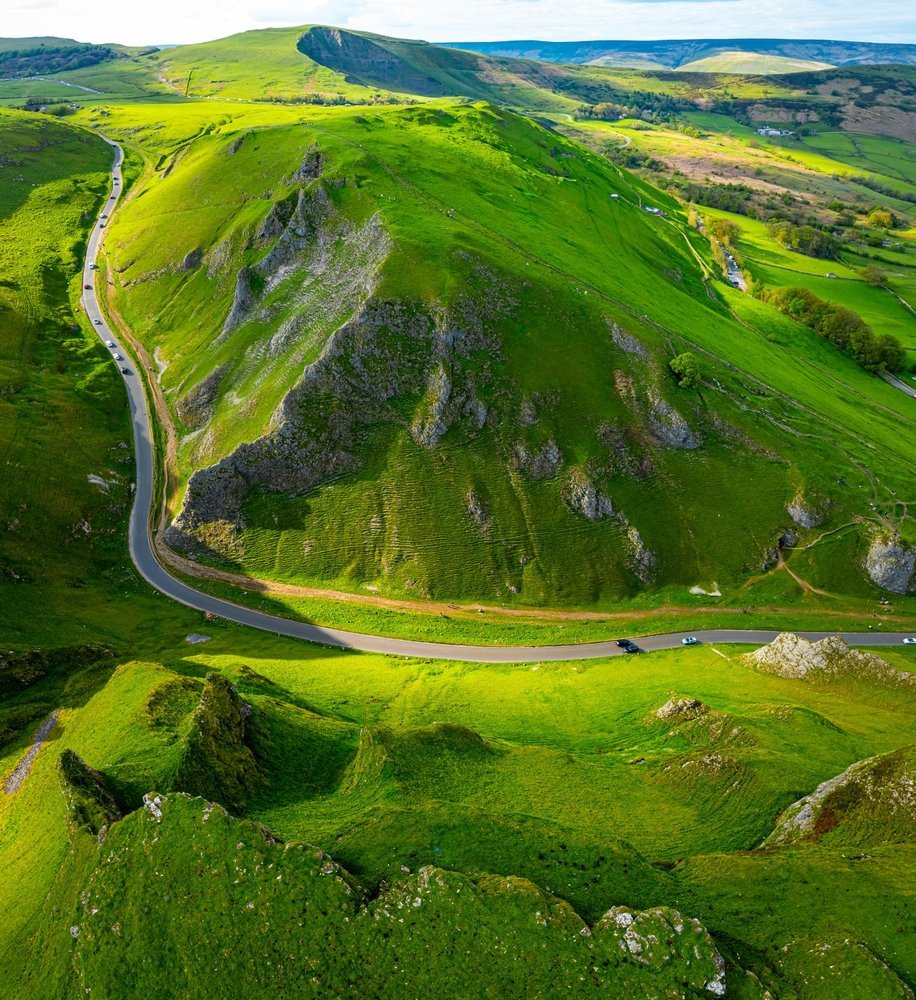
Less than an hour from Manchester, the Peak District begins: Britain’s first national park, established in 1951. Here you’ll find moorland, drystone walls, limestone dales and small villages with pubs and tearooms. From Edale you can walk up Kinder Scout, where a mass trespass in 1932 helped secure ordinary people’s right to roam the countryside. From Castleton you can climb Mam Tor for views over the Hope Valley, and beneath the village are several caves you can visit.
Entry to the national park is free. Trains from Piccadilly on the Hope Valley line reach Edale and Hope in under an hour, and from Hope a bus continues to Castleton. If you want to explore at your own pace and visit Bakewell and the stately home of Chatsworth, the easiest option is to hire a car in Manchester.
Bring good shoes and waterproofs, as the weather changes quickly on the tops. If you’d rather not find your own way, a guided tour can take you to Castleton, Bakewell and the caves in a single day.
Book a guided day trip to the Peak District here.
18. Day Trip to Liverpool
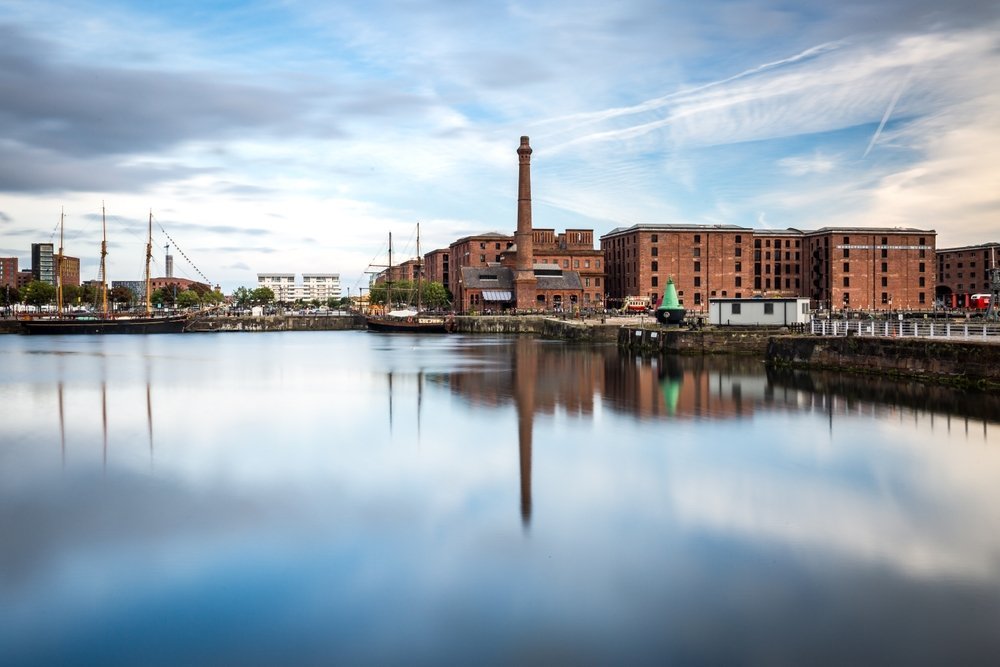
Liverpool is only 50 kilometres to the west, and it’s the obvious day trip if you want more music and football. On the waterfront stand the three grand buildings known as The Three Graces, along with Royal Albert Dock and its old warehouses, where you’ll find The Beatles Story, Tate Liverpool and several free museums. In the city centre is Mathew Street with the Cavern Club, and on the other side of the city is Anfield, where Liverpool FC play.
Trains from Piccadilly, Oxford Road and Victoria run to Liverpool Lime Street several times an hour, and the journey takes around 35 to 50 minutes. From Lime Street it’s a 15-minute walk down to the docks. I’ve written about how to combine the two cities in my article on a city break in Manchester and Liverpool.
Buy a standard return ticket so you’re not tied to a specific train home. If you’d rather stay a couple of nights, have a read of my guide to where to stay in Liverpool.
Book a Beatles bus tour around Liverpool here.
Practical Travel Tips for Manchester
The city centre is small enough to explore on foot, and otherwise you can get by with the Metrolink trams, the buses and the free buses. Free buses 1 and 2 run in a loop from Piccadilly Station, route 1 via Deansgate and King Street and route 2 via Market Street, Shudehill and Oldham Street, roughly every ten minutes during the day. A standard bus journey costs around £2. A day ticket for the tram costs £4.30 for zones 1 and 2, which covers Old Trafford, the Etihad and Salford Quays. Buy your ticket from the machine on the platform or in the Bee Network app before you board.
If you fly into the airport, the train to Piccadilly is the quickest way into the city, and I’ve gathered all the options in my guide to getting from Manchester Airport to the city centre. Hotel prices rise sharply when United or City are playing at home and when there are big concerts, so check the fixture list before you book. You can see all hotels in Manchester on Booking.com.
It rains a lot in Manchester, so pack an umbrella and save the free museums for the wet days. May to September brings the longest days and outdoor life along the canals, while the Christmas markets in the city centre make November and December especially cosy. Plan around the days of the week, as John Rylands Library is closed Sunday to Tuesday, Manchester Art Gallery and The Whitworth on Mondays, and the People’s History Museum on Tuesdays.
Travel ressources & websites I use all the time 👇
• Booking.com has the best offers on hotels and unique places to stay
• GetYourGuide is the best place to book tours & activities with free cancellation
• Welcome Pickups is the best & safest place to pre-book airport transfers
Psst 👀 Have you subscribed to my Youtube channel and my Instagram where I provide more useful travel tips?