

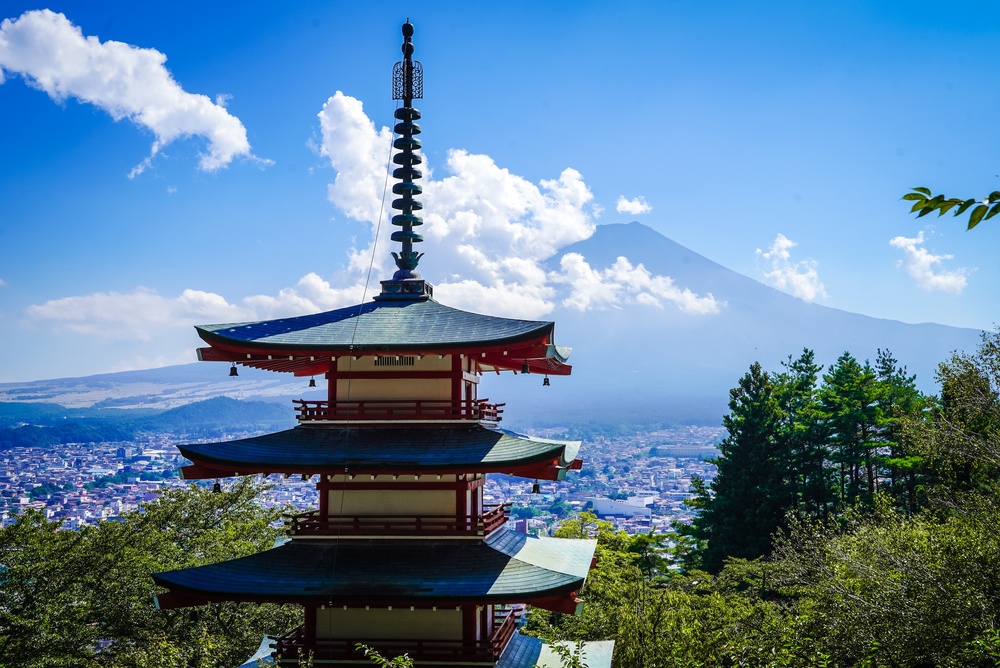
Japan is neon lights and temples, hot springs and mountain villages, all tied together by trains that run on time. From Tokyo, you can reach Kyoto in just over two hours on the Shinkansen, which is why many people are tempted to see the whole country from a single city.
I wouldn’t do that, because your days would be spent sitting on the train. Choose three to five bases along the route instead, and stay at least two nights in most places. Here are my recommendations for seven places to stay in Japan, with good hotels in three price ranges in each.
Contents
The Best Areas in Japan
- Tokyo - best city for first-time visitors and the start of your trip
- Hakone - best area for hot springs and views of Mount Fuji
- Takayama - best town for ryokans and wooden houses in the Japanese Alps
- Kanazawa - best city for gardens, teahouses and samurai districts
- Kyoto - best city for temples, shrines and traditional Japan
- Osaka - best city for food, neon lights and nights out
- Hiroshima - best city for the Peace Memorial Park and a trip to the island of Miyajima
I’ll take you through the bases in the order they come on a classic route west from Tokyo, with the mountains in the middle. For each place, you’ll get a map, train times and three places to stay: the most expensive first, then a mid-range one and finally one for a smaller budget. The train times come from the rail companies and official tourist offices, and where I’ve added up times myself, I say that it’s an estimate. If you’re considering a Japan Rail Pass, read the terms first. The pass is valid on the Shinkansen, but not on the fastest trains, Nozomi and Mizuho, unless you buy a special supplementary ticket for each journey.
1. Tokyo - best city for first-time visitors and the start of your trip 🗼
- 📍 Distance from the centre: Tokyo doesn’t have a single centre. The three hotels here are no more than around 900 metres from Tokyo Station, where the Shinkansen leaves from.
- 🚇 Transport: Trains and the metro. With an IC card such as Suica or Pasmo, you just hold the card against the reader and don’t have to buy a ticket for each journey.
- ✈️ Time from the airport: Around 30 minutes from Haneda (HND) to Tokyo Station, according to the airport. From Narita (NRT), the Narita Express takes 53 minutes on the fastest departure.
- 💰 Price range: €€ to €€€€. Prices are high around Tokyo Station, and the rooms are small in the cheapest categories.
- 👮 Safety: A very safe city. Tokyo Station is huge, so find the right exit on the map before you go up from the platform.
Most trips to Japan begin in Tokyo, and the city is big enough for a whole holiday. On a first trip, I’d give it three to four nights and spend the rest of the time heading west. That way, you’ll get to Shibuya, Shinjuku and Asakusa without rushing around, and you’ll have shaken off the jet lag before the round trip begins.
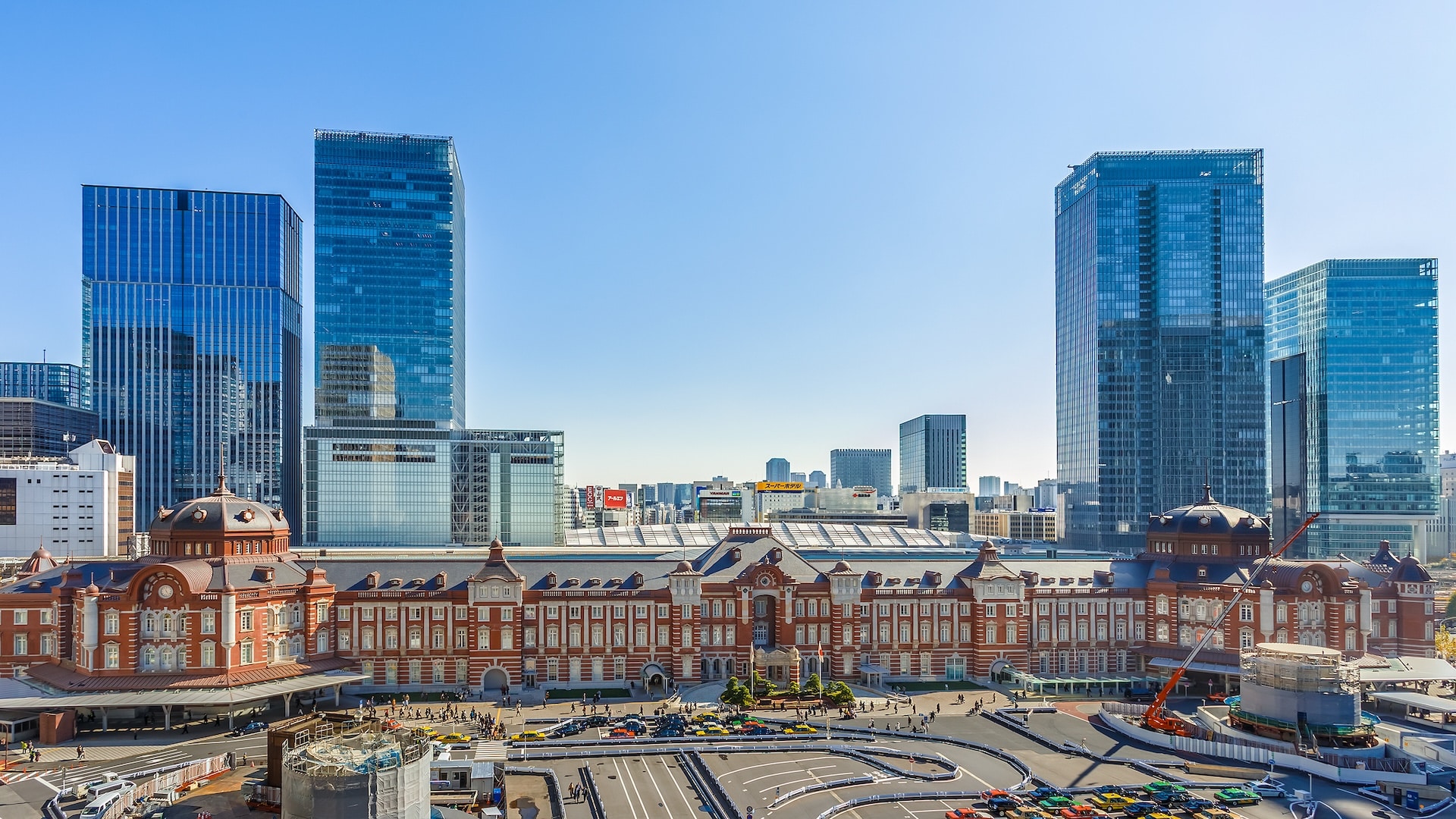
I’ve chosen three hotels around Tokyo Station, because this is where the Shinkansen leaves for Kyoto and Osaka. If you stay here, you can walk to the train with your suitcase on the morning you move on. If you’d rather stay among the neon lights of Shibuya or in the more traditional Asakusa, I’ve written a whole guide to where to stay in Tokyo, with six neighbourhoods to choose from.
Tokyo has two airports. From Haneda, it’s around 30 minutes to Tokyo Station, according to the airport, and from Narita, the Narita Express takes 53 minutes on the fastest departure. If you can fly into Tokyo and home from Kansai Airport near Osaka, you’ll save yourself the journey back. The Shinkansen between Tokyo and Shin-Osaka takes around two and a half hours, so a return trip can easily cost you half a day of your holiday.
Expect small hotel rooms. At the two cheapest hotels below, the smallest double rooms are 14 and 18 square metres, and that’s perfectly normal in Japan’s big cities. If you have large suitcases, choose a twin room, which is usually bigger, or send your big luggage on ahead. According to Japan’s national tourism organisation, JNTO, most larger hotels can arrange for your luggage to be delivered to your next hotel.
Places to Stay in Tokyo
The Tokyo Station Hotel - five-star hotel inside Tokyo Station itself
The Tokyo Station Hotel is in the station building on the Marunouchi side, so you can’t stay any closer to the trains. It’s a five-star hotel with several restaurants and bars, a gym and a spa. There’s no pool, and the spa costs extra.
The rooms are large by Tokyo standards. The smallest are 23 square metres, and many are 40. The hotel is for you if you want to begin or end your trip in style and walk straight to the Shinkansen. The cheapest Classic rooms have no view, and breakfast costs extra. Guests also mention that it’s hard to get a table in the hotel’s restaurants.
One guest writes on Booking.com: “The location, the staff, the cleanliness, everything about this hotel is perfect.”
See photos and book The Tokyo Station Hotel here.
Mitsui Garden Hotel Otemachi - four-star hotel in the business district north of the station
Mitsui Garden Hotel Otemachi is in the Chiyoda district, just under 900 metres north of Tokyo Station. It’s a four-star hotel with a restaurant and a 24-hour reception. The rooms range from double rooms of 18 square metres to twin rooms of just under 25.
It’s my suggestion if you want to stay close to the Shinkansen without paying five-star prices. The breakfast buffet costs extra. One guest thinks the room rate is too high, and another mentions that the room is small, so choose one of the larger categories if there are two of you.
One guest sums it up like this on Booking.com: “Functional and clean hotel.”
See photos and book Mitsui Garden Hotel Otemachi here.
KOKO HOTEL Ginza-1chome - three-star hotel with small rooms in Ginza
KOKO HOTEL Ginza-1chome is in the Ginza shopping district, just over 800 metres south of Tokyo Station. It’s a three-star hotel with a 24-hour reception, a lift and a shared lounge, but no restaurant.
Here, you pay for the location and not for the space. The double rooms are 14 square metres, and guests say plainly that the rooms are too small. If there are two of you with suitcases, I’d choose the Superior Twin at 26 square metres. The hotel suits you if you’re out all day and just need a clean bed close to the trains and the metro.
One guest keeps it short on Booking.com: “Good hotel, good location.”
See photos and book KOKO HOTEL Ginza-1chome here.
2. Hakone - best area for hot springs and views of Mount Fuji ♨️
- 📍 Distance from the centre: Hakone is a mountain area with several small towns. The map shows Gora, where two of the hotels are no more than around 400 metres from the station. The third is in Miyanoshita, further down the mountain railway.
- 🚞 Transport: The Hakone Tozan mountain railway, a funicular, a ropeway, boats on Lake Ashi and buses. The Hakone Freepass from the rail company Odakyu is valid on all of them for two or three days.
- ✈️ Time from the airport: Hakone has no airport. From Shinjuku in Tokyo, the Romancecar express takes around 80 minutes to Hakone-Yumoto. Allow three to four hours from Tokyo’s airports to your hotel. That last part is an estimate.
- 💰 Price range: €€ to €€€€. Hakone is expensive. Ryokans with dinner and hot springs usually cost the most.
- 👮 Safety: A safe area. The roads are steep, and it’s dark in the evening outside the small towns, so take the mountain railway or the bus back in good time.
Hakone means mountains, hot springs and, with a bit of luck, a view of Mount Fuji. The area lies between Tokyo and Kyoto and is the obvious first stop when you leave the capital. JNTO calls the view of Fuji from the south-eastern shore of Lake Ashi the area’s most iconic. The mountain only shows itself in clear weather, so think of it as a bonus and not as the purpose of the trip.
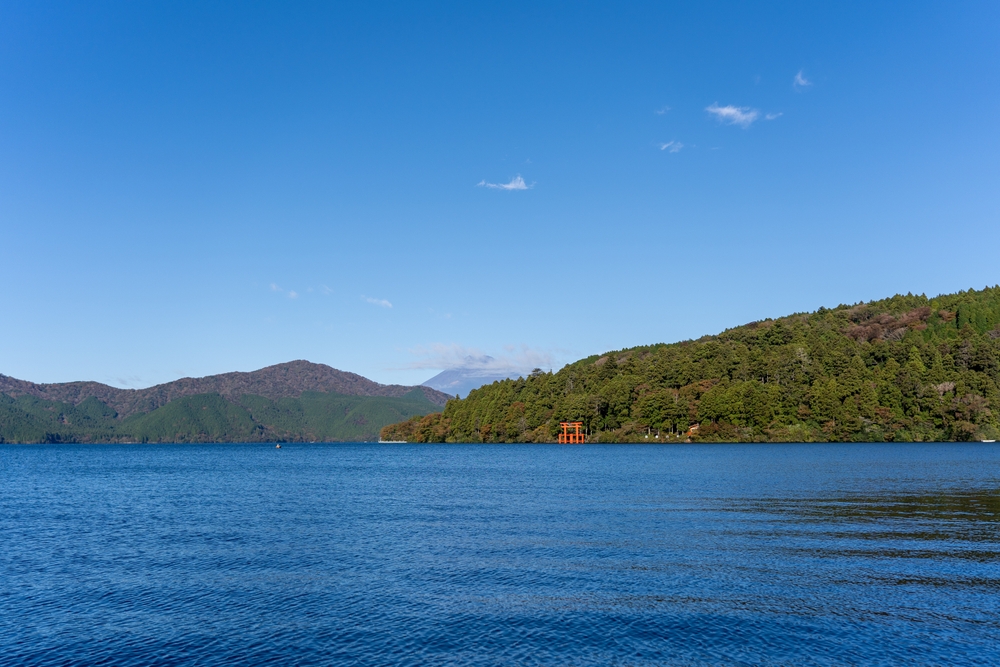
Most people do the classic loop: up on the Hakone Tozan mountain railway, on by funicular and ropeway, and finally by boat across the lake. The ropeway alone takes around 30 minutes each way. Along the way, you can get off at the volcanic valley of Owakudani, known for its black eggs, and at the Hakone Open-Air Museum, where more than 100 sculptures stand in the open air.
From Shinjuku in Tokyo, the rail company Odakyu’s Romancecar express runs directly to Hakone-Yumoto in around 80 minutes, and all seats must be reserved. You can also take the Shinkansen from Tokyo Station to Odawara and change to the mountain railway there. Odawara is also the station you continue from towards Kyoto.
One night is enough for the loop, and two give you time for the baths. Many hotels in Hakone have shared baths with hot spring water, and coming back to them after a day in the mountains is a big part of the experience. Travel light: send your big suitcase from Tokyo to your hotel in Kyoto, and bring only a small bag up here, because there are lots of stairs and changes along the way. Also check whether you can have dinner at your hotel, because there aren’t many places to eat in the small mountain towns in the evening.
Places to Stay in Hakone
The Fujiya Hotel - classic five-star hotel with hot springs and a pool in Miyanoshita
The Fujiya Hotel is in Miyanoshita, around 400 metres from the mountain railway station. It’s a five-star hotel with restaurants, a bar, a garden, a spa, hot spring baths and both an indoor and an outdoor pool.
All the rooms have regular beds, so it’s a good choice if you want Hakone’s hot springs without sleeping on a futon. The rooms in the main building are 28 to 29 square metres, and the large twin rooms are 41. Meals usually aren’t included in the price, and guests find the restaurants expensive. One guest mentions that there are no other places to eat nearby, so book a table in good time.
One delighted guest writes on Booking.com: “Everything. Spa, pool, staff, location, room, a truly special place.”
See photos and book The Fujiya Hotel here.
Hakone Yutowa - four-star hotel with hot springs and a lounge in Gora
Hakone Yutowa is in Gora, just under 400 metres from both the station and the Hakone Open-Air Museum. The hotel has a shared hot spring bath, a sauna, a foot bath, a buffet restaurant and a lounge, where guests praise the free snacks and drinks.
The rooms have regular beds and are large: a Standard Twin is 27 square metres and a Superior Twin 43. That’s why it’s my suggestion for families and for groups travelling together. Avoid the small 16-square-metre double room with a shared bathroom unless price is what matters most. One guest mentions that it’s hard to find somewhere to eat nearby in the evening, so consider eating at the hotel.
One guest highlights the atmosphere on Booking.com: “Good atmosphere and nice surroundings with lots of facilities, including free snacks and drinks.”
See photos and book Hakone Yutowa here.
WPÜ HOTEL HAKONE - informal hotel with hot springs right by Gora Station
WPÜ HOTEL HAKONE is directly opposite Gora Station, where the mountain railway ends and the funicular begins. It’s a hotel with both private rooms and dormitories, so the atmosphere is more informal than at the other two. There’s a restaurant, a bar and a shared hot spring bath.
The twin rooms with a private bathroom are 24 square metres. The smallest double room is 12.5 square metres and has a shared bathroom, so read the room description before you book. I’d choose it if you want to try the hot springs in Hakone without paying ryokan prices. Guests mention hard beds and small bathrooms.
One guest writes about their stay on Booking.com: “Fantastic breakfast and lovely rooms (very small bathroom).”
See photos and book WPÜ HOTEL HAKONE here.
3. Takayama - best town for ryokans and wooden houses in the Japanese Alps 🏯
- 📍 Distance from the centre: Takayama is small. From the station, it’s just over 700 metres to the preserved streets of Sanmachi, which the map shows. Two of the places to stay are by the station and the third is by Sanmachi.
- 🚶 Transport: You can get around the town on foot. The bus to the village of Shirakawa-go leaves from the town’s bus terminal and takes around 50 minutes.
- ✈️ Time from the airport: There’s no airport nearby. According to JNTO, the train from Nagoya takes around 2 hours and 20 minutes, and from Centrair Airport (NGO), it’s 28 minutes on the fastest train into Nagoya.
- 💰 Price range: €€ to €€€€. Ryokans with dinner cost the most, and the hotels by the station are usually the cheapest.
- 👮 Safety: A very quiet town. There’s often snow in winter, and the streets can be slippery.
Takayama is up in the mountains in the Hida region and is the small town on the route where the pace slows down. The Sanmachi district with its preserved wooden houses is the heart of the town, and there are two markets: one on the bank of the Miyagawa River and one in front of Takayama Jinya. Stay two nights, so you have a whole day in the town and another for a day trip.
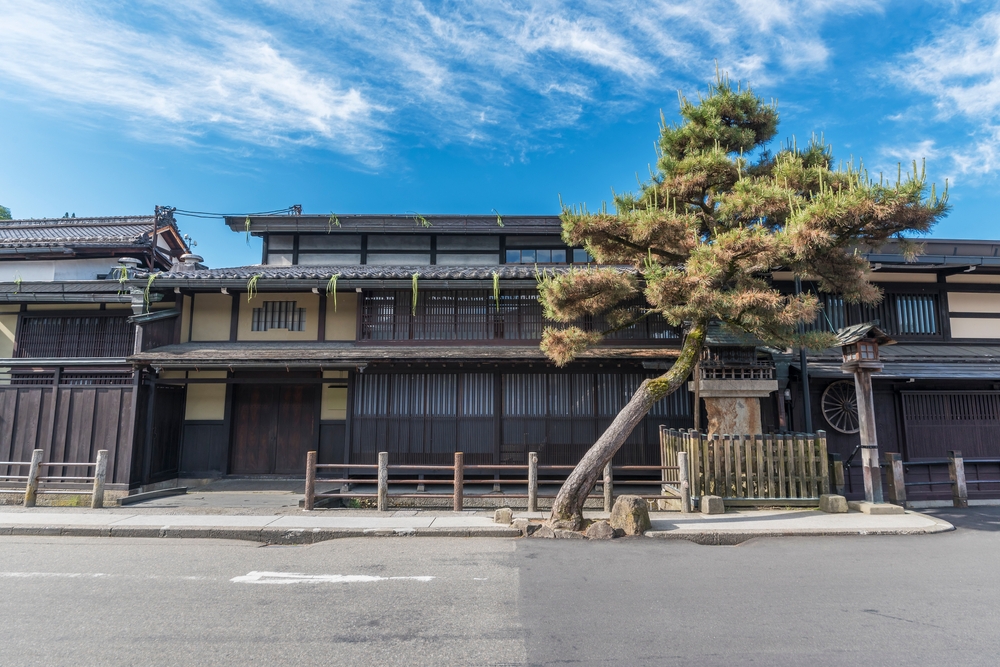
This is also where I’d try a ryokan. It’s a traditional Japanese inn where you sleep on a futon on tatami mats and bathe in shared hot spring baths, which are separate for men and women. Dinner is served at a set time, so you can’t arrive late.
Takayama is the starting point for the village of Shirakawa-go, which is on UNESCO’s World Heritage List. UNESCO describes its large houses with steep thatched roofs as the only ones of their kind in Japan. The bus there takes around 50 minutes, and from Shirakawa-go, buses continue to Kanazawa in an hour and a quarter. So you can see the village on the way and don’t need to go back. Most of the buses require a seat reservation. If you’d rather go by train, the Hida express takes around an hour and a half to Toyama, where you change to the Shinkansen.
According to JNTO, the train from Nagoya takes around 2 hours and 20 minutes. From Tokyo, you take the Shinkansen to Nagoya and change there, so allow four to five hours in total. That’s an estimate. Book early if you’re travelling in spring or autumn, because the town is especially busy during the Takayama Festival, which is held in both seasons.
Places to Stay in Takayama
Honjin Hiranoya Kachoan - five-star ryokan with hot springs close to the preserved streets
Honjin Hiranoya Kachoan is a ryokan just under 200 metres from the preserved streets of Sanmachi and just over 600 metres from the station. There are shared hot spring baths, separate for men and women, an open-air bath and a spa.
The standard Japanese-style rooms are 30 square metres, and here you sleep on a futon on tatami mats. If you’d rather have a bed, the 60-square-metre junior suites have two beds. Dinner and breakfast are included in some of the rates, and guests praise the food. You need to have checked in by 6pm to get dinner. The price is high, and one guest mentions that the bathroom was small for four adults.
One guest describes their stay like this on Booking.com: “The attention to detail and the care for the guest made this experience unforgettable.”
See photos and book Honjin Hiranoya Kachoan here.
Oyado Koto No Yume - ryokan with hot springs a two-minute walk from the station
Oyado Koto No Yume is just under 200 metres from Takayama Station, so you can walk here with your suitcase in a couple of minutes. It’s a ryokan with a garden, a shared hot spring bath and an open-air bath.
Most of the rooms are Japanese-style rooms of 26 to 30 square metres with futons on tatami, but there’s also a twin room with regular beds. One of the Japanese-style rooms doesn’t have a private bathroom, so check that before you book. The ryokan only serves breakfast, so you’ll eat dinner out in town. That makes it a good choice if you want to stay somewhere traditional and pick your own restaurant. Futons aren’t for everyone: one guest writes that the futon takes up most of the small room.
One guest writes after their stay on Booking.com: “It’s beautiful and very clean. The room is lovely.”
See photos and book Oyado Koto No Yume here.
hotel around TAKAYAMA - four-star hotel with hot springs near the station
Around 300 metres from Takayama Station is hotel around TAKAYAMA, a four-star hotel with a restaurant, a bar and a shared hot spring bath. The rooms have regular beds and range from 18 square metres to family rooms of 50.
It’s usually the cheapest of my three suggestions in Takayama and a good choice if you prefer a modern hotel to a ryokan. You still get a hot bath after a day in the mountains. The shared bath is small, though, and one guest was unhappy with the bed and pillows.
One guest says on Booking.com: “Good location near the station, and the room is spacious and beautifully decorated with an eye for detail.”
See photos and book hotel around TAKAYAMA here.
4. Kanazawa - best city for gardens, teahouses and samurai districts 🍵
- 📍 Distance from the centre: According to the city’s tourist office, most of the sights are within two kilometres of Kanazawa Castle Park, which the map shows. The station is just over one and a half kilometres away. One of the hotels is by the station and the other two are in the centre.
- 🚌 Transport: City buses and the Kanazawa Loop Bus for sightseeing. A day pass is valid on all of them in the centre.
- ✈️ Time from the airport: The airport bus from Komatsu Airport takes around 40 minutes to Kanazawa Station. Most people arrive on the Shinkansen from Tokyo, though, which takes around two and a half hours.
- 💰 Price range: € to €€€. Usually cheaper than Tokyo and Kyoto, and you get more space for your money.
- 👮 Safety: A safe city. Snow can fall in winter, so bring footwear that can handle it.
Kanazawa has much of what many people travel to Kyoto for: gardens, teahouse districts and samurai streets, just at a calmer pace. JNTO calls Kenrokuen one of Japan’s most iconic landscape gardens. The Higashi Chaya teahouse district is known for its gold leaf crafts, and the Nagamachi samurai district is close to the castle park. The city also has a museum of contemporary art with works from all over the world.
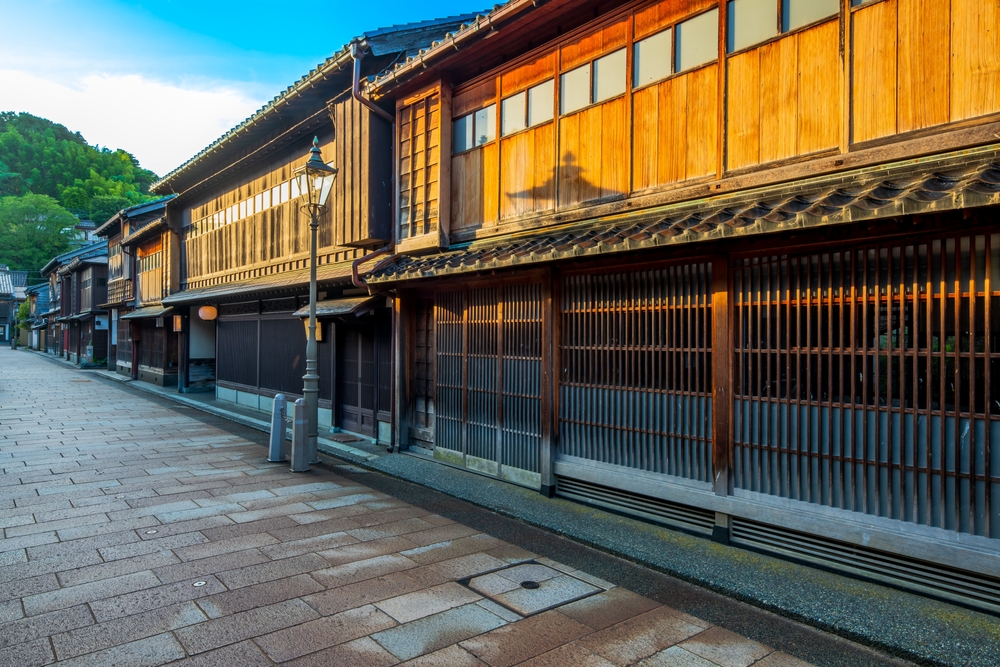
The city is on the Sea of Japan, on the opposite side of the country from Tokyo, and it’s easy to find your way around. The tourist office recommends three days and two nights. That gives you one day for the garden, the castle and Omicho Market and one for the teahouses and the museums. You can walk between most places, and for the longest stretches, you take the bus.
From Tokyo, the Hokuriku Shinkansen runs to Kanazawa in around two and a half hours. If you’re continuing to Kyoto, take the Shinkansen to Tsuruga and change there to the Thunderbird express. The two legs take an hour and 45 minutes, plus the change. To Osaka, the two legs take two hours in total.
If you’re coming from Takayama, the bus via Shirakawa-go is the obvious way to get here. The direct bus between the two cities takes 2 hours and 15 minutes. By train, the journey goes via Toyama: an hour and a half on the Hida express and 20 minutes on the Shinkansen. Choose your hotel according to how you’re travelling: by the station, you’re quickly out of the door with your suitcase, while in the centre, you can walk to the market, the castle and the garden. I’d choose the centre if you’re staying two nights or more, and the station if you only have one.
Places to Stay in Kanazawa
Hyatt Centric Kanazawa - five-star hotel by Kanazawa Station
Hyatt Centric Kanazawa is around 250 metres from Kanazawa Station and is the obvious choice if you’re arriving on the Shinkansen and want space. The smallest rooms are 32 square metres, and the hotel has a restaurant, a bar, a gym, a garden and a terrace.
It’s a good place to stay if you only have a night or two and are moving on by train. It’s just under two kilometres to the castle park, so expect a bus ride or a good walk to the sights. Breakfast costs extra, and one guest would like more facilities.
One guest keeps it brief on Booking.com: “Spacious rooms, super clean and friendly staff.”
See photos and book Hyatt Centric Kanazawa here.
Hotel Intergate Kanazawa - hotel with a shared bath and a lounge between the market and the castle
Hotel Intergate Kanazawa is in the middle of the city, around 450 metres from Omicho Market and just over 500 metres from the castle park. The hotel has a restaurant, a shared bath and a lounge that guests can use for free.
The rooms range from double rooms of 17 square metres to twin rooms of 19 to 24. I’d choose it if you want to be able to walk to most things and have a hot bath to come back to. Breakfast costs extra. It’s just over a kilometre from the station, and one guest finds that a bit far with suitcases, so take the bus or a taxi on the first day.
One guest highlights both the location and the breakfast on Booking.com: “Good location if you want to walk to the castle and the gardens, a 20-minute walk to the train station, and the breakfast buffet was also fantastic with plenty to choose from.”
See photos and book Hotel Intergate Kanazawa here.
Tmark City Hotel Kanazawa - simple hotel with a restaurant in the Katamachi district
Tmark City Hotel Kanazawa is in the Katamachi district, around a kilometre from both the castle park and Kenrokuen Garden. There’s a restaurant and a 24-hour reception, and the hotel is usually the cheapest of my three suggestions.
The double rooms are 15 square metres, and the twin rooms are 20 to 26. It suits you if you want to stay cheaply and walk to the sights. It’s just over two kilometres from the station, so take the bus. Guests write that the smallest rooms are too small, and one guest was disappointed with the breakfast.
One guest writes about the staff on Booking.com: “The staff were warm and welcoming.”
See photos and book Tmark City Hotel Kanazawa here.
5. Kyoto - best city for temples, shrines and traditional Japan ⛩️
- 📍 Distance from the centre: The three hotels are less than a kilometre from Kyoto Station. The station is around three kilometres south of the central Shijo-Kawaramachi junction.
- 🚆 Transport: The Shinkansen, JR trains, Kintetsu trains, the Karasuma metro line and lots of buses leave from Kyoto Station.
- ✈️ Time from the airport: The Haruka airport train runs from Kansai Airport (KIX) to Kyoto Station in around 75 minutes, according to the city’s tourist information.
- 💰 Price range: €€ to €€€€. Prices vary a lot with the season and are usually highest in spring and autumn.
- 👮 Safety: A safe city. The station is big and busy, so keep your luggage together and give yourself plenty of time to find the right exit.
Kyoto was the imperial capital from 794 until the mid-1800s, and the city is full of temples, shrines and gardens. Seventeen sites in and around the city are listed together on UNESCO’s World Heritage List, and all of them except Nijo-jo Castle are temples and shrines. Give the city three to four nights. It’s spread out, and the famous sights are at opposite ends of it, so plan your days by district.
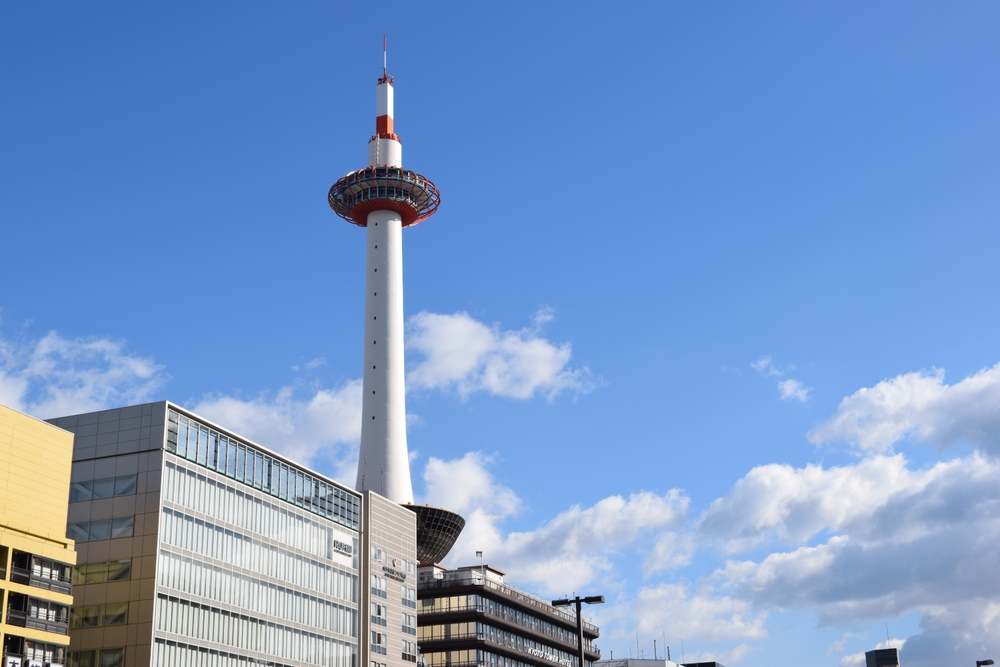
I’ve chosen three hotels by Kyoto Station, because that’s the practical choice on a round trip. You walk from the Shinkansen to your hotel, and the day trip to Nara takes just over half an hour on the Kintetsu train. If you’d rather stay within walking distance of Gion and the restaurants in the centre, you can read my guide to where to stay in Kyoto, where I cover five areas.
According to Kyoto’s tourist office, the journey from Tokyo takes around 130 minutes on the Nozomi and 170 minutes on the Hikari. So if you’re travelling on a Japan Rail Pass without a supplementary ticket, it’s the Hikari you need. Choose seat E in the ordinary cars if you want to see Mount Fuji from the train. That’s the advice of the rail company JR Central itself.
If you have a large suitcase with you on the Shinkansen, a special rule applies on the line from Tokyo via Kyoto and Osaka to Hiroshima and further west. If your suitcase’s length, width and height add up to between 161 and 250 cm, you need to reserve a seat with space for oversized luggage. The reservation costs nothing extra, but if you board without one, the rail company charges 1,000 yen.
Places to Stay in Kyoto
Dusit Thani Kyoto - five-star hotel with an indoor pool and a spa
Dusit Thani Kyoto is around 800 metres north-west of Kyoto Station. It’s a five-star hotel with a restaurant, a bar, a garden, an indoor pool, a sauna, a gym and a spa.
The rooms start at 40 square metres, which is more than twice the size of the rooms at the cheapest hotels in this guide. The hotel is for you if you want peace and space after long days at the temples and are happy to pay for it. Prices usually rise a lot in the high seasons. A couple of guests are unhappy with the breakfast, which one of them calls slow and disorganised.
One guest sums it up on Booking.com: “Clean room, lots of amenities and a good location.”
See photos and book Dusit Thani Kyoto here.
Daiwa Roynet Hotel Kyoto Ekimae PREMIER - four-star hotel a few minutes’ walk from the station
Daiwa Roynet Hotel Kyoto Ekimae PREMIER is just over 300 metres north of Kyoto Station. It’s a four-star hotel with a restaurant and a 24-hour reception.
It’s my suggestion for most people on a round trip: close to the train, smart and affordable outside the high seasons. The standard double room is 18 square metres and the twin rooms 23, and there are Executive rooms of up to 40. Don’t choose the smallest category if there are two of you with suitcases. Several guests think the small rooms are too expensive and that the breakfast is limited.
One guest writes about the room on Booking.com: “A good-sized room with a fantastic bathtub and shower.”
See photos and book Daiwa Roynet Hotel Kyoto Ekimae PREMIER here.
Comfort Hotel ERA Kyoto Toji - three-star hotel by Toji Station south of Kyoto Station
Comfort Hotel ERA Kyoto Toji is just over 900 metres south-west of Kyoto Station, right by the small Toji Station. The hotel has a 24-hour reception, a bar and a lounge, and guests give it high ratings.
The double rooms are 15 to 16 square metres, the twin room is 22, and there’s a room for three of 25. It’s usually the cheapest of the three, but prices rise here too in the high seasons. The hotel suits you if you want to stay close to Kyoto Station without paying for the address. One guest would have liked more choice at breakfast.
One guest praises the location on Booking.com: “Good location right across from the train station and the bus stops.”
See photos and book Comfort Hotel ERA Kyoto Toji here.
6. Osaka - best city for food, neon lights and nights out 🍜
- 📍 Distance from the centre: The hotels are in the southern part of the centre around Namba and the Dotonbori canal. Umeda and Osaka Station are around four kilometres to the north.
- 🚇 Transport: The metro and trains. The Shinkansen leaves from Shin-Osaka, which is a different station from Osaka Station, so allow time to get there.
- ✈️ Time from the airport: According to the city’s tourist office, the trains from Kansai Airport (KIX) take around 40 to 60 minutes into Osaka, and the Nankai trains run directly to Namba. Allow 1 to 1½ hours to your hotel. That last part is an estimate.
- 💰 Price range: € to €€€€. A wide choice in every price range, and often a little cheaper than Tokyo and Kyoto.
- 👮 Safety: A safe city. Watch your bag in the crowds by the canal, and expect noise from the bars until late.
Osaka is the city you come to for the food, and it’s Kyoto’s loud, carefree opposite. Around the Dotonbori canal in Namba, the restaurants stand shoulder to shoulder under the neon signs, and it’s lively until late at night. Two nights is about right for most people. If you’re travelling with children, the Universal Studios Japan theme park could be the reason for an extra day.
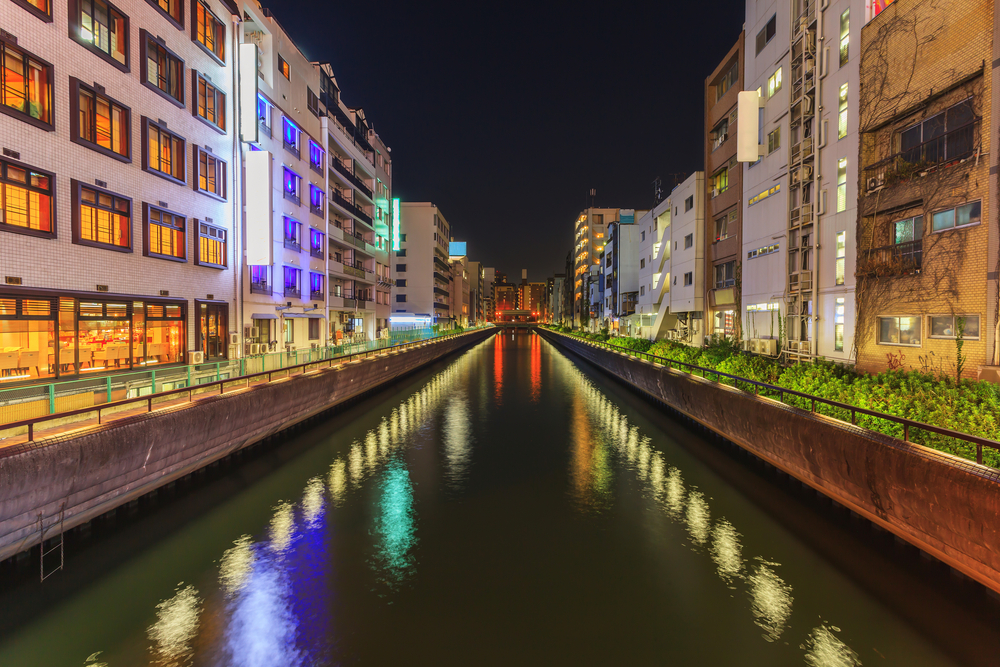
The city is also a good base for day trips. From Osaka-Namba, the train to Nara takes 35 minutes, and from Osaka Station, it’s around half an hour to Kyoto on the JR Special Rapid. I’ve chosen hotels in and around Namba, which is my first choice for a first visit to Osaka. In my guide to where to stay in Osaka, you can also read about Umeda, Honmachi and the area around Universal Studios.
Keep track of the stations. The Shinkansen doesn’t stop at Namba or at Osaka Station, but at Shin-Osaka, and from there, you continue by metro or local train. According to Osaka’s tourist office, the Shinkansen from Shin-Osaka takes around an hour and a half to Hiroshima and two and a half hours to Tokyo.
Osaka is the natural place to end your trip. The Nankai trains run directly from Kansai Airport to Namba, and according to the tourist office, the journey into the city takes around 40 to 60 minutes. If you fly home from here instead of from Tokyo, you’ll save yourself a long train journey on the last day. In that case, book your flights as an open-jaw ticket, arriving in Tokyo and departing from Osaka, before you book your hotels.
Places to Stay in Osaka
Swissotel Nankai Osaka - five-star hotel above the Nankai line’s station in Namba
Swissotel Nankai Osaka is above the Nankai line’s station in Namba, which is the terminus for the trains from Kansai Airport. So you can take the airport train almost all the way to reception. The hotel has a restaurant, a bar, a spa, a sauna, a gym and an indoor pool, and Dotonbori is just under 600 metres to the north.
The standard rooms are 23 to 32 square metres. It’s the right choice if you want a big hotel with lots of facilities and the easiest route to and from your flight. Ask at check-in what it costs to use the pool and spa. Some guests think the furniture and bathrooms need updating and that the rooms are small for the price.
One guest writes about the hotel on Booking.com: “Fantastic location, and the staff are super friendly and helpful.”
See photos and book Swissotel Nankai Osaka here.
Hotel Nikko Osaka - four-star hotel right by Shinsaibashi Station
Hotel Nikko Osaka is right by Shinsaibashi Station, just over 500 metres north of Dotonbori. It’s a four-star hotel with a restaurant, a bar and a concierge.
The hotel suits you if you want to stay right between the shops and the restaurants with the station just outside the door. The smallest double rooms are 17 square metres, the standard ones 20, and the twin rooms 24. There are also Premium rooms of 42 square metres if you want space. Guests mention that the cheapest rooms are small, and one guest would like more amenities in the room.
One happy guest writes on Booking.com: “The staff were very friendly, breakfast was lovely, and our room was very clean.”
See photos and book Hotel Nikko Osaka here.
Hotel Sobial Namba Daikokucho - four-star hotel with a shared bath south of Namba
Hotel Sobial Namba Daikokucho is a minute’s walk from Daikokucho Station and just over 900 metres south of the Nankai line’s station in Namba. The hotel has a restaurant, a lounge and shared baths, including an open-air one.
Sobial is usually the cheapest of my three suggestions in Osaka, and you get a lot for your money if you can live with being a little further from Dotonbori. The double rooms are only 13 to 14 square metres, so choose a twin room of 20 to 23 if there are two of you. Guests write that the rooms are smaller than expected. Breakfast costs extra.
The breakfast gets this short comment from one guest on Booking.com: “The breakfast was really good.”
See photos and book Hotel Sobial Namba Daikokucho here.
7. Hiroshima - best city for the Peace Memorial Park and a trip to the island of Miyajima 🕊️
- 📍 Distance from the centre: The Peace Memorial Park, which the map shows, is just over two kilometres west of Hiroshima Station. The hotels here are by the station and in the centre between the station and the park.
- 🚋 Transport: Trams run from the station through the centre. To get to Miyajima, take the train to Miyajimaguchi, which takes around 30 minutes, and then the ferry, which takes around 10.
- ✈️ Time from the airport: The airport bus from Hiroshima Airport (HIJ) takes 50 minutes to the station’s Shinkansen exit. Most people arrive on the Shinkansen, which takes around an hour and a half from Shin-Osaka.
- 💰 Price range: € to €€€. Usually noticeably cheaper than Tokyo and Kyoto, even at the big hotels.
- 👮 Safety: A safe city. On Miyajima, the deer roam freely, so keep an eye on your food.
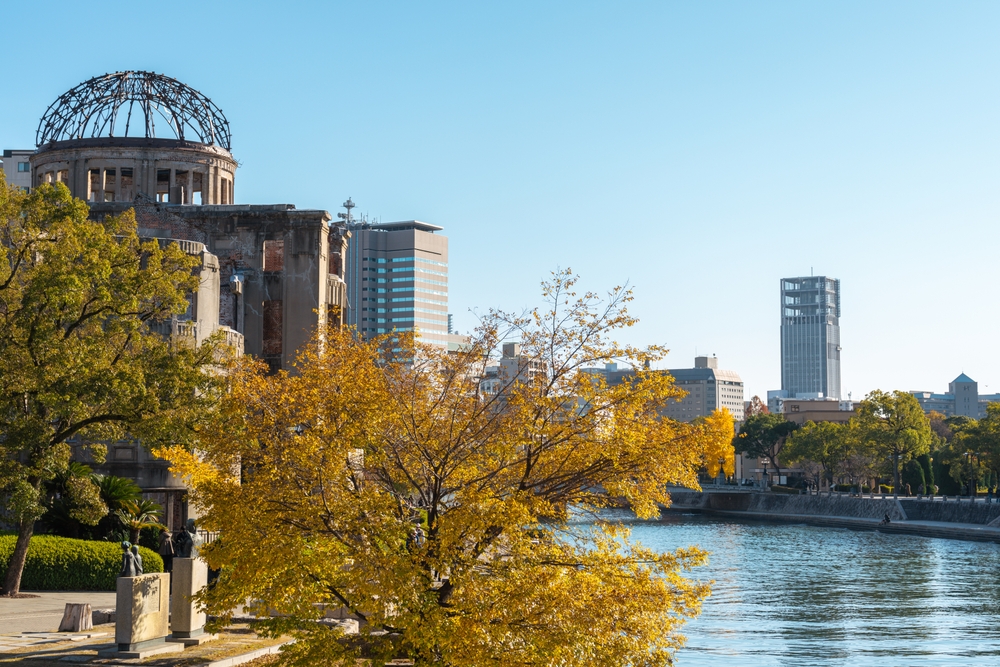
For most people, Hiroshima is an encounter with history. In the Peace Memorial Park stands the Atomic Bomb Dome, which UNESCO describes as the only building left standing in the area where the first atomic bomb exploded. The park is full of memorials to the victims of 1945. Set aside at least half a day if you also want to see the museum.
The other reason to come here is the island of Miyajima with the Itsukushima Shrine, which is also on UNESCO’s list. When the tide is in, the shrine appears to float on the water, and at low tide, you can walk out to the great torii gate. So check the tides before you set off. The train from Hiroshima Station to Miyajimaguchi takes around 30 minutes and the ferry around 10. On the island, a ropeway runs up Mount Misen, with views over the bay.
From Shin-Osaka, it’s around an hour and a half on the Shinkansen, so Hiroshima is doable as a long day trip from Osaka or Kyoto. I’d still stay one or two nights. That way, you can go to Miyajima late in the day, when most of the day visitors are on their way home, and you’ll have time to taste the city’s own version of okonomiyaki in the evening. According to JNTO, the journey from Tokyo takes about four hours on the Shinkansen, so add Hiroshima on after Kyoto and Osaka and not as a side trip from the capital.
If you’re travelling on a Japan Rail Pass, it’s also valid on the JR ferry between Miyajimaguchi and Miyajima. In the city itself, you get around on the trams, which have been running here since 1912. If you’re flying on, the airport bus runs between the station’s Shinkansen exit and Hiroshima Airport in 50 minutes.
Places to Stay in Hiroshima
Sheraton Grand Hiroshima Hotel - five-star hotel a minute’s walk from Hiroshima Station
Sheraton Grand Hiroshima Hotel is around 200 metres from Hiroshima Station on the north side, where the Shinkansen exit is. It’s a five-star hotel with a restaurant, a bar, a gym, a spa and an indoor pool. The pool and spa cost extra to use.
The rooms are at least 35 square metres. I’d choose the Sheraton if you’re arriving late by train or moving on early. The train towards Miyajima also leaves from Hiroshima Station. It’s just over two kilometres to the Atomic Bomb Dome, so you’ll need to take the tram into the centre. A few guests think the rooms are starting to look worn.
One guest writes about the location on Booking.com: “The hotel was right next to the train station and a large shopping area with lots of places to eat.”
See photos and book Sheraton Grand Hiroshima Hotel here.
Hilton Hiroshima - five-star hotel with a pool just over a kilometre from the Peace Memorial Park
Hilton Hiroshima is in the centre, just over a kilometre south-east of the Peace Memorial Park and just under two kilometres from the station. The hotel is five-star and has a restaurant, a bar, a spa, a sauna, a gym and an indoor pool.
The rooms are as large as at the Sheraton, at least 35 square metres, but the price is usually a good deal lower. That’s why the Hilton is my mid-range suggestion, even though the stars say otherwise. It suits you if you want to stay within walking distance of the Peace Memorial Park and have a pool and space. Guests find the food at the hotel expensive, so eat out in town.
One guest keeps it short and to the point on Booking.com: “Facilities of an excellent standard.”
See photos and book Hilton Hiroshima here.
Hotel Intergate Hiroshima - hotel with a shared bath and a lounge right in the centre
Hotel Intergate Hiroshima is around a kilometre from both the station and the Atomic Bomb Dome. All guests have access to the shared bath and to a lounge with free drinks at set times.
The rooms range from 18 square metres to twin rooms of 24. It’s usually the cheapest of the three and a good choice if you want to stay centrally and end the day with a bath. The breakfast gets mixed reviews: one guest thinks the choice is limited and that the closing time is strictly enforced. There are also only two washing machines for the whole hotel, if you were planning to do laundry here.
One guest sums it up on Booking.com: “Convenient location. Friendly staff.”
See photos and book Hotel Intergate Hiroshima here.
Where should you avoid staying in Japan?
I wouldn’t stay in Tokyo for the whole trip and do Kyoto as a day trip. The journey takes just over two hours each way on the fastest trains, and Kyoto deserves several days. I wouldn’t change hotels every night either. Two nights in each place is my minimum, except in Hakone, where one night can be enough.
In the big cities, I wouldn’t choose a hotel far from a station to save a little on the room, because you’ll pay the difference back in time every day. In Osaka, Shin-Osaka is practical for an early Shinkansen departure, but I wouldn’t stay there for several nights when the restaurants and nightlife are in Namba and Umeda. Hokkaido, Kyushu and Okinawa aren’t among the seven bases. They’re so far from this route that they deserve a trip of their own.
If you have ten days, I’d spend four nights in Tokyo, one in Hakone, three in Kyoto and two in Osaka. With two weeks, you can add two nights in Takayama and two in Kanazawa between Hakone and Kyoto, or you can skip the mountains and finish with two nights in Hiroshima. All seven bases in one trip need at least 16 nights, and three weeks gives you some breathing space in your schedule.
Choose your season with care. According to Japan’s national tourism organisation, JNTO, the cherry trees blossom between March and May, first in the south and later in the north, and the autumn colours spread across the country from late September to early December. The rainy season begins in May or June, summer is very hot and humid, and typhoons can disrupt your plans in August and September. If you’re travelling in spring or autumn, book your hotels in Kyoto and Takayama first.
A Japan Rail Pass is available for 7, 14 or 21 days. JNTO itself points out that the nationwide pass isn’t the cheapest option for everyone, so add up your train journeys before you buy. The entry rules depend on which passport you’re travelling on. Check them with Japan’s Ministry of Foreign Affairs before you book flights and hotels.
If your trip continues to the neighbouring countries, I’ve also written guides to where to stay in Seoul and where to stay in Taipei. Both are big cities where your choice of neighbourhood matters just as much as in Tokyo.
Travel ressources & websites I use all the time 👇
• Booking.com has the best offers on hotels and unique places to stay
• GetYourGuide is the best place to book tours & activities with free cancellation
• Welcome Pickups is the best & safest place to pre-book airport transfers
Psst 👀 Have you subscribed to my Youtube channel and my Instagram where I provide more useful travel tips?