

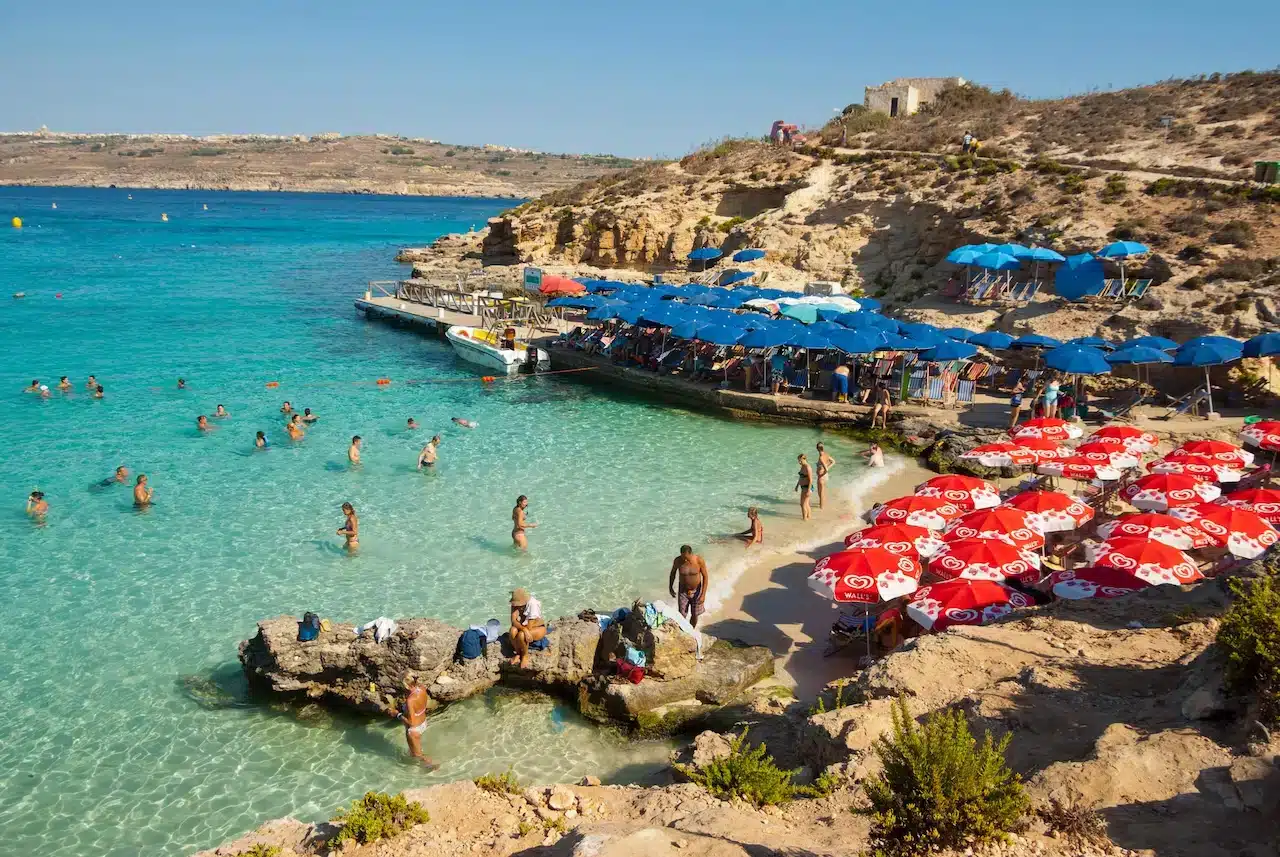
Planning a trip to Malta but unsure where to stay? In this guide, I dive into the best areas in Malta and the nearby gem, Gozo, so you can find the perfect place for your holiday.
I take you through five fantastic areas – from historic cities to relaxed coastal towns.
For each area, I’ll provide not only insights into what you can experience, but also recommendations for excellent hotels. I’ve found accommodation options to suit different budgets and preferences, so there should be something for everyone.
Once you’ve read this guide, you’ll know exactly where in Malta to stay for the best holiday experience.
Let’s get started exploring Malta’s best areas and hotels.
Contents
Best areas in Malta
If you’re in a hurry or just want a quick overview of where to stay in Malta, here it is:
- Valletta – The heart of history and a stronghold of culture 🏛️
- St. Julian’s – The pulse of nightlife and a luxurious coastal holiday 🍸
- Marsaxlokk – Authentic fishing village with culinary experiences 🐟
- Sliema – Shopping joy and an oasis of modern city life 🛍️
- Gozo – Idyllic island paradise with beautiful beaches 🏖️
Click the name of the area to see the best hotels there.
The guide to where to stay in Malta continues below, where I dive into the areas and recommend specific places to stay.
1. Valletta – The heart of history and a stronghold of culture 🏛️
Imagine waking up to the sound of church bells echoing between honey-coloured limestone buildings.
You open the shutters and are met by a panorama over the Grand Harbour, where fishing boats dance on the waves in the morning light.
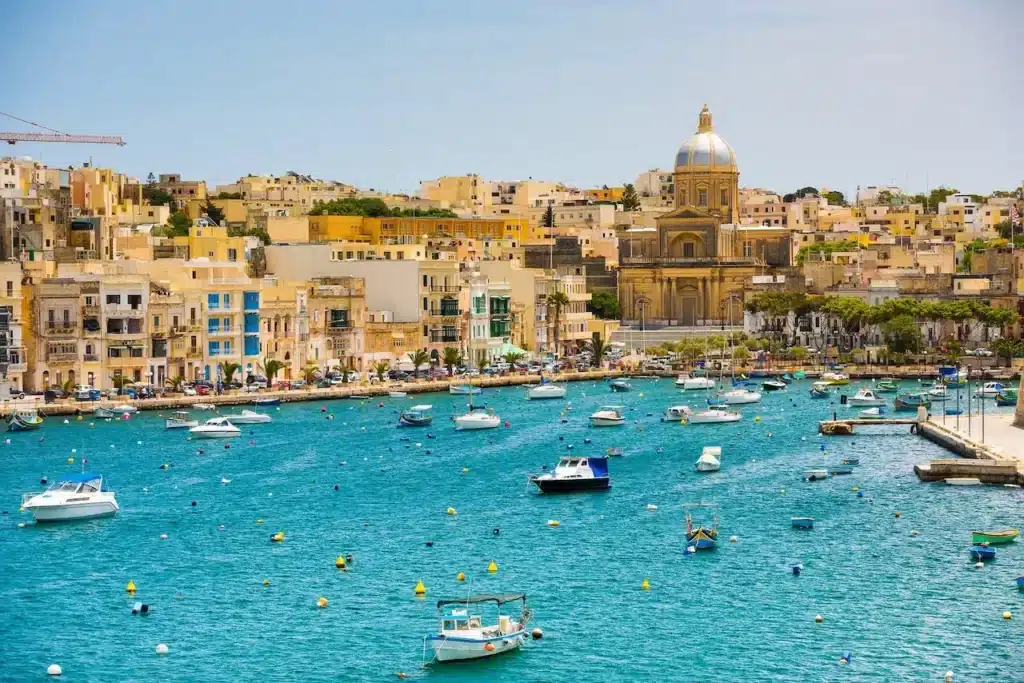
This is Valletta, Malta’s jewel and a living museum telling stories of knights, sieges and triumphs.
See the best hotels in Valletta here.
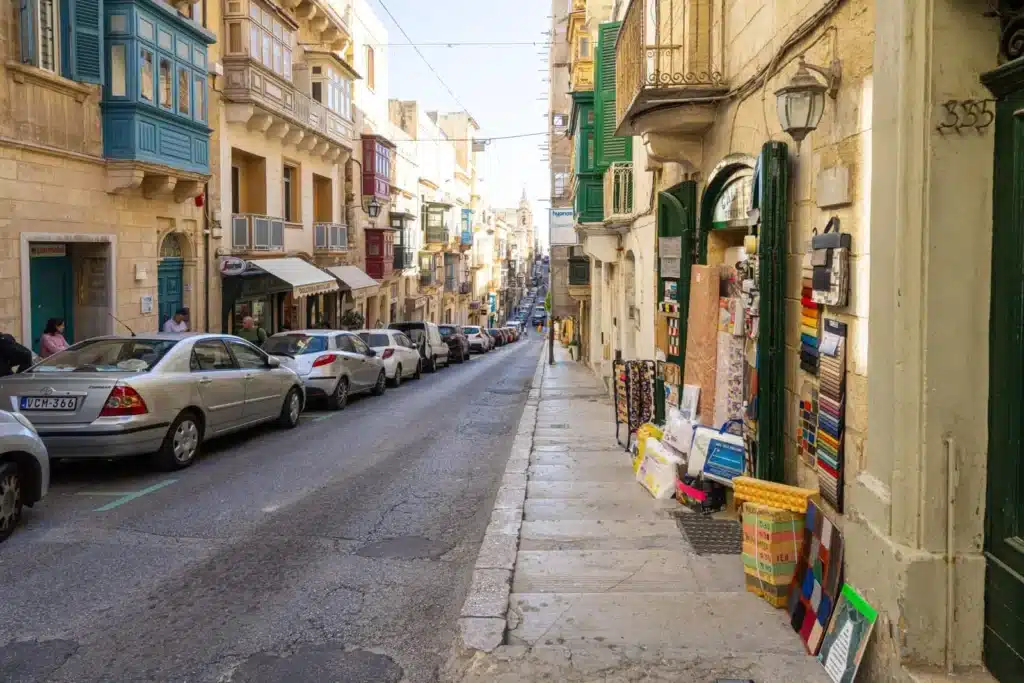
The city’s streets are like a labyrinth of culture, where every turn reveals new wonders. Republic Street pulses with life, while the narrow side streets hide secret cafés and art galleries.
Here you can enjoy an espresso in the shade of grand baroque palaces or be seduced by the smell of freshly baked ftira, Malta’s answer to focaccia.
But Valletta is not only the past. Modern architect Renzo Piano’s vision has given the city new breath with the impressive parliament building and city gate that beautifully unite the old with the new.
In the evening, Upper Barrakka Gardens transforms into a magical viewpoint, where the sunset over the harbour makes time stand still.
Recommended hotels:
- Luxury: The Phoenicia Malta
- Mid-range: La Falconeria Hotel
- Budget: Ursulino Valletta
2. St. Julian’s – The pulse of nightlife and a luxurious coastal holiday 🍸
When the sun sinks into the sea, St. Julian’s wakes up.
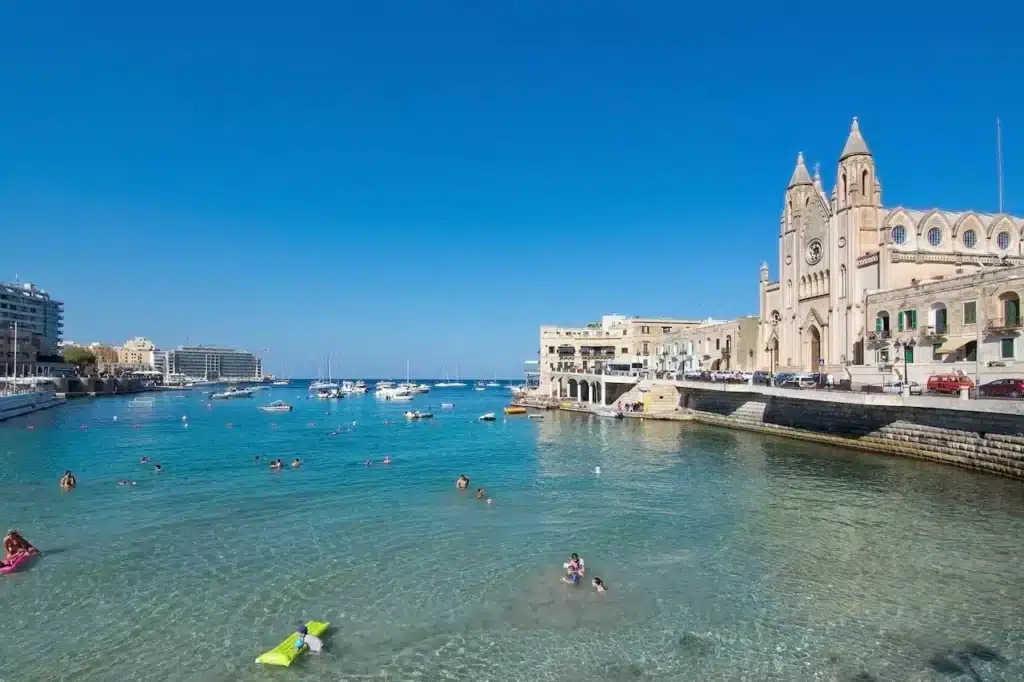
This cosmopolitan coastal town is Malta’s answer to the Riviera, where the glittering Mediterranean meets a skyline of modern hotels and historic fishermen’s houses in perfect harmony.
- Note: if you’re travelling to Malta with children, I don’t recommend staying here, as it really is a paradise for nightlife lovers.
Spinola Bay, the heart of St. Julian’s, looks like something out of a postcard.
Colourful luzzus – the traditional Maltese fishing boats – sway gently in the harbour, while trendy restaurants lined up along the promenade tempt with the day’s catch and fine wines.
See the best hotels in St. Julian’s here.
Here you can enjoy a plate of freshly caught lampuki, while the sunset paints the sky in pink and gold.
For nightlife lovers, Paceville is the absolute epicentre. Clubs and bars buzz with energy late into the night, where international DJs keep the dance floors vibrating.
But St. Julian’s also has a softer side. In the quiet morning hours, you can enjoy a gelato by Balluta Bay or take a refreshing dip at the rocky beaches.
Recommended hotels:
- Luxury: The Westin Dragonara Resort
- Mid-range: Hotel Juliani
- Budget: be.HOTEL
3. Marsaxlokk – Authentic fishing village with culinary experiences 🐟
In Malta’s southeastern corner lies Marsaxlokk like a timeless gem. This charming fishing village is the essence of Maltese tradition and maritime heritage.
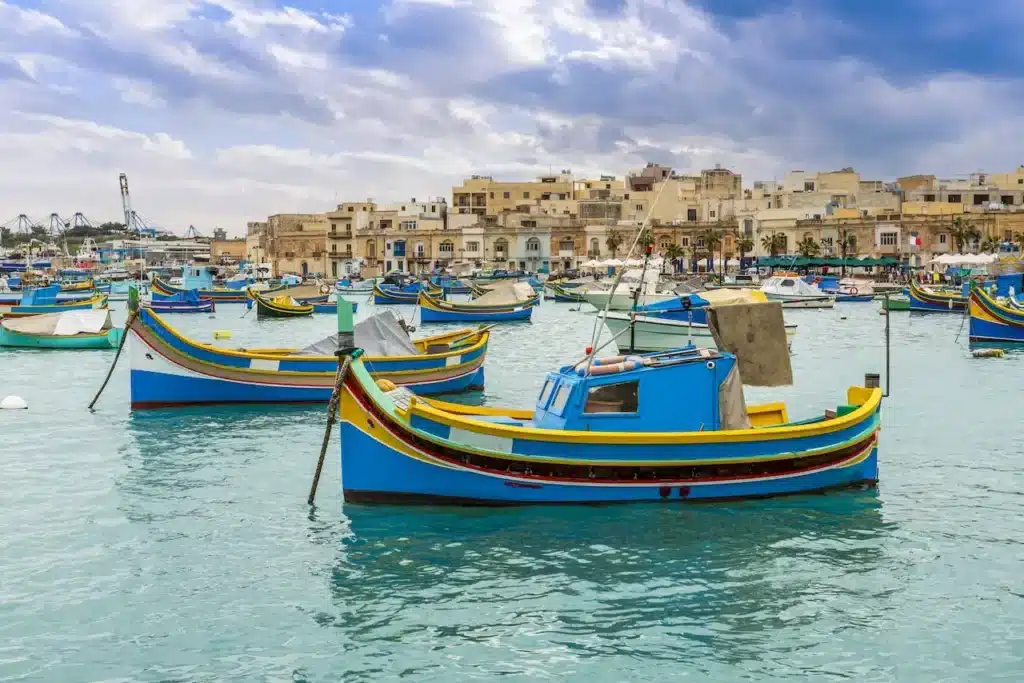
Here, life follows the rhythm of the sea and the fishermen’s daily routines.
The Sunday market in Marsaxlokk is a sensory experience like no other. The smell of freshly caught fish blends with the aroma of local herbs and spices.
Colourful stalls overflow with crafts, while fishermen offer the day’s catch straight from their luzzus.
See the best hotels in Marsaxlokk here.
For a truly local experience, find one of the small family-run restaurants along the waterfront. Here, some of the island’s best seafood dishes are served.
Try the speciality aljotta, a spicy fish soup that warms the soul, while you enjoy the view over the busy harbour.
Recommended hotels:
- Luxury: South Wind Guesthouse
- Mid-range: Port View Guesthouse
- Budget: Duncan Guesthouse
4. Sliema – Shopping joy and an oasis of modern city life 🛍️
Sliema, whose name means “peace” in Maltese, is anything but sleepy.
This sophisticated coastal town has grown from a quiet fishing hamlet into Malta’s shopping and leisure paradise, without losing its unique charm.
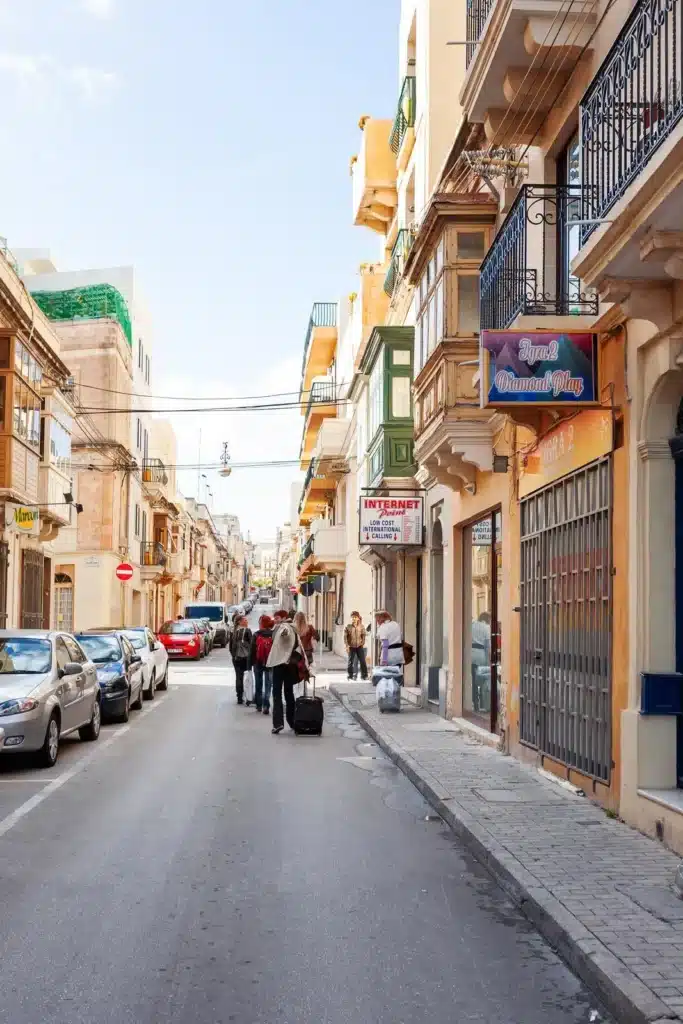
Sliema is also very close to the capital Valletta.
The Strand, Sliema’s famous harbour promenade, buzzes with life all day. In the morning, locals jog along the coast while the scent of coffee spreads from the many cafés.
See the best hotels in Sliema here.
As the day progresses, the pavements fill with a cosmopolitan mix of shoppers exploring everything from local boutiques to international brands.
But Sliema is more than just shops. Look towards the sea, and you’ll discover one of the city’s real gems – the view over Valletta.
From Tigné Point you can enjoy a panorama of the capital’s majestic silhouette, especially enchanting when the evening sun makes the honey-coloured walls glow.
Recommended hotels:
- Luxury: AX The Palace
- Mid-range: AX The Victoria Hotel
- Budget: Two Pillows Boutique Hostel
5. Gozo – Idyllic island paradise with beautiful beaches 🏖️
I’m aware that we’re talking about the best areas in Malta, but Malta is a country – and there are several islands, where Gozo is the largest and truly a bit of a paradise.
So of course I had to include Gozo in this guide.
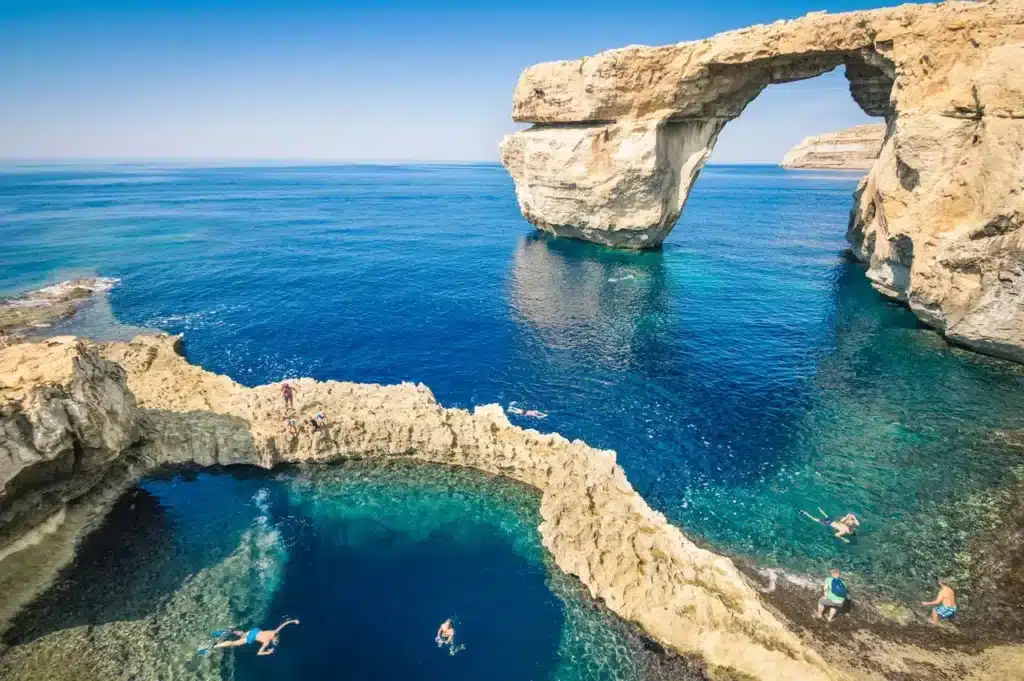
Setting foot on Gozo is like stepping into another world. Malta’s little sister is a pastoral dream, where time seems to move slower and nature rules supreme.
Victoria, the island’s capital known locally as Rabat, is Gozo’s beating heart.
See the best hotels on Gozo here.
Gozo’s real magic lies in its landscape. Ramla Bay, with its characteristic red sand, may well be Malta’s most beautiful beach.
Here you can swim in crystal-clear waters and imagine that you’re the first explorer on the island.
For the ultimate Gozo experience, you can find a traditional farmhouse to stay in.
Here, surrounded by stone walls and olive groves, you can wake to the sound of roosters and enjoy homemade jam for breakfast while you plan the day’s slow adventures.
Recommended hotels:
- Luxury: Kempinski Hotel San Lawrenz
- Mid-range: The Duke Boutique Hotel
- Budget: Quaint Hotel Nadur
Where not to stay in Malta? Areas to avoid
Here are a few areas you might want to avoid and why:
Paceville (St. Julian’s)
Paceville is Malta’s party centre with many nightclubs and bars. It’s lively but also very noisy and crowded, which can be disturbing if you prefer a more relaxed atmosphere.
Just mentioning the area again here, as it’s not the best place to stay in Malta if, for example, you’re travelling as a family with children.
Marsa
Marsa is an industrial area without much to offer tourists. It lacks scenic views and cultural attractions, making it less appealing as a place to stay.
Qawra
Qawra, which lies next to Bugibba, is heavily built-up and can feel monotonous and overcrowded. The area lacks the traditional Maltese charm.
Gzira
Gzira is close to Sliema but marked by heavy construction and traffic, which can make the stay less comfortable and relaxing.
Certain parts of Valletta
Although Valletta is a fantastic city to visit, some areas can be noisy and impractical due to steep hills and lots of tourists. Upper Barrakka Gardens is a good example of a place that can be overcrowded and loud.
I hope you found this guide to the best areas in Malta helpful and that you’re now ready for your trip to one of the most beautiful places in the Mediterranean.
Once you’ve found your base, my guide to the best things to do in Malta covers what to see in Malta, on Gozo and on Comino, from Valletta and Mdina to the Blue Lagoon.
If you have any questions about Malta, feel free to leave a comment below.
Frequently asked questions
When is the best time to visit Malta?
The best time to visit Malta is spring (April–June) and autumn (September–October). During these periods the weather is mild and pleasant, and you avoid the big crowds that fill the island in summer. Summer (July–August) is hot and sunny, ideal for beach holidays, but can be crowded, especially in popular areas.
Is Malta a family-friendly destination?
Yes, Malta is generally very family-friendly. The island has many shallow beaches perfect for families, as well as a range of attractions for children, such as the Malta National Aquarium, Popeye Village, and several water parks.
How do you get around in Malta?
There is a well-developed bus network that covers most of the island, making it possible to reach most tourist attractions. If you prefer flexibility, you can also hire a car, but be aware that traffic and narrow roads can make driving a challenge. Taxis and rideshare services are also available, and there are ferry connections between Malta, Gozo and Comino.
Travel ressources & websites I use all the time 👇
• Booking.com has the best offers on hotels and unique places to stay
• GetYourGuide is the best place to book tours & activities with free cancellation
• Welcome Pickups is the best & safest place to pre-book airport transfers
Psst 👀 Have you subscribed to my Youtube channel and my Instagram where I provide more useful travel tips?