

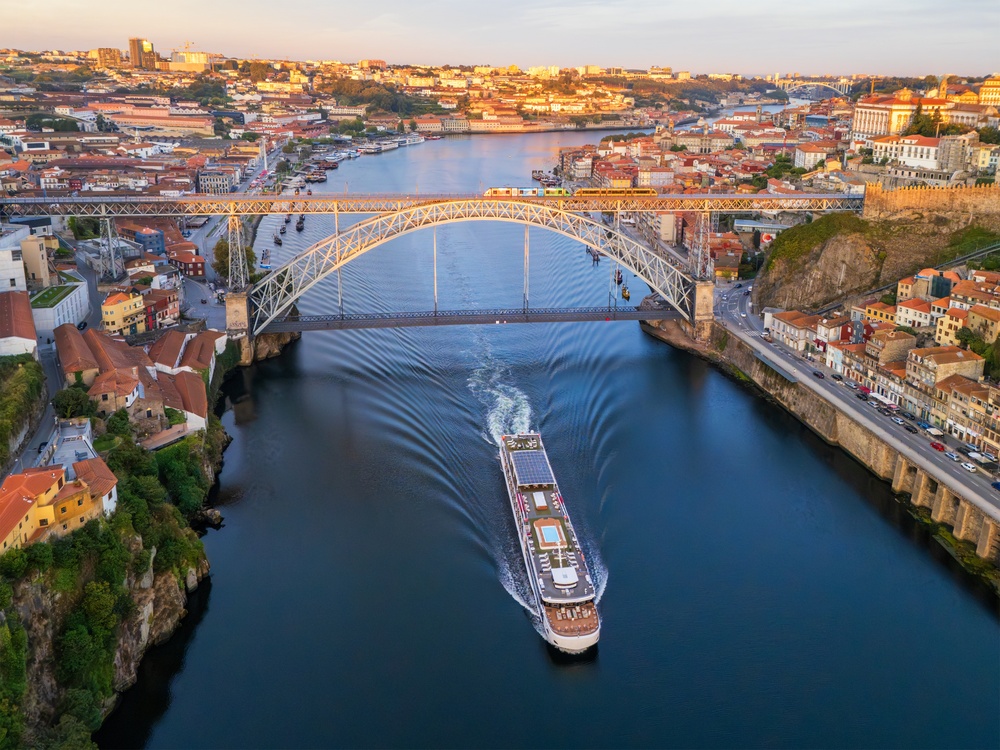
Porto sits on the steep banks of the River Douro in northern Portugal, and the city is smaller and more relaxed than Lisbon. From the quays in Ribeira, you look across to the port wine cellars in Vila Nova de Gaia, and the big iron Dom Luís I Bridge links the two sides. The Old Town, with its tiled churches, narrow streets and countless steps, is on UNESCO’s World Heritage List, and most of it is within walking distance.
Here are my picks for the 17 best things to see and do in Porto, with prices, opening hours and tips on what to book before you go. Prices are in euros, and 1 euro is roughly £0.84. The city is very hilly, so wear good shoes, and remember that Mercado do Bolhão is closed on Sundays. The last two sections are about day trips to the Douro Valley and to Guimarães and Braga.
Contents
1. Ribeira and Cais da Ribeira
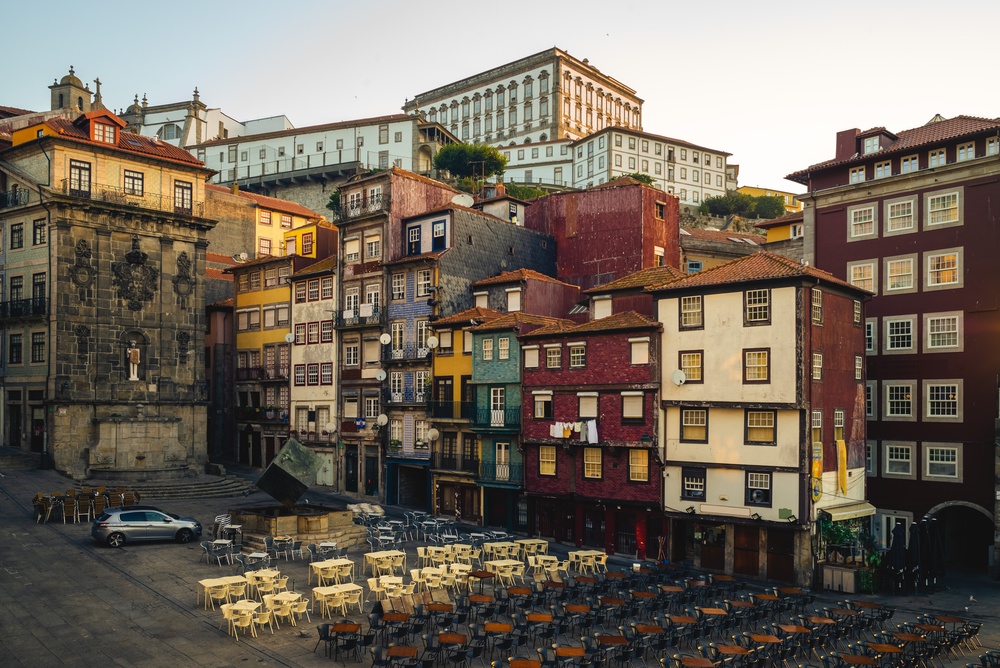
Ribeira is the old district down by the river and probably the most photographed place in Porto. The narrow, colourful houses stand close together along the Cais da Ribeira quay, and behind them the alleys climb up the hillside towards the cathedral. The district is part of the UNESCO World Heritage Site Historic Centre of Oporto, which also includes the Dom Luís I Bridge and the Serra do Pilar monastery on the other side of the river.
It doesn’t cost anything to wander around here, and that’s exactly the point. Walk along Cais da Ribeira to the square, Praça da Ribeira, and turn into the streets behind the quay, where you’ll find small places to eat and bars. The restaurants right by the water are expensive and often mediocre, so I think you should walk a street or two further in to eat. In the evening, you can hear fado, the melancholy Portuguese song, on small stages in the district.
My tip is to come early in the morning, before the day-trippers and the queues for the boats fill the quay, or late in the evening, when the houses on the Gaia side light up. Ribeira is also the first area in my guide to where to stay in Porto, and you can see hotels in Ribeira here.
Book a fado concert with port wine close to Ribeira.
2. Dom Luís I Bridge
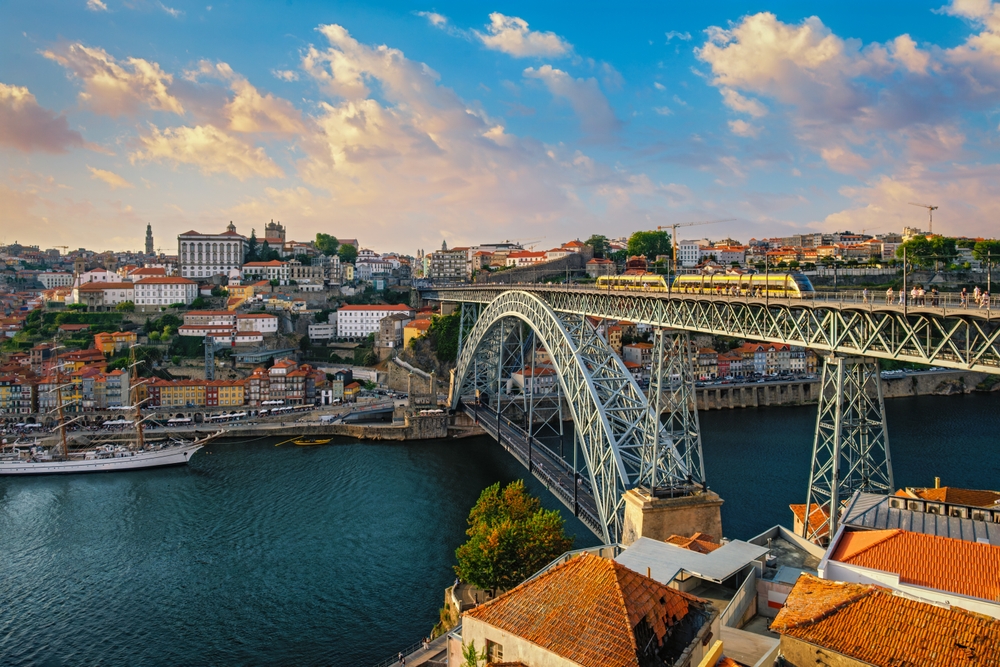
The Dom Luís I Bridge is Porto’s landmark. It was designed by the engineer Théophile Seyrig, who had worked with Gustave Eiffel, and it opened on 31 October 1886. The bridge is 395 metres long and has two iron decks, one above the other.
Metro line D runs on the upper deck, and there’s a pavement next to the tracks, so you can cross on foot. The view down over Ribeira, the river and the rooftops of the Old Town is one of the best in the city, and it’s free. The lower deck links the quay in Ribeira directly with Cais de Gaia, and it’s the easiest way over to the port wine cellars.
On the Gaia side, you’ll find the Jardim do Morro park and, just above it, the Serra do Pilar monastery with its round church. From here, you can see all of Porto on the other side of the river, and at sunset lots of people sit on the grass. My tip is to walk across the upper deck towards Gaia late in the afternoon, watch the sunset from Jardim do Morro and then walk down to the quay. The way down is steep, but you can also take the Teleférico de Gaia cable car down to the river. Stick to the pavement on the bridge, because the metro passes close by.
3. Port Wine Cellars in Vila Nova de Gaia
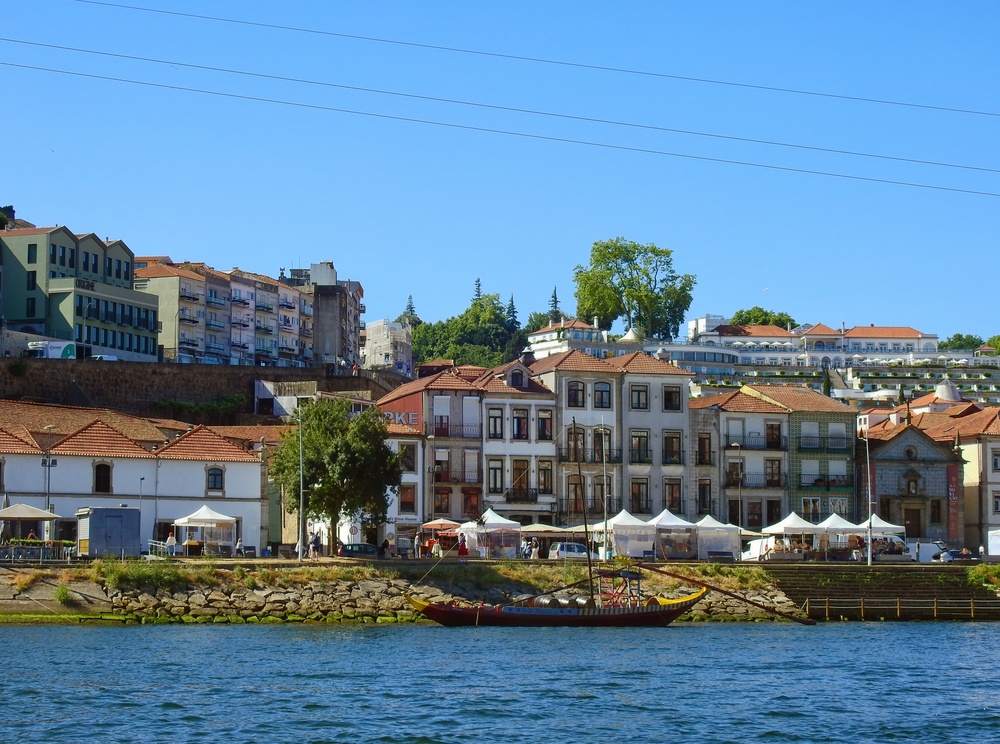
Port wine is produced in the Douro Valley, but for several hundred years the wine has been shipped down the river and stored in the cellars in Vila Nova de Gaia, right opposite Porto. The old port houses stand side by side here, and most of them have their names painted in big letters on the roof. You can visit many of them on a tour with a tasting, including Taylor’s, Graham’s, Sandeman, Cálem and Cockburn’s.
A tour usually takes an hour or a little more. You see the big oak barrels, hear how port wine is made and finish by tasting two or three different types. The price depends on the house and on how fine the wines you taste are, and it’s typically around €20 to €40 (about £17 to £34). It’s a good idea to book in advance, especially at weekends and in summer, because the popular times sell out.
Taylor’s and Graham’s are a little way up the hill with great views over the river, while Sandeman and Cálem are right by the quay. My tip is to do one thorough tour and then carry on tasting in one of the houses’ bars without a tour. Cais de Gaia is also in my guide to the areas of Porto, and if you’d like to stay on this side of the river with a view of the city, you can see hotels in Vila Nova de Gaia here.
Book a ticket for Taylor’s port wine cellar with a tasting.
4. Six Bridges Cruise
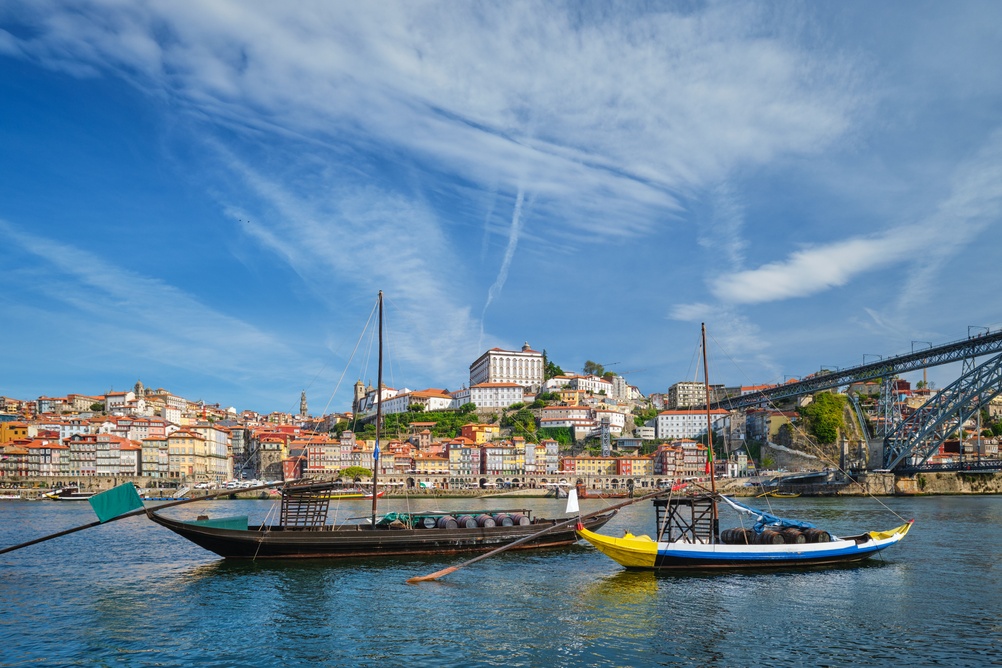
From the quays in both Ribeira and Gaia, boats head out on the classic cruises under Porto’s six bridges. Many of them are built like the old rabelo boats that used to carry the port wine barrels down the river from the Douro Valley. The cruise goes up the river under the Dom Luís I Bridge, the Infante Bridge and the old Maria Pia railway bridge, which Eiffel’s company built, and then turns back towards the Arrábida Bridge closer to the sea.
A standard cruise lasts about 50 minutes and costs around €15 to €20 (about £13 to £17). There are departures all day, and you can buy a ticket at the boats on the quay, but the queues are long in summer. Smaller boats with fewer passengers and a glass of port wine on board cost more, and some of them also sail at sunset.
I think the cruise is a good way to see the city from the water, but don’t expect a long guided commentary on the big boats. My tip is to choose a cruise late in the afternoon, when the light falls on the houses in Ribeira, and to sit on the side of the boat that faces Porto on the way back.
Book a cruise under the bridges with port wine and a sunset option.
5. Livraria Lello
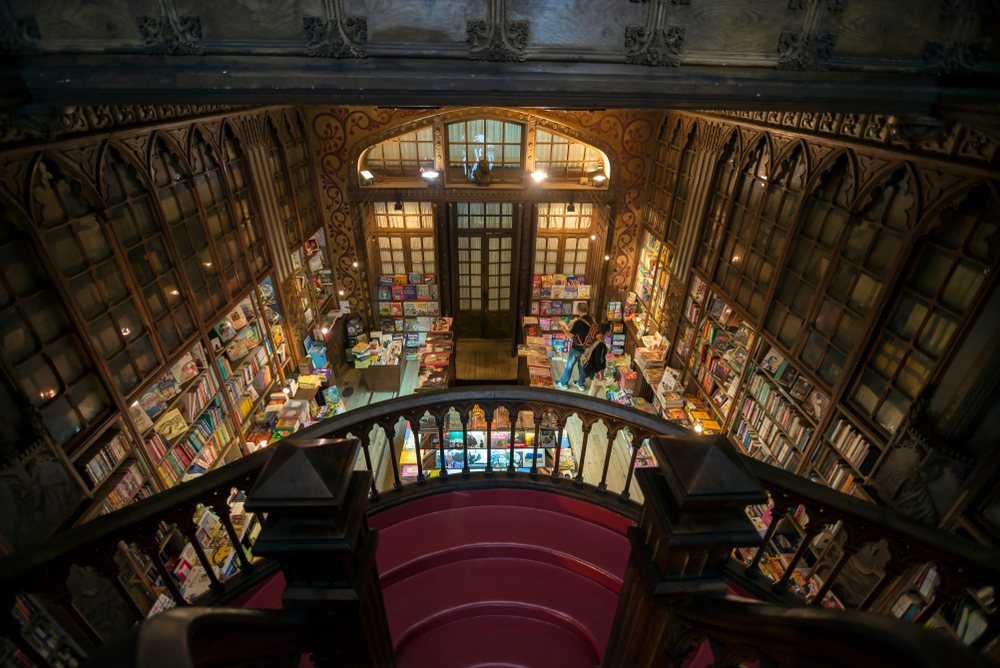
Livraria Lello on Rua das Carmelitas is one of the most famous bookshops in the world. The shop moved into its current building in 1906, and inside there are carved wooden panels, a stained-glass ceiling and the winding red staircase that everyone wants to photograph. Many people link the place with Harry Potter, because J.K. Rowling lived in Porto for a while, but she’s said herself that she’s never been inside the shop.
You need a ticket to get in, and the ticket works as a voucher, so its value is deducted if you buy a book. The standard ticket costs around €10 (about £8), and children up to and including three go free. The shop is open every day of the week from 9am to 7.30pm, but it’s closed on 1 January, Easter Sunday, 1 May, 24 June and 25 December. The ticket is valid for up to 60 minutes after the time you’ve booked, and if you buy it in the queue, you can only pay by card.
I’ll be honest. The shop is small, it’s packed with people, and the visit itself rarely takes more than a quarter of an hour. My tip is to book the first slot in the morning and find a book you’d like to have anyway, so the ticket isn’t wasted. The churches Igreja do Carmo and Igreja dos Carmelitas are a few steps away, and Carmo has a large tiled facade facing the street.
Book a walking tour with Livraria Lello, a river cruise and the cable car.
6. Torre dos Clérigos
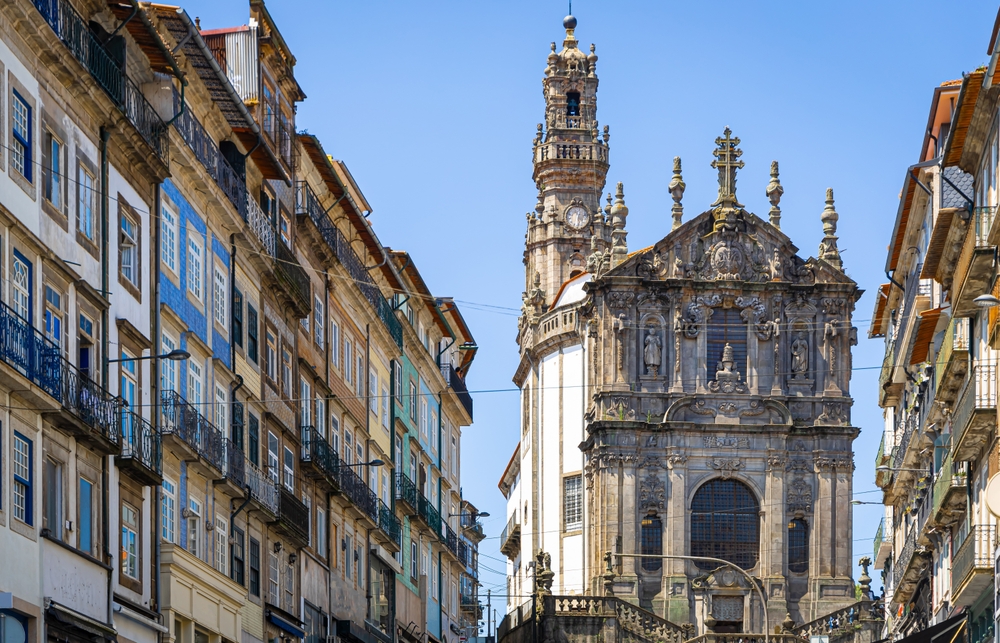
Torre dos Clérigos is the tall baroque bell tower that you can see from almost everywhere in Porto. The church was designed by the Italian architect Nicolau Nasoni, and according to Clérigos’ own website, the tower has dominated the city’s skyline since 1763. It’s about 75 metres high, and you climb 225 steps up a narrow spiral staircase to the top, where you can see out over the whole city and the river.
The day ticket costs €10 (about £8) and gives access to both the tower and the museum. Students pay €7 (about £6), and children up to the age of 10 go free. It’s open every day from 9am to 7pm, with last entry half an hour before closing, and around Christmas and New Year the opening hours are shorter on certain days. At Easter, in summer and over Christmas, it’s also open in the evening from 7pm to 11pm, and the tower then costs €5 (about £4). With the Porto Card, you get half price on the day ticket.
The staircase is narrow, and in the middle of the day there can be queues both up and down. My tip is to come right after opening or to do the late visit if it’s open in the evening while you’re in the city. The tower is a couple of minutes’ walk from Livraria Lello, so the two go well together.
Book a ticket for Torre dos Clérigos.
7. São Bento Station
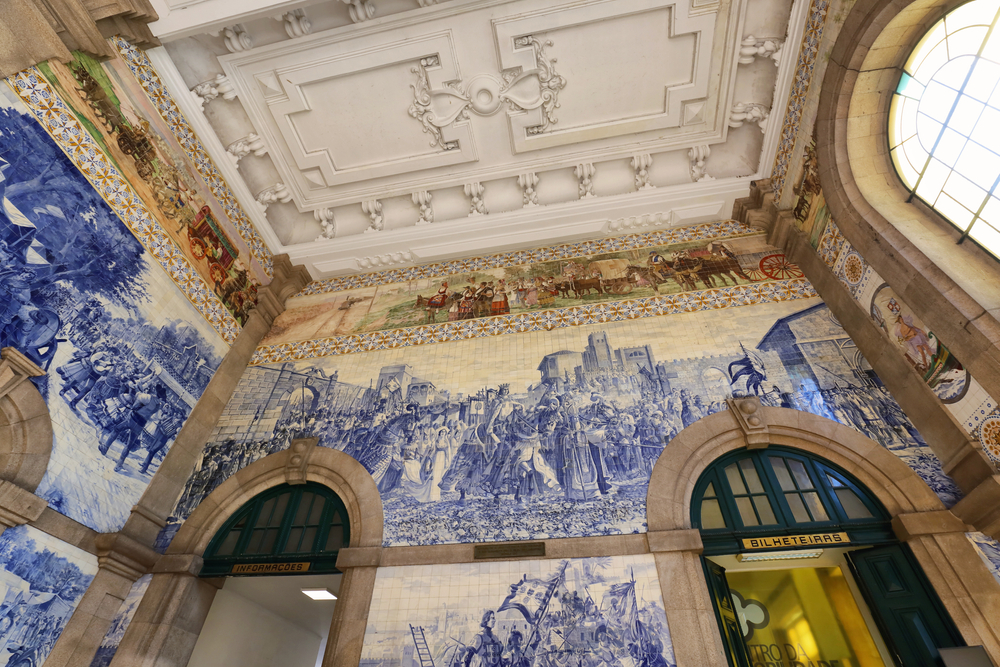
São Bento railway station is in the middle of Baixa and is probably the most beautiful train station you’ll ever see. In the large entrance hall, the walls are covered with around 22,000 blue and white tiles, azulejos, by the artist Jorge Colaço. They show important moments in Portugal’s history, including King João I and Queen Philippa of Lancaster and the conquest of Ceuta. The first train pulled into the station in 1896, but it wasn’t officially inaugurated until 5 October 1916.
Entry is free, and you just walk in from the square, Praça de Almeida Garrett. The station is still in use, and from here the regional trains run to places such as the Douro Valley, Guimarães and Braga, so you’ll probably pass through again if you go on a day trip. São Bento metro station on line D is right next door.
My tip is to stand in the middle of the hall and look up, because the top row of coloured tiles is often overlooked. Come early or late in the day, when there are fewer tour groups. Baixa, around São Bento and Avenida dos Aliados, is a good place to stay, with a short distance to most of the city, and you can see hotels in Baixa here.
8. Palácio da Bolsa
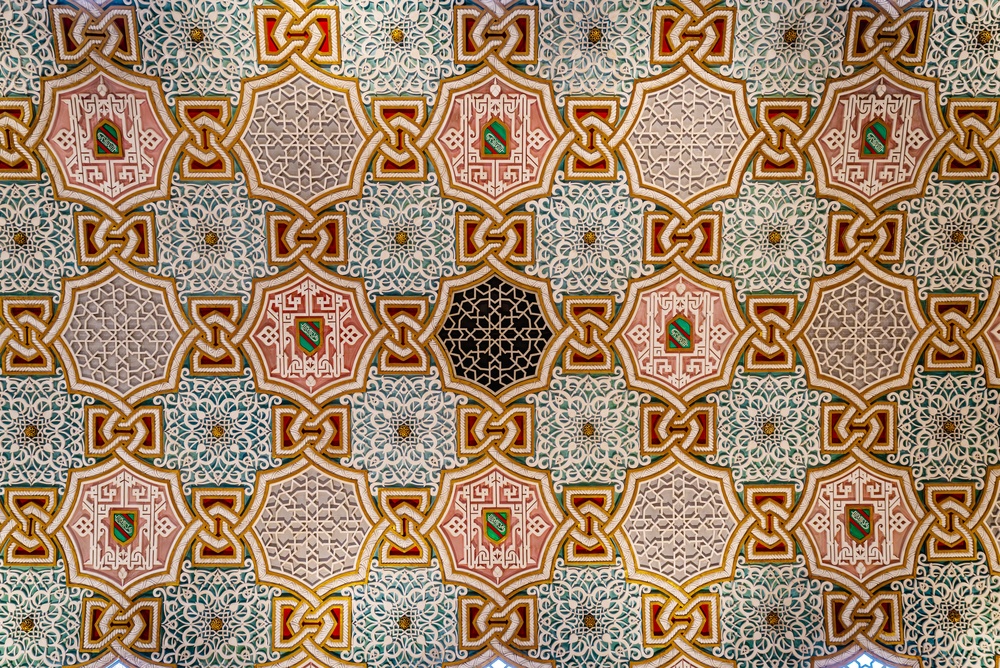
Palácio da Bolsa is Porto’s old stock exchange building, and it stands on the square Praça do Infante D. Henrique in the lower part of the Old Town. It was built by the city’s commercial association in the 19th century, and the chamber of commerce is still based in the building. From the outside, it looks fairly plain, but inside it’s one of the most impressive places in the city.
The first stop is Pátio das Nações, the large hall with the glass dome, which is surrounded by 20 coats of arms. The tour ends in Salão Árabe, the Arab Room, which is inspired by the Alhambra in Granada and was built from 1862 to 1880. The room is still Porto’s most important hall for official events and is also used for concerts.
You can only see the building on a compulsory 30-minute guided tour. It costs €14 (about £12), students and seniors pay €9.50 (about £8), and children up to the age of 12 get in free with an adult. The tours run from 9am to 6.30pm in several languages, and the tours in English fill up quickly. My tip is to buy a ticket for a specific tour when you arrive in the morning and spend the waiting time in Igreja de São Francisco right next door.
9. Igreja de São Francisco
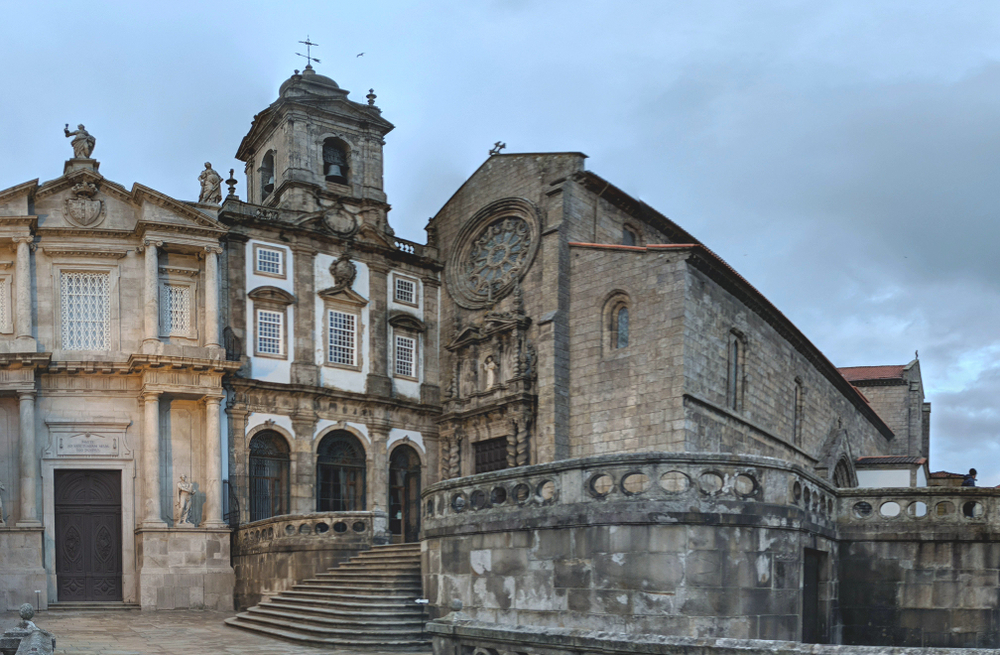
From the outside, Igreja de São Francisco looks like a fairly ordinary Gothic church, but inside almost every single surface is covered in gilded woodcarving. It’s Porto’s most lavish church interior, and according to the city’s tourist office, the Polish count Raczyński called it the church of gold. Look out in particular for the Tree of Jesse, a carved family tree of Jesus’ ancestors.
A ticket costs €9 (about £8) for adults and €6.50 (about £5) for students, and the visit also includes the catacombs, where members of the order were buried. The church is open every day from 9am to 8pm from March to October and from 9am to 6pm from November to February, but the times can change, so check them before you go.
You aren’t allowed to take photos inside the church itself, so here you’ll just have to look. My tip is to combine the visit with Palácio da Bolsa, which is right next door, and do both in the morning before you walk down to Ribeira. Together, the two places take a couple of hours.
10. Sé do Porto
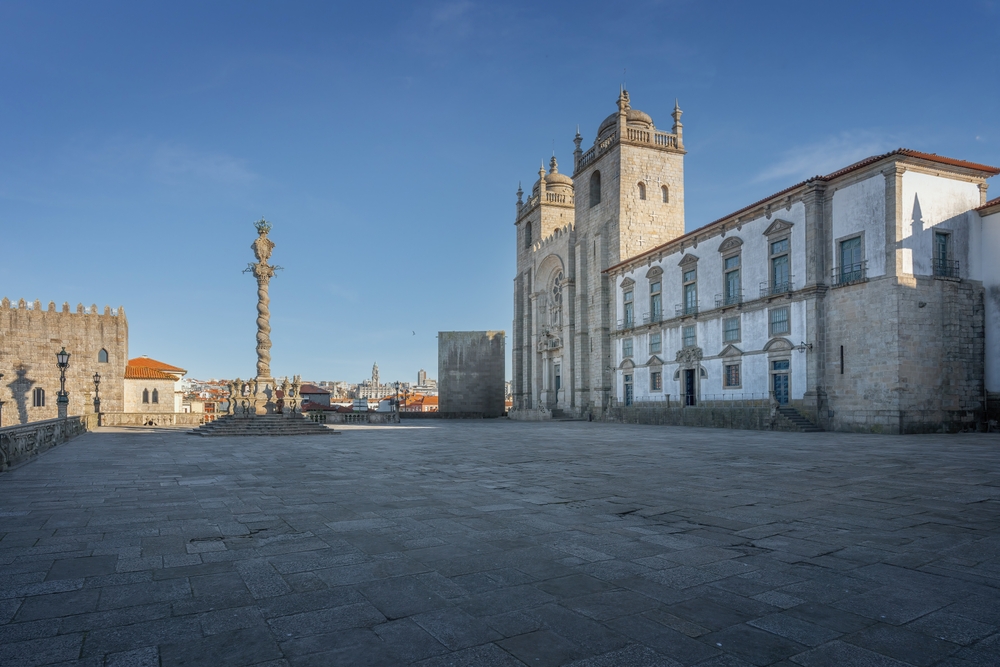
Porto Cathedral, Sé do Porto, stands high on the hill above Ribeira, and with its two square towers it looks more like a fortress than a church. It has a Romanesque core from the 12th and 13th centuries, but it’s been rebuilt many times, so you’ll also see Gothic and baroque. The square in front of the church, Terreiro da Sé, is one of the best viewpoints over the rooftops of the Old Town and across to Gaia.
The church interior itself is fairly simple, but the Gothic cloister with its blue and white tiles is worth paying a little extra for. A ticket for the cloister and the treasury costs around €3 (about £3), and from the upper floors you come out onto a terrace with a view. Opening hours are shorter in winter, and you can’t walk around during Mass.
My tip is to walk up to the cathedral from Ribeira via the steep steps and narrow alleys of the Barredo district, where washing hangs out to dry between the houses. From the cathedral, it’s also a short walk to the upper deck of the Dom Luís I Bridge, so you can easily do the two places one after the other.
11. Mercado do Bolhão
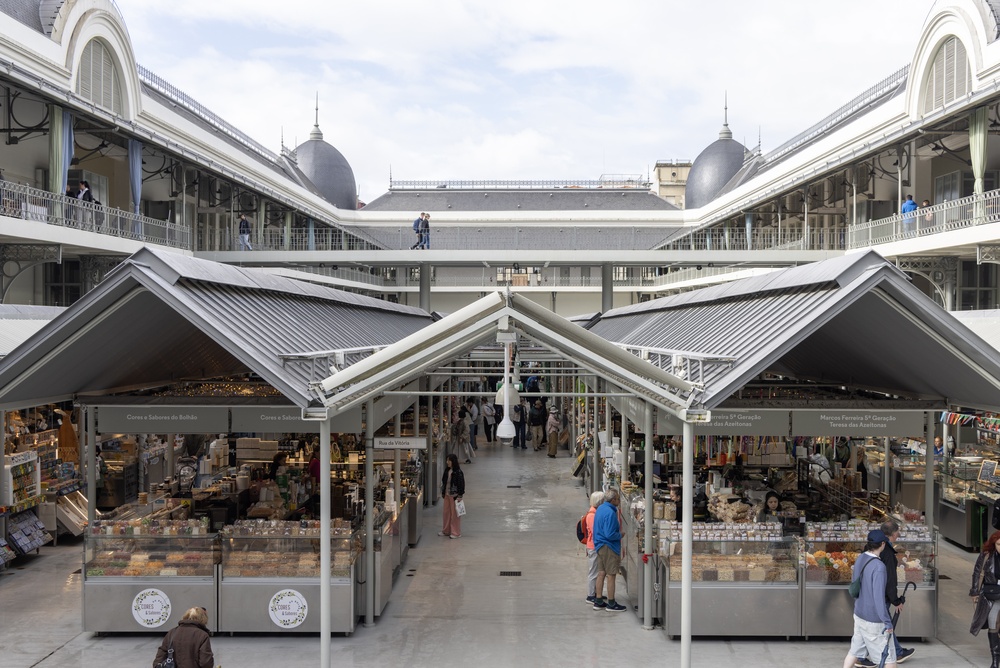
Mercado do Bolhão is Porto’s big covered food market in Baixa. The building is more than 100 years old and listed, and after a long restoration the market reopened in 2022. According to the market’s own website, there are 77 stalls, seven restaurants and 28 shops facing the street.
Here you can buy fruit, vegetables, fish, cheese, sausages, olives and port wine, and several of the stalls sell food and drinks that you can have on the spot. The market is spread over two floors around an open courtyard. It’s open Monday to Saturday and closed on Sundays, so plan around that.
Come in the morning on a weekday, when the stalls are at their fullest and the locals do their shopping. I think it’s a good place for a cheap lunch in the centre. My tip is to try a pastel de nata, Portugal’s famous little custard tart, and if you’d like to learn how to bake them yourself, there are workshops in the city that make a fun activity on a rainy day.
Book a workshop where you learn to bake pastel de nata.
12. Rua de Santa Catarina and Capela das Almas
Rua de Santa Catarina is Porto’s main pedestrian street, and it runs north from the square Praça da Batalha past shops, cafés and the Via Catarina shopping centre. Halfway along the street is the famous Café Majestic from the 1920s, with mirrors, leather and stucco, but expect a queue and high prices. I think it’s fine to pop in for a look, but have your coffee somewhere else if you’re travelling on a budget.
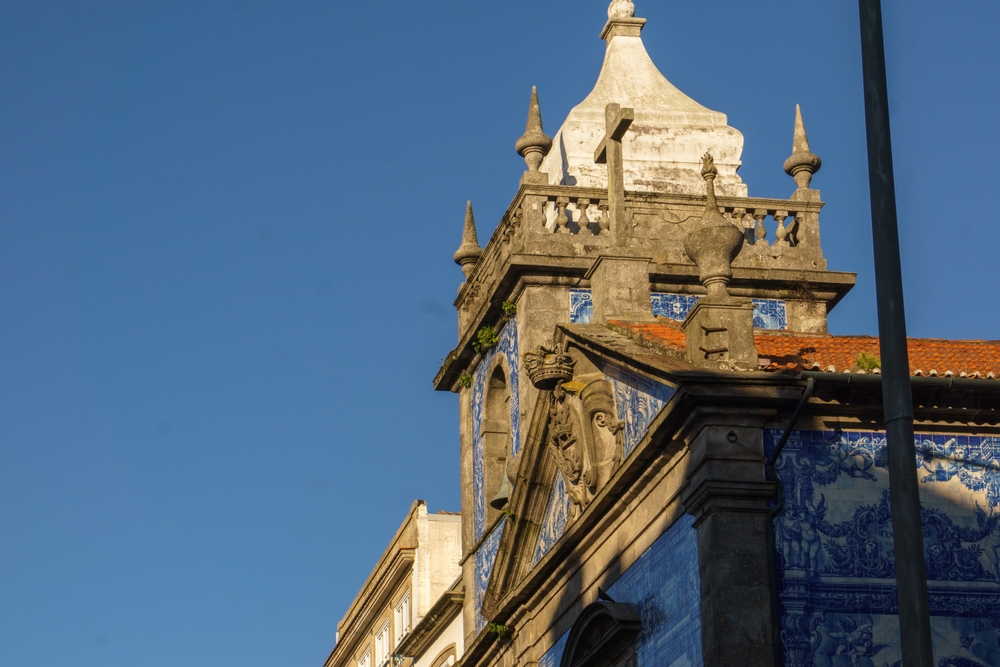
Further up the street, on the corner of Rua de Fernandes Tomás, stands Capela das Almas, a small chapel whose outer walls are completely covered in blue and white tiles. The tilework dates from 1929 and shows scenes from the lives of saints, including Francis of Assisi and Saint Catherine. It’s the facade you come for, and you can see it for free from the street.
My tip is to walk the whole street from Praça da Batalha, where the Igreja de Santo Ildefonso church also has a beautiful tiled facade, and finish at Capela das Almas. Mercado do Bolhão is only a couple of minutes away, so you can easily fit it all into one morning. Try to come on a weekday, because on Saturdays the street is packed with people.
13. Jardins do Palácio de Cristal
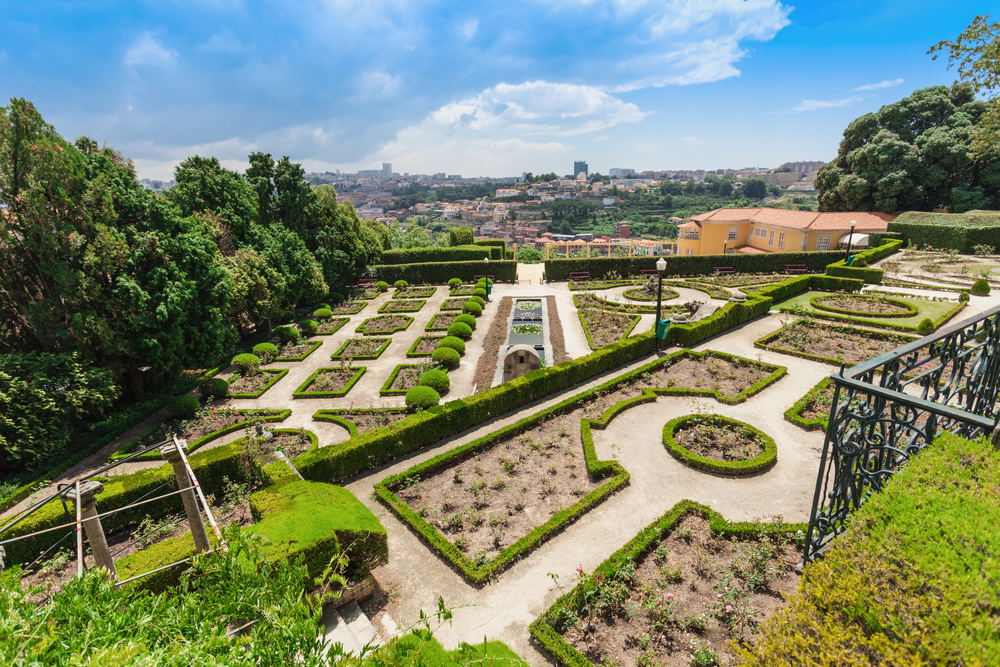
Jardins do Palácio de Cristal is a large park on a hillside west of the Old Town. The name comes from a crystal palace of glass and iron that stood here in the 19th century, but today a domed hall stands in its place. The gardens are the reason to come, with old trees, fountains, small themed gardens and peacocks wandering freely among the visitors.
From the terraces in the southern part of the park, you get one of the best views over the Douro and out towards the Arrábida Bridge and the sea. Entry is free, and the gardens are open from 8am to 9pm from April to September and from 8am to 7pm from October to March. From Torre dos Clérigos, it’s about a 15-minute walk.
My tip is to take a break here in the middle of the day, when it’s hot down in the city, and find a bench in the shade. The gardens are also a good place to go with children, because there’s room to run around. If you’d like to carry on afterwards, you can walk down the hill to the river, where the old tram runs along the water towards Foz.
14. Serralves
Fundação de Serralves in the western part of the city is Porto’s most important place for modern art. The Museum of Contemporary Art is in a white building designed by the Porto architect Álvaro Siza, and in the large park stands the pink art deco villa Casa de Serralves. The park has woodland, lakes, formal gardens, an old farm and a canopy walkway, the Treetop Walk, up among the treetops.
A ticket for everything costs €24 (about £20) and gives access to the museum, the park, the Treetop Walk and Casa de Serralves. If you only want to see the park, it costs €15 (about £13). Young people aged 12 to 17, students and over-65s get half price, and children under 12 get in free. Opening hours change between the summer and winter seasons, so check the Serralves website before you set off.
Bus 201 from Aliados stops at Serralves, and so does bus 207 towards Foz. I think the park alone is worth the trip, even if you’re not into modern art. My tip is to spend half a day here and combine the visit with Foz do Douro, which is a short way further west.
15. Foz do Douro and Tram Line 1
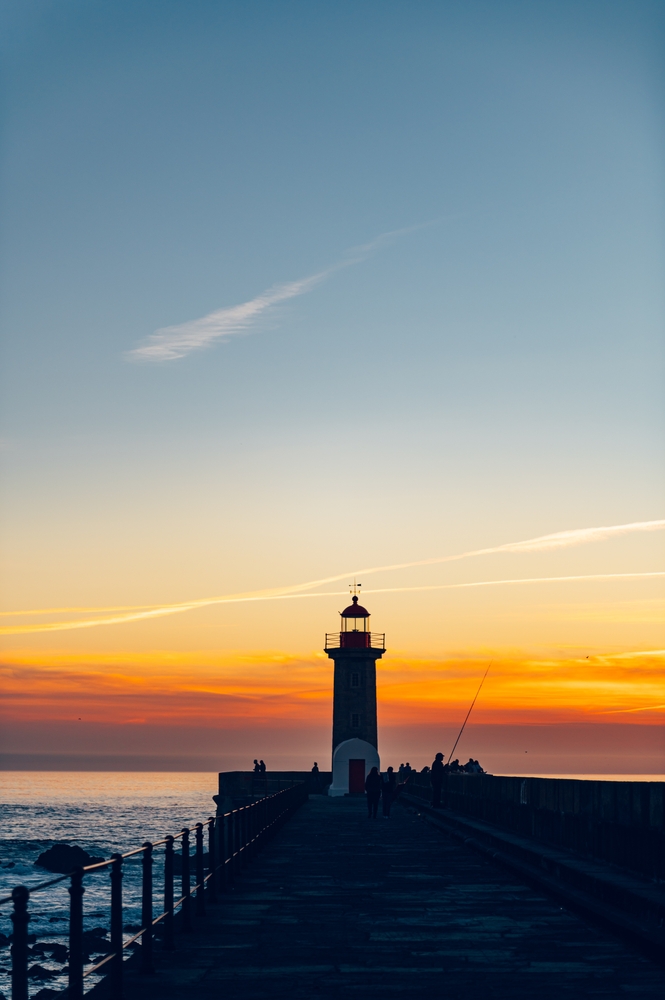
Foz do Douro is the district where the river flows into the Atlantic Ocean, and it’s Porto’s answer to a seaside promenade. Here you walk along the sea past small beaches, cafés and the Farol de Felgueiras lighthouse at the end of the pier, where the waves crash high when the sea is rough. The Jardim do Passeio Alegre garden with its palm trees is a good place to start.
The most fun way to get here is on the old tram, line 1, which runs along the Douro from the Old Town to Passeio Alegre. A single ticket bought on board costs €6 (about £5), and a two-day ticket costs €12 (about £10). Children aged 4 to 12 pay €3.50 (about £3) for a single ticket. The trams run every day, but the timetable changes with the seasons.
There’s often a queue at the first stop in the centre, especially in the middle of the day. My tip is to take the tram out to Foz in the afternoon, walk along the sea and watch the sunset from the pier. You can take one of the ordinary buses back, which are cheaper. Foz is also a quiet place to stay close to the sea, and you can see hotels in Foz do Douro here.
16. Day Trip to the Douro Valley
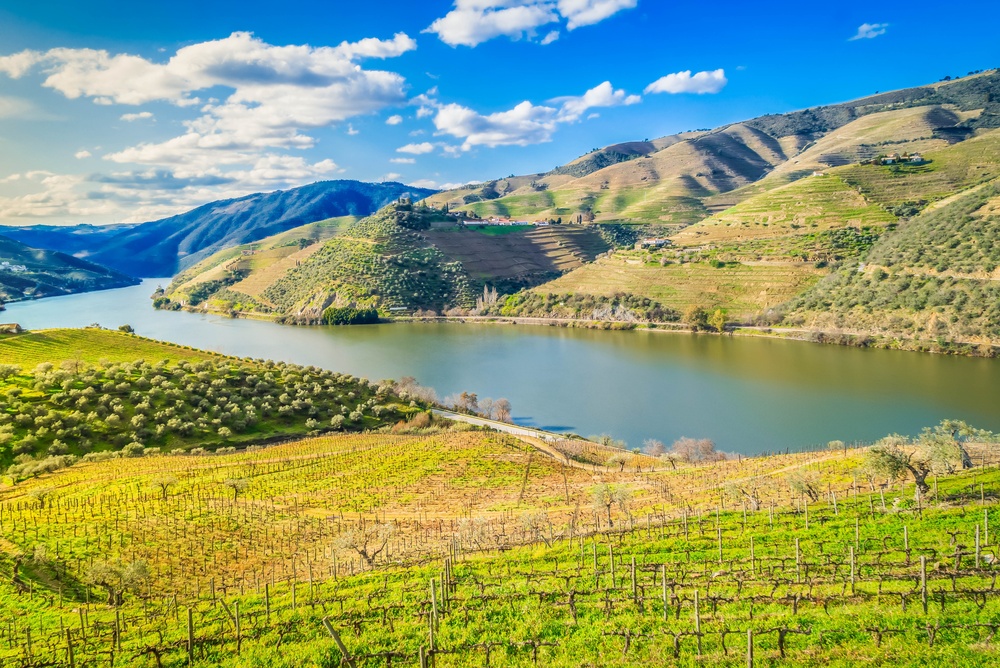
The Douro Valley east of Porto is where port wine comes from, and the landscape with its steep vineyard terraces running down to the river has been on UNESCO’s World Heritage List since 2001 under the name Alto Douro Wine Region. Wine has been grown in the area for around 2,000 years, and many of the port houses in Gaia have their own wine estates, quintas, out here.
You can take the train yourself from São Bento on the Douro line, which follows the river for much of the way. The journey to Peso da Régua takes about two hours, and it’s around half an hour more to Pinhão with its tiled station. Only a few trains run each day, so check CP’s timetable before you set off, and sit on the right-hand side in the direction of travel, so you have the river by the window.
By train, you only see a small part of the valley, and getting around to the wine estates without a car takes planning. An organised day trip with wine tastings at a couple of quintas, lunch and a boat trip on the river is therefore the easiest option for most people, and it takes most of the day. My tip is to go in September or October, during the grape harvest, when the vineyards change colour.
Book a day trip to the Douro Valley with a boat trip, wine tasting and lunch.
17. Day Trip to Guimarães and Braga
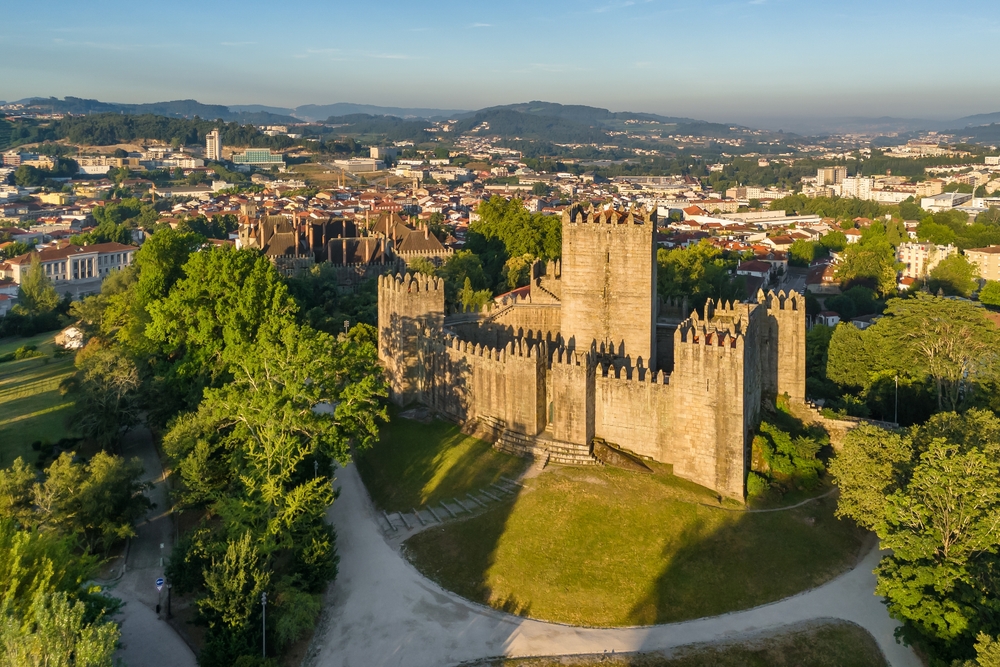
Guimarães and Braga lie north of Porto and can be combined in one day. Guimarães is called the cradle of Portugal, because the country’s first king, Afonso Henriques, was born here according to tradition, and the medieval town centre, together with the old tanners’ quarter, is on UNESCO’s World Heritage List. Here you can see the castle and the Palace of the Dukes of Braganza, Paço dos Duques de Bragança, and wander around the small squares of the Old Town.
Braga is one of Portugal’s oldest cities and an important religious centre with many churches and a large cathedral. Just outside the city lies the pilgrimage site of Bom Jesus do Monte with its baroque Stairway of the Five Senses, which has been a World Heritage Site since 2019. You can walk up the steps or take the old funicular, which is powered by water.
Both cities have direct trains from São Bento, and the journey takes about an hour each way, but it’s hard to fit in both cities and Bom Jesus in one day by public transport. If you only have time for one city, I’d recommend Guimarães. If you’d like to see it all, an organised day trip is the easiest option, and some of the tours also stop at the coastal town of Viana do Castelo.
Book a day trip to Guimarães, Braga and Viana do Castelo from Porto.
Practical Travel Tips for Porto
You can easily explore the Old Town, Ribeira and Baixa on foot, but Porto is a hilly city with lots of steps, so wear good shoes. For longer journeys, you use the metro and buses with the Andante card, which costs €0.60 (about 50p) and can be topped up. A single journey in zone Z2 costs €1.40 (about £1). Andante Tour 1 costs €7.75 (about £6) and is valid for 24 hours, and Andante Tour 3 costs €16.55 (about £14) and is valid for 72 hours.
From the airport, metro line E, the purple line, runs directly to the centre, and the journey takes about half an hour. You need a ticket for zone Z4, which costs €2.30 (about £2).
Plan your days around the days of the week and the public holidays. Mercado do Bolhão is closed on Sundays, and Livraria Lello is closed on a number of public holidays, including 24 June, when the city celebrates its big São João festival the night before. You should book Livraria Lello, Palácio da Bolsa and the popular port wine cellars in advance. Spring and autumn are the best times to visit Porto, because in summer it’s packed with tourists, and in winter it rains a lot.
If you’d like to see the full range, you can see all hotels in Porto on Booking.com. If you’re carrying on to Lisbon, the train takes around three hours, and you can read my picks of the best things to do in Lisbon and my guide to where to stay in Lisbon.
Travel ressources & websites I use all the time 👇
• Booking.com has the best offers on hotels and unique places to stay
• GetYourGuide is the best place to book tours & activities with free cancellation
• Welcome Pickups is the best & safest place to pre-book airport transfers
Psst 👀 Have you subscribed to my Youtube channel and my Instagram where I provide more useful travel tips?