

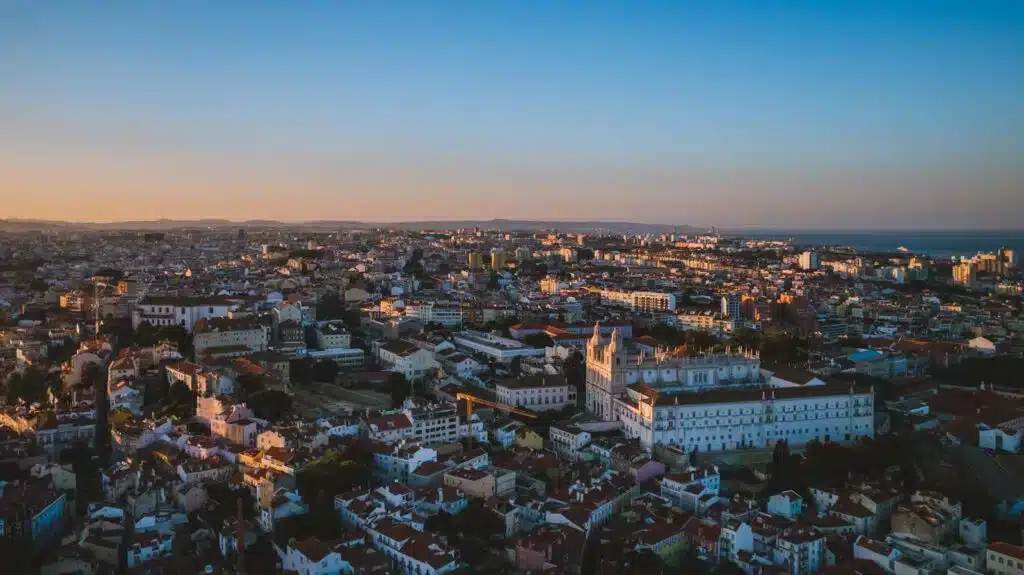
Lisbon is built on hills sloping down to the River Tagus, and that’s what makes it such a rewarding city to wander through. Walk up a steep street in Alfama, turn a corner and suddenly you’re at a viewpoint with the whole city below you. Trams, tiled façades and light over the river follow you everywhere.
Here are my picks for the 20 best things to see and do in Lisbon, with prices, opening hours and tips for avoiding the longest queues. Prices are in euros. Several well-known sights have been closed for renovation, and some still are; I’ve included the details under each attraction.
Contents
1. Castelo de São Jorge
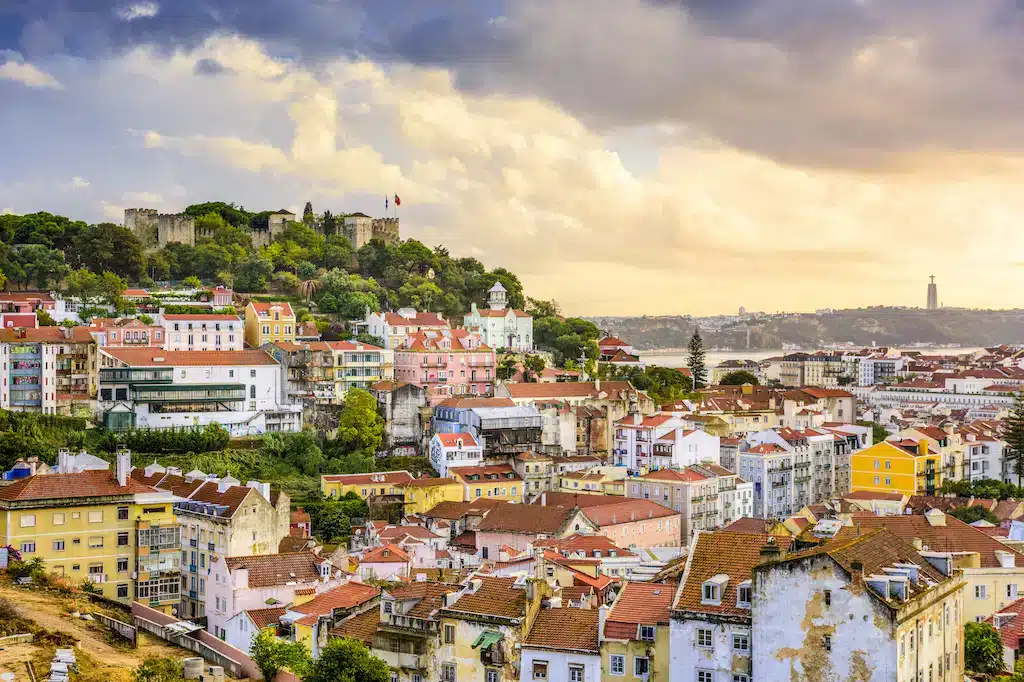
The castle on one of the city’s highest hills is the best place to start because it gives you a sense of Lisbon’s layout. From the walls, you look down over Baixa, the river and the bridge. You can walk along the ramparts and between the towers at your own pace.
Entry costs €17 for adults, with free admission for children under 12. The castle opens daily from 9am to 9pm between March and October, and from 9am to 6pm for the rest of the year. The castle’s website says the small museum within the grounds is temporarily closed.
It’s a steep walk up, so take bus 737 to the gate or tram 28 to Miradouro de Santa Luzia and walk the final five minutes. Arrive at opening time or late in the afternoon for shorter queues and better light.
Book a guided skip-the-line ticket for Castelo de São Jorge.
2. Alfama and Sé Cathedral
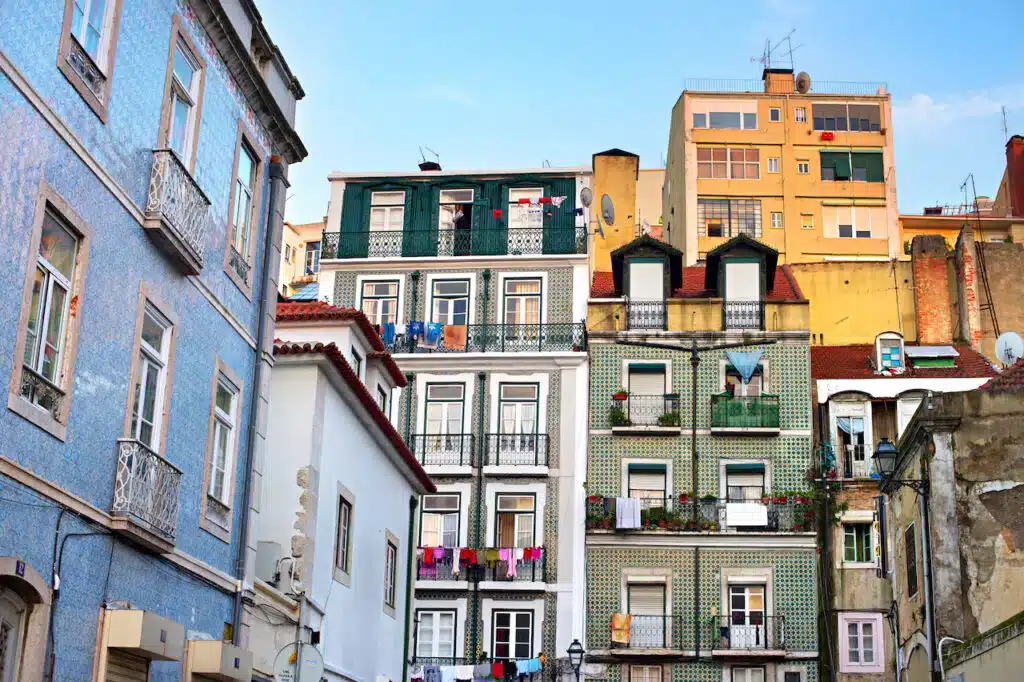
Alfama is Lisbon’s oldest neighbourhood, and the place where wandering without a plan pays off. The lanes are so narrow that laundry hangs across them, and steps lead up and down between little squares, cafés and fado houses.
On the edge of the neighbourhood stands Sé de Lisboa Cathedral. The €7 ticket includes the choir, the balcony between the two towers and the treasury. The cathedral welcomes tourists from Monday to Saturday and is closed to visitors on Sundays.
Tram 28 stops right outside the cathedral. To avoid tackling the hills on foot, you can book a private tuk-tuk tour through Alfama, with commentary from the driver.
Alfama is also an atmospheric place to stay, provided you’re comfortable with steps and cobblestones. See hotels in Alfama here, or read my guide to where to stay in Lisbon to compare neighbourhoods.
3. Tram 28
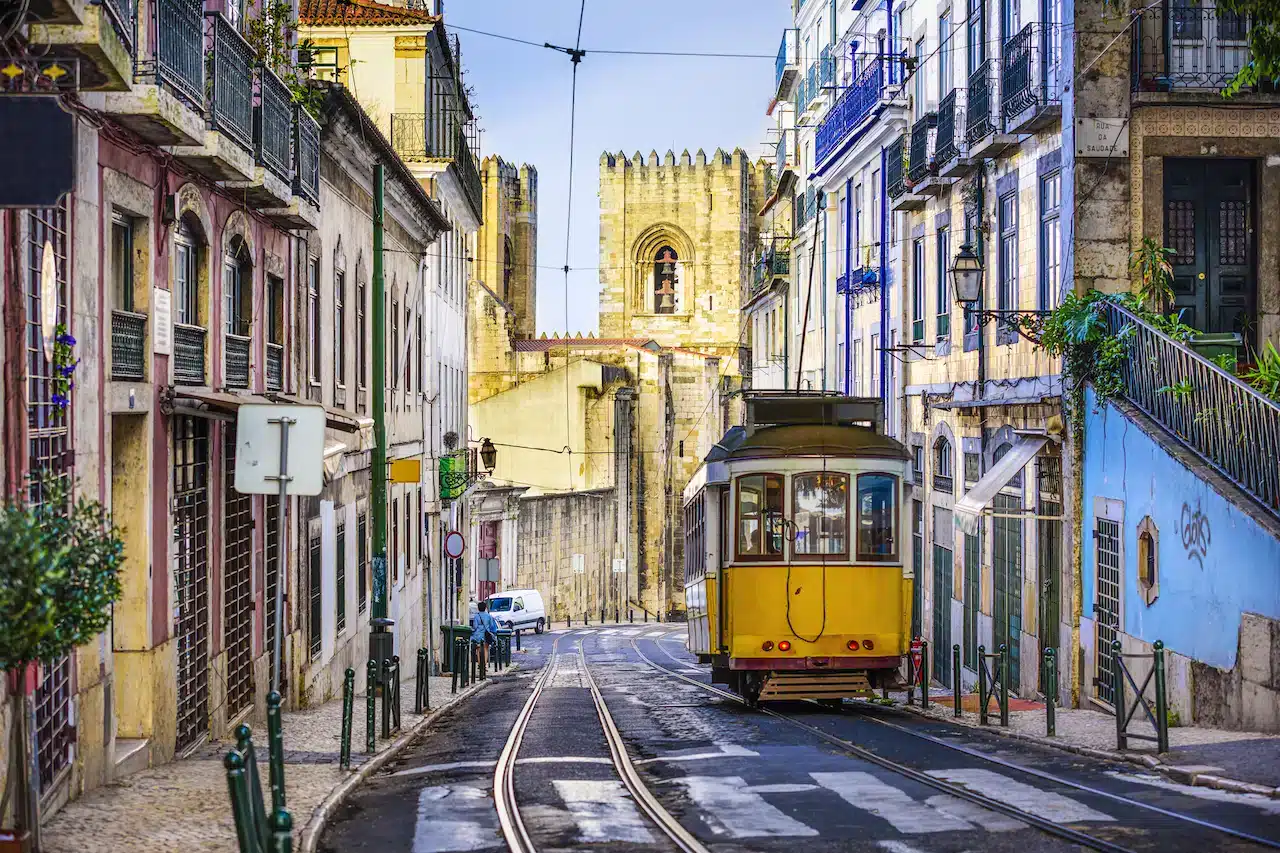
The yellow number 28 tram is both public transport and one of Lisbon’s best-known experiences. Its route runs from Martim Moniz through Graça, Alfama, the cathedral and Chiado to Campo de Ourique, taking you through several historic neighbourhoods in one ride.
A ticket bought from the driver costs €3.30. It’s cheaper to use a rechargeable Navegante card, which brings the fare down to €1.90, or a €7.25 24-hour ticket covering trams, buses and the metro.
The tram is often packed in the middle of the day. Board at the Campo de Ourique terminus or travel early in the morning for a better chance of a seat. Keep a close eye on your bag and phone: the UK Foreign Office advises travellers to take care on public transport and at crowded bus and tram stops in Portugal, and notes that thieves often work in teams.
4. Miradouro de Santa Luzia and Miradouro da Senhora do Monte
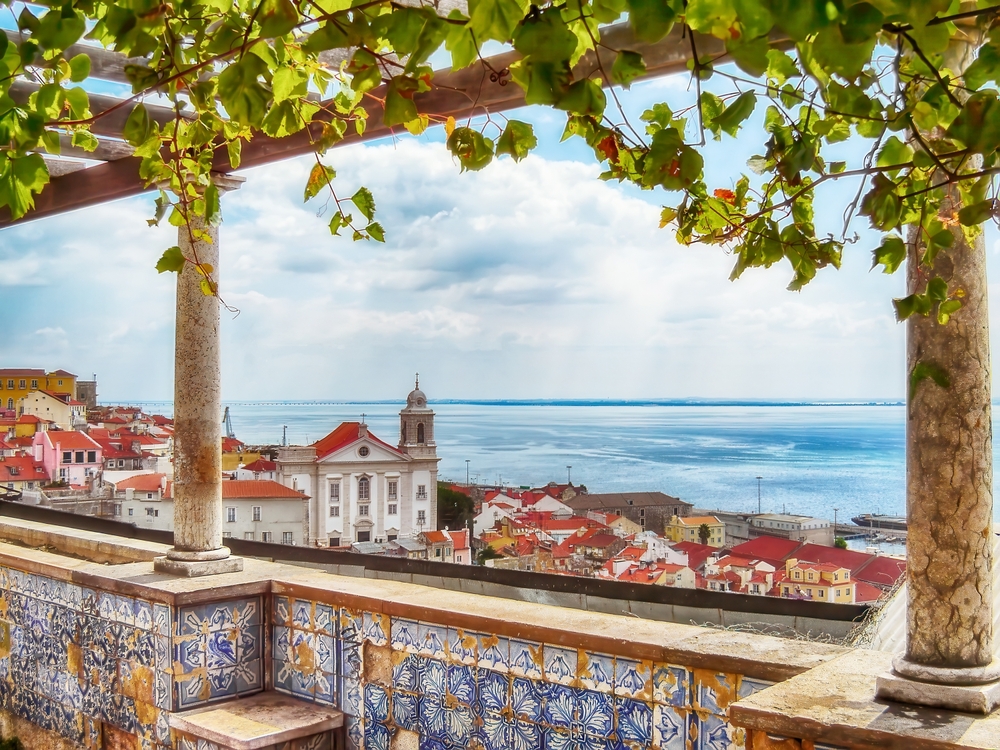
Lisbon’s viewpoints are called miradouros, and they’re free. Miradouro de Santa Luzia is in Alfama beside tram 28: a small terrace with blue-and-white tiles and views over the roofs towards the river. A tiled panel shows Praça do Comércio as it looked before the 1755 earthquake.
Miradouro da Senhora do Monte is higher up in Graça, beside a small chapel founded in 1147. You can see the castle, the centre and the bridge. It’s my pick for the best sunset spot in the city.
Take tram 28 to Graça and walk the final stretch uphill. You can also use the new Funicular da Graça from Mouraria, which is running again after a closure.
5. Museu do Fado and an Evening of Fado
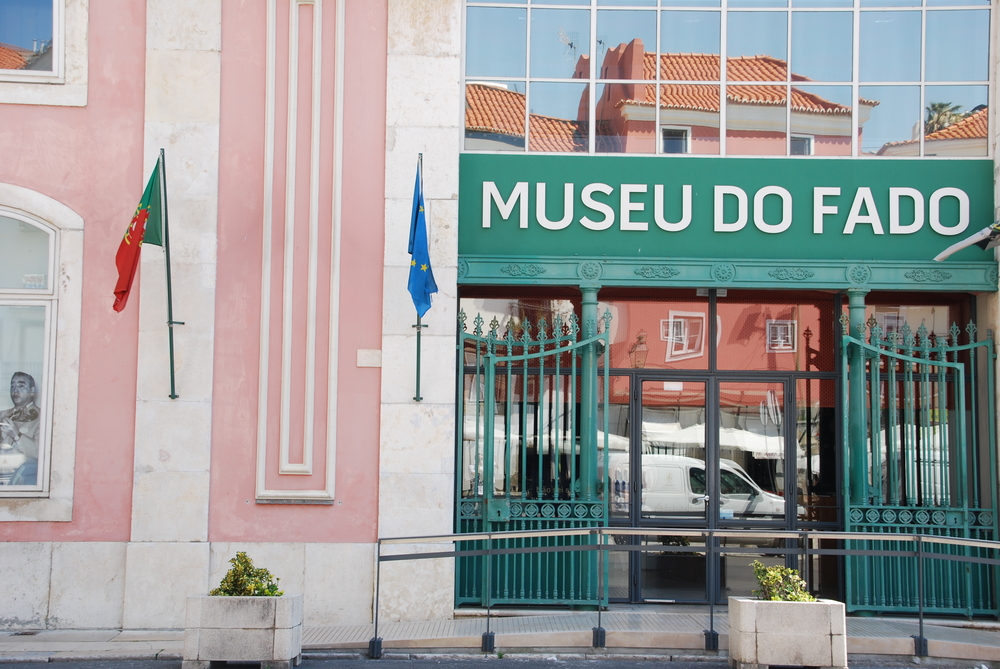
Fado is Lisbon’s own music, and you should hear it at least once. At Museu do Fado in Alfama, recordings, instruments and posters tell the story of this melancholy singing tradition. Audio guides are available in several languages.
Entry costs €5, and the museum opens Tuesday to Sunday from 10am to 6pm. It’s on Largo do Chafariz de Dentro, close to Santa Apolónia railway station.
In the evenings, fado is performed in restaurants in both Alfama and Bairro Alto. Many require you to order a full dinner, which can get expensive. A cheaper alternative is to book a fado show with a glass of wine.
6. Panteão Nacional and Feira da Ladra Flea Market

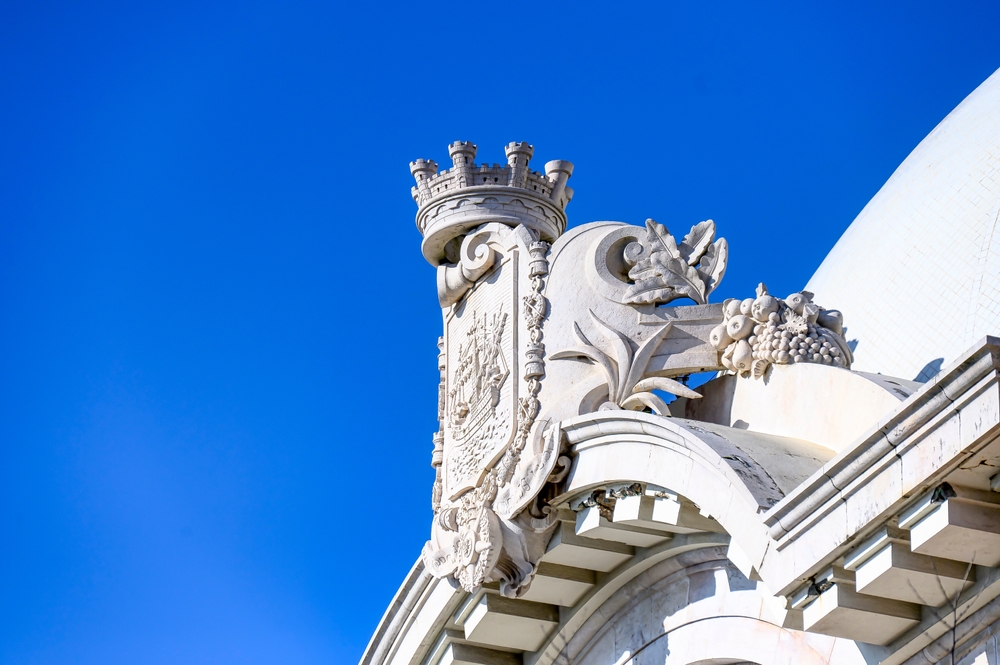
Panteão Nacional’s white dome is visible from much of the city. Some of Portugal’s best-known figures are buried inside. From the terrace beneath the dome, you can look out across Alfama and the river.
Entry costs €10, with free admission for children under 12. It opens Tuesday to Sunday from 10am to 6pm in summer, closing at 5pm from October to March. It’s closed on Mondays.
Outside, on Campo de Santa Clara, Feira da Ladra flea market takes place every Tuesday and Saturday. Its roots stretch back to the 13th century, and you’ll find everything from old tiles and vinyl records to outright junk. Come in the morning and take the metro to Santa Apolónia.
7. Praça do Comércio and Arco da Rua Augusta
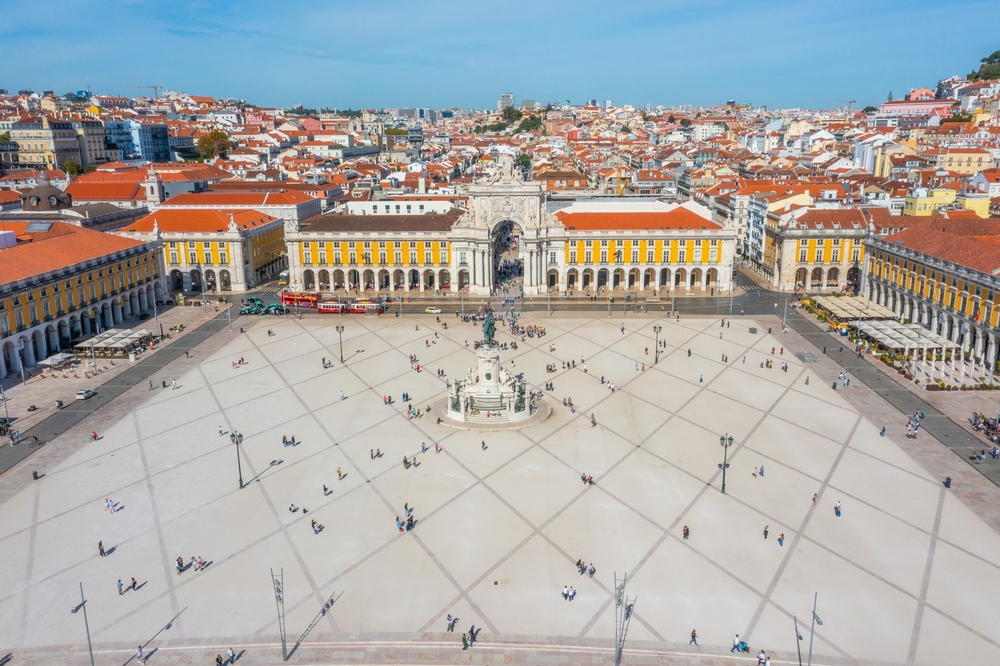
Praça do Comércio is the city’s grand riverside square, surrounded by yellow arcades on three sides. Ships docked here in colonial times. Today, it’s a natural starting point for a walk through Baixa.
At its northern end stands Arco da Rua Augusta. You can reach the top for €5 between 10am and 7pm. A lift covers most of the climb, followed by 74 steps. The views down over the square and along the pedestrian street are worth the money.
Buy a ticket for Arco da Rua Augusta here. Afterwards, walk along Rua Augusta to Rossio square, the heart of lower Lisbon.
8. Convento do Carmo and Elevador de Santa Justa
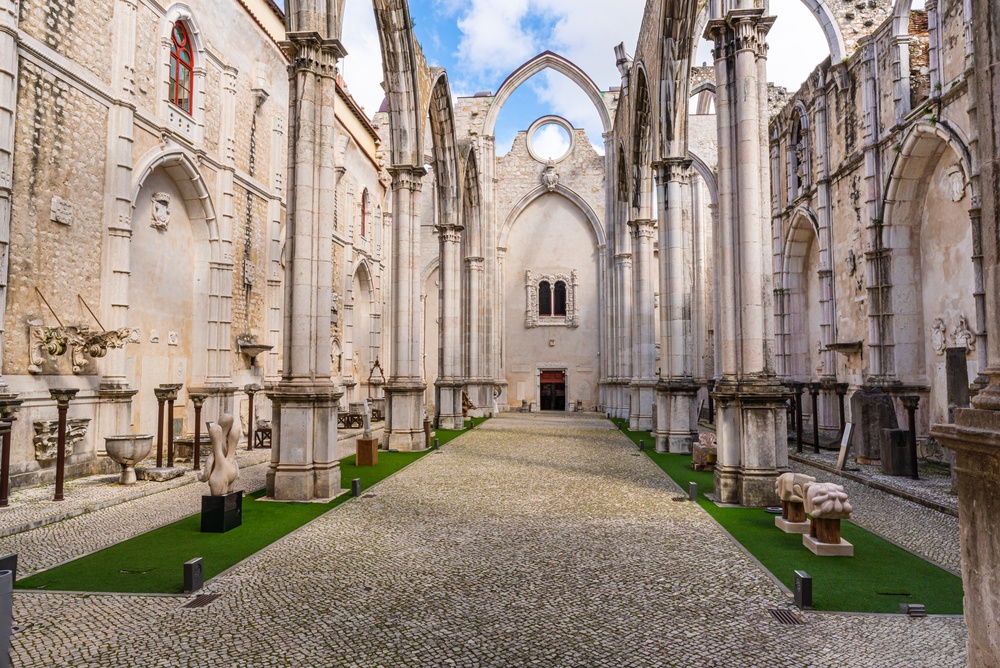
Convento do Carmo is a roofless convent church. It collapsed in the 1755 earthquake and was never rebuilt, leaving its Gothic arches open to the sky. The surviving section houses a small archaeological museum.
Entry costs €7. It opens Monday to Saturday from 10am to 6pm, extending to 7pm from May to October, and closes on Sundays. The nearest metro station is Baixa-Chiado.
Next door is the old iron lift, Elevador de Santa Justa, linking Baixa with Carmo. Both the lift and its viewing platform have been closed since September 2025, with no reopening date announced. You can still see the structure from the street below; it’s a good photo stop.
9. Bairro Alto and Chiado
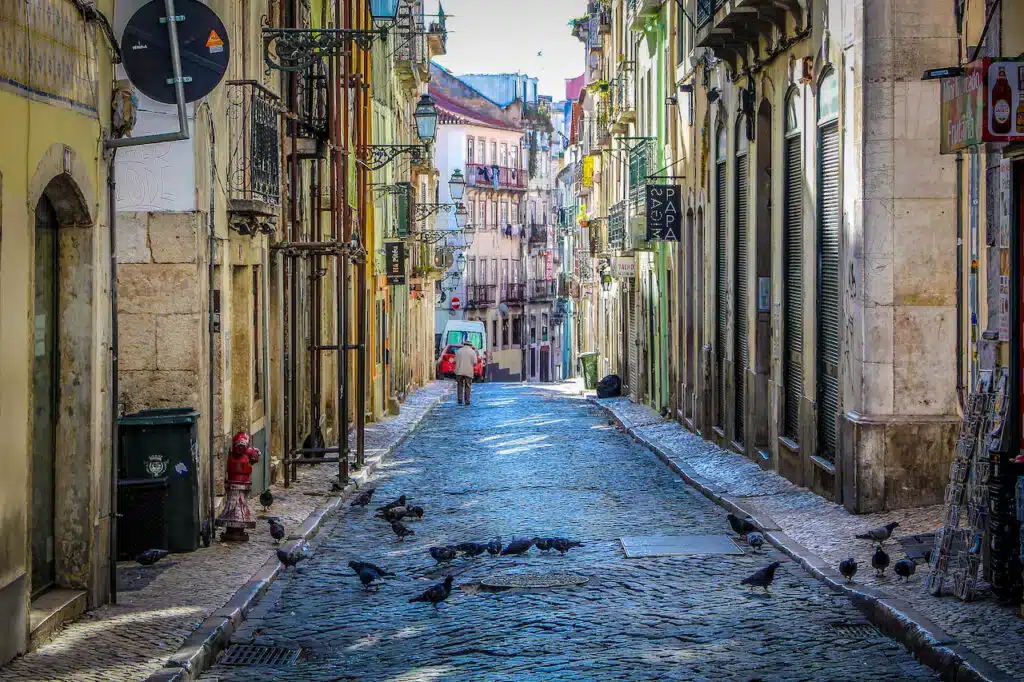
Chiado is Lisbon’s elegant shopping neighbourhood, with old cafés, theatres and bookshops. Livraria Bertrand opened here in 1732 and, according to Guinness World Records, is the world’s oldest operating bookshop. A few steps away is A Brasileira café, dating from 1905, with a bronze statue of poet Fernando Pessoa outside.
Bairro Alto, above Chiado, is quiet by day and full of people in the evening, when small bars open and customers take their drinks out into the street. This is where to head for a night out.
The old Glória and Bica funiculars, which used to climb to Bairro Alto, are both out of service following the Glória accident in September 2025. Take the metro to Baixa-Chiado or walk instead.
For the history behind the streets, book a guided walk through Rossio, Chiado and Alfama. You can also see hotels in Chiado here for a central base.
10. Time Out Market
Time Out Market occupies the old Mercado da Ribeira market hall by Cais do Sodré. Under one roof are 26 restaurants and eight bars, including stalls run by several well-known local chefs. You eat at long communal tables in the middle of the hall.
Entry is free. It opens from 10am to midnight Sunday to Wednesday, and until 2am Thursday to Saturday. The green metro line and tram 15 stop at Cais do Sodré.
The market works best for lunch or for trying several different dishes. It’s more expensive and tourist-focused than small local restaurants, and finding a seat can be difficult in the evening. To get further into Portuguese food, book a small-group food and wine tour.
11. Mosteiro dos Jerónimos
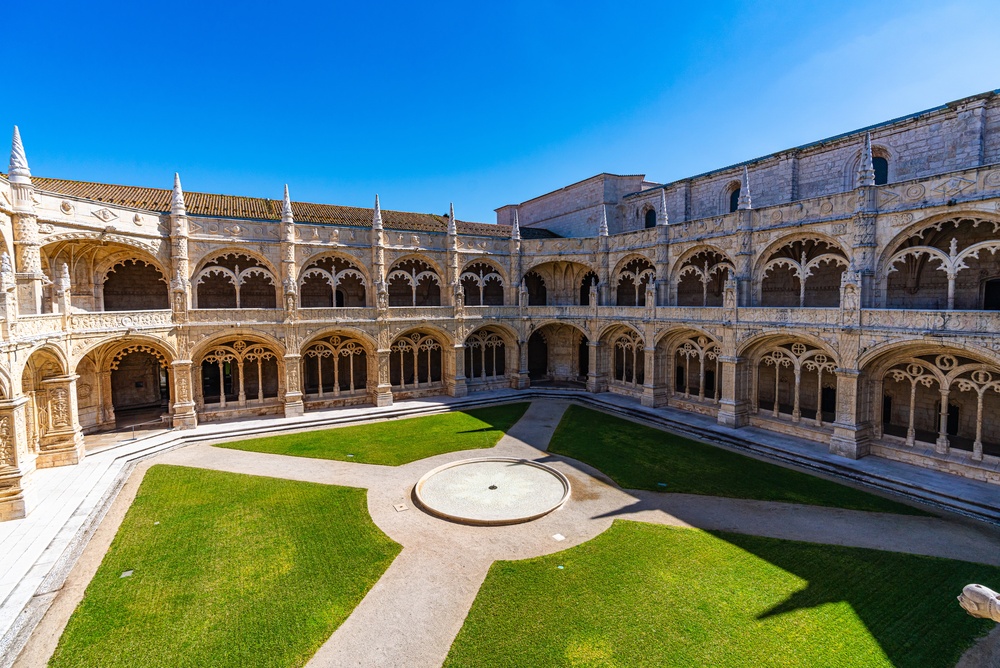
The monastery in Belém is Lisbon’s biggest attraction and shares a UNESCO World Heritage listing with Torre de Belém. It was built in the 16th century with money from the spice trade. The two-storey cloister, with its carved columns, is among the most beautiful sights in Portugal.
A cloister ticket costs €18, with free entry for children under 12. Opening hours are Tuesday to Sunday, 9.30am to 5.30pm, with last admission at 5pm. It’s closed on Mondays. The adjoining church has separate opening hours.
Queues can be very long, and the ticket office closes an hour before the monastery. Buy your ticket before you arrive. Tram 15 from the centre stops right outside.
Buy a ticket for Mosteiro dos Jerónimos here.
12. Torre de Belém
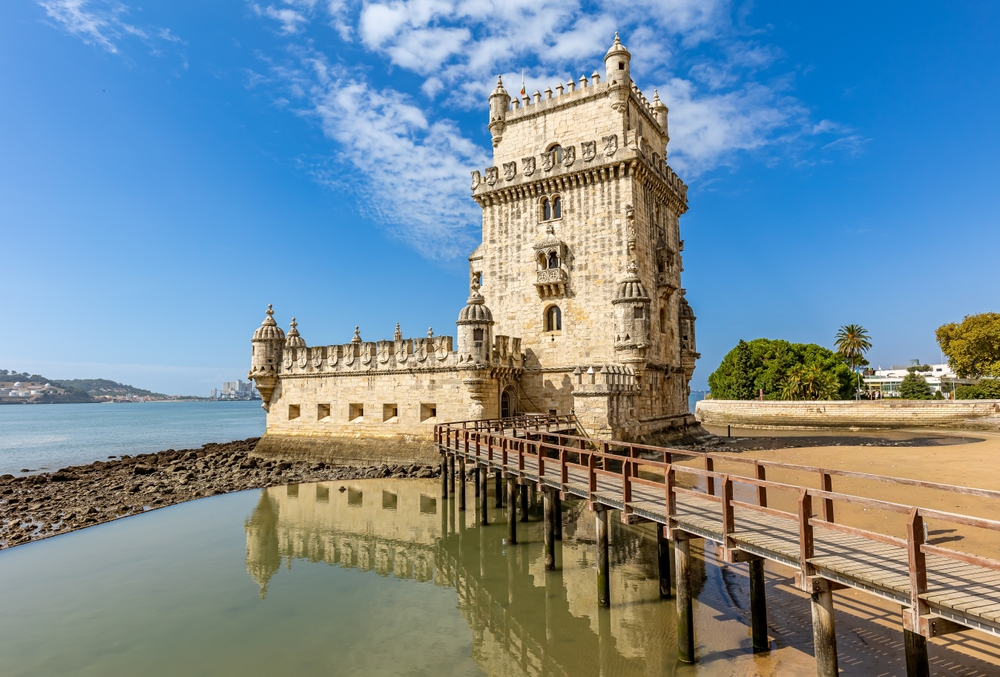
This small riverside fortress tower is Lisbon’s landmark. Torre de Belém was closed for around a year for restoration, reopening on 27 May 2026.
Entry costs €15, and it opens Tuesday to Sunday from 9.30am to 5.30pm. Visits now use timed slots with limited visitor numbers, so you need to book a date and time in advance.
The tower is small inside, with a narrow staircase. If you’re short on time or travelling with children, seeing it from outside and walking along the river is perfectly reasonable. To go inside, buy a ticket for Torre de Belém here.
13. Padrão dos Descobrimentos and Pastéis de Belém
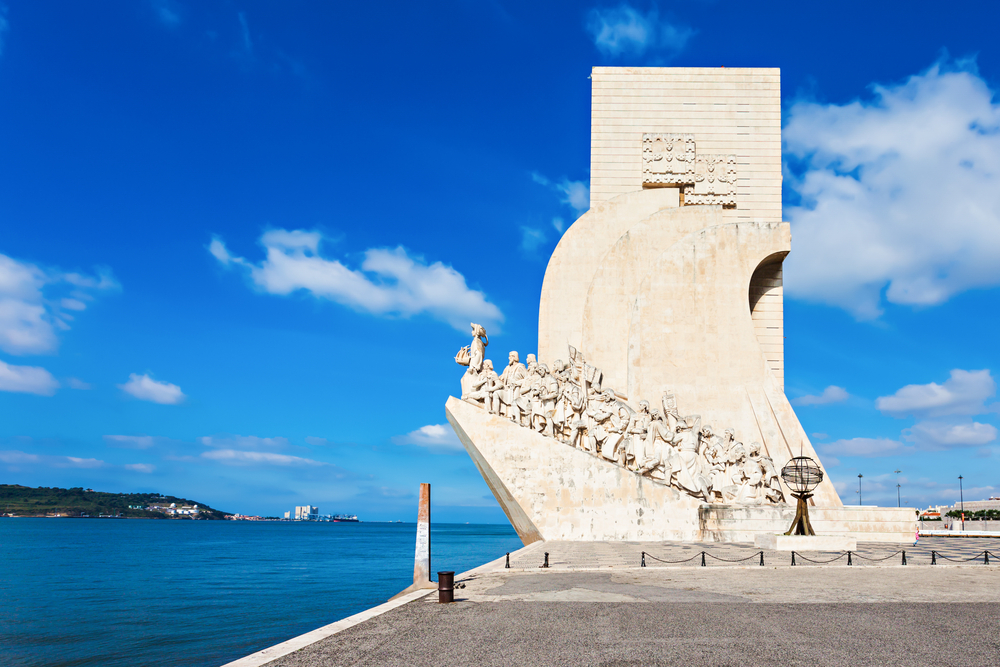
Between the monastery and the tower stands Padrão dos Descobrimentos, a tall monument to Portuguese explorers shaped like the prow of a ship. You can take a lift to the viewing platform. The €10 ticket also includes the exhibition and film at the base.
The monument opens from 10am to 7pm between March and September, closing at 6pm for the rest of the year. In the square outside is a large marble world map, best seen from above.
While you’re in Belém, stop at Pastéis de Belém bakery. It has made its small custard tarts since 1837 using a recipe from the monastery. It opens daily from 8am to 9pm, extending to 10pm in summer. Expect a queue, especially in the middle of the day.
14. MAAT
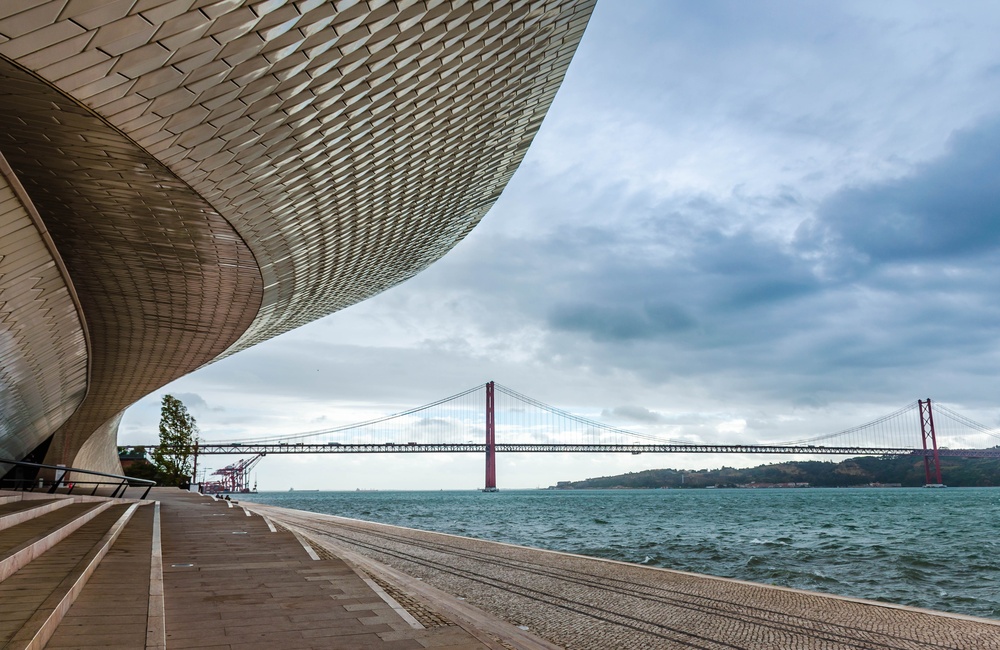
MAAT is Lisbon’s museum of art, architecture and technology. The new building sits like a white wave beside the river, while its neighbour is an old power station with its turbines and boilers still in place.
A ticket costs €16 for international visitors and covers both buildings. The museum opens from 10am to 7pm every day except Tuesday. Tram 15 stops at Altinho, right outside.
Exhibitions change, so check the programme before paying. I’d walk along the river from here to Belém regardless; it takes around 20 minutes. Buy a ticket for MAAT here.
15. LX Factory
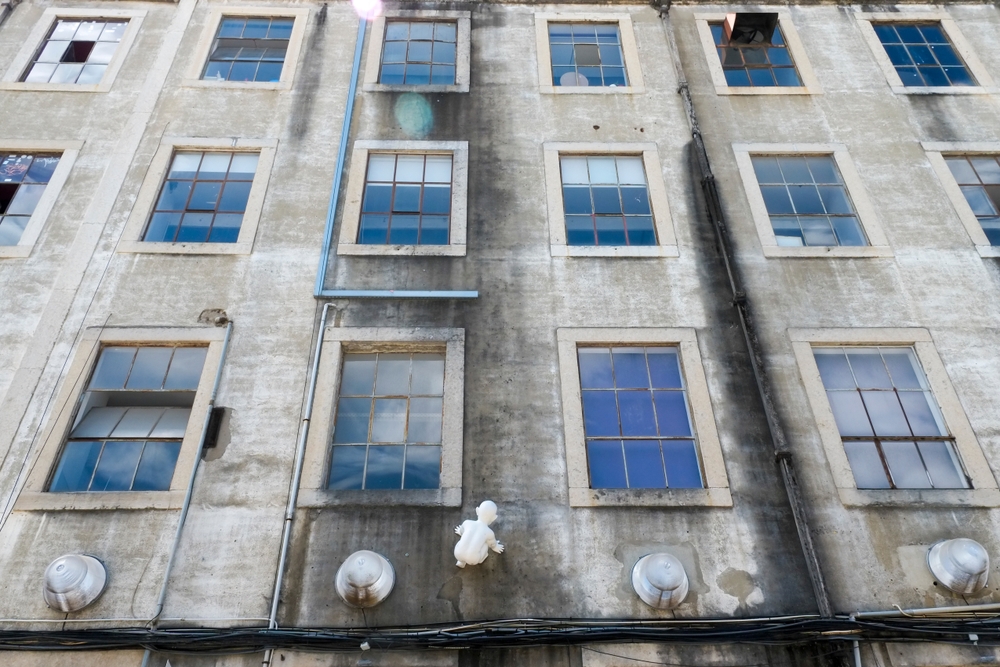
LX Factory is a former industrial complex in Alcântara, directly beneath the bridge, converted into shops, restaurants, offices and galleries. Street art covers the walls. In a former printing hall, Ler Devagar bookshop has shelves from floor to ceiling.
It’s free to walk around and makes a good stop on the way to or from Belém. On Saturdays and Sundays from 10am to 7pm, the main street hosts a market selling crafts, clothes and food.
Take tram 15 to Calvário. Come for lunch or late in the afternoon, when the restaurants are at their liveliest.
16. Ponte 25 de Abril and Cristo Rei
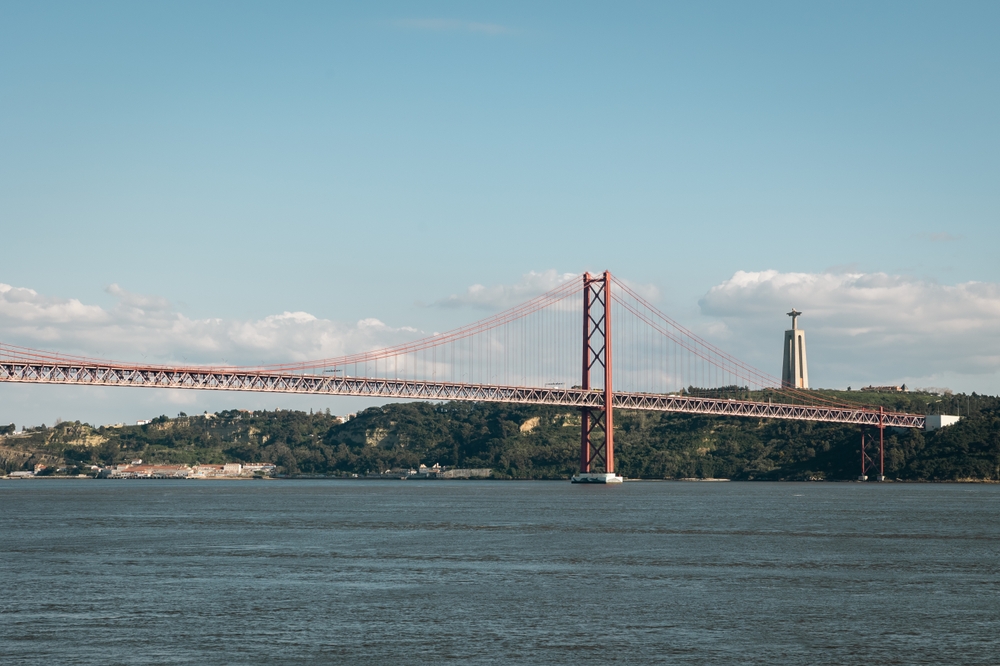
The red suspension bridge, Ponte 25 de Abril, resembles the Golden Gate and is visible from most of the city. Across the river, the Cristo Rei statue stands with outstretched arms, looking back towards Lisbon.
Pilar 7 Experience is inside one of the bridge supports, letting you reach road level for €3. The lift is out of service, though, so you’ll need to climb 372 steps. I’d only recommend it if you enjoy stairs.
For Cristo Rei, take the ferry from Cais do Sodré to Cacilhas, followed by bus 3001. The crossing takes around ten minutes and costs €2. Check the viewing platform’s opening hours before setting off.
The best view of the bridge is from the water. Book a sunset cruise on the Tagus to see the city and bridge from the river.
17. Oceanário de Lisboa
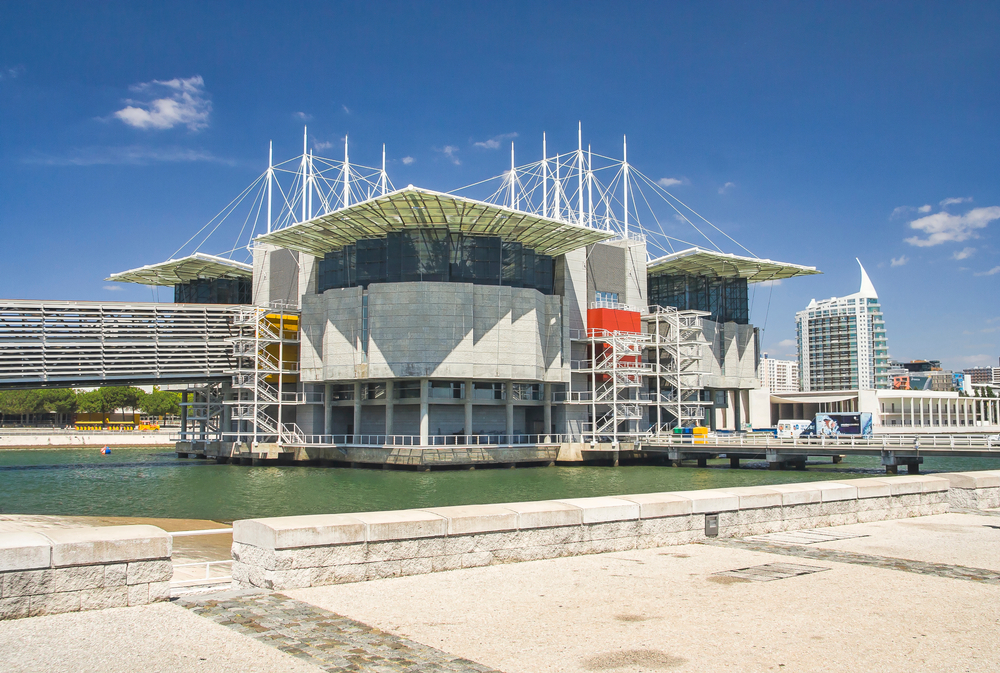
Oceanário de Lisboa is one of Europe’s largest aquariums and my top choice for a visit with children. It’s in modern Parque das Nações. At the centre of the building is a huge tank with sharks, rays and an ocean sunfish, which you walk around on two levels.
Prices depend on your entry time. Adult tickets cost €29.90 in the morning, €27.70 in the middle of the day and €25.50 after 4pm. Children aged 3 to 12 pay from €15.50; under-threes enter free.
It opens daily from 10am to 8pm, with last admission at 7pm. Allow 90 minutes to two hours. Take the red metro line to Oriente, followed by a walk of around 15 minutes. Buy a ticket for Oceanário de Lisboa here.
18. Museu Calouste Gulbenkian
The Gulbenkian Museum holds one of Europe’s finest private art collections, assembled by oil magnate Calouste Gulbenkian. You move from Egyptian figures and Persian carpets to Rembrandt, Monet and a whole room of jewellery by René Lalique.
The main building reopened on 18 July 2026 after 18 months of renovation. The €16 ticket also covers the modern art collection in the neighbouring building. Admission is free after 2pm on Sundays.
The museum opens from 10am to 6pm, extending to 9pm on Saturdays, and closes on Tuesdays. It’s set in a large garden that’s free to visit and good for a break. Take the metro to São Sebastião or Praça de Espanha.
19. A Day Trip to Sintra
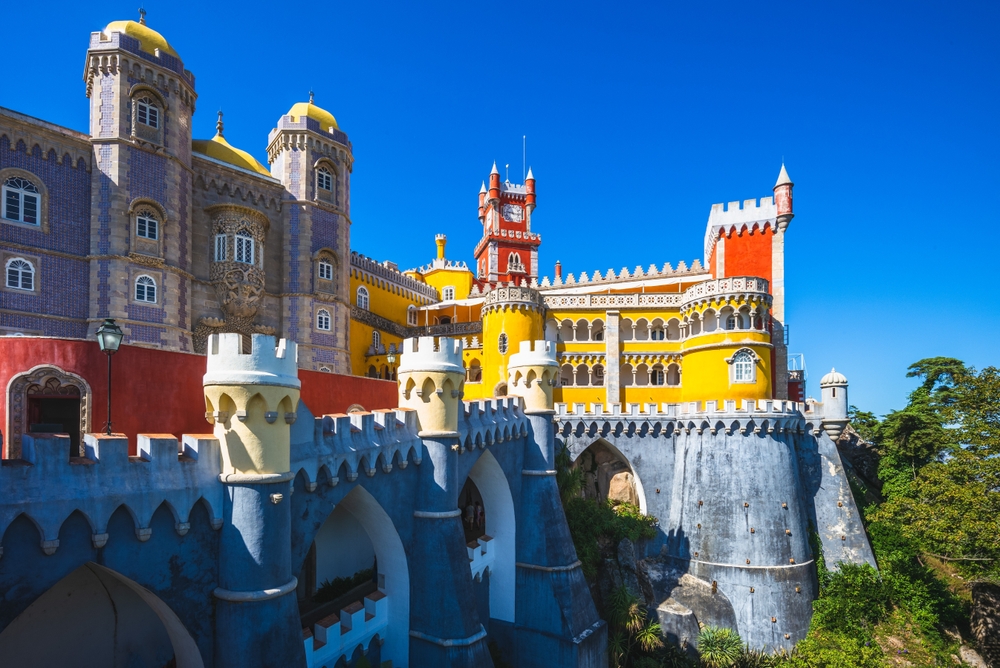
Sintra is Lisbon’s most popular day trip, and it’s easy to see why. Colourful palaces and gardens sit close together in wooded hills, just around 40 minutes by train from Rossio Station. A journey costs €2.05 when paid using the balance on a Navegante card.
The best-known sight is Palácio da Pena, the yellow-and-red fairytale palace at the top. A palace-and-park ticket costs €20, and you must choose a date and time when buying it. You’ll only enter the palace at the time printed on your ticket. Bus 434 runs from the station to the palace.
Quinta da Regaleira, with its famous well and spiral staircase descending underground, also costs €20 and requires a timed ticket. Set off early and stick to two sights in one day.
You can buy a ticket for Palácio da Pena here or book a day trip to Sintra, Cabo da Roca and Cascais with transport. To experience the town without the day-trippers, see hotels in Sintra here.
20. A Day Trip to Cascais
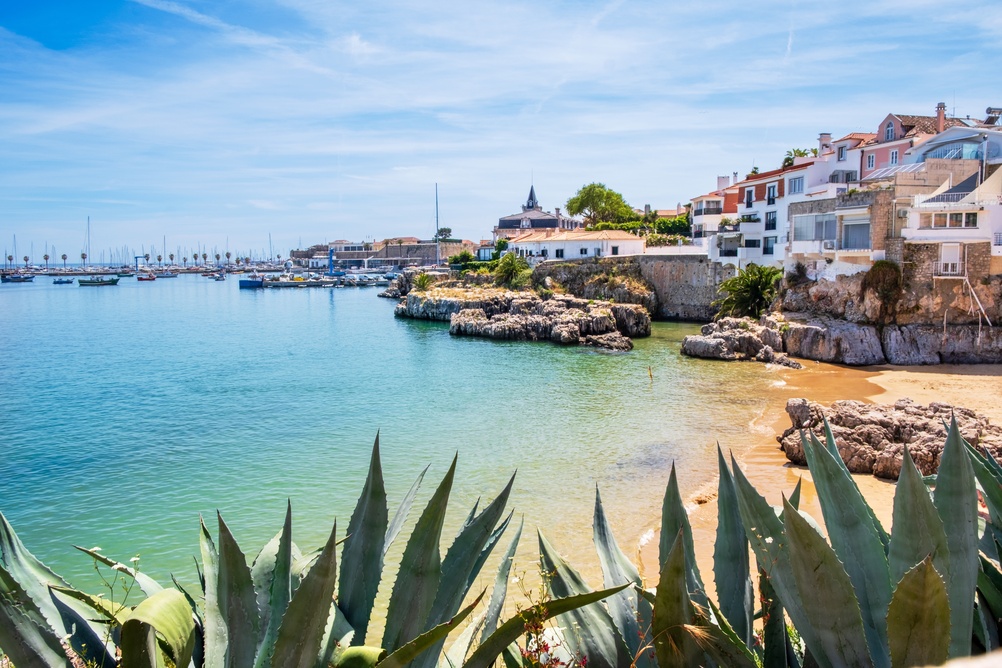
Cascais is a former fishing town that became a seaside retreat for the royal family. Today, it’s Lisbon’s nearest beach town, with small sandy beaches in the centre, pleasant streets with fish restaurants and a waterfront promenade to neighbouring Estoril.
Trains leave Cais do Sodré around every 20 minutes and take 40 minutes. The route follows the coast, so sit on the left on the outward journey. The fare is €2.05 each way when paid using the balance on a Navegante card.
The same train stops in Belém, so you can combine the two outings in one day if you’re short on time. For a beach base with trips into Lisbon, see hotels in Cascais here.
Practical Travel Tips for Lisbon
Lisboa Card: The city pass costs €31 for 24 hours, €51 for 48 hours and €62 for 72 hours. It includes unlimited metro, bus and tram travel, trains to Sintra and Cascais, and free entry to sights including Castelo de São Jorge, Mosteiro dos Jerónimos, Torre de Belém, Padrão dos Descobrimentos and Museu do Fado. Visit two or three in a day and the card pays for itself, though you still need to reserve times for the monastery and tower. Buy a Lisboa Card here.
Transport: Buy a rechargeable Navegante card from a metro ticket machine. The card costs €0.50, a single metro, bus or tram ride costs €1.90, and a 24-hour ticket costs €7.25. The red metro line serves the airport. I’ve covered all the options in my guide to getting from Lisbon Airport to the city centre.
Currently closed: The tile museum, Museu Nacional do Azulejo, is closed for renovation with no reopening date, so it isn’t on this list. Elevador de Santa Justa and the three old funiculars, Glória, Bica and Lavra, are also out of service.
Closing days: Many state-run attractions close on Mondays, including Mosteiro dos Jerónimos, Torre de Belém, Panteão Nacional and Museu do Fado. Gulbenkian and MAAT close on Tuesdays.
Tourist tax: Lisbon hotels charge a tourist tax of €4 per person per night, for up to seven nights, for everyone over 13. It’s usually paid at check-in or check-out.
More of Portugal: Lisbon combines easily with the rest of the country. See my guides to where to stay in Porto and where to stay in the Algarve to extend your trip north or south.
Travel ressources & websites I use all the time 👇
• Booking.com has the best offers on hotels and unique places to stay
• GetYourGuide is the best place to book tours & activities with free cancellation
• Welcome Pickups is the best & safest place to pre-book airport transfers
Psst 👀 Have you subscribed to my Youtube channel and my Instagram where I provide more useful travel tips?