

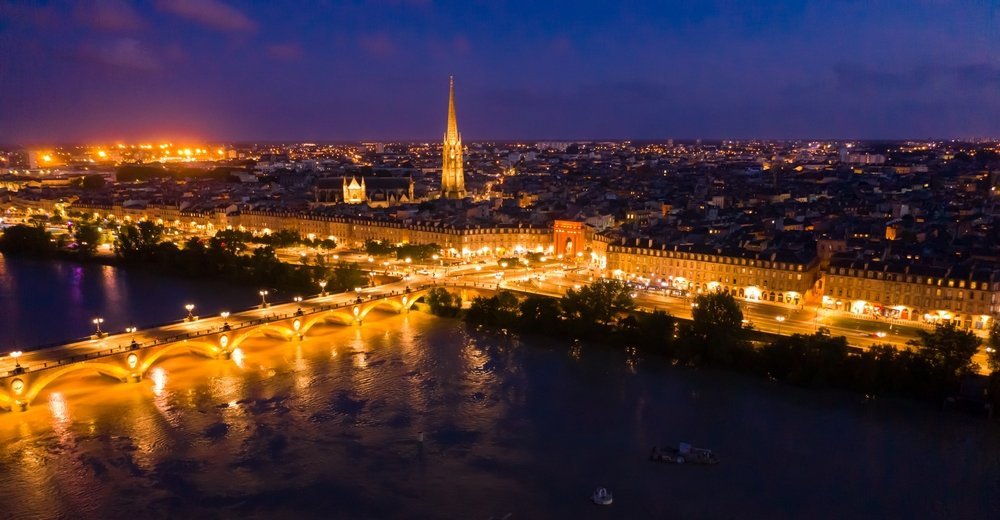
Bordeaux sweeps in a great curve along the River Garonne, and it’s this shape that gave the city its nickname, Port de la Lune, the Port of the Moon.
When you’re planning things to do in Bordeaux, it helps to know that the city grew rich on the wine trade and shipping,
and you can see it in the long rows of pale 18th-century limestone façades along the quays,
which, together with the rest of the historic city, are on the UNESCO World Heritage List as Port de la Lune.
The old harbour quays have now been turned into promenades, and most of what you’ll want to see in the city lies within half an hour’s walk of each other.
Here are my picks for the 18 best sights in Bordeaux with prices, opening hours and tips, from the water mirror at Place de la Bourse to Cité du Vin and day trips to Saint-Émilion, Médoc and Dune du Pilat. Prices are given in euros.
If you’re staying more than a couple of days, put the day trips in the middle of your stay and keep the first days for the city, because the Old Town, the quays and the markets are best when you have plenty of time.
Planning your trip to Bordeaux at the last minute? 🇫🇷
Here are some of the best hotels and other tips for your trip to Bordeaux.
🛌 Best Hotels:
1. InterContinental Bordeaux Le Grand Hotel is the city's most classic five-star hotel, right opposite the Grand Théâtre
2. Quality Hotel Bordeaux Centre is a good mid-range hotel on Rue Sainte-Catherine, close to the Grand Théâtre
3. Le charmant quai bourgeois is a cheap and spacious apartment close to Place de la Bourse
Contents
1. Place de la Bourse and Miroir d’eau
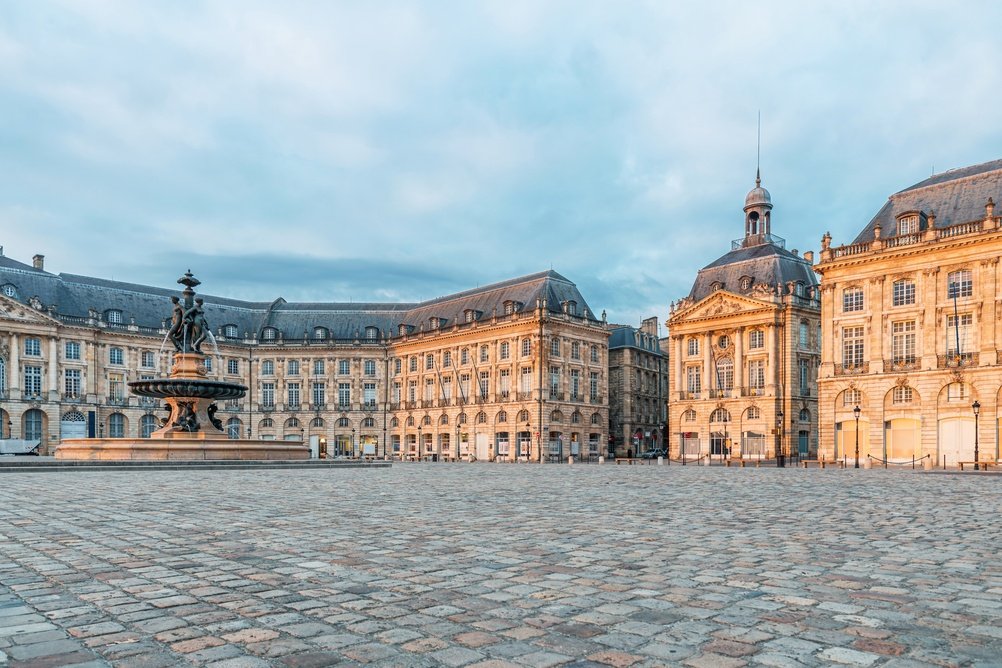
Place de la Bourse is the picture of Bordeaux you know from postcards: a semicircle of elegant palaces facing the river, designed by the royal architect Jacques Gabriel and his son. The square was laid out from 1720, and the main buildings were completed between 1735 and 1755. In the middle stands the Fountain of the Three Graces, which replaced a statue of Napoleon in 1869.
Between the square and the river lies the Miroir d’eau, one of the largest reflecting pools in the world. A thin layer of water, about two centimetres deep, covers a huge granite surface and mirrors the façades, and at regular intervals the water drains away and is replaced by a dense mist from around 900 nozzles. It’s free, and the water mirror runs every day from 10am to 10pm outside winter, while it’s switched off for maintenance from November to April.
My tip is to come as darkness falls and the façades are lit up. Stand at the edge when the water is perfectly still, and you’ll get the whole square reflected in a single shot. You’re welcome to walk around in the water, and on a warm summer evening it’s full of children running through the mist.
2. Saint-Pierre and Porte Cailhau
Behind Place de la Bourse lies the Saint-Pierre quarter, the heart of the Old Town, with narrow streets, little squares and outdoor dining. Place du Parlement is the most charming of the squares, with matching façades and café tables all the way round, and Place Saint-Pierre with its Gothic church is two minutes away. This is where most people eat in the evening, and prices reflect that.
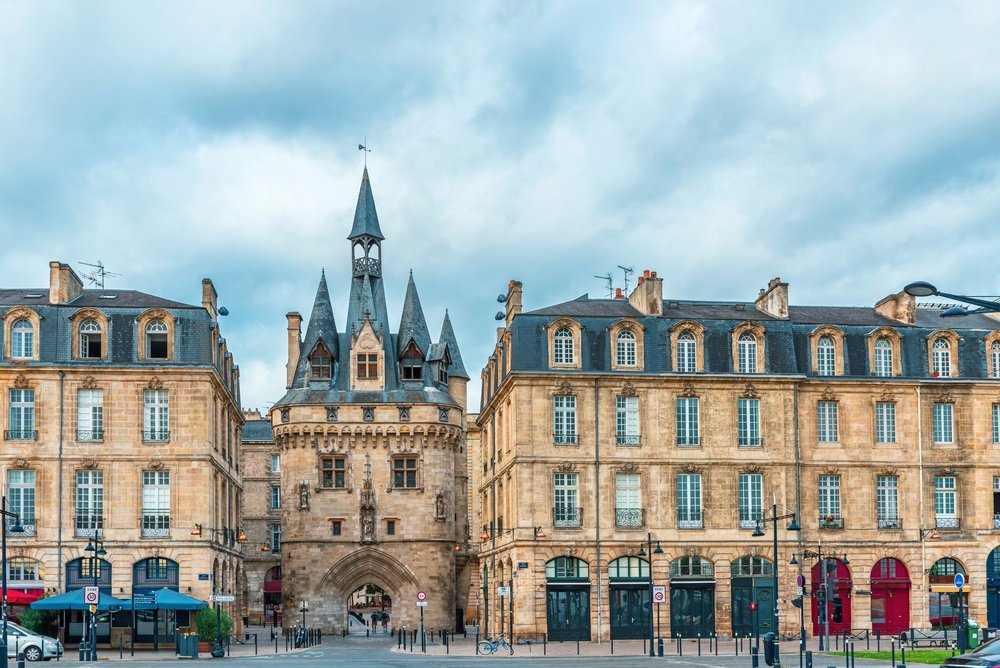
Facing the quay stands Porte Cailhau, a 35-metre-high city gate from the 1490s with towers and spires that looks more than anything like something out of a fairy tale. Inside there’s an exhibition on medieval Bordeaux with a model of the city, and from the top you look out over the river and Pont de Pierre. Tickets cost 7 euros (around £6), children under 13 get in free, and from April to October it’s open daily from 10am to 1pm and 2pm to 6pm, while opening hours are shorter in winter.
Saint-Pierre is also the first area in my guide to where to stay in Bordeaux, because you can walk to almost everything from here. You can see hotels in Saint-Pierre here.
Book a guided walking tour through the Old Town and past the UNESCO monuments here.
3. Grosse Cloche
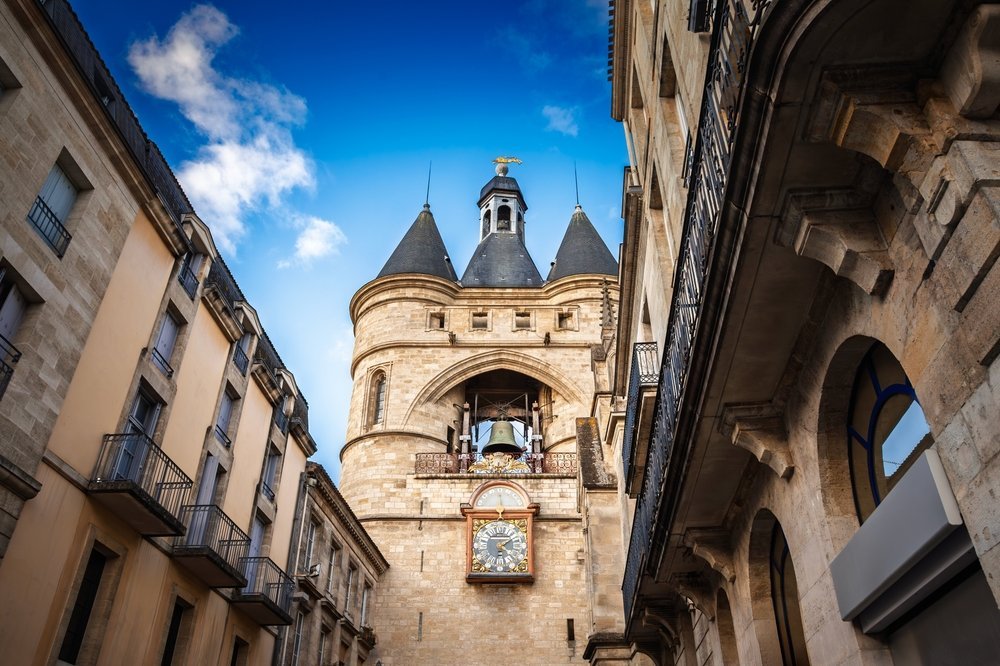
The Grosse Cloche is one of the oldest bell towers in France and the only part of the city’s old walls still standing. The tower on Rue Saint-James has been both a city gate and a prison, and it was the bell tower of the old town hall. The bell, Armande-Louise, was cast in 1775 and weighs 7,750 kilos, and at the top sits a weathervane shaped like a lion, a nod to the English kings who ruled Bordeaux for around 300 years.
You can only get inside on a guided tour, which shows you the prison cells with their thick doors and heavy bolts. Tickets cost about 6 euros (around £5) and are booked through the tourist office. The bell rings at 11am on six major commemorative days a year and at midday on the first Sunday of the month, so if you’re nearby at that time, you’ll hear it for free.
My tip is to combine the tower with a stroll along Rue Saint-James and on towards Saint-Michel. There are fewer tourists here than in Saint-Pierre and more little bakeries, where you can buy a canelé, the city’s small cake with a crisp, caramelised crust and a soft centre flavoured with rum and vanilla.
4. Cathédrale Saint-André and Tour Pey-Berland
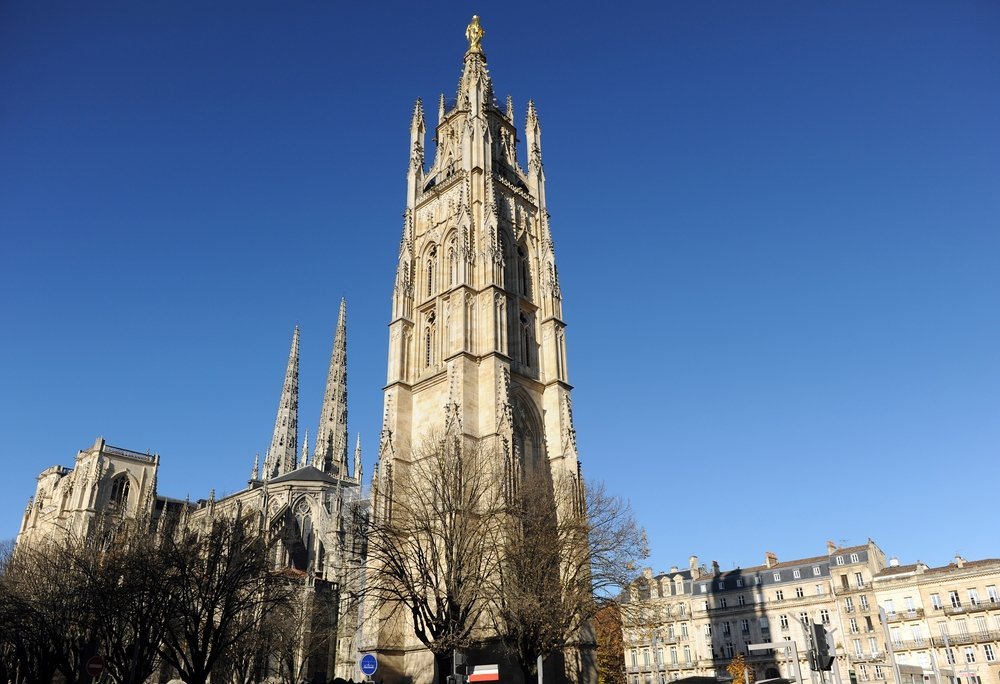
The city’s cathedral is a Gothic giant on Place Pey-Berland, and it has hosted two royal weddings. In 1137 Eleanor of Aquitaine married the future French king Louis VII here, and around five hundred years later it was the turn of Louis XIII and Anne of Austria. Walk round to the north side to see the Portail Royal, where a restoration has given the sculptures back the vivid colours they were originally painted in. The cathedral itself is free to enter.
The Tour Pey-Berland bell tower stands on its own beside the cathedral, because the old tower couldn’t bear the weight of the bells. It was begun in 1440, is about 50 metres tall, and just over 230 steps lead up to one of the best views over the city’s rooftops. Tickets cost 9 euros (around £7.50), and under-26s get in free. The tower can be closed at times, so check its website before you go.
On the other side of the square is the town hall, Palais Rohan, and behind it you’ll find the small Jardin de la Mairie garden, where you can sit in peace with a coffee while the trams ring past on the square.
5. Grand Théâtre and Place de la Comédie
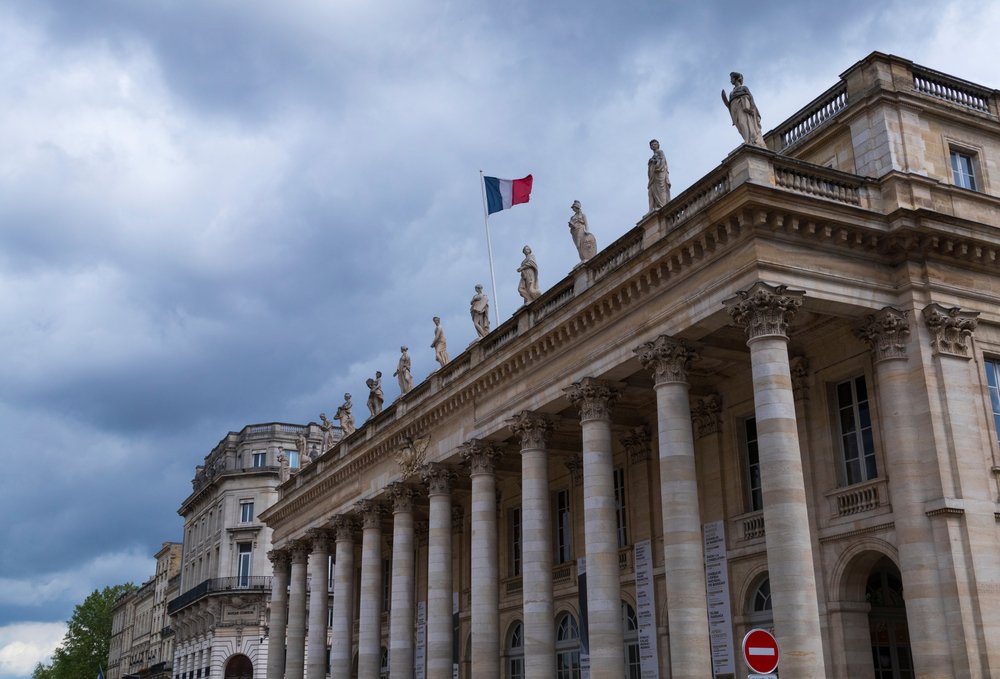
The Grand Théâtre was designed by the architect Victor Louis and opened in 1780 with Racine’s tragedy Athalie. The façade facing Place de la Comédie has twelve Corinthian columns, and on top of the balustrade stand twelve statues of the nine Muses and three goddesses. It’s still home to the Opéra National de Bordeaux, so you can see opera, ballet and concerts in the old auditorium.
If you want to go inside without buying a ticket for a performance, there are guided tours that take you through the foyer, up the grand staircase and into a box overlooking the auditorium. The tourist office’s tour costs about 10 euros (around £8.50) for adults and about 5 euros (around £4) for children, and it lasts under an hour. Times depend on the theatre’s programme, so book ahead.
The steps in front of the theatre are the city’s meeting point in the evening, and from the square Rue Sainte-Catherine begins, the pedestrian street of more than a kilometre lined with shops all the way down to Place de la Victoire. It’s pleasant to walk, but it’s full of chain stores, so the side streets in Saint-Pierre are more charming.
Book a guided tour of the Grand Théâtre here.
6. Esplanade des Quinconces
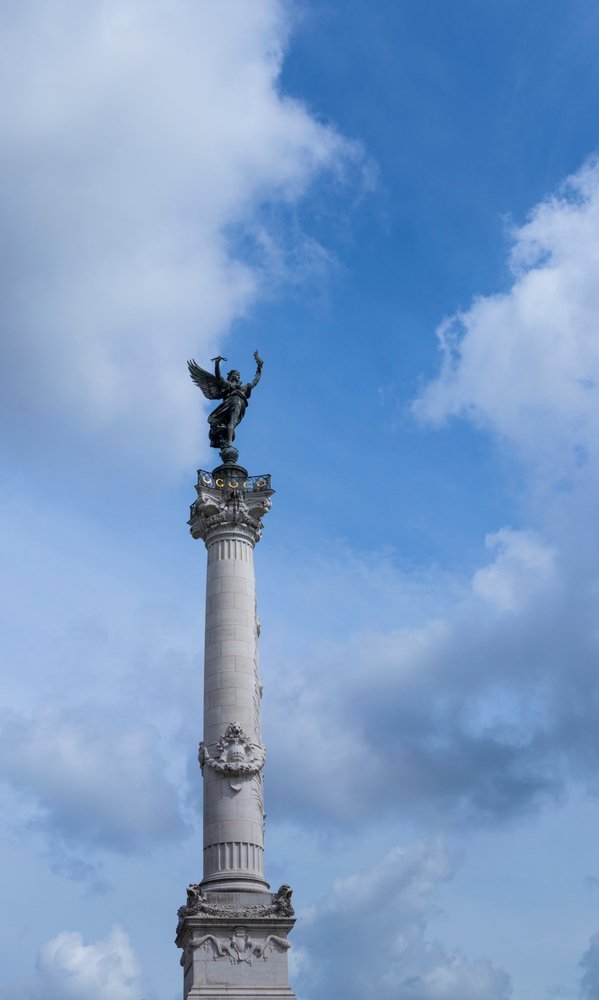
The Esplanade des Quinconces is the largest square in France at 12 hectares, half of which is green space, and it feels almost empty when nothing is going on. At the end facing the city stands the Monument aux Girondins, a huge fountain with a tall column and bronze horses, built between 1894 and 1902 in memory of the Girondins, who lost the power struggle during the French Revolution. At the top of the column stands the Spirit of Liberty.
In spring and autumn the square fills up with the Foire aux plaisirs, a funfair that has been held here since 1853, and with a large flea market with more than 200 sellers. The rest of the year it’s mostly somewhere you walk past, but the square is one of the city’s most important transport hubs, and both the trams and many of the organised wine tours start from here.
My tip is to use the fountain as the starting point for a walk north along the quays to Chartrons. It takes around 20 minutes, and you take in the riverside promenade, the gardens and the old harbour sheds along the way.
7. Pont de Pierre and the quays along the Garonne
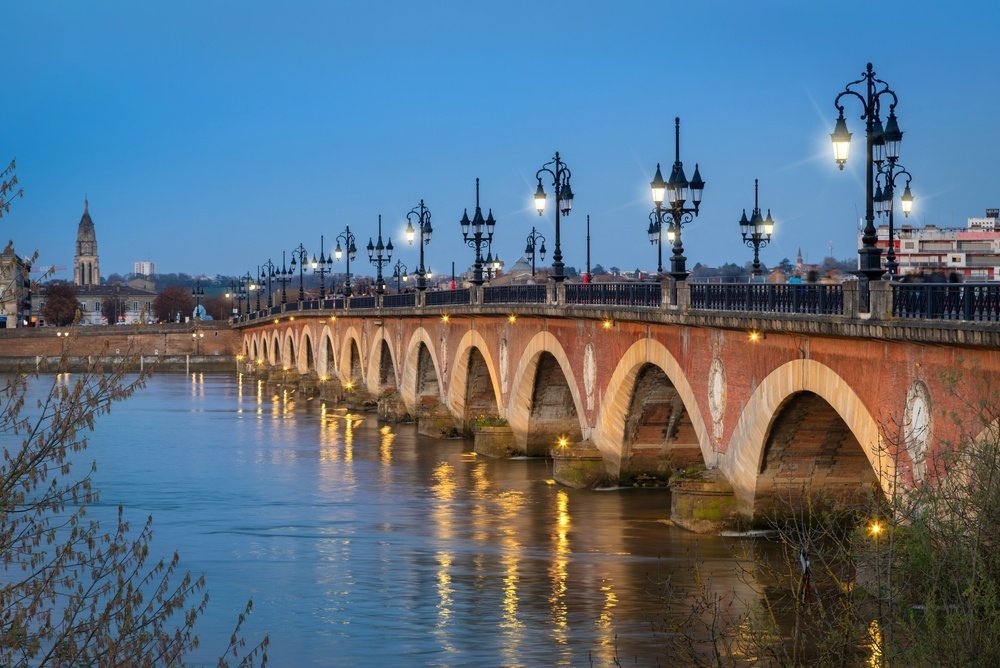
The Pont de Pierre was the first bridge across the Garonne in Bordeaux. Napoleon gave the order, and the bridge opened in 1822 with 17 arches, which according to legend match the number of letters in Napoléon Bonaparte. The bridge is just under 500 metres long, and today it’s closed to private cars, so it belongs to trams, cyclists and pedestrians. In the evening the old lamp posts light up along the whole length of the bridge.
The quays on the left bank were once cut off by harbour sheds and traffic, but today they form a long promenade with lawns, playgrounds and cycle paths from Saint-Michel to the Bassins à flot. Furthest north is the Pont Jacques Chaban-Delmas, a modern lift bridge whose central section rises vertically when large ships need to reach the city.
My tip is to walk across the Pont de Pierre an hour before sunset and back again once the lights come on. From the right bank you can see the whole riverfront from Place de la Bourse to Saint-Michel in one go, and it’s the best free view of the city you’ll get. Hire one of the public city bikes if you want to go further along the river.
8. Saint-Michel and Marché des Capucins
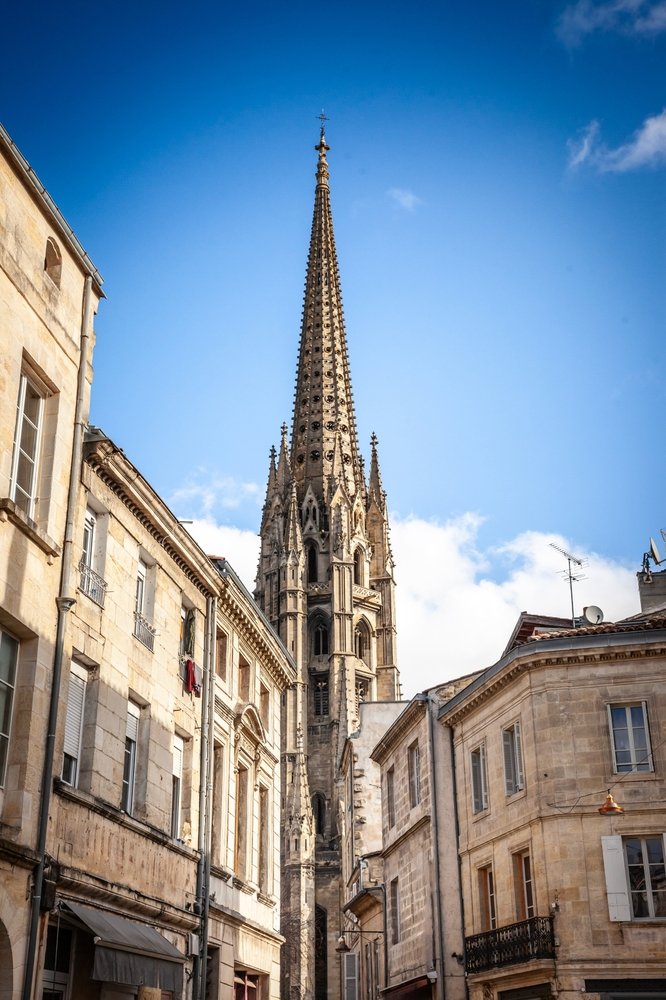
Saint-Michel is the city’s most mixed neighbourhood, with North African bakeries, flea markets and a large Gothic basilica. The free-standing bell tower, the Flèche Saint-Michel, was completed in 1492 and is 114 metres tall, making it one of the tallest bell towers in France. After five years of restoration you can once again climb its 230 steps. The tower is open daily from April to October, 10am to 1pm and 2pm to 6pm, and a ticket costs 7 euros (around £6) or 11 euros (around £9) combined with the Porte Cailhau, while children under 13 go free.
On Sundays there’s a flea market on Place Canteloup in front of the basilica from 7am to 2pm. Ten minutes’ walk south is the Marché des Capucins, the city’s big food market, which is open Tuesday to Sunday in the mornings. Here you stand at the stalls eating oysters from Arcachon with a glass of white wine at eleven in the morning, and it’s completely normal.
Visit the market on a Saturday or Sunday, when it’s at its liveliest and open until 2pm. The market is closed on Mondays, so plan accordingly.
9. Musée d’Aquitaine
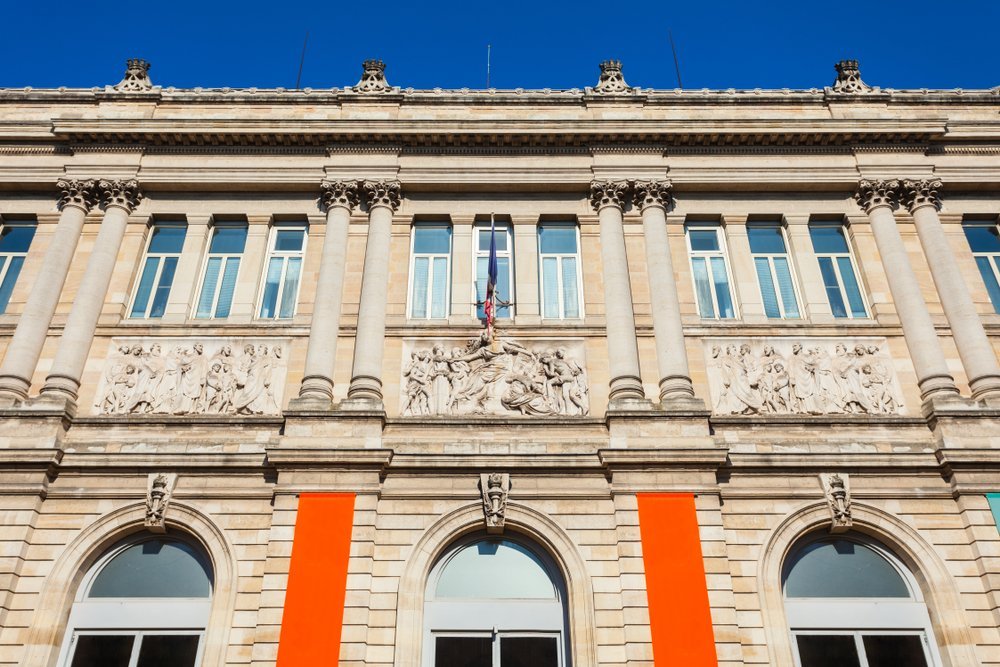
The Musée d’Aquitaine tells the whole history of the region from prehistoric times to the present day, and it’s the museum that best explains why Bordeaux looks the way it does. You start with Stone Age finds from the Dordogne, including the famous Venus of Laussel holding her horn, and carry on through the Roman city of Burdigala, the Middle Ages under English rule and the port city’s golden age in the 18th century. The museum makes no secret of the fact that some of the wealth came from the colonial trade and the slave trade.
The museum is on Cours Pasteur, a few minutes’ walk from the cathedral, and is open Tuesday to Sunday from 11am to 6pm, with tickets costing 6 euros (around £5), or 8 euros (around £7) when there’s a special exhibition. Students under 26 pay 2 euros, and entry is free on the first Sunday of the month, except in July and August. It’s closed on Mondays and public holidays.
Allow an hour and a half to two hours. In my view it’s the best place to spend a rainy day, and if you visit the museum before the Cité du Vin, you’ll better understand how wine made the city rich.
10. Darwin on the right bank
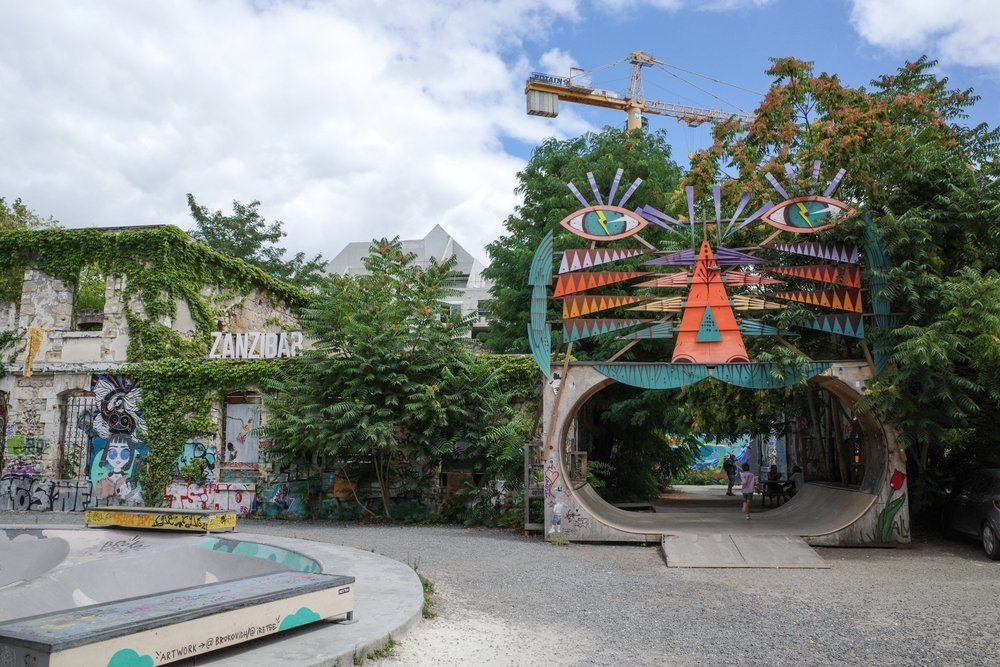
On the other side of the river, in the La Bastide district, Darwin occupies the old Caserne Niel military barracks. It has been turned into an alternative quarter with an indoor skate park for around 300 skaters, huge murals on the halls, a second-hand shop and Magasin Général, a large bistro serving mostly organic food. There are concerts, markets and festivals, and at weekends the place is packed with locals.
It costs nothing to wander around the site, but if you want to skate it’s 5 euros (around £4) for the day. To get there, take tram A to the Stalingrad stop, then walk along Quai des Queyries past the big blue lion on the square. You can also walk across the Pont de Pierre and follow the river, in which case it takes around 25 minutes from Place de la Bourse.
My tip is to have lunch at Magasin Général and walk back along the right bank, where you get the view of the whole riverfront on the other side. It’s also one of the few places in the city where you see Bordeaux without limestone and the 18th century.
Book a guided bike tour of the Old Town, Grosse Cloche, Darwin and Chartrons here.
11. Chartrons and the wine merchants’ quarter
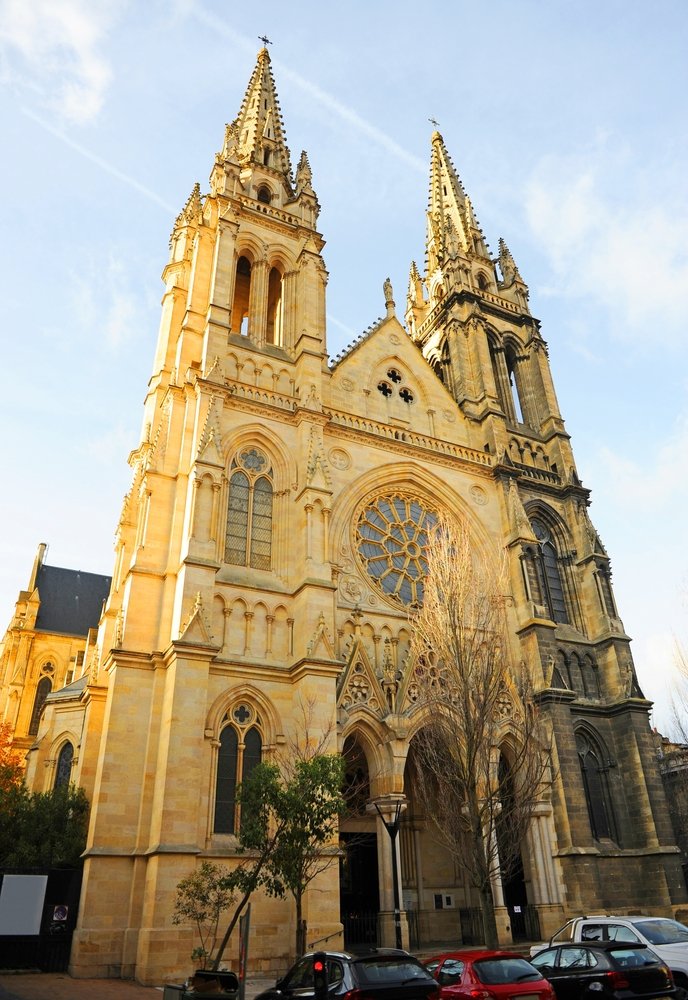
Chartrons, north of the centre, was the wine merchants’ quarter. This is where the big trading houses had their warehouses, and behind the narrow façades facing the quay the old wine cellars stretch deep into the blocks. Today Rue Notre-Dame is the neighbourhood’s main street, lined with antique shops, wine bars and cafés, and the atmosphere is more local and relaxed than in the Old Town.
On Sundays there’s a market on Quai des Chartrons from early morning until 2pm, and it’s a good place to pick up cheese, bread and wine for a picnic. The Musée du Vin et du Négoce is set in one of the old cellars and tells the story of the wine trade, and a ticket including a tasting of two wines costs around 12 euros (around £10). The CAPC art museum, in a former warehouse for colonial goods, is also in the neighbourhood.
Chartrons is a good choice if you’ve been to the city before and want to stay somewhere quieter with wine bars round the corner. You can see hotels in Chartrons here.
Book a ticket to the Musée du Vin et du Négoce with wine tasting here.
12. Jardin Public
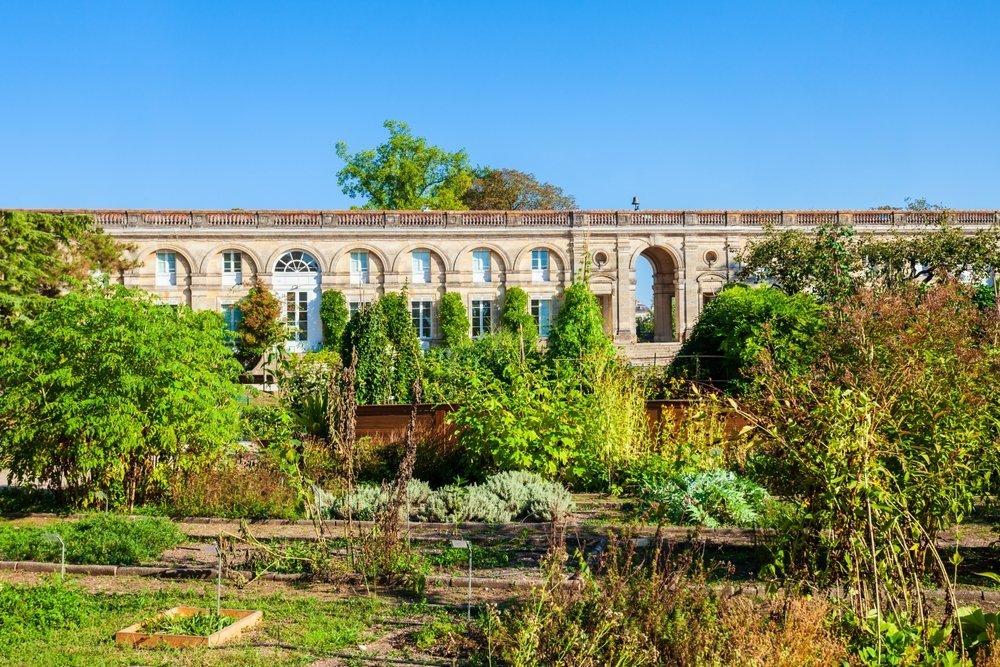
Jardin Public sits right between Chartrons and Esplanade des Quinconces and is the city’s green breathing space. The garden was laid out in 1746 as a formal French garden and remodelled as an English landscape park in the mid-1800s, so today you wander among large trees, a winding lake with little bridges and lawns where locals lie reading a book. The garden is also home to a botanical garden and the city’s natural history museum.
The garden is free and open every day, but it closes earlier in winter than in summer. Tram C stops at Jardin Public right by the entrance, and from the Grand Théâtre it’s about a ten-minute walk along Cours de Verdun.
My tip is to stock up at the Sunday market in Chartrons and bring your food here. If you have children with you, there’s plenty of room to run around, and it’s a good break between museums if your legs need a rest.
13. La Cité du Vin
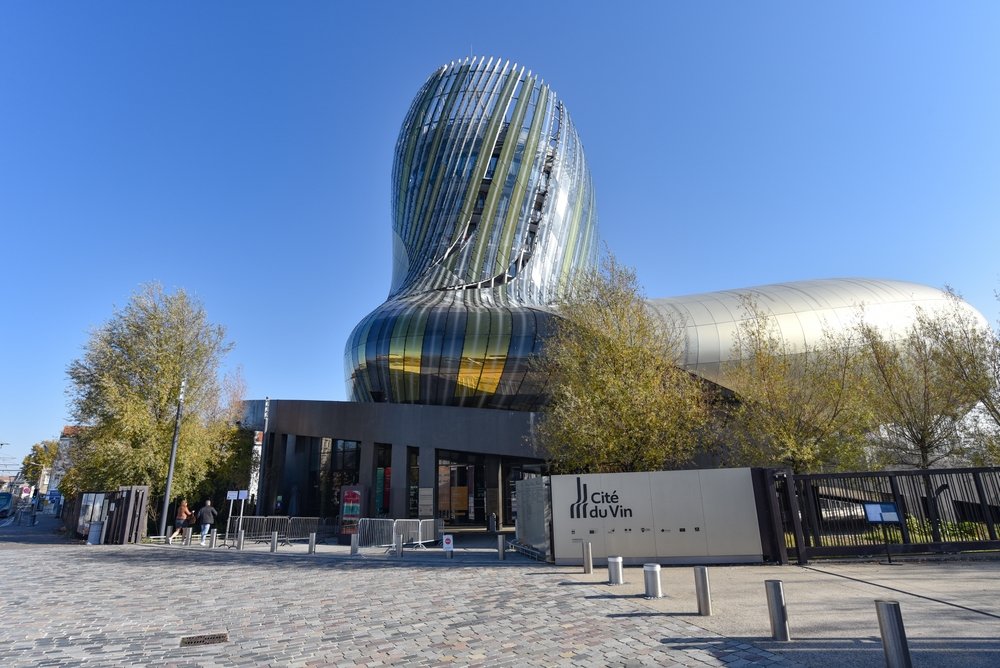
Cité du Vin opened in 2016 by the river in Bassins à flot, and the building’s soft curves are meant to evoke wine being swirled in a glass. Inside, you make your way round a large permanent exhibition with a digital guide in hand, learning about wine from all over the world, about growing, trade and history. To be honest, it’s more an interactive experience than a classic museum, but it’s well done.
A ticket costs around 22 to 23 euros (around £18 to £19) and includes a glass of wine in the Belvédère on the 8th floor, 35 metres above the river, where you choose from around 15 wines. Allow two to three hours, and book a timed ticket in advance at weekends and during the summer holidays. Tram B stops at La Cité du Vin right outside the door, and the ticket is included in the Bordeaux CityPass.
My tip is to head out there late in the afternoon and finish with your glass in the Belvédère as the light falls on the river. If you’re going on a wine trip to Saint-Émilion or the Médoc, do Cité du Vin first so you have the background in place.
Book a ticket to Cité du Vin with a glass of wine in the Belvédère here.
14. Bassins des Lumières in the submarine base
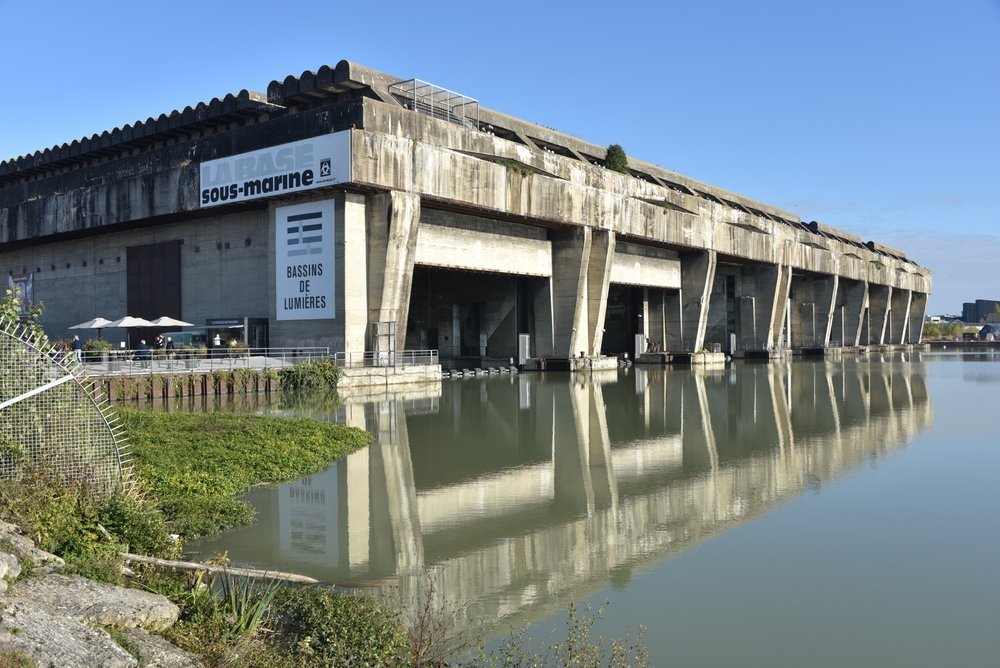
The enormous concrete bunker in Bacalan was built by the German occupying forces during the Second World War as a submarine base, and it’s so massive that demolishing it has never made sense. Today the old basins where the submarines were moored have been turned into Bassins des Lumières, one of the world’s largest digital art centres. Paintings by great artists are projected onto the walls and down into the water in the basins while music fills the space.
The exhibitions change, so check the programme before you go. A ticket costs around 16 euros (around £13), and it’s included in the Bordeaux CityPass. From Quinconces, take tram C to Ravezies and bus 9 to Base Sous-Marine, or take bus 5 from Tourny to Bassins à Flot.
My tip is to combine Bassins des Lumières with Cité du Vin on the same day, as they’re close to each other along the old harbour basins. Bring a jacket, because it’s cool inside the concrete, even in summer.
Book a ticket to Bassins des Lumières here.
15. Boat trip on the Garonne
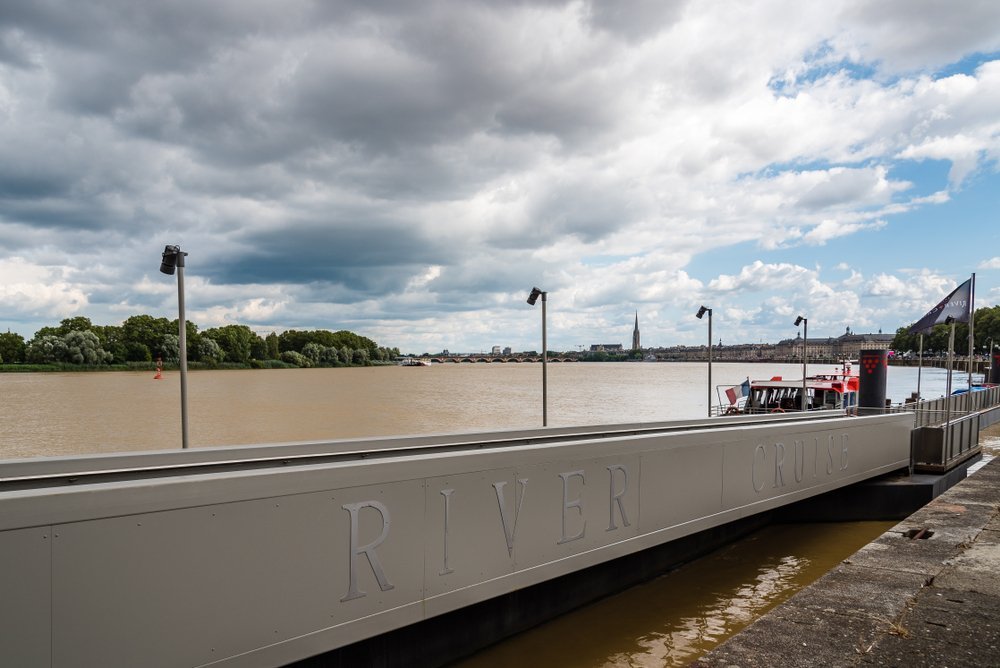
Bordeaux was built to be seen from the river, and from a boat you understand why it’s called Port de la Lune. The sightseeing boats depart from the quays by Place de la Bourse and Quinconces, sailing under Pont de Pierre and up to the lift bridge while a guide tells you about the port and the wine trade. Most trips last an hour and a half and cost 15 to 20 euros (around £13 to £17), often with a glass of wine and a canelé on board.
The budget option is Bat³, the public river boats that cross between the banks and run up and down the river as part of the public transport network. If you have a day pass for the trams, the boat is included in the price, but you don’t get a guide.
My tip is a trip late in the afternoon or in the evening, when the façades are lit up. There are also trips with lunch or dinner on board, but the food isn’t the reason to go, so I’d choose the short trip and eat in town afterwards.
Book a cruise on the Garonne with a glass of wine and a canelé here.
16. Day trip to Saint-Émilion
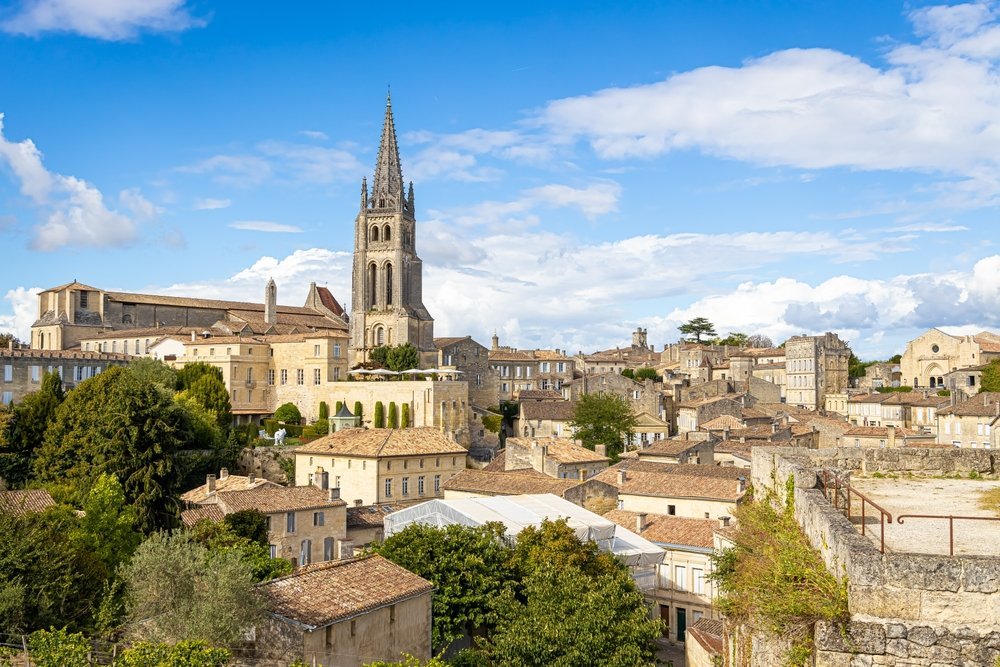
Saint-Émilion is the most popular day trip from Bordeaux, and the little medieval town on a limestone hill in the middle of the vineyards is well worth the journey. The town and the surrounding wine landscape have been on the UNESCO World Heritage List since 1999. The highlight is the underground monolithic church, carved straight out of the rock in the early 1100s, about 38 metres long and 12 metres high.
The church can only be seen on a guided tour, while the 68-metre bell tower with its 196 steps costs an extra 2 euros (around £2). The tour takes under an hour and is in French, but the tourist office hands out a printed translation in English and several other languages. The regional train from Bordeaux Saint-Jean takes about half an hour, but the station is 1.5 kilometres down the hill, so allow 20 to 30 minutes to walk up to the town.
If you want to taste wine at the châteaux, an organised tour is the easiest option, as the wine estates are spread out. Stay the night if you can, as the town is quiet and beautiful once the day visitors have gone home. You can see hotels in Saint-Émilion here.
Book a half-day trip to Saint-Émilion with a tasting at a Grand Cru Classé château here.
17. The Médoc and the wine châteaux along the Route des Châteaux
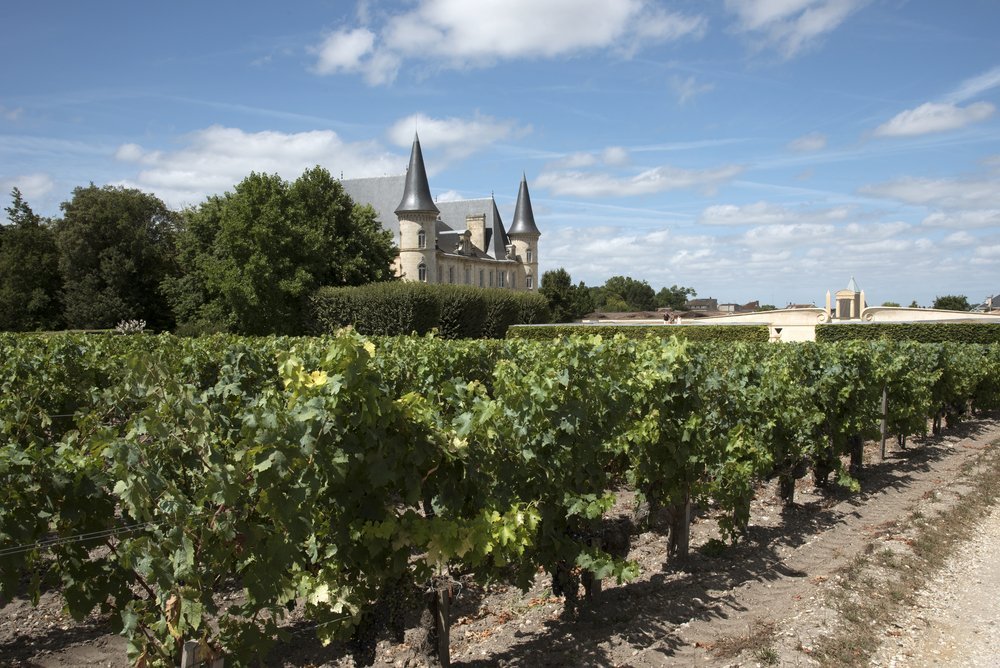
North of Bordeaux, the D2 road, the Route des Châteaux, runs up through the Médoc on the river’s left bank, and this is where you’ll find the châteaux that made Bordeaux wine famous. You drive through Margaux, Saint-Julien, Pauillac and Saint-Estèphe, where names such as Château Margaux, Latour, Lafite Rothschild and Mouton Rothschild sit side by side with the magnificent Pichon Baron and Pichon Comtesse châteaux right by the road. Many of them were ranked in the famous 1855 classification.
It’s not like walking into a wine shop. Most châteaux only receive visitors by appointment, and the best-known ones need to be booked well in advance or don’t take ordinary tourists at all. Margaux is about half an hour’s drive from the city and Pauillac about an hour, and there’s almost no useful public transport, so you’ll need a car or to join a tour.
If you’re driving yourself, you can compare car hire prices in Bordeaux here, but remember that the driver can’t join in the tasting. That’s why an organised tour is often the best choice in the Médoc.
Book a half-day trip to two wine châteaux in Margaux and the Médoc here.
18. Dune du Pilat and Arcachon
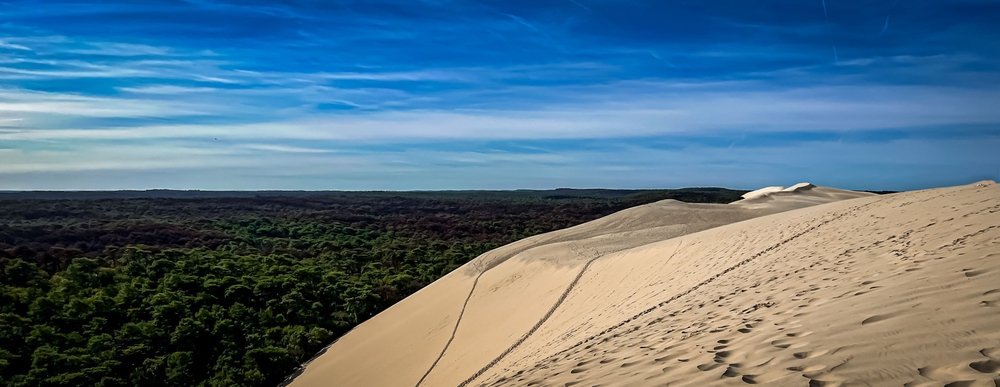
The Dune du Pilat is Europe’s highest sand dune, and it lies just under an hour from Bordeaux at the mouth of the Arcachon Bay. The dune is around 100 metres high, 2.9 kilometres long and 600 metres wide, and from the top you can see the Atlantic and the sandbanks on one side and an endless pine forest on the other. It’s free to climb, but the walk up the soft sandy slope is harder than it looks.
The train from Bordeaux Saint-Jean to Arcachon takes about 45 to 55 minutes and runs many times a day. From Arcachon station, bus 3 goes to the dune in July and August, while for the rest of the year you’ll need to take a taxi, a bike or an organised tour. If you’re driving, parking at the dune costs 7 to 11 euros (around £6 to £9) depending on how long you stay.
Spend the rest of the day in Arcachon, where the Ville d’Hiver has romantic 19th-century villas, and eat oysters from the bay in one of the harbour villages. Visit the dune early in the morning or at sunset, when the sand isn’t scorching hot. You can see hotels in Arcachon here.
Book a day trip to the Dune du Pilat and Arcachon with an oyster lunch here.
Practical travel tips for Bordeaux
The centre is flat and easy to explore on foot, and for everything else you can use the trams, which run frequently and cover the quays, Chartrons, Cité du Vin and the station. From Bordeaux-Mérignac Airport, the tram takes about 35 minutes into the centre, and the day ticket is valid on trams, buses and the river boats.
The Bordeaux CityPass costs 37 euros (around £30) for 24 hours, 48 euros (around £40) for 48 hours and 56 euros (around £45) for 72 hours, and it covers all public transport, Cité du Vin, Bassins des Lumières, one city tour and around 15 museums and monuments. If you visit both Cité du Vin and Bassins des Lumières on the same day, the one-day pass has paid for itself.
The best time to visit is from May to October, when the Water Mirror and the Flèche Saint-Michel are open. September and October are harvest time in the vineyards, and July and August can be very hot. Many museums are closed on Mondays, so save markets and day trips for then.
The train from Paris Montparnasse takes about two hours, so Bordeaux is easy to combine with the things to do in Paris. If you’re heading further south, the train to Toulouse also takes about two hours, and here’s my guide to where to stay in Toulouse. If you’re planning a longer trip, start with my overview of where to stay in France.
If you’d like the full selection, you can see all hotels in Bordeaux on Booking.com.
Travel ressources & websites I use all the time 👇
• Booking.com has the best offers on hotels and unique places to stay
• GetYourGuide is the best place to book tours & activities with free cancellation
• Welcome Pickups is the best & safest place to pre-book airport transfers
Psst 👀 Have you subscribed to my Youtube channel and my Instagram where I provide more useful travel tips?