

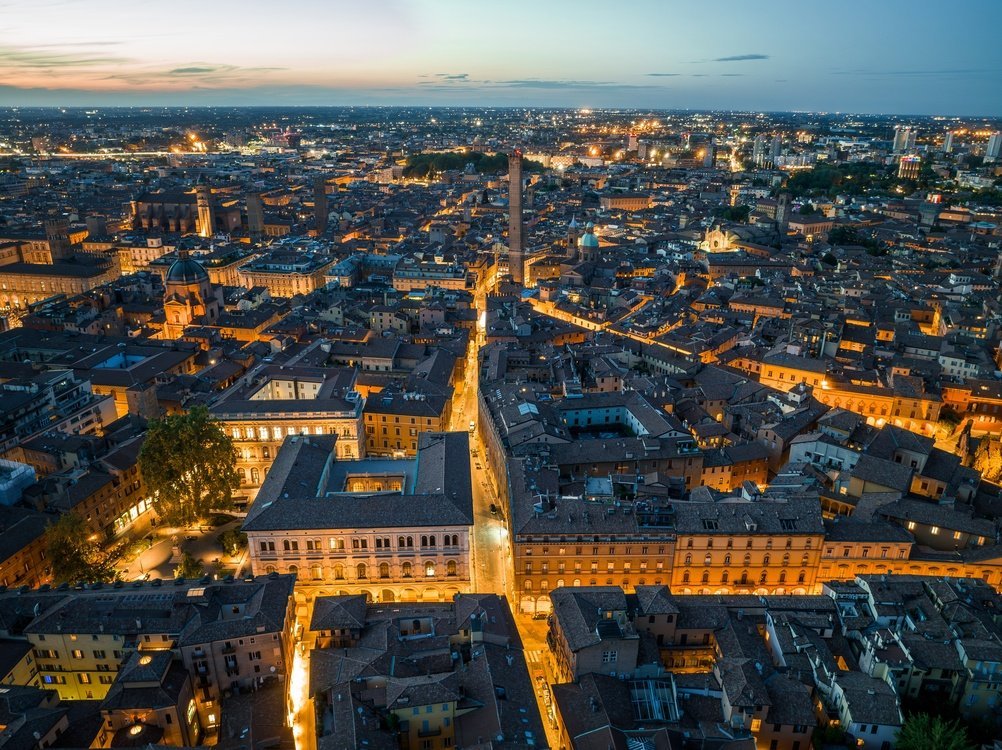
Italians call Bologna la dotta, la grassa e la rossa: the learned, the fat and the red. The city has the oldest university tradition in Europe, it’s where tortellini, mortadella and proper ragù come from, and the centre is a jumble of russet rooftops, medieval towers and around 60 kilometres of porticoes that keep off the rain and sun. Most of the best things to do in Bologna are within walking distance of Piazza Maggiore.
Here are the 17 sights in Bologna I would prioritise, from the squares, churches and food markets in the centre to the walk up to San Luca and day trips to Modena, Parma and Ravenna. Prices are given in euros, with approximate pound equivalents. Many of the churches are free, while several museums close on Mondays, so plan around the days of the week. At the bottom I’ve gathered practical tips on transport and tickets.
Contents
1. Piazza Maggiore and the Fountain of Neptune
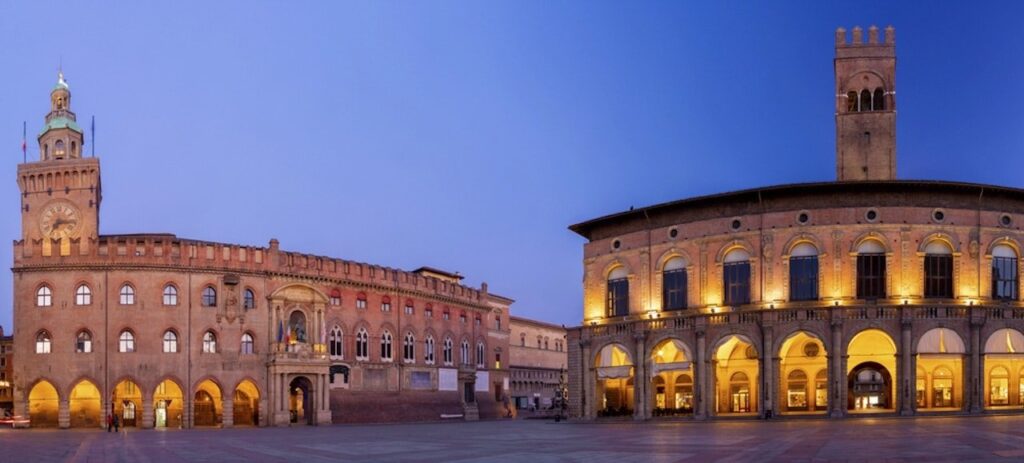
Piazza Maggiore is Bologna’s living room. To the west stands the town hall, Palazzo d’Accursio, home to the city’s art collection, to the north Palazzo del Podestà and to the south the enormous Basilica di San Petronio. Just around the corner on Piazza del Nettuno is the Fountain of Neptune, which the sculptor Giambologna cast in bronze in the 1560s and which has become the city’s emblem.
The square is free and open around the clock. If you want to see it from above, you can climb Torre dell’Orologio, the town hall’s clock tower. The ticket costs 10 euros (around £8) and includes the Collezioni Comunali d’Arte, but you need to book a time slot in advance: entry is every 20 minutes, and there’s no lift. Beneath Palazzo del Podestà lies the Voltone del Podestà archway, where two people can stand in opposite corners and whisper into the pillar so the other can hear.
Come early in the morning if you want the square more or less to yourself, and come back in the evening when locals and students sit on the steps in front of San Petronio. If you’d like to stay with the square as your neighbour, I’ve rounded up the best areas in my guide to where to stay in Bologna.
Book a walking tour of the centre with Piazza Maggiore, San Petronio and the towers here.
2. Basilica di San Petronio
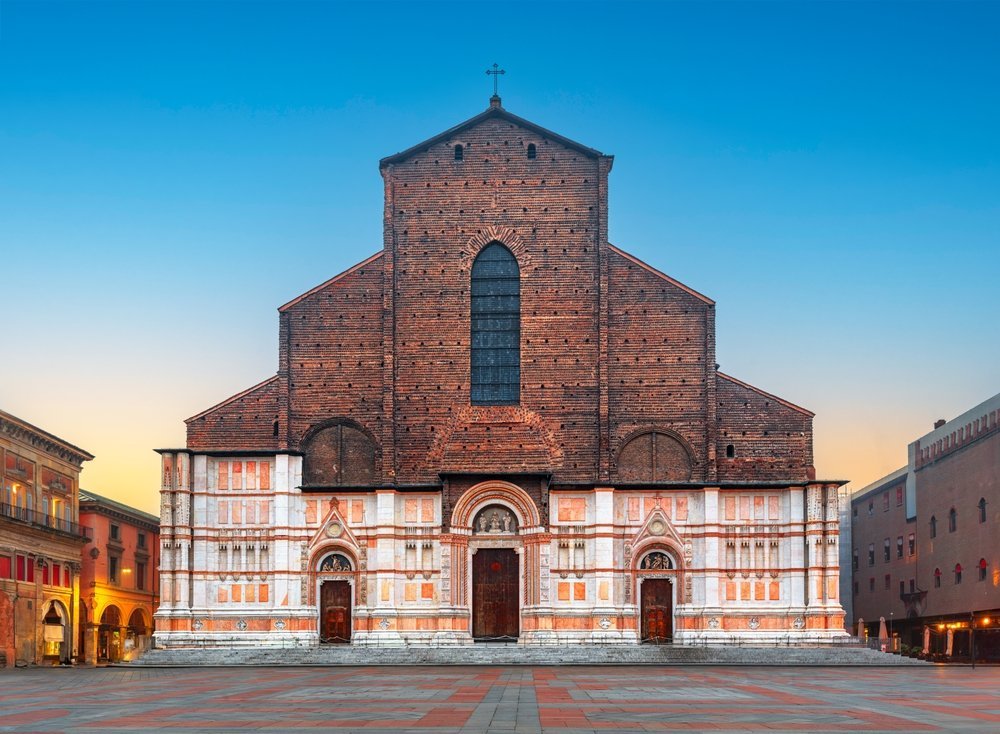
San Petronio is one of the largest churches in the world, and you can see straight away that it was never finished. Construction began in 1390, but only the lower part of the façade was clad in marble, while the rest remains bare brick. Inside there are 22 side chapels, and across the floor runs the 67-metre meridian line drawn by the astronomer Gian Domenico Cassini in 1655. At midday a ray of sunlight from a hole in the roof hits the line and marks local noon.
The church is open daily from 10am to 6pm, and the basilica itself is free, while the route through the Cappella dei Re Magi costs 5 euros (around £4). Here you’ll see Giovanni da Modena’s frescoes of heaven and hell in the Cappella Bolognini, and they’re well worth the money. Shoulders and knees must be covered, and you can’t bring suitcases or large bags inside. The panoramic terrace on the roof is permanently closed.
Come around 12 noon if you want to see the sun hit the meridian. If you’d like to stay right by the church, Art Hotel Commercianti is in a medieval building on Via de’ Pignattari, which runs alongside the basilica.
3. The Two Towers: Asinelli and Garisenda
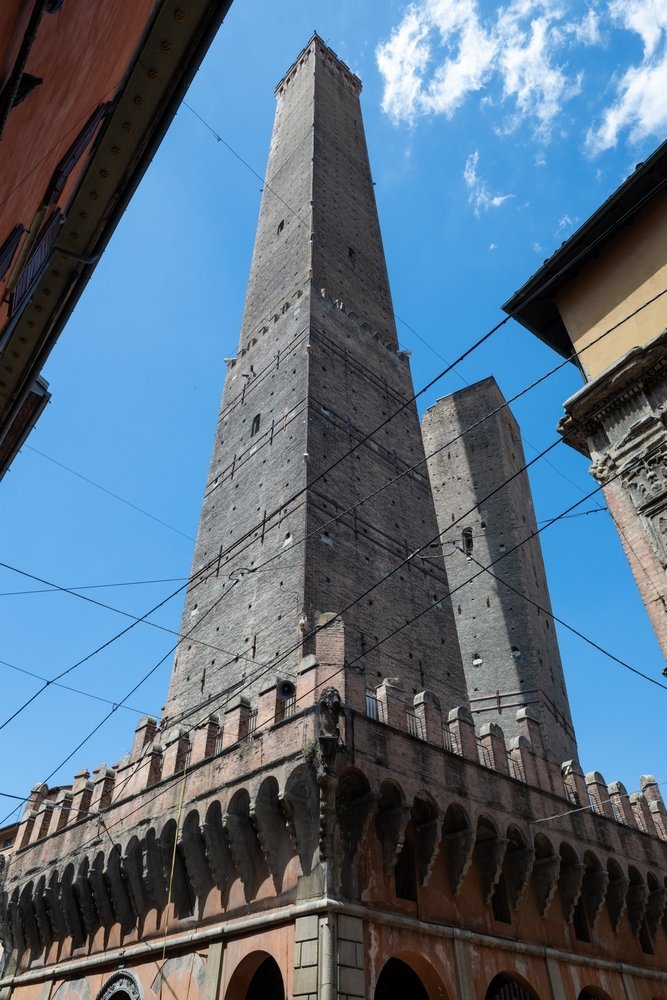
In the Middle Ages, Bologna’s wealthy families built towers to show off their power, and the city had many dozens of them. Today only around 20 remain, and the two best known stand side by side on Piazza di Porta Ravegnana. Torre degli Asinelli is 97.20 metres tall with 498 steps and no lift, while the steeply leaning Torre Garisenda is less than half as tall and was cut down as early as the 14th century because it leaned too much. Dante mentions Garisenda in the Divine Comedy.
Asinelli has at times been closed to visitors while Garisenda is being made safe, and the area around the towers may be cordoned off. Check the status with Bologna Welcome before you plan to climb it; when the tower is open, tickets cost 5 euros (around £4) and must be booked for a specific time. If Asinelli is closed, you can get the view from Torre dell’Orologio on Piazza Maggiore instead.
The towers look best from Strada Maggiore and Via Santo Stefano, where you can see both rising above the porticoes. If you want to wake up to the view, Albergo Garisenda has a roof terrace looking straight across at the two towers.
4. Archiginnasio and Teatro Anatomico
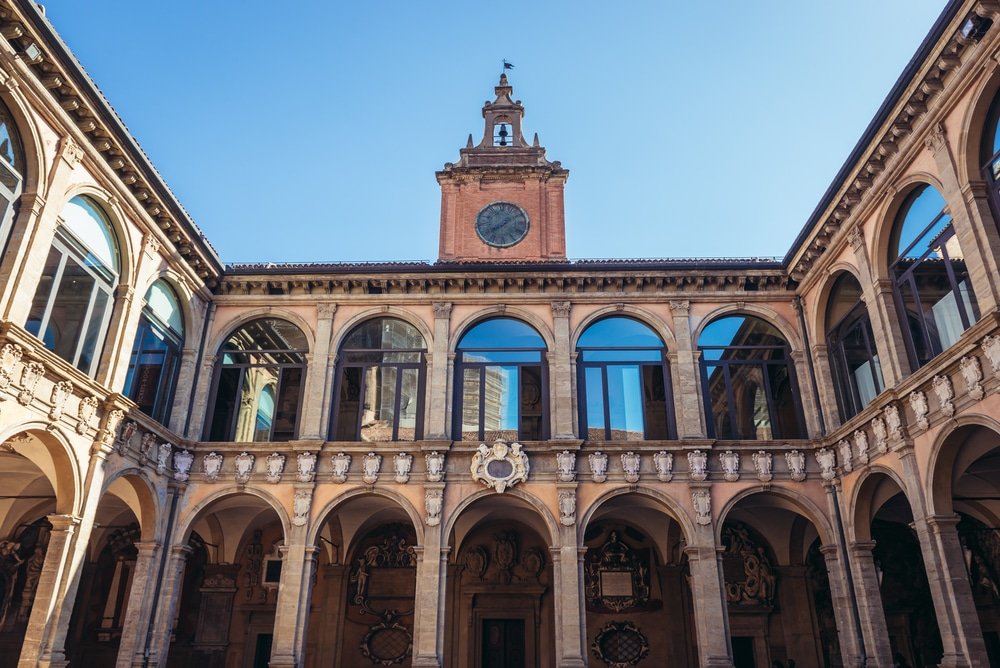
Palazzo dell’Archiginnasio was built in 1562 and 1563 to bring the university’s faculties together under one roof, and today it houses the city’s main library. The porticoes and stairways are covered with thousands of coats of arms and the names of students and teachers, making the whole building a kind of guestbook for the university. The most famous room is the Teatro Anatomico from 1637, a carved wooden anatomy theatre where students sat in rows around the marble table watching doctors dissect. Above the lectern, two skinless wooden figures hold up the canopy.
In the Stabat Mater hall, Rossini’s Stabat Mater was first performed in 1842 with Donizetti conducting. The palazzo is open Monday to Saturday from 9am to 7pm and closed on Sundays, and an audio-guided visit of the Teatro Anatomico and Stabat Mater costs 10 euros (around £8), while the guided tour costs 12 euros (around £10). Tickets must be booked in advance.
The Archiginnasio is right behind San Petronio, so the two fit nicely into one morning. The Stabat Mater hall may be closed when it’s being used for events, so check ahead if that’s the room you most want to see.
Book a walking tour with a visit to the Archiginnasio and a view from a tower here.
5. Santo Stefano and the Seven Churches
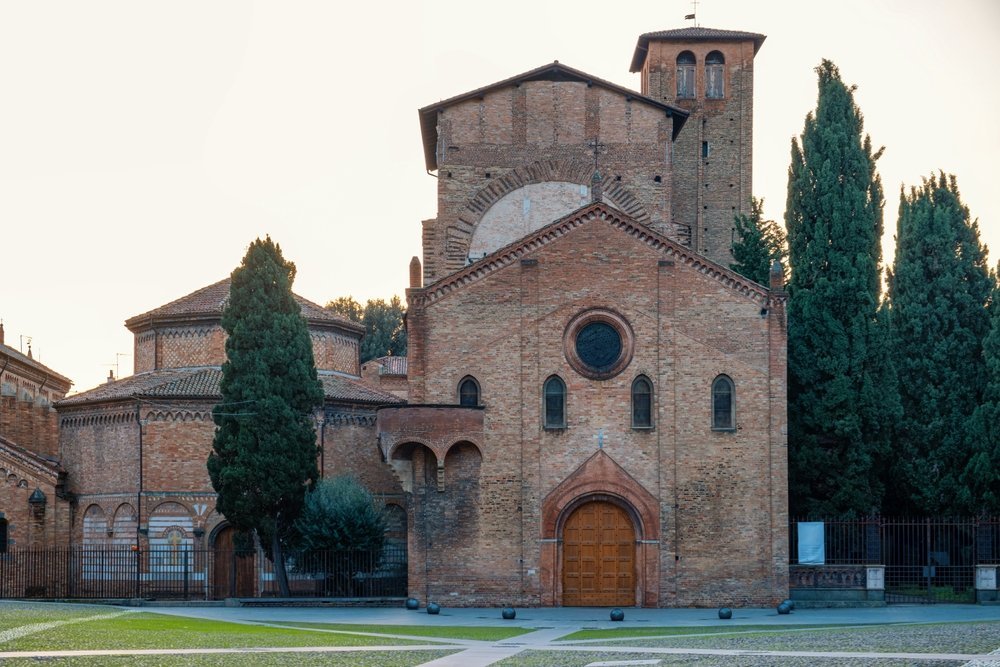
At the end of Via Santo Stefano lies a triangular square with porticoes on two sides and a cluster of ancient churches on the third. Locals call the complex Sette Chiese, the Seven Churches, because it’s made up of buildings from many different periods that have grown together. You walk from the Chiesa del Crocifisso into the round Santo Sepolcro, built as a copy of the Church of the Holy Sepulchre in Jerusalem, and on to the bare Santi Vitale e Agricola. Behind it is the Cortile di Pilato with a marble basin given to the church by the Lombard kings Liutprand and Ilprand, and a peaceful cloister with double arcades.
Entry is free, but the church asks for a small donation. The complex is open Tuesday to Sunday with a lunchtime closure from 12.30pm to around 2.30pm, and on Mondays you can only attend the evening Mass. From the Two Towers it’s a five-minute walk.
Come in the morning, when the dark church interiors are at their quietest. Afterwards, sit down at one of the cafés under the porticoes on the square, one of the loveliest spots in Bologna for an aperitivo.
6. Quadrilatero and Mercato di Mezzo
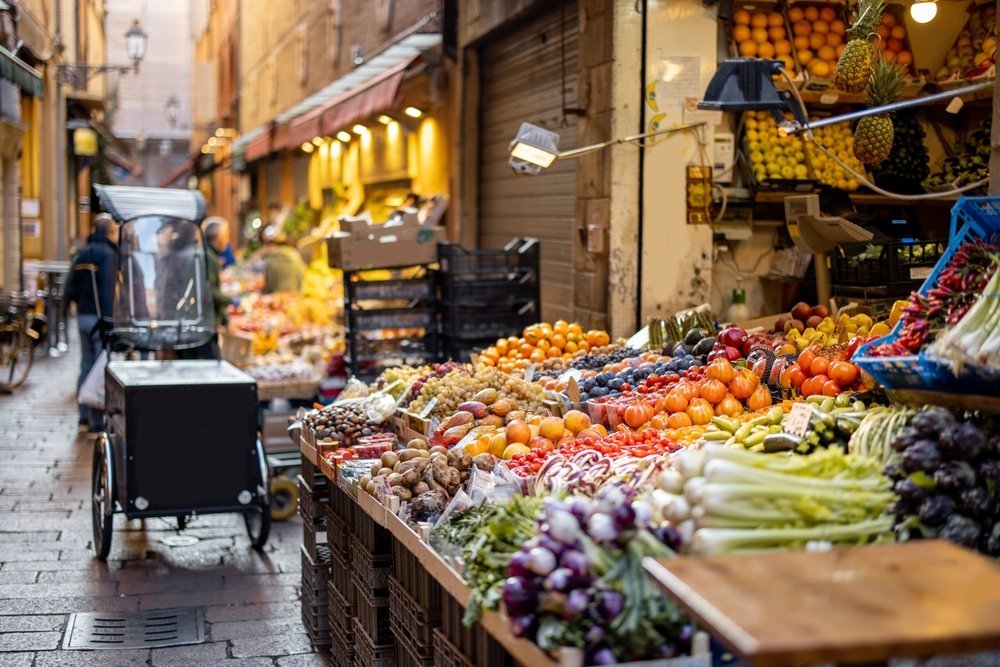
The Quadrilatero is the old market district between Piazza Maggiore and the Two Towers, and this is where you’ll understand why Bologna is called “the fat one”. In the narrow streets of Via Pescherie Vecchie, Via Drapperie and Via Clavature, which are still named after the medieval guilds, hams and mortadella hang from the ceilings, Parmigiano Reggiano sits in huge wheels and the fishmongers shout over their stalls. The delis Tamburini and Salumeria Simoni are the best known.
In the middle of the district is Mercato di Mezzo, an old market hall on Via Clavature with food stalls over several floors, where you can buy pasta, piadina, wine and a tagliere of cured meats and cheese. The hall is open every day from late morning until late in the evening. In the side street Vicolo Ranocchi you’ll find Osteria del Sole, a wine bar dating from the 1400s, where you buy the wine and bring your own food.
Buy mortadella and cheese in one of the shops and take it with you to Osteria del Sole. Come before 12 noon or after 3pm, as the streets are packed at lunchtime.
Book a food tour of the Quadrilatero with pasta, cheese, mortadella and wine here.
7. Mercato delle Erbe
If you want to see where the locals do their own shopping, walk ten minutes west of Piazza Maggiore to Mercato delle Erbe on Via Ugo Bassi. The covered market hall has stalls selling fruit, vegetables, meat, fish and fresh pasta, and prices are lower than in the Quadrilatero. The hall has been modernised, so there are also small restaurants and bars where people sit at long tables for lunch and dinner.
It’s free to wander round. The market opens early in the morning from Monday to Saturday, the restaurant section stays open until late in the evening, and everything is closed on Sundays. Buses run along Via Ugo Bassi, but from Piazza Maggiore it’s just as quick to walk.
Come in the morning for the market and in the evening for the food. Afterwards you can carry on to Via del Pratello a little further west, where the small bars are full of students.
8. Finestrella di Via Piella and the canals
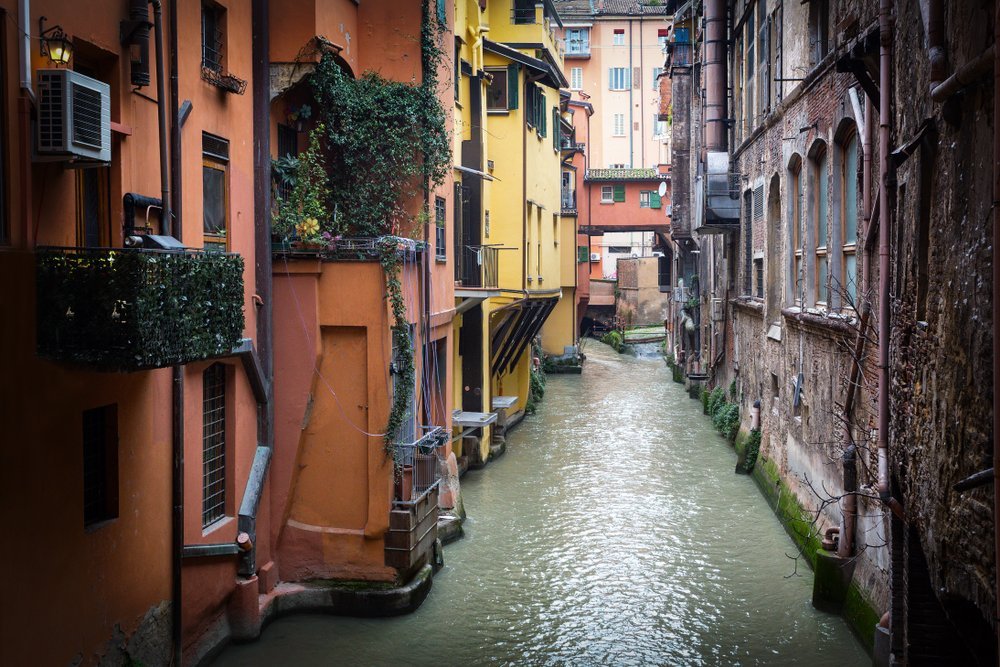
Most people are surprised to learn that Bologna was once a city of canals. In the Middle Ages, water was diverted from the Reno and Savena rivers through the city to power mills, tanneries and the silk industry, and today most of the canals have been covered over. On Via Piella there’s a small wooden hatch in a wall, the Finestrella, and when you open it you look down on the Canale delle Moline between houses with colourful façades. The view has earned the spot the nickname Bologna’s Little Venice.
The Finestrella is free and accessible around the clock. It’s a five-minute walk from Via dell’Indipendenza and about ten minutes from Piazza Maggiore. Once you’ve seen the canal through the hatch, walk over to the bridge on the other side of the wall, where you can see the same canal from the opposite side.
In the middle of the day there’s a queue to take photos, so come early or after dark. If you’d like to stay just round the corner, Hotel Holiday Alla Finestrella is on Via Bertiera close to the canal.
9. The porticoes and the walk up to San Luca
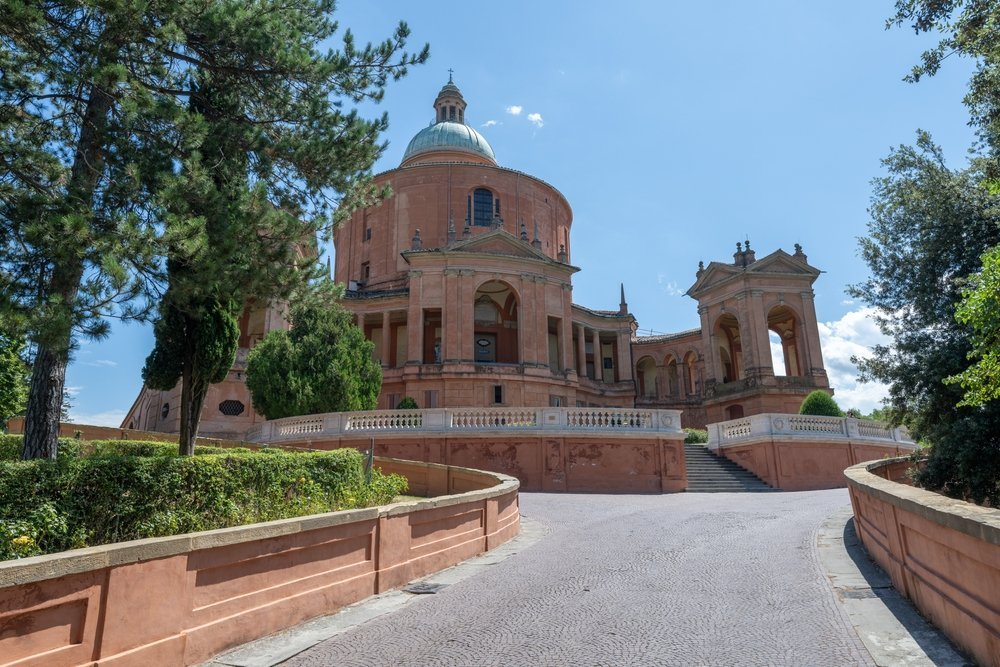
Bologna’s arcades, the portici, cover more than 60 kilometres of streets, and since 2021 they have been on the UNESCO World Heritage List. The longest of them runs all the way from Porta Saragozza up to the Santuario della Madonna di San Luca on the Colle della Guardia hill. The portico is around 3.5 kilometres long with 666 arches, and at the Arco del Meloncello from 1732 the climb proper begins, past 15 chapels. At the top stands the sanctuary with its round dome and views over the city and the Apennines.
UNESCO has designated the porticoes of Bologna as World Heritage, and it’s free to walk up and visit the church. Allow about an hour up from Porta Saragozza at a good pace. If you’re not up to the walk, take bus 20 from the centre to Villa Spada and bus 58 up to the sanctuary on the same ticket, or the San Luca Express tourist train from Piazza Maggiore.
Walk up and take the bus down, and bring water, as the last few kilometres are steep. The light over the hills is best in the late afternoon.
Book a guided walk up to San Luca along the hidden paths here.
10. The university quarter and Palazzo Poggi
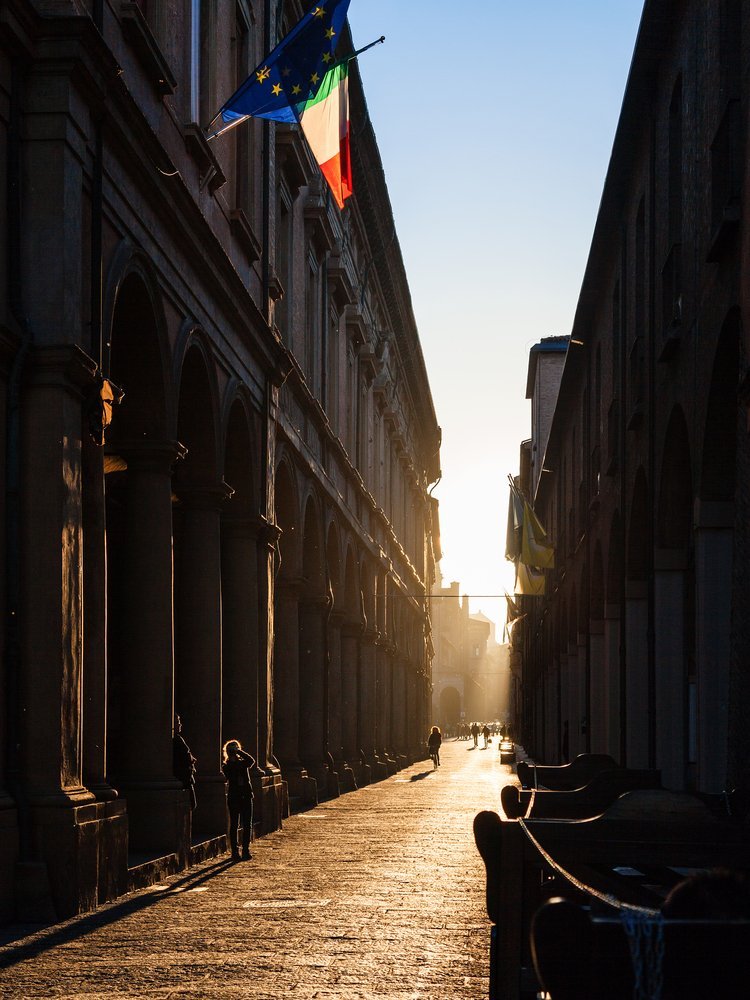
The University of Bologna traces its history back to 1088 and calls itself the oldest university in the Western world. The quarter lies north-east of the Two Towers around Via Zamboni and Piazza Verdi, and here the arcades are full of students, posters, bikes and cheap bars. Via Zamboni is also home to the church of San Giacomo Maggiore and Palazzo Poggi, where the university’s historic collections are on display.
In the Museo di Palazzo Poggi you’ll see ship models and nautical charts from the 1600s and 1700s, natural history collections and the anatomical wax models by Ercole Lelli and Anna Morandi, which were used to teach medical students. The museum is open Tuesday to Friday from 10am to 4pm and at weekends from 10am to 6pm, and a ticket costs 10 euros (around £8). It’s closed on Mondays, and under-19s get in free.
Come during the day if you want to see the quarter at its best. In the evening Piazza Verdi fills up with students, and it’s lively, but also noisy and messy.
11. Pinacoteca Nazionale
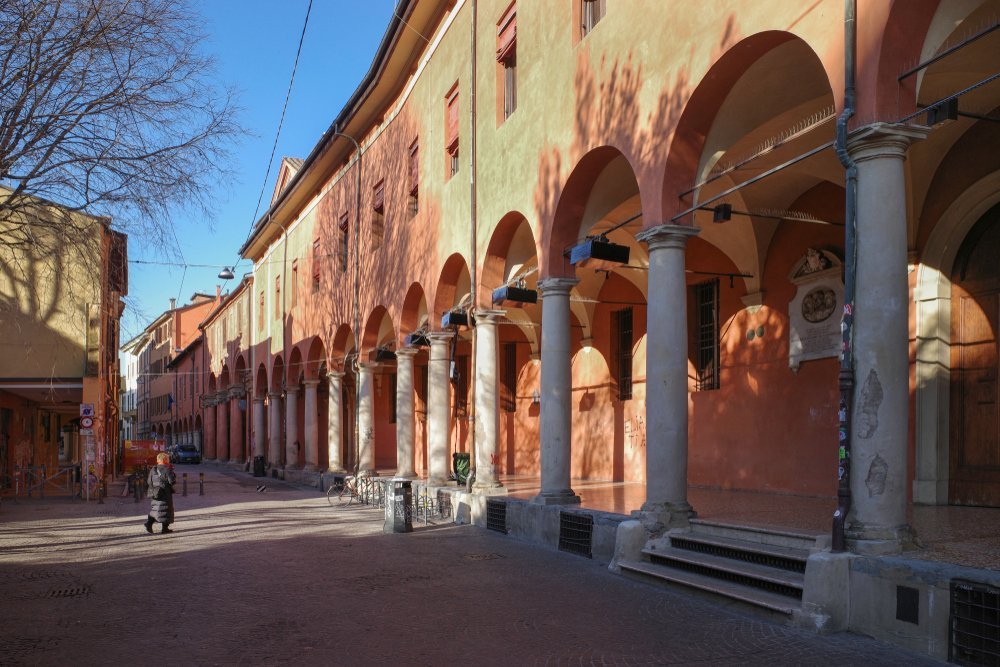
Bologna’s national art gallery is on Via delle Belle Arti in the university quarter and is one of the most underrated museums in Italy. The collection ranges from the golden altarpieces of the 1300s, including a polyptych by Giotto, to the Bolognese School of the 1500s and 1600s with the Carracci brothers, Guido Reni and Guercino. The highlight is Raphael’s The Ecstasy of Saint Cecilia, which was painted for a church in Bologna.
The museum is open Tuesday to Sunday from 9am to 7pm and closed on Mondays, and a ticket costs 12 euros (around £10), while under-18s get in free. On the first Sunday of the month entry is free for everyone, but that’s also when it’s busiest. It’s a five-minute walk from Piazza Verdi.
If you only have an hour, head straight for Raphael and the rooms with Guido Reni. The museum is rarely crowded, so it’s also a good place to hide on a rainy day.
12. Basilica di San Domenico
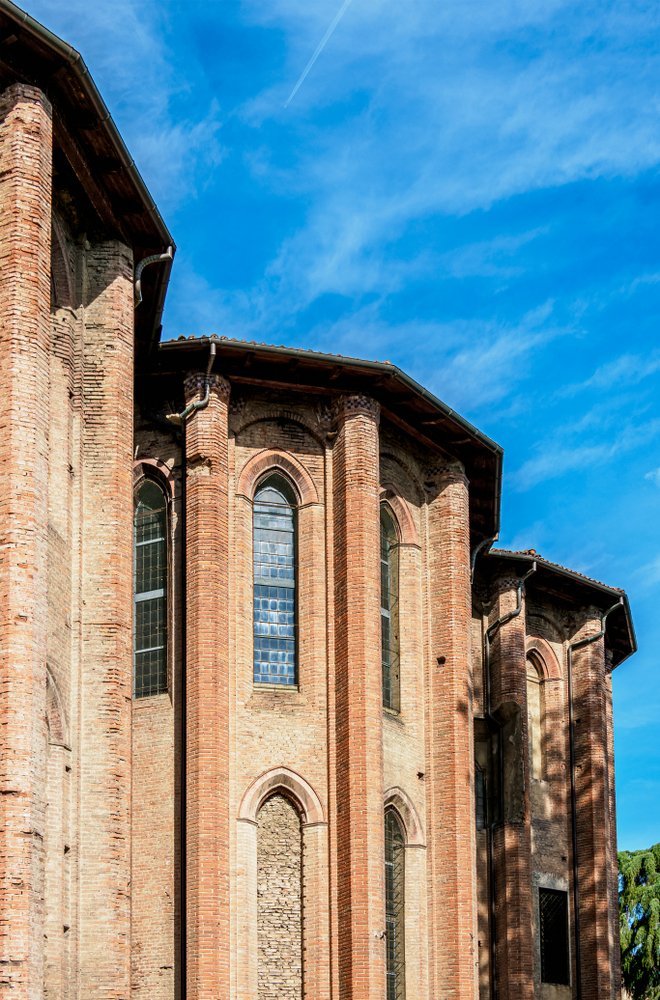
A ten-minute walk south of Piazza Maggiore is San Domenico, where Saint Dominic, founder of the Dominican Order, is buried. He died in Bologna in 1221, and his marble tomb, the Arca di San Domenico, is one of the finest works of art in the city. Nicola Pisano’s workshop began it in the 13th century, Niccolò dell’Arca added the top, and when he died, the young Michelangelo was given the job of carving the final figures. He was only about 20 when he sculpted the angel holding the candlestick and the small statues of San Petronio and San Procolo.
Entry to the church is free, and it’s open every day with a break in the middle of the day. In the square outside stand two medieval tombs of legal scholars raised on columns, a reminder of how important the study of law was to the university.
Walk right up to the tomb and look for Michelangelo’s angel on the right-hand side, as it’s easy to miss. If you’d like to stay in the quiet streets around the church, Hotel Touring has a roof terrace looking out over the rooftops and is just a few minutes from San Domenico.
13. MAMbo and Museo Morandi
MAMbo is Bologna’s museum of modern art, housed in the city’s former bakery, the Forno del Pane, in the Manifattura delle Arti district north of the centre. The museum opened in 2007 and shows Italian art from the post-war period to the present day. The same ticket gets you into Museo Morandi, the world’s largest public collection of works by Giorgio Morandi, Bologna’s own painter, who spent his whole life painting quiet still lifes of bottles, jugs and bowls.
Tickets cost 6 euros (around £5), and the museum is closed on Mondays. On Tuesdays it doesn’t open until the afternoon, on Thursdays it stays open until 8pm, and on the other days it opens in the morning. It’s on Via Don Minzoni, a ten-minute walk from Bologna Centrale and Via dell’Indipendenza.
Head to the Morandi rooms first if contemporary art isn’t your thing. It’s quiet, cheap and a nice contrast to the churches in the centre, and Morandi’s home on Via Fondazza can be visited by appointment.
14. Learn to make tortellini and tagliatelle
The best souvenir from Bologna is being able to make the pasta yourself. The city’s sfogline, the women who roll out pasta dough with a long rolling pin, still make tagliatelle and tortellini by hand, and you can watch them at work behind the windows of several pasta shops. Nobody here eats spaghetti bolognese; it’s tagliatelle al ragù, and in 1982 the local ragù recipe was registered with the chamber of commerce so there could be no doubt. Tortellini are traditionally served in a clear broth, tortellini in brodo.
A pasta class usually lasts around three hours and ends with you eating what you’ve made with a glass of wine. Prices start at around 50 euros (around £40) per person, and classes take place both at cookery schools in the centre and in locals’ homes.
Do the class early in your trip so you know what to look out for in restaurants afterwards. Book well ahead, as the popular sessions sell out quickly.
Book a pasta class with tagliatelle, ragù, spritz and gelato here.
15. Day trip to Modena and the Ferrari Museum in Maranello
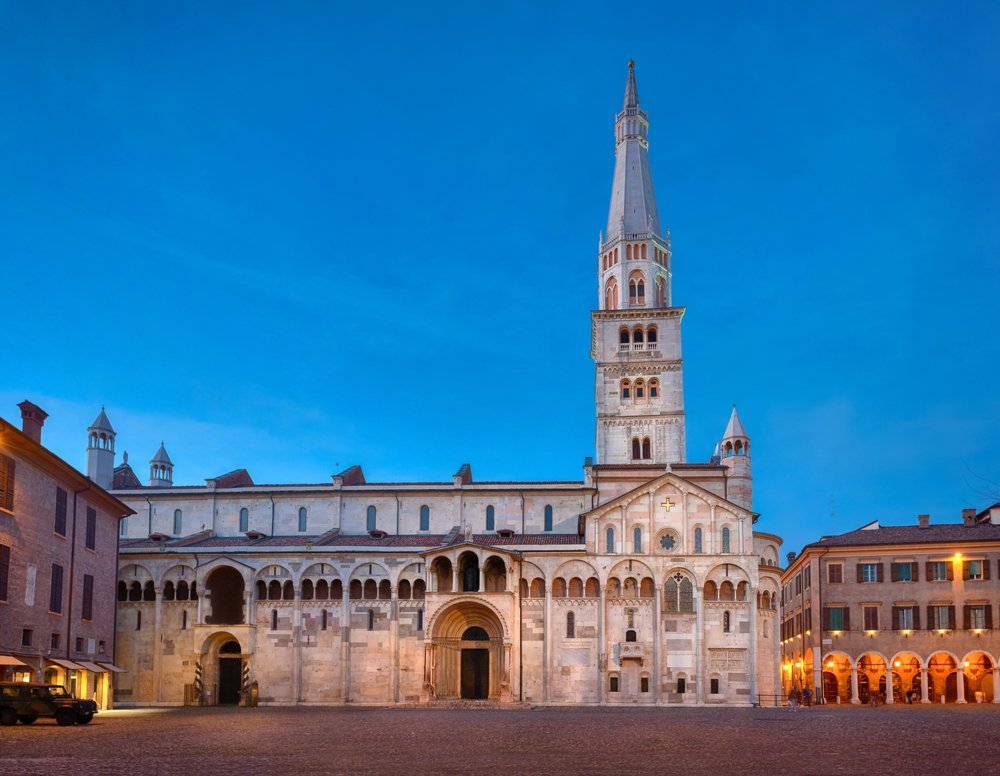
Modena is just 20 to 35 minutes from Bologna by train and makes the perfect day trip. The cathedral was begun in 1099 by the architect Lanfranco, and the sculptor Wiligelmo’s reliefs on the façade are among the finest Romanesque works in Italy. The cathedral, the Ghirlandina bell tower and Piazza Grande are on the UNESCO World Heritage List. Modena is also home to the genuine Aceto Balsamico Tradizionale, which is aged for at least 12 years, and several producers offer tastings.
For car fans there are two Ferrari museums. Museo Enzo Ferrari is close to the station in Modena, while Museo Ferrari is by the factory in Maranello, about 17 kilometres further south. A ticket costs around 32 euros (around £27) for each museum, and there’s a combined ticket for both. A shuttle bus links Modena Station with the museums, but if you fancy driving out to the producers in the countryside yourself, you can see car hire prices on Booking.com.
Regional trains are cheap and don’t need a seat reservation, and in my guide to trains in Italy you can see how to buy your ticket.
Book a day trip by train from Bologna to both Ferrari museums here.
16. Day trip to Parma
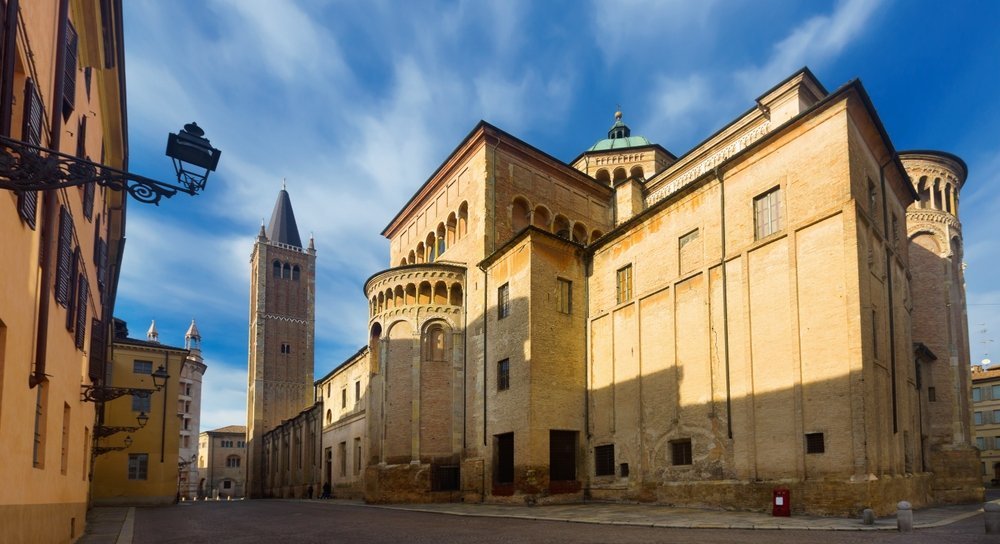
Parma is the home of Parmesan cheese and Parma ham, but it’s also one of the most beautiful places in Emilia-Romagna. On Piazza del Duomo, the cathedral with Correggio’s dome fresco of the Assumption of the Virgin stands beside the octagonal baptistery in pink marble, which Benedetto Antelami began in 1196. Inside Palazzo della Pilotta is Teatro Farnese, a huge theatre built entirely of wood in the 17th century.
The train from Bologna takes about an hour on a regional train and a little less on the fast trains, and from Parma Station it’s a 15-minute walk to Piazza del Duomo. The dairies that make Parmigiano Reggiano work early in the morning, so if you want to see the cheese being made, you’ll usually need to join a tour that starts early. The hams are cured in the hills around Langhirano south of the city.
Have lunch at a trattoria in the centre with a plate of torta fritta and ham, and save the cathedral for the afternoon, when the light falls into the dome.
Book a tour from Bologna to a Parmesan dairy and a ham factory in Parma here.
17. The mosaics of Ravenna
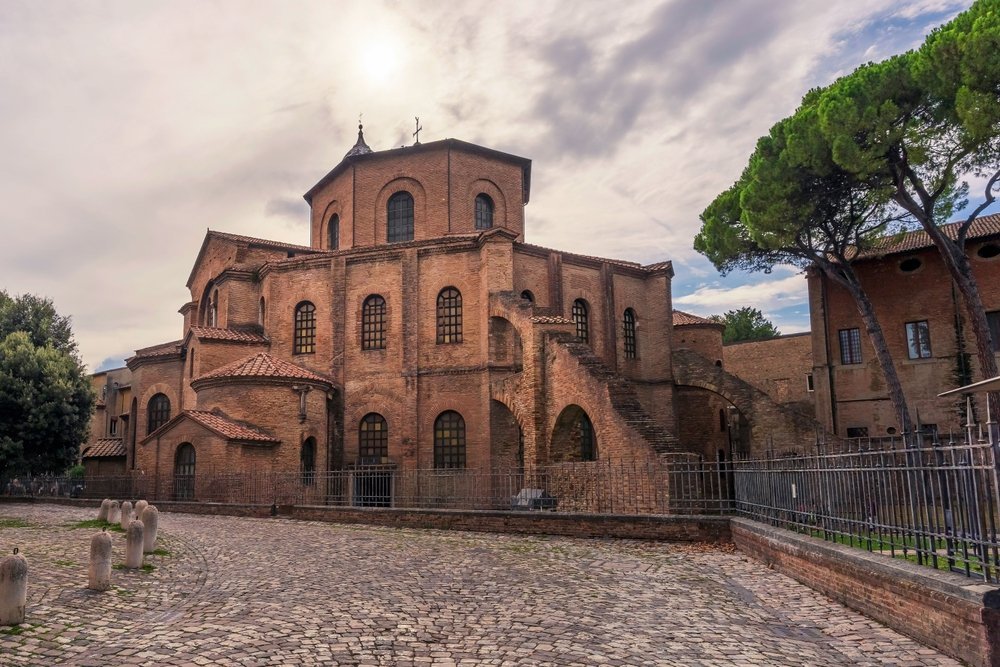
Ravenna was the capital of the Western Roman Empire in its final years and later the centre of Byzantine power in Italy, and from that era come the most spectacular mosaics in Europe. Eight of the city’s early Christian monuments are on the UNESCO World Heritage List. In the Basilica di San Vitale you’ll see Emperor Justinian and Empress Theodora in gold and green, the Mausoleum of Galla Placidia has a blue ceiling scattered with stars, and in Sant’Apollinare Nuovo two long processions of saints run along the walls. Dante’s tomb is also in Ravenna.
The train from Bologna takes between an hour and an hour and a half. A combined ticket gets you into San Vitale, Galla Placidia, Sant’Apollinare Nuovo and the Battistero Neoniano, and for Galla Placidia you need to book an entry time. Students pay €11.50 (around £10) for the four monuments, and the full price is a little higher. In summer the monuments are open from 9am to 7pm, and in winter from 10am to 5pm.
Book your Galla Placidia slot when you buy your ticket, as visits are short and sell out. Start at San Vitale, which is right next to the mausoleum.
Book a guided tour from Bologna to Ravenna’s UNESCO monuments here.
Practical travel tips for Bologna
The centre is so compact that you can walk almost everywhere, but TPER’s buses are handy for San Luca and the station. A single ticket costs €2.30 (around £2) and is valid for 75 minutes, bought on board it costs €2.50 (around £2), and a day ticket costs €9 (around £7.50). You can also pay by contactless card on board. From the airport, the Marconi Express monorail gets you to Bologna Centrale in just a few minutes.
The Bologna Welcome Card gives you free entry to places including the Torre dell’Orologio, the Asinelli Tower when it’s open, and MAMbo. It’s worth it if you want to see several museums, but many of the biggest sights are free. Spring and autumn are the best times to visit, while August is hot and many family-run restaurants close for their summer holidays.
If you’d like the full range of places to stay, you can see all hotels in Bologna on Booking.com.
Bologna also makes a great base for exploring the rest of northern Italy. High-speed trains reach Florence in under 40 minutes, and there you can use my guide to things to do in Florence. If you’re heading further north, I’ve also rounded up the best things to do in Venice and things to do in Milan.
Travel ressources & websites I use all the time 👇
• Booking.com has the best offers on hotels and unique places to stay
• GetYourGuide is the best place to book tours & activities with free cancellation
• Welcome Pickups is the best & safest place to pre-book airport transfers
Psst 👀 Have you subscribed to my Youtube channel and my Instagram where I provide more useful travel tips?