

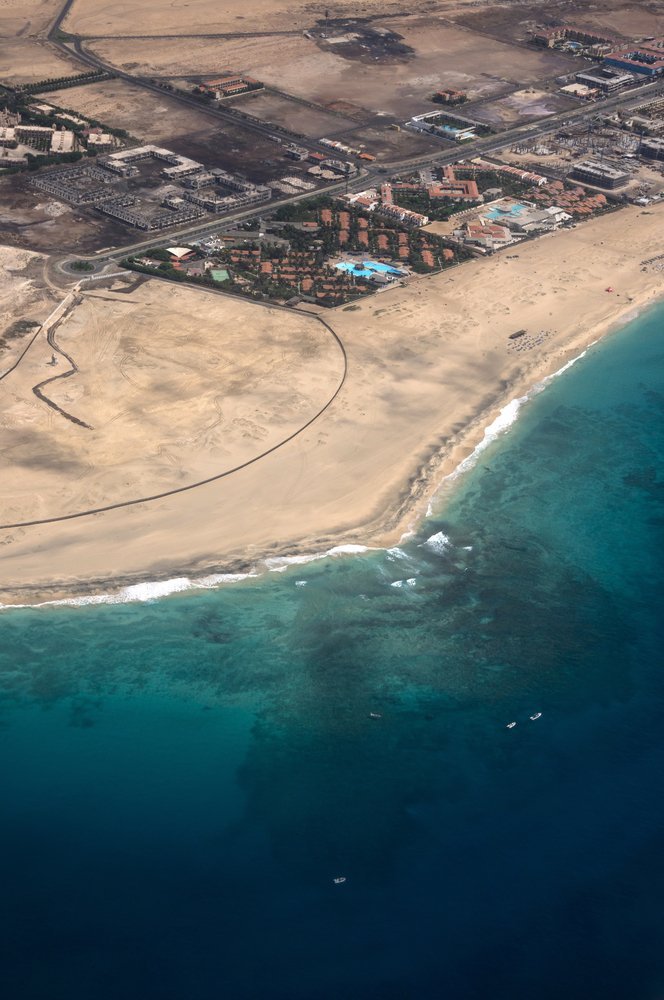
Cape Verde is a group of ten volcanic islands out in the Atlantic off the coast of West Africa, and most British travellers know them for winter sun, long sandy beaches and all-inclusive holidays on Sal and Boa Vista. But there are far more things to do in Cape Verde than lie on the beach. On Sal you float in salt water inside an old crater and wade out among lemon sharks, on Boa Vista you drive through desert dunes to a rusty shipwreck, and on the other islands Mindelo’s music, Santo Antão’s green valleys and the volcano on Fogo are waiting for you.
Here are my picks for the 17 best sights in Cape Verde, grouped island by island with prices, transport and a practical tip for each. Most of them are on Sal and Boa Vista, where most people stay. Prices are given in euros, and 1 euro is roughly £0.84. The local currency is the escudo, and 1 euro is roughly 110 escudos, but on Sal and Boa Vista you can pay in euros in most places.
Contents
1. Santa Maria and the Pontão pier (Sal)
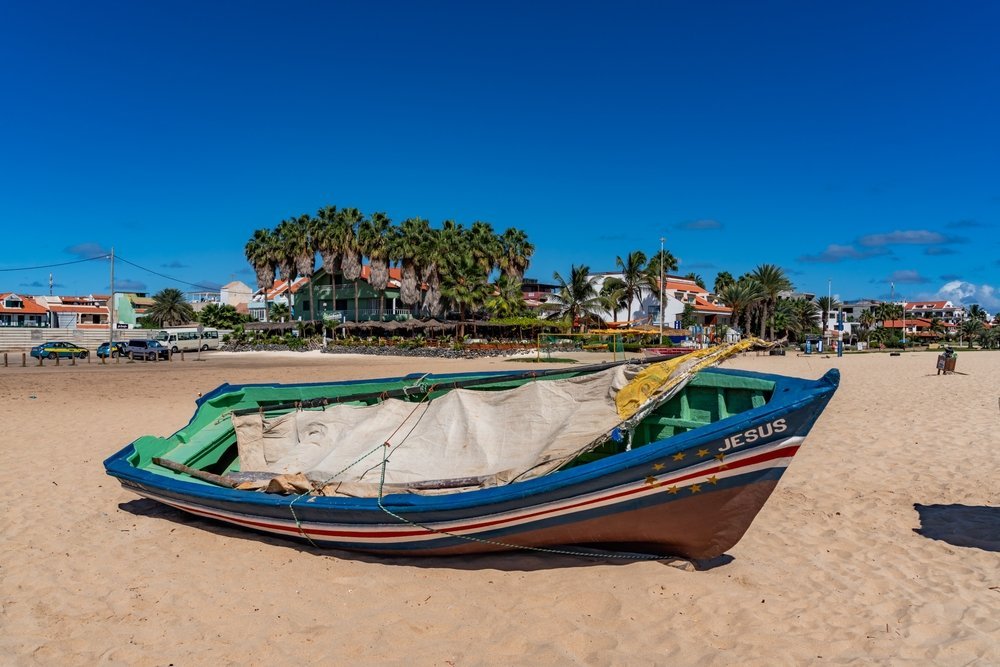
Santa Maria sits on the southern tip of Sal and is the island’s resort town, built around a long, pale sandy beach with turquoise water. Halfway along the beach, the old Pontão pier stretches out into the sea. It was originally built to ship out salt from the salt flats north of town, but today it is where the fishermen work. Towards midday the boats come in with tuna and other big fish, which are cleaned and sold right there on the pier.
Walking out on the pier is free, and it is open all day. The beach is sheltered from the prevailing wind, so the water is usually calmer here than elsewhere on the island. In the evening, life moves into the streets behind the beach, where you will find restaurants, bars and often live music.
My tip is to come around midday when the catch comes in, then walk west along the beach for sunset. Santa Maria is the first area in my guide to where to stay in Cape Verde. If you want to stay right in the thick of it, Vista Mar Seafront Holiday Apartments is just a few metres from the beach and a short walk from the pier.
Book a guided snorkelling trip to the reefs off Santa Maria here.
2. The salt crater at Pedra de Lume (Sal)
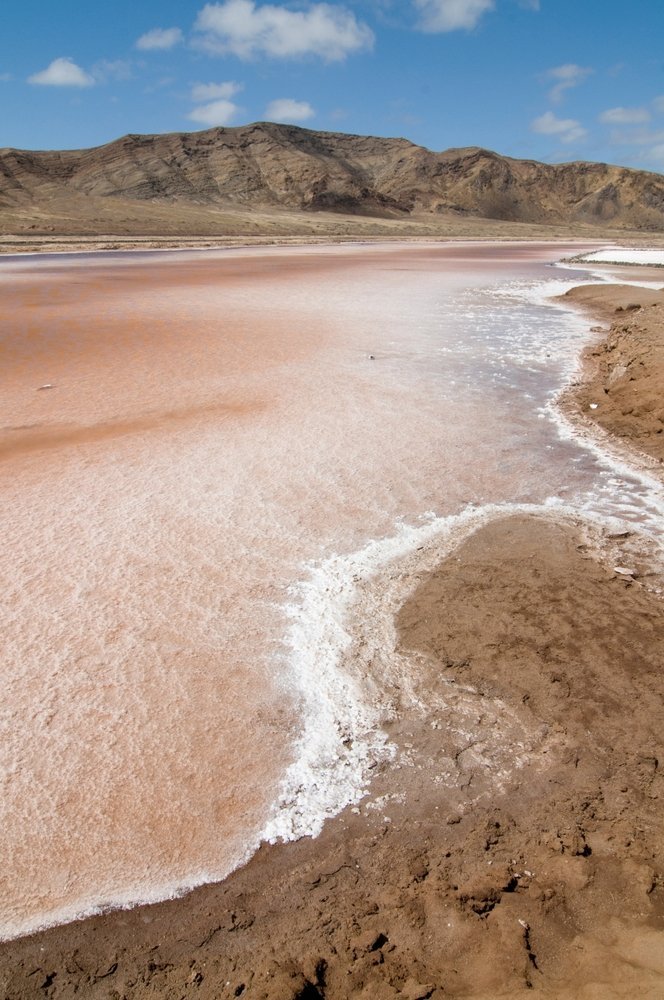
Pedra de Lume lies on the east coast inside an old volcanic crater, where seawater seeps in through the rocks and evaporates in the sun. It is the salt from here that gave Sal its name, and in the 20th century a cableway carried the salt over the crater rim down to the harbour. You walk in through a tunnel in the crater wall and come out onto white salt flats and pools with water so salty that you bob like a cork.
Entry costs around 6 euros (around £5), payable in cash. It is open every day from morning until late afternoon, and there are changing rooms, toilets and a small café. The showers cost around 1 euro in coins. From Santa Maria the trip takes about half an hour by taxi, or you can take an aluguer, the shared minibuses, to Espargos and a taxi for the last stretch.
My tip is to wear water shoes, because the salt crystals on the bottom are sharp, and not to shave on the same day. Keep your head above the water, as the salt water stings your eyes badly, and come at opening time or late in the afternoon, once the tour coaches have left.
Book a half-day trip to the Pedra de Lume salt crater and Shark Bay here.
3. Buracona and the Blue Eye (Sal)
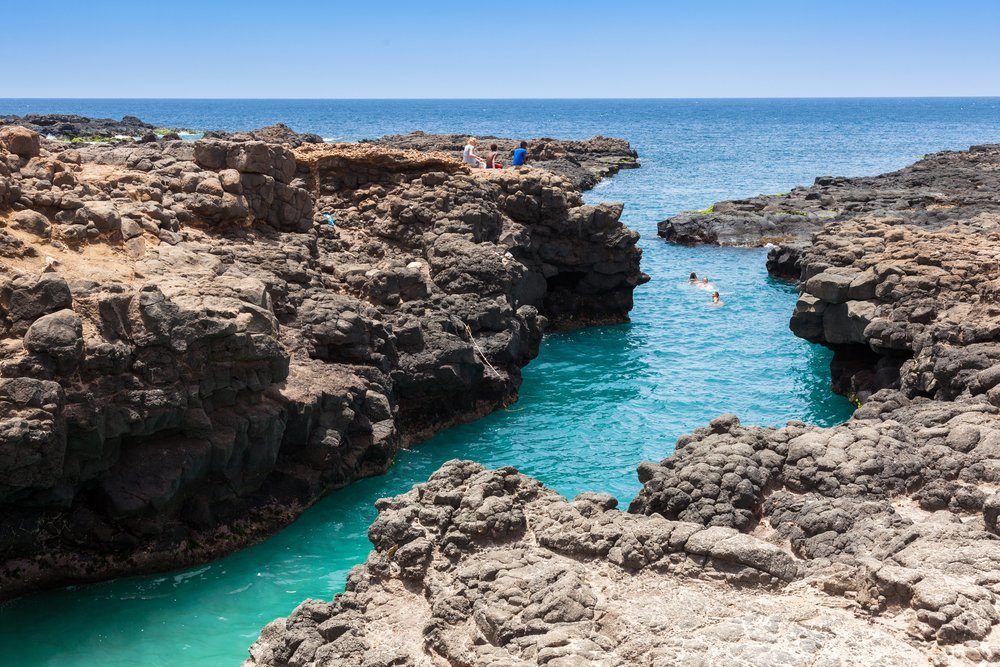
Buracona lies on the wild north-west coast north of Palmeira, where black lava rocks drop straight into the Atlantic. There is a natural pool in the lava where you can swim when the sea is calm, and a hole in the rocks called Olho Azul, or the Blue Eye. When the sun is high, the light hits an underwater cave and the water in the hole lights up a clear, electric blue.
Entry costs around 3 euros (around £2.50), and there are walkways, a café and toilets. The last part of the road out there is gravel, so most people arrive by taxi or on an island tour. You are not allowed to swim in the Blue Eye itself, and you should only get into the pool when no waves are breaking over the rocks.
My tip is to be there between 11am and 1pm on a clear day, because without sunshine the hole just looks dark. The effect is strongest in summer, when the sun is at its highest. Wear water shoes, as the lava is sharp, and carry on to Palmeira afterwards for lunch.
Book a tour of Sal to the Blue Eye, the salt crater and the lemon sharks here.
4. The lemon sharks in Shark Bay (Sal)
Shark Bay is at Baía da Parda on Sal’s east coast, about half an hour’s drive from Santa Maria. The bay is so shallow that you can wade a long way out in knee-deep water, and this is where young lemon sharks grow up. They are typically half a metre to a metre long and swim in small groups around your legs. The sharks are not interested in people, as long as you leave them alone.
There is no official entry fee, but the local guides on the beach charge around 3 euros (around £2.50) to walk out with you, and you can also hire water shoes here. There are no toilets or café, and no buses run out there. A taxi from Santa Maria costs around 30 to 40 euros (around £25 to £35) return including waiting time, so most people come on a tour.
My tip is to arrive before 10am or late in the afternoon, before and after the big groups, so the water is clear. Stand still, keep your hands up, and never touch or feed the sharks. The bottom is stone and lava, so water shoes are a must.
Book a trip from Santa Maria to the lemon sharks in Shark Bay here.
5. Kitesurfing and surfing at Kite Beach and Ponta Preta (Sal)
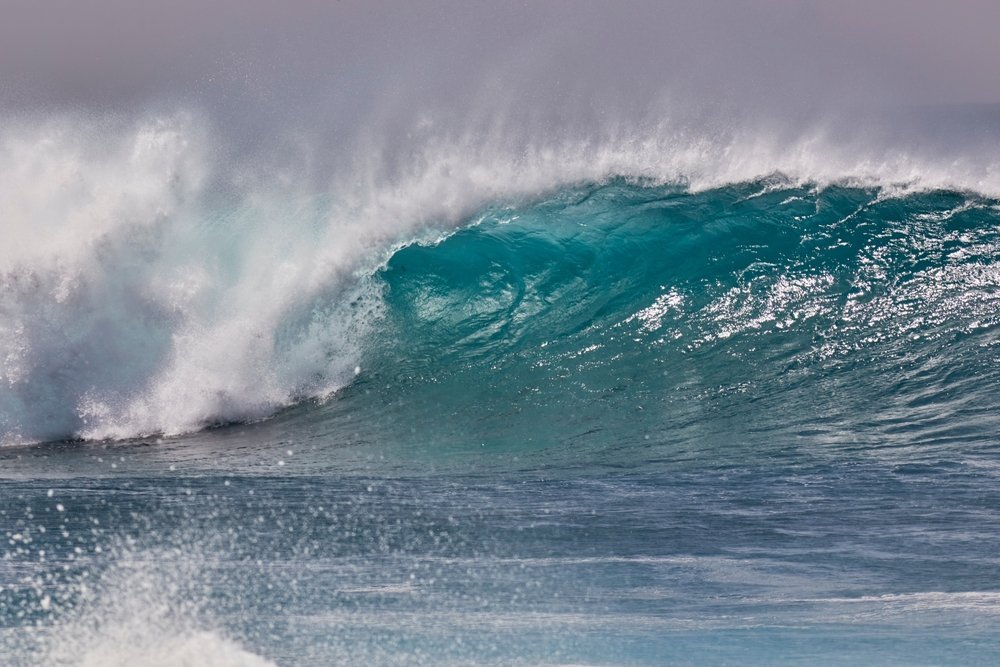
Sal is one of the best wind islands in the Atlantic, and the trade winds blow for most of the winter. Kite Beach is on the south-east coast just east of Santa Maria, and this is where the kitesurfers gather, with schools, equipment hire and a long beach with plenty of space to rig up. On the west coast is Ponta Preta, where the waves are so big that the spot is known among surfers and kitesurfers far beyond the island.
The wind is usually strongest from around November to May and lighter in late summer. A two-hour kitesurfing course costs from around 150 euros (around £125), while a surf lesson costs from around 38 euros (around £30). Watching from the beach is free, and Kite Beach is close enough to Santa Maria that you can walk or take a short taxi ride.
Ponta Preta is for experienced riders only, and you shouldn’t swim here, as the waves and currents are powerful. If you are a beginner, book a course over several days rather than a single lesson. If you know the wind from the Canary Islands, the conditions are similar to those you will know from my guide to where to stay in Fuerteventura.
Book a kitesurfing course with an instructor on Sal here.
6. The fishing village of Palmeira (Sal)
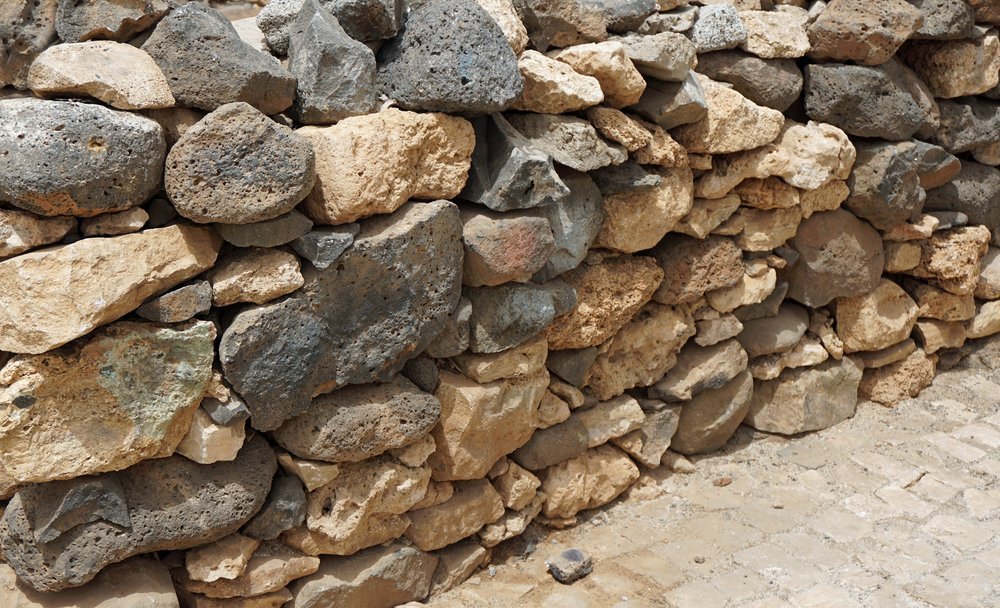
Palmeira on the west coast is Sal’s port town, where the cargo ships dock with everything the island needs. At the same time, it’s a small, quiet fishing village with colourful wooden boats in the harbour, a little square and pastel-painted houses. This is where you see everyday life on Sal away from the tourist town, and it’s also where many of the boat trips along the west coast set sail.
It costs nothing to wander around, and down by the harbour there are a few simple restaurants serving the catch of the day. Palmeira is only a short drive from Espargos and the airport, and aluguers run there from Espargos. The road out to Buracona passes the town, so the two places fit well together on the same day. The catamaran trips usually sail south to the bay at Murdeira, where you can swim and snorkel.
My tip is to visit Buracona around midday and then drive down to Palmeira afterwards for grilled fish by the harbour. Come on a weekday when the fishermen are working, and bring cash for the small restaurants.
Book a catamaran trip with snorkelling along the west coast here.
7. The Viana Desert (Boa Vista)
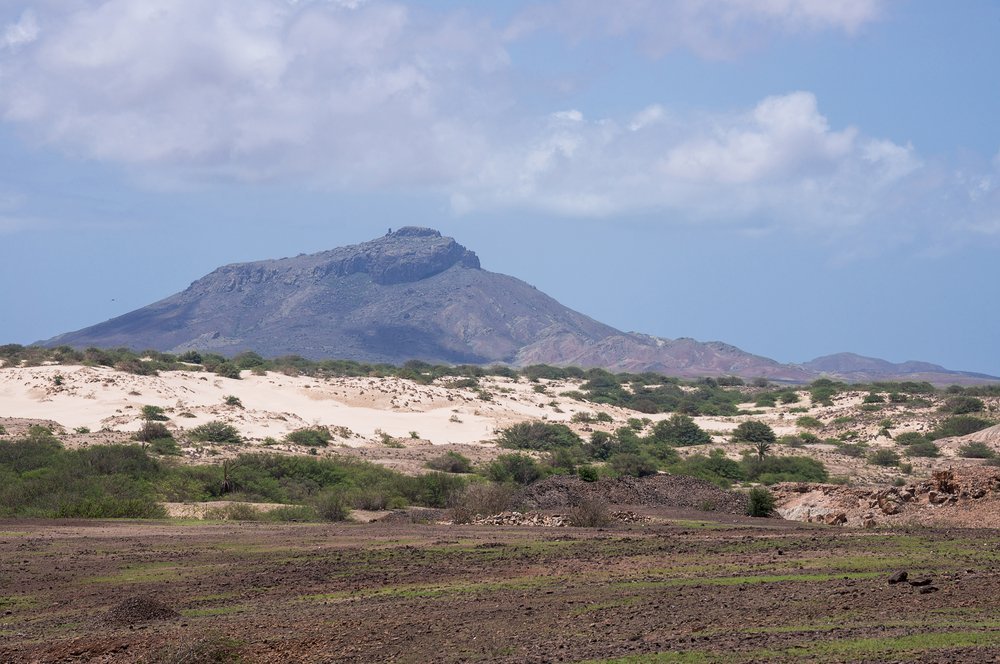
Just east of Sal Rei and the village of Rabil lies Deserto de Viana, a landscape of tall, pale sand dunes that looks like a slice of the Sahara. According to the locals, the sand has blown here from Africa, and when the wind sweeps through the dunes, they change shape from day to day. Behind them the dark mountains rise up, and in the afternoon the sand turns almost golden.
The desert is free and only a short drive from Sal Rei, but there are no facilities and no shade. The best way to get there is by 4×4 or on a tour, as an ordinary hire car quickly gets stuck in the sand, and the insurance rarely covers that kind of driving. On most tours you can try sandboarding down the dunes.
My tip is to head out late in the afternoon, when the sand isn’t scorching hot and the light is softer. Bring plenty of water, and wrap up your phone and camera well, because the fine sand gets everywhere.
Book a jeep tour to the Viana Desert and the shipwreck here.
8. The Cabo Santa Maria shipwreck (Boa Vista)
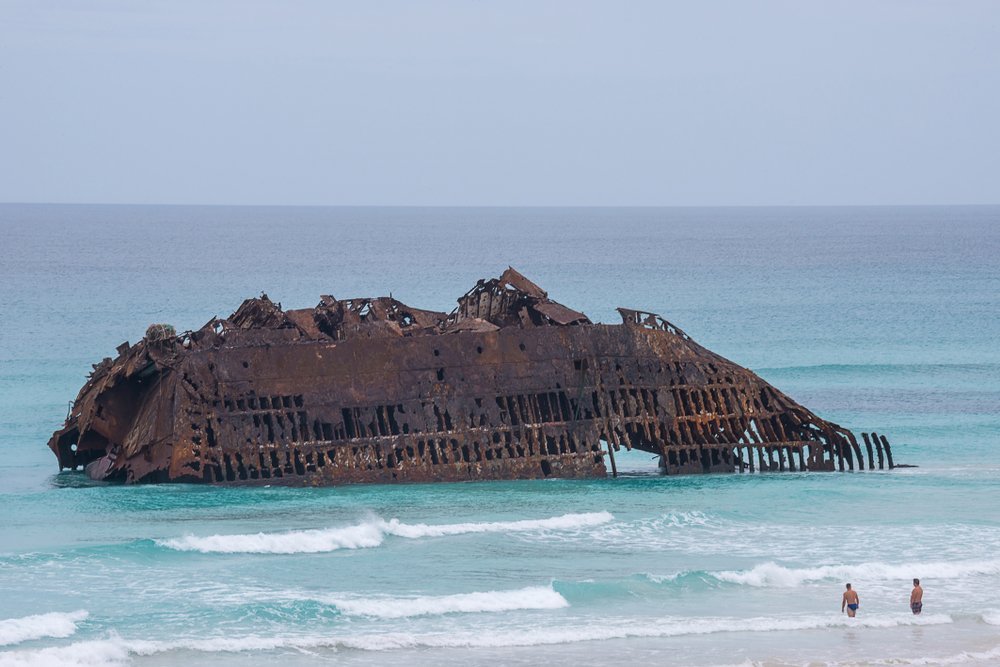
On Praia de Atalanta beach on Boa Vista’s north coast, about 6 kilometres north-east of Sal Rei, lies the wreck of the Cabo Santa Maria. It was a Spanish cargo ship that ran aground here on 1 September 1968, and since then the waves have slowly worn down the rusty hull. The wreck stands in the surf on a long, deserted beach, and it’s one of the most photographed sights on Boa Vista.
It’s free to visit, but the road is a sandy dirt track, so most people come by quad bike or 4×4. There are no facilities on the beach. The current along the coast is strong, so don’t swim out to the wreck, and don’t climb on it, as the hull could collapse.
My tip is to go in the afternoon, when the sun lights up the hull, and combine the wreck with the Viana Desert, which is on the way. A two-hour quad tour covering both places costs from around 90 euros (around £75) per quad.
Book a quad tour to the shipwreck and the Viana Desert here.
9. Praia de Santa Mónica and the south coast (Boa Vista)
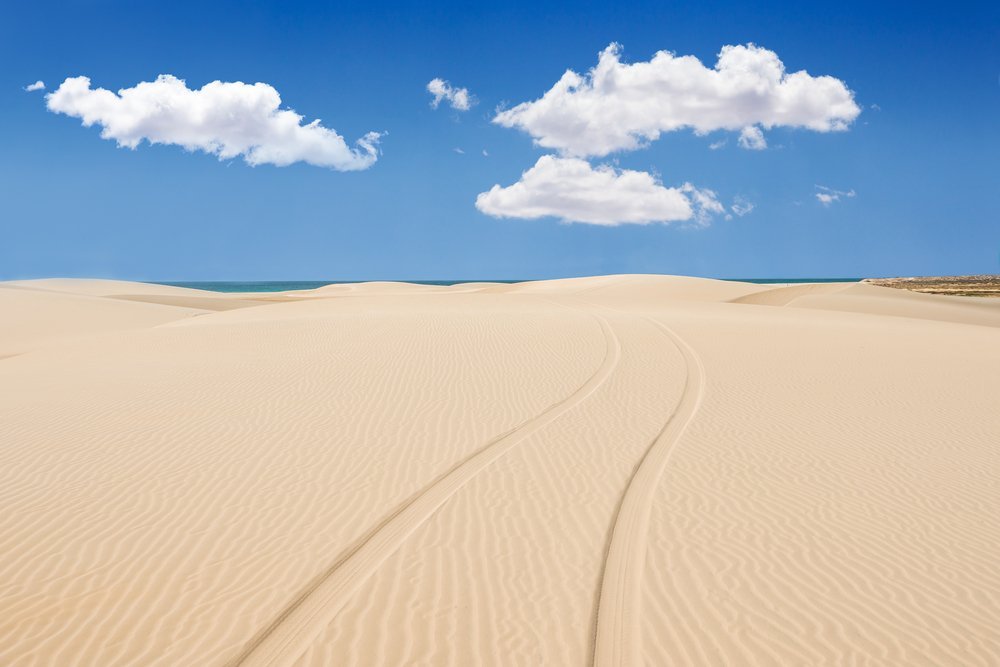
Praia de Santa Mónica on Boa Vista’s south-west coast is, in my opinion, the island’s most beautiful beach. It stretches for many kilometres with white sand, turquoise water and hardly any buildings, and it borders the Morro de Areia nature reserve with its dunes, birds and turtles. About 5 kilometres to the north lies Povoação Velha, the island’s oldest village, sheltered by the mountains, and along the nearby coast you’ll find the rock caves at Varandinha.
The beach is free, and there are practically no facilities. From Sal Rei the journey takes about 45 minutes, and the last stretch is on a dirt track. The waves and current can be powerful, so only go in when the sea is calm, and stay close to the shore.
My tip is to take a 4×4 tour that combines Povoação Velha, Varandinha and Santa Mónica in one day, so you don’t have to find your own way along the tracks. If you hire a car yourself, never leave anything visible in it while you’re on the beach.
Book a trip to Santa Mónica with sandboarding and local tastings here.
10. Curral Velho and the deserted east coast (Boa Vista)
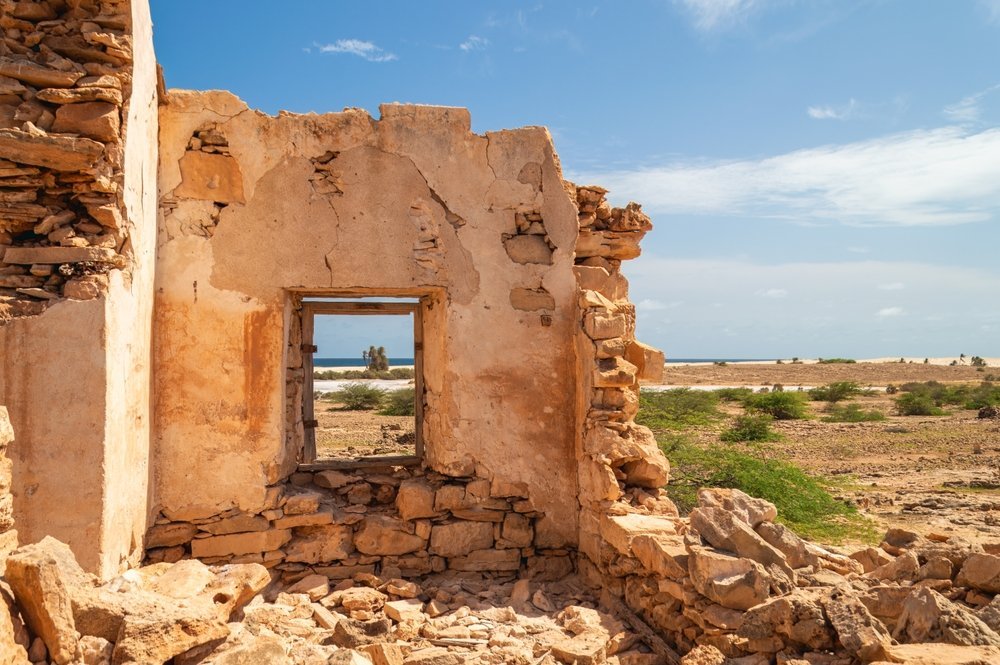
On Boa Vista’s south-east coast lie the ruins of Curral Velho, a fishing village abandoned many years ago. The stone walls still stand in the sand by a long, empty beach, and out at sea lies the small island of Ilhéu de Curral Velho. The beaches here are among the places where turtles come ashore to lay their eggs, and this is one of the most deserted coastlines you’ll find in Cape Verde.
There’s no entrance fee and no facilities, and you can only get there along sandy tracks in a 4×4. Tours along the east coast usually pass abandoned villages, an old baobab tree and deserted beaches, and often finish with sandboarding in the Viana Desert.
My tip is to join a guided tour rather than drive yourself, as the tracks are hard to find and tough on an ordinary hire car. During turtle season the beaches are protected at night, so only visit in daylight unless you’re with a certified guide.
Book a full-day tour of Boa Vista’s deserted east coast here.
11. Sea turtles and humpback whales (Boa Vista and Sal)
Boa Vista is one of the world’s most important places for the loggerhead turtle, and according to the Turtle Foundation, around two thirds of all nesting in Cape Verde takes place right here. The females come ashore at night from roughly June to October, and the hatchlings crawl down to the sea from roughly August to November. On Sal, Projeto Biodiversidade works to protect the turtles and their nests.
At night you may only visit the beaches with a certified guide. Never use lights or flash, and keep your distance. A tour costs from around 80 euros (around £65). From roughly February to May, humpback whales come to the waters around Boa Vista to mate and give birth, and according to the Loro Parque Fundación, the bay off Sal Rei is one of the most important breeding grounds. Whale-watching trips sail from Sal Rei, and a trip costs from around 80 euros (around £65).
My tip is to travel in August if you want to see turtles, as that’s peak season for the females on the beach. Whale trips can be cancelled when the waves are high, so book them early in your holiday.
Book a turtle tour with a certified guide on Boa Vista here.
Book a whale-watching trip with a biologist from Boa Vista here.
12. Mindelo and its music (São Vicente)
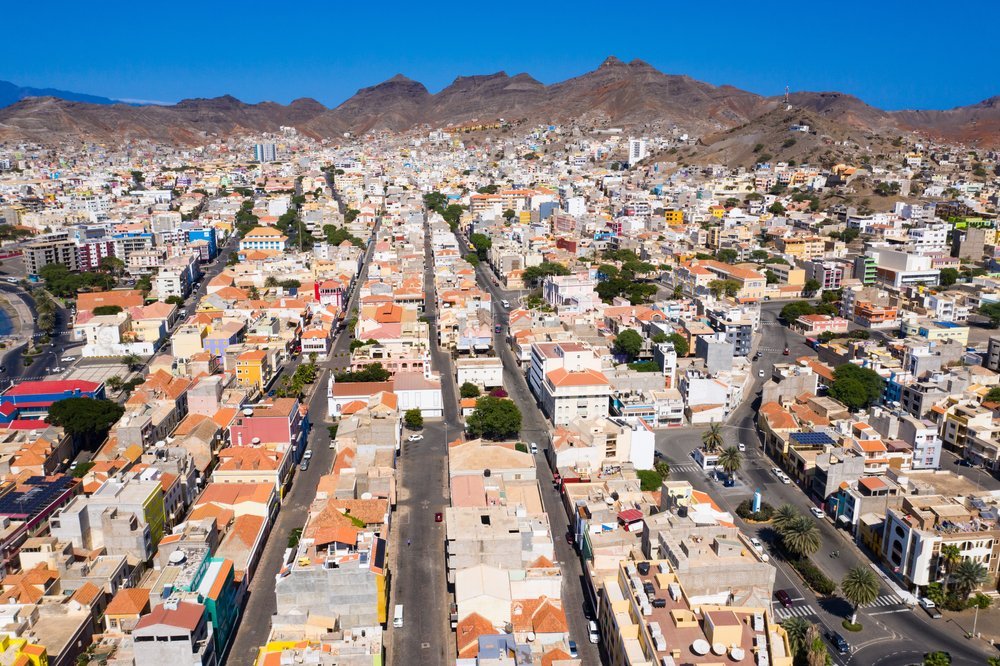
Mindelo is Cape Verde’s cultural capital and the town where the singer Cesária Évora was born in 1941 and died in 2011. The barefoot diva made morna famous around the world, the slow, melancholic song form that was added to UNESCO’s list of Intangible Cultural Heritage in 2019. On the small square Praceta Dom Luiz by the harbour promenade, the Portuguese artist Vhils has carved a ten-metre-high portrait of her into the wall of a house.
The town wraps around a large natural harbour beneath the mountain Monte Cara, and in the centre you’ll find pastel-coloured colonial houses, a covered market hall and a fish market that’s free to wander around. In the evenings, musicians play morna and coladeira in bars and restaurants, and around Shrovetide the town holds a big carnival.
My tip is to spend a Friday or Saturday evening in Mindelo, when there’s the most live music. If you’re travelling around carnival time, book your hotel well in advance, as the town fills up quickly. From Mindelo it’s a short hop to the ferry to Santo Antão.
Book an evening tour of Mindelo’s live music bars here.
13. From the Cova crater down into the Paul Valley (Santo Antão)
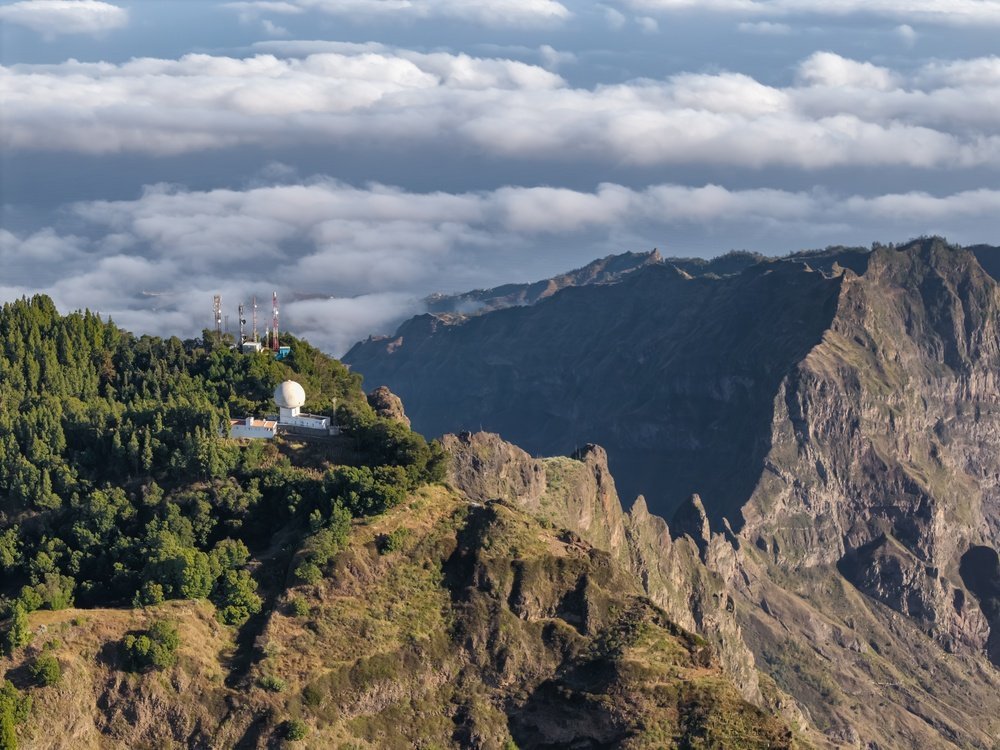
Santo Antão is Cape Verde’s greenest island, and the classic hike starts at Cova, an old volcanic crater more than 1,000 metres up with fields on its flat floor. From the rim, a cobbled path zigzags down into the Paul Valley, the lushest valley on the island, through terraces of sugar cane, bananas, mango and coffee. Along the way you pass small villages where they distil grogue, the island’s sugar cane rum.
The hike is free, and you descend around 1,000 metres in roughly three to four hours until you reach the valley floor and the road down towards the coast at Vila das Pombas. From the ferry port in Porto Novo you take a taxi or aluguer up over the mountains to the crater, and according to the ferry company CV Interilhas, the ferry from Mindelo to Porto Novo takes under an hour.
My tip is to start early, before the clouds settle over the crater rim. The path is steep and slippery after rain, so wear shoes with good grip and ideally bring poles to spare your knees. Go with a local guide if you haven’t hiked in the mountains before.
Book the hike from the Cova crater down into the Paul Valley with lunch here.
14. The coastal path from Ponta do Sol to Fontainhas (Santo Antão)
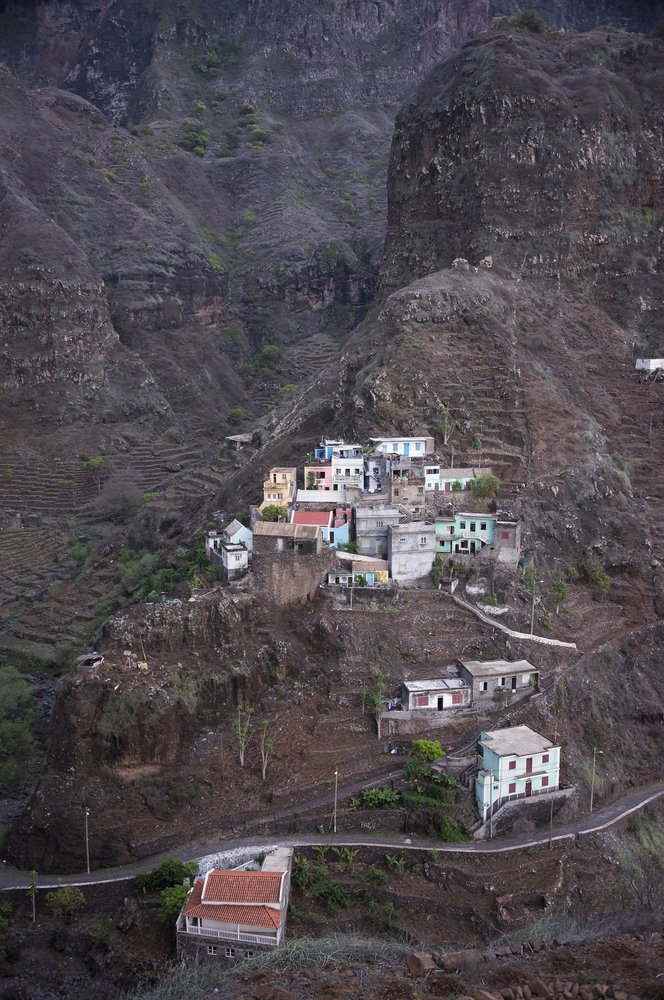
Ponta do Sol sits at the far end of Santo Antão’s north coast where the road ends, and from here one of Cape Verde’s most beautiful hikes begins. The path is cut into the cliffs high above the sea and winds up to Fontainhas, a village of colourful houses clustered on a narrow ridge above a green valley. If you carry on, the path continues along the coast to the villages of Corvo and Cruzinha.
The hike is free. From Ponta do Sol to Fontainhas takes about an hour each way, while the full route to Cruzinha takes most of a day, after which you catch an aluguer or taxi back. The path is narrow with sheer drops down to the sea, so it’s not for you if you suffer from vertigo.
My tip is to stay a couple of nights in Ponta do Sol so you can set off early in the morning, before the sun hits the cliffs. Casa D’Mar is a guesthouse with a terrace in town where you can order a packed lunch for the hike. If you like the hikes on Madeira, you’ll love Santo Antão too, and you can compare with my guide to where to stay in Madeira.
15. Pico do Fogo and Chã das Caldeiras (Fogo)
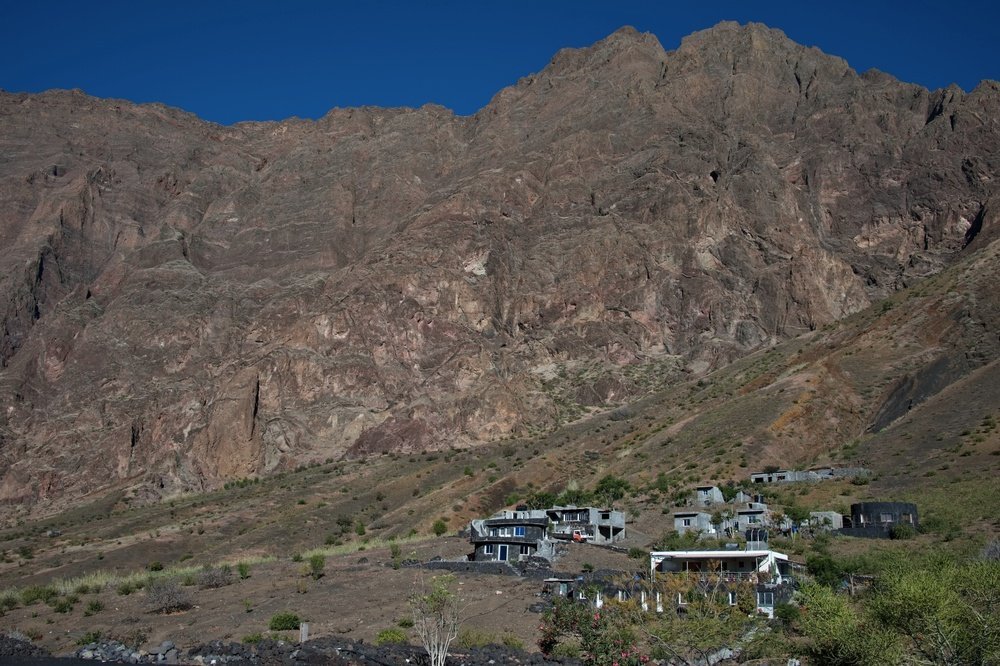
Fogo is the volcano island, and in the middle of the vast Chã das Caldeiras caldera, Pico do Fogo rises to 2,829 metres. It’s Cape Verde’s highest point and an active volcano, which last erupted from November 2014 to February 2015. The lava buried most of the villages in the crater, but many of the residents have moved back and rebuilt. In the black volcanic soil they grow wine, which you can taste in the village.
The ascent takes around three to four hours on a steep path of loose stones and ash, and the descent is quicker because you can almost slide down the ash slope. Go with a local guide and start at dawn. You reach Fogo by plane or ferry from Praia to São Filipe, then take an aluguer or taxi up into the crater in about one to one and a half hours.
My tip is to stay overnight in the crater so you can start early. Casa Alcindo in Portela has top reviews, and the hosts can help you find a guide. Bring warm clothes, as the nights are cold at around 1,700 metres.
Book the guided hike to the summit of Pico do Fogo here.
16. Cidade Velha (Santiago)
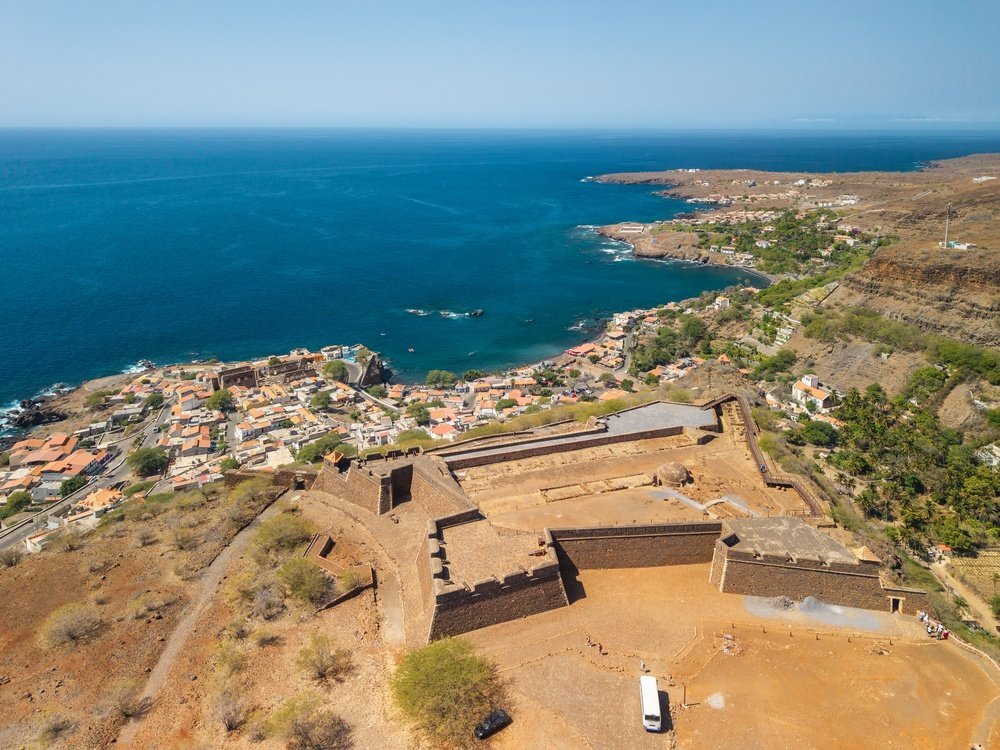
Cidade Velha lies on the coast about 15 kilometres west of Praia, and under the name Ribeira Grande it was, according to UNESCO’s World Heritage List, the first town Europeans built in the tropics. The Portuguese founded it in the 15th century, and the town became a hub of the Atlantic slave trade. On the square by the sea stands the Pelourinho, a 16th-century marble pillory, and behind it lies Rua Banana with its low stone houses and thatched roofs.
Up on the hill above the town sits the Fortaleza Real de São Filipe fortress, which the Portuguese built to defend against pirates, and down in the town stand the ruins of the cathedral and the church of Nossa Senhora do Rosário. The town is free to wander around, while the fortress charges a small entrance fee of a few euros. From Praia the trip takes about 20 to 30 minutes by taxi or aluguer.
My tip is to start at the fortress in the morning, when the view over the town and the sea is at its best, then walk down to the square afterwards and finish with fish at one of the restaurants by the beach.
Book a full-day trip from Praia to Cidade Velha and Tarrafal here.
17. Tarrafal: the beach and the old prison camp (Santiago)
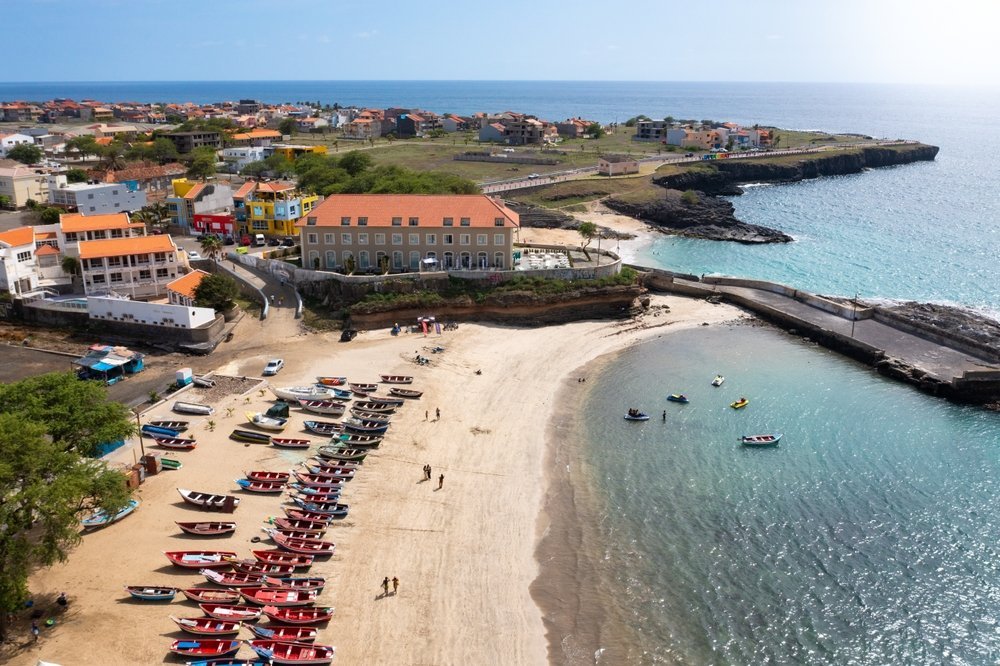
Tarrafal sits at the northern tip of Santiago and is a quiet fishing town with one of the island’s best beaches, a small bay with pale sand, palm trees and usually calm water. In the morning the fishermen haul their colourful wooden boats up onto the beach, and the town has a completely different sense of calm from the capital.
Just outside town is the former prison camp Campo de Concentração do Tarrafal, which the Portuguese dictatorship opened in 1936 for political prisoners. At first it held Portuguese resistance fighters, and later freedom fighters from Angola, Guinea-Bissau and Cape Verde, until the camp closed in 1974. Today it’s a museum with cells and barracks, and the entrance fee is small. From Praia the journey takes a couple of hours through the mountains, and it’s easiest by hire car from Booking.com, so you can stop at the market in Assomada and the viewpoints in Serra Malagueta along the way.
My tip is to stay the night in Tarrafal rather than driving there and back in one day, so you get to fit in both the museum and an afternoon on the beach.
Book a full-day tour from Praia across the island to the beach in Tarrafal here.
Practical travel tips for Cape Verde
Sal and Boa Vista have international airports, and in the winter months there are direct charter flights from the UK and elsewhere in Europe. Many other travellers fly via Lisbon, and if you need a night there on the way, you can read how to get from Lisbon Airport to the city centre. Between the islands, domestic flights are the easiest option, while ferries sail between some of the islands, and to reach Santo Antão you take the ferry from Mindelo. Check the timetables before you plan your route, and choose no more than two or three islands for a week.
Bring cash for the entrance fees at Pedra de Lume, Buracona and Shark Bay, and always agree the fare with the taxi driver before you get in. Aluguer, the shared minibuses, are the cheap way to get around. Before you travel, you need to register at ease.gov.cv no later than five days before departure and pay an airport fee, either yourself or through your tour operator, as stated on the Danish Ministry of Foreign Affairs’ page on passports and visas for Cape Verde. The UK travel advice warns of strong currents around the islands, so swim where there’s a lifeguard.
The sun shines for most of the year on Sal and Boa Vista, while the wind is strongest in winter, the turtles arrive in summer and autumn, and the whales are around from roughly February to May. If you’re unsure which island to choose, start with my guide to where to stay in Cape Verde, or see all hotels in Cape Verde on Booking.com. If you want winter sun with a shorter flight, have a look at my things to do in Gran Canaria and things to do in Tenerife.
Travel ressources & websites I use all the time 👇
• Booking.com has the best offers on hotels and unique places to stay
• GetYourGuide is the best place to book tours & activities with free cancellation
• Welcome Pickups is the best & safest place to pre-book airport transfers
Psst 👀 Have you subscribed to my Youtube channel and my Instagram where I provide more useful travel tips?