

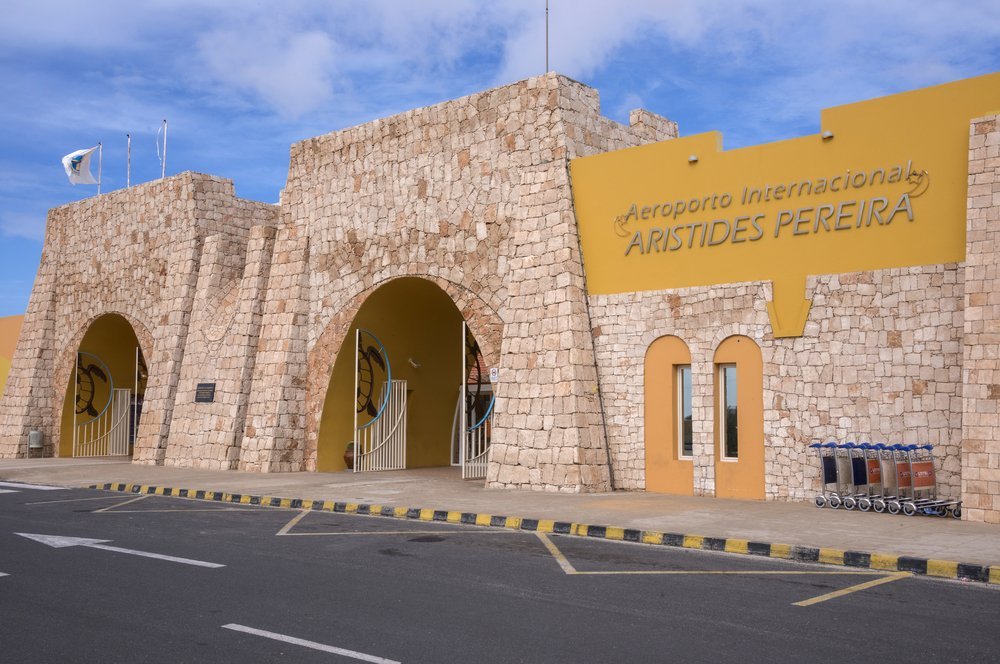
Most people travelling to Cape Verde land either on Sal or on Boa Vista, so your Cape Verde airport transfer starts at one of these two. Sal Airport, officially called Amílcar Cabral and coded SID, sits right next to the town of Espargos in the middle of the island, around 17 kilometres north of Santa Maria. Boa Vista Airport, called Aristides Pereira and coded BVC, lies by the village of Rabil, around 5 to 6 kilometres from Sal Rei. There are no trains or scheduled airport buses on the islands, so you get onwards by taxi, hotel transfer, private transfer or hire car.
Fortunately, the journey is short on both islands, and taxis are waiting when the flights land. Here you’ll find all the options with prices, journey times and pitfalls, and I go through arrival with registration and the airport fee, how to pay at the airport, and what you need to know about the roads before you hire a car. Finally, you get a quick overview of the airports in Praia and on São Vicente, in case you want to hop between the islands. Prices are given in euros.
Contents
Quick overview of Cape Verde airport transfer options
- Sal, taxi to Santa Maria: around 15 to 25 euros (around £13 to £21) for the whole car and around 20 minutes.
- Sal, taxi to Espargos: around 5 to 10 euros (around £4 to £8) and a few minutes.
- Boa Vista, taxi to Sal Rei and the resorts at Praia de Chaves: around 10 to 15 euros (around £8 to £13) and 10 to 15 minutes.
- Boa Vista, taxi to Riu Touareg at Lacacão: around 25 to 30 euros (around £21 to £25) and about half an hour.
- Private transfer: from around 30 euros (around £25) on Sal and from around 13 euros (around £11) on Boa Vista for the whole car, booked in advance.
- Hotel transfer: usually included when you travel with a tour operator, and many resorts offer a transfer for a fee.
- Hire car: rental companies at both airports, but on Boa Vista many of the beaches require a four-wheel drive.
- Before you travel: register on ease.gov.cv no later than five days before departure, and pay the airport fee.
Which airport will you land at?
Cape Verde has four international airports: Sal, Boa Vista, Praia on Santiago and São Vicente. The airports are run by Cabo Verde Airports, part of VINCI Airports, and the airport on Sal is the largest. In the winter season there are direct charter flights from Europe to Sal and Boa Vista, while many other travellers fly via Lisbon.
The islands are far apart and you can’t drive from one to another, so the airport depends on which island you’re staying on. If you’re staying in Santa Maria or at one of the resorts at Ponta Preta and Algodoeiro, you land on Sal. If you’re staying in Sal Rei or at the resorts at Praia de Chaves and Lacacão, you land on Boa Vista. If you’re not yet sure which island to choose, read my guide to where to stay in Cape Verde, where I compare the islands and areas with hotels in several price ranges. What you can experience once you’ve landed is gathered in my guide to things to do in Cape Verde.
Arrival: registration, airport fee and passport
The most important part is done before you leave home. According to the Danish Ministry of Foreign Affairs’ page on passports and visas for Cape Verde, you must register your trip on ease.gov.cv no later than five days before departure and pay an airport fee, either yourself or through your tour operator. As a Danish citizen you can stay visa-free for up to 90 days, but your passport must be valid for at least six months on entry. Check the entry rules for your own nationality before you travel.
According to the UK government’s travel advice on entry requirements, you’ll pay double the fee at border control if you haven’t registered in advance, and children aged one and under are exempt. Save the receipt on your phone so you can show it at passport control. If you’re travelling with a tour operator, ask whether the fee has been paid for you. The amount and the rest of the practical details before your trip are gathered in my guide to where to stay in Cape Verde.
The airports on Sal and Boa Vista are easy to get around, and you usually walk from the plane to the terminal. If several charter flights land at the same time, there can be queues at passport control and the baggage carousel, and this is where having your registration sorted saves you time.
Euros, escudos and cash machines at the airport
The local currency is the escudo, which is pegged to the euro, so 1 euro is always worth around 110 escudos. On Sal and Boa Vista you can pay in euros in most places, including taxis, but you’ll often get your change in escudos. So have a few small euro notes ready for the taxi, so you don’t have to break a large note with the driver.
According to the airport operator’s overview of financial services, the bank BCA has a presence at the airports on Sal and Boa Vista, and on Sal there’s also the bureau de change Cotacâmbios. There are cash machines in Espargos, Santa Maria and Sal Rei, so you don’t need to change much money at the airport. Don’t change more escudos than you need, as they’re hard to get rid of outside Cape Verde.
1. Taxi from Sal Airport to Santa Maria and Espargos
A taxi is the easiest choice for most people who don’t have a transfer included in their trip. Taxis wait outside the arrivals hall when flights land, and according to the UK government’s travel advice on safety, the licensed taxis on Sal and Boa Vista are blue and yellow. Only take one of these from the taxi rank, and say no thank you to drivers who approach you inside the arrivals hall.
Prices and journey times
Taxis on Sal don’t use meters, and according to the airport operator, prices depend on the island. The prices below are therefore approximate prices for the whole car, and in the evening and at night you should expect the higher end.
- Santa Maria: around 15 to 25 euros (around £13 to £21) and around 20 minutes along the main road south.
- The resorts at Ponta Preta and Algodoeiro: the same as to Santa Maria or slightly more, and 20 to 25 minutes.
- Espargos: around 5 to 10 euros (around £4 to £8) and under 5 minutes, as the town lies right next to the airport.
How to avoid overpaying
Always agree the price before you get in, and make clear whether the price is for the whole car or per person. Also ask whether the price is in euros or escudos, so there’s no doubt when it’s time to pay. If there are four of you, a taxi to Santa Maria costs around 4 to 6 euros (around £3 to £5) per person, and it takes you right to the door.
If you want to stay in Santa Maria with the beach and the pier right outside the door, the four-star Hotel Morabeza sits directly on the beach a couple of hundred metres from the Pontão pier. The taxi drives right up to the entrance, and it’s a good choice if you want to be able to walk to the town’s restaurants in the evening.
2. Aluguer on Sal
Aluguers are the shared minibuses that locals use instead of buses. They usually run from Espargos, and on Sal the most important route is between Espargos and Santa Maria. There’s no timetable: the minibus leaves when it’s full, and the driver picks up and drops off passengers along the road. According to the airport operator’s page on public transport, a journey starts at around 100 escudos (less than £1).
It’s by far the cheapest way to get around, but the minibuses aren’t designed for tourists with big suitcases, and there are no fixed departures from the terminal. After a long flight, a taxi is the practical choice from the airport. Save the aluguers for trips around the island instead, for example from Santa Maria to Espargos or on to the fishing village of Palmeira, and have some small change in escudos ready.
3. Hotel transfer and private Cape Verde airport transfer on Sal
If you’ve booked a package holiday with flights and hotel, the transfer to your hotel is usually included. The tour operator’s rep will be waiting in the arrivals hall, and you’ll be taken by coach to your hotel along with the other guests. The coach often stops at several hotels, so you may have to wait before it sets off, and the journey takes longer than by taxi. If you’re staying at one of the large resorts without a package, ask the hotel whether they can arrange a transfer for a fee.
A private transfer is a pre-booked car with a driver who waits for you with your name on a sign. On GetYourGuide, prices start at around 30 euros (around £25) for up to three people to the hotels in Santa Maria, and the driver keeps an eye on whether your flight is delayed. It’s slightly more expensive than a taxi, but you don’t have to haggle over the fare, and it’s nice if you land late or are travelling with children.
Book a private transfer from Sal Airport to your hotel in Santa Maria here.
4. Car hire from Sal Airport
According to the airport operator, there’s car hire at all four international airports. Check your confirmation to see whether the rental company has a desk at the airport or meets you at the exit, and compare prices on car hire at Booking.com before you travel. Some companies require you to have held your driving licence for at least a year, and some ask for an International Driving Permit, so check the terms when you book.
Do you need a car on Sal?
To be honest, most people don’t need a car for the whole week. Sal is small and flat, and if you’re staying in Santa Maria, you can walk to the beach and the restaurants. The main road from Espargos past the airport to Santa Maria is easy to drive, and in a day or two you can drive yourself to the salt crater at Pedra de Lume, Palmeira and Buracona. So hire the car for a couple of days in the middle of your holiday rather than picking it up at the airport and leaving it parked at the hotel.
Away from the main roads, many roads are cobbled or gravel, and the last stretch to Buracona is a dirt track. Drive slowly, watch out for pedestrians and animals on the road, and avoid the smaller roads after dark. Never leave bags, passports or valuables visible in the car when you park at the beach.
5. Taxi from Boa Vista Airport to Sal Rei and the resorts
Boa Vista Airport is small and easy to find your way around, and taxis wait just outside the arrivals hall when flights land. There are no scheduled buses from the airport, so if your holiday doesn’t include a transfer, it’s a taxi. As on Sal, the licensed taxis are blue and yellow and there’s no meter, so agree the fare before you set off. The prices below are approximate and for the whole car.
- Sal Rei: around 10 to 15 euros (around £8 to £13) and 10 to 15 minutes.
- Riu Palace Boavista and Riu Karamboa at Praia de Chaves: around 10 to 15 euros (around £8 to £13) and about 10 minutes.
- Riu Touareg at Lacacão: around 25 to 30 euros (around £20 to £25) and about half an hour, as the resort is around 23 kilometres from the airport.
Sal Rei is a small town, so the taxi can take you right to the door of most hotels and guesthouses. Around 600 metres from the church square, Ouril Hotel Agueda sits right on Praia de Estoril beach. It’s a simple hotel with a 24-hour reception, which is handy if you land in the evening.
If you’re heading to the resorts at Praia de Chaves, the taxi drives round the south of Sal Rei and gets there in a few minutes. The journey to Riu Touareg on the south coast is longer and passes through a desolate landscape, so agree the exact fare before you set off and have cash ready.
6. Hotel transfer and private transfer on Boa Vista
Most visitors to Boa Vista stay at the large resorts and travel with a tour operator, so the coach transfer is often included in the price. When several charter flights land at the same time, though, it can take a long while before the coach fills up and leaves, and this is where a private transfer can be worth the money. On GetYourGuide, a private transfer starts at around 13 euros (around £11) for up to four people, so it doesn’t cost much more than a taxi, and the driver waits for you in the arrivals hall.
Book a private transfer from Boa Vista Airport to your hotel here.
Enter your flight number when you book so the driver can keep track if your flight is delayed. If you’re staying at Lacacão, far from both town and airport, a pre-booked transfer is the safest option if you land late.
7. Car hire on Boa Vista
There are rental companies at the airport on Boa Vista, but the choice is smaller than on Sal and they’re mostly local firms. Prices typically start at around 45 euros (around £40) a day, and in high season it pays to book well ahead. Compare prices on car hire at Booking.com and read the terms carefully before you book.
Honest advice about the roads
Boa Vista is much wilder than Sal. The roads between the airport, Rabil and Sal Rei are fine to drive on, but many of the most beautiful spots, such as the Viana Desert, the shipwreck at Praia de Atalanta and Praia de Santa Mónica, are reached by gravel roads and sandy tracks. An ordinary hire car soon gets stuck in the sand, and the insurance rarely covers off-road driving, so read the terms before you head out there.
If you want to see the deserted beaches, a 4×4 with a driver or a guided tour is the safest choice. An ordinary car is fine for Sal Rei, Rabil and the resorts, and fill up in Sal Rei before you set off on a trip. If you hire a quad bike, wearing a helmet is a legal requirement according to the UK government’s travel advice.
8. Praia Airport on Santiago
If you’re island-hopping, you may land in Praia on Santiago. Nelson Mandela Airport, which has the code RAI, lies just outside the capital, and a taxi to the historic centre, Plateau, costs around 10 euros (around £8) and takes about 15 minutes. According to the airport operator, the Cotacâmbios bureau de change also has a branch at Praia airport.
Praia is a busy capital, so take a taxi from the rank, agree the fare before the journey, and take a taxi rather than walking in the evening. If you want to go on to the beach at Tarrafal at the northern end of the island, a hire car is easiest, and from Praia there are flights and ferries to the volcanic island of Fogo.
9. São Vicente Airport near Mindelo
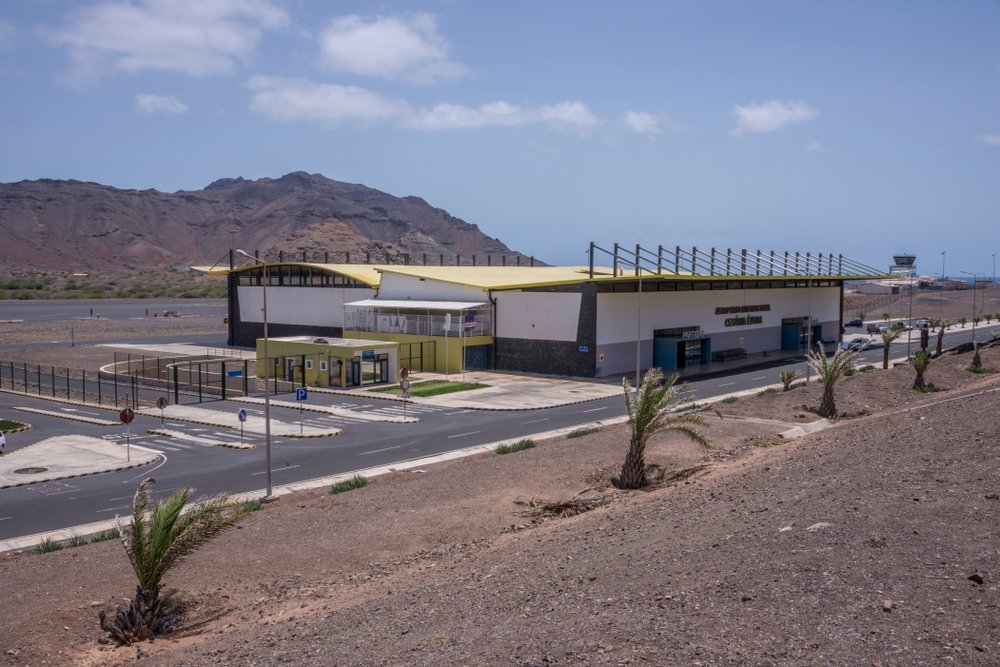
Cesária Évora Airport, airport code VXE, is near São Pedro, around 10 kilometres from Mindelo. A taxi into town costs around 10 euros (about £8) and takes roughly a quarter of an hour, and an aluguer costs a couple of euros if you’re travelling light. The airport is small, so you’re usually out quickly.
Most people fly to São Vicente to combine Mindelo with the hiking on Santo Antão. The ferry to Porto Novo on Santo Antão leaves from the harbour in Mindelo, and according to the ferry company CV Interilhas, the crossing takes under an hour. Check the timetable before you plan your day around it, especially if you have a flight to catch afterwards.
Domestic flights are the quickest way between the islands, while ferries between islands that are far apart can take many hours. Leave plenty of margin, as both flights and ferries can be delayed or cancelled, and never schedule the last crossing for the same day as your flight home.
Getting back to the airport
Sal: From Santa Maria and the resorts, the taxi takes around 20 minutes, and your hotel reception can book it for you. If you’re travelling with a tour operator, you’ll be collected by coach, so check the pick-up time in the tour operator’s app or on the noticeboard at your hotel. If you have a very early flight, it can be worth spending the last night in Espargos, close to the airport. Here the guesthouse Lafayette Alojamentos is around 3 kilometres from the airport and offers airport transfers for a fee.
Boa Vista: From Sal Rei and the resorts at Praia de Chaves, the taxi takes 10 to 15 minutes, and from Riu Touareg around half an hour. The airport is small, and when several charter flights depart close together, the queues at check-in and security get long, so arrive in good time.
If you’re returning a hire car, allow extra time to refuel and drop it off, and keep a few euros back for a taxi in case something goes wrong. Spend your last escudos at the airport before you fly home. If you’re spending a night in Lisbon on the way, you can read where to stay in Lisbon, and see the metro, bus and taxi options in my guide to getting from Lisbon Airport to the city centre.
Which Cape Verde airport transfer should you choose?
Here’s my recommendation based on where you’re staying:
Santa Maria and the resorts on Sal: Take a taxi for around 15 to 25 euros (about £13 to £21), and agree the fare before you set off. If you’d rather not haggle at all, book a private transfer.
Espargos: Take a taxi, as the journey only takes a few minutes.
Sal Rei and Praia de Chaves on Boa Vista: Take a taxi for around 10 to 15 euros (about £8 to £13), or book a private transfer, which doesn’t cost much more.
Riu Touareg near Lacacão: Use the hotel’s transfer or a pre-booked transfer, especially if you land late.
Package holiday: Take the included coach, unless you land at the same time as several other flights and would rather pay to get to your hotel quickly.
Getting around the island: Hire a car for a couple of days on Sal, and choose a 4×4 tour rather than an ordinary hire car if you want to see the deserted beaches on Boa Vista.
Island hopping: Take a taxi from the airports in Praia and on São Vicente for around 10 euros (about £8), and avoid planning tight connections between flights and ferries.
Travel ressources & websites I use all the time 👇
• Booking.com has the best offers on hotels and unique places to stay
• GetYourGuide is the best place to book tours & activities with free cancellation
• Welcome Pickups is the best & safest place to pre-book airport transfers
Psst 👀 Have you subscribed to my Youtube channel and my Instagram where I provide more useful travel tips?