

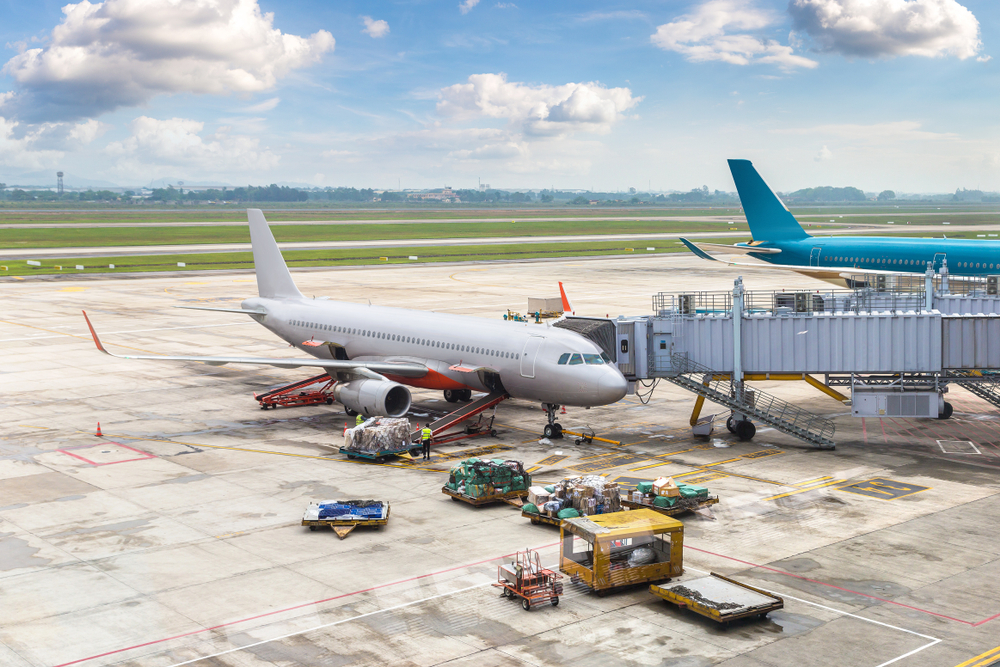
Hanoi Airport is called Noi Bai International Airport and lies north of the city, around 27 kilometres by road from the city centre. Domestic flights use Terminal 1, and international flights use Terminal 2. There’s no train or metro station at the airport, so you’ll get into the city on airport bus 86, an ordinary city bus or by car.
Bus 86 is the cheap and easy choice if you land during the day and you’re staying in the Old Quarter or by Hoan Kiem Lake. If you’re staying by West Lake or in Ba Dinh, you land late or there are several of you, a Grab, a Xanh SM or a taxi is a better bet. Below you’ll find fares and journey times, where the buses and cars stop at each terminal, and where to get off. For the rough conversions I’ve used about £2.93 and $3.87 per 100,000 dong.
Contents
At a glance
- Airport bus 86: 50,000 dong (about £1.45/$1.95), around 50 to 60 minutes to Hanoi Railway Station, runs every 25 to 30 minutes from 07:00 until just after 22:00.
- City buses 17, 90, 07 and 109: 12,000 to 15,000 dong (about £0.35 to £0.44, or $0.46 to $0.58), around 60 to 90 minutes, run from around 05:00 until around 22:00.
- Grab and Xanh SM: Around 250,000 dong (about £7.30/$9.70) for a standard car, 45 to 60 minutes, and the app shows the price before you book.
- Taxi: Typically 300,000 to 400,000 dong (about £8.80 to £11.50, or $11.50 to $15.50), 45 to 60 minutes, available from the first flight of the day until the last.
- Private transfer: A fixed price that you pay in advance, and a driver who takes you right to your hotel’s door.
Finding your transport at the airport
Noi Bai has two terminals, around 850 metres apart. Terminal 1 is the domestic terminal, with arrivals halls A, B and E, and Terminal 2 is the international terminal. In both terminals, the arrivals hall is on the ground floor, which the airport calls Level 1, and all transport into the city leaves from here. You’ll find free luggage trolleys by the baggage belts.
There are cash machines and currency exchange counters in the public area on the ground floor of both terminals, and in Terminal 2 you’ll find them in both the east and west wings. The airport has a list of banks and cash machines. In the arrivals halls, staff in orange shirts saying “Here to help” will point you to the right pick-up area.
At Terminal 2, the airport’s official taxis, the public buses and the shuttle bus each have their own area in the lanes right in front of the arrivals hall. At Terminal 1, the taxis also have their own lane in front of the arrivals hall.
Cars you book in an app aren’t allowed to pick up right in front of the arrivals hall at Terminal 2. If you book a Grab or a Xanh SM there, you’ll need to walk out to car park P1 or P7, and at Terminal 1 they pick up in lane 3 in front of hall E. I describe the way out there in the section on Grab.
The pick-up areas in front of the terminals have been rearranged, so follow the signs in the hall and the directions in the app rather than older guides. Buses, taxis and fares are all listed on the airport’s transport page.
Free shuttle bus between Terminal 1 and Terminal 2
If you land at one terminal and need to continue from the other, the airport’s free shuttle bus runs between them. At Terminal 1, it stops by hall A on the ground floor, and at Terminal 2, it stops by pillars 18 and 19 in front of the arrivals hall. The ride takes 8 to 10 minutes.
The bus runs from early in the morning until around 01:00, every 15 minutes for most of the day and every 20 to 30 minutes early and late. The times are on the airport’s shuttle bus page. If you’re changing between an international and a domestic flight, collect your luggage first, take the shuttle bus and check your bags in again at the airline’s transfer desk in the other terminal.
1. Airport bus 86 to the Old Quarter and Hanoi Railway Station
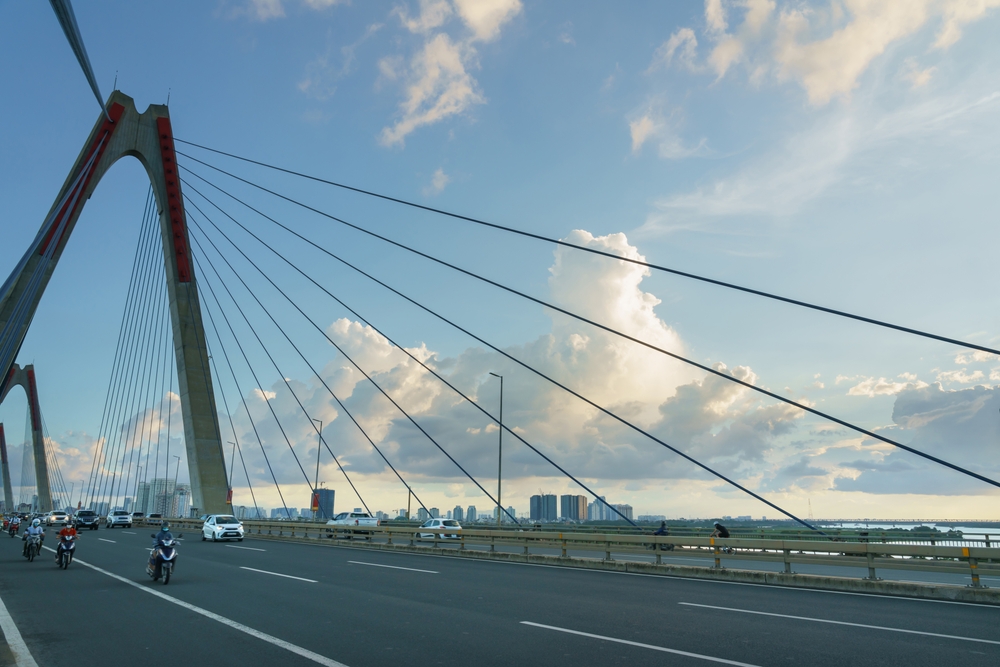
Bus 86 is an express bus that the city’s bus company, Transerco, runs between the airport and Hanoi Railway Station. From the airport, it crosses Nhat Tan Bridge and follows Au Co and Yen Phu roads to Long Bien bus terminal on the edge of the Old Quarter. From there, it continues along Tran Quang Khai, past Hanoi Opera House and Melia Hotel, to the last stop at the station. Allow around 50 to 60 minutes to the station, depending on the traffic.
The airport says the bus runs every 25 to 30 minutes, that the first one leaves at 07:00 and that the last one leaves just after 22:00. In practice, there can be up to around 45 minutes between buses, so don’t wait too long before heading out to the stop. The company has a timetable and a map where you can track the buses at Bus Express 86.
The bus starts at Terminal 1 and reaches Terminal 2 around ten minutes later. At Terminal 2, it stops in the public bus area in front of the arrivals hall on the ground floor. At Terminal 1, larger buses are directed to car park P2 by the terminal, so follow the signs for bus 86 or ask the staff in the arrivals hall.
The bus doesn’t have a proper luggage hold, so your suitcase stays inside with you. It suits you if you’re travelling alone or as a couple with normal luggage and staying in the Old Quarter or by Hoan Kiem Lake. The catch is the timing: if you land before 07:00 or late in the evening, the bus isn’t running. It also stops on the edge of the Old Quarter rather than at the hotels inside it, so you’ll have to walk or take a short ride by car for the last stretch.
Fares and tickets
A ticket costs 50,000 dong (about £1.45/$1.95) per journey according to the airport’s list, and the fare is the same wherever you get off. Older guides and several travel websites still mention a lower fare, so don’t be surprised if you’ve seen a different amount elsewhere.
You buy your ticket on the bus and pay in cash in dong, so have small notes ready before you get on. The company also takes bookings on its website, but payment goes through the Vietnamese payment service VNPAY, so for most travellers cash is the easiest option.
The company doesn’t list a child fare or a return ticket. So expect to pay the full fare for everyone who needs a seat, and to pay for each journey separately.
Where to get off
Long Bien: Long Bien bus terminal is on the northern edge of the Old Quarter. Get off here if you’re staying in the northern part of the quarter, around Dong Xuan Market. It’s also the best stop if you’re heading on to Truc Bach, as it’s only a short ride by Grab or taxi from there.
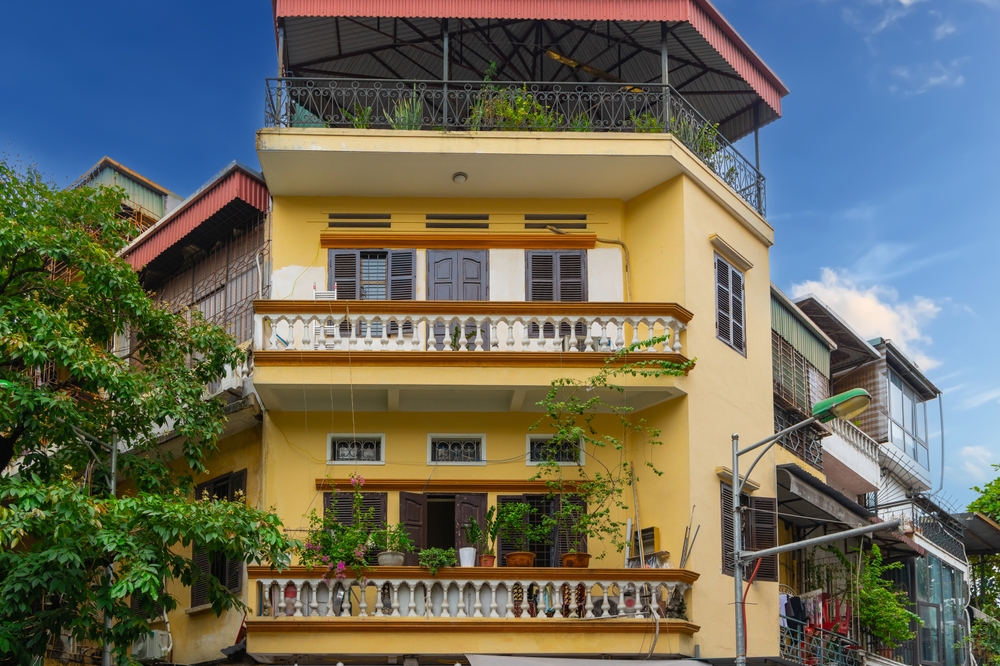
Tran Quang Khai: The stop is on the main road along the eastern side of the Old Quarter. Get off here if you’re staying in the southern part of the Old Quarter or at the northern end of Hoan Kiem Lake.

Hanoi Opera House: The Opera House is in the French Quarter, around 750 metres from Hoan Kiem Lake. Get off here if you’re staying by the lake or in the French Quarter. The bus then stops at Melia Hotel on Ly Thuong Kiet Street, close to Hoa Lo Prison, and that stop suits the hotels in the western part of the quarter.
Hanoi Railway Station: The last stop is on Le Duan Street, around a kilometre from Hoan Kiem Lake. Stay on until the end of the line if you’re continuing by train or heading to Ba Dinh, which is a short ride away by Grab or taxi.
2. City buses 17, 90, 07 and 109: the cheapest option
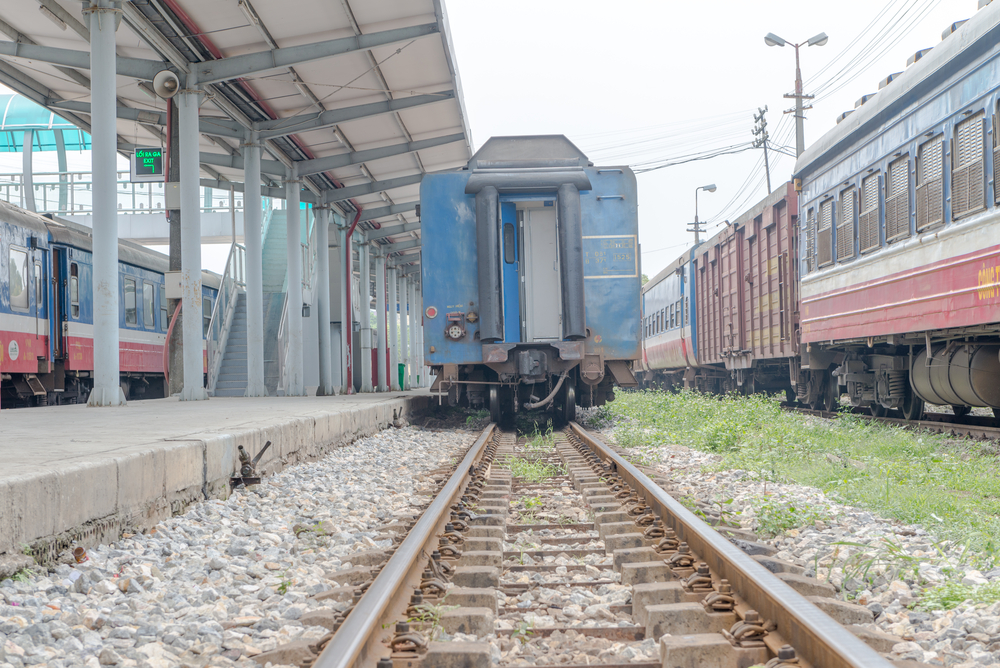
The ordinary city buses are the cheapest way into the city, but they’re slow and have no room for large suitcases. They call at the stops along the way, and you should allow around 60 to 90 minutes. Four routes are relevant, and the times below are the departures from the airport according to the airport’s list.
Bus 17 to Long Bien: 15,000 dong (about £0.44/$0.58), every 10 to 15 minutes from 05:10 to 22:00. Long Bien is on the northern edge of the Old Quarter, so this is the city bus that gets closest to most hotels.
Bus 90 to Kim Ma: 15,000 dong (about £0.44/$0.58), every 20 minutes from 06:40 to 22:30. Kim Ma is in Ba Dinh, so this is the city bus for you if you’re staying there.
Bus 07 to Cau Giay: 12,000 dong (about £0.35/$0.46), every 10 to 20 minutes from 05:00 to 22:30.
Bus 109 to My Dinh: 12,000 dong (about £0.35/$0.46), every 20 to 30 minutes from 05:00 to 22:00. Cau Giay and My Dinh are in western Hanoi, a long way from the Old Quarter, so these two routes are only worth it if you’re staying in that part of the city.
The airport’s list also includes express bus 68 to Ha Dong for 55,000 dong (about £1.60/$2.10), electric bus E10 to Ocean Park for 20,000 dong (about £0.59/$0.77) and the Hai Van company’s NB01 and NB02 buses for 90,000 dong (about £2.60/$3.50), which run every 45 minutes. Buses 68 and E10 go to suburbs that few tourists need, and NB01 and NB02 are private buses with their own routes.
The airport says bus 07 stops at both Terminal 1 and Terminal 2. Several of the other routes start and end at car park P2 by Terminal 1, so if you land at Terminal 2, you may need to take the free shuttle bus first. Ask at the information desk before you head outside.
Fares and tickets
The city sets city bus fares by the length of the route, which is why the four routes cost 12,000 or 15,000 dong (about £0.35 to £0.44, or $0.46 to $0.58) per journey, however far you ride. Children under 6 travel free. Have cash in small notes ready for the ticket, and expect to pay for a new journey every time you board a bus.
3. Grab, Xanh SM and taxis
A car to the door is the easiest option if there are several of you, you have a lot of luggage or you land outside the buses’ operating hours. The ride to the Old Quarter typically takes 45 to 60 minutes, and to Tay Ho by West Lake it takes 30 to 45 minutes.
With Grab, you enter your pick-up point and destination, and the app shows a fixed price before you book. According to Grab’s own fare table, a GrabCar from the airport costs at least 142,364 dong (about £4.20/$5.50) for trips of between 5 and 16 kilometres, after which 3,119 dong (about £0.09/$0.12) is added per kilometre, plus a charge per minute. A six-seat GrabCar starts at 192,191 dong (about £5.60/$7.40) for the same distance. The centre is more than 16 kilometres away, so the ride costs quite a bit more than the minimum fare. Vietnam’s tourism board puts a GrabCar to the centre at around 250,000 dong (about £7.30/$9.70).
Road tolls and the airport fee aren’t included in Grab’s price. The airport charges 9,000 dong (about £0.26/$0.35) for the first ten minutes a car is on airport grounds. The fares and pick-up points are listed on Grab.
At Terminal 2, Grab picks up in car parks P1 and P7. For P1, go out through the main exit, turn right and follow the road to the end, where you turn left. For P7, turn left outside the main exit and follow the covered walkway. At Terminal 1, the cars pick up in lane 3 in front of hall E. If you come out in hall A or B, go out through door 4, turn right towards hall E and cross at the pedestrian crossing to lane 3.
Xanh SM, also known as Green SM, runs electric taxis and has a dedicated airport service in its app. You choose your pick-up point, car type and payment method in the app and see the price before you book, and the app lets you book a car up to 30 days in advance. The price in the app includes VAT, while road tolls and parking are added on top. The cars pick up in the same places as Grab: in P1 at Terminal 2, or in P7 when P1 is full, and in lane 3 in front of hall E at Terminal 1. Find out more at Xanh SM.
The airport’s official taxis wait in their own lanes in front of the arrivals hall on the ground floor of both terminals, and they run from the first flight of the day until the last, every day. They use a meter, and the list of taxi companies and their fares is on the airport’s transport page.
Vietnam’s tourism board puts the fare to the centre at around 300,000 to 400,000 dong (about £8.80 to £11.50, or $11.50 to $15.50), and the airport itself has given an average of 200,000 to 400,000 dong (about £5.90 to £11.50, or $7.70 to $15.50). As an example, the taxi company G7 has a starting fare of 20,000 dong (about £0.59/$0.77) and charges 14,000 to 17,000 dong (about £0.41 to £0.50, or $0.54 to $0.66) per kilometre depending on the size of the car, so expect the top end of the range or a little more in a large car. The tourism board’s figures are in its guide to Vietnam’s airports, and you’ll find the fares at G7.
Only take a taxi from the official taxi rank. Under the airport’s rules, taxis aren’t allowed to pick up passengers inside the halls or in the car parks, so say no if someone offers you a taxi there. Vietnam’s tourism board warns against tampered meters, overcharging, confusion over the currency and agreed fixed prices, and recommends the large companies with sealed meters, including Mai Linh. The advice is on the website of Vietnam’s tourism board.
Private transfer
If you’re landing late with children, or there are several of you with a lot of luggage, you can book a private transfer from Hanoi Airport here. The price is paid in advance, and the driver takes you to your hotel in the Old Quarter or elsewhere in the centre.
Many hotels in Hanoi also offer airport pick-up for a fee, so ask your hotel about the price when you book. Cars that don’t have an agreement with the airport aren’t allowed to stop and wait in front of the arrivals hall, so agree in advance where the driver will meet you. That may be in one of the car parks.
Onward travel around Vietnam straight from the airport
If you’re not going into Hanoi but straight on elsewhere, there’s no public bus from the airport to Ha Long, Ninh Binh or Sapa on the airport’s list. All the routes there go to districts of Hanoi.
For Ha Long, the company Phuc Xuyen runs limousine buses from Hanoi for 260,000 dong (about £7.60/$10). The journey takes around two and a half hours, and the buses leave every 30 to 60 minutes from 05:00 to 21:00 and pick you up free of charge at your address in Hanoi. The company doesn’t mention the airport as a pick-up point, so expect to go into the city first, and check the departures with Phuc Xuyen. If you’d rather be driven straight there, you can book a private transfer from the airport to Ha Long here.
If you’re continuing by train, bus 86 goes right to Hanoi Railway Station. Train tickets are sold at the station and on the Vietnam Railways website dsvn.vn, and the tourism board recommends buying them a few days in advance.
To Sapa, the journey takes around five hours by private car, and you can book a private transfer from the airport to Sapa here.
Getting back to the airport
First, check which terminal you’re flying from: international flights leave from Terminal 2 and domestic flights from Terminal 1. The departures hall is on Level 3 at Terminal 2 and on Level 2 at Terminal 1, and this is where cars drop off. The airport advises you to be there at least three hours before an international flight, and you can read more on the airport’s departures page.
Bus 86 runs from Hanoi Railway Station to both terminals, and the first one leaves at around 05:15. On the way to the airport, its stops include Melia Hotel, the main post office by Hoan Kiem Lake, Hang Tre Street in the Old Quarter and Long Bien, so the stops aren’t quite the same as on the way in. Allow an hour to the airport, and remember that the last buses from the city leave at around 21:00, earlier than from the airport.
If you have an early flight, a car is the safe choice. You can book the car in advance in the Xanh SM app, and the taxi company G7 has a fixed package fare from the inner city to the airport of 220,000 dong (about £6.40/$8.50) for a standard car and 260,000 dong (about £7.60/$10) for a seven-seat car. Many hotels also have their own airport transport for a fee.
Cars can stop for no more than five minutes in front of the departures halls, so have your luggage ready when you pull up. If you’ve ended up at the wrong terminal, the free shuttle bus will take you to the other one in 8 to 10 minutes.
Which option should you choose?
Here’s what I’d recommend, depending on where you’re staying:
The Old Quarter: Take bus 86 to Long Bien or Tran Quang Khai, and walk the last stretch. If you have heavy luggage, take a Grab or a Xanh SM to the door.
Hoan Kiem Lake and the French Quarter: Take bus 86 to Hanoi Opera House or Melia Hotel. If you’re staying near the railway station, stay on until the last stop.
Truc Bach: Take a Grab, a Xanh SM or a taxi all the way. If you want to save money, take bus 86 to Long Bien and a short ride by car from there.
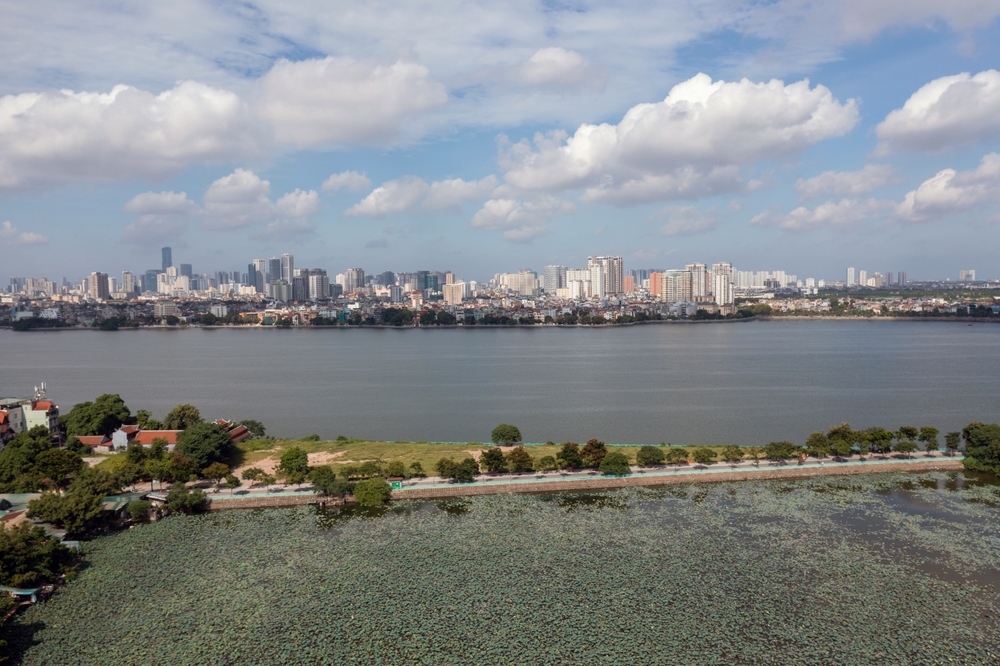
Tay Ho: The area by West Lake is the closest to the airport, and the ride by car typically takes 30 to 45 minutes. None of the buses on the airport’s list terminates here, so book a car.
Ba Dinh: City bus 90 goes to Kim Ma and is the cheap option. Distances in Ba Dinh are long, so with luggage, a car to your hotel is the easiest choice.
If you land at night: The last buses leave between 22:00 and 22:30. After that, it’s a taxi from the rank, a car from one of the apps or a transfer you’ve booked in advance.
If there are three or four of you: Four tickets for bus 86 cost 200,000 dong (about £5.90/$7.70), and a GrabCar costs around 250,000 dong (about £7.30/$9.70) and takes you to the door. That makes the car the obvious choice.
If you’re connecting to a domestic flight: Take the free shuttle bus from Terminal 2 to Terminal 1, and check your bags in at the airline’s transfer desk.
Practical tips for getting from Hanoi Airport to the city centre
Get some dong before you leave the terminal. You pay for the bus ticket in cash, and the cash machines and currency exchange counters are in the arrivals area on the ground floor of both terminals.
Book your car on the airport Wi-Fi. There’s free Wi-Fi in the terminals, so you can book a Grab or a Xanh SM once you’ve collected your luggage. Only head outside once you’ve seen which pick-up point the app is sending you to. The Wi-Fi and the other free services are listed in the airport’s overview.
Say no to drivers who approach you in the arrivals hall. Use the official taxi rank or an app that shows the price on the screen before you set off.
Factor in the fees. Road tolls and the airport fee are added to the price with both Grab and Xanh SM, so don’t be surprised by a small extra charge.
Follow the signs, not old directions. The pick-up areas have been moved around, and older guides send you to pillars and lanes that are no longer used for the same thing. Ask the staff in the orange shirts if you’re unsure.
Choose your hotel with the connection in mind. If you’re staying in the Old Quarter, bus 86 goes to the edge of the quarter, and you can see hotels in the Old Quarter here. If you’re staying by Hoan Kiem Lake, you get off at Hanoi Opera House, and you can see hotels by Hoan Kiem Lake here. If you’d like to stay in Ba Dinh, city bus 90 goes to Kim Ma, and you can see hotels in Ba Dinh here.
If you’re not sure which neighbourhood suits you, read my guide to where to stay in Hanoi. If you’re flying on to Thailand on the same trip, I’ve also written a guide to getting from Bangkok Airport to the city and a guide to where to stay in Bangkok.
Travel ressources & websites I use all the time 👇
• Booking.com has the best offers on hotels and unique places to stay
• GetYourGuide is the best place to book tours & activities with free cancellation
• Welcome Pickups is the best & safest place to pre-book airport transfers
Psst 👀 Have you subscribed to my Youtube channel and my Instagram where I provide more useful travel tips?