

Bali is about much more than beaches and sunsets. The island is only around 150 km from east to west, yet it packs in UNESCO-listed rice terraces, temples on cliffs above the Indian Ocean, active volcanoes, waterfalls and coral reefs.
Below, I cover the 17 best things to see and do in Bali, with prices, opening hours and advice on when to visit. They are grouped by area, so you can easily work out which places to combine in one day.
- Prices are admission fees for foreign adults in 2026. As a rough guide, 100,000 rupiah is approximately €5.
Contents
1. Tegalalang Rice Terraces near Ubud
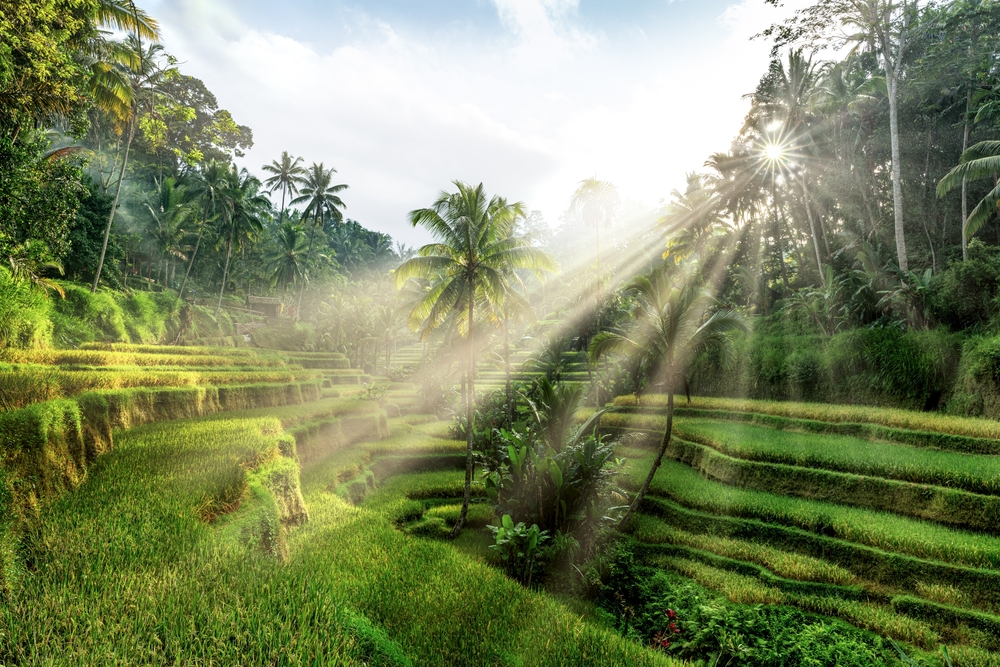
Tegalalang has Bali’s best-known rice terraces, just around 10 km north of Ubud, a 20-25-minute drive. The terraces cut into a steep valley and use the subak system, Bali’s communal irrigation system with roots stretching back to the ninth century.
You pay around 25,000 rupiah (approximately €1.25) in cash at the main entrance. Some farmers ask for a small contribution of 10,000-20,000 rupiah when you cross their fields. Swings and photo spots along the edge cost extra.
Come before 9 am to walk around before the tour buses arrive and the heat builds. The paths are steep and uneven, so wear shoes with decent soles. The fields are greenest in March-April and again in September-October; immediately after the harvest, they may be brown or flooded.
Book a private day trip to the rice terraces, Monkey Forest and a waterfall if you want to visit several places around Ubud in one day with a driver.
2. Sacred Monkey Forest Sanctuary in Ubud
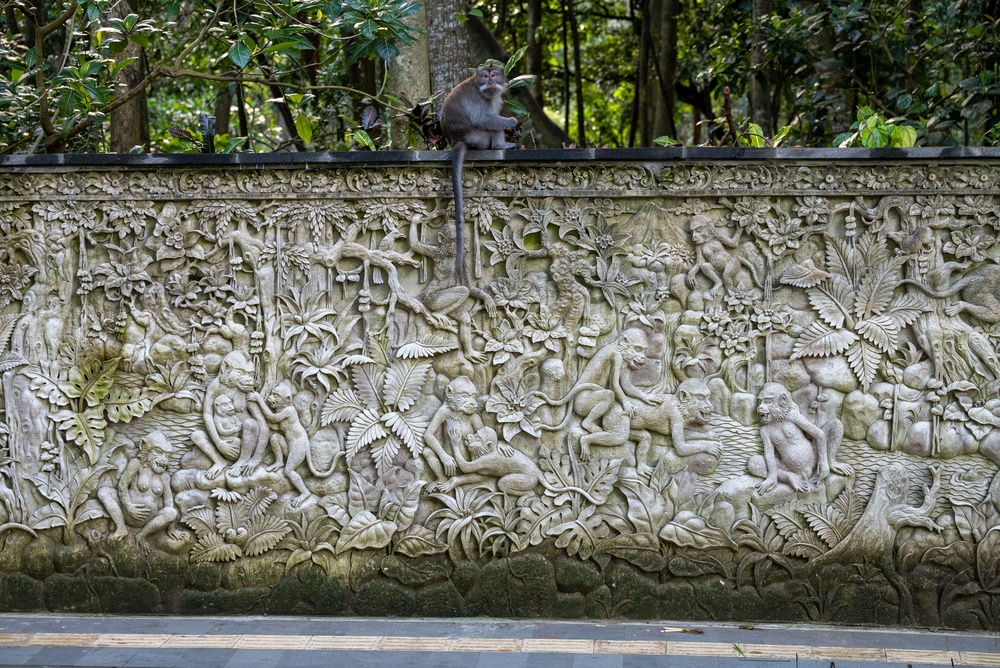
Sacred Monkey Forest Sanctuary is a 12.5-hectare forest in central Ubud. More than 1,000 long-tailed macaques roam freely among old trees and three temples dating from the mid-fourteenth century. The temples are reserved for worshippers, but you can see their exteriors from the paths.
Admission costs 130,000 rupiah (approximately €6.50) for adults and 100,000 rupiah for children. The forest opens daily from 9 am to 6 pm, with last entry at 5 pm.
The monkeys are used to people and readily grab anything within reach. Keep sunglasses, jewellery and small loose items in your bag, and do not bring food, drinks or plastic and paper bags inside. Do not feed or touch the monkeys. Avoid direct eye contact, which they interpret as a threat.
The forest is within walking distance of much of the centre. You can browse hotels in Ubud here.
3. Campuhan Ridge Walk
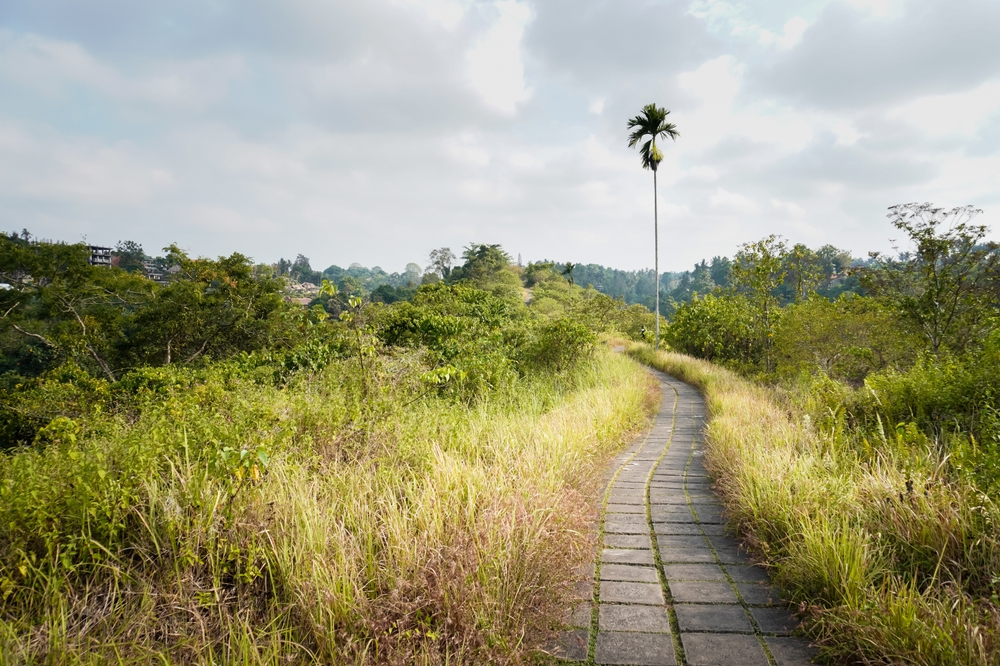
Campuhan Ridge Walk is a free walk along a ridge between two river valleys on Ubud’s outskirts. The paved path across the ridge itself is around 1 km long, overlooking tall grass, palm trees and jungle on both sides.
The path starts at Pura Gunung Lebah temple, beside Campuhan Bridge at the western end of Jalan Raya Ubud. The ridge section takes around half an hour. Continue to Bangkiang Sidem village and its cafés, and the walk is approximately 2 km each way.
There is almost no shade, so walk between 6.30 and 9 am or late in the afternoon. There are no stalls or toilets on the ridge itself, so bring water with you.
4. Tirta Empul Water Temple
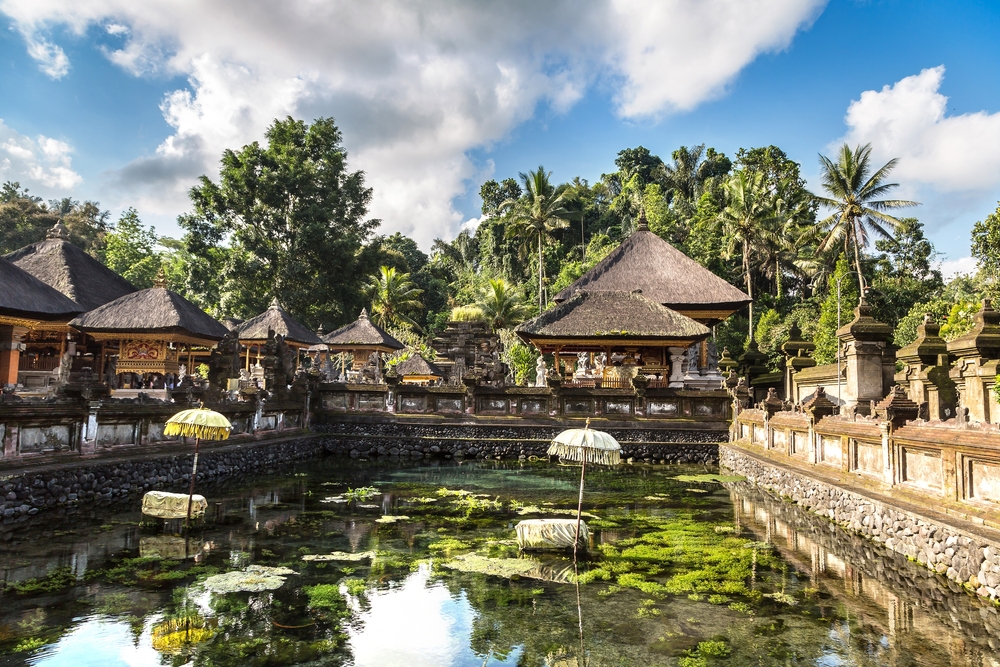
Tirta Empul is one of Bali’s most important water temples, in Tampaksiring, a 30-40-minute drive northeast of Ubud. Founded in 962 around a sacred spring, it channels water through 30 spouts into pools where Balinese people perform the melukat purification ritual.
Admission costs 75,000 rupiah (approximately €3.75) for adults and 50,000 rupiah for children aged 5-11. A borrowed sarong and sash are included. Check the current price on Gianyar’s official ticket portal.
Visitors may take part in the ritual. You rent a special bathing sarong and locker by the pools for a small fee, then move from left to right beneath the spouts. Two are used only for funeral rituals, so skip those. Do not use soap or shampoo in the water.
The temple gets busiest from late morning onwards. Arrive early if you want a quieter experience by the pools.
5. Sunrise on Mount Batur
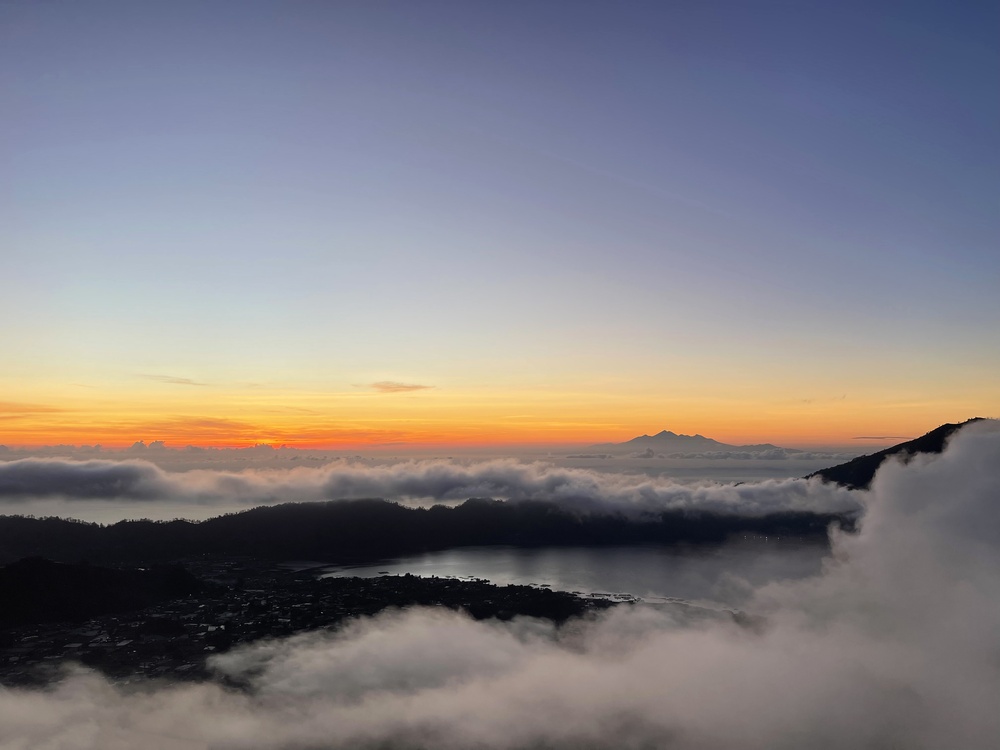
Mount Batur is an active volcano rising to 1,717 metres in Kintamani. Hiking up for sunrise is one of Bali’s most popular activities. The area is a UNESCO Global Geopark, and the summit overlooks Lake Batur and Mount Agung.
Most visitors are collected from their hotels between 1.30 and 2.30 am and start walking around 4 am. The ascent takes one and a half to two hours, and the nature authorities rate the route easy to moderate. The final section is steep, with loose volcanic gravel. Bring shoes with good grip, a head torch and a warm layer: it is cold at the top before sunrise.
In practice, you need a local guide, and this is enforced at the trailheads. Admission and a guide are normally included in organised tours. The area also charges a fee of 50,000 rupiah per foreign visitor.
Book a guided Mount Batur sunrise hike with admission included. Jeep tours are also available if you want to see the sunrise without hiking up.
6. Jatiluwih Rice Terraces
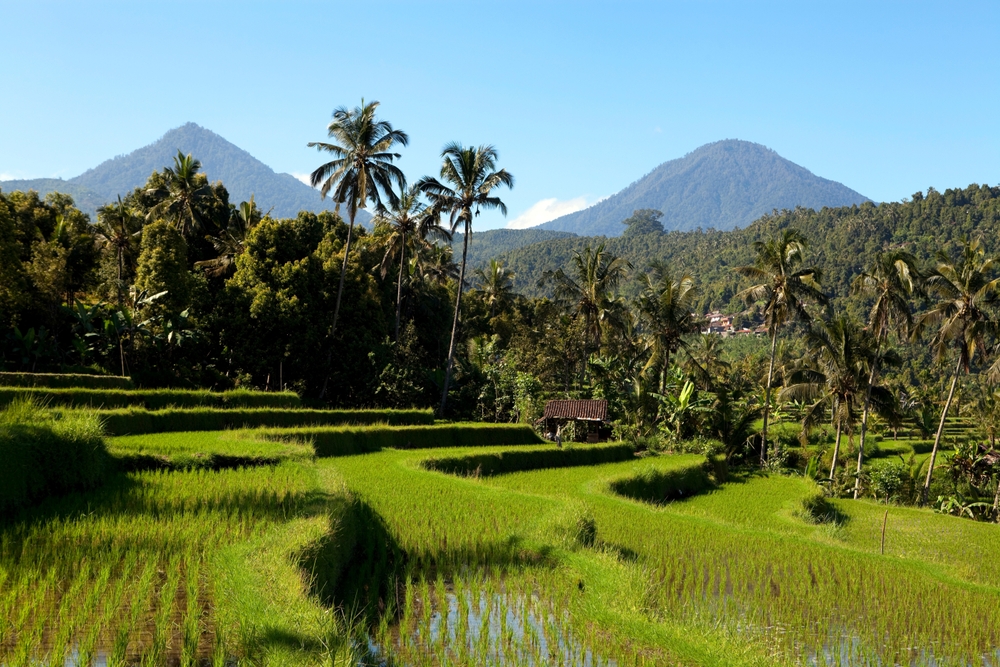
Jatiluwih is an area of rice terraces covering more than 600 hectares on Mount Batukaru’s slopes, at around 700 metres above sea level. The terraces joined the UNESCO World Heritage List in 2012 as part of Bali’s traditional subak irrigation system.
There is much more space here than at Tegalalang. Marked walking routes range from a short circuit of around 45 minutes to several hours through the fields. Admission costs 75,000 rupiah (approximately €3.75) for adults and 50,000 rupiah for children.
The drive takes around an hour and a half from Ubud, or one and a half to two hours from Seminyak and Canggu. Jatiluwih therefore combines well with Ulun Danu Beratan in a day. I have also spent a night camping beside these rice fields.
7. Pura Ulun Danu Beratan
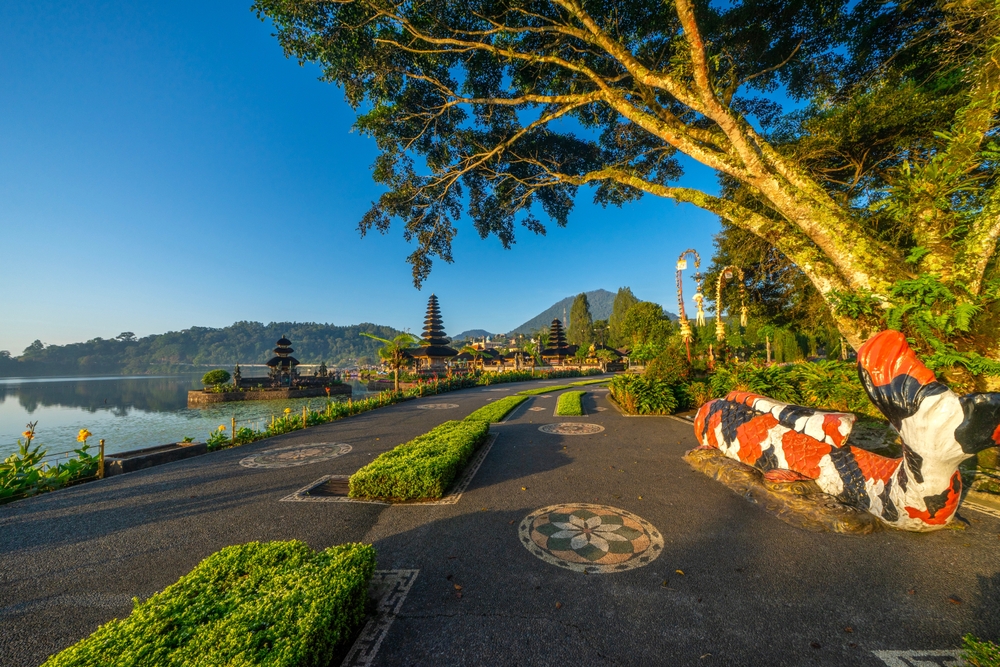
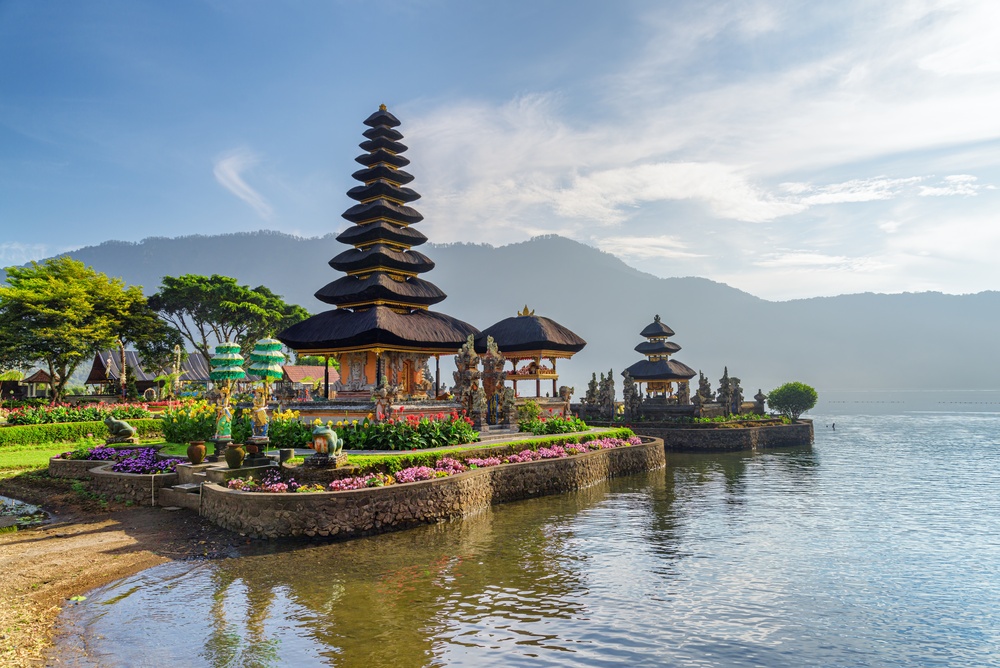
Pura Ulun Danu Beratan stands on Lake Beratan’s shore near Bedugul, at around 1,200 metres above sea level. Built in 1633 by the king of Mengwi, it is dedicated to the lake goddess Dewi Danu. Its two pagoda-like towers, with 11 and three tiers, appear to float on the water.
The scene is so famous that it featured on an older 50,000-rupiah banknote. On 1 July 2026, admission increased to 100,000 rupiah (approximately €5) for adults and 75,000 rupiah for children.
Come in the morning, when the air is clearest. Mist and rain often roll across the lake in the afternoon. At this altitude it is noticeably cooler than on the coast, so bring a jumper. Read more about the temple on Indonesia’s tourism website.
Book a day trip to Ulun Danu Beratan, Jatiluwih and Tanah Lot if you want to visit all three without arranging your own transport.
8. Sekumpul Waterfall
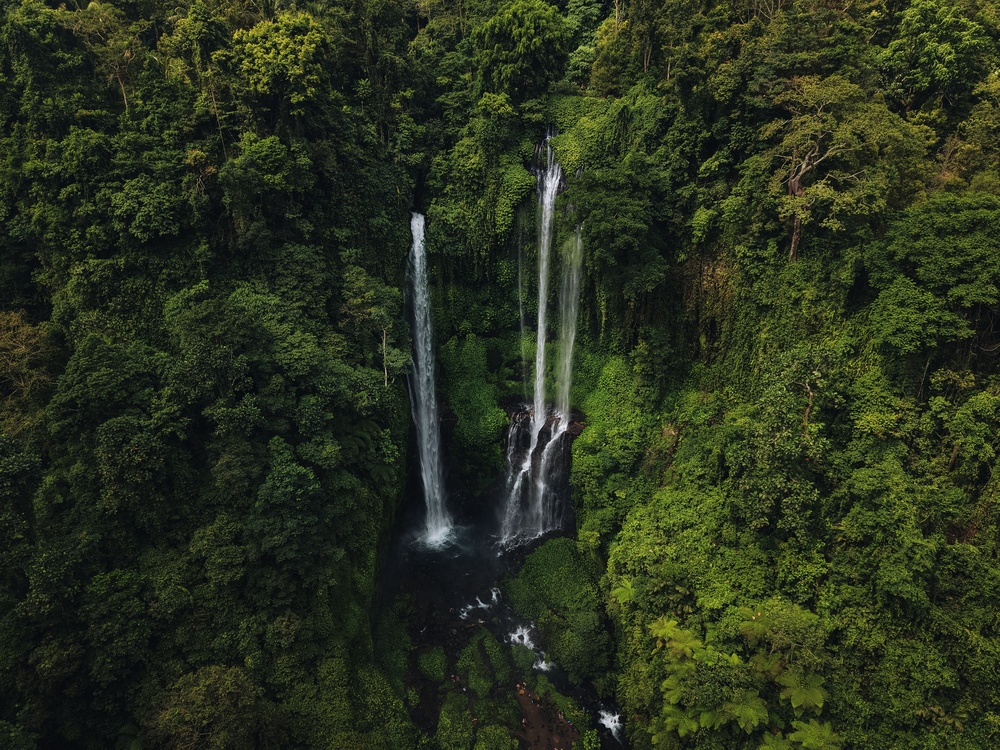
Many consider Sekumpul in northern Bali the island’s most beautiful waterfall. It is actually a group of seven falls. The two largest plunge side by side around 80 metres into a jungle gorge.
If you only want to see the falls from the viewpoint, admission is 20,000 rupiah. To descend to the water, you must hire a local guide. According to the latest information, the two trekking packages cost 150,000 and 250,000 rupiah (approximately €7.50 and €12.50), including a guide. The descent involves 350-400 steep steps and a river crossing, so wear shoes that can get wet and bring swimwear.
Allow two to two and a half hours by car from Ubud, or around an hour from Lovina. There are unofficial registration points along the approach that overcharge visitors. Continue all the way to the official ticket office by the car park in Sekumpul village.
Book a private Sekumpul hike with hotel pickup if you want transport and a guide arranged in advance.
9. Tanah Lot
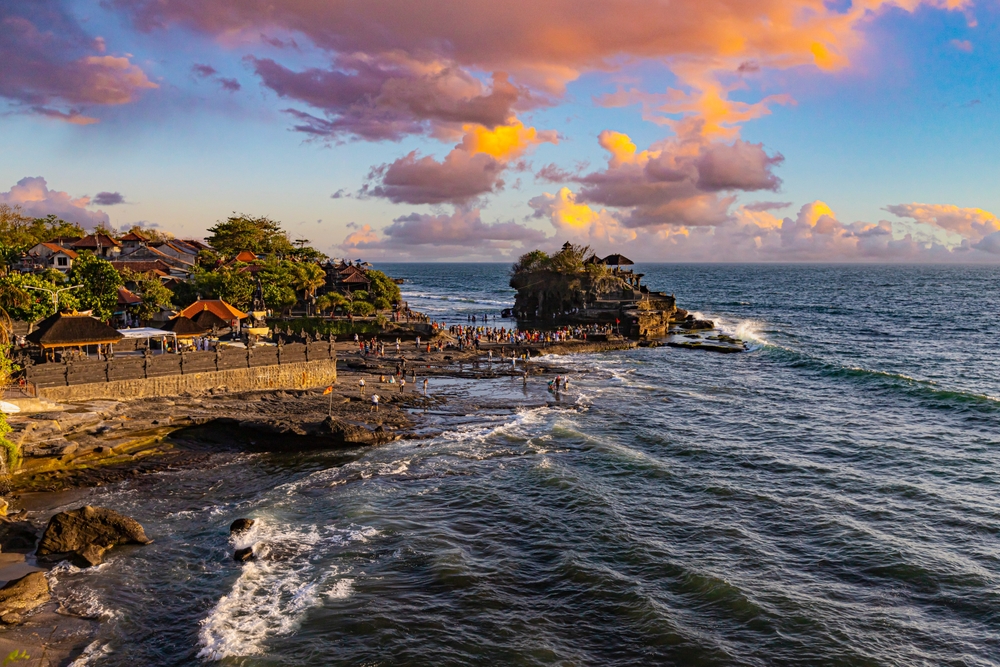
Tanah Lot is the temple on a sea rock off Bali’s west coast. Its name means land in the sea. It is attributed to the priest Dang Hyang Nirartha, who travelled around Bali in the sixteenth century, and is dedicated to the sea god.
At low tide, you can walk across the beach to the foot of the rock, where a sacred freshwater spring emerges. The temple itself is reserved for Hindus, so visitors view it from outside. Admission costs 75,000 rupiah (approximately €3.75) for adults and 40,000 rupiah for children aged 5-10. An announced increase to 100,000 rupiah has been postponed for now.
Sunset is the most popular time, and the approach roads can become gridlocked late in the afternoon. Leave plenty of time, or come in the morning for more space. The drive takes around half an hour from Canggu and an hour from Seminyak.
Book a half-day sunset tour to Tanah Lot if you would rather avoid driving in rush-hour traffic.
10. The Beaches of Seminyak and Canggu
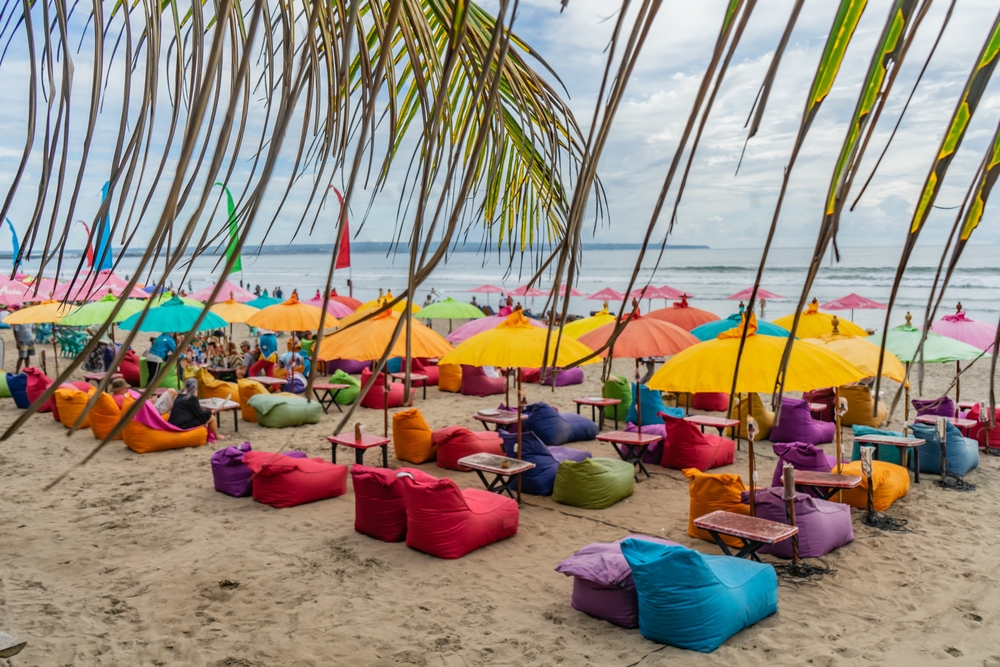
Sunset on the west coast’s beaches is an attraction in itself. In Seminyak, people gather on the sand in front of the beach bars. The sun sets shortly after 6 pm from May to October and between 6.30 and 6.50 pm from December to February.
Just behind Seminyak’s beach is Pura Petitenget, a sixteenth-century temple that you can visit during the day wearing a sarong. In Canggu, Batu Bolong is the spot for beginner surfers, with softer, slower waves; Echo Beach suits experienced surfers.
The undertow is strong along the entire coast. Swim only between the red-and-yellow flags where lifeguards are watching, and stay out of the water when a red flag is flying.
I have stayed in a villa with a pool in Seminyak. You can browse hotels in Seminyak and hotels in Canggu here.
11. Uluwatu Temple and the Kecak Dance
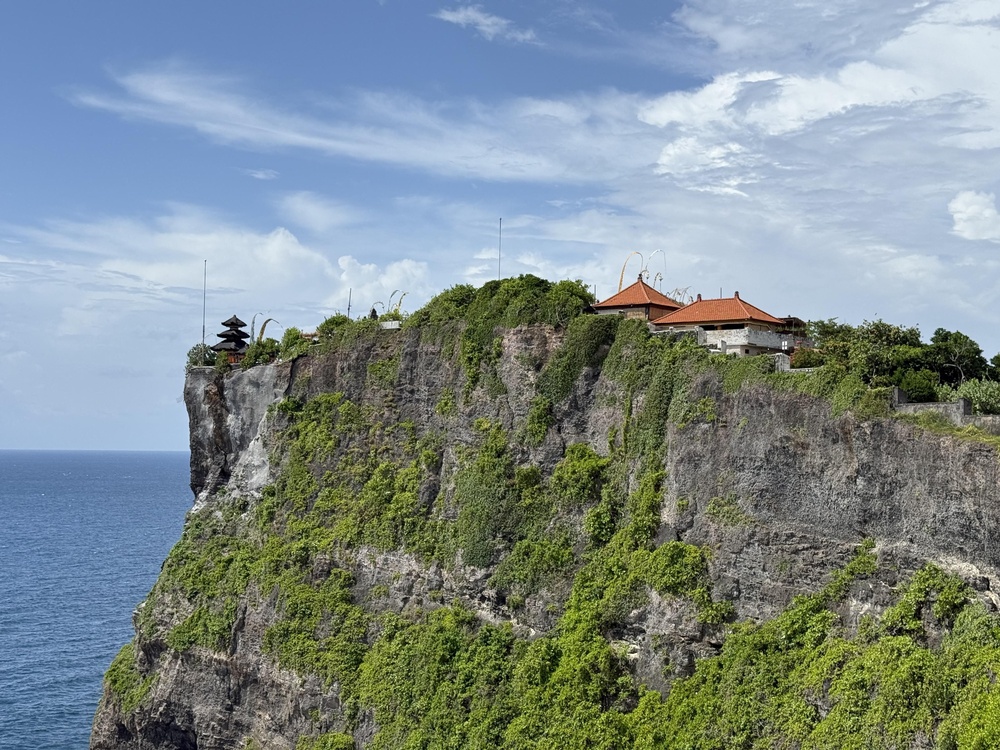
Pura Luhur Uluwatu stands on a cliff around 70 metres high at Bali’s southwestern tip. Expanded in the eleventh century, it is one of the island’s most important temples. The clifftop path offers views far along the coast.
Admission costs 60,000 rupiah (approximately €3) for adults and 40,000 rupiah for children, including a sarong and sash. The temple opens from 7 am to 7 pm.
Each evening at 6 pm, a kecak dance takes place in the open-air theatre beside the temple, with sunset as the backdrop. There is often an extra performance at 7 pm. A chorus of men tells a story from the Ramayana through rhythmic chanting, ending with fire. Tickets cost 150,000 rupiah (approximately €7.50) and are separate from temple admission. The 6 pm performance is often sold out by around 5 pm.
Buy your Uluwatu kecak dance ticket in advance to secure a seat.
Watch out for the monkeys around the temple. They are known for grabbing glasses, phones and hats, so hold on to your belongings. Browse hotels in Uluwatu here if you want to stay close to the temple and the peninsula’s beaches.
12. Nusa Penida
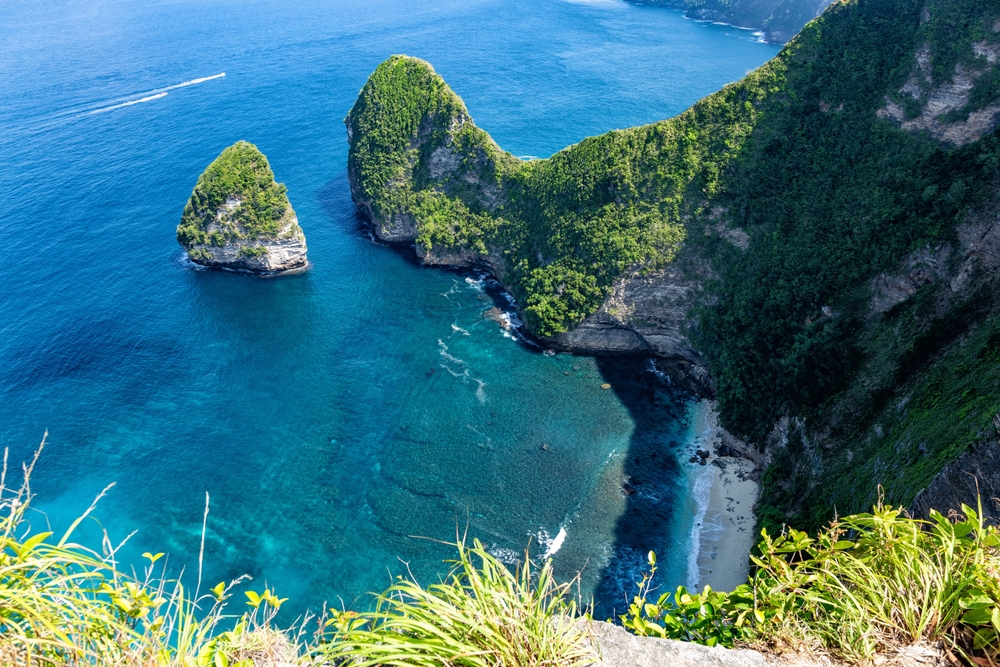
Nusa Penida is the largest of the three islands southeast of Bali. The fast boat from Sanur takes 30-45 minutes. The island is known for its cliffs, and its most photographed view is over Kelingking Beach, where the headland resembles a dinosaur’s head.
Most day trips also visit Broken Beach, where the sea has cut through the rock to create a natural bridge, the rock pool at Angel’s Billabong, Diamond Beach on the east coast and Crystal Bay. Snorkelling trips to Manta Point offer the chance to see manta rays with wingspans of up to five metres.
The island admission fee is 25,000 rupiah (approximately €1.25). Since 1 September 2026, several major attractions have charged an additional 25,000 rupiah each. Payment is by card or QR code.
Swimming at Kelingking is prohibited because of the currents. The steep path down to the beach takes around 20 minutes to descend and at least half an hour to climb back up. The island’s roads are steep, and neither Grab nor Gojek operates here. Hire a car with a driver or join an organised tour.
Book a full-day tour of Nusa Penida’s highlights if you want the day organised for you. To visit before the day-trippers arrive, stay overnight: you can browse hotels on Nusa Penida here.
13. Nusa Lembongan
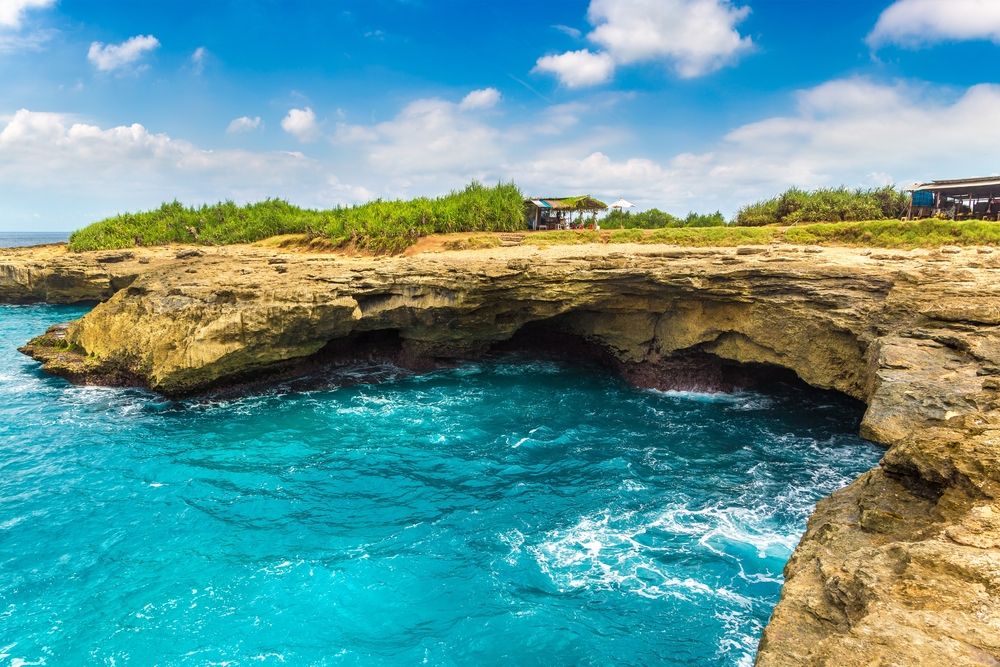
Nusa Lembongan is Nusa Penida’s neighbour: a quieter island of only around 8 km². The fast boat from Sanur takes about half an hour.
At Devil’s Tear, swells crash into the rocks and send spray high into the air. Keep well back from the edge: waves have knocked visitors over before. Admission costs 25,000 rupiah, and the island entry fee is the same. Dream Beach is right beside it, but the currents are strong, so swimming is only for experienced swimmers.
On the northeastern side, you can take a boat through the mangroves. A yellow suspension bridge connects to the smaller neighbouring island of Nusa Ceningan. At low tide, you can see the plots where local people farm seaweed.
You can browse hotels on Nusa Lembongan here.
14. Pura Lempuyang and the Gates of Heaven
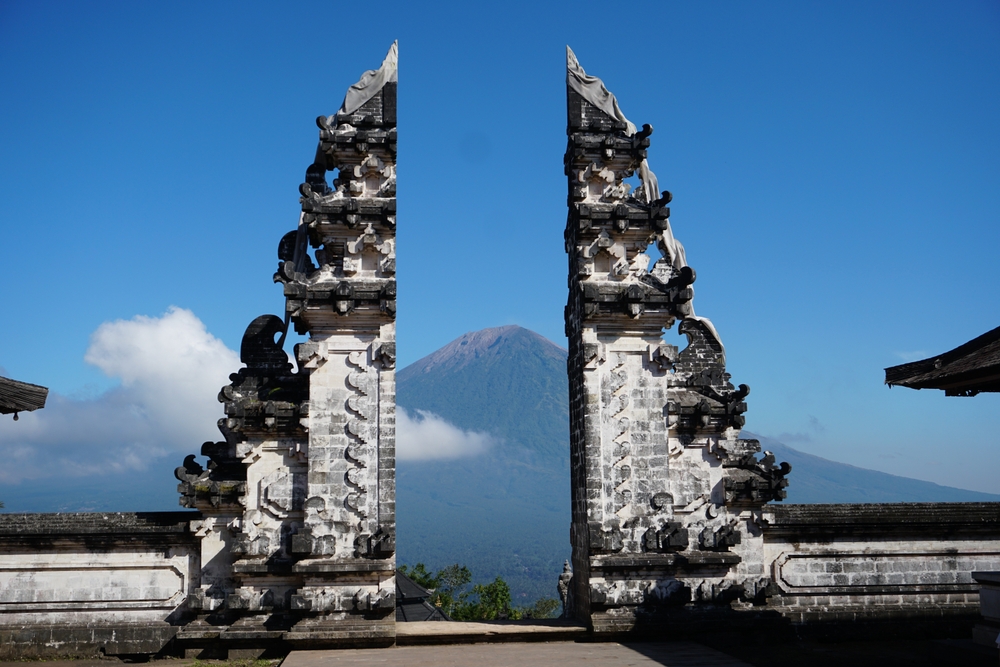
Pura Lempuyang in eastern Bali is famous for the photograph of its temple gate framing Mount Agung. The gate stands at Pura Penataran Agung Lempuyang, the lowest of seven temples on the mountain.
The reflection in those famous photographs is a trick. There is no water in front of the gate: a local photographer holds a small mirror beneath your phone. You receive a queue number on arrival. By mid-morning, the wait is typically two to four hours for less than a minute in front of the gate. Arrive at 7 am and you can usually get away with around an hour. Morning also offers the best chance of seeing Agung without clouds.
Admission, including the compulsory shuttle bus, costs around 120,000-150,000 rupiah (approximately €6-€7.50), payable in cash. To reach the highest temple, at around 1,175 metres, you face more than 1,700 steps and a three-to-four-hour round trip. The drive from Ubud takes two to two and a half hours.
Book a day trip to Lempuyang, Tirta Gangga and Besakih to combine eastern Bali’s three major sights in one day.
15. Tirta Gangga Water Palace
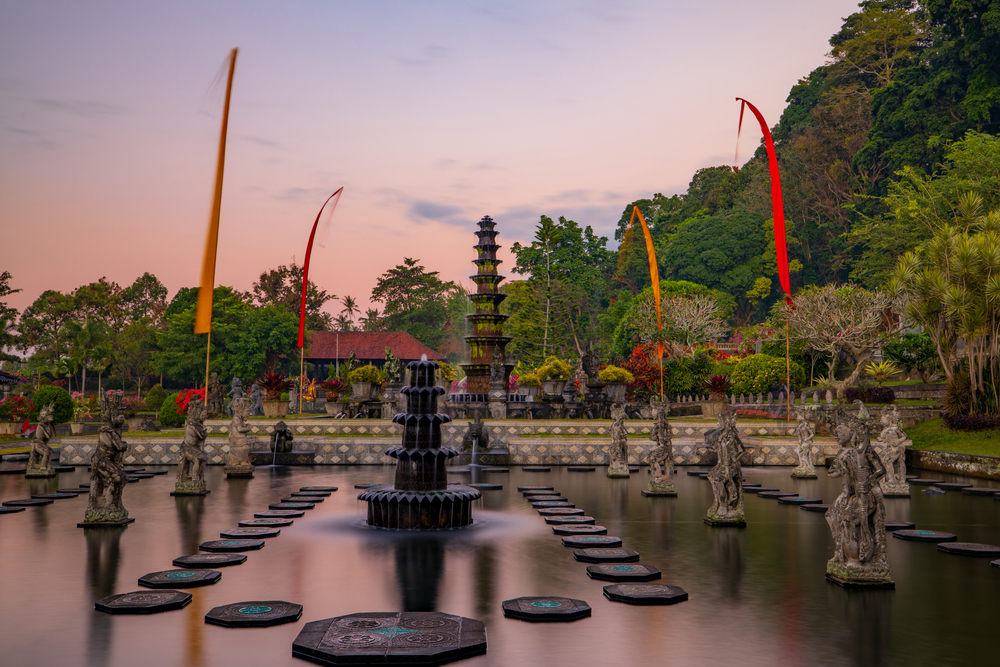
Tirta Gangga is a water palace with spring-fed pools, fountains and statues, a 20-30-minute drive from Lempuyang. Its name means water of the Ganges. The complex was built between 1946 and 1948 by the last raja of Karangasem.
The palace was almost destroyed when Mount Agung erupted in 1963 and has since been rebuilt. Today, you can cross the ponds on stepping stones among large koi carp. For a small extra fee, you can also swim in a spring-water pool.
Admission costs 90,000 rupiah (approximately €4.50) for adults and 45,000 rupiah for children aged 5-12. The garden opens early in the morning, and the first hours are the quietest. By midday, there are queues for photographs on the stepping stones.
16. Pura Besakih, the Mother Temple
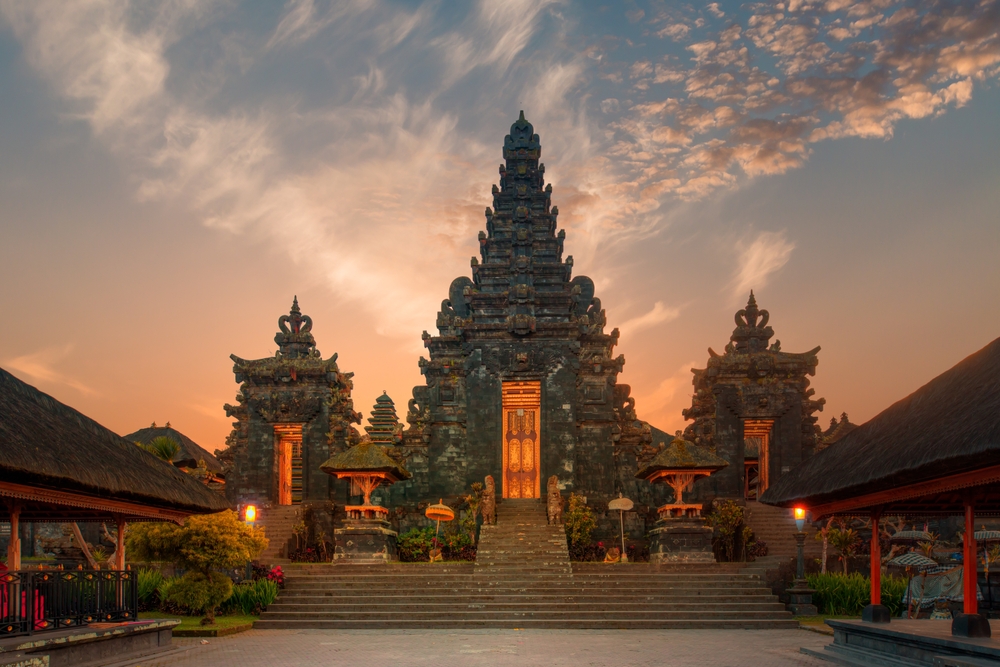
Pura Besakih is Bali’s largest and holiest temple, known as the Mother Temple. The complex stands at around 1,000 metres on Mount Agung’s slopes. It comprises more than 20 temples, the most important being Pura Penataran Agung.
During the 1963 eruption, lava passed just metres from the temple. Balinese people regard its survival as a miracle.
Admission costs 150,000 rupiah (approximately €7.50), including a local guide, sarong and electric shuttle up to the temple. You do not need to pay extra to people offering guide services at the entrance. The temple welcomes visitors from 7 am to 6 pm. Its new arrival area, car park and ticket office opened in 2023.
The drive from Ubud takes around an hour and a half. Views of Agung are usually best in the morning.
17. Menjangan and West Bali National Park
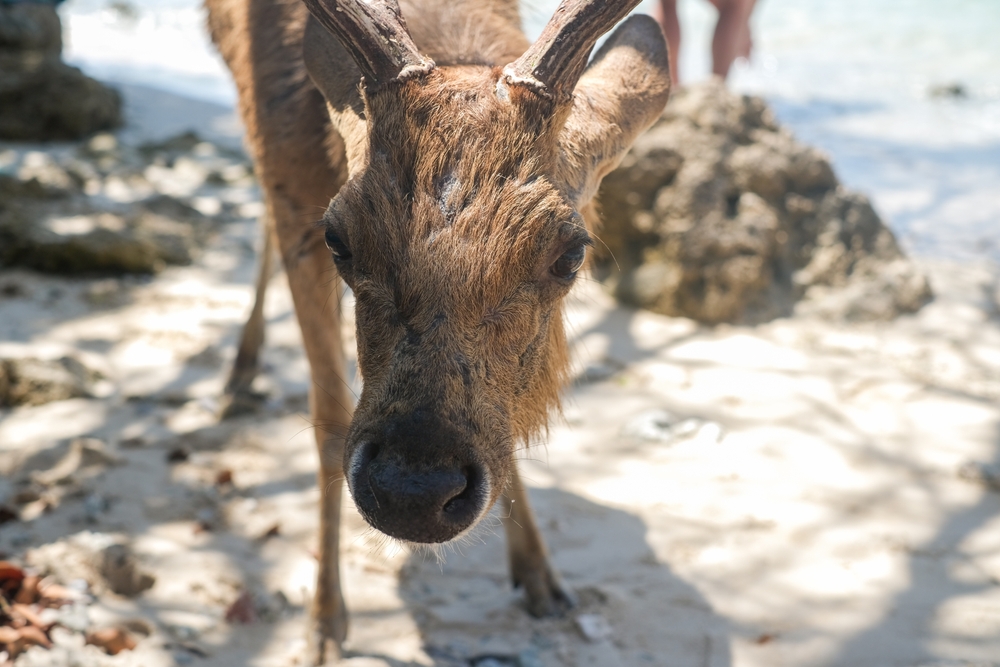
Menjangan is a small, uninhabited island in West Bali National Park, in Bali’s northwestern corner. Its reefs are considered among the island’s best. The coral wall drops almost vertically to around 60 metres, visibility is good, and you can see turtles and large schools of reef fish.
Menjangan means deer, and the island is named after the deer that live there. The national park was established in 1941 and is the last place where the rare Bali myna lives in the wild.
Boats leave from Labuhan Lalang and Banyuwedang, with crossings of 20-40 minutes. A trip usually lasts five hours and includes two snorkelling stops. The national park fee is 200,000 rupiah (approximately €10) per person per day, although some operators still charge 300,000 rupiah at weekends.
The drive from southern Bali takes three and a half to four and a half hours. Stay in Pemuteran, around 10-30 minutes from the boats. I have snorkelled at Menjangan and stayed at a hotel in the national park. You can browse hotels in Pemuteran here.
Book a Menjangan snorkelling trip with lunch from Pemuteran.
Practical Travel Tips for Bali
Foreign visitors must pay Bali’s tourist levy of 150,000 rupiah (approximately €7.50) per person per trip. Pay on the official Love Bali website or at the airport. You receive a QR code that may be checked at major attractions. Only use the address ending in .go.id, as fake sites exist.
The easiest way to get around is a private car with a driver, costing around 550,000-1,000,000 rupiah (approximately €27-€50) for ten hours, including fuel and parking. Trips to eastern Bali and Menjangan cost extra. Grab and Gojek work well in southern Bali and Ubud, but not on the Nusa islands, and only sporadically in the north and east.
To rent a scooter, bring your national driving licence and an international driving permit covering motorcycles. Without the correct licence, your travel insurance may not cover you; check your policy before riding. Police have increased checks in 2026.
At temples, wear a sarong and sash and cover your shoulders. Major temples lend these out or include them in the admission price. Only worshippers may enter the innermost courtyards.
Bring cash. Places such as Lempuyang and Tegalalang accept cash only, whereas payments on the Nusa islands are by card or QR code.
The dry season runs from April to October and is the easiest time for excursions. In the November-March wet season, January generally brings the most rain. Paths around waterfalls and rice terraces can be slippery.
Be aware of Nyepi, Bali’s Day of Silence, which falls on Monday 8 March in 2027. The airport closes for 24 hours, all attractions close, and you must remain at your hotel throughout the day.
The sights are spread out, so plan by area. Ubud is the best base for numbers 1-5. Jatiluwih and Ulun Danu Beratan can be combined in a day, while Lempuyang, Tirta Gangga and Besakih make a long day in eastern Bali.
If you are unsure where to base yourself, read my guide to where to stay in Bali.
Travel ressources & websites I use all the time 👇
• Booking.com has the best offers on hotels and unique places to stay
• GetYourGuide is the best place to book tours & activities with free cancellation
• Welcome Pickups is the best & safest place to pre-book airport transfers
Psst 👀 Have you subscribed to my Youtube channel and my Instagram where I provide more useful travel tips?