

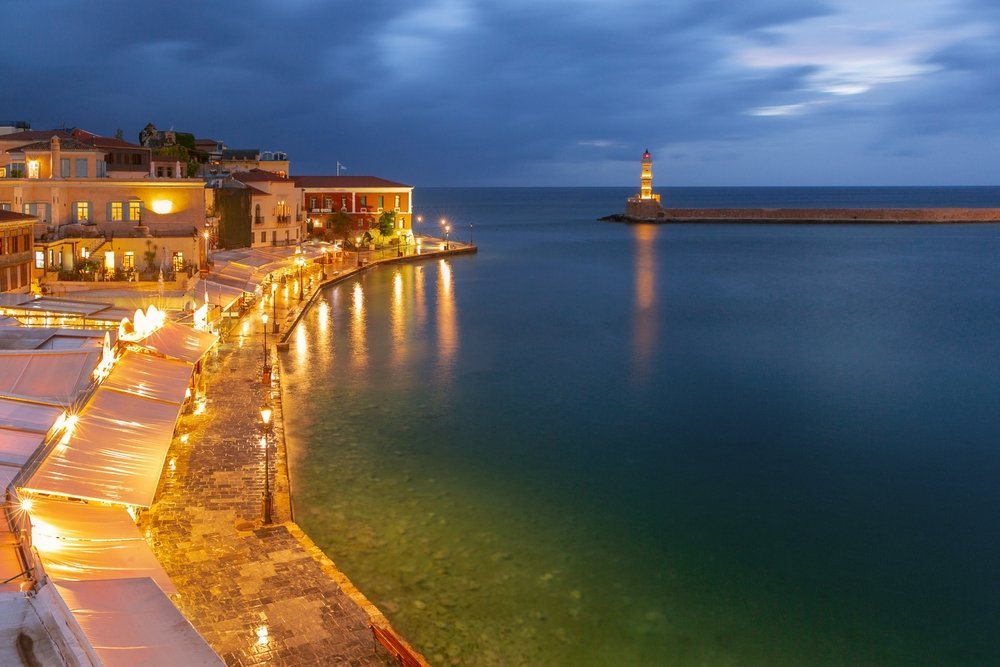
Chania is the most beautiful town in Crete, and it’s the harbour above all that makes it so. The Venetians built it in the 14th century, and today it curves in a semicircle of colourful houses, tavernas and old shipyards, with a lighthouse at the end of the breakwater. Behind the waterfront lies the Old Town, with narrow streets where a church, a former mosque and a synagogue stand just a few minutes apart. When you’re planning things to do in Chania, it’s also worth knowing that the town is the best base for day trips to some of the finest beaches in the Mediterranean and one of the longest gorges in Europe.
Here are my picks for the 18 best sights in Chania, with prices, opening hours and tips, first in the town itself and then on day trips to Balos, Elafonisi, the Samaria Gorge and Rethymno. Prices are given in euros, with the approximate amount in pounds. Give the town a couple of days before you head off on day trips, as the harbour and Old Town are at their best early in the morning and late in the evening, once the day-trippers have gone home.
Planning your trip to Crete at the last minute? 🇬🇷
Here are some of the best things to do, plus hotels and other tips for your trip to Crete.
🎡 Top Activities & Tours:
1. Take a boat trip (see the crystal-clear water and enjoy Crete from the sea)
2. Day trip to the Samaria Gorge (one of the most spectacular experiences in Crete!)
3. Visit Preveli Beach (discover the loveliest palm beach)
🛌 Best Hotels:
1. Elounda Bay Palace is a fantastic luxury hotel in Crete
2. Indigo Mare Hotel Apartments offers family-friendly holiday apartments in Platanias near Chania
3. Eden Beach Hotel is a budget-friendly but hugely popular hotel in Agia Marina
🚗 Booking.com Car Hire lets you compare prices, so you can explore Crete at your own pace
Contents
1. The Venetian Harbour and the Egyptian Lighthouse
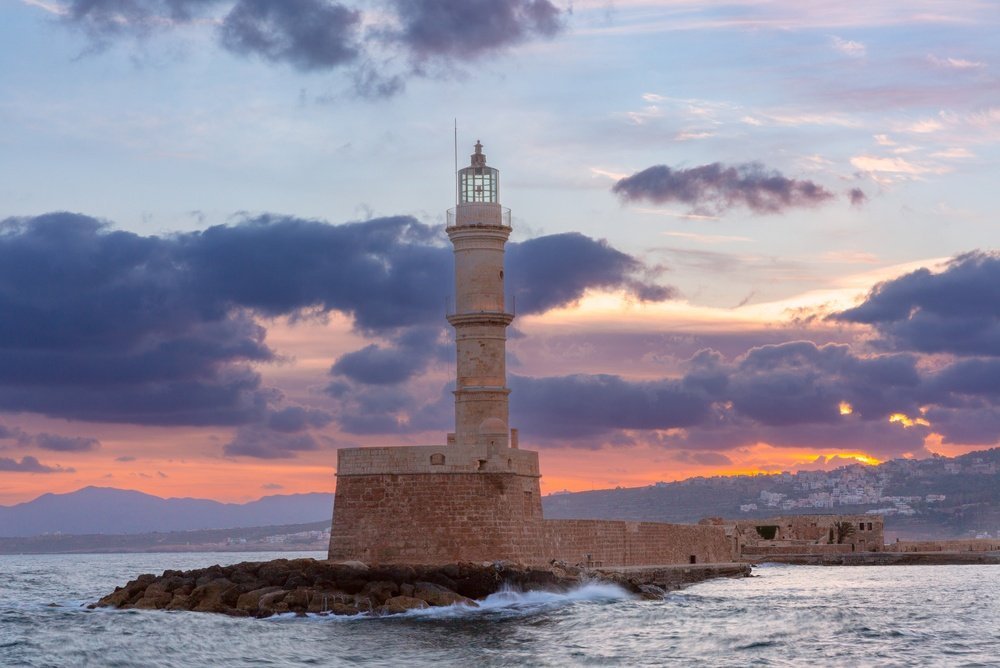
The old harbour is the heart of Chania. The Venetians built it for trade and as protection against pirates, and today the quayside is lined with tavernas, cafés and small hotels in old Venetian and Ottoman houses. In the middle of the waterfront stands the Küçük Hasan Mosque with its low domes. It was built shortly after the Ottomans captured the town in 1645, and today it’s used for exhibitions.
At the end of the long breakwater stands the lighthouse, the town’s landmark. The Venetians built the first lighthouse here, and the tower took on its current form while Egypt ruled Crete in the 1830s, which is why many people call it the Egyptian Lighthouse. The walk out along the breakwater starts at the eastern end of the harbour by the old shipyards. It’s free to walk out there, but the tower itself is usually closed to visitors.
My tip is to walk out along the breakwater half an hour before sunset and look back towards the town as the lights come on along the quay. Don’t just sit down at the first table on the waterfront where the waiters are touting for customers, but check the prices on the menu before you order. The best places to eat are often a couple of streets further in, where you’ll also pay less.
2. The Old Town with Topanas and Evraiki
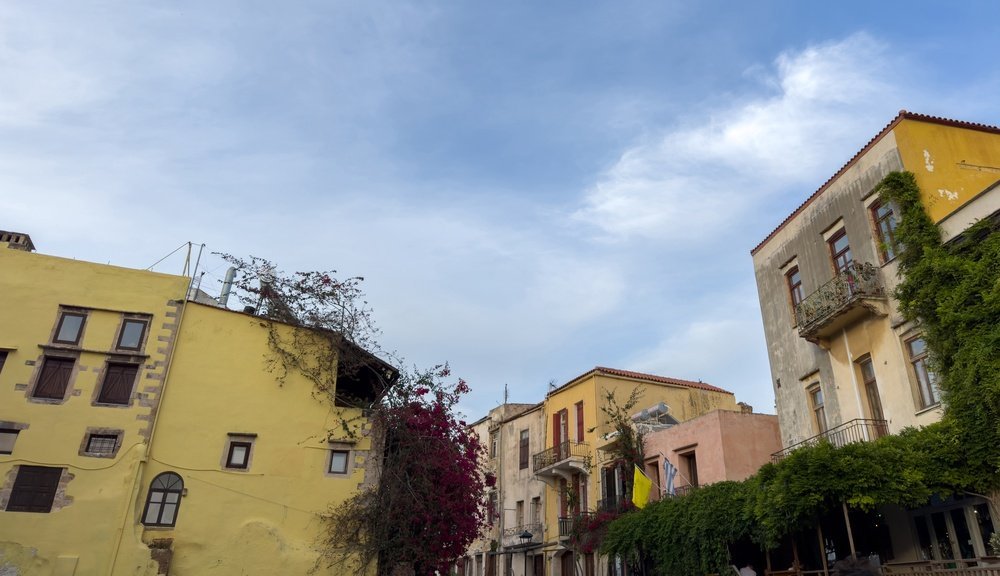
Behind the western part of the harbour lies Topanas, where the Venetian noble families lived, and where the streets are so narrow that the bougainvillea from the balconies almost meets above your head. The main street, Theotokopoulou, is named after the painter El Greco, whose real name was Domenikos Theotokopoulos and who was born in Crete, and it’s lined with small hotels and cafés in old stone houses. Look out for the Venetian doorways with coats of arms and the enclosed wooden balconies that the Ottomans added to the houses.
Just east of Topanas lies Evraiki, the old Jewish quarter, and further in you’ll find Kastelli hill and the Splantzia district. You can walk the whole lot in a morning, but it’s more fun simply to explore the side streets. The Old Town is largely car-free, and most of it is cobblestones and steps, so wear decent shoes.
If it’s your first visit, I recommend staying in the Old Town so you can walk home after dinner by the harbour. In my guide to where to stay in Chania, I go through the Old Town and six other areas with hotels in every price range, and you can see hotels in the Old Town here.
Book a walking tour with a local guide through the hidden streets of the Old Town here.
3. Firkas and the Maritime Museum of Crete
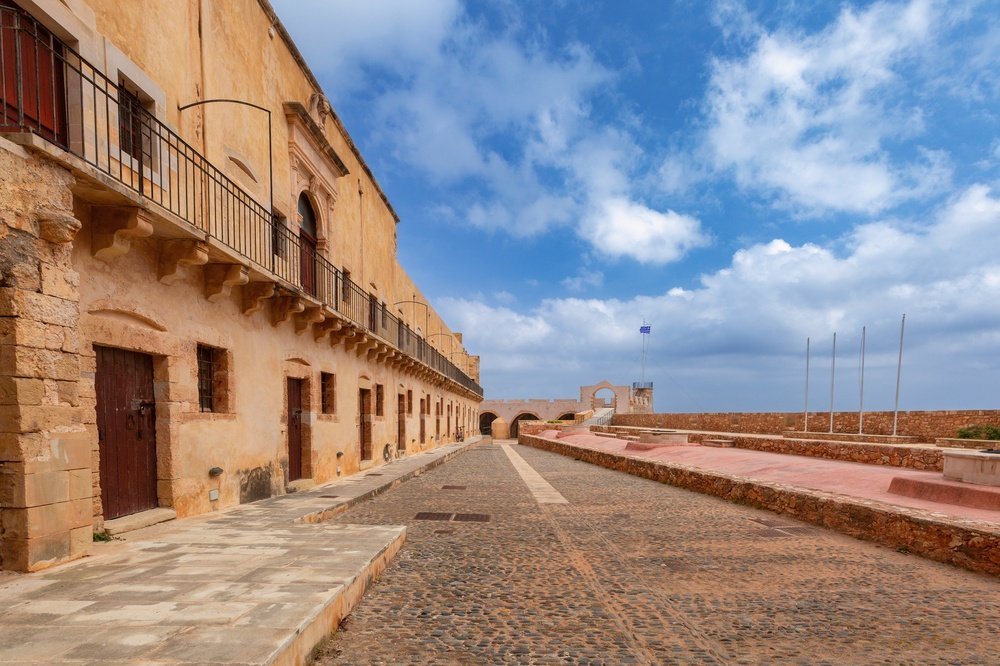
At the western end of the harbour lies the Firkas fortress, which the Venetians called Revellino del Porto. It was built between 1610 and 1645 to defend the harbour entrance, and it was on its bastion that the Greek flag was raised on 1 December 1913, when Crete officially became part of Greece. The fortress looks modest from the quay, but it’s one of the most important places in the island’s modern history.
At the entrance to the fortress is the Maritime Museum of Crete, with ship models, nautical charts, instruments and finds that tell the story of the island as a seafaring nation from ancient times to the present day. A ticket costs around €3 (around £2.50), and the museum stays open longer in summer than in winter, so check its website before you go. The museum also has an exhibition on shipbuilding in the old Neorio Moro shipyard in the eastern part of the harbour.
My tip is to climb up onto the ramparts at Firkas, where you look straight across the harbour entrance to the lighthouse. It’s one of the best spots for photographing the harbour, and in the morning there’s hardly anyone around. Allow an hour for the museum, ideally on a hot afternoon when the sun is at its fiercest on the quay.
4. Etz Hayyim Synagogue
In a little street in Evraiki lies Etz Hayyim, the only surviving synagogue in Crete. The building was originally a Venetian church dedicated to St Catherine, and after the Ottomans had conquered all of Crete in 1669, the town’s Jewish community took it over and turned it into a synagogue. Inside it’s simple and peaceful, and next to the building there’s a small courtyard.
Its history is harrowing. In June 1944 the German occupying forces deported Chania’s entire Jewish community, and most of them died when the ship Tanais, which was meant to take them off the island, was sunk. The synagogue fell into ruin for decades but was restored and rededicated in 1999, and today it’s both a place of worship and a memorial.
Admission costs €4 (around £3.50), children under 14 and students get in free, and the synagogue is usually open Monday to Thursday from 10am to 4pm and Friday from 10am to 3pm, while it’s closed at weekends and on Greek public holidays. My tip is to sit in the courtyard for a while afterwards, as it’s one of the quietest spots in the whole Old Town, even in the middle of high season.
5. Splantzia and the Church of Agios Nikolaos
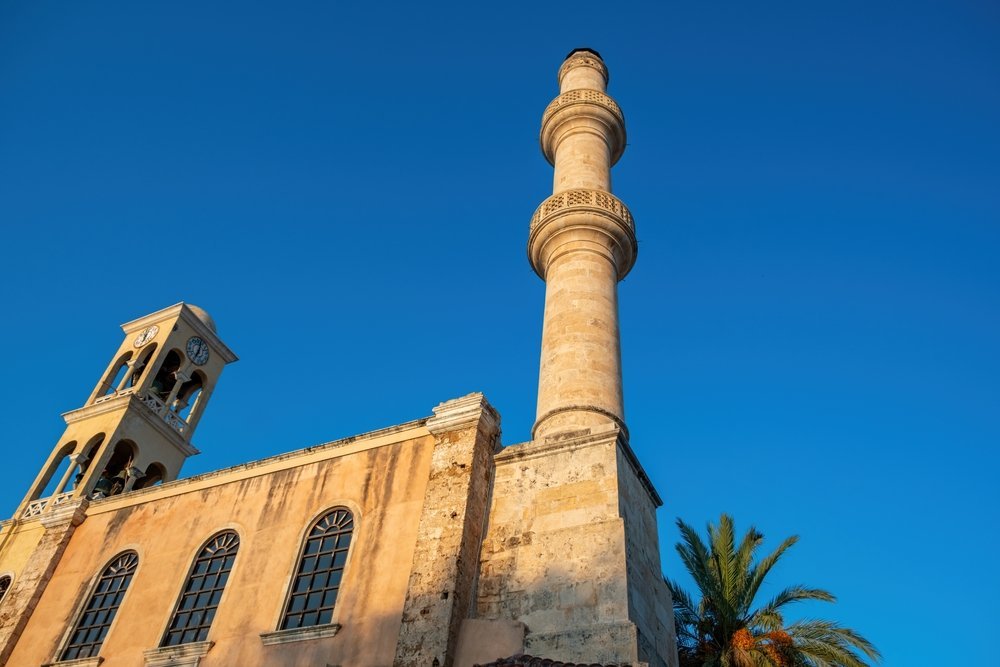
Splantzia is the eastern part of the Old Town and was the town’s Turkish quarter under the Ottomans. In the middle of the district is the square officially named 1821 Square after the Greek War of Independence, though everyone calls it Splantzia. An old plane tree shades almost the entire square, and it was from this tree that the Ottomans hanged the Bishop of Kissamos, Melchisedek Despotakis, in 1821 to intimidate the population.
The square’s large Church of Agios Nikolaos was built by Dominican monks in 1320, and after the Ottoman conquest in 1645 it was converted into a mosque and given a minaret. Today it’s a Greek Orthodox church once more, and it’s one of the few churches to have both a bell tower and a minaret. Also stop by the little Church of Agioi Anargyroi, which was the only Orthodox church in town that remained open throughout the Ottoman period.
My tip is to come in the evening, when the restaurants and bars put tables out under the plane tree. Prices are lower than on the waterfront, and you’ll find more locals here. During the day, it’s the small workshops and shops in the streets around the square that are worth popping into.
6. The Agora Market Hall and the Knife Makers’ Street
Chania’s covered market hall, known locally as the Agora, sits just south of the Old Town and is built in the shape of a cross with an entrance at each end. Construction began in 1911 on the site of one of the bastions of the Venetian city wall, and the hall was opened by Eleftherios Venizelos in December 1913, just a few days after Crete became part of Greece. The pale building with its tall arched windows is listed and is one of the town’s landmarks.
The hall has undergone a major restoration, and the stalls selling cheese, honey, olive oil, herbs and knives can change, so check what’s open before you go. Right next door is Skridlof, the leather street with sandals, bags and belts, and a couple of minutes away you’ll find the knife makers’ street, where traditional Cretan knives with verses engraved on the blade are still sold.
My tip is to buy olive oil, honey and dried herbs in the small shops around the hall rather than in the souvenir shops on the harbourfront. If you want to take a Cretan knife home, remember to pack it in your checked luggage.
Book a guided tour of the Old Town with Cretan street food here.
7. Kastelli and the Venetian Shipyards
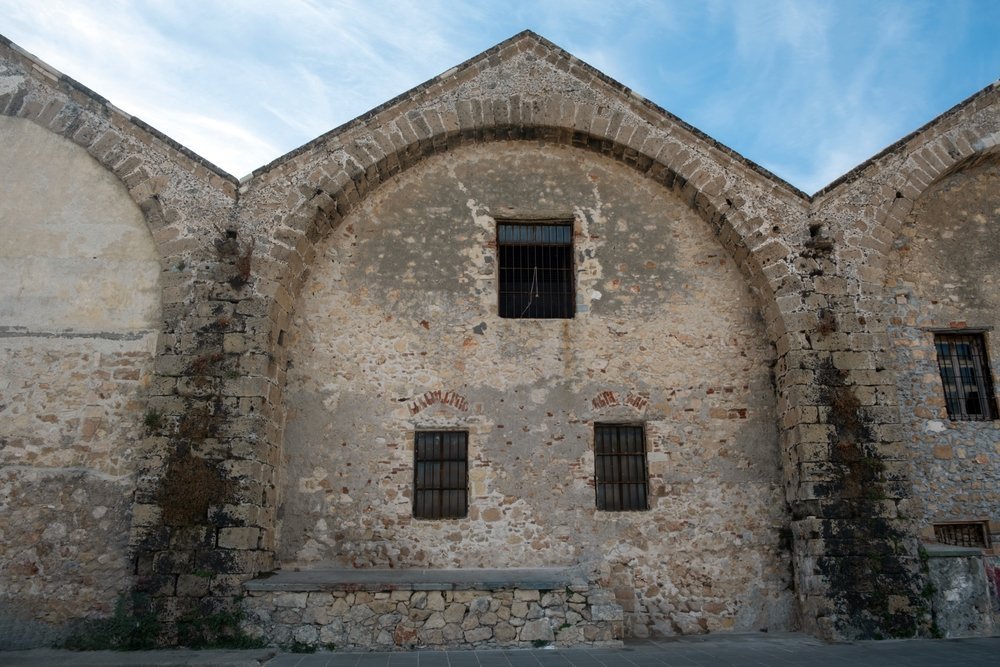
Kastelli is the low hill above the harbour where Chania has stood since ancient times. This was the site of the Minoan town of Kydonia, and on Kanevaro street you can see excavations of Minoan houses behind a fence. Later, the Byzantines built a wall around the hill, and remains of it still stand between the houses. From the upper streets you get views out over the harbour and the rooftops.
Below Kastelli, in the eastern part of the harbour, are the Venetian shipyards, known as the Neoria. These are long stone halls with arched gables facing the water, where the Venetians built and repaired their warships. There were 17 shipyards in the row, and several of them are still standing. Work on the largest, the Grand Arsenal, began in 1585, and following a restoration it is now the Centre for Mediterranean Architecture, with changing exhibitions and events.
My tip is to walk along the eastern part of the harbour early in the morning, when the fishing boats are moored at the quay and there are far fewer people than by the mosque. From here you can walk straight out along the breakwater to the lighthouse, so it’s easy to combine the two.
8. The Archaeological Museum in Halepa
In 2022, Chania’s archaeological museum moved into a new, modern building in Halepa, east of the Old Town, and it’s one of the best museums on Crete outside Heraklion. The collection covers the area around Chania from the Stone Age to Roman times, with Minoan pottery, clay tablets, jewellery, sarcophagi and Roman floor mosaics, including finds from the excavations on Kastelli. The displays are bright and easy to follow, and the signs are in both Greek and English.
Tickets cost 15 euros (around £13) or 8 euros (around £7) for concessions, and from April to October the museum is open from 8am to 8pm, while in the winter months it’s open from 8.30am to 3.30pm. The museum is closed on Tuesdays, and opening hours can change, so check the website before you go. From the harbour it’s roughly a half-hour walk along the water, or you can take a taxi.
My tip is to save the museum for a hot afternoon or a rainy day, and to visit it before you go to Kastelli and Aptera, so you’ve got the history straight. Allow an hour and a half to two hours, and walk back into town along the water past Koum Kapi.
9. Halepa and the Venizelos Graves
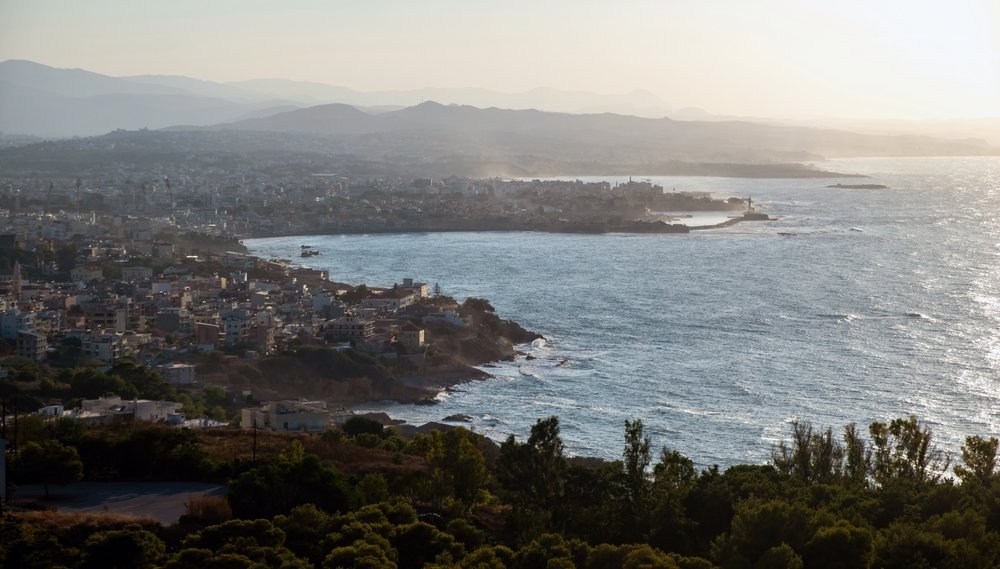
In the 19th century, Halepa was the smart district, with grand mansions, consulates and gardens, and it was home to Eleftherios Venizelos, the Cretan politician who later became Prime Minister of Greece and was behind Crete’s union with Greece. His home is now the Venizelos Residence museum, where the rooms still have their original furniture and his personal belongings.
Venizelos and his son Sofoklis, who also became Prime Minister, are buried on Profitis Ilias hill on the Akrotiri peninsula, just east of town. During the uprising of 1897 the hill came under fire, and when the flagpole carrying the Greek flag snapped, the rebel Spyros Kagiales held the flag up with his own body. There’s a statue of him by the graves. The site is free and always open, and you can get there by taxi, car or city bus from the centre in about 15 minutes.
My tip is to go up at sunset. From the park by the graves you look out over the whole of Chania, the harbour and the mountains behind the town, and there’s a café where you can sit and take in the view. In summer it’s also the best time to come, as there’s not much shade on the hill in the middle of the day.
10. The Beaches in Town
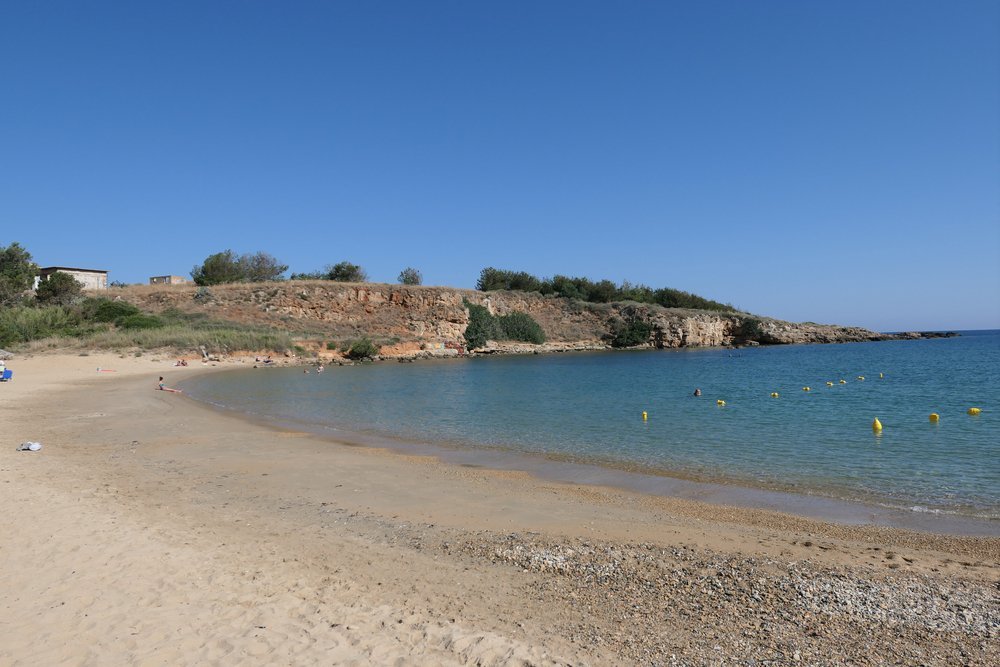
You don’t need to drive far for a swim. Nea Chora is just a 15-minute walk west of the harbour and is the town’s own sandy beach, with shallow water, a small fishing harbour and fish tavernas along the water. East of the city wall is the small beach at Koum Kapi, where locals sit in the cafés along the promenade, but it’s better for a quick dip than a full beach day.
Further west are Chrissi Akti and Agioi Apostoloi, two sandy beaches in small bays three to four kilometres from the centre. Agioi Apostoloi has shallow, calm water and pine trees behind the beach, making it good for families with children, and you can get there by city bus or by bike along the coast road. In summer you can hire sunloungers and parasols on all the beaches.
My tip is to head to Agioi Apostoloi in the morning, have lunch by the beach and be back in the Old Town in the afternoon. If the wind is blowing from the north, the small bays are more sheltered than the long beaches west of town, so it’s worth checking the wind before you pick a beach.
11. Akrotiri with Agia Triada, Gouverneto and Seitan Limania
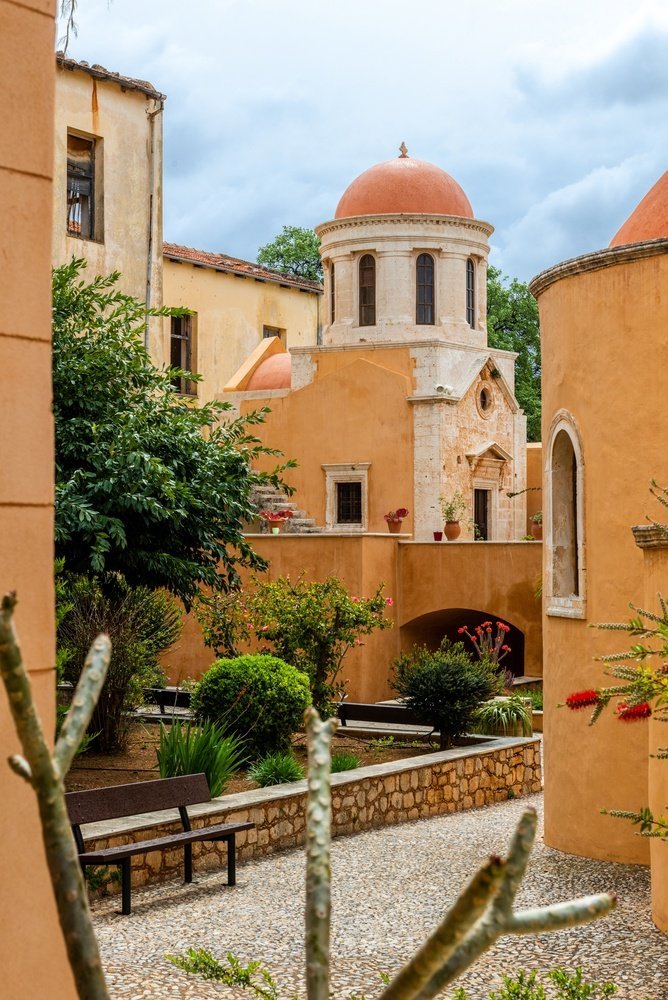
Akrotiri is the peninsula north-east of Chania where the airport is, and it’s packed with monasteries and small beaches. Agia Triada Tzagarolon Monastery was built in the 17th century by the brothers Ieremias and Lavrentios Tzagarolos, and its columned façade is a fine example of Venetian architecture. The monks still make wine, which you can buy in the monastery shop. Admission costs 2.50 euros (around £2), and in summer it’s open daily from 8am until sunset.
Drive 10 to 15 minutes further north and you reach Gouverneto, one of the oldest monasteries on Crete, which looks like a small fortress. From here a steep path leads down to the Bear Cave and the ruins of Katholiko Monastery, and the walk there and back takes about an hour and a half. Admission to Gouverneto is about 2.50 euros (around £2), and the monastery has shorter opening hours than Agia Triada.
End the day at Seitan Limania, a narrow cove between the cliffs with a small beach, turquoise water and a steep path down, or at Stavros, where the final scene of the film Zorba the Greek was shot. Bring proper shoes and water, and cover your shoulders and knees in the monasteries. The sights are spread out across the peninsula, so it’s easiest by car.
12. Balos and Gramvousa
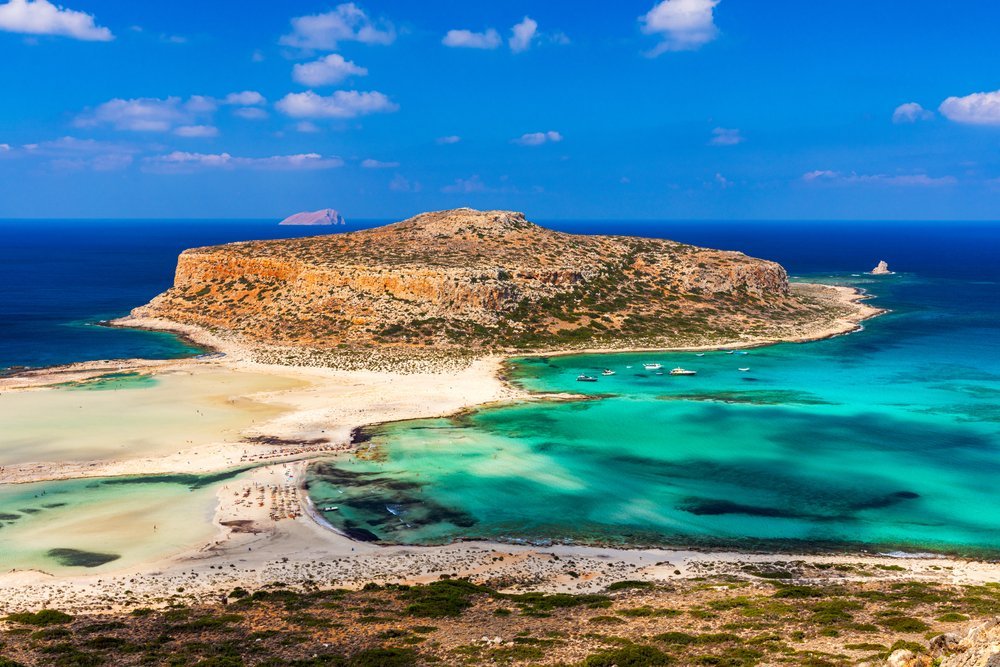
Balos is the lagoon you’ve seen on all the postcards from Crete, with white and pink sand, shallow turquoise water and a rocky outcrop in the middle of the bay. It sits at the very tip of the Gramvousa peninsula, and out to sea lies the island of Gramvousa with its Venetian fortress.
The easiest way to get there is by boat from the harbour in Kissamos, less than an hour’s drive from Chania. The boats sail first to Gramvousa, where you can walk up to the fortress, and then on to Balos, and a boat trip costs from around 40 euros (around £35). If you drive yourself, the last 8 kilometres or so after the village of Kaliviani are a potholed dirt track, and from the car park it’s a 20 to 30-minute walk down to the lagoon and longer back up again. If you want a car, you can compare car hire prices in Chania here, but many rental agreements don’t cover damage on dirt roads, so read the terms before you drive out there.
My tip is to take the boat in July and August, when the car park fills up early. If you want the lagoon almost to yourself, stay a night in Kissamos and drive out early in the morning. You can see hotels in Kissamos here.
Book a day trip to Balos and Gramvousa with pick-up in Chania and boat ticket here.
13. Falassarna
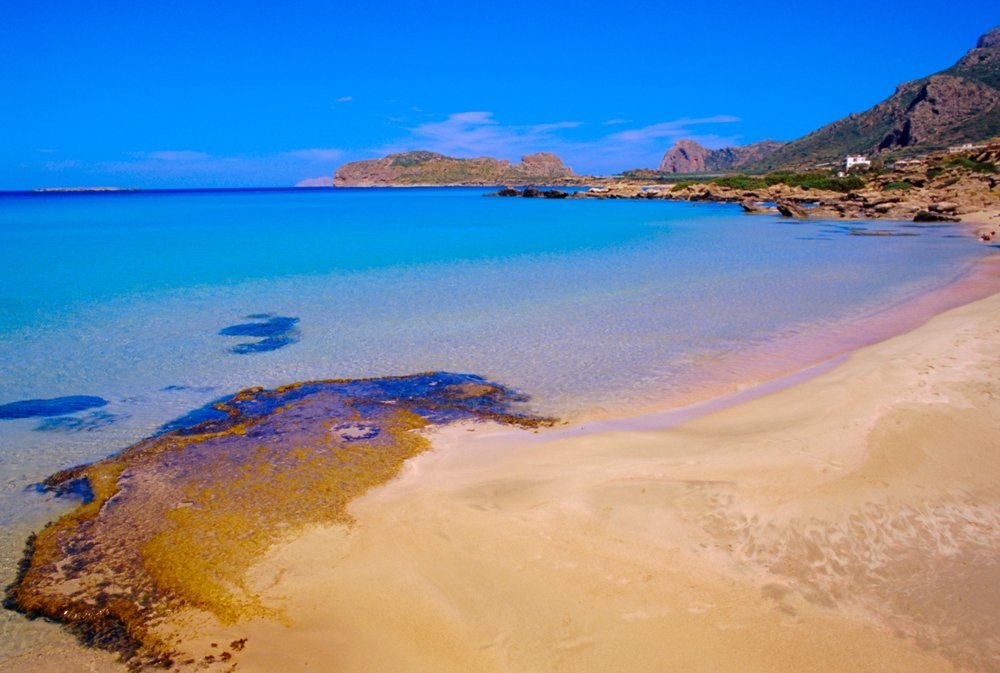
Falassarna on Crete’s west coast is a long sandy beach with clear water and some of the island’s best sunsets. It’s split into several beaches: the largest has sunloungers, parasols and beach bars, while the smaller coves further north are quieter. Behind the beach are greenhouses and olive groves, and there are no big hotels, so the atmosphere is more laid-back than in the resorts near Chania.
At the northern end lie the ruins of the ancient city of Phalasarna, whose harbour now sits on dry land because the coast was raised by a major earthquake in antiquity. The beach is free, and it’s just over an hour’s drive from Chania. In season, KTEL also runs buses from the bus station in Chania.
My tip is to combine Falassarna and Balos on the same day by car, or to come out in the late afternoon and stay for the sunset. The wind often blows from the west, so check the weather, as with big waves the beach is better for looking at than swimming from.
Book a day trip to Falassarna and Balos with pick-up and boat ticket here.
14. Elafonisi
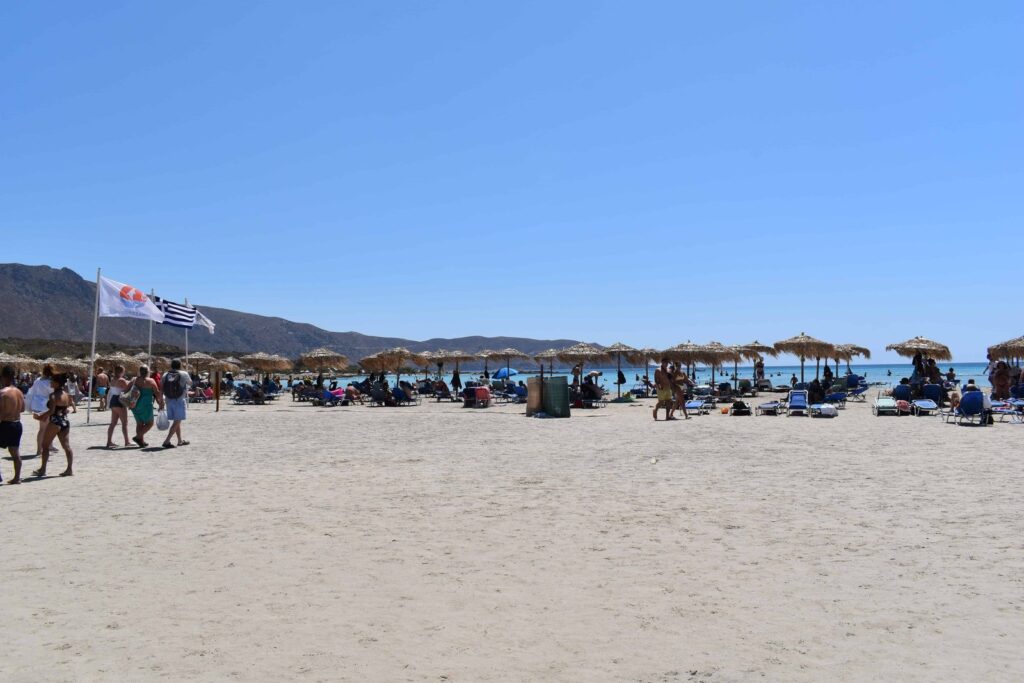
Elafonisi in the south-western corner of Crete is famous for its pink sand, which gets its colour from tiny crushed shells, and for a shallow lagoon where you can wade across to a small island. The water is so shallow in many places that it’s perfect for children, and in the afternoon the lagoon is as warm as a bath.
The area is a protected nature reserve, so don’t take sand or shells home with you, and keep off the dunes on the island. From Chania the journey takes an hour and a half to two hours each way along winding roads through mountain villages and the gorge at Topolia, and KTEL runs buses there in season. At the beach there are sunloungers, toilets and kiosks, but no shade apart from the parasols.
My tip is to get there before 10am or after 4pm, because in the middle of the day the coaches arrive from all over the island and there’s not much peace. If you’re driving yourself, stop at Chrysoskalitissa Monastery, which overlooks the sea on the way down, and have lunch in one of the mountain villages on the way back.
Book a day trip to Elafonisi with four hours on the beach and a stop in the village of Elos here.
15. Samaria Gorge
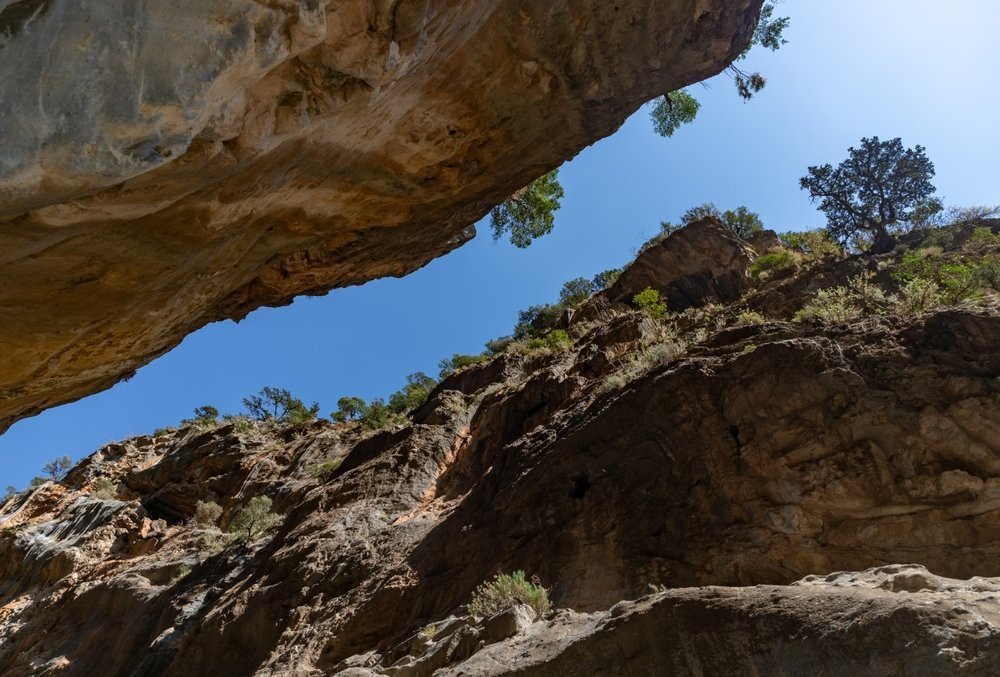
The Samaria Gorge in the White Mountains is one of the longest gorges in Europe and Crete’s best-known hike. You start at Xyloskalo on the Omalos Plateau and walk around 16 kilometres down through the gorge to the village of Agia Roumeli on the Libyan Sea. Along the way you pass the abandoned village of Samaria and the Iron Gates, where the rock walls stand so close together that there are only a few metres between them, and with a bit of luck you’ll spot the wild kri-kri goats.
The hike usually takes five to seven hours, and it’s downhill almost the whole way, which is hard on the knees. Tickets must be bought on the national park’s official ticket website, and the park is closed in the winter months, and it can also close in bad weather. Entry is around 10 euros (around £8). There’s no road out of Agia Roumeli, so you take the boat on to Chora Sfakion and catch the bus back to Chania.
The easiest option is an organised tour, where the bus, boat and transport home are all sorted, as the first buses from Chania leave very early in the morning. Bring walking boots, sun cream and at least a litre of water, and have a swim in Agia Roumeli while you wait for the boat.
Book a day trip to the Samaria Gorge with transport from Chania and a guide here.
16. Ancient Aptera
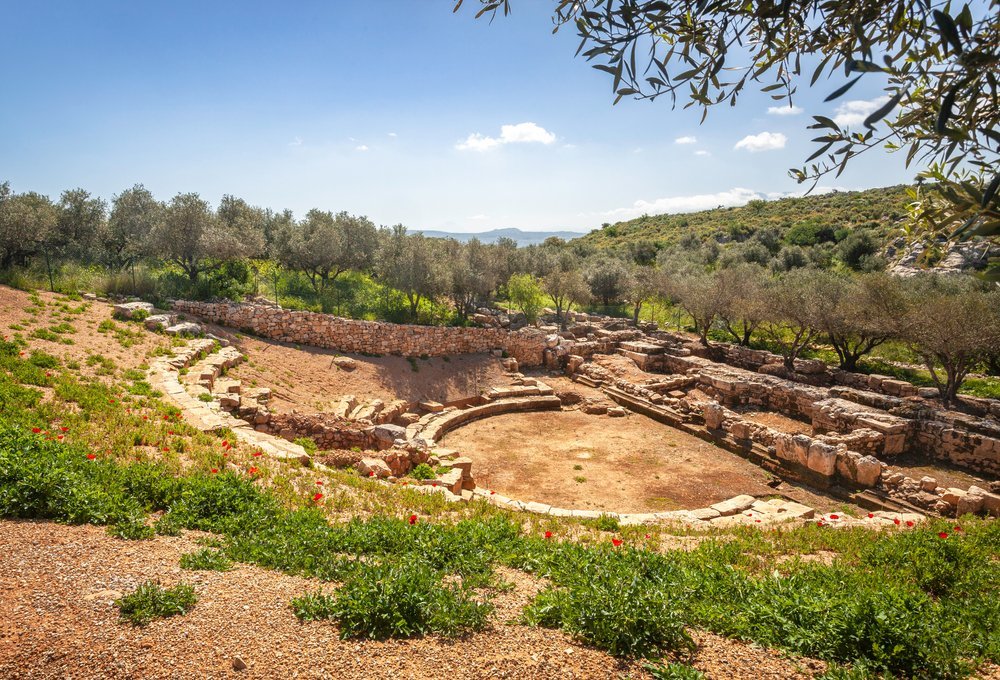
Aptera sits on a plateau above Souda Bay around 15 kilometres east of Chania, and it’s one of the most atmospheric ancient sites in western Crete. The city was founded in the 8th century BC and was a powerful city-state in the Hellenistic period. Today you can wander between a theatre, a double temple to Apollo and Artemis, city walls and huge Roman cisterns with vaulted ceilings.
Tickets cost 10 euros (around £8) or 5 euros (around £4) for concessions, and opening hours change with the seasons, so check the website before you head out. It’s easiest to get there by car or taxi, and the drive from Chania takes around 20 minutes along the main road towards Rethymnon.
My tip is to walk over to the old Turkish fortress on the edge of the plateau, where you have views out over Souda Bay and the White Mountains. Come in the morning or late afternoon, as there’s not much shade among the ruins, and it’s worth combining the trip with an afternoon on the beach at Kalyves a little further east.
17. Lake Kournas
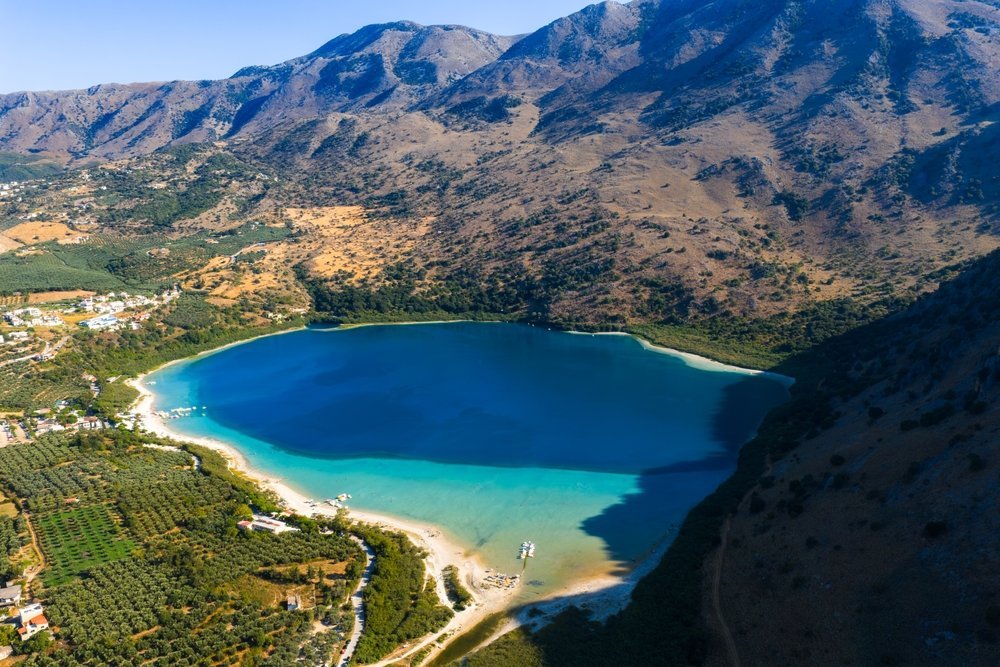
Lake Kournas lies between Chania and Rethymnon, a few kilometres from the coast at Georgioupoli, and it’s the only natural freshwater lake on Crete. It’s up to 22.5 metres deep and sits in a protected nature area, where turtles and fish live in the clear water, while herons and cormorants gather along the shore. The mountains run right down to the water, and the colour shifts from turquoise by the beach to deep blue out in the middle.
At the small beach you can hire pedalos, and there are tavernas where you can have lunch overlooking the lake. Swimming and walking along the lake are free, and from Chania it takes around 45 minutes by car along the main road towards Rethymnon.
My tip is to hire a pedalo and paddle along the shore, where you have the best chance of spotting the turtles. Come in the morning before the tour coaches arrive, and combine the lake with Rethymnon on the same day, so you get both nature and town in one trip.
Book a trip to Lake Kournas and the Argiroupoli springs with pick-up in Chania here.
18. Day trip to Rethymnon
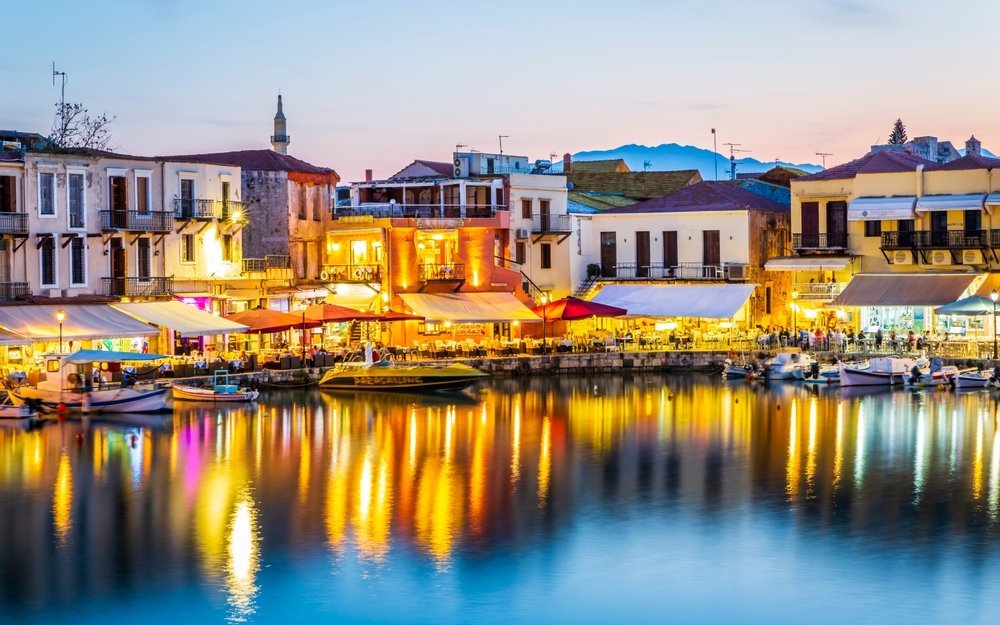
Rethymnon lies around 60 kilometres east of Chania and is Crete’s third-largest town, with its own Venetian harbour, a little lighthouse and an Old Town full of minarets, wooden balconies and narrow streets. The town feels a little less touristy than Chania, and it’s easy to spend a whole day here.
Above the town stands the Fortezza, one of the largest Venetian fortresses on Crete, built from 1573 to 1580 after Ottoman raids had ravaged the town. A ticket costs around €4 (around £3.50). In the Old Town you’ll find the Rimondi Fountain from 1629, where water still flows from the lions’ heads. The bus from Chania takes around an hour and runs many times a day, and by car it’s just as quick along the main road.
Rethymnon is also a good base if you want to see both western and central Crete, and the town features in my guide to where to stay in Crete. You can see hotels in Rethymnon here. If you want to head further east to Knossos and Heraklion, you’ll find them in my guide to things to do in Crete.
Practical travel tips for Chania
You can manage the harbour, the Old Town and Splantzia on foot, and for the beaches and the Venizelos Graves you can use the city buses or a taxi. For day trips, KTEL’s regional buses run from the bus station just south of the Old Town to places including Kissamos, Falassarna, Elafonisi, Omalos by the Samaria Gorge and Rethymnon, and you’ll find the timetables with the bus company KTEL.
If you want to see a lot of western Crete, a hire car is the most flexible option, and it’s easiest to pick one up at Chania Airport on Akrotiri, around 25 minutes from town. Park outside the Old Town, as the streets inside the walls are largely closed to cars, and the spaces near the harbour fill up quickly in summer.
The best time to visit is from May to October, when the sea is warm and the Samaria Gorge is open. July and August are hot and busy, especially at Balos and Elafonisi, so arrive early or late in the day. Remember to cover your shoulders and knees in the monasteries and churches, and always check the prices on the menu before you order on the waterfront.
Many people combine Chania with a few days in the capital, and here are my picks of things to do in Athens. If you want to see more of the country, start with my overview of where to stay in Greece.
If you need the full selection, you can see all hotels in Chania on Booking.com.
Travel ressources & websites I use all the time 👇
• Booking.com has the best offers on hotels and unique places to stay
• GetYourGuide is the best place to book tours & activities with free cancellation
• Welcome Pickups is the best & safest place to pre-book airport transfers
Psst 👀 Have you subscribed to my Youtube channel and my Instagram where I provide more useful travel tips?