

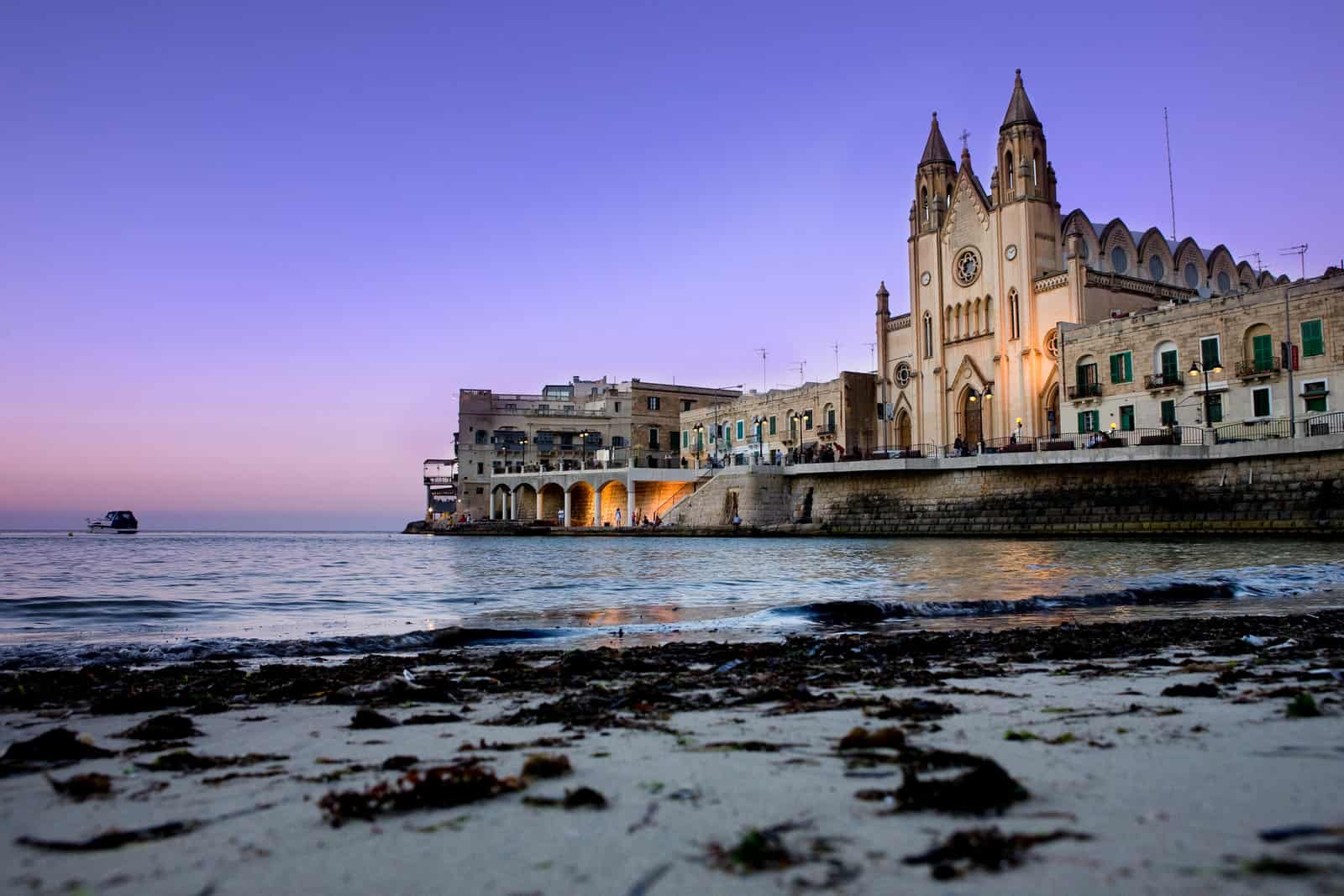
Malta is one of Europe’s smallest countries, but its sights are packed closely together on the three islands of Malta, Gozo and Comino. Here you’ll find Stone Age temples and burial chambers, the fortresses of the Knights of St John, turquoise water and the capital, Valletta, which has been on UNESCO’s World Heritage List since 1980. Distances are short, so you can see most of it in a week, even if you stay in the same place the whole time.
Here are my picks for the 19 best things to see and do in Malta, with prices, opening hours and tips on what to book before you go. Malta uses the euro, so all prices are in euros. Most of the museums and ancient sites are run by Heritage Malta, which has different opening hours in summer and winter. The one place you really need to book well in advance is the Ħal Saflieni Hypogeum burial chamber.
Contents
1. Valletta and Upper Barrakka Gardens
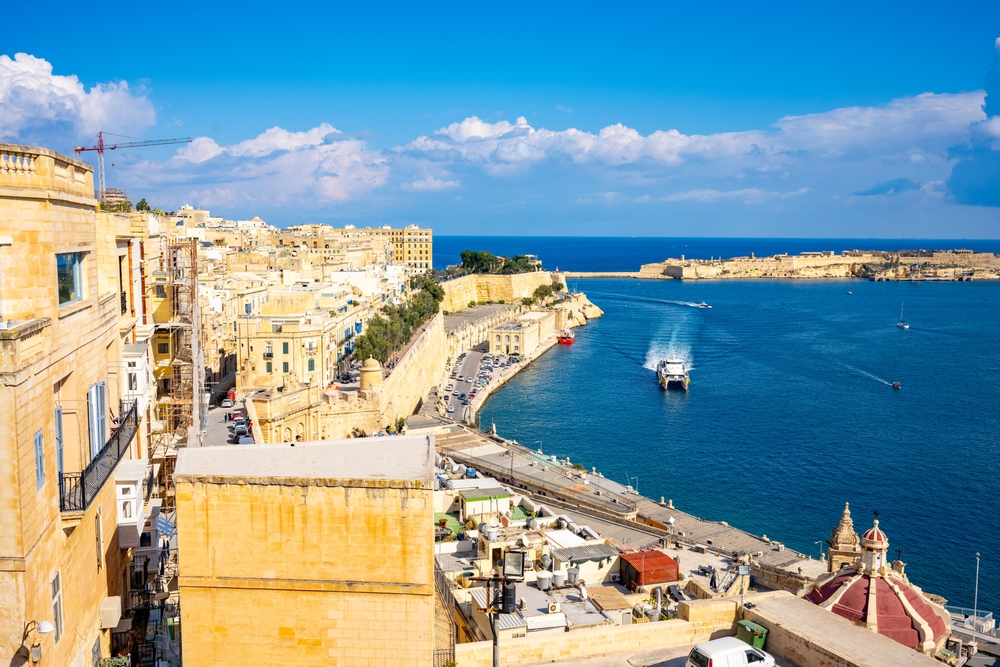
The Knights of St John founded Valletta in 1566 on a hilly peninsula between two of the Mediterranean’s finest natural harbours. The city is small, but according to UNESCO, it has 320 monuments within an area of 55 hectares, and most of the first sights in this guide are within walking distance of each other. Spend a morning just wandering the streets before you start on the museums. If you’d like to stay right in the middle of it all, Valletta is the first area in my guide to where to stay in Malta, and you can see hotels in Valletta here.
The best view is from Upper Barrakka Gardens. The gardens were laid out in 1661 as the private garden of the Italian knights and opened to everyone in 1824. They’re free and open from 7am to 10pm, and from the terrace, you look out over the Grand Harbour to Birgu, Senglea and Cospicua on the other side. Just below the gardens is the Saluting Battery, where the cannons are fired at 12 noon and 4pm from Monday to Saturday. Arrive 15 minutes early to get a good spot.
From the gardens, the Barrakka Lift runs 58 metres down to the waterfront, where the ferry to The Three Cities departs. The lift costs €1 for a return trip on the same day.
Book a guided walking tour of Valletta with a visit to St. John’s Co-Cathedral.
2. St. John’s Co-Cathedral
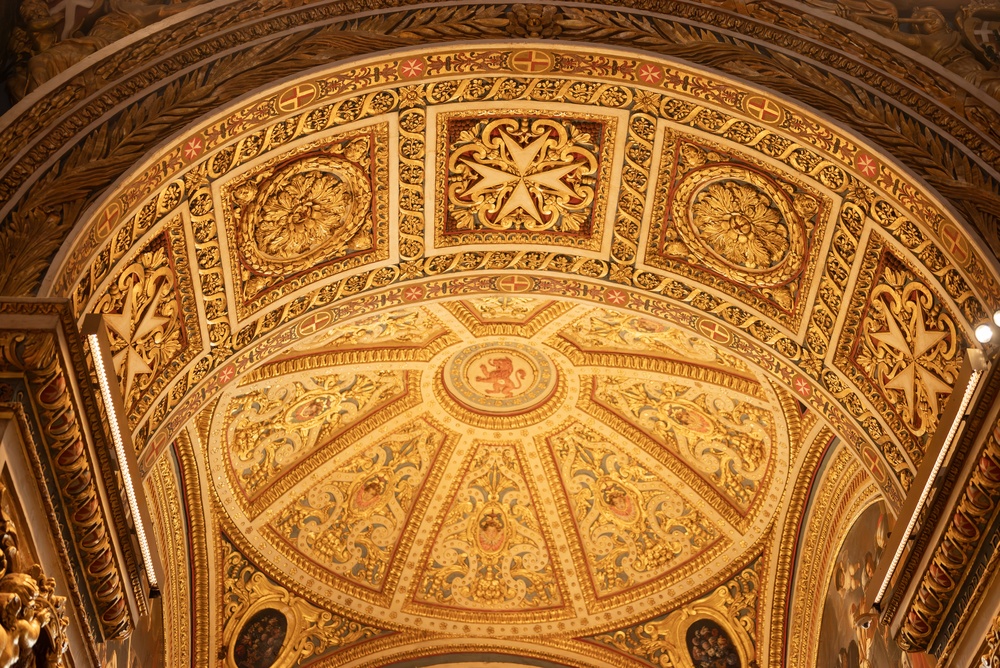
St. John’s Co-Cathedral was the church of the Knights of St John, and for me, it’s the highlight of any trip to Malta. Inside, the walls and ceilings are covered in gilded carvings and paintings, and the entire floor is made up of tombstones of inlaid coloured marble marking the graves of some of the order’s most distinguished knights. The most important work hangs in the oratory: Caravaggio’s The Beheading of Saint John the Baptist from around 1608, which measures 520 by 360 centimetres. It was in front of this very painting that Caravaggio was expelled from the order in December 1608. The same room also holds his Saint Jerome Writing from around 1607.
A ticket costs €15, and seniors and students pay €12. Children under 12 get in free with an adult. It’s open Monday to Saturday from 9am to 4.45pm, with last entry at 4pm, and the church is closed on Sundays and public holidays. An audio guide is included in the price. Bring a shawl to cover your shoulders, and leave your stilettos at home, because they aren’t allowed. Parts of the church’s museum may be closed, so check the church’s website before you go.
The church limits visitor numbers, so buy your ticket online before you go. It recommends allowing an hour and three quarters for the visit.
Book Valletta Resounds, with music and storytelling in front of Caravaggio’s painting in the oratory.
3. The Grandmaster’s Palace
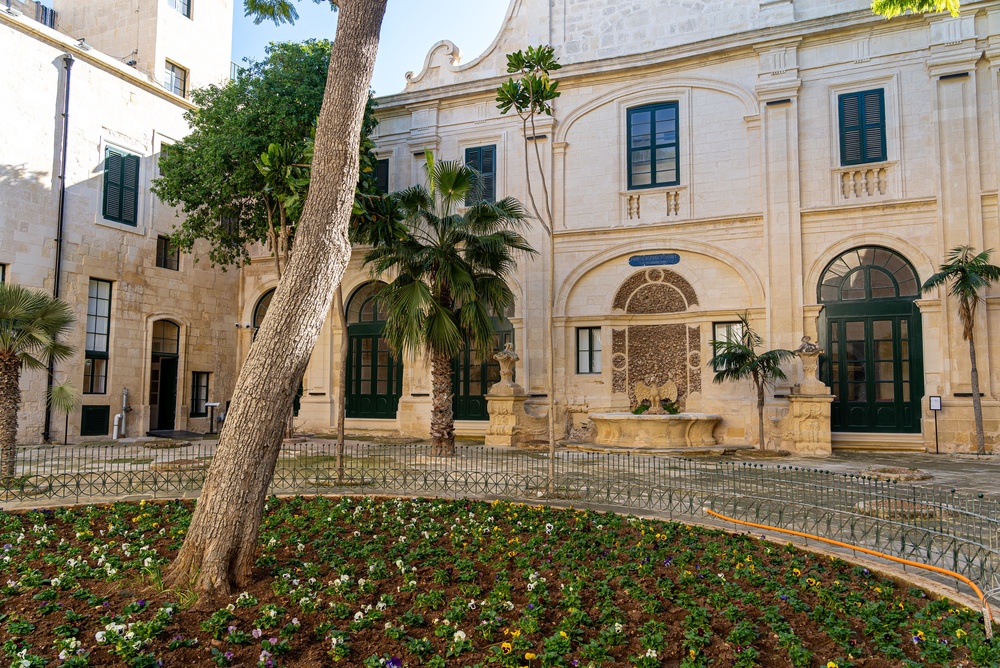
The Grandmaster’s Palace stands on St George’s Square in Valletta and was the palace of the Grand Masters of the Knights of St John. After a major restoration, you now have access to more than 85 per cent of the building’s floor plan. In the State Rooms hangs Matteo Perez d’Aleccio’s series on the siege of 1565, the most complete pictorial account of the siege, under ceilings with paintings from the late 18th century. You also pass through the long corridors on the first floor and the Uccelliera aviary, which has been rediscovered.
The Armoury is in the former Parliament Chamber, and I think it’s the best part of the visit. Here you’ll see the armour of the Grand Masters Alof de Wignacourt and Jean de Valette alongside Ottoman armour, weapons and cannons. Some rooms, including the Throne Room, may be closed, so check Heritage Malta’s website before you go.
A ticket costs €12, young people and seniors pay €10, and children aged 6 to 11 pay €8. The State Rooms close on certain days, either all day or until 1.30pm, and the palace can also close for state events. On those days, only the Armoury is open, so check the website before you go. The nearest bus stop is a five-minute walk from the palace.
4. Fort St. Elmo and the National War Museum
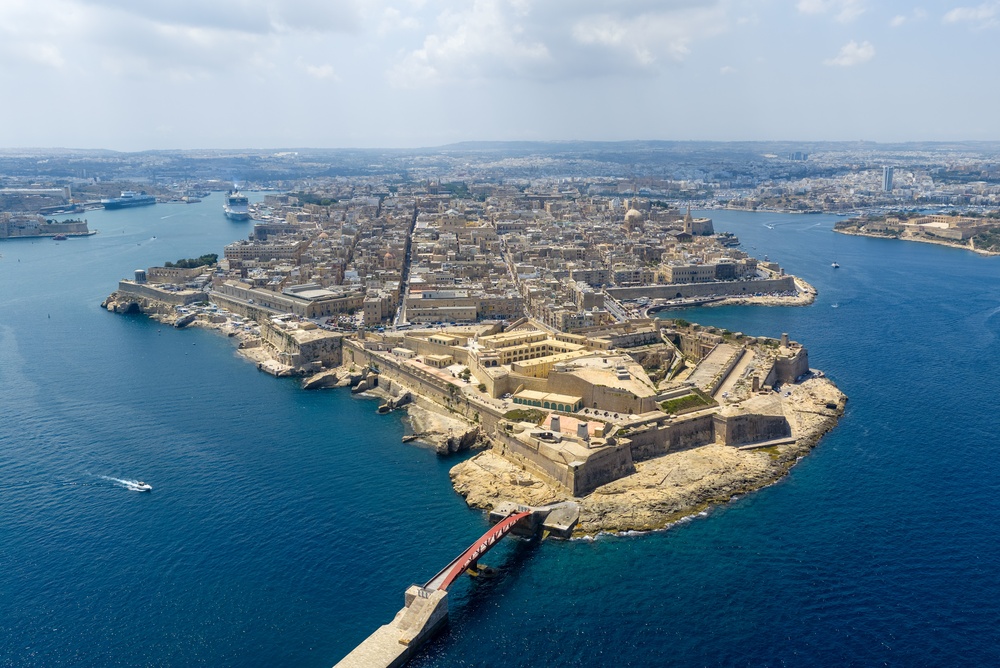
Fort St. Elmo stands at the very tip of the Valletta peninsula, facing the sea. During the Great Siege by the Ottomans in 1565, the fort fell on 23 June. Today, it houses Malta’s National War Museum, and you walk among thick walls and bastions with views out over the harbours.
The museum tells the story of the wars that have hit Malta, and the Second World War takes up the most space. Here you’ll see the George Cross medal and the Gloster Sea Gladiator fighter plane named Faith. Parts of the museum, including the exhibition on the First World War, may be closed, so check Heritage Malta’s website before you go.
A ticket costs €10, and young people, seniors and students pay €7.50. On the Sundays when the fort holds the In Guardia parade from 11am to 12 noon, you can’t get in without a show ticket until 12 noon. If you also want to see the palace and the archaeology museum, Heritage Malta’s Valletta Combo can be worth it. It costs up to €30 for an adult and is valid for 30 days.
5. National Museum of Archaeology
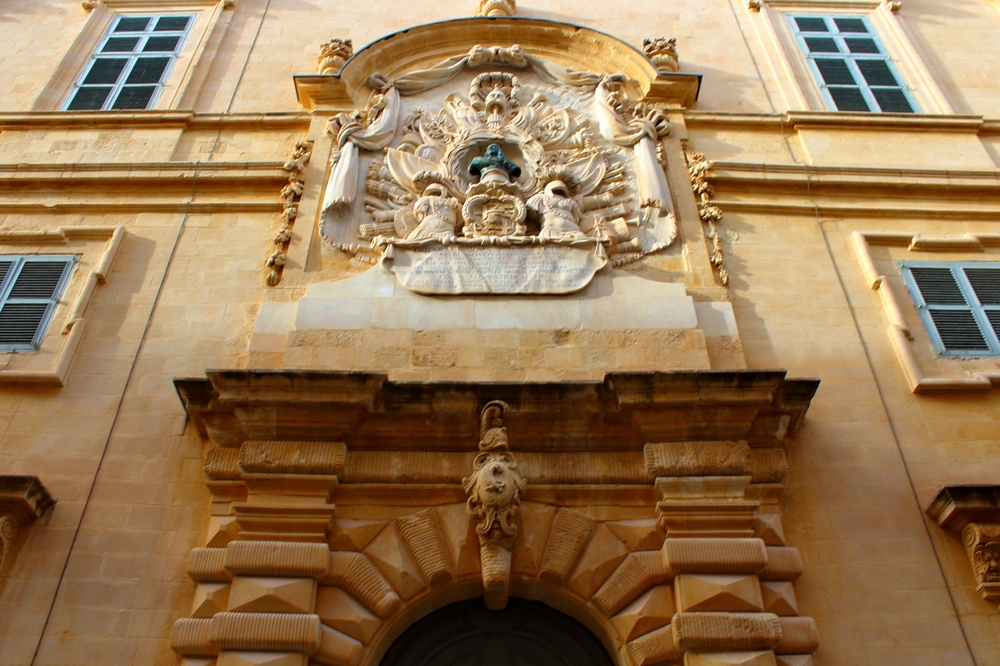
The National Museum of Archaeology is in the Auberge de Provence on Republic Street, a Baroque building from 1571. The museum is small, but it has some of the best-known figures from Malta’s Stone Age, and I think you should see it before you head out to the temples.
The ground floor is devoted to the Stone Age. Here you’ll find the small Sleeping Lady figure, the Venus of Malta and the lower part of the colossal statue from the temples at Ħal Tarxien. On the first floor is the Gran Salon, a large hall with painted decorations from the early 19th century, which is worth going up to see, even if you’ve mainly come for the antiquities.
The museum is one of the cheapest in Valletta. A ticket costs €5, young people, seniors and students pay €3.50, and children aged 6 to 11 pay €2.50. It’s also one of the places where you can buy the last tickets for the Hypogeum the day before, if there are any left. The museum is included in the Valletta Combo, so if you’ve bought that, your entry is already paid for.
6. Ħal Saflieni Hypogeum
The Ħal Saflieni Hypogeum is an underground burial chamber in Paola, carved out on three levels and in use from around 4000 to 1500 BC. The deepest room lies 10.6 metres below the street. A stonemason found the site by chance in 1902 while laying foundations for new houses, and it was added to UNESCO’s World Heritage List in 1981.
To protect the air and humidity inside, only ten people are allowed in the burial chamber at a time, and you can’t take photos. A ticket costs €35, young people and seniors pay €20, and children aged 6 to 11 pay €15. Children under 6 aren’t allowed down. Each person can buy a maximum of four tickets.
Heritage Malta strongly recommends booking early, so do it as soon as you know your dates. If they’re sold out, Heritage Malta sells a small number of last-minute tickets for €50 the day before, on a first-come, first-served basis. In the morning, they’re sold at Fort St. Elmo and on Gozo, and after 12 noon at places including the archaeology museum.
Head on to the temples at Ħal Tarxien afterwards. Entry is €6, but you get half price if you show your Hypogeum ticket at the ticket office.
7. The Three Cities and Fort St. Angelo
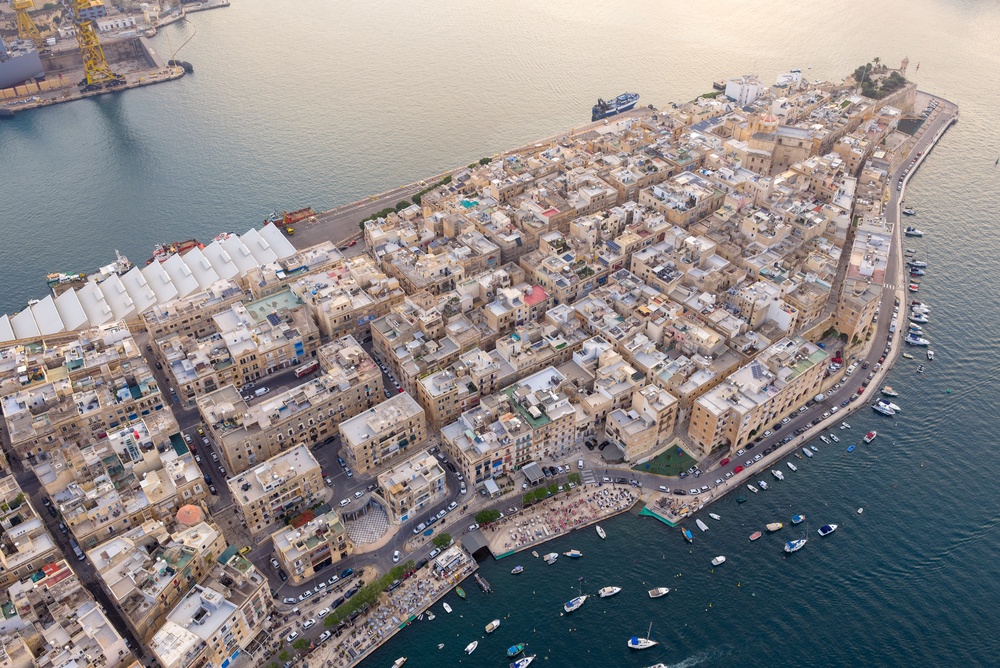
On the other side of the Grand Harbour lie The Three Cities, Birgu, Senglea and Cospicua. The Knights of St John lived here before Valletta was built, and after 1530, they made Fort St. Angelo at the tip of Birgu their headquarters. The fort played a major role during the siege of 1565, and today, there’s an exhibition centre, cannons and views over the whole harbour and the fortified towns.
The fort costs €10, and young people, seniors and students pay €6. I think Birgu is the best place to spend half a day once you’ve seen the capital, because there are far fewer people in the streets than in Valletta.
The most fun way to get there is the ferry from Valletta, which sails to Cospicua every half hour and takes about 15 minutes. If you take the ferry back, a ticket for the lift up to Upper Barrakka Gardens is included. Water taxis also cross the harbour when the weather allows. If you’d like to see more than the fort, a combined ticket covers Fort St. Angelo, the Inquisitor’s Palace and the temples at Ħal Tarxien.
Buy the combined ticket for Fort St. Angelo, the Inquisitor’s Palace and Ħal Tarxien.
8. Mdina
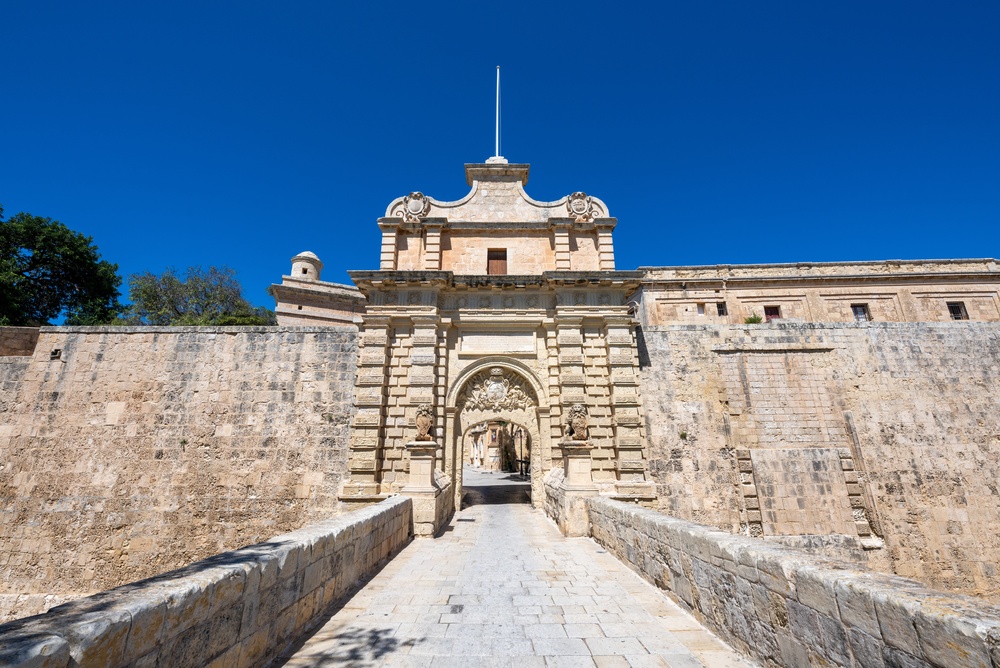
Mdina is Malta’s former capital and stands on a hill surrounded by walls. When power moved to Valletta in the 16th century, the population fell, and the city earned the nickname the Silent City. You enter through Mdina Gate, which Game of Thrones fans will recognise as one of the gates of King’s Landing in the first season. If you’re a fan of the series, Dubrovnik is one of the best-known filming locations, and I’ve also written about where to stay in Dubrovnik.
Walk out to Bastion Square, where you look out over the countryside and down towards the coast. Right next to it is Fontanella Tea Garden, known for its chocolate cake and its terrace on the bastions. The city is at its most beautiful early in the morning, when the pale limestone walls contrast with the flowering bougainvillea.
The cathedral and the cathedral museum share a ticket costing €15, and seniors and students pay €10. Children under 12 get in free with an adult, and the ticket is valid for 30 days. It’s open Monday to Saturday from 9.30am to 4.30pm, but tickets are only sold until 4.15pm. It’s closed on Sundays and public holidays, and the cathedral can also close early because of weddings.
Book a guided walking tour of Mdina and Rabat with the catacombs.
9. St. Paul’s Catacombs in Rabat
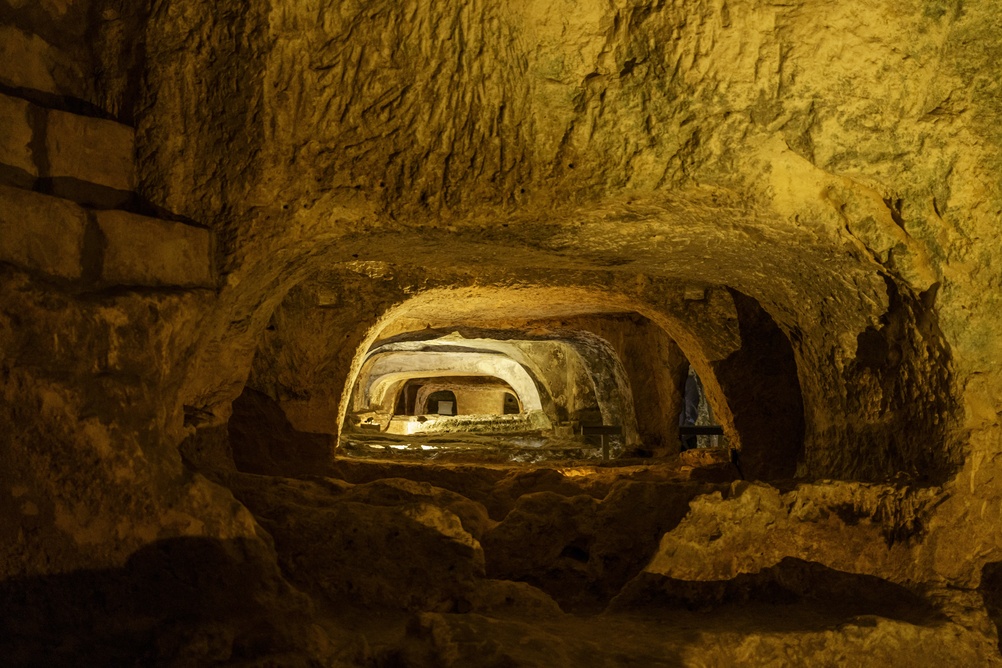
Just outside Mdina’s walls lies Rabat, and this is where you’ll find St. Paul’s Catacombs. The area was a burial ground in Punic, Roman and Byzantine times, from at least the 4th century BC to the 7th and possibly the 8th century AD. The main complex covers more than 2,000 square metres, and there are more than 30 other underground tombs in the surrounding area.
The catacombs are a network of underground tombs from several periods, and part of the site was reused around the 13th century. Look out for the two round tables carved into a low platform. They were probably used for memorial meals when families celebrated the feast of the dead once a year. It’s a good place to visit if you’ve already been to the Hypogeum and want to know how the Maltese buried their dead after the temples were abandoned.
A ticket costs €6, young people, seniors and students pay €4.50, and children aged 6 to 11 pay €3.50. The nearest bus stop is a five-minute walk away. The catacombs fit nicely into the same day as Mdina, and several guided tours of Mdina include the catacombs too.
10. Comino and the Blue Lagoon
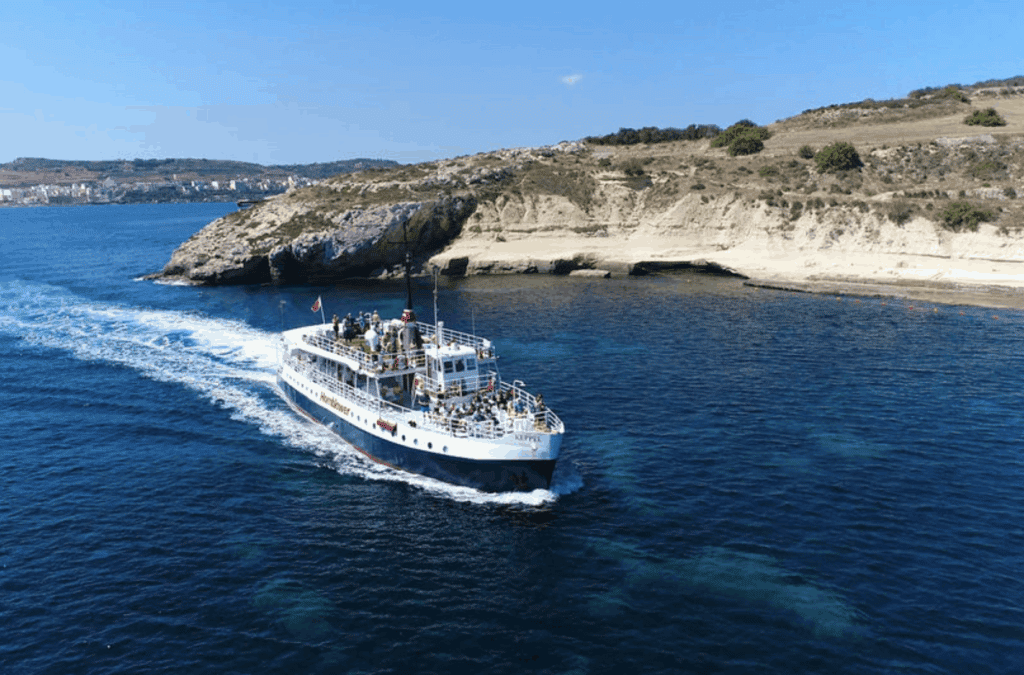
Comino is the small island between Malta and Gozo, and it’s best known for the Blue Lagoon, a bay with clear, turquoise water. The bay is so popular that on the busiest summer days, there have been up to 12,000 people there at once. That’s why everyone who goes ashore at the Blue Lagoon needs a free QR code from the booking system. This also applies if you arrive on a boat trip.
You choose between three time slots: morning from 8am to 1pm, afternoon from 1.30pm to 5.30pm and evening from 6pm to 10pm, and you can book up to two months ahead. A maximum of 4,000 people are allowed there at the same time. Children under 5 don’t need their own ticket when they’re with a parent, and you pay for the boat trip separately.
Boats leave from several harbours in Malta and on Gozo, and most trips also stop at the Crystal Lagoon and the sea caves along the coast. I’d recommend the morning, and remember to bring water and sun cream.
Book a boat trip to the Blue Lagoon, the Crystal Lagoon and the sea caves.
11. The Blue Grotto
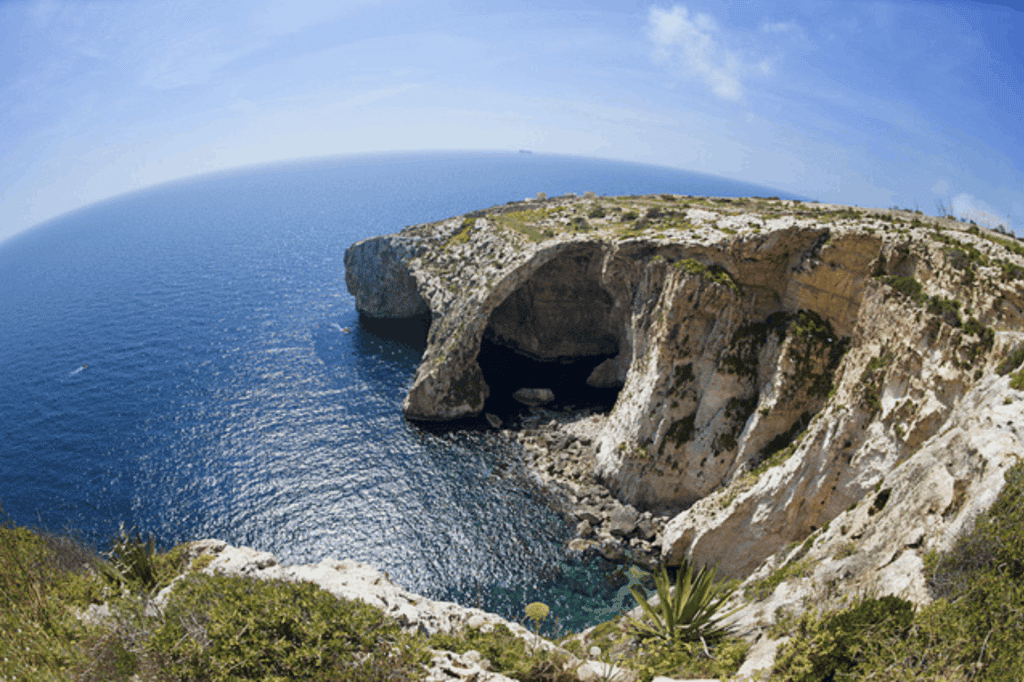
The Blue Grotto is a series of sea caves in the cliffs on Malta’s south coast, west of the small harbour of Wied iż-Żurrieq. Off the coast lies the uninhabited island of Filfla. You see the caves best from one of the small boats that sail from the harbour in Wied iż-Żurrieq into the caves.
It’s the play of colours in the water inside the caves that makes the trip, and it’s best seen from sunrise until around 1pm, so come in the morning. The boats only sail when the sea is calm, and in winter, they stop earlier in the day than in summer.
The boat trip costs around €10 and takes around 20 minutes. If it’s windy, it’s better to go another day. The Blue Grotto is close to Ħaġar Qim and Mnajdra, so the two are easy to combine on the same day.
Book a guided tour to the Blue Grotto and Marsaxlokk.
12. Ħaġar Qim and Mnajdra
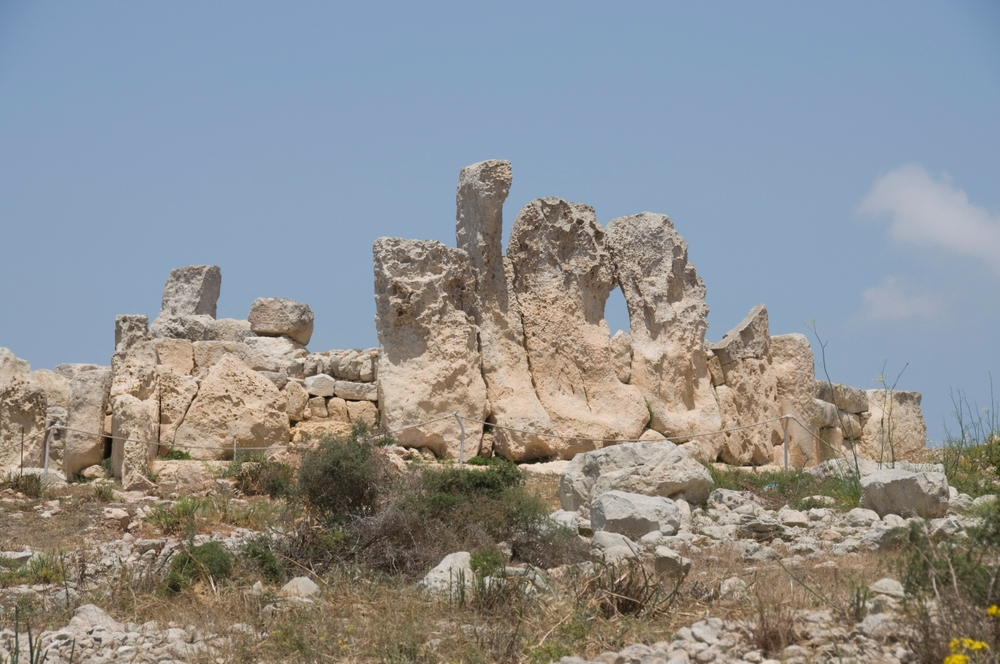
The Ħaġar Qim and Mnajdra temples stand on a hill above the sea near Qrendi and are more than 5,000 years old. They were added to UNESCO’s World Heritage List in 1992 as part of the Megalithic Temples of Malta. Since 2008, both temples have stood under large shelters that protect the stones from the weather.
You start at the visitor centre, where one of the original reliefs is on display, and then walk to Ħaġar Qim. From here, a path leads 500 metres down the hill to Mnajdra. The south temple at Mnajdra is built so that at the spring and autumn equinoxes, the sun rises directly in line with the entrance, and at the solstices, the sun lights up a decorated stone in the first chamber. Heritage Malta estimates that a visit takes between one and a half and three hours.
A ticket for both temples costs €10, young people, seniors and students pay €7.50, and children aged 6 to 11 pay €5.50. The nearest bus stop is a three-minute walk away. In summer, I’d come early, before the midday heat.
Book a full-day tour to Ħaġar Qim and the south coast with transport and lunch.
13. Marsaxlokk
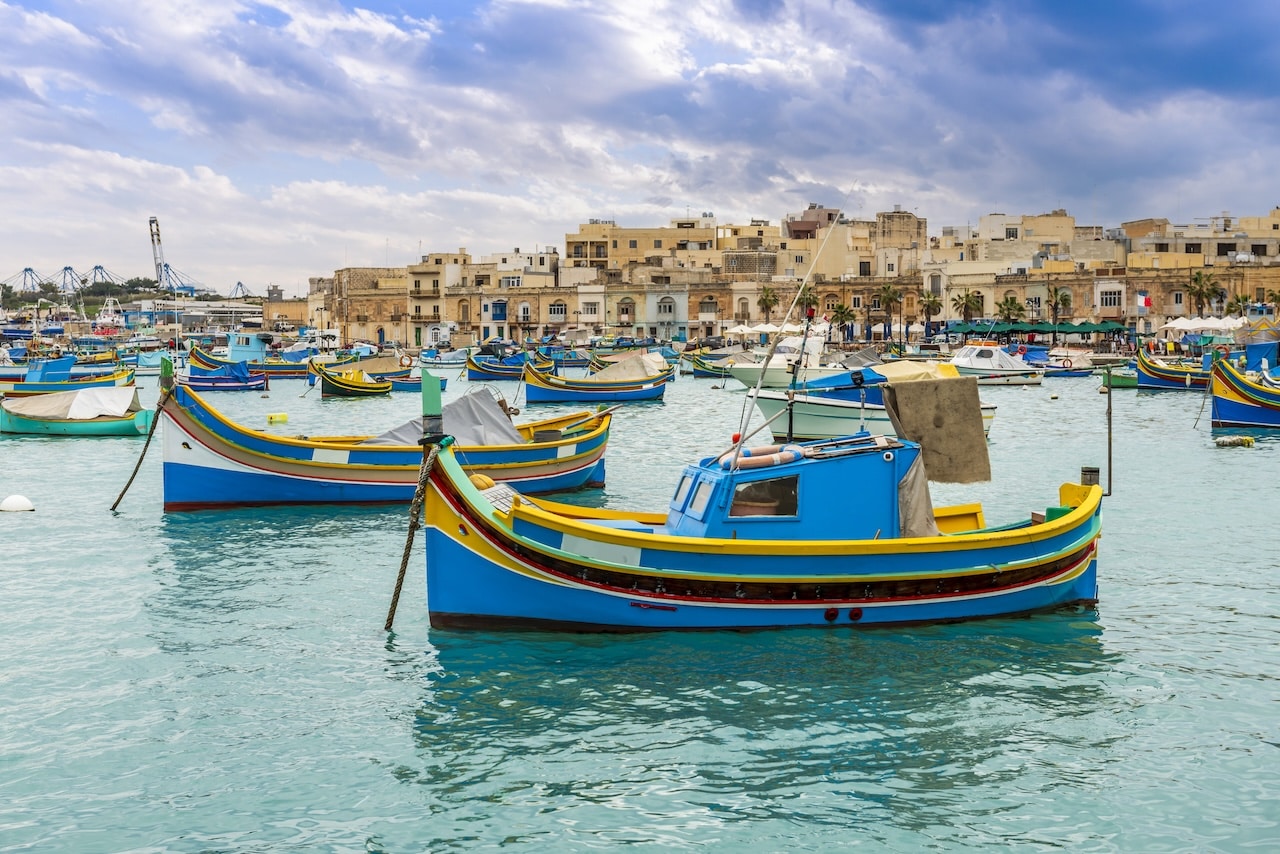
Marsaxlokk is the islands’ most important fishing harbour. The harbour is full of colourful fishing boats, called luzzu, with the mythical eye painted on the bow, and for me, it’s one of the most photogenic scenes in Malta.
On Sundays, the town holds a fish market, which gives you a good insight into local life and a traditional trade. The town has lots of good fish restaurants, and this is where I’d have lunch if I were on the south coast. Order the catch of the day rather than the expensive set menus.
If you’ve brought your swimwear, walk out onto the Delimara Point peninsula to the left of the bay. Here you’ll find Peter’s Pool, one of two rocky coves where you can swim in clear water. There’s no sandy beach, so you jump in from the rocks. Read more about the town at Visit Malta. Marsaxlokk goes well with the Blue Grotto, and if you’d like a quieter base than Valletta, you can see hotels in Marsaxlokk here.
14. Mosta Rotunda
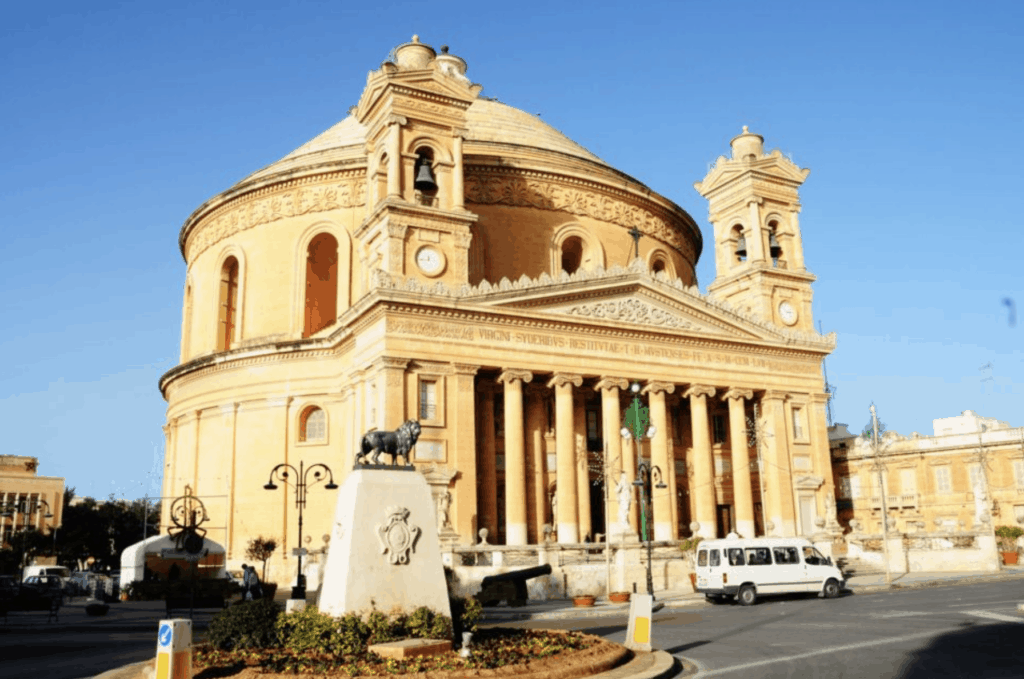
The Rotunda in Mosta, in the middle of Malta, is a round church with a huge dome, and it’s known for a story from the Second World War. In 1942, a bomb pierced the dome and landed on the church floor, but it didn’t explode. A replica of the bomb is on display in the church today.
There are two tickets. The short one for €5 gives access to the church, the wartime shelter and an audio guide in an app. The full experience for €8 also gives access to the crypt, the church museum and a walk around the outside of the dome and out onto the balcony inside the dome. The more expensive ticket is worth the money for the view.
The church is open to visitors Monday to Friday from 9.30am to 6pm, Saturday from 9.30am to 4.30pm and Sunday from 12 noon to 5pm. Last entry is half an hour before closing. The church is still used for services, so check the Mass times on the church’s website, and if you can, visit on the same day as Mdina.
15. Dingli Cliffs
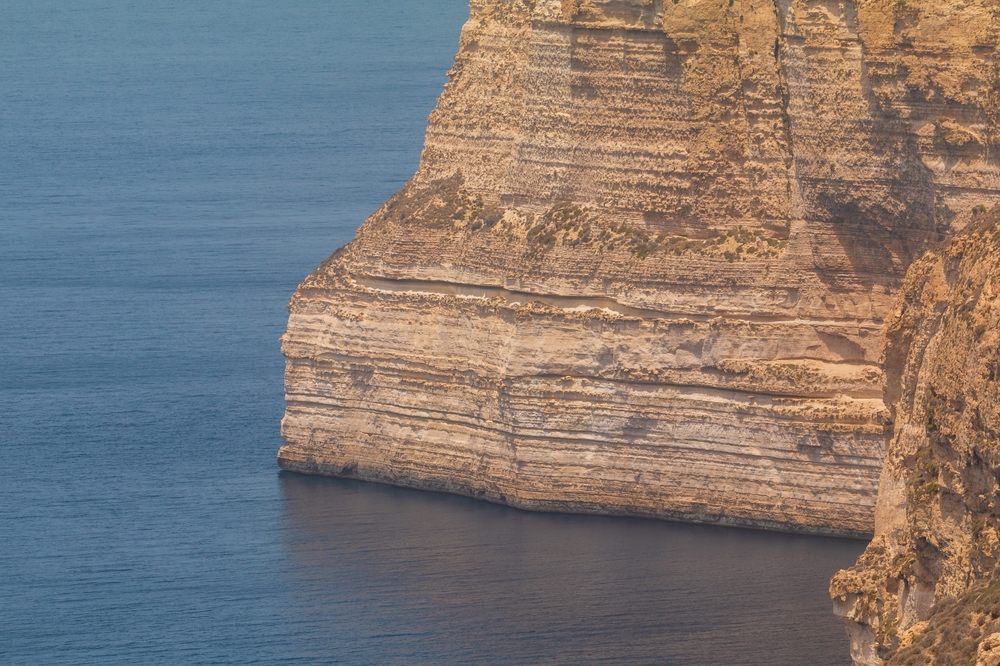
Dingli Cliffs are on Malta’s west coast, where the island is at its highest, and the cliffs rise around 200 metres above the sea. Entry is free, and from Panoramic Road, you can walk along the edge with views out over the Mediterranean. Off the coast lies the small island of Filfla, which is now a nature reserve. The British military once used it for target practice, and it has shrunk considerably as a result.
Come in the late afternoon, when the light is soft and warm, and stay for the sunset if you can. In the evening, it’s also a popular place for stargazing. The cliffs are steep, so keep well back from the edge, especially with children.
The easiest way to see the cliffs, Mdina and the catacombs on the same day is by hire car or on an organised tour, but you can also get there by bus. You’ll find the fares at Malta Public Transport.
Book a tour to Mdina, Dingli Cliffs and the San Anton Gardens.
16. Ċittadella in Victoria on Gozo
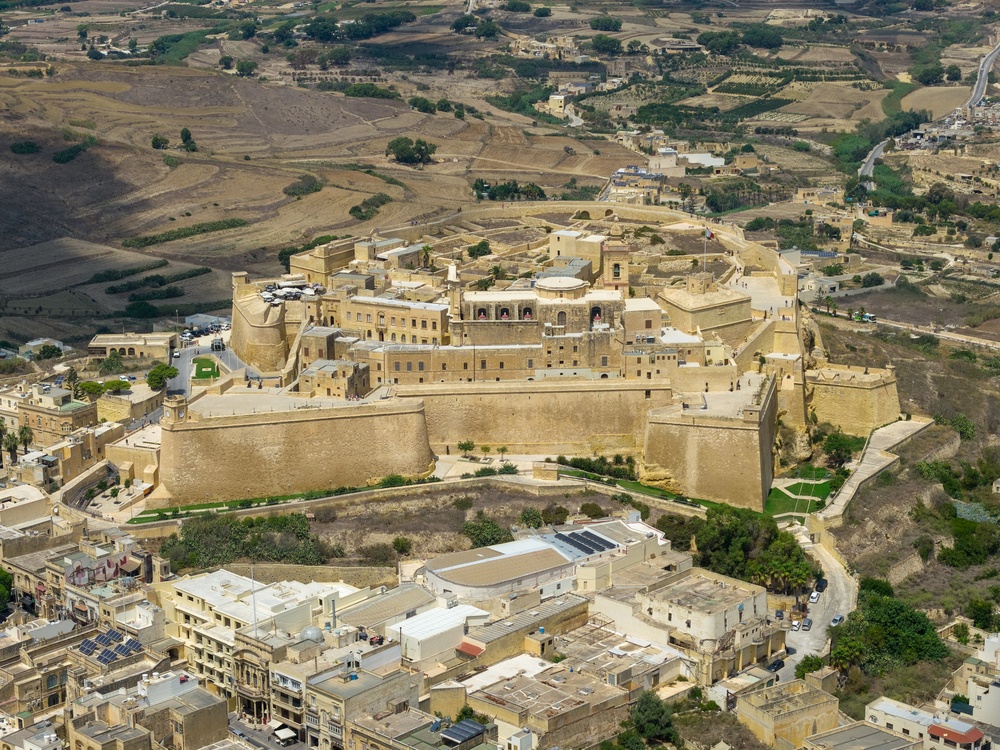
All roads on Gozo lead to the island’s main town, which is called both Victoria and Rabat. Above the town stands the Ċittadella, a fortress on a hill where people have lived since the Stone Age. For several hundred years, it was the islanders’ refuge from pirates, and after the siege of 1565, the knights rebuilt it. Until 1637, Gozitans were required by law to sleep within the walls.
With the Ċittadella combined ticket, you can explore the fortress and visit the visitor centre, the historic Gran Castello house and the old prison, and it costs between €2.50 and €5, depending on age. The ticket is valid for 30 days.
If you also want to see Ġgantija, the Discover Gozo ticket is the best deal. It costs €13 for adults, €9 for seniors and students and €7 for children, and it covers the Ċittadella, Ġgantija, the Ta’ Kola windmill and the prison. Down in the town is It-Tokk square, the heart of Victoria, and it’s a good place to sit down with a coffee after the walk up to the fortress. If you’d like to stay on Gozo for a few nights, the island has its own section in my guide to where to stay in Malta and Gozo, and you can see hotels on Gozo here.
17. Ġgantija
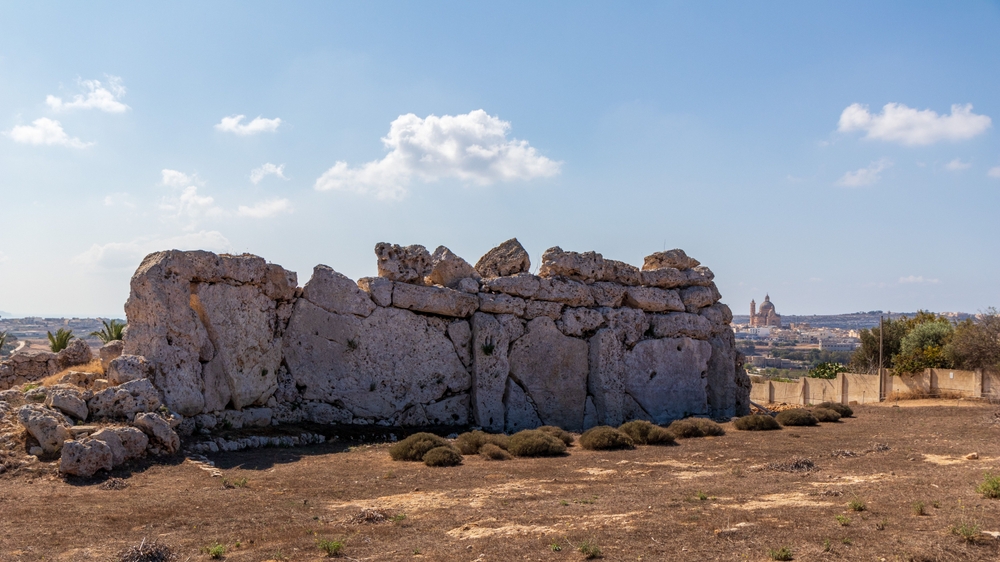
Ġgantija, in the village of Xagħra on Gozo, is a temple complex that, according to Heritage Malta, was built in the late Stone Age between 3800 and 2000 BC. Together with the Hypogeum, it was among the first places in Malta to be added to UNESCO’s World Heritage List.
You enter through an exhibition centre that tells the story of life on Gozo in the Stone Age and displays some of the most important finds. From there, a path leads out to the temples. Allow about an hour.
The ticket also covers the Ta’ Kola windmill in Xagħra and costs €10. Young people, seniors and students pay €8, and children aged 6 to 11 pay €6. The nearest bus stop is a two-minute walk away, and there’s parking nearby. If you only have one day on Gozo, an organised tour from Malta is the easiest way to see Ġgantija, the Ċittadella and Dwejra.
Book a day trip from Malta to Gozo with Ġgantija, the Ċittadella and lunch.
18. Dwejra and the Inland Sea
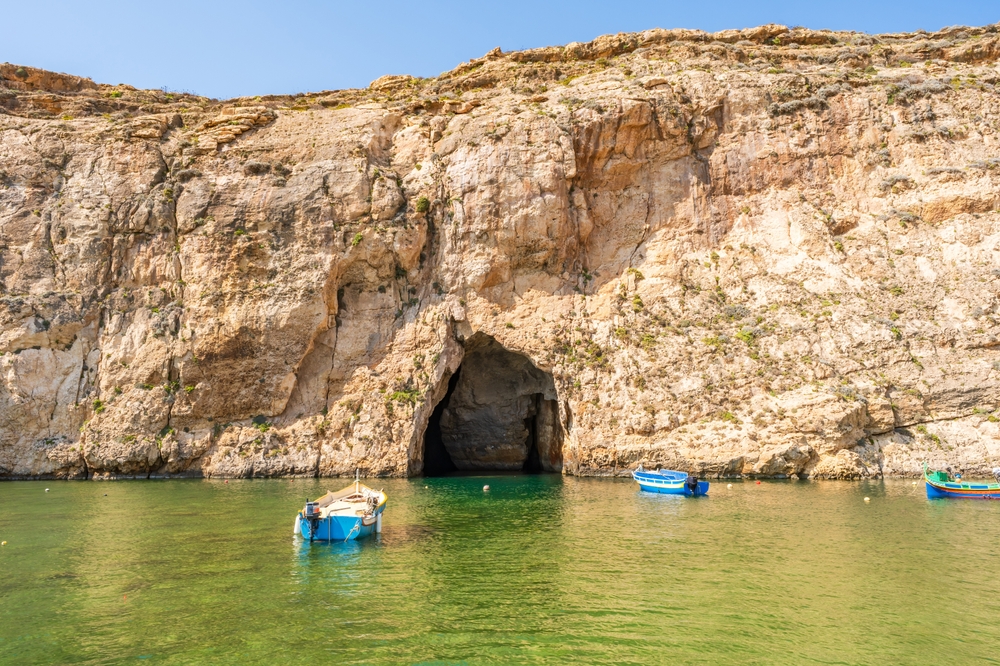
For me, Dwejra on Gozo is the most beautiful stretch of coast on the islands. This is where the famous Azure Window rock arch stood until it collapsed into the sea in 2017. Today, its remains are a dive site, and the area is still worth the drive for the other rock formations. Look out for the fossils in the rocks, which look like a mosaic of thousands of sea creatures.
The Inland Sea is a lagoon behind the cliffs, connected to the open sea by a 100-metre-long tunnel. Local fishermen take visitors through the tunnel and out along the coast, and I think it’s the best way to see the cliffs. In the bay stands Fungus Rock, a small rocky islet that was once guarded because of a valuable medicinal plant.
In the same area is the Blue Hole, which Jacques Cousteau counted among his ten best dive sites in the world. You can read more about the area at Visit Gozo. Keep well back from the edge of the cliffs when it’s windy.
Book a jeep tour of Gozo with Dwejra, lunch and a boat trip.
19. Popeye Village
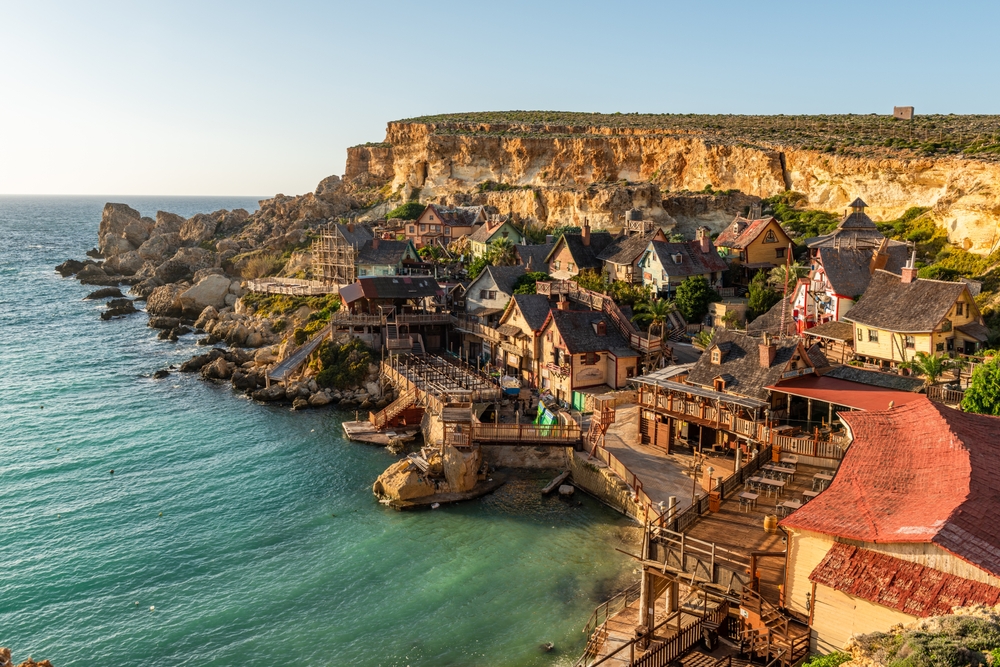
Popeye Village at Anchor Bay in Malta is the original set of the 1980 musical film Popeye. The crooked wooden houses still stand down by the water, and today the site is a family theme park with shows, mini golf, old-fashioned games, a film about the making of the movie and silversmithing demonstrations.
The price depends on the season. From 1 June to 30 September, a ticket costs €25 for adults and young people and €16 for children aged 3 to 12, and it’s open from 9.30am to 6pm. In May and from 1 October to 5 November, it costs €18 for adults and €14 for children, and it’s open from 9.30am to 5.30pm. The rest of the year, it costs €15 for adults and €12.50 for children, and it’s open from 9.30am to 5pm.
If you don’t have children with you, I think it’s enough to see the village for free from the viewpoint on the other side of the bay. With children, it’s a good half day out, especially if you combine it with a swim in Mellieħa.
Buy a ticket for Popeye Village.
Practical Travel Tips for Malta
Buses in Malta and on Gozo are run by Malta Public Transport. A single ticket costs €2.50 in summer and €2 in winter and is valid for two hours with free transfers. If you’ll be taking the bus a lot, an Explore card with unlimited travel for seven days costs €25, and children under 4 travel free. The ferries from Valletta to Sliema and to Cospicua run every half hour, and a single ticket between Valletta and Sliema costs €3.
Gozo Channel runs the ferries between Ċirkewwa in Malta and Mġarr on Gozo. Tickets are only checked in Mġarr, when you sail back to Malta, and if you’re taking a car, the ticket can only be bought online or at the ticket offices in Mġarr.
Heritage Malta’s museums and ancient sites are closed on 1 January, Good Friday and 24, 25 and 31 December, and last entry is always half an hour before closing. Opening hours change several times a year, so check the current overview before you plan your days.
If you want to browse the full range, you can see all hotels in Malta on Booking.com. If you’d like to combine your trip with Sicily, Virtu Ferries sails between Malta and Pozzallo, and I’ve also written about where to stay in Sicily.
Travel ressources & websites I use all the time 👇
• Booking.com has the best offers on hotels and unique places to stay
• GetYourGuide is the best place to book tours & activities with free cancellation
• Welcome Pickups is the best & safest place to pre-book airport transfers
Psst 👀 Have you subscribed to my Youtube channel and my Instagram where I provide more useful travel tips?