

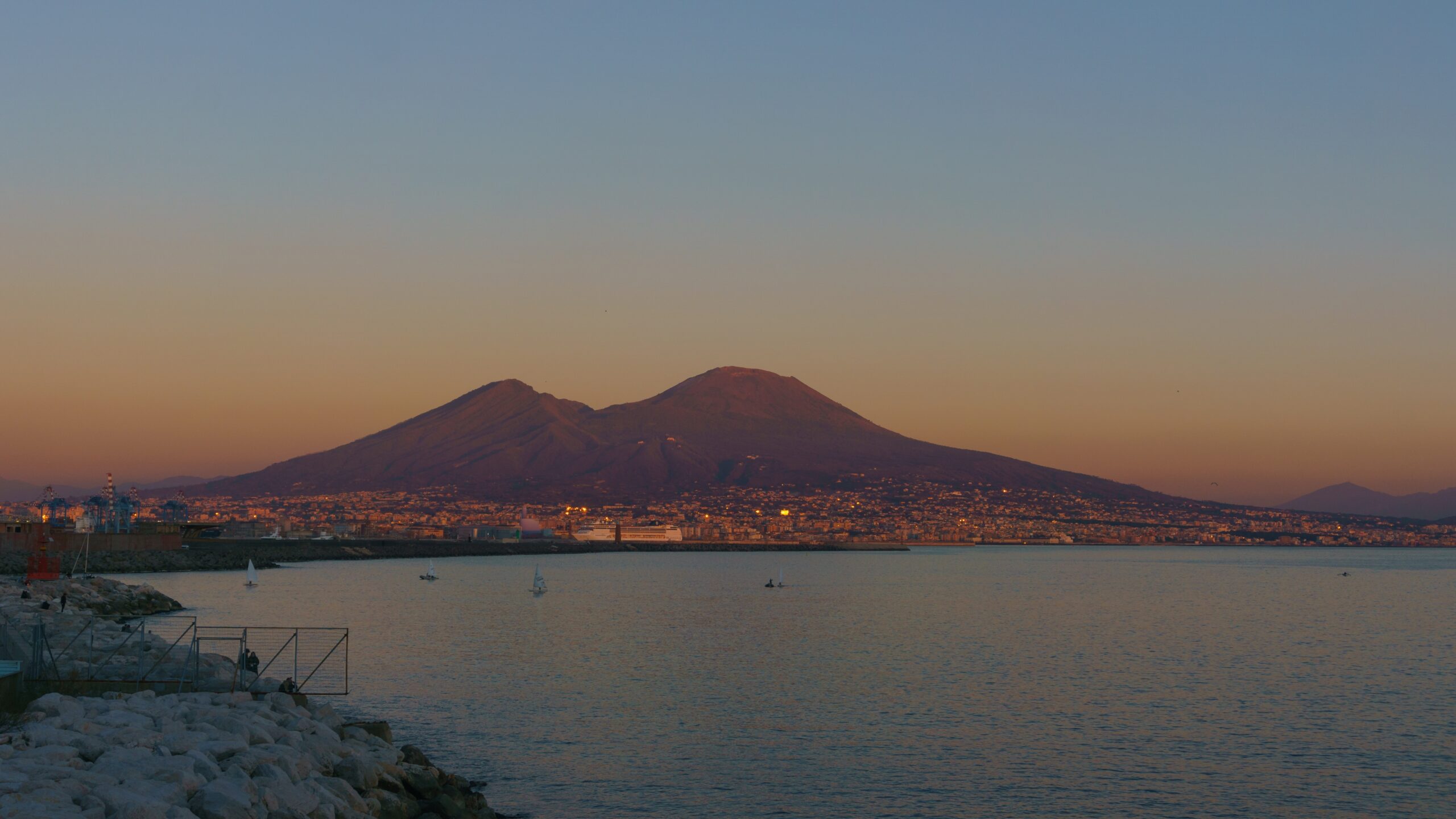
Naples is loud, chaotic and full of life, and that’s exactly why so many people fall in love with the city. The Centro Storico is on UNESCO’s World Heritage List, and in its narrow streets baroque churches, underground passages and pizzerias sit side by side. The city lies on the Bay of Naples with Vesuvius in the background, and Pompeii, Herculaneum and Capri are all close enough for a day trip.
Here are my picks for the 17 best things to see and do in Naples, with prices, opening hours and tips on what to book before you go. Prices are in euros, and €1 is roughly £0.84. Several of the big museums are closed on Tuesdays or Wednesdays, and the Cappella Sansevero and Pompeii have to be booked in advance, so read the sections before you plan your days. The last three sections are about day trips out of the city.
Contents
1. Spaccanapoli and the Centro Storico
The Centro Storico is the historic centre of Naples, and it’s where you’ll spend most of your time. The city was founded by the Greeks, and the street grid still follows the old Greek town plan with three parallel main streets, the so-called decumani. The whole historic core has been on UNESCO’s World Heritage List since 1995.
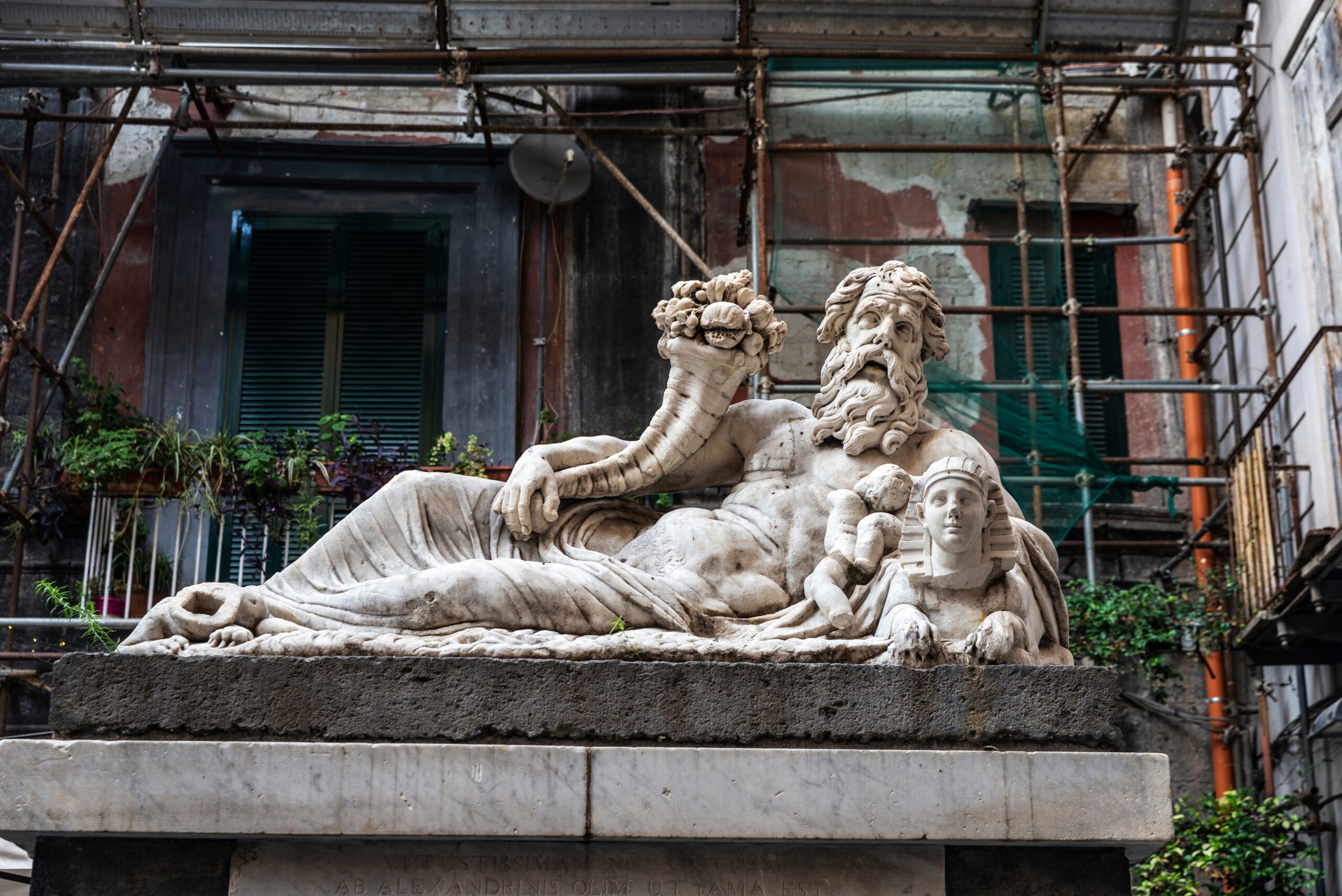
The best-known street is Spaccanapoli, which cuts straight through the Old Town, and the name means something like “the one that splits Naples”. Along the way, it changes its name several times, including to Via Benedetto Croce and Via San Biagio dei Librai. Along the street, you’ll find Piazza del Gesù Nuovo with the Gesù Nuovo church and its facade of pointed, diamond-shaped stones, Santa Chiara and Piazza San Domenico Maggiore, and at Largo Corpo di Napoli stands the old statue of the river god Nile. Running parallel to Spaccanapoli is Via dei Tribunali, where many of the city’s famous pizzerias are.
It’s free to walk around, and the easiest way to get here is on metro line 1 to Dante or Università. In my guide to where to stay in Naples, the Centro Storico is the area I recommend to most people, and you can see hotels in the Centro Storico here. My tip is to walk the streets early in the morning, before the scooters and the crowds fill them, and to keep a close eye on your bag.
Book a guided walking tour of the Old Town in Naples.
2. Cappella Sansevero
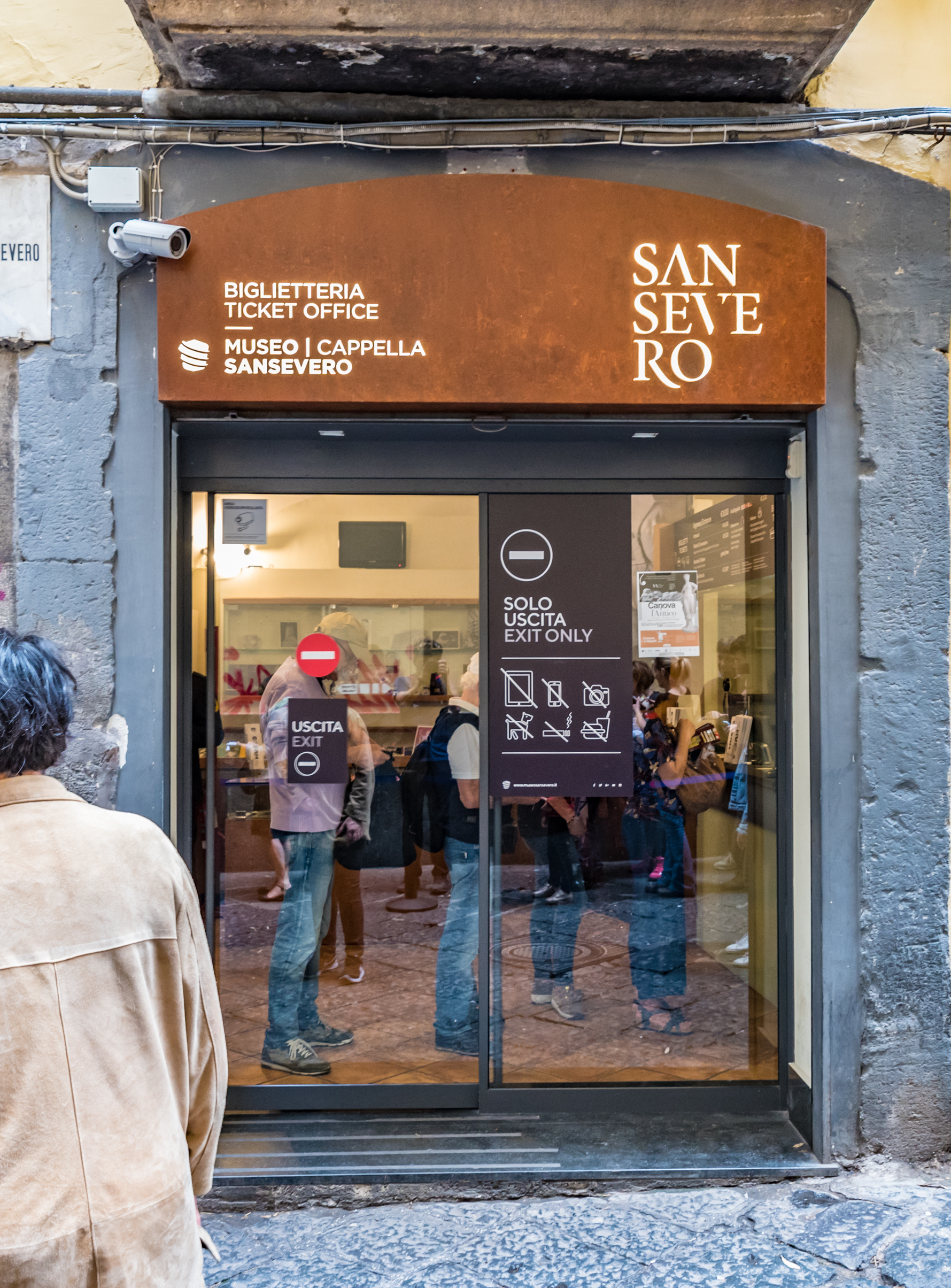
The Cappella Sansevero is a small baroque chapel in a side street off Spaccanapoli, and it’s home to one of the world’s most famous sculptures, the Veiled Christ. Giuseppe Sanmartino carved it in marble in 1753, and the veil over the dead Christ looks so thin and soft that it’s hard to believe it’s stone. The chapel was fitted out by Raimondo di Sangro, the seventh Prince of Sansevero, who was an inventor, a writer and deeply interested in natural science.
Besides the figure of Christ, you can see the statues of Modesty and Disillusion, and down in the crypt stand the prince’s two anatomical machines, two skeletons with a reconstruction of the entire system of blood vessels. The chapel is open every day except Tuesday from 9am to 7pm, and a ticket costs €12 (about £10). Young people aged 18 to 26 pay €8 (about £7), children aged 10 to 17 pay €6 (about £5), and children up to the age of 9 go free. Last entry is half an hour before closing.
All visits have to be booked in advance, because the number of visitors per day is limited, and online tickets can’t be changed or refunded. The chapel is at Via Francesco De Sanctis 19/21, a couple of minutes’ walk from Piazza San Domenico Maggiore, and a visit takes about half an hour. You’re not allowed to take photos inside the chapel. My tip is to book as soon as you know your date, because the good time slots get snapped up quickly.
Book a ticket and guided tour of the Cappella Sansevero.
3. Napoli Sotterranea
Beneath the streets of Naples lies a whole city of tunnels, cisterns and caves carved out of the soft tuff stone. The Greeks started quarrying stone here, the Romans built a system of aqueducts and cisterns, and during the Second World War the city’s residents took shelter from the bombs down here. On the tour with Napoli Sotterranea, you go about 40 metres underground, and along the way you’ll see the old cisterns, a small war museum and an underground garden, among other things.
The tour also takes you into the remains of the Greco-Roman theatre, which is hidden between ordinary residential buildings in the neighbourhood. The tour takes about an hour and costs €18 (about £15) for adults. Children aged 5 to 10 pay €10 (about £8), children aged 11 to 17 pay €15 (about £13), and children up to the age of 4 go free. There are tours in both English and Italian several times a day, and you’ll find the times on their website.
The entrance is on Piazza San Gaetano on Via dei Tribunali. You can buy a skip-the-line ticket online or queue on the spot, where the wait can be up to an hour and a half on busy days. There are lots of steps down and back up again and no lift, and pushchairs have to stay at the entrance. A short candlelit passage is very narrow, but it’s optional, and you can wait outside in the meantime. My tip is to buy your ticket in advance if you’re coming at the weekend.
Book a ticket and guided tour of Napoli Sotterranea.
4. National Archaeological Museum
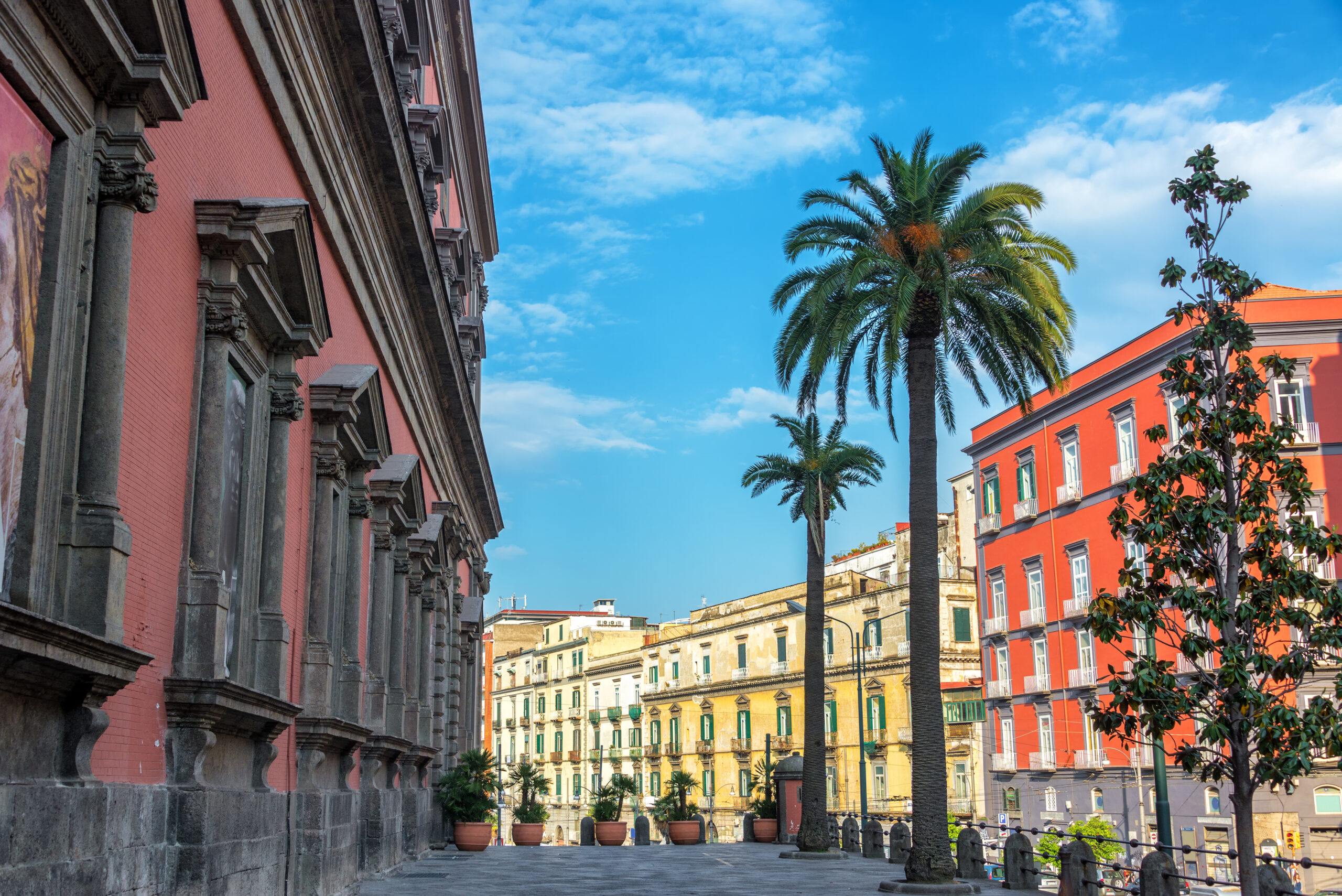
The Museo Archeologico Nazionale di Napoli, which everyone calls MANN, is one of the world’s most important museums of ancient art. This is where you’ll find the large marble sculptures from the Farnese family’s collection, including the Farnese Hercules and the huge sculptural group known as the Farnese Bull. Many of the finds made in Pompeii and Herculaneum have been moved here.
This is where you’ll see the mosaics and wall paintings from the villas of Pompeii, including the famous Alexander Mosaic, which shows Alexander the Great in battle against the Persian king Darius. The museum also has an Egyptian collection and the Gabinetto Segreto, the secret cabinet of erotic art from Pompeii, which for many years was only shown to selected visitors.
MANN is open every day except Tuesday from 9am to 7.30pm. Entry is free on the first Sunday of the month, but then the secret cabinet and the Egyptian collection, among others, are closed. A standard ticket costs around €22 (about £18), and under-18s get in for free. Metro line 1 has its own station, Museo, right by the museum, and line 2 stops at Piazza Cavour. My tip is to visit the museum before you go to Pompeii, as you’ll get much more out of the excavations, and to set aside at least three hours.
5. Duomo and San Gennaro
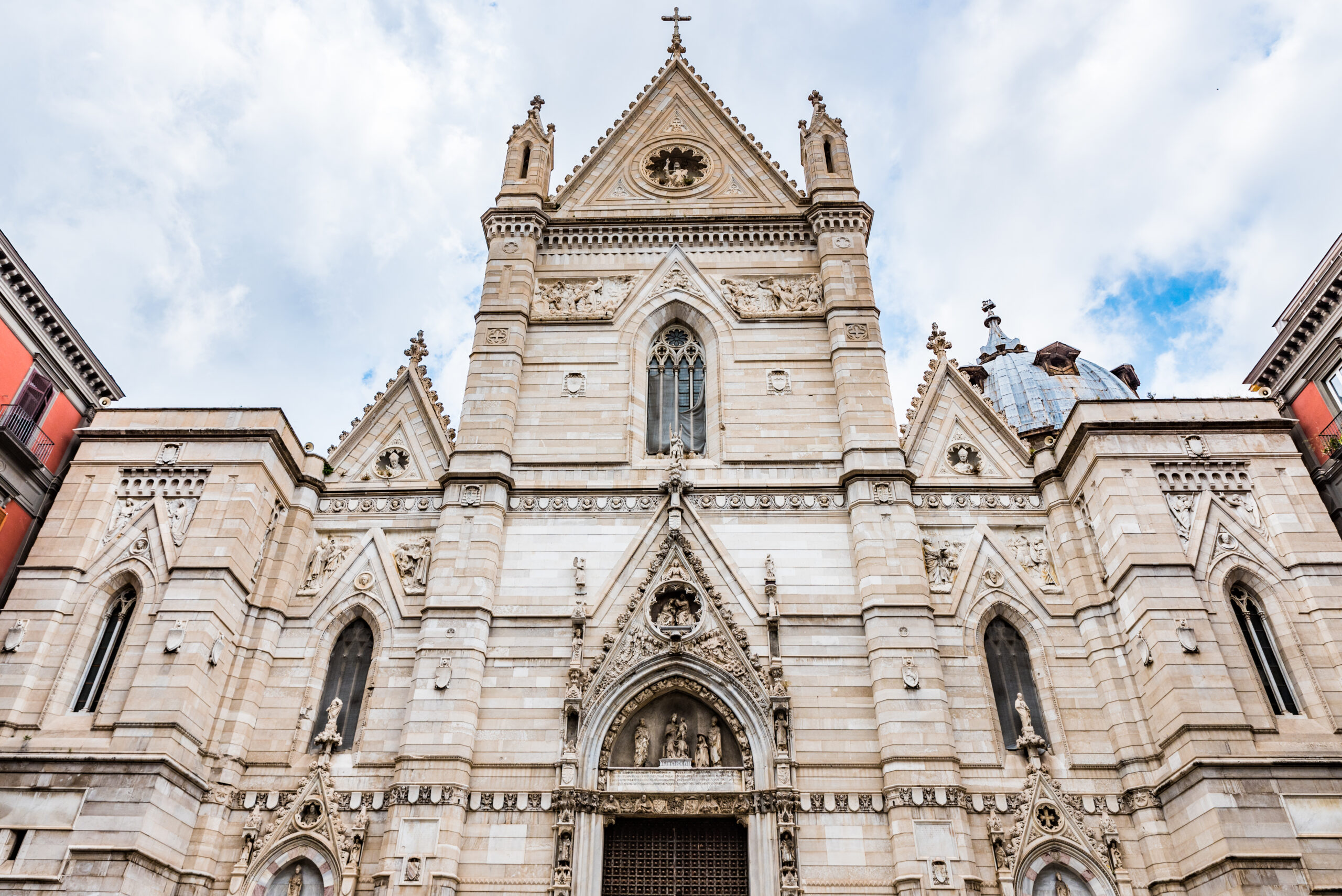
The cathedral of Naples, the Duomo di San Gennaro, stands on Via Duomo in the middle of the Old Town and is dedicated to the city’s patron saint, San Gennaro. The facade is neo-Gothic and dates from the late 19th century, but the church itself is much older. On the right-hand side is the lavish baroque chapel Cappella del Tesoro di San Gennaro, and from the church you can also walk into the basilica of Santa Restituta, one of the oldest churches in the city.
The chapel holds two small ampoules containing what’s said to be the saint’s blood. Three times a year, on the Saturday before the first Sunday in May, on 19 September and on 16 December, thousands of Neapolitans gather to see whether the blood liquefies, and when it does, it’s taken as a good omen for the city. The cathedral itself is free, but it’s used for services, so be respectful and check the times.
Next to the church is the Museo del Tesoro di San Gennaro, which is open every day from 9am to 5pm. Here you’ll see the saint’s treasures, including a mitre set with 3,694 precious stones and the reliquary for the blood from 1305. The cathedral is a short walk from Duomo metro station on line 1. My tip is to combine your visit with Via dei Tribunali and Napoli Sotterranea, which are just a few minutes’ walk away.
6. Santa Chiara and the Majolica Cloister
Santa Chiara is a large Gothic church built in the 14th century by the Angevin king Robert of Anjou and his queen, Sancia. The church was badly hit by bombs during the Second World War and has since been rebuilt in its original, simple Gothic style. It stands on Piazza del Gesù Nuovo at the western end of Spaccanapoli.
What most people come for is the cloister garden behind the church. The columns and benches along the walkways are covered in yellow, blue and green majolica tiles with flowers, vines and scenes from everyday life in the 18th century, and the walls of the arcades around the garden are covered in frescoes. It’s one of the most peaceful places in the whole Centro Storico, and it makes a good break from the crowds on Spaccanapoli.
The cloister and the museum are open Monday to Saturday from 9.30am to 5pm and on Sundays from 10am to 2pm, but they can be closed for periods, so check the website before you go. Entry to the cloister costs around €7 (about £6), while the church itself is free. It’s a five-minute walk from Dante metro station. My tip is to come early in the day, when the cloister garden is quiet and you’ll have the tiles almost to yourself.
7. Via San Gregorio Armeno
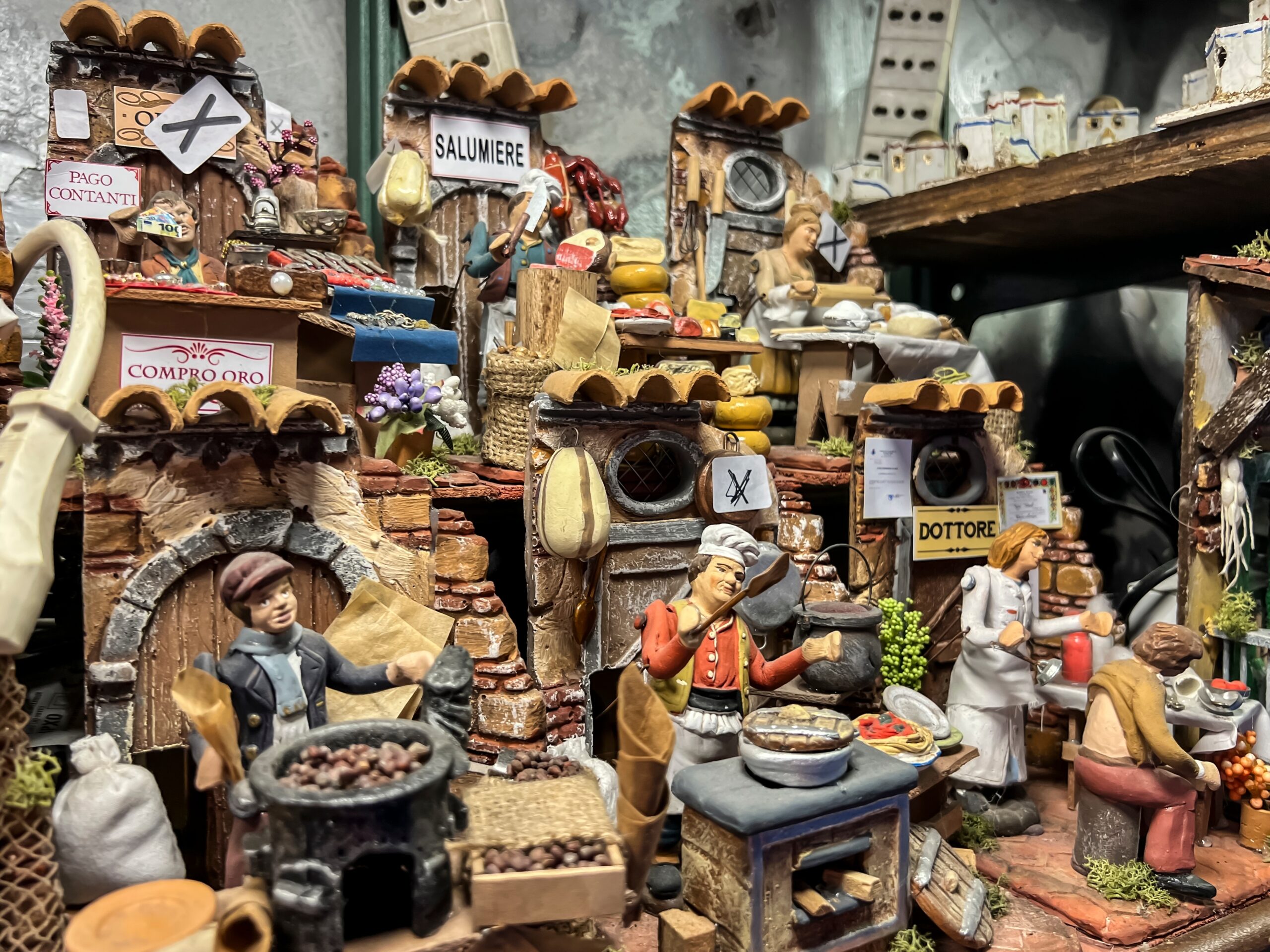
Via San Gregorio Armeno is a narrow street linking Spaccanapoli with Via dei Tribunali, and it’s known all over Italy for its nativity scenes. For generations, craftspeople here have made presepi, the Neapolitan nativity scenes, and small figures in clay and wood, and the workshops and shops line the street door to door all year round.
Besides the classic figures of shepherds, angels and the baby Jesus, many workshops make figures of famous people, from footballers and politicians to actors, and it’s fun to look even if you’re not buying anything. The street is named after the church and convent of San Gregorio Armeno, which stands halfway along it. You’ll also see lots of cornicelli hanging here, the little red horns that Neapolitans hang up to keep bad luck away.
It’s free to walk along the street, and the shops are open most of the day. From late November until Christmas, the street is completely packed, and it can take a long time just to get through. My tip is to come on a weekday outside the Christmas season if you want to see the figures in peace, and to buy a little cornicello as a cheap souvenir. The street lies right between the Duomo and Spaccanapoli, so it fits nicely into a walk through the Old Town.
8. Pizza in Naples

Naples is the home of pizza, and the art of making Neapolitan pizza is on UNESCO’s list of Intangible Cultural Heritage. The classic Neapolitan pizza has a soft, airy crust and a thin base, and it’s baked in a wood-fired oven at very high heat for a minute or two. The two classics are the marinara with tomato, garlic and oregano and the margherita with tomato, mozzarella and basil.
Many of the best-known pizzerias are in the Centro Storico. L’Antica Pizzeria da Michele on Via Cesare Sersale has stuck to just a few kinds of pizza since 1870, and on Via dei Tribunali you’ll find Gino e Toto Sorbillo and Di Matteo, among others. A margherita typically costs under €10 (about £8) at the classic pizzerias, so it’s one of the cheapest good meals in the city.
On the other hand, the queues are long at the most famous places, and many don’t take reservations, so you put your name down at the door and wait for your number. My tip is to eat early, around noon or just after 7pm, or to buy a pizza a portafoglio, a folded pizza that you eat standing in the street. If you’d like to learn to make it yourself, there are pizza-making classes in the centre with a local pizza maker.
Book a pizza-making class in Naples.
9. Quartieri Spagnoli and the Maradona Mural
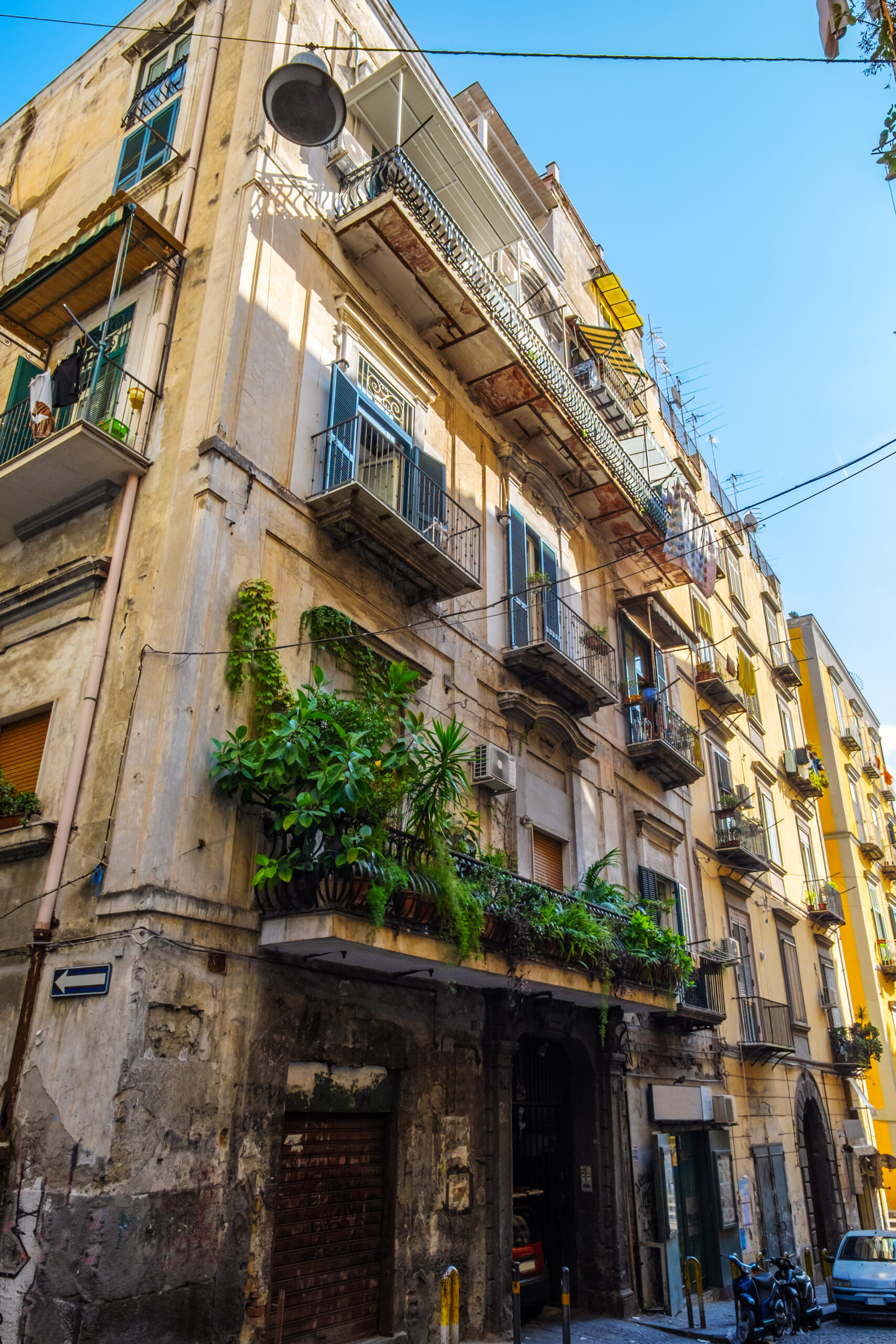
The Quartieri Spagnoli, the Spanish Quarter, is a dense web of narrow, steep streets just west of the shopping street Via Toledo. The quarter was built in the 16th century for the Spanish soldiers when Naples was under Spanish rule, and here the washing still hangs between the houses while the scooters whizz past.
The quarter’s big attraction is Largo Maradona, a small square with a large mural of Diego Maradona, who led SSC Napoli to the club’s first two Italian league titles in 1987 and 1990. Around the mural, a small shrine for fans has grown up with scarves, pictures and souvenir shops, and there are always people taking photos. It doesn’t cost anything to visit. The quarter is fine to walk around during the day, but it’s not somewhere I’d recommend staying, and in the evening you should keep an extra close eye on your bag and phone.
Right by the quarter is Toledo station on metro line 1, one of the city’s so-called art stations. It was designed by the Spanish architect Óscar Tusquets Blanca, and the large cone of light, Crater de luz, and the blue mosaics are meant to make you feel as if you’re going down under the sea. Buy a ticket and take the escalator down, even if you’re not going anywhere. My tip is to start at Toledo station, walk up through the quarter to Largo Maradona and finish on Via Toledo.
10. Piazza del Plebiscito and Palazzo Reale
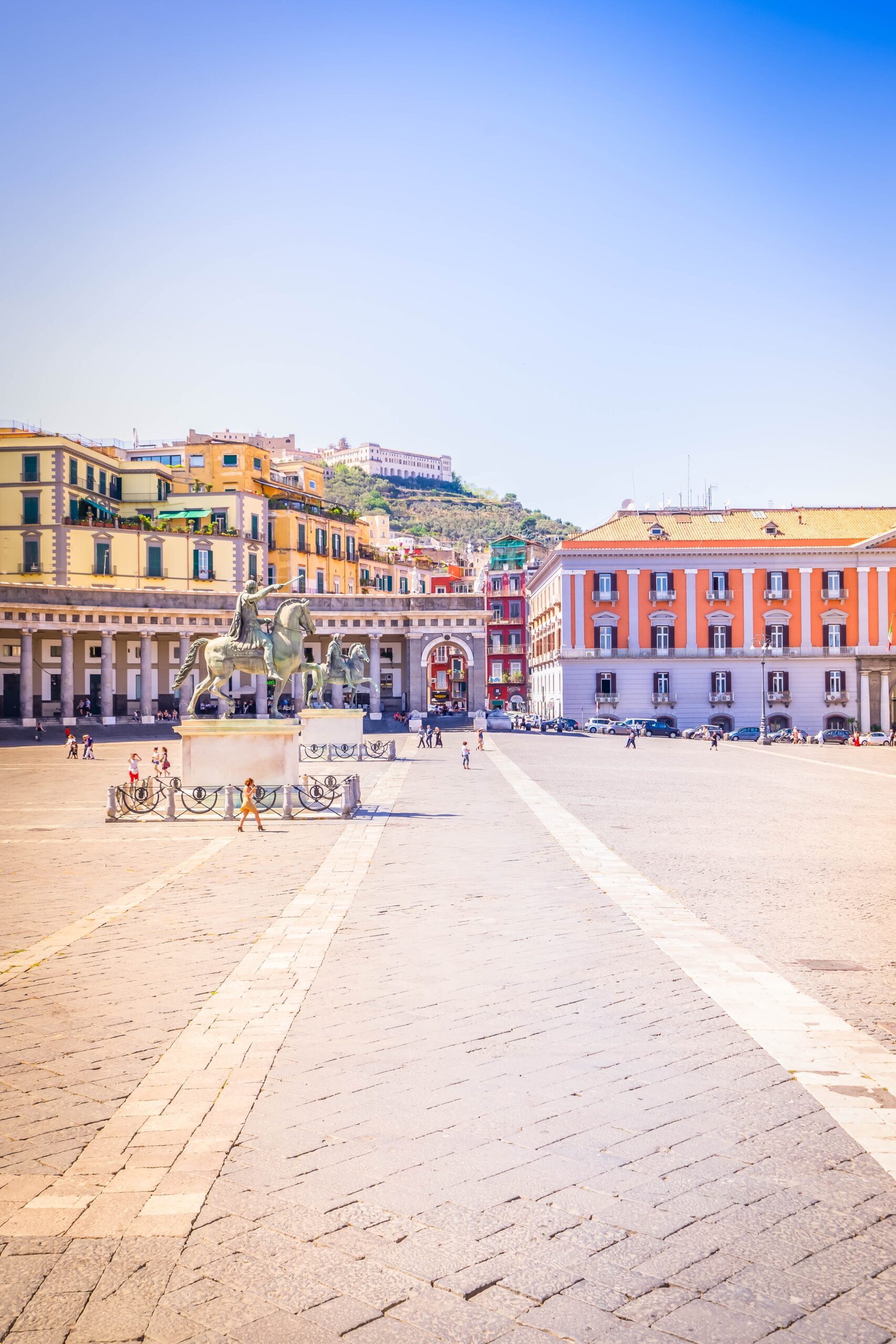
Piazza del Plebiscito is the largest square in Naples, framed by the church of San Francesco di Paola, with its dome and semicircular colonnade, on one side and the royal palace, Palazzo Reale, on the other. The church was modelled on the Pantheon in Rome, and the square is car-free, so there’s plenty of room to walk around.
The Palazzo Reale was the residence of the Spanish viceroys and later of the Bourbon kings. You walk up the grand staircase, the Scalone d’onore, and through the royal apartments with the throne room and the small court theatre. The palace is open from 9am to 8pm and closed on Wednesdays, and last entry is at 7pm. A ticket costs €15 (about £13), young people aged 18 to 24 from the EU pay €2 (about £2), and under-18s go free. The palace’s romantic garden is free.
Next to the palace is the Teatro di San Carlo opera house from 1737, one of the oldest opera houses in Europe, and opposite it is the covered shopping arcade Galleria Umberto I with its large glass dome from the late 19th century. You can get here on metro line 1 to Municipio or Toledo. My tip is to have a coffee at the historic Gran Caffè Gambrinus on the square, but be prepared for it to cost more to sit down than to drink your coffee standing at the bar.
11. Castel dell’Ovo and the Lungomare
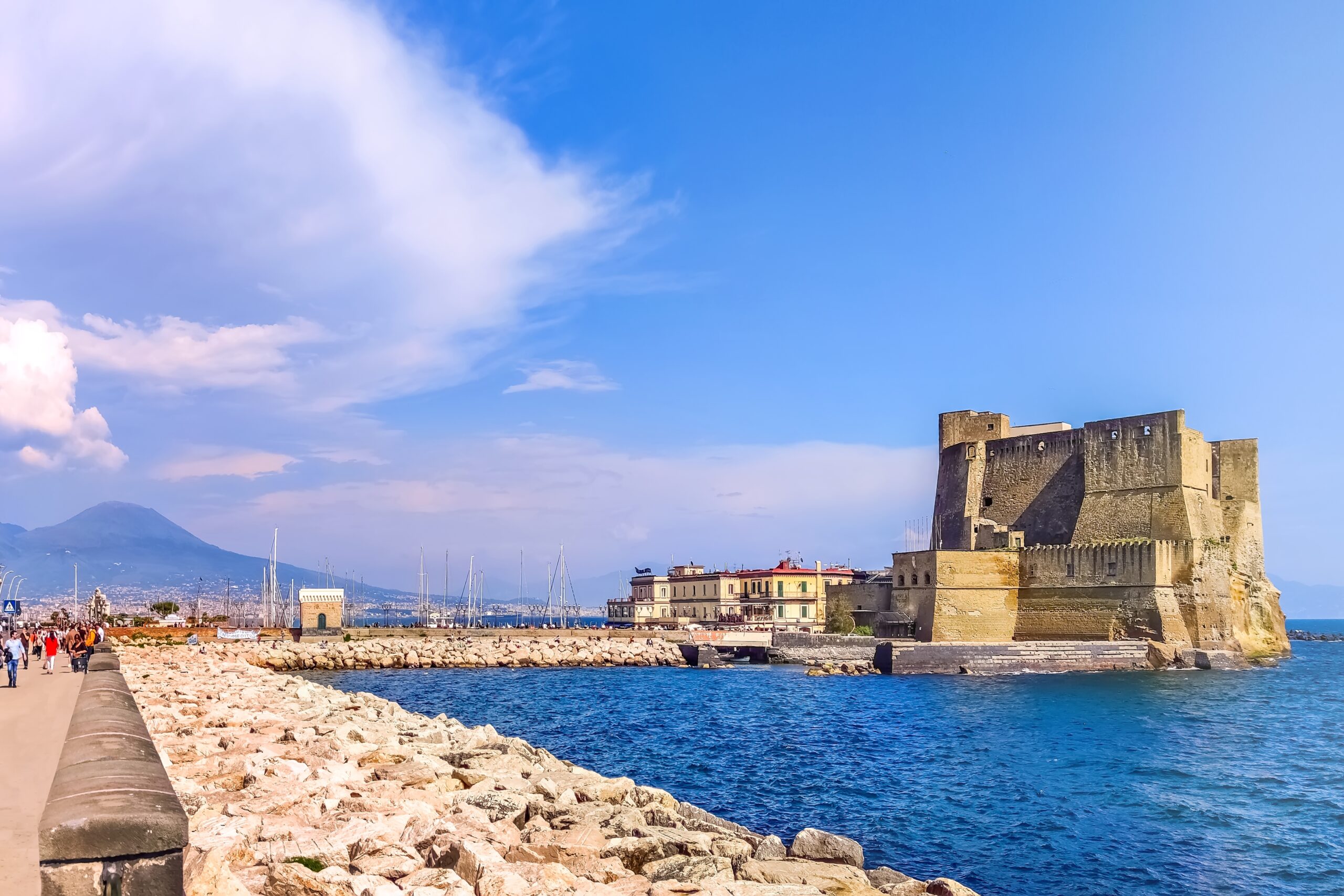
Castel dell’Ovo, the Egg Castle, stands on the small rocky island of Megaride on the waterfront, and it’s the oldest castle in Naples. According to legend, the poet Virgil hid a magic egg in the castle’s foundations, and as long as the egg stays whole, the castle and the city will survive. In Roman times, there was a villa here, and in 476 the last Western Roman emperor, Romulus Augustulus, was sent into exile on the island.
The castle is connected to the mainland by a short causeway, and at its foot lies the little harbour of Borgo Marinari with fishing boats, sailing clubs and restaurants. Entry to the castle is free, but a reservation may be required, and the castle can be closed for periods because of restoration work and events, so check before you count on getting up to the terraces with views over the bay and Vesuvius.
From the castle, the Lungomare seafront promenade runs west along Via Partenope and Via Caracciolo towards Mergellina, and much of it is closed to cars. It’s the city’s best spot for an evening stroll with views across the water to Vesuvius. Behind the promenade lies the elegant Chiaia district with the Villa Comunale park, shops and bars, and if you’d like to stay somewhere quiet with the sea right outside the door, you can see hotels in Chiaia here. My tip is to do the walk at sunset and finish with an ice cream in Mergellina.
12. Castel Sant’Elmo and Vomero
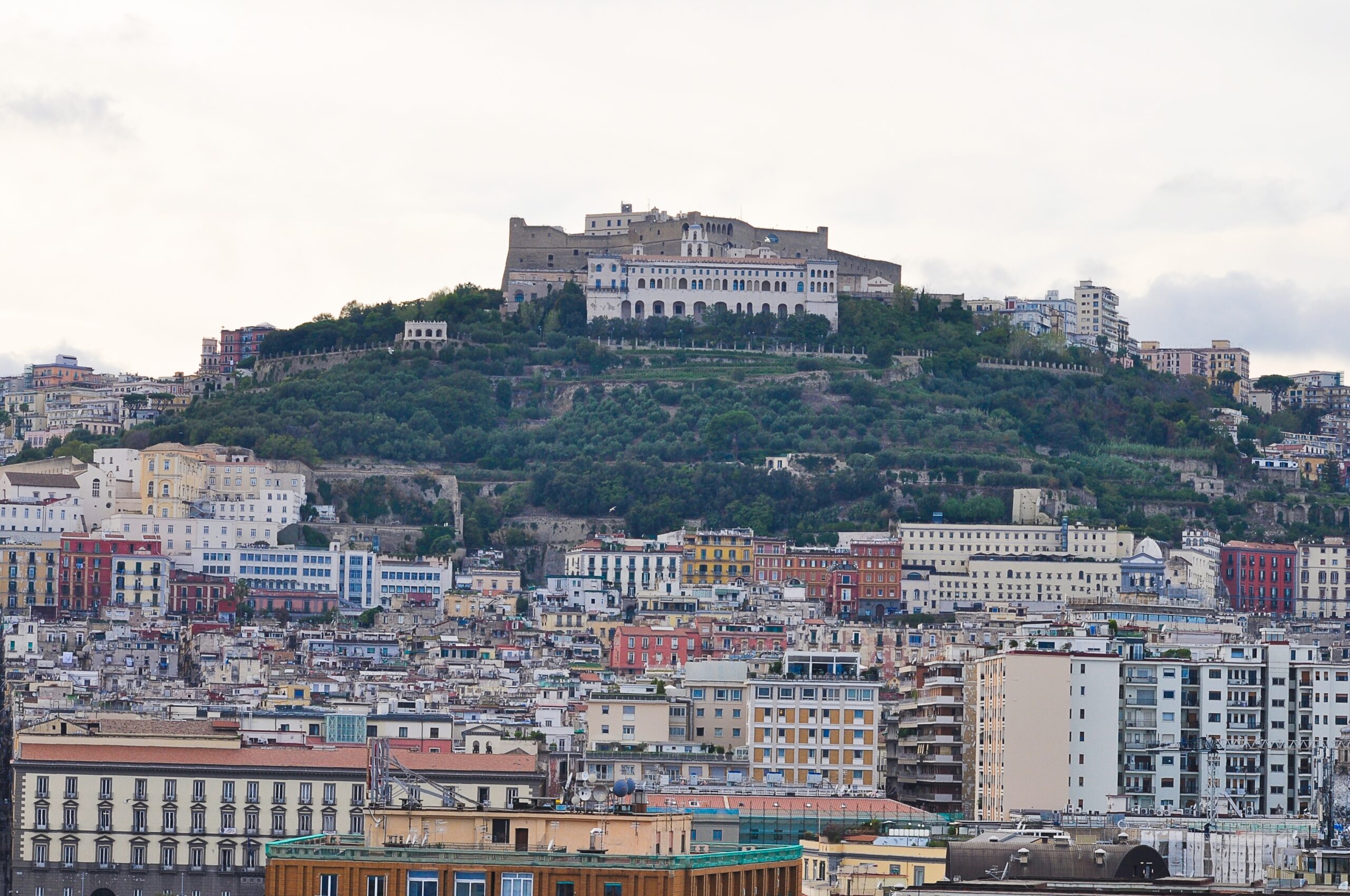
High above Naples on the Vomero hill stands Castel Sant’Elmo, which you can see from almost everywhere in the city. The castle’s history goes back to the Middle Ages, and the star-shaped fortress you see today was built in the 16th century under Spanish rule. What you mainly come for is the view. From the walls, you look out over the whole city, the harbour, Vesuvius and the islands in the bay.
Inside the castle is the Museo del Novecento art museum with Italian art from the 20th century, and entry to the castle and the museum costs around €5 (about £4). Just below the castle is the former Carthusian monastery Certosa di San Martino, which is now a museum with a large cloister, a baroque church and a collection of Neapolitan nativity scenes, and it has its own ticket.
The easiest way up is on one of the funiculars, which in Naples are called funicolari. The Funicolare Centrale runs from Via Toledo, the Funicolare di Montesanto from Montesanto and the Funicolare di Chiaia from Chiaia, and from the stations in Vomero you walk the last few minutes up the hill. Vomero is a quiet residential district with good shops around Via Scarlatti, and if you’d like to stay a little away from the noise of the centre, you can see hotels in Vomero here. My tip is to go up late in the afternoon, when the light is soft over the bay.
13. Catacombe di San Gennaro
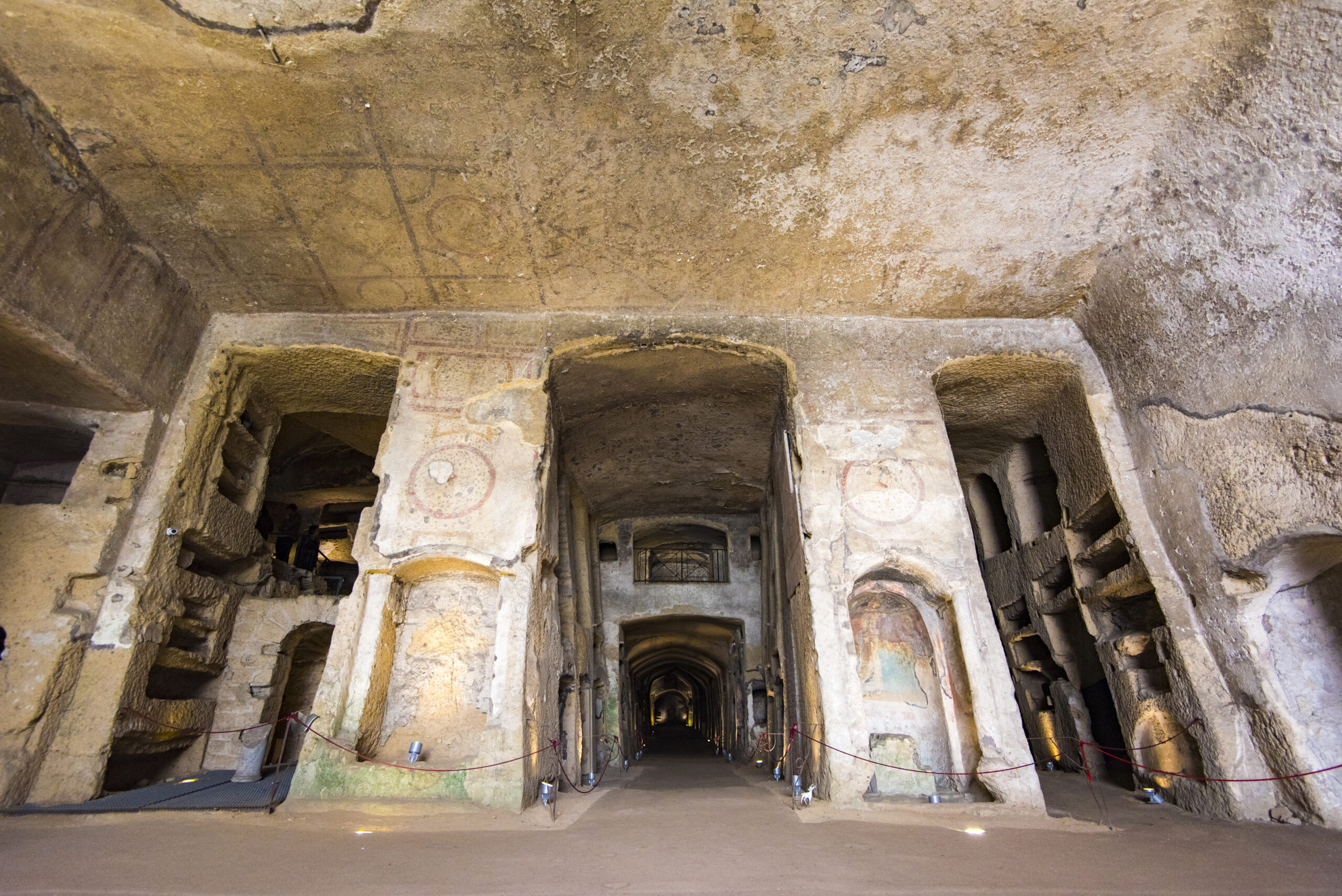
The Catacombe di San Gennaro are a large underground burial site from early Christian times, carved out of the tuff beneath the hill at Capodimonte. San Gennaro was once buried here, and on the guided tour you’ll see frescoes, the oldest depiction of San Gennaro in the catacombs, the Crypt of the Bishops with mosaics from the 5th century and an underground basilica.
The catacombs can only be seen on a guided tour of about an hour, and tours start every hour from 10am to 5pm in English and Italian. According to the catacombs’ own website, they’re closed on Wednesdays, and you need to book in advance. A ticket costs around €13 (about £11), and with the ticket you can also visit the catacomb of San Gaudioso in the Sanità district.
The entrance is by the basilica of Madre del Buon Consiglio at Via Capodimonte 13, about a 20-minute uphill walk from the archaeological museum. The catacombs are run by a local cooperative that has given young people from the Rione Sanità neighbourhood jobs as guides. Sanità is a working-class district with narrow streets, markets and baroque palaces, and it’s fine to walk around during the day, but it’s not somewhere I’d recommend staying. My tip is to combine the catacombs with Capodimonte, which is just above.
14. Museo di Capodimonte
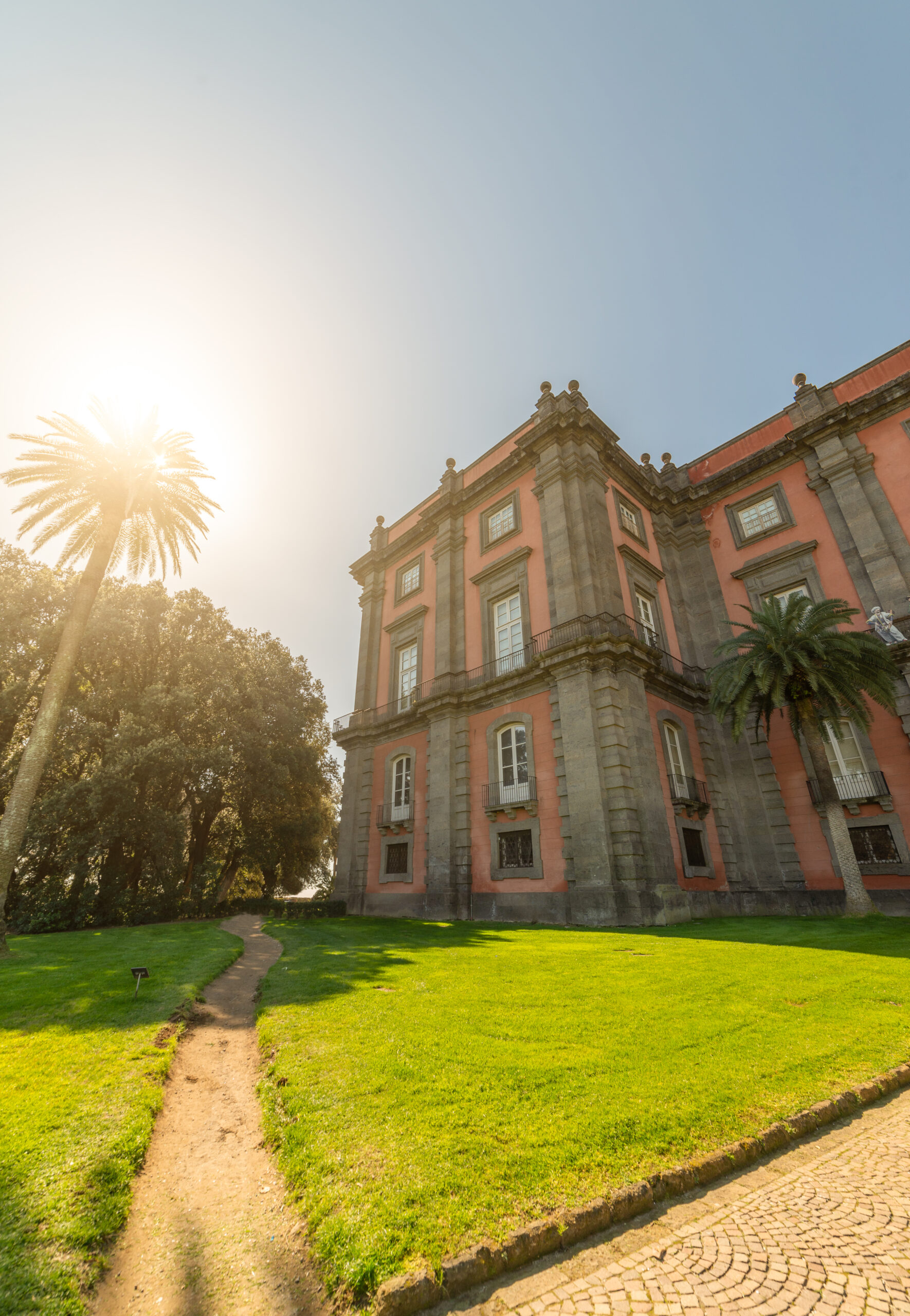
The Palazzo Reale di Capodimonte is an 18th-century Bourbon palace on top of the hill north of the centre, and today it houses one of Italy’s great art museums. Here you’ll find Caravaggio’s Flagellation of Christ, works by Titian and Parmigianino and a large part of the Farnese family’s collection of paintings, and there’s also a collection of porcelain from the royal porcelain factory at Capodimonte.
The museum is open every day except Wednesday from 8.30am to 7.30pm, with last entry at 6.30pm, but some floors close earlier on weekdays. A ticket costs €15 (about £13), young people aged 18 to 25 from the EU pay €2 (about £2), and under-18s go free. Parts of the collections can be closed for periods because of restoration work.
Around the palace lies the large park, the Real Bosco di Capodimonte, with avenues, woodland and views over the city and the bay. The park is open every day from 7am and closes between 5pm and 7.30pm, depending on the season. Capodimonte is some distance from the metro, so take a taxi or a bus from the area around the archaeological museum. My tip is to come on a weekday, when there’s plenty of room in front of the Caravaggio, and to take a walk in the park afterwards.
15. Day Trip to Pompeii
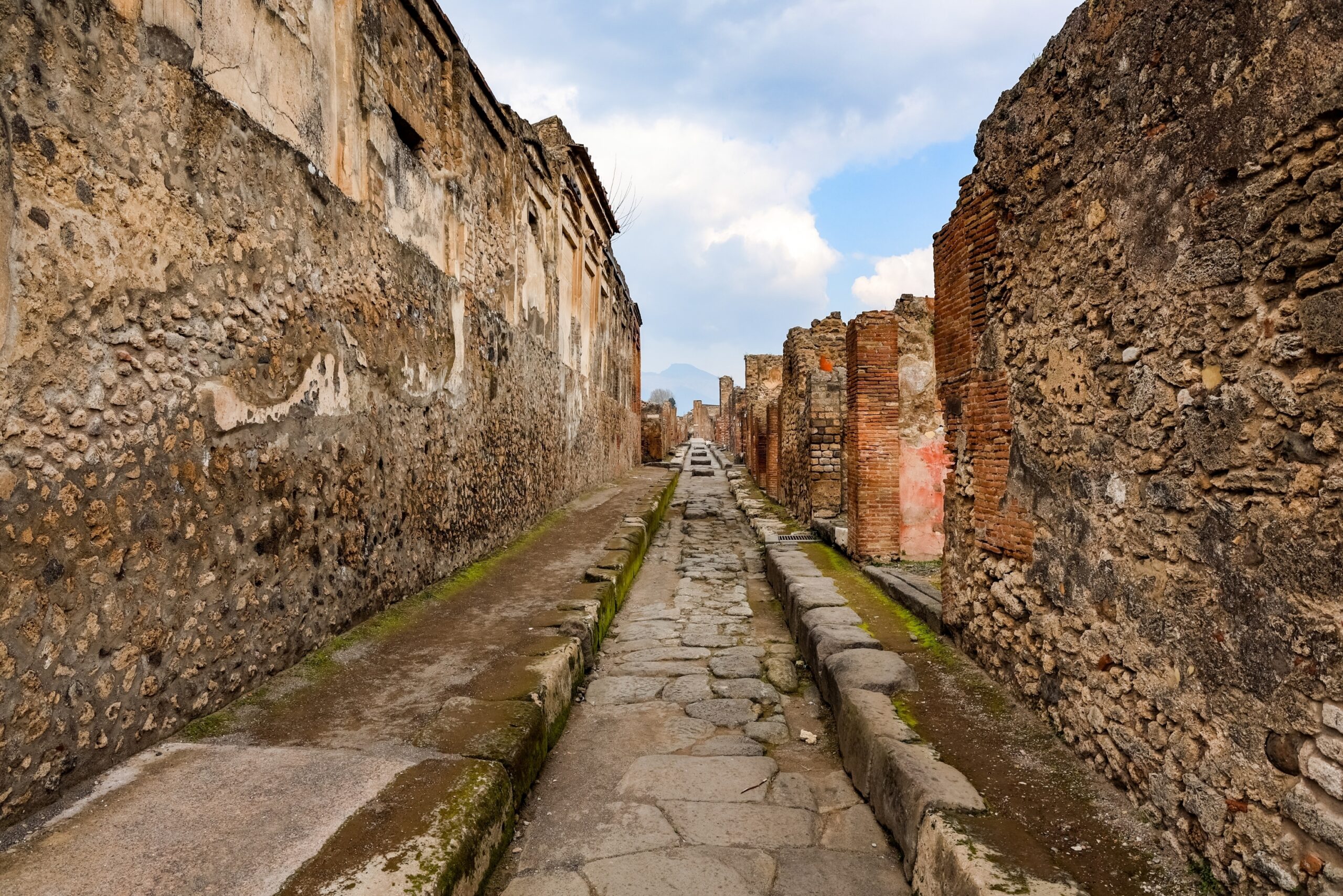
Pompeii was buried under ash and pumice when Vesuvius erupted in AD 79, and today you can walk around a whole Roman town with streets, temples, bathhouses, taverns and villas with wall paintings. It’s one of the best-known excavations in the world, and together with Herculaneum it has been on UNESCO’s World Heritage List since 1997.
The Pompeii Express ticket for the town itself costs €20 (about £17), and Pompeii+ for €25 (about £20) also gives access to the Villa of the Mysteries and several villas outside the town walls with a shuttle bus. Young people from the EU aged 18 to 25 pay €2 (about £2), and entry is free on the first Sunday of the month. From 16 March to 14 October, it’s open from 9am to 7pm with last entry at 5.30pm, and the rest of the year from 9am to 5pm with last entry at 3.30pm. Tickets are personal, you choose an entry time, and there’s a cap on how many people can enter each day, so buy them online well in advance.
Take the Circumvesuviana train towards Sorrento from Napoli Garibaldi to Pompei Scavi Villa dei Misteri station, which is right by the Porta Marina entrance. The journey takes about 35 minutes, and I’ve written more about the train in my guide to getting from Naples to Sorrento. My tip is to take one of the first trains and bring water, a sun hat and good shoes, because there’s almost no shade among the ruins.
Book a day trip to Pompeii and Vesuvius from Naples with lunch.
16. Day Trip to Herculaneum and Vesuvius
Herculaneum, Ercolano in Italian, was buried by the same eruption as Pompeii, but here the town was covered by a thick layer of volcanic material that has preserved the houses unusually well. You’ll see houses several storeys high, mosaics, marble floors and even carbonised wood, and down by the old shoreline the skeletons of several hundred people who tried to flee were found.
Herculaneum is much smaller than Pompeii, and you can see most of it in two to three hours. The excavations are open every day from 8.30am to 7.30pm from mid-March to mid-October and from 8.30am to 5pm the rest of the year, and they’re only closed on Christmas Day. A ticket costs €16 (about £13), and entry is free on the first Sunday of the month. Take the Circumvesuviana from Napoli Garibaldi to Ercolano Scavi, and walk down the hill to the entrance.
Vesuvius is the volcano that buried both towns, and you can walk up to the rim of the crater. The path starts at an altitude of 1,000 metres, and it only requires an ordinary good level of fitness. Tickets for the crater path are only sold online for a specific time, and the path closes on days with weather warnings. The last ascent is at 3pm in winter and at 6pm in July and August. From Ercolano Scavi, you can get up by taxi or shuttle, and there’s a bus from Pompeii. My tip is to do Herculaneum in the morning and Vesuvius in the afternoon.
Book a guided tour of Herculaneum with an archaeologist.
17. Day Trip to Capri
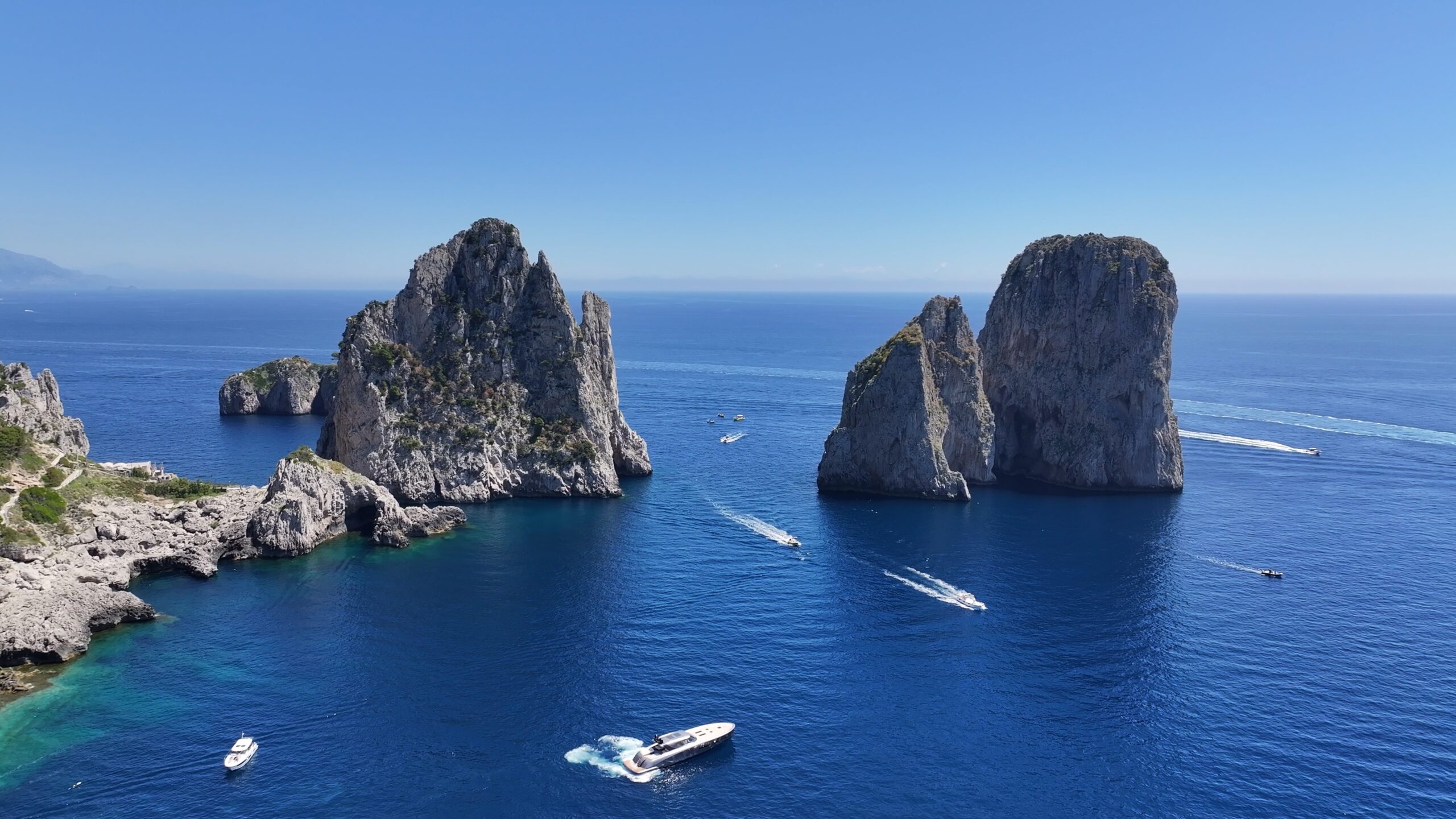
Capri lies out in the Bay of Naples and is probably Italy’s most famous island, with steep cliffs, the three Faraglioni rocks in the sea and the little town with its square, the Piazzetta, which is packed with cafés and expensive shops. Higher up is the island’s second town, Anacapri, which is quieter, and from there you can take the chairlift up Monte Solaro.
The fast ferries from Molo Beverello in Naples sail to Marina Grande on Capri in about 45 minutes, and a single ticket with NLG costs around €25 (about £20). On top of that comes a landing fee for Capri of €5 (about £4) in the summer half of the year. The best-known experience is the Blue Grotto, a sea cave where the sunlight makes the water glow blue. You get in using a small rowing boat with room for four, and you have to lie down in the boat as it’s pulled through the low opening. Entry costs €19 (about £16) on top of the boat or bus out there, and the grotto closes when the sea is rough.
I’ll be honest. Capri is expensive, and in summer the island is full of day trippers, so there can be a long queue at the grotto. My tip is to take one of the first boats and get away from the Piazzetta. If you’d like to see more of the coast, I’ve written about the best things to do on the Amalfi Coast, and if you’d like to stay closer to the islands, you can read about where to stay in Sorrento.
Book a guided day trip to Capri and Anacapri from Naples.
Practical Travel Tips for Naples
You can easily explore the Centro Storico and the waterfront on foot, and for the rest of the city you use the metro, buses and funiculars. Metro line 1 connects Napoli Centrale with Università, Municipio, Toledo, Dante, Museo and Vomero, and you can pay contactless with Tap&Go on metro lines 1 and 6 and on the funiculars. The Circumvesuviana trains to Herculaneum, Pompeii and Sorrento leave from Napoli Garibaldi, and you’ll find the timetables at EAV.
From the airport, the Alibus runs to Piazza Garibaldi in about 15 minutes and on to the port at Molo Beverello, and a ticket costs €5 (about £4). You’ll find all the options in my guide to getting from Naples Airport to the city centre.
Plan your days around the closing days. The Cappella Sansevero and the archaeological museum are closed on Tuesdays, while the Palazzo Reale, Capodimonte and the catacombs are closed on Wednesdays. On the first Sunday of the month, entry is free to the state museums and excavations such as MANN, the Palazzo Reale, Pompeii and Herculaneum, but that also means big crowds. The Cappella Sansevero, Pompeii and the crater path on Vesuvius should be booked online well in advance.
Spring and autumn are the best times to visit Naples, because in summer it’s very hot both in the city and at the excavations. If you’d like to see the full range, you can see all hotels in Naples on Booking.com. If you’re heading on to the coast afterwards, take a look at where to stay on the Amalfi Coast.
Travel ressources & websites I use all the time 👇
• Booking.com has the best offers on hotels and unique places to stay
• GetYourGuide is the best place to book tours & activities with free cancellation
• Welcome Pickups is the best & safest place to pre-book airport transfers
Psst 👀 Have you subscribed to my Youtube channel and my Instagram where I provide more useful travel tips?